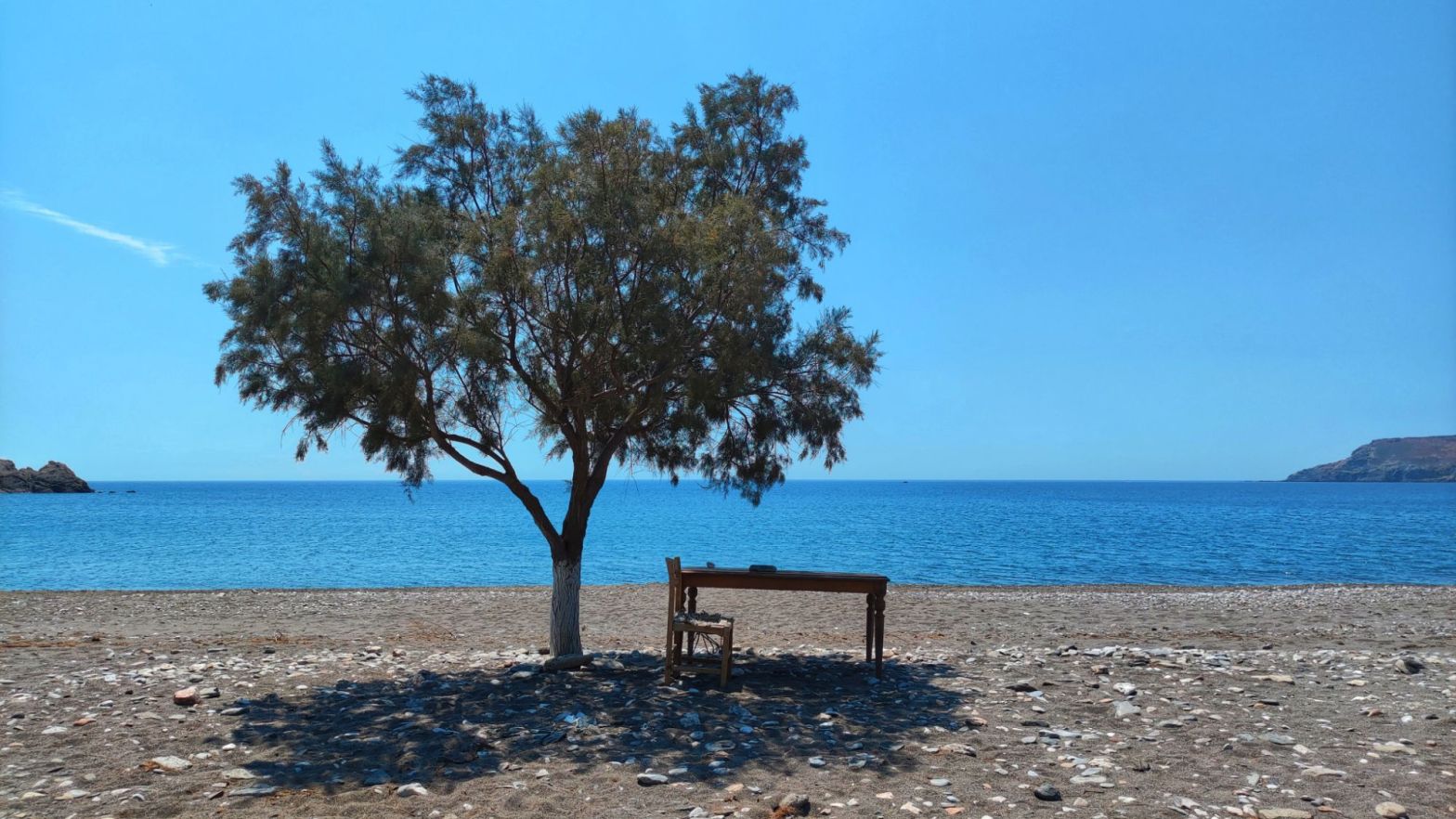
The scent of mastic, the sound of cicadas, unspoiled beaches, turquoise waters blending with the green of lentisk trees: a journey through the authentic Chios.
LEGGI L’ARTICOLO IN ITALIANO QUI
Those who know me, know. Those who don’t know me, will soon find out. Greece is my greatest love. Sometimes I take detours, but I always come back.
I love Greece in its whole, but some places truly embody the Greek essence that I love the most: the simpler and more authentic one, with the tavernas draped in checked tablecloths and the wooden fishing boats resting in harbors sheltered from the meltemi. Where in the innerlands the meat is slowly roasted and and where tsipouro is served in tiny glasses, where secluded beaches can only be reached on foot, leaving you alone with a few goats and a little white chapel. Because the white chapel, even in the most remote places, is always there.
Chios might just be the island I loved the most. Chios, where emerald and turquoise blend seamlessly, and where the air carries the scent of mastic and citrus groves. Chios feels like Greece, that Greece, living to the sound of the sea and the song of cicadas.
Strategically located in the Aegean Sea, Chios was founded in the 7th century bC and soon became one of the most important Greek polis. From then on, Romans, Byzantines, and Genoese followed one another on this barren yet lush land, leaving a significant and distinctive mark on the architecture of the towns, which have been preserved despite the devastation carried out by the Turks during the Greek War of Independence.
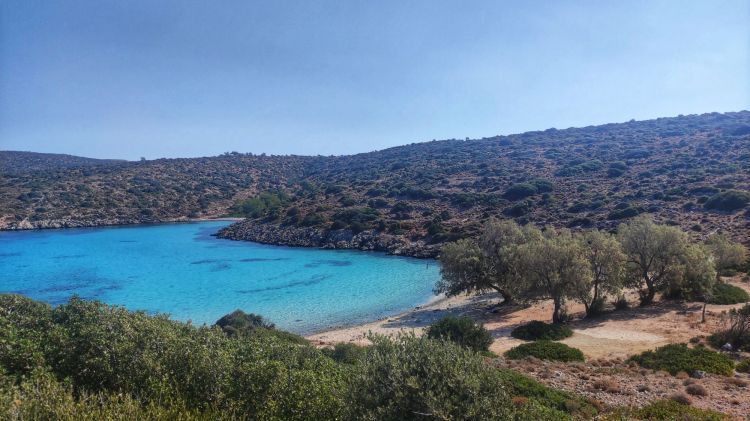
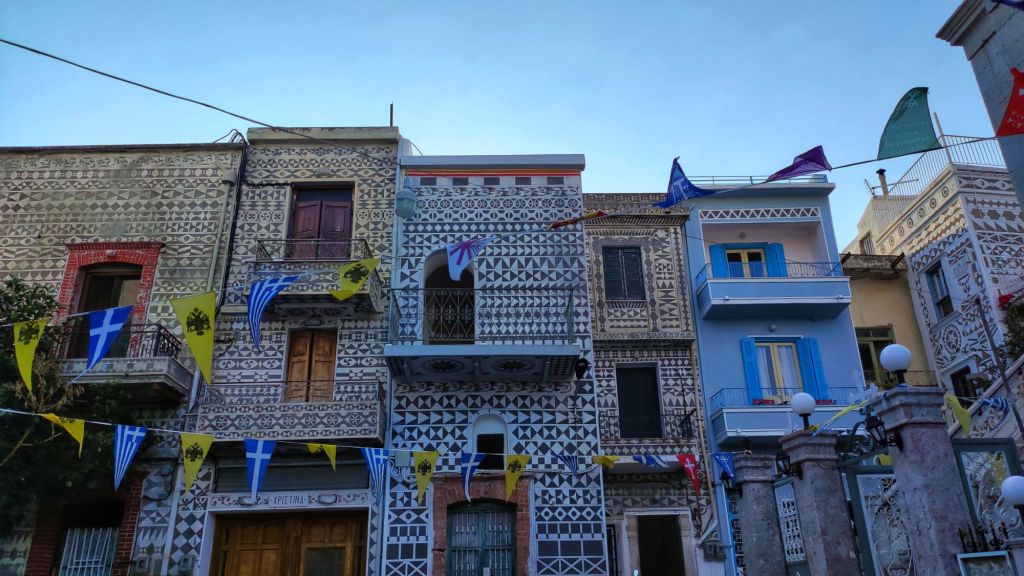
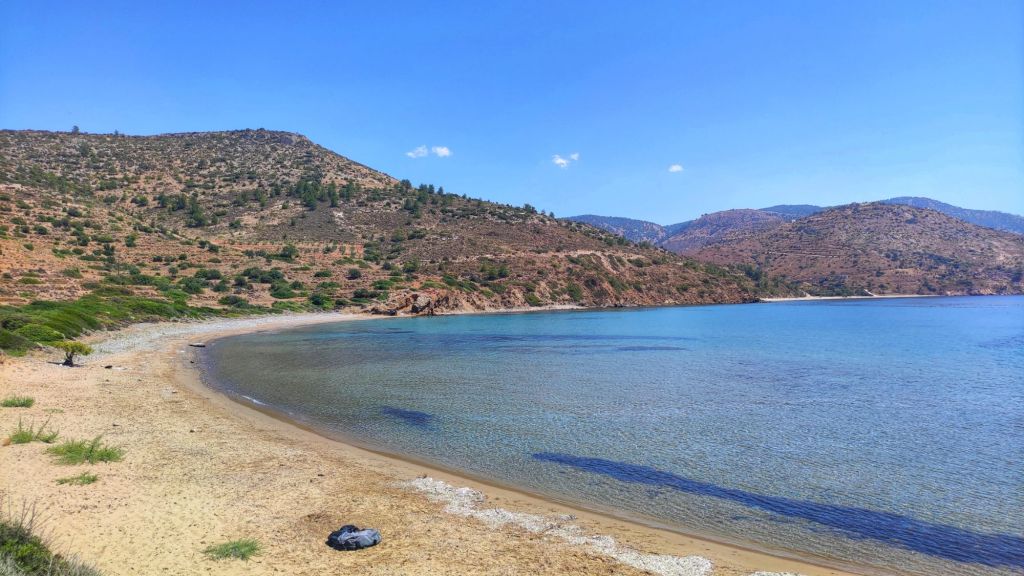
Today, Chios is an island that lives at a slow pace, marked by the bells of the many churches, like the one on the beach of Agia Dynami, where every morning the elderly of the island gather under the only olive tree, armed with small chairs and radios, listening to traditional music and engaging in animated discussions. Agia Dynami can be reached via a long road that winds through the many mastic trees from Pyrgi, one of the most characteristic villages on the island, with its houses adorned with the xysta, black and white geometric decorations made from lime and paint dating back to the Genoese domination. Pyrgi, along with Olympi, Vessa, and Mesta, is one of the main centers of the mastic area.


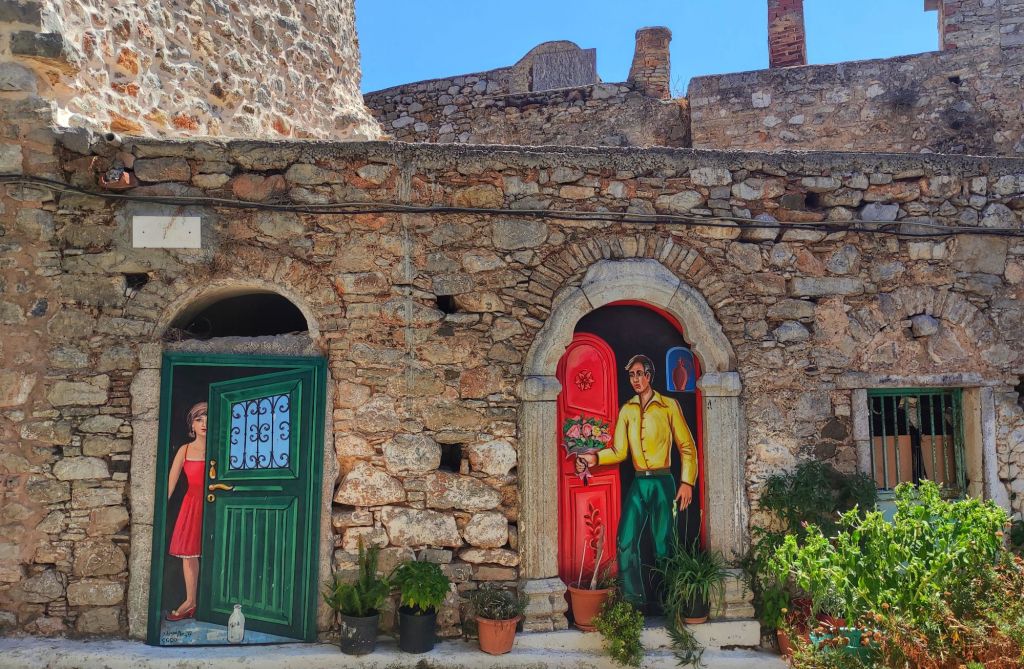
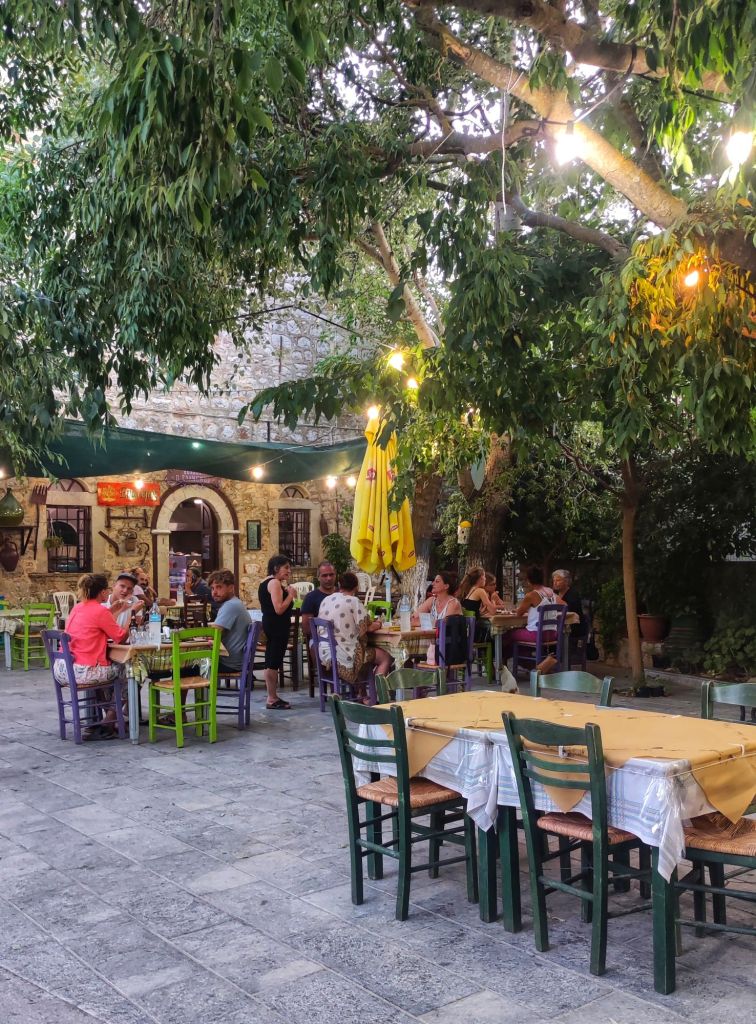
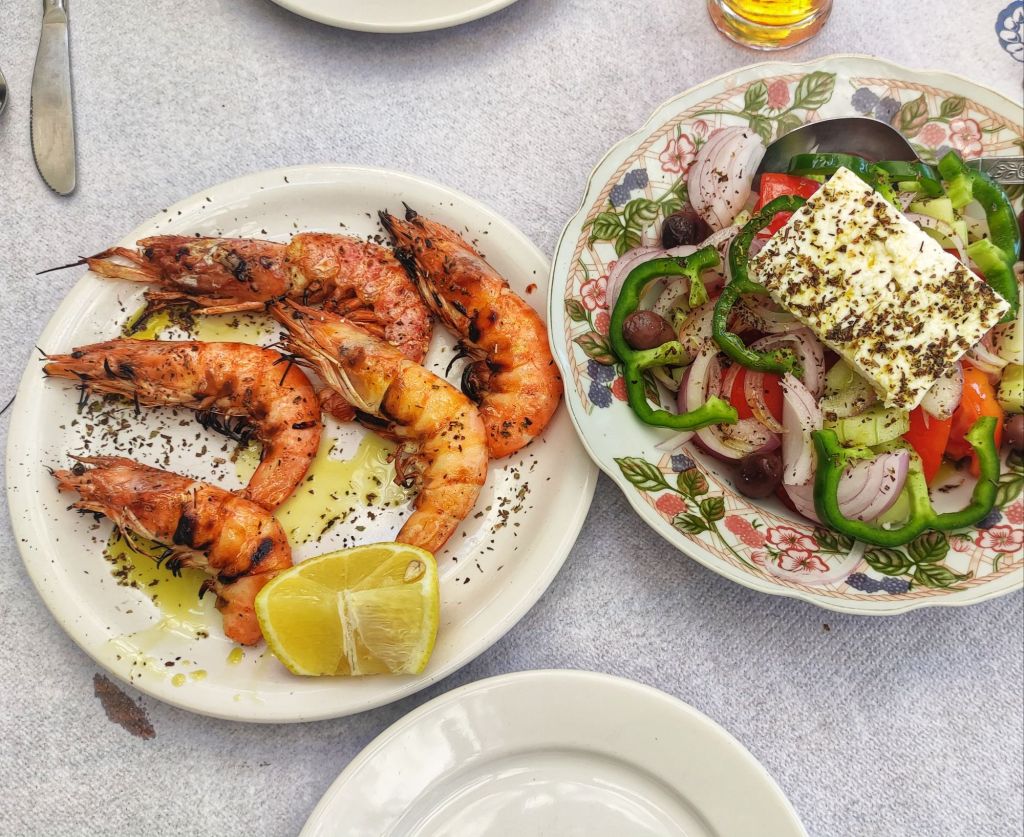
Mastic on Chios is essential, and it has been since ancient times, making the island a central hub for trade. Mastic, or mastiha, is the resin obtained from the mastic tree. Sweet, fragrant, aromatic, and even healing, mastic is extracted by making incisions in the tree’s bark, from which the resin is collected. It solidifies and takes on a milky white color. The uses of mastic are many, starting from the sublime local liquor, Mastiha, but also including ice creams, candies, flavored waters, face creams, and even mouthwashes. The scent of mastic accompanies travelers across the entire island, guiding them to explore the Mastichochoria, taking them to Olympi with its stone houses and painted doors, and to the fortified town of Mesta. Here, in the restaurants in the little square, you drink mandarin juice and eat the grilled mastelo, a typical cheese of the island. From Mesta, you quickly descend to the sea: on one side, the red rocks and the lush green of the trees, and on the other, the coast. You head to Limenas and continue to the breathtaking Didima beach and the family tavern of Agia Irini. Octopuses are hung to dry in the sun, the shrimps are fresh, and the sea is silent and turquoise, just like the sky.
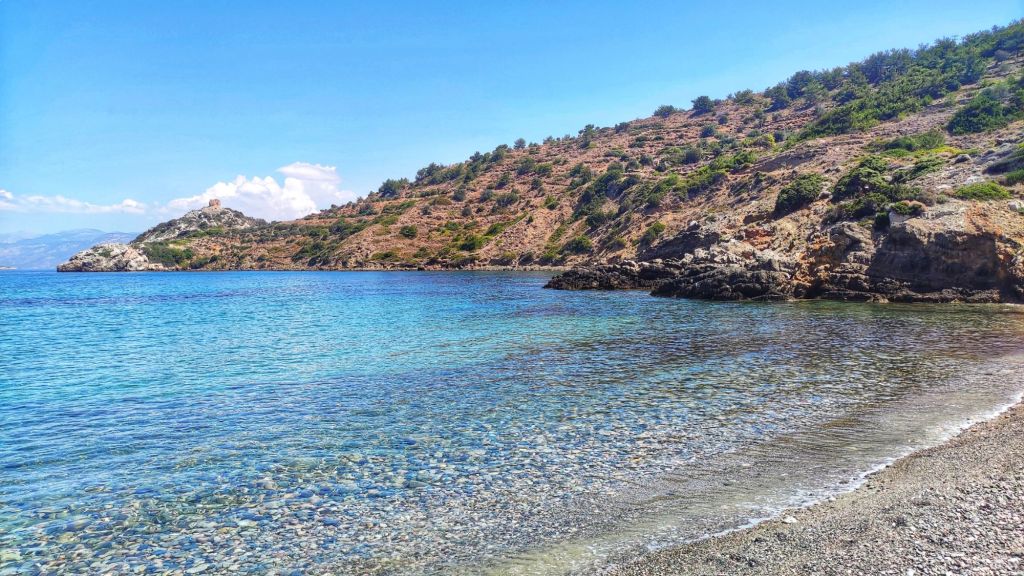
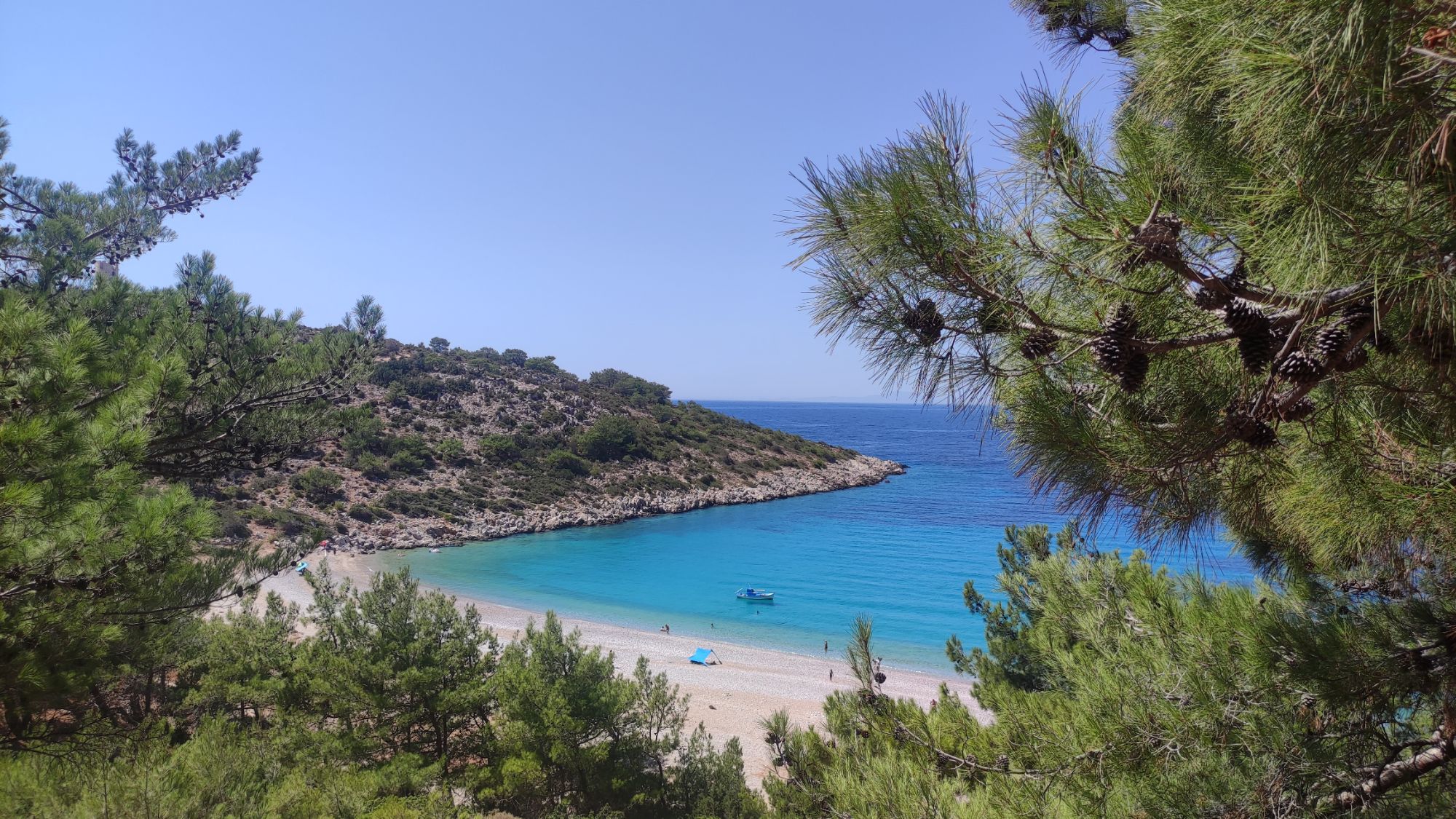
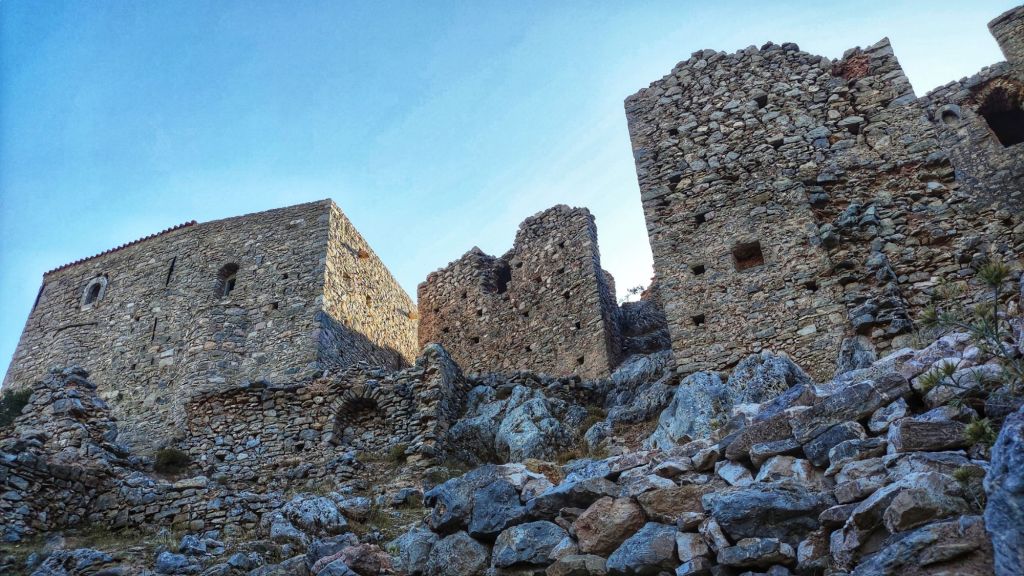
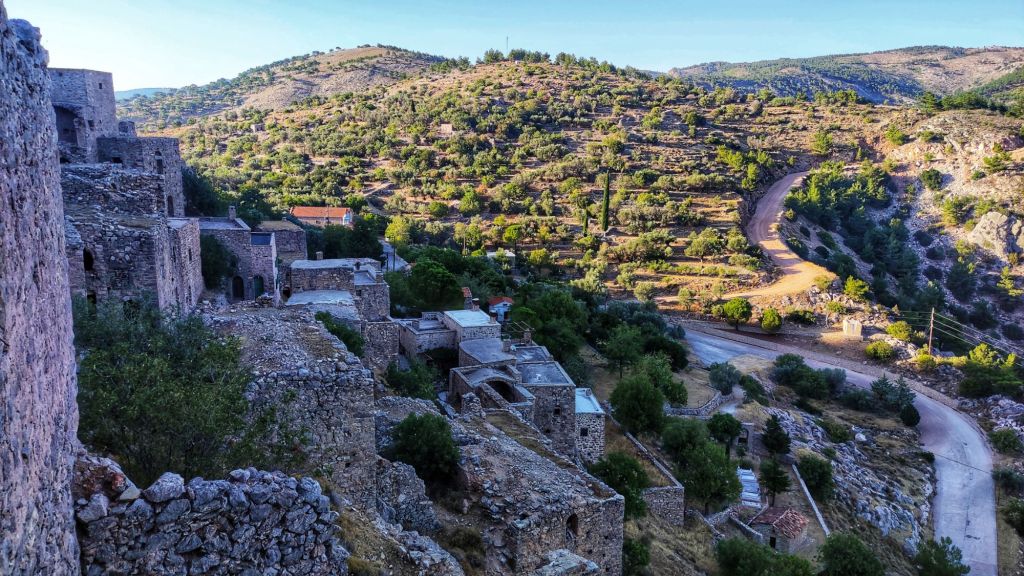
The road gently climbs towards the small village of Vessa, where the main square is dominated by a plane tree, beneath which the only two taverns of the town are located. Here, people speak Greek and enjoy roasted meat, accompanied by the inevitable freshly fried potatoes and a carafe of tsipouro. From Vessa, one can venture to the beautiful Nea Moni Monastery, a UNESCO World Heritage site, and the abandoned village of Anavatos, which in Greek means “inaccessible” and was never repopulated after the Turkish massacre during the War of Independence. From Anavatos, the descent to the coast begins once more, becoming increasingly wild until reaching Prastia Beach, deserted even on August 15th. To refresh, one heads back inland to the terrace of Petrini Plateia, where to taste the irresistible Kokoras Krasatos (rooster cooked in red wine and tomatoes) served with hilopites, traditional Greek long pasta.
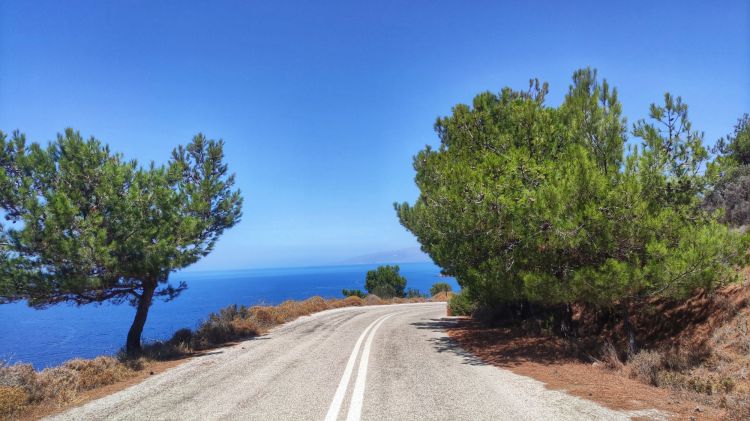
After a visit to Volissos, which according to legend is the birthplace of Homer, you can embark from the port to the tiny island of Psarà.
Cars or scooters are not needed; the island can be explored on foot, with the wind blowing strongly and the sun shining intensely. Psarà, which was inhabited as early as the Mycenaean era and became a symbol of resistance against the Ottomans, has a timeless quality. On its deserted and wild beaches, only the sounds of the sea and the wind can be heard. Here, away from the small town center by the port, there is nothing, yet there is everything. By day, you can walk to Lakka, Paralia Ftelio, or head in the opposite direction to the lighthouse. In the evening, enjoy a lobster by the port and stop in the small square for a baklava with ice cream, watching the children play and overhearing conversations of the five hundred inhabitants.
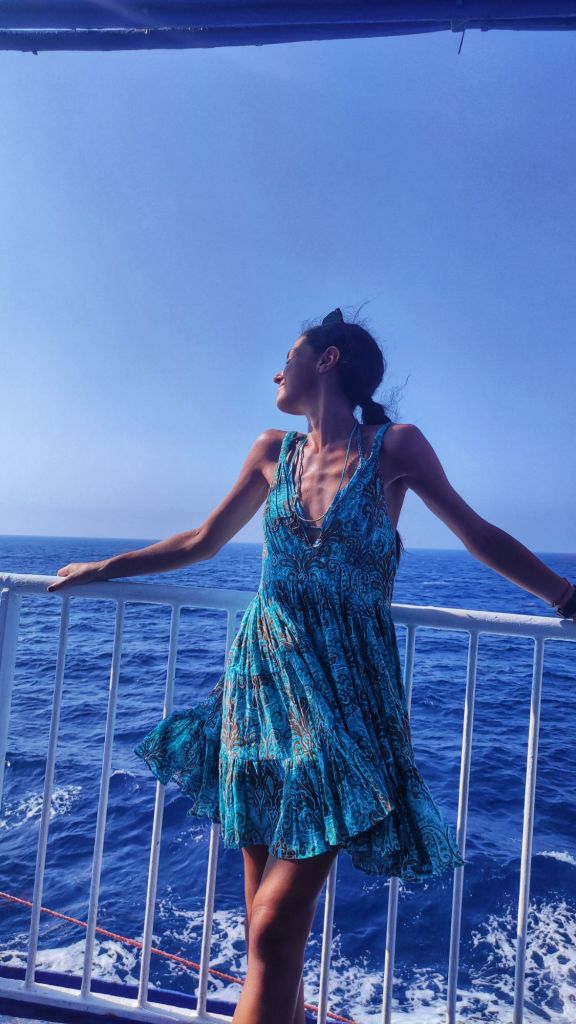

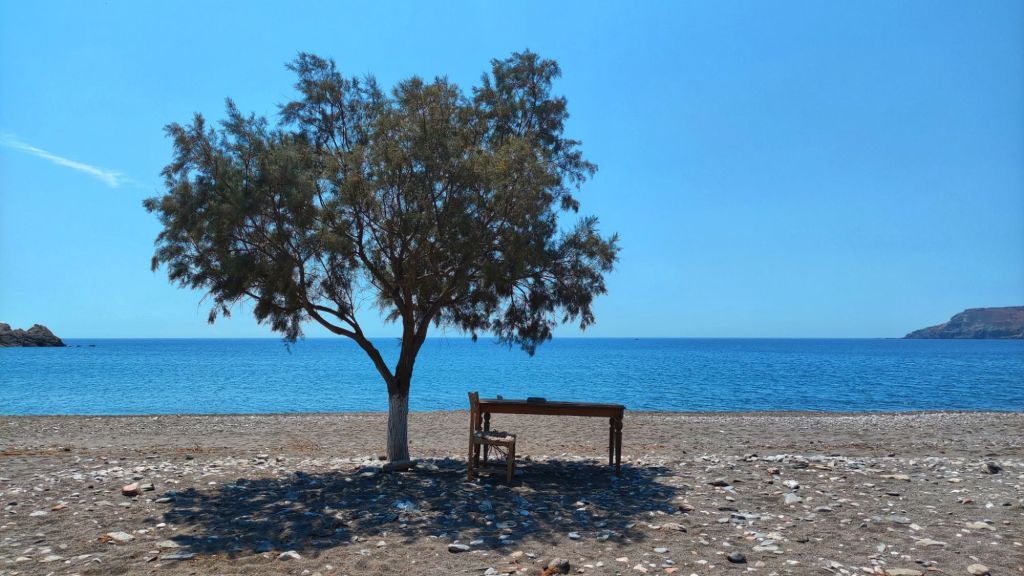
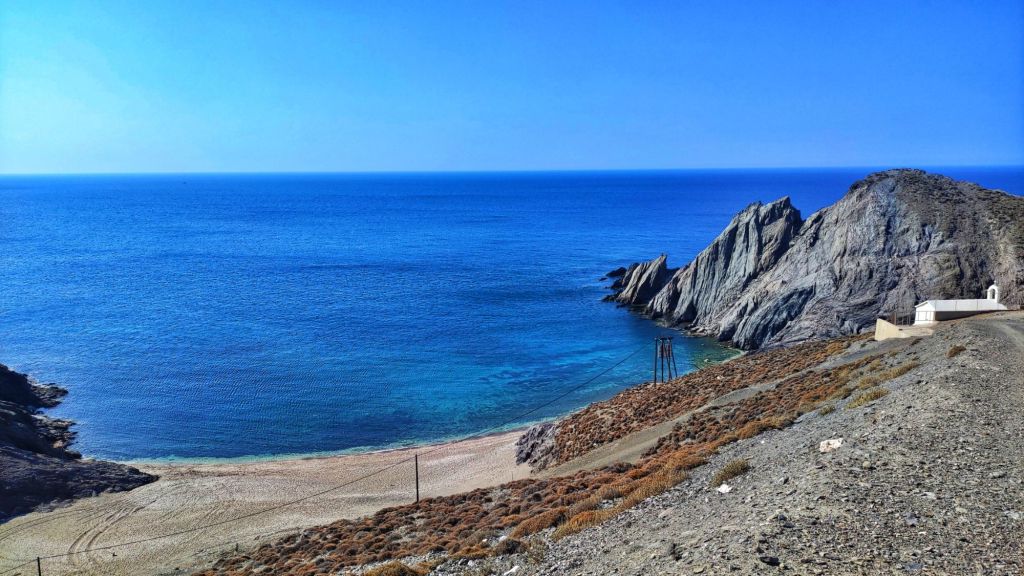


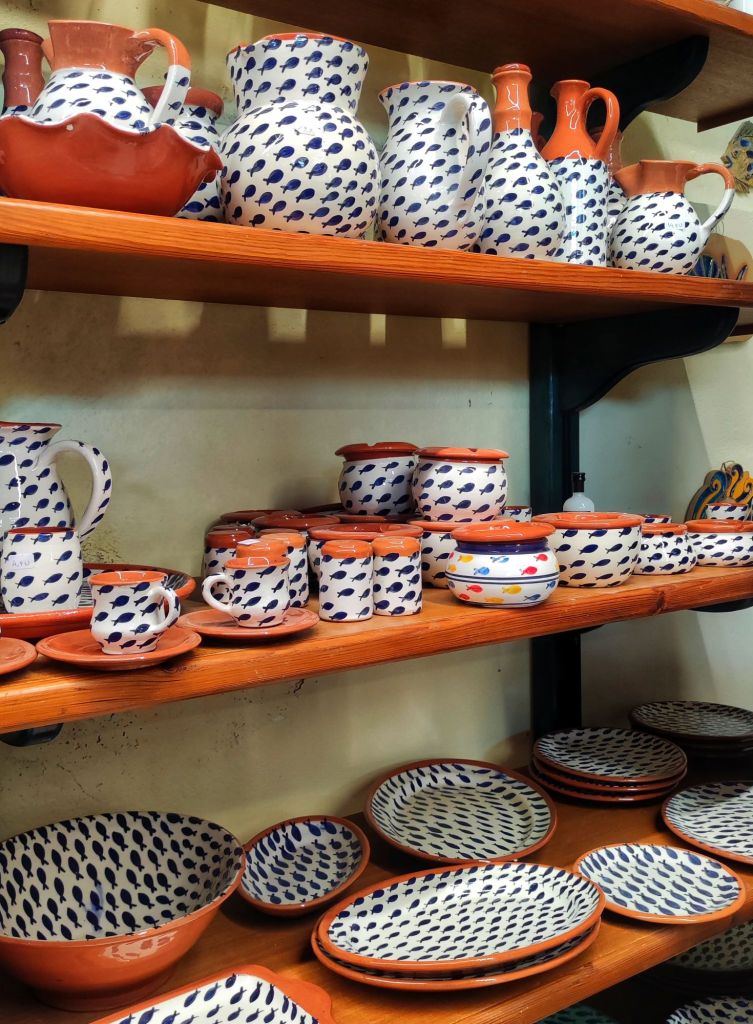
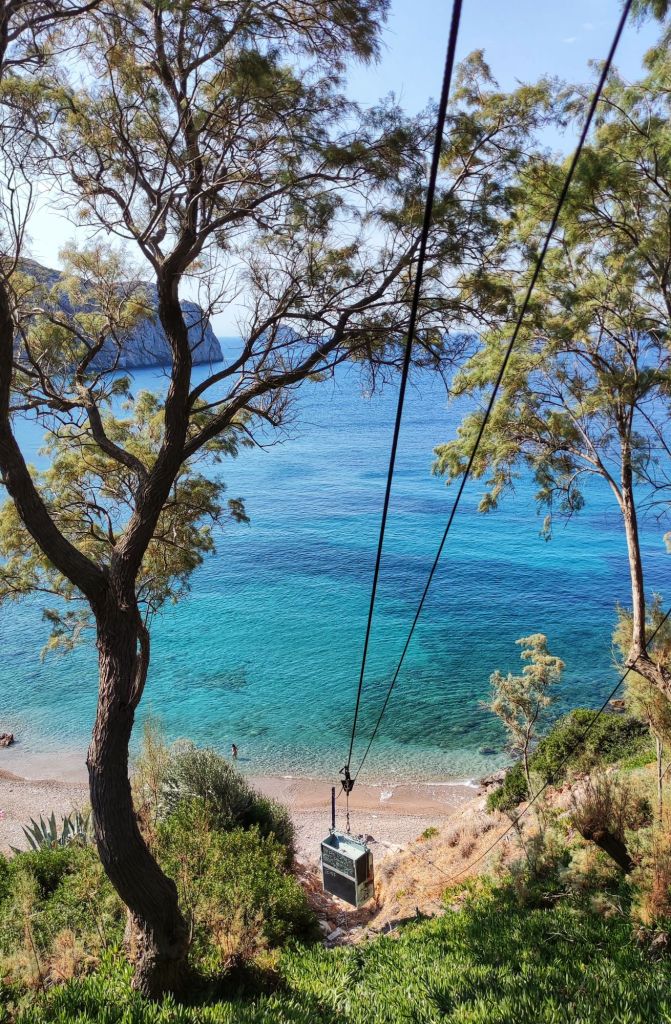
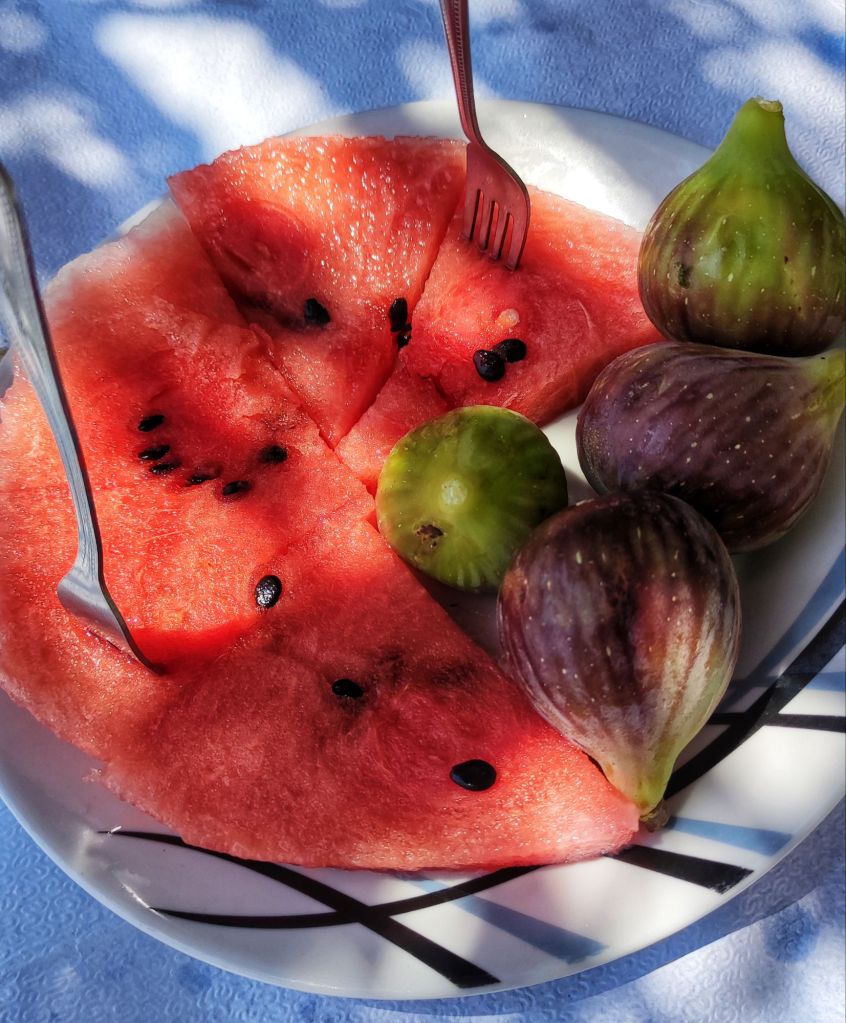
Back in Chios, you can explore Armolia, the village of ceramicists: on the street, you find oil bottles and decorated bowls that originate from a millennial tradition. Then, head to the beach at Broulidia, where a long staircase leads down and where the small family-run taverna sends supplies to the beach with a makeshift pulley. For lunch, you eat whatever is available, usually fresh calamari, but you can’t leave until you have finished the watermelon and the figs from the owner’s garden.
Then, you take a swim at Mavra Volia and for dinner, you head to the seaside in the small village of Emporio for a kritharaki (Greek barley, or orzo) with garides (shrimps). You leave the island, pushing away any sadness with one last beer, produced by the excellent island’s microbrewery.
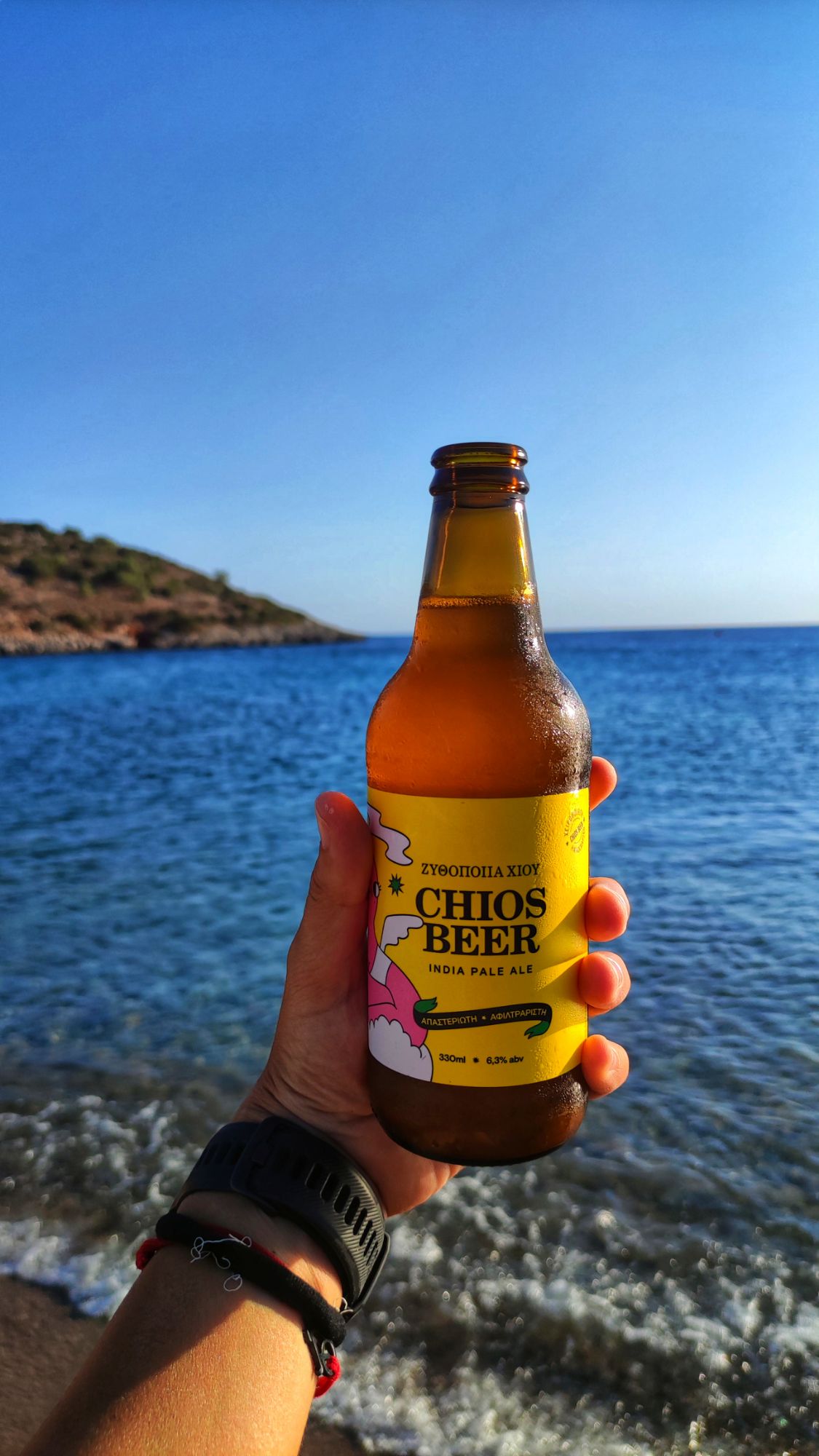
Cheers, Chios!
And in case you need a moment of relax and mindfulness:
Note: Chios is a great Island for road cycling, but there isn’t any rental place, therefore you need to bring your own bike.


Lovely pictures,i’ve been to Grete a few times, absolutely lovely place and lovely people.
LikeLike