Leggi l’articolo in Italiano qui.
Which Isla Canaria is the best? Lanzarote, Tenerife, Gran Canaria or Fuerteventura? Is it better to ride on the Teide or Pico de las Nieves? All your questions are answered in this maxi guide to your next winter ride in summer kit!
Having visited all Canary Islands and having ridden all of them, it is finally time to pull the wires. To me, each one of the four big Canary Islands is worth a visit. Depending on your likings and what you are looking for, some can be a better fit than others. I tried to briefly summarise the perks of each Island, so you can easily find your perfect match.
Cycling, hiking and sightseeing: Tenerife
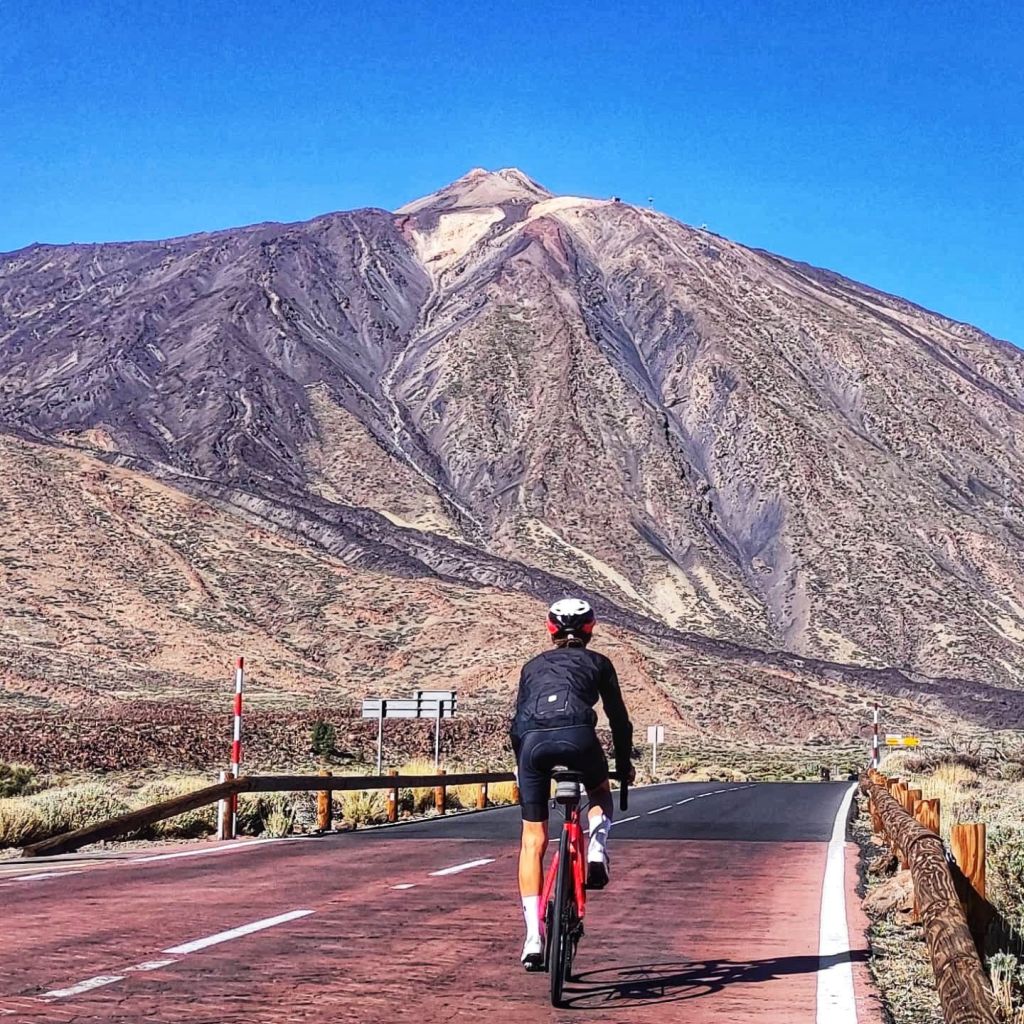

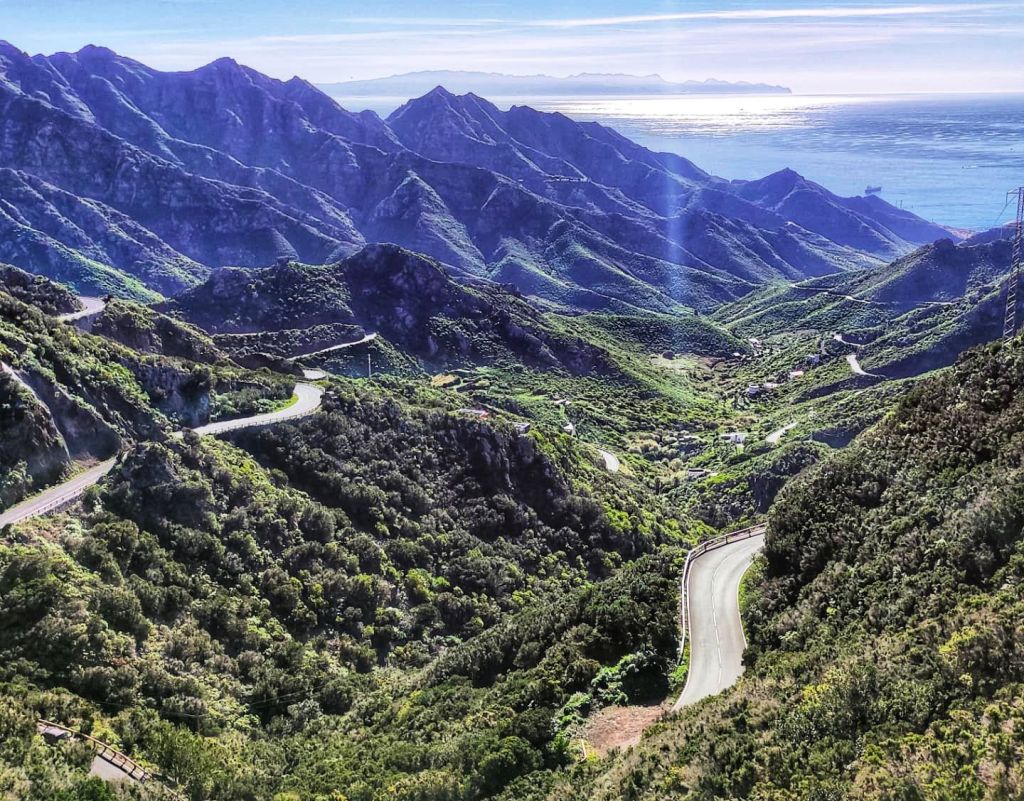
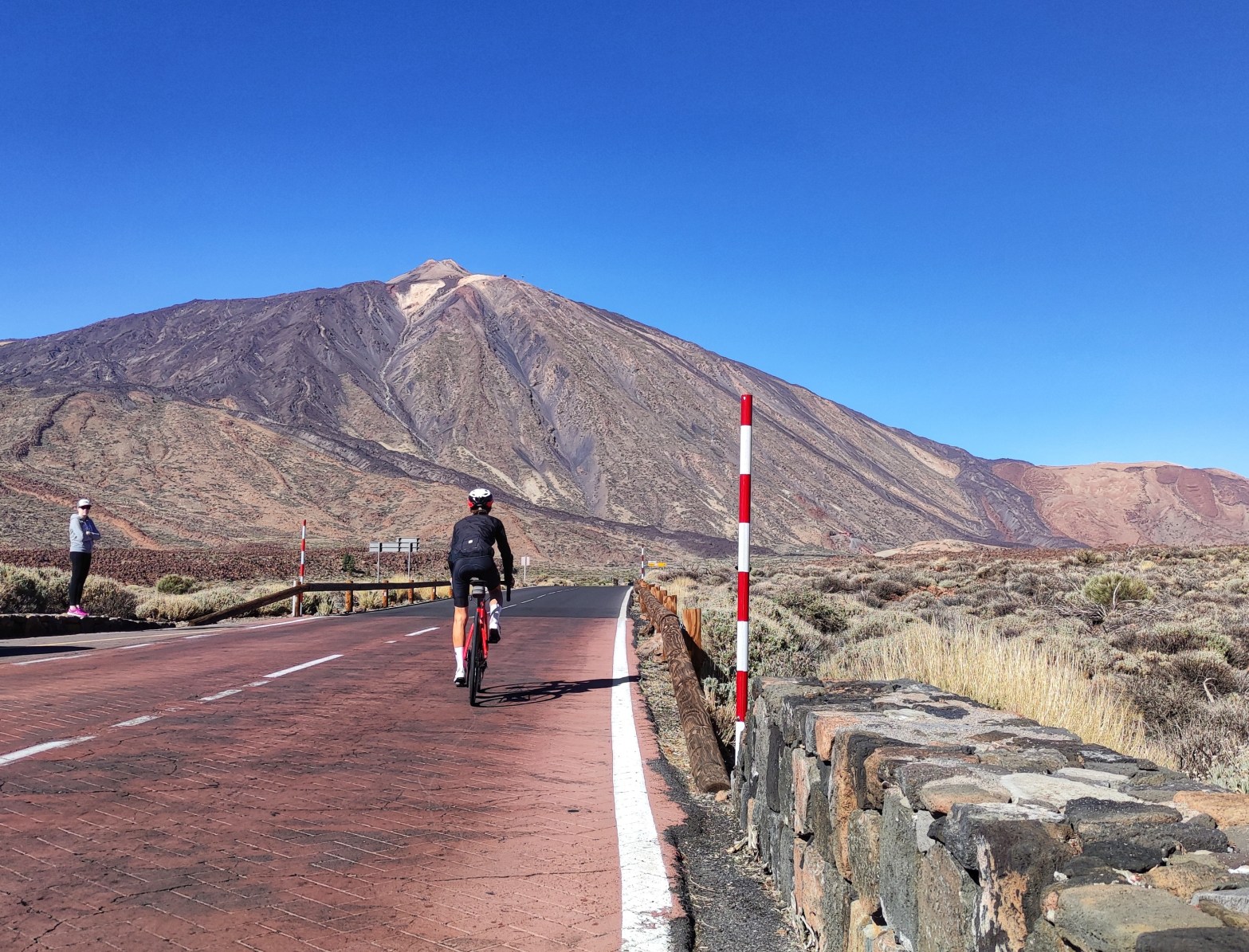
Personally I consider Tenerife the best Island for cycling and, more in general, one of the best places for riding. Smooth up&downs, long and gentle climbs, as well as rough and shorter ones. Tenerife has it all, except for long flat sections and cold weather, but for them we don’t need to travel. Just like in the Ancient world every road took to Rome, here every road takes you to its Majesty the Teide, that with its 3715 meters is one of the World’s tallest Volcanoes and one of cycling most epic climbs.
The Teide can be climbed from 5 different roads. Stariting from sea level, the meters of altitude are of course always the same so it never gets easier. Probably the road from Costa Adeje is the less demanding one, on the opposite it gets more demanding from La Orotava. Don’t stress too much: the climb is worth it from every access point and you will get highly rewarded. I particularly suggest the ascent from Güimar: no crowds, no distractions, just peace.
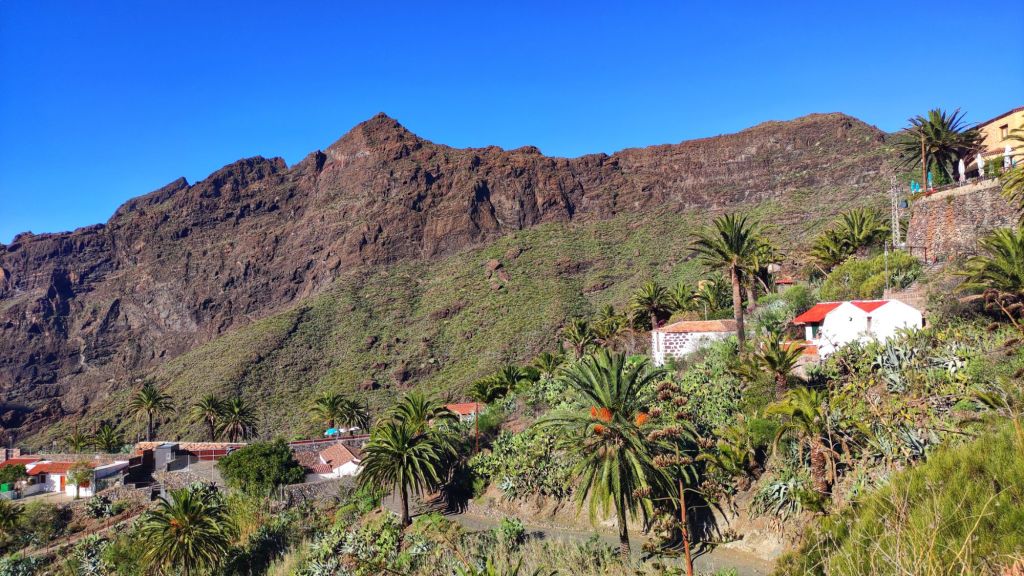
Teide is undoubtedly Tenerife highlight, however there is a variety of epic climbs: don’t miss the chance of riding around Masca and Icod de los Vinos and hit the San Andrés climb, probably my favourite one.
Not only cycling: Tenerife is the perfect place also for hiking (try the Montaña Blanca trail, that brings you up to the Pico del Teide) and sightseening, with lovely colonial-style towns and empty roads filled up with traditional “Guachinches”, traditional restaurants offering local dishes, especially meat-based ones. Don’t miss a visit to Masca, Icod de Los Vinos, La Orotava and San Cristóbal de la Laguna.
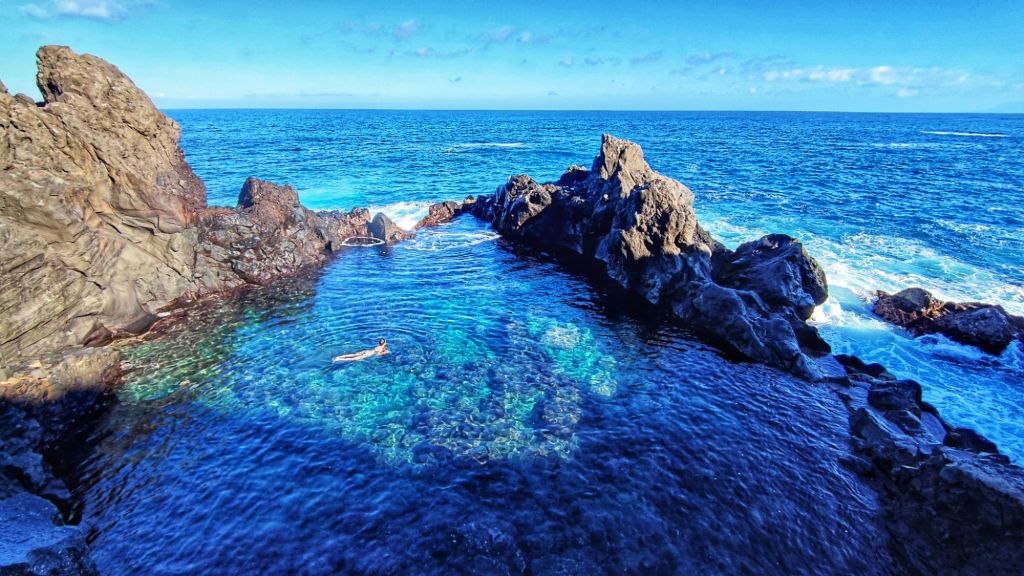
If you are looking for some peace, avoid at every cost the more touristic areas, such as Los Cristianos, Los Gigantes and Costa Adeje, that can be a bit kitsch, and prefer smaller towns instead. For some iced bath therapy, look for los Charcos, the natural swimming pools that populate the Island, or head to the very touristic but still relaxing Playa las Teresitas.
Here you can find more information about what to do in Tenerife.
Relax, beach life, cycling: Lanzarote

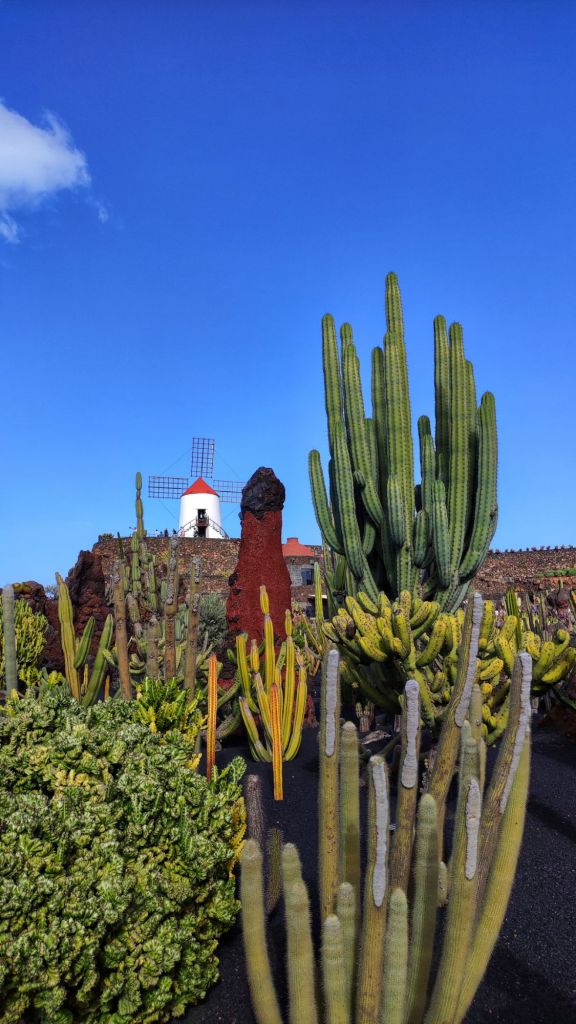
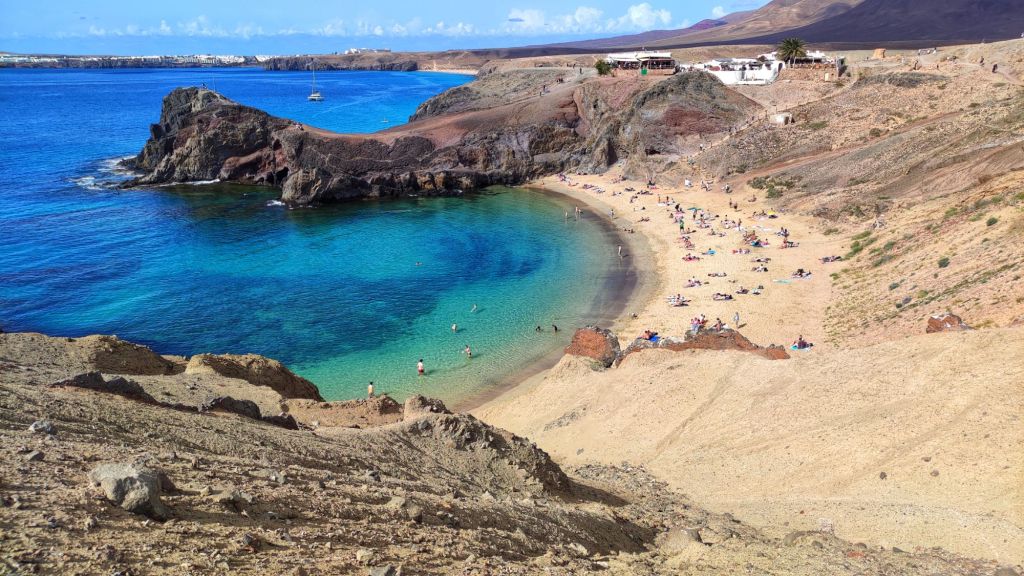
Lanzarote is the best Island if you like a good mix of three key ingredients: wine, beaches, cycling.
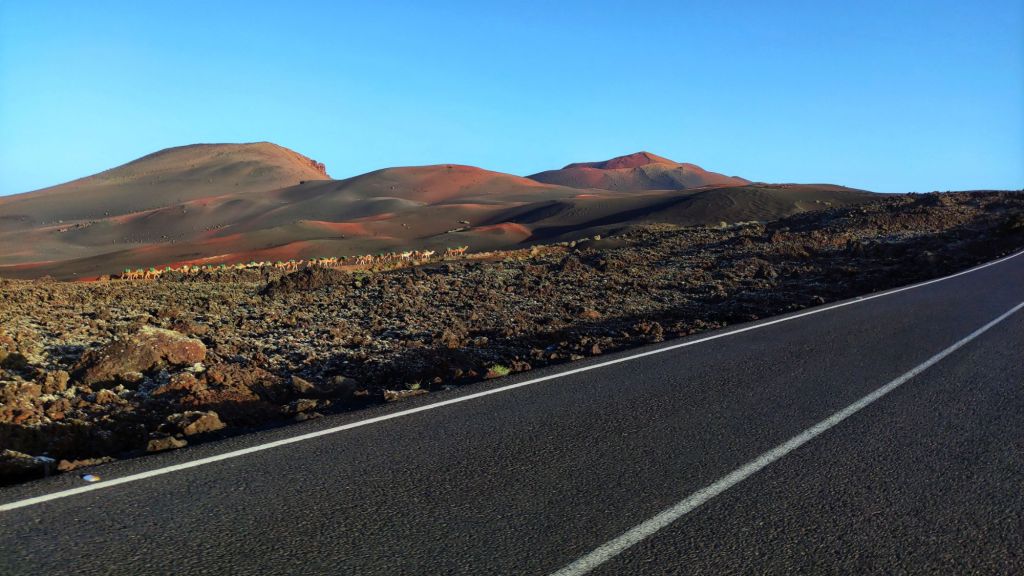
With its perfect little white houses that look like a postcard, Lanzarote is the most gracious one. On the coast there are some more touristy places, in the inner land and on the northern coast, more authentic ones. The highlight is undisputedly represented by the Timanfaya National Park, entirely made up of volcanic soil and offering an extraterrestrial landscape.
Cycling roads are smoother than in Tenerife and they offer gentler up&downs. Don’t miss a ride through La Geria wineries, especially in the early mornings, when roads are empty and offer a magic atmosphere. To spice up your rides, you can hit the popular Tabayesco climb.
Among the four Islands Lanzarote has also three more key ingredients: the best beaches, Playa Papagayo and Playa Blanca above everything else, the best wines, with the lovely malvasias produced in the many wineries of La Geria, and the best attractions, with all the artworks by the local artist Cesar Manrique.
I speak more about Lanzarote in this post.
Surf, beach life, cycling: Fuerteventura
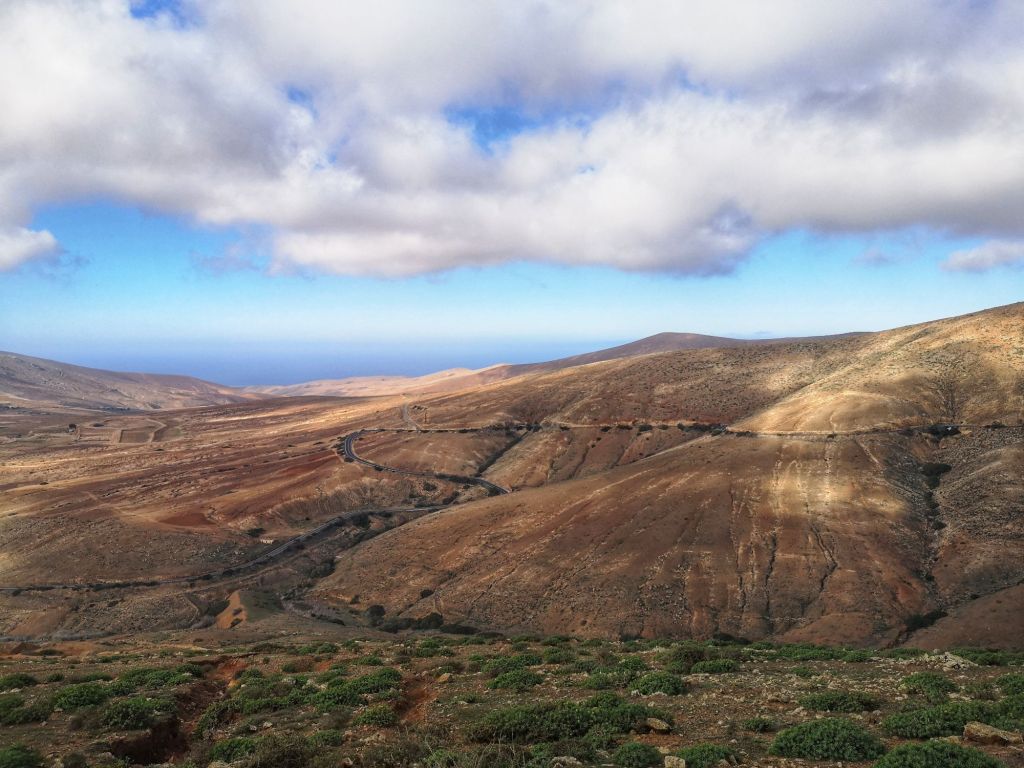
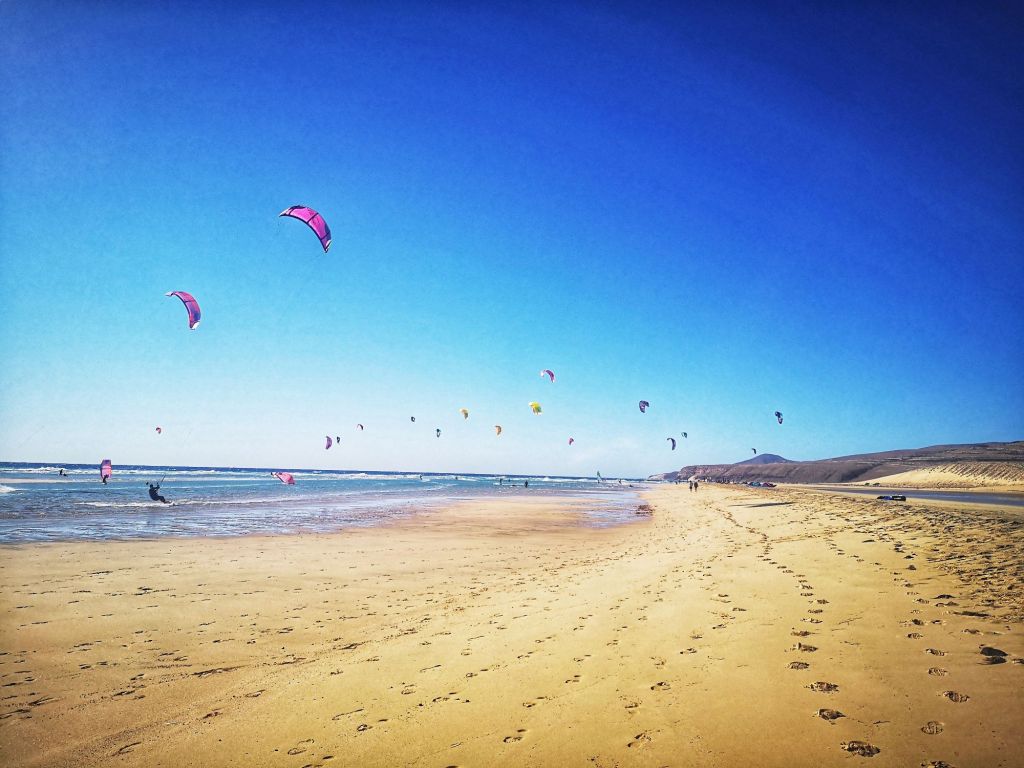
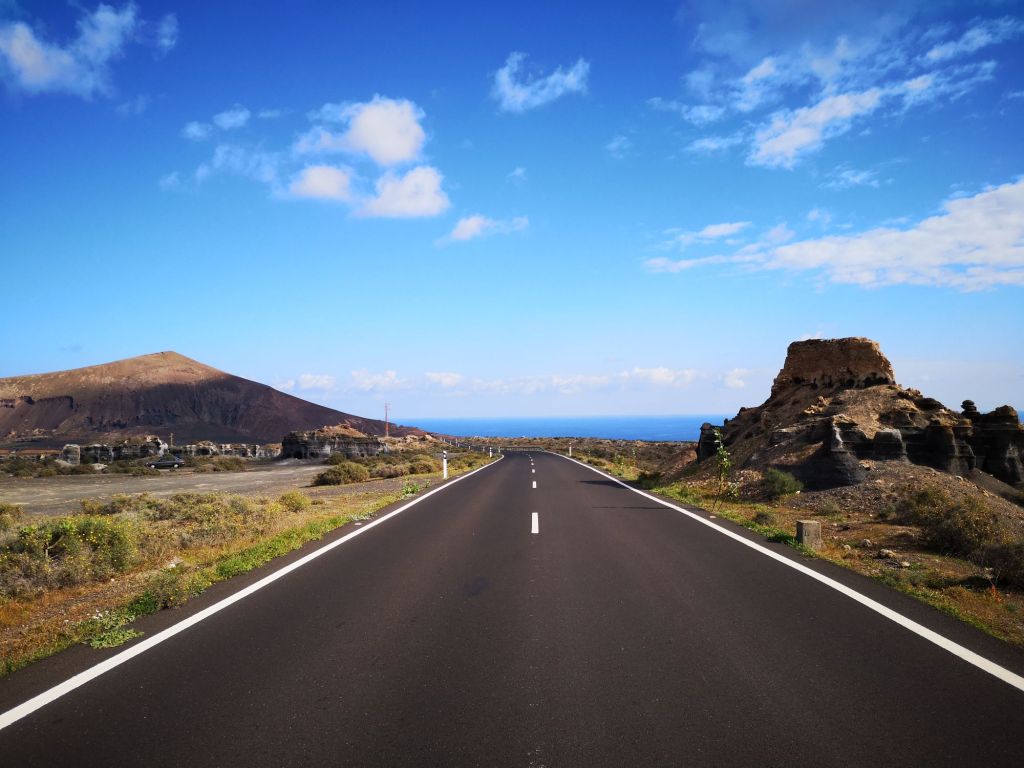
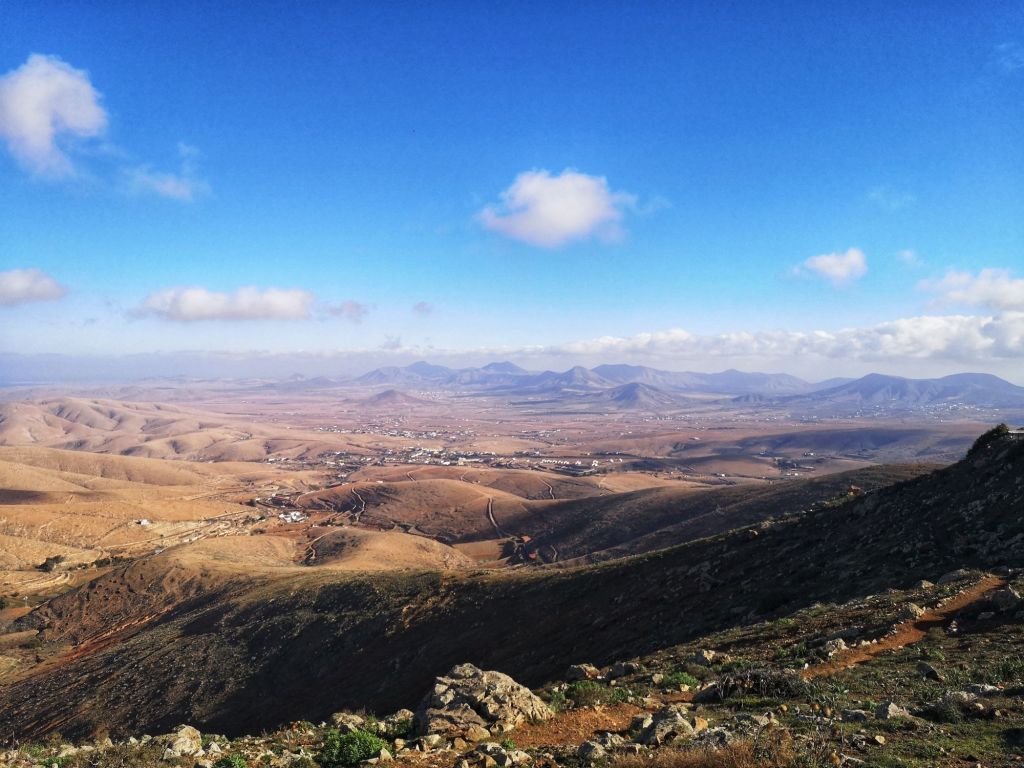
If you love water sports, especially windsurf and kitesurf, you are looking for some more hippie vibes and scenic beaches, then Fuerteventura is your destination.
Cycling in Fuerteventura is fun, but it can be hard: as the name suggests, the strong winds often bother cyclists, especially on the coast and more than on the other islands. Wind apart, the Island offers some beautiful climbs, such as the road that from the picturesque town of Betancuria brings to the majestic Mirador de Guyse y Ayose.
Fuerteventura beaches are stunning: unmissable a visit to Sotavento, a paradisiacal long white sand beach perfect for kitesurfing, and a walk on the beautiful dunes of Corralejo. For calmer waters, check out la Concha and Costa Calma.
During the night, explore the inner side of the Island: the area of la Oliva offers many traditional restaurants that won’t disappoint.
Cycling and comfort-zone holiday: Gran Canaria
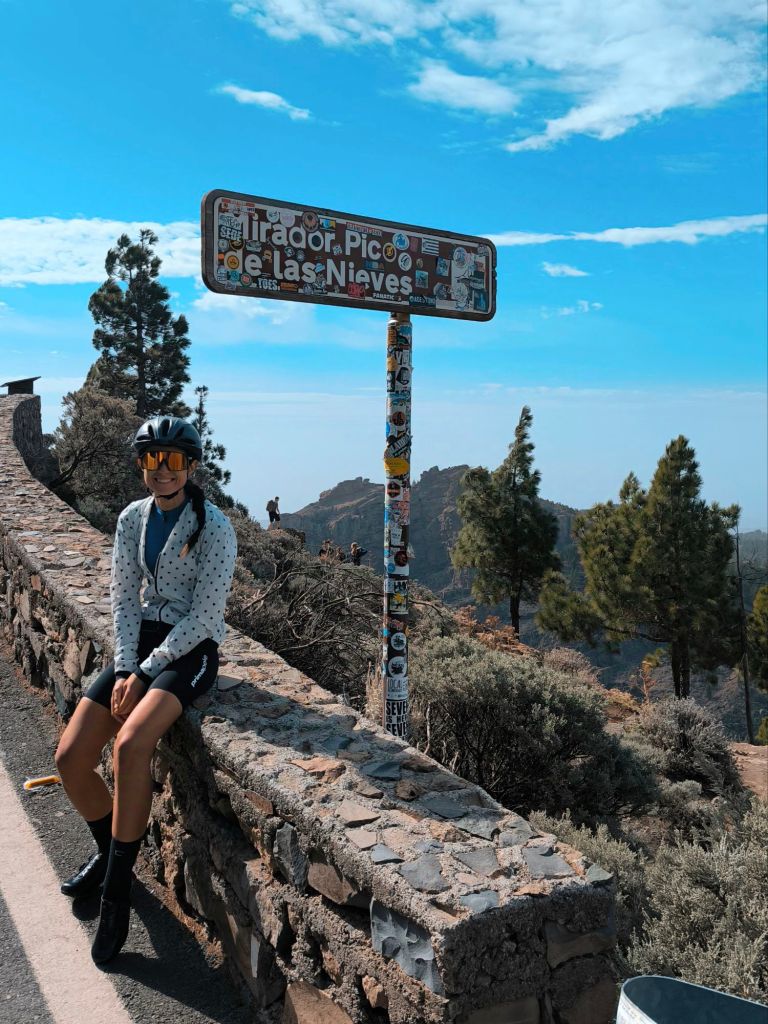
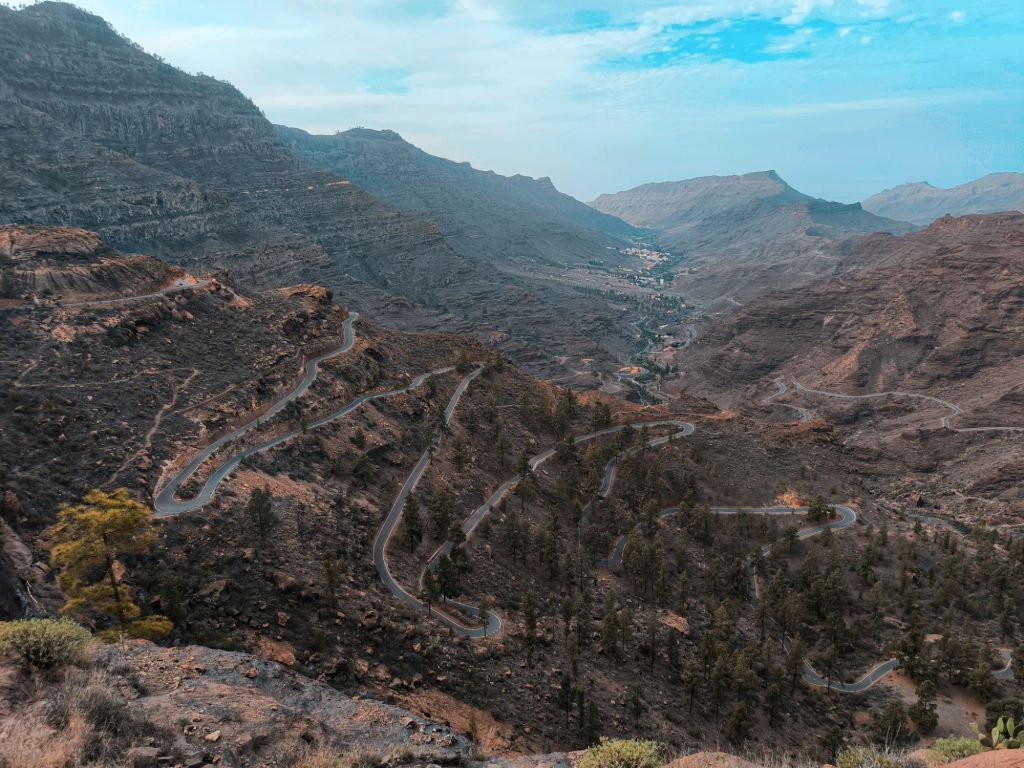
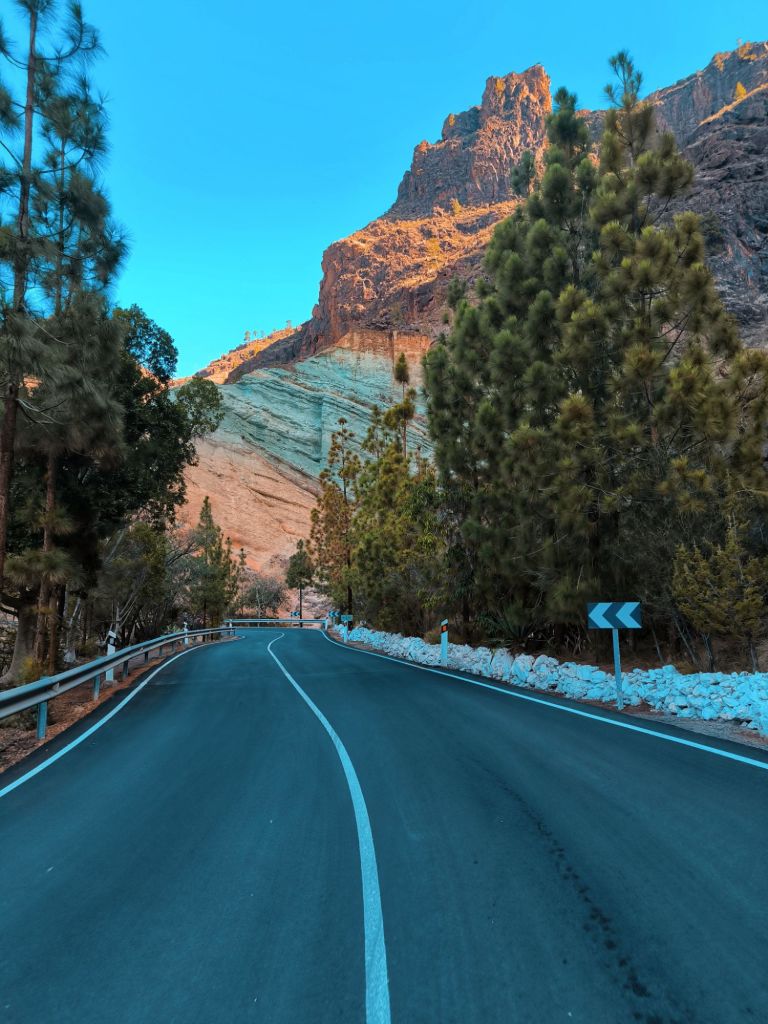
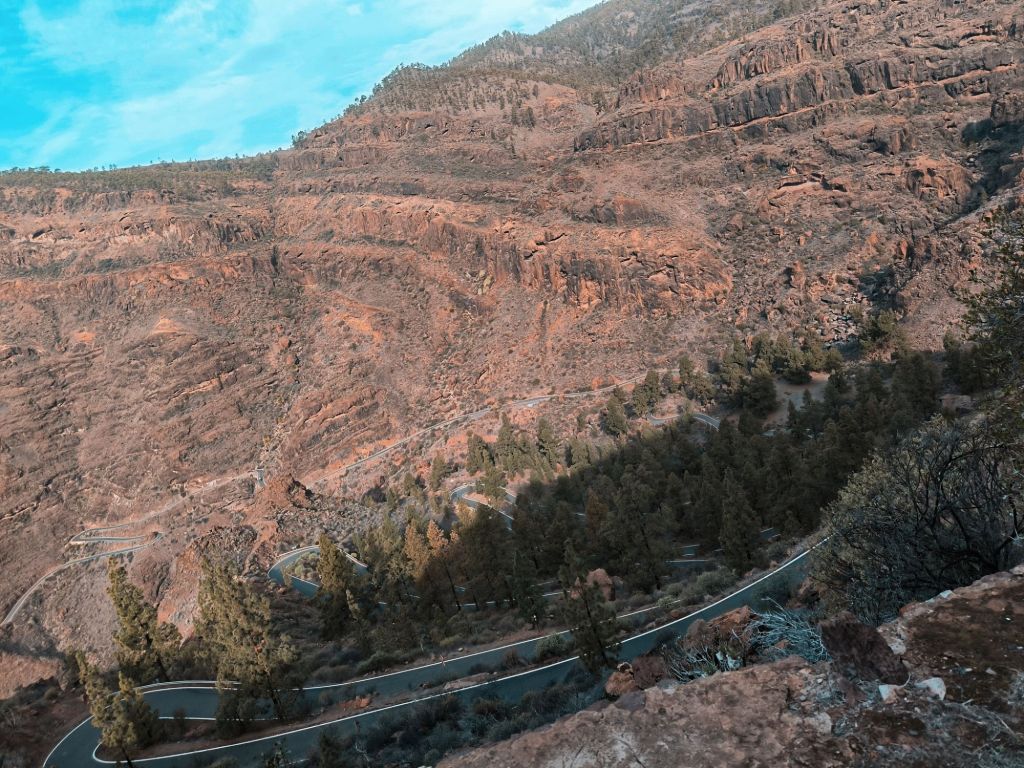
Considered by many THE cyclists island, Gran Canaria offers for sure spectacular roads and epic climbs. To me, it is way too commercialised, but if you are looking for a relaxing holiday with all comforts and zero fuss, then you must visit. If you prefer to explore less touristy and more authentic areas, opt for Tenerife instead.
Gran Canaria has two huge advantages when it comes to road bikes: it hosts the epic Pico de las Nieves and the majestic Valle de las Lágrimas.
You can climb Pico de Las Nieves from different roads, I did it starting from Playa de Mogan and riding up for 46 kilometres. It was a hard one, made harder by the hot headwind blowing unmercifully. Pico de las Nieves is a must do climb, but the road, except for the stunning Serenity Climb, placed in the first half, isn’t as memorable as other long climbs. A road that truly blew my mind in Gran Canaria is the one that from Mogan brings towards the Valle De Las Lágrimas riding though the beautiful Azulejos de Veneguera: stunning. This road, along with the Serenity Climb, are alone worth the trip.
In Gran Canaria there is a variety of beaches with calm waters, but it is almost impossible to find a corner of peace, as the number of resorts, hotels and residences is very high. Don’t miss a walk at the Dunas de Maspalomas and a happy hour at Playa Mogan. If you can’t stand crowds anymore, drive to Aninaga, take the gravel road and reach Playa del Cabron.
Teide or Pico de las Nieves? The ultimate battle!
Teide and Pico de las Nieves are both epic climbs and I loved them both, despite the efforts required. At the end I must say Teide is better: the views are outstanding along all the way, on the contrary el Pico has some sections that feel a bit boring. Teide has also more regular gradients, something I really appreciate. Last but not least, the top of Pico de las Nieves is a bit underwhelming compared to the giant volcano you see once you reach the Base del Teide. In any case, you will for sure love both.
Frequently Asked Questions about Canary Islands
- Do you rent a bike or bring your own? I usually rent the bike, as especially for shorter stays, bringing your own one isn’t always worth the fuss. On all Canary Islands there are plenty of rentals, I usually rely on Free Motion or Pro Action Bike, they have plenty of shops and a wide choice: from entry-level road bikes to very expensive ones. In case you are planning a longer stay, consider bringing your own bike: the rental fee is around 40€/day (depending on the model and total number of rental days), so it’s not exactly cheap.
- Is it always hot in the Canary Islands? Yes, make sure to pack your summer kits even in Winter, but remember that you will occasionally ride above 2,000 meters: here the weather is less stable and you might need warmer clothes. Always bring a windjacket, but that applies to every situation!
- Is it safe to ride on the Islands? Yes, absolutely. There are plenty of cyclists and the roads are very safe and Spanish people have a great consideration of cyclists safety. However, in peak season there are many tourists and some roads can become a bit packed, and not everyone respects the driving rules (French, Germans and Italians I am speaking of you!)
- Always bring enough water and food supplies, on some routes you won’t find fountains or bars and the heat can play a bad joke to the body.
- How to explore the Islands? Rent a car (perhaps one big enough so you can also carry around the bike) and enjoy!


love these updates, some of the best cycling journaling going right now!
LikeLike
Thank you!!
LikeLike