On the road trip to visit Colombia must-see spots, between modern cities, hip hop culture, deserts, jungles and tropical Islands!
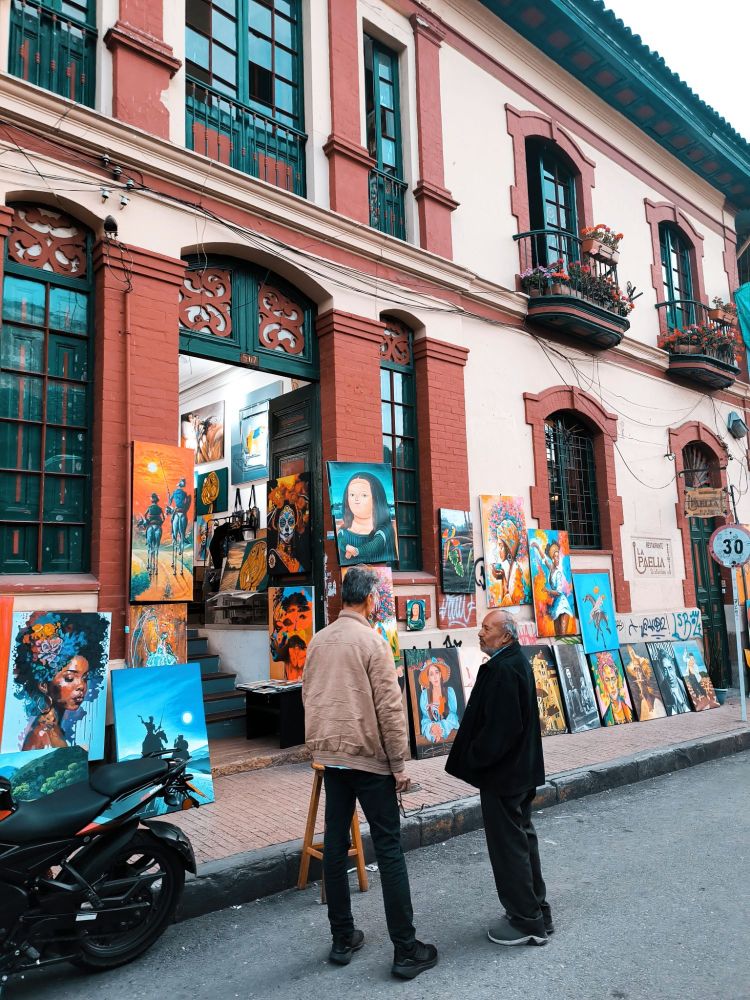
My Colombian trip starts at 2,620 meters above sea level, in the Colombian Capital of Bogotà. The city well represents the history and dynamic and evolving culture of the Country: the modern and posh neighbours, the colonial-style buildings of Plaza Bolivar, the stunning artworks in the many Graffiti districts, especially Candelaria. Bogotà is a vibrant city, that has a lot to offer and does it in a less touristic way than other cities.
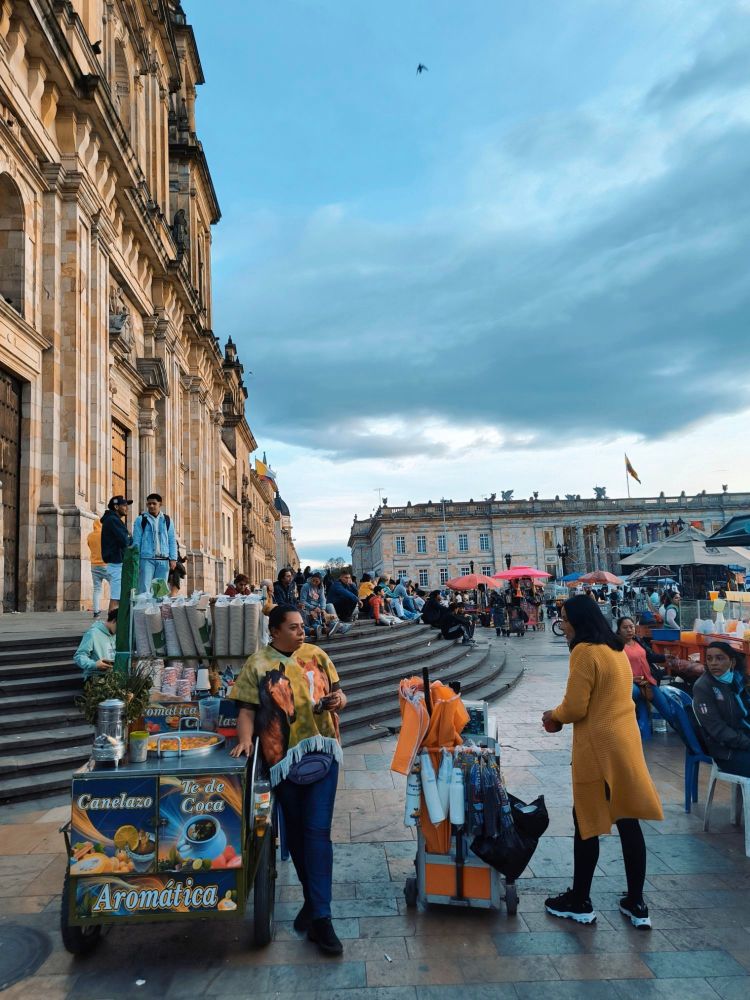
I really enjoyed the vibes of Plaza Bolivar, especially in the afternoons, when the square fills up with street food vendors and you can taste freshly made arepas as well as canelazo, a hot drink made of agua de panela (beverage obtained by sugar cane), cinnamon and aguardiente, that will keep you warm during the cold evenings.
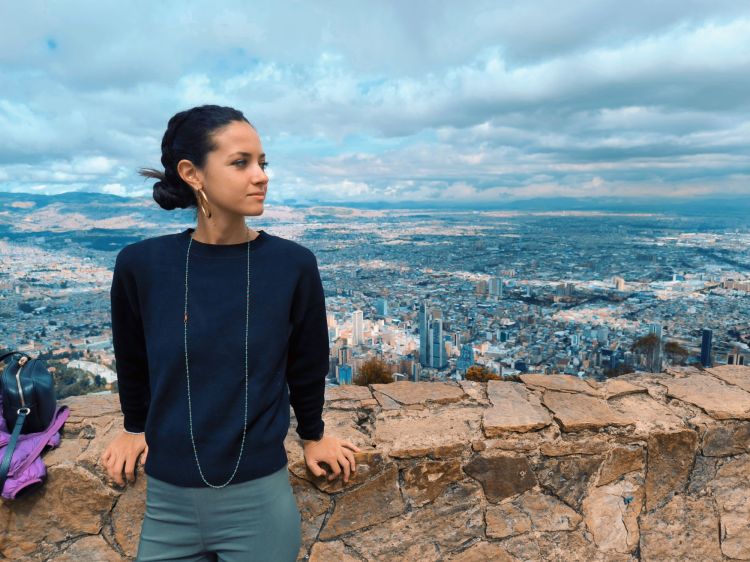
In the early mornings, you can’t miss a hike up Monserrate (you can also take the cable car, but where would be the fun?), to enjoy the most spectacular view of Bogotà and wander in the market you find up. The hike it is only 2,3 km, but it features 1605 steps, a nice warm up for the day!
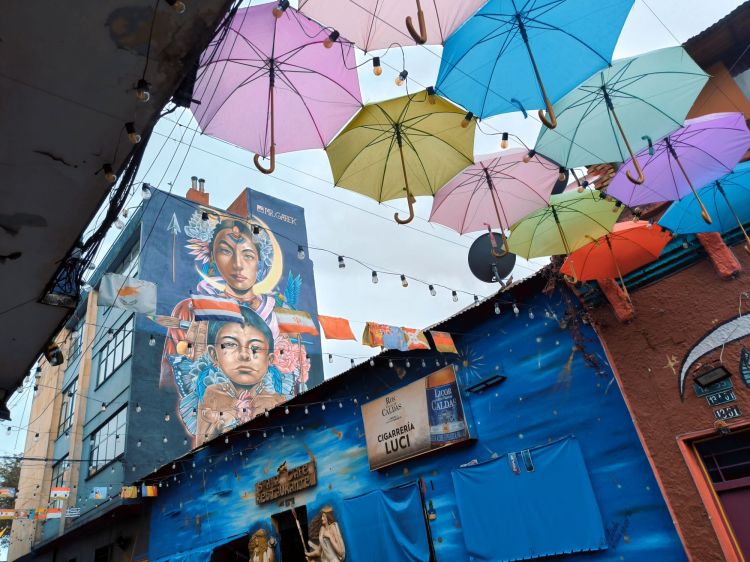
Don’t miss a visit to the Gold Museum, that has the largest collection of Pre-Hispanic goldwork in the World, and to Botero Museum (free entrance). To get to know better Bogotà culture, I also suggest booking a Graffiti walking tour. Bogotà has many Graffiti Districts, designated areas where it is legal to use walls to express art. One of these is La Candelaria (where I also suggest booking the hotel).
The story behind the Graffiti Districts
The Graffiti Districts story starts back in 2011, when Colombian Police murders a young graffiti artist, Diego Felipe Becerra. After the murder they stage a fake crime scene, replacing the spray can with a gun. The episode kicks off protests in the whole city and peaks with the creation of the Graffiti districts. Discovering more about this, will help you in connecting with the Colombian culture and won’t disappoint.
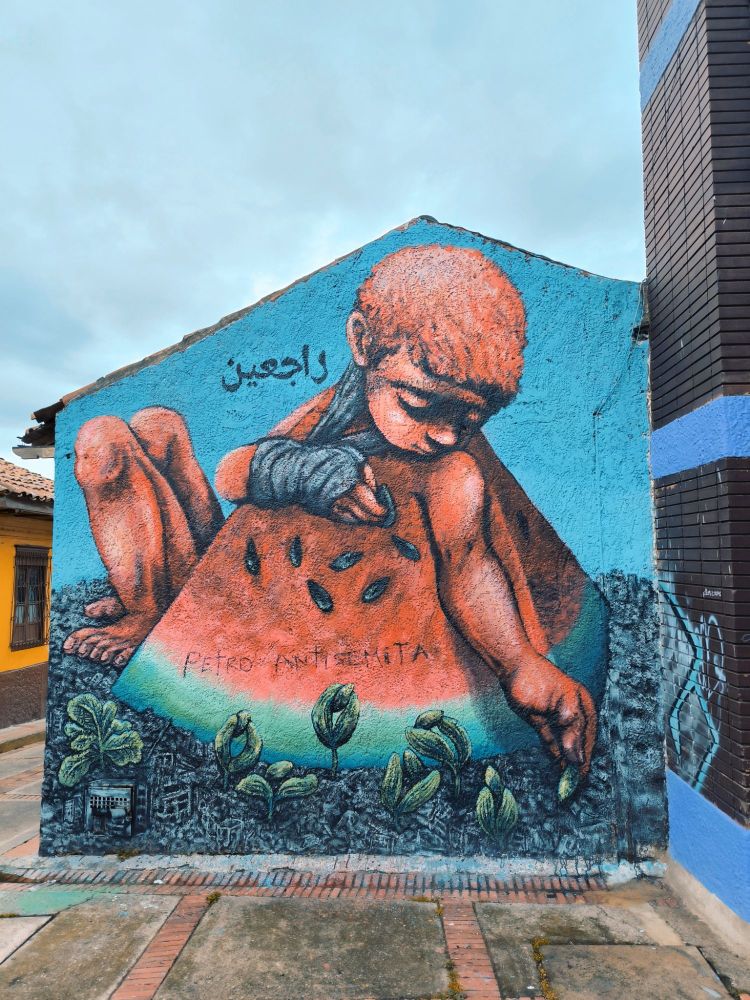
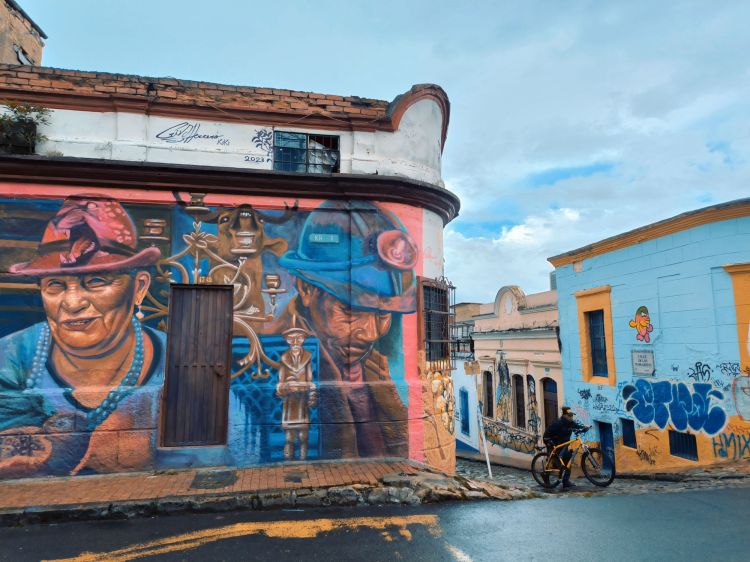
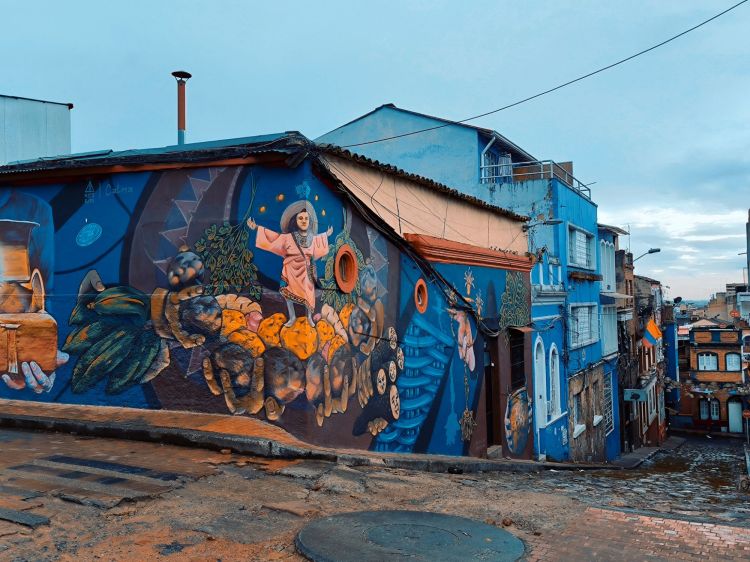
After visiting Bogotà it is time to take a flight and head to the small airport of Neiva. Why? To visit the Tatacoa Desert, that you can reach renting a car directly at the Airport.
Small excursus: many asked me if Colombia is safe for tourists and I can say I never felt unsafe: as long as you are a responsible tourist, there is no situation you will ever feel in danger. But if you rent a car be prepared to give money to the corrupted policemen, that of course target tourists and will ask with no reason for money in different forms (forced donations, etc). Luckily they usually ask for small amounts, still something I found very annoying, but something I was already used to in other Countries, it is what it is.
Back to Neiva, after donating money to the Police, you can head to the Tatacoa Desert. There are few tourists here and you can stay in one of the many fincas scattered around the area.

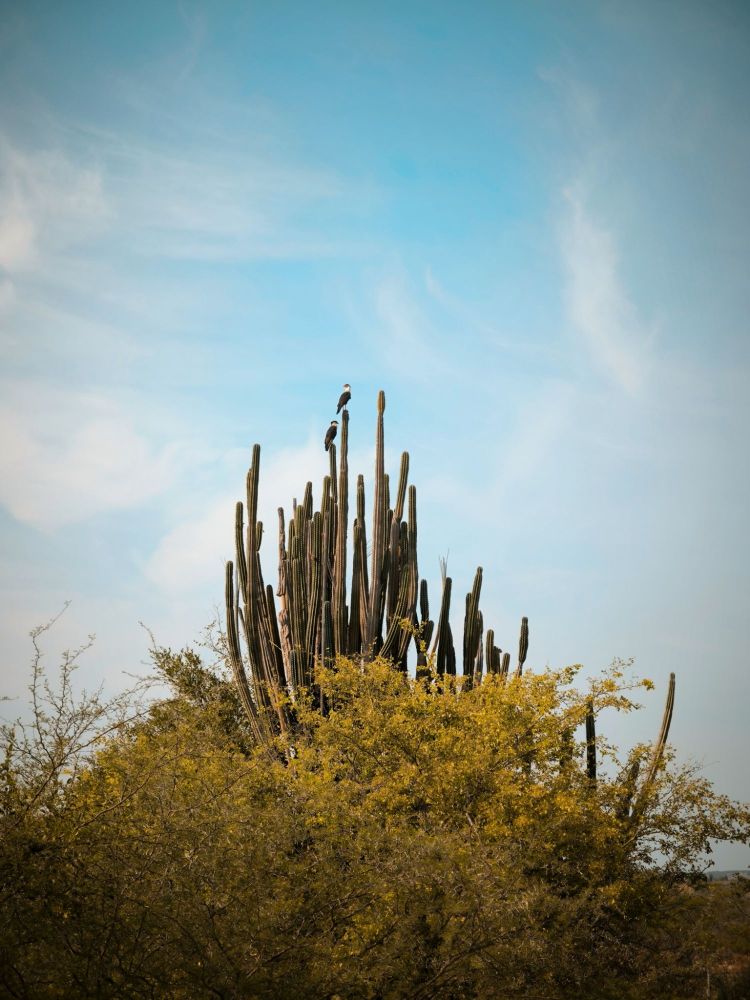
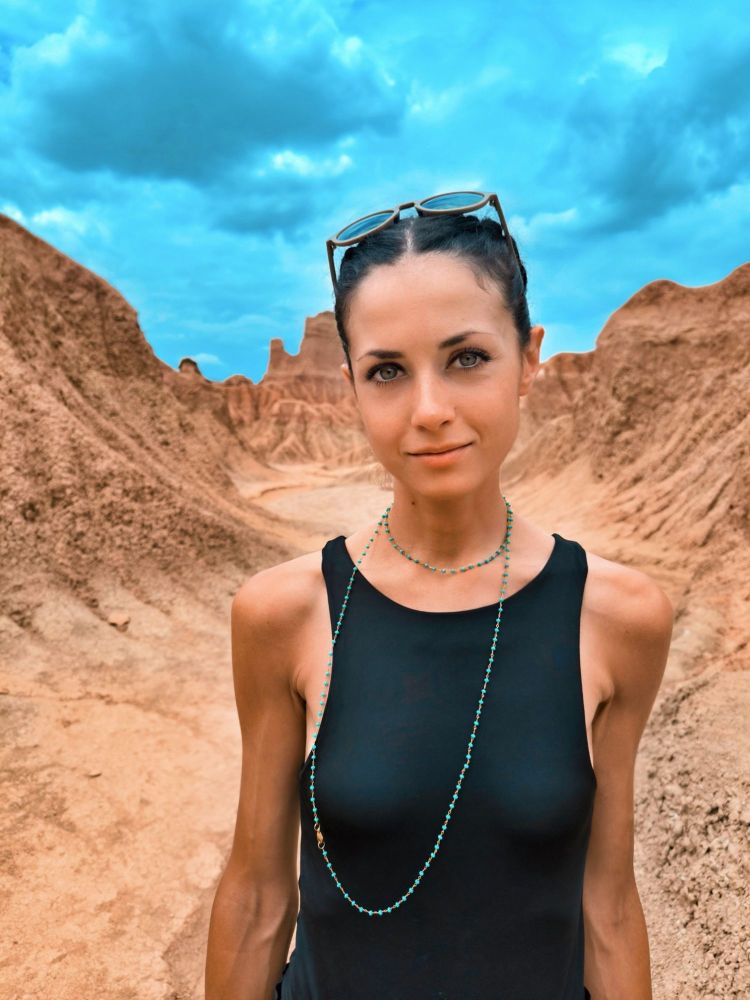
The Tatacoa features two deserts: the Red desert, the most spectacular one, and the Grey desert. You can explore both with short hikes. At 8 pm, don’t miss the daily appointment with El Profesor, an astronomy professor that every night hosts an open-air Astronomy lesson under the stars. Here the nature is uncontaminated and there are very few lights, so you will be able to see one of the most spectacular starred skies ever!
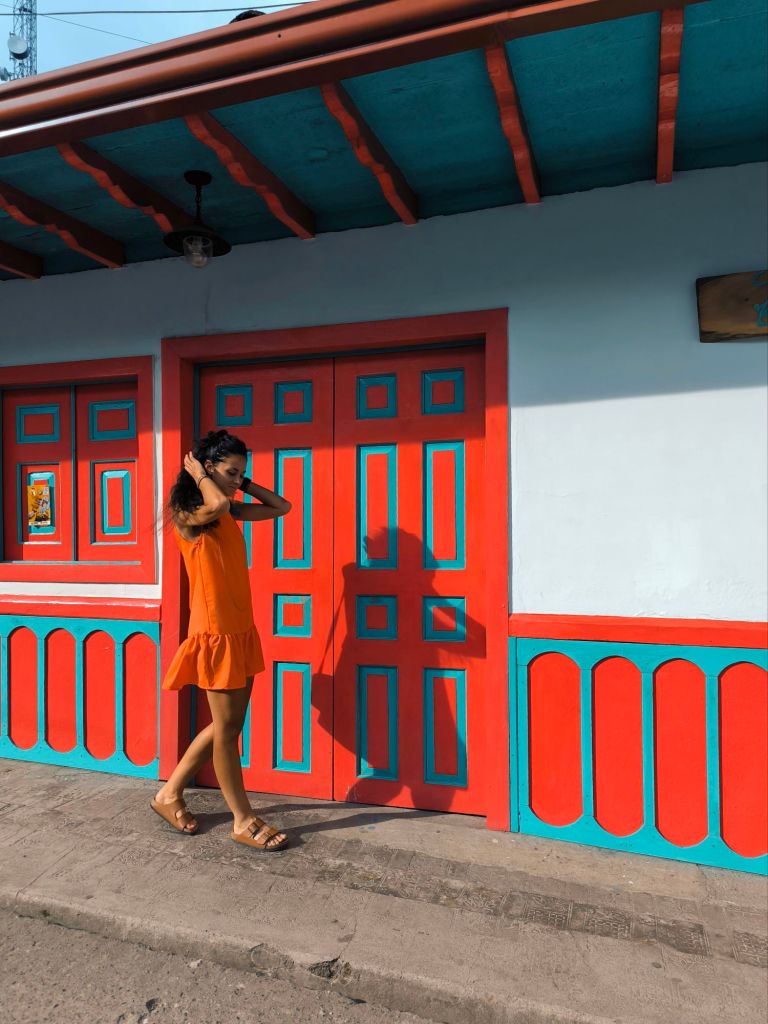
After visiting the Tatacoa desert, you can continue driving up towards the renowned Eje Cafetero, the Colombian Coffee Region. To explore the region you can base yourself in the beautiful colourful towns of Filandia or Salento, I would suggest the latter as more convenient to reach the most famous landmarks.
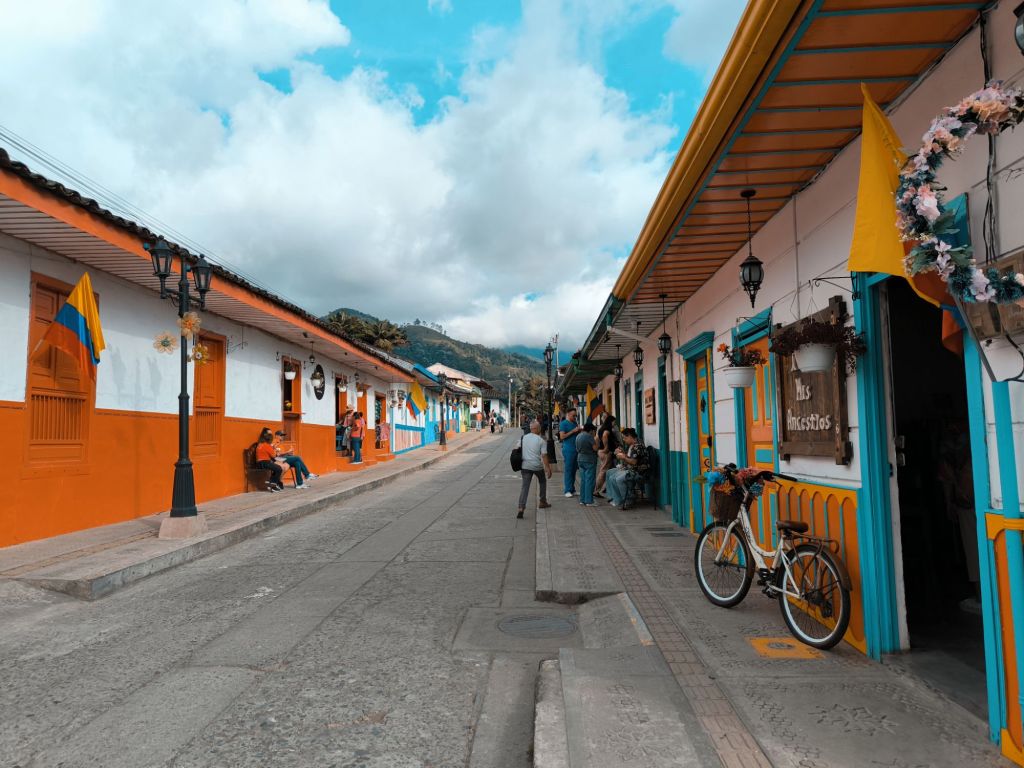
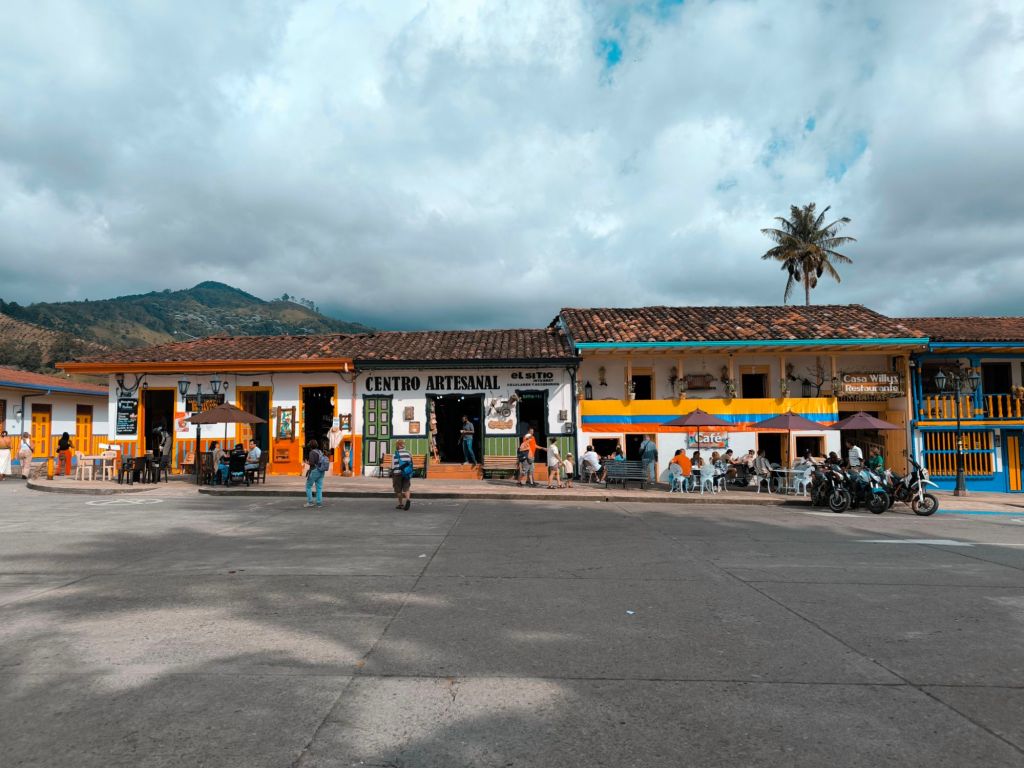
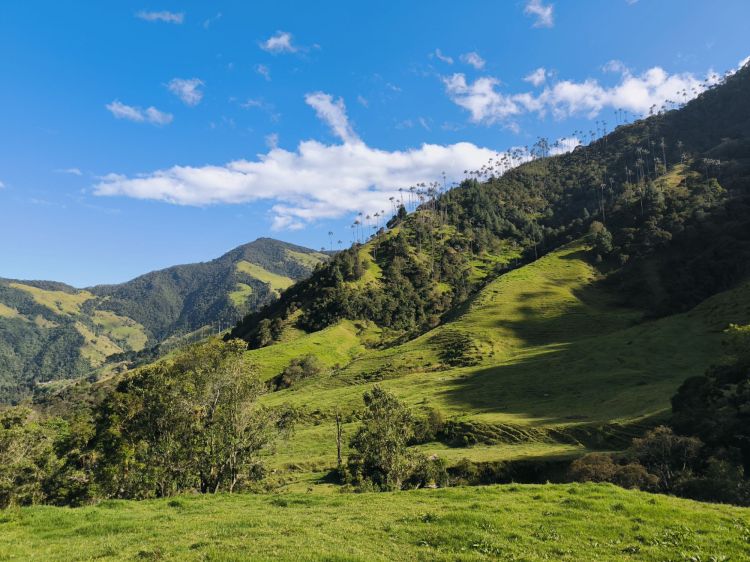
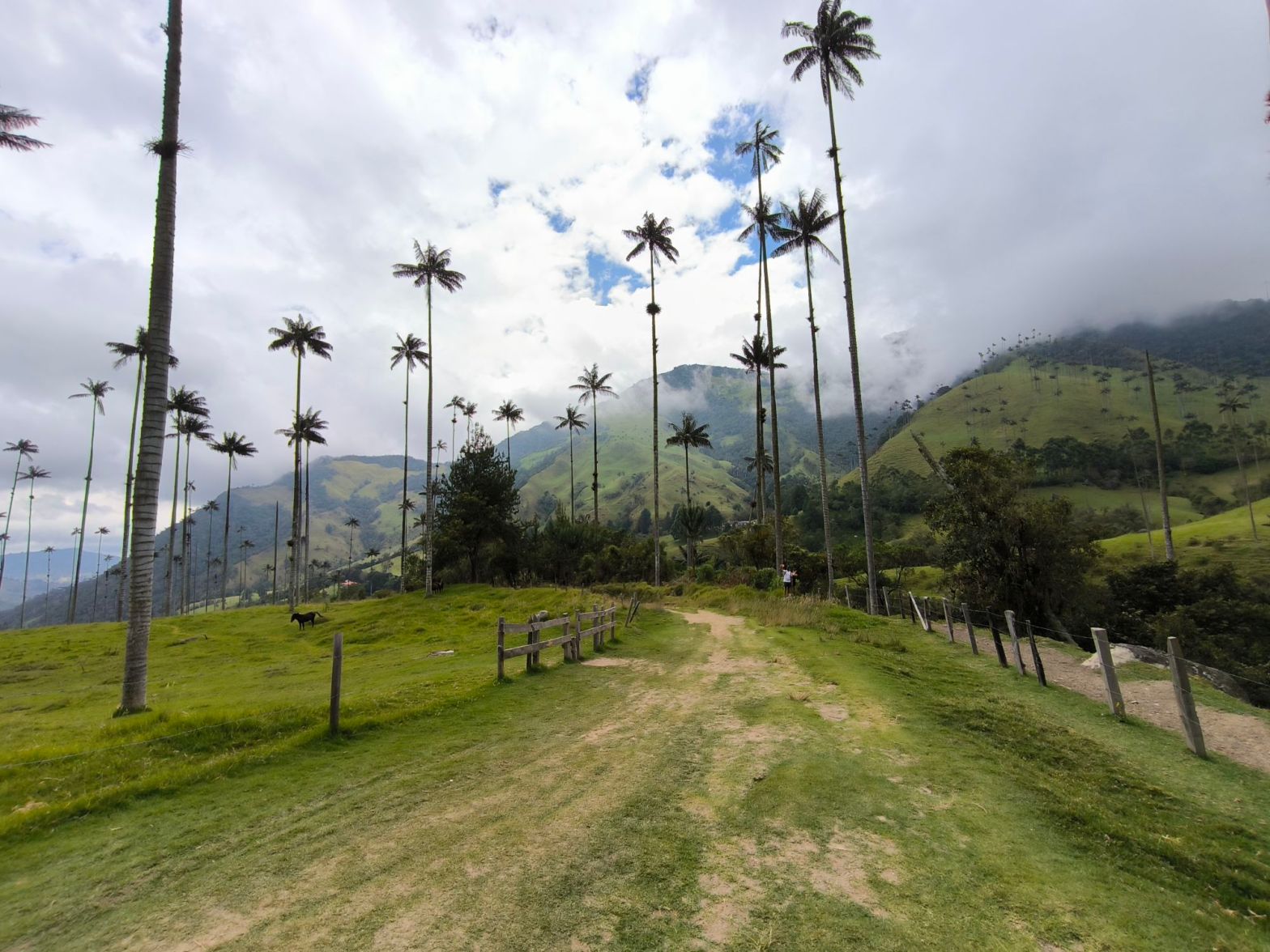
Once in Salento you can’t miss the Cocora Valley with its wax palm trees, that are the tallest palms in the World. There are different hiking routes to explore the Valley, I suggest doing the route anti-clockwise (you can find it here), you will reach the most famous spots only at the end, but you will be able to enjoy the jungle by yourself. Mid-route consider doing a small deviation to reach the House of Hummingbirds to enjoy a hot chocolate and see these small birds.
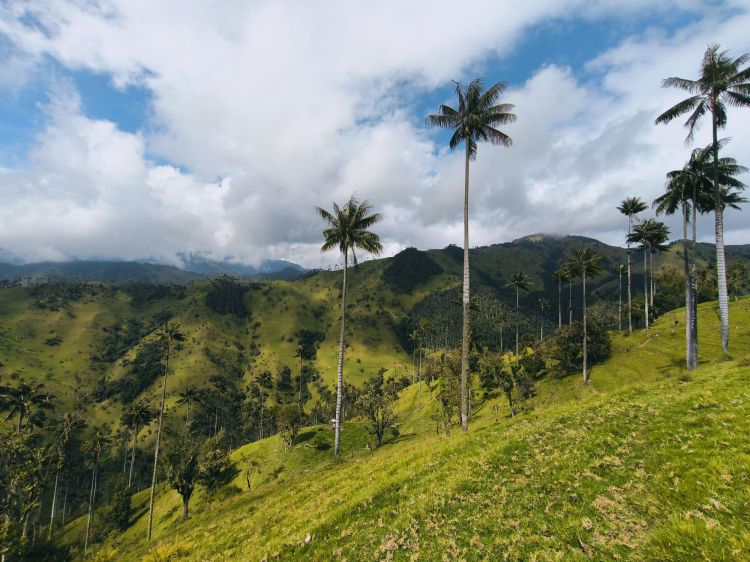
Not only hikes and not only the famous Cocora, indeed you can also throw yourself in a downhill experience in the Carbonera, World’s biggest Wax Palm Trees forest. Less known but stunning, the Carbonera is massive and totally worth a visit. I booked a really cool downhill experience with Salento Cycling. There are other operators offering similar experience, but this is the only one allowing you to walk through the palm forest.
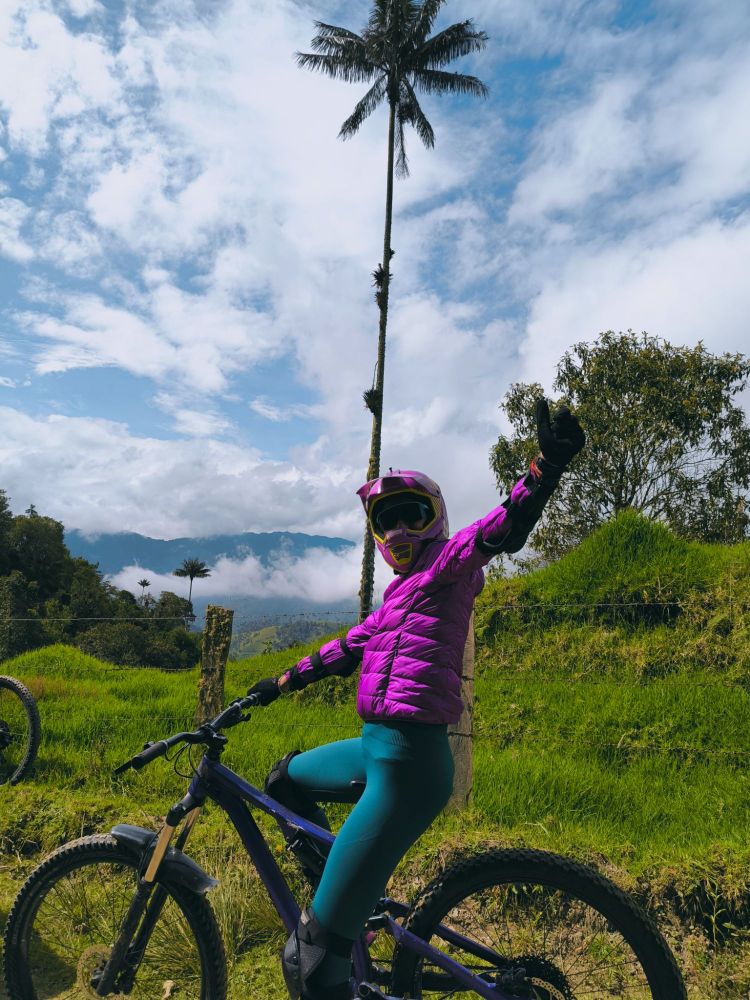
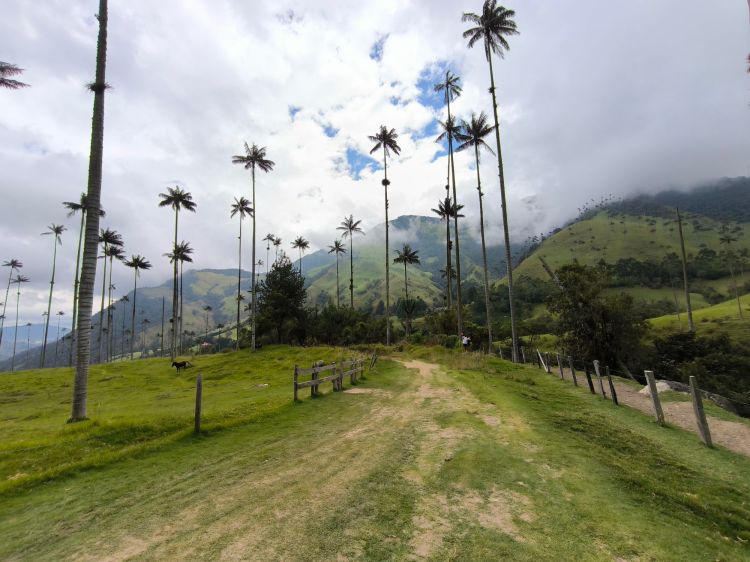
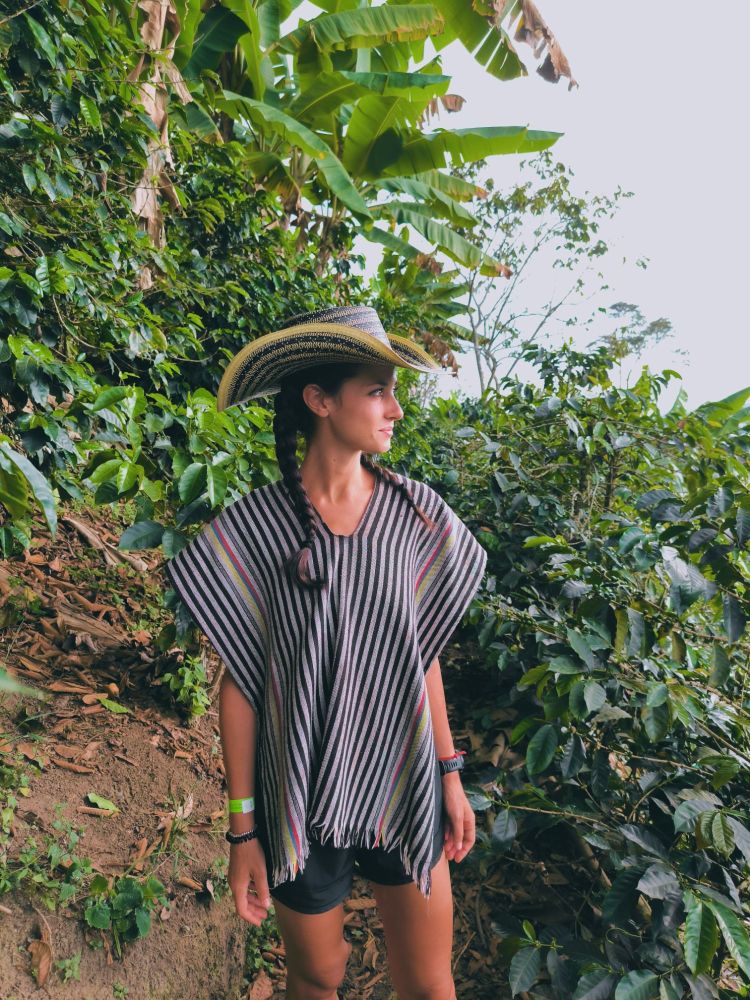
Hikes & Bikes call for one thing: coffee. Luckily, the Eje Cafetero is the biggest Arabica coffee producer in the World. You must visit one of the many coffee fincas of the area. I did a very interesting tour of the Finca Luger, where I learned everything about coffee harvesting, roasting and brewing. Absolutely reccomended.
Colombian coffee
Colombia isn’t the world’s biggest coffee producer, but thanks to its altitude, it is the world’s biggest producer of Arabica coffee, the finest coffee quality. Colombian coffee has usually citrus aromas, coming from the citrus plants in the plantations, and light and medium roasts. Indeed, Colombians like their coffee lighter and do not intend it as an energizing beverage like us espresso addicts. The caffeine energizing power comes from a higher roasting, hence why in Colombia they prefer milder roasting and in brewing they never use boiling water.
After buying tons of coffee, it is time to board again and from Pereira fly to Medellin.
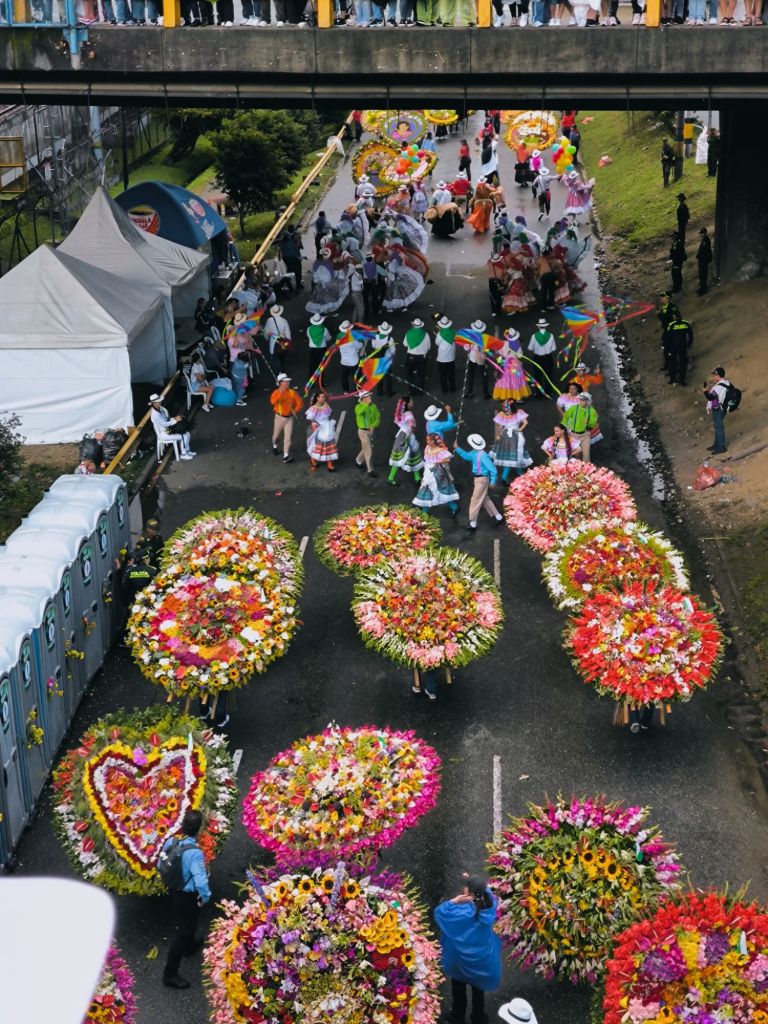
Medellin is a chaotic city, especially coming from the silence of the Nature. I was lucky enough to be in the city during the Feria de los Flores, that takes place every year during August and ends with a never-ending parade of Silleteros, who carry on their shoulders incredible hand-made flower compositions. During the Feria de los Flores the city fills up with flowers exhibitions, such as the one in the unmissable Botanical Garden.
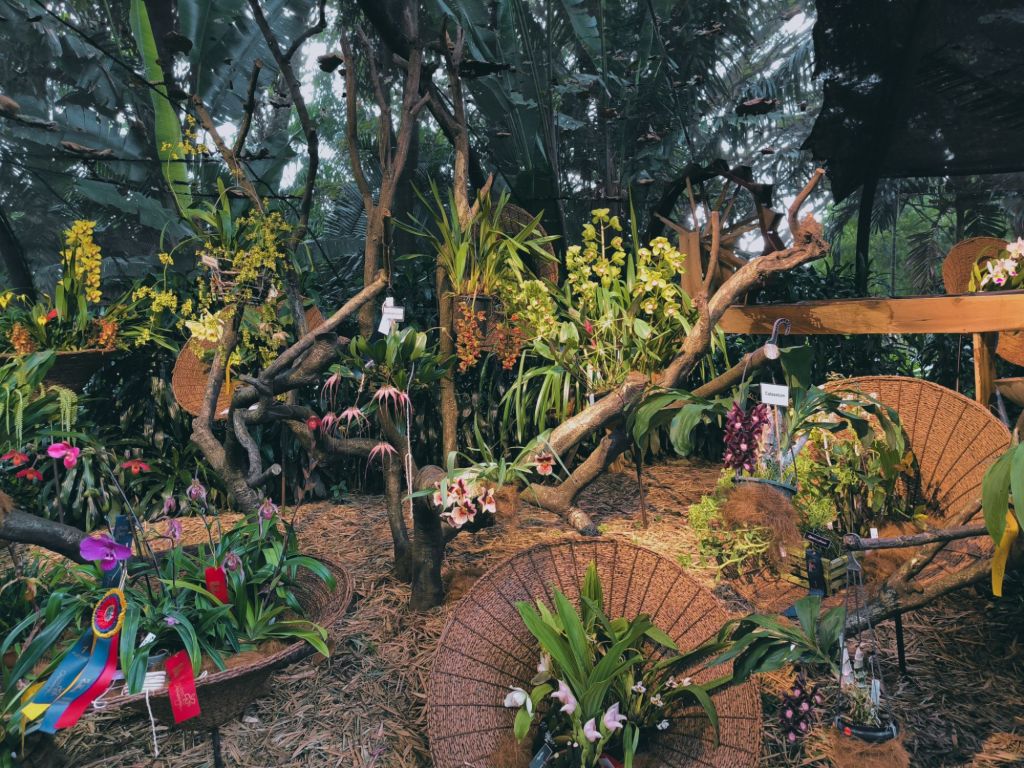
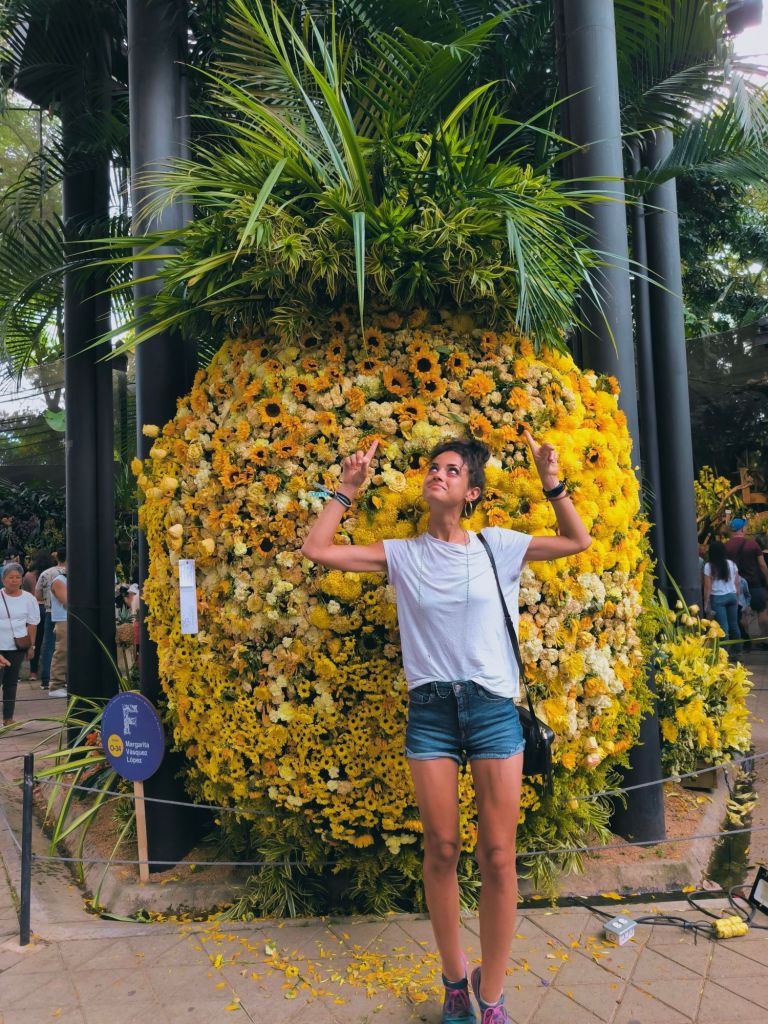
Not only flowers, make sure to pay a visit to the Modern Art Museum and book a tour of la Comuna 13. It is very, sometimes too much, touristic and occasionally staged, but it is a great way to get to know more about the history of Medellin and of its hip hop culture.
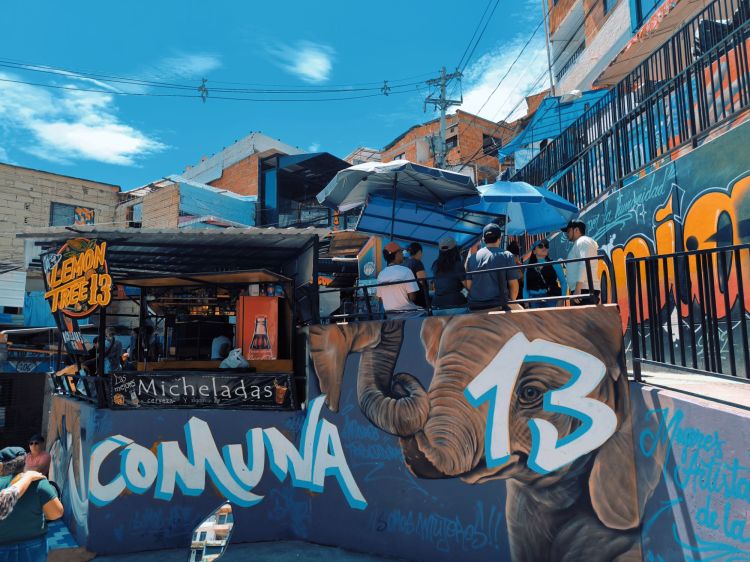

During the night, visit the neighbours of Provenza and Parque Lleras, but only if you are ready to club! I suggest staying in this area, as it is safe, convenient to explore the city and full of options during the night. And if you want to take a break from the traditional dining, you can try one of the many posh cocktail bars you will find here. I tried the Restaurante Mombasa, that has a very nice rooftop, good cocktails and a selection of small fusion plates. I later found out it is a hit-spot, so a reservation is recommended.
After the hustle and bustle of the city it is time to catch another flight, this time towards Santa Marta, rent another car, pay other policemen and drive up to Minca, in the Sierra Nevada de Santa Marta. Minca is probably one of the places I loved more. Nestled up in the jungle, this small town offers a variety of activities and precious relax moments. Hike towards the Cascadas Marinka, take a moto taxi and reach a Chocolate Finca to learn how to make chocolate from scratch and set an early morning alarm to join a bird-watching tour to spot Tucanos and many more birds. Here the heat and humidity level are quite high, but almost all accommodation have very scenic pools where to catch some rest holding a cocktail.
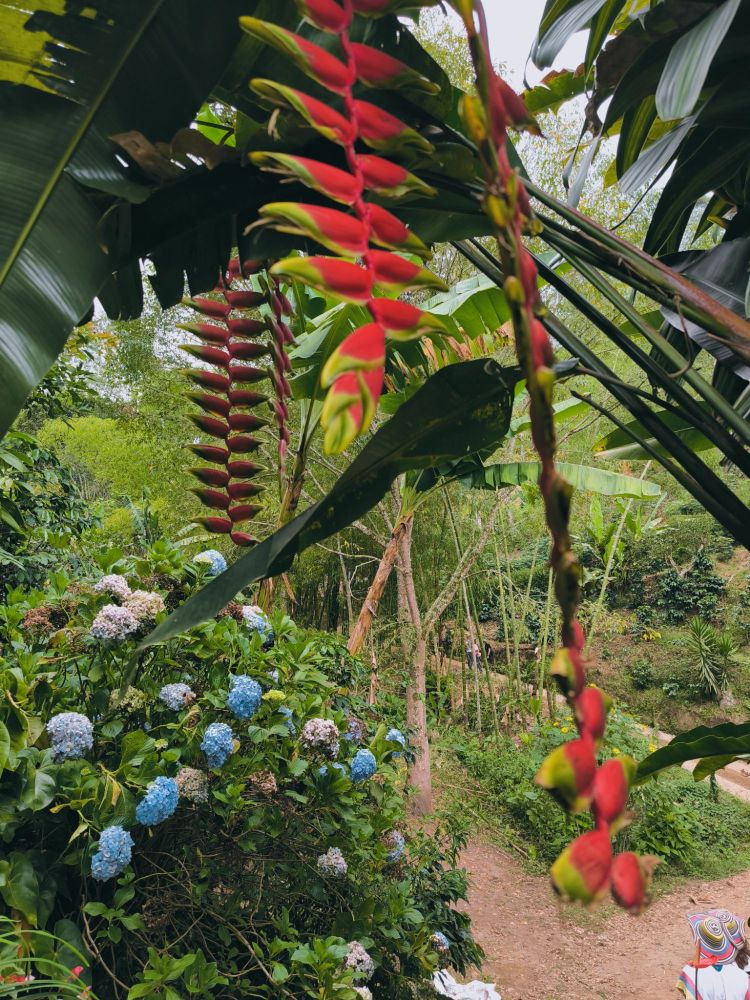
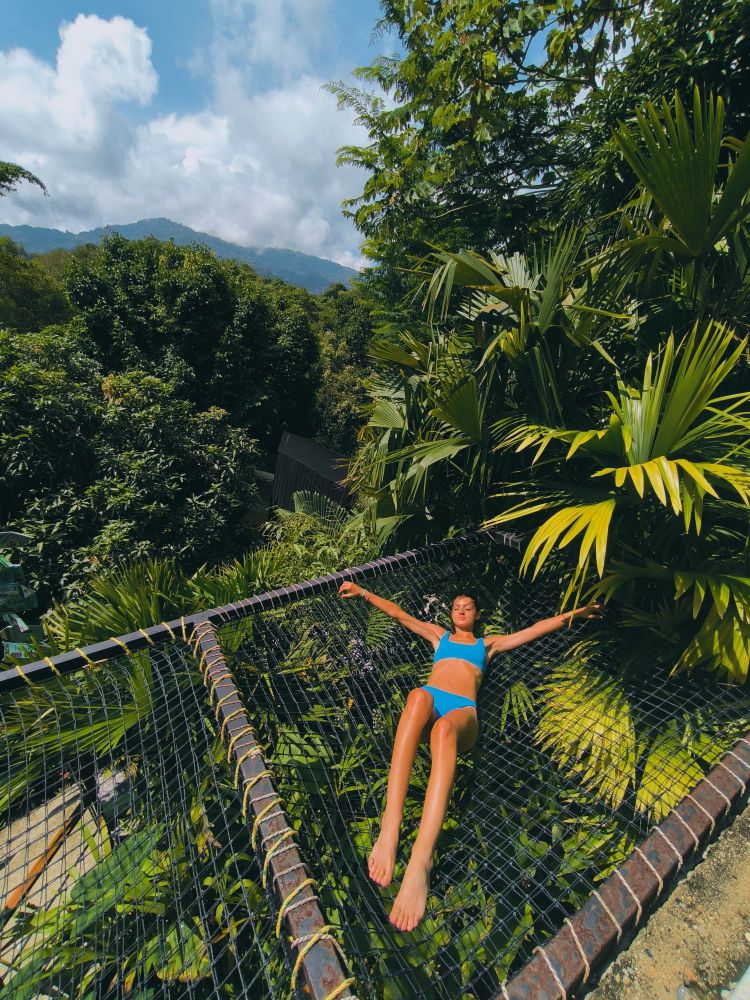
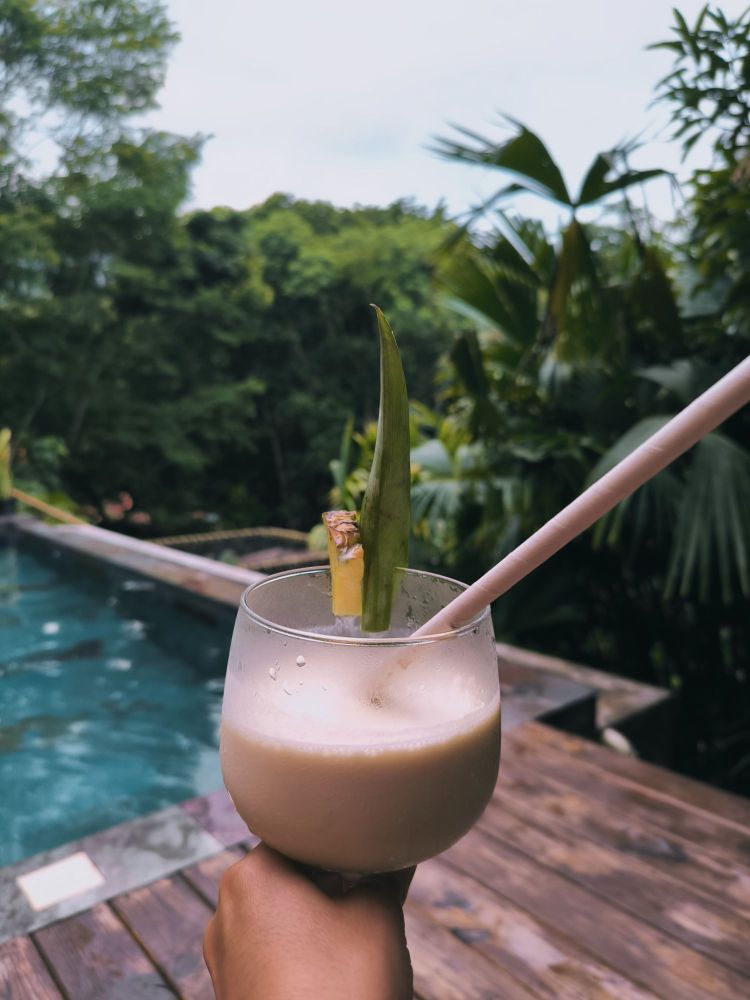
The precious relax moment is also focused on regaining energies for the following couple of days, that will be dedicated to nature and sweat. Indeed, the next stop is the famous Tayrona National Park. There are many ways to visit the Park almost effortlessly, but again, where would be the fun?
What I suggest is to visit the area in a less common way, avoiding the crowds and yes, sweating a lot. Enter the Tayrona from the Calabazo entrance and start walking through the jungle, reaching after approximately 3-4 hours Playa Brava, where you can spend a night in the uncontaminated nature in the only place there is, Hotel Playa Brava Teyumakke, that offers hammocks as well as private cabins. This is the easiest leg, the second segment that from Playa Brava will bring you to the exit located in El Zaino is longer (approx. 19 km with a lot of up and downs, around 1,000 meters), made much harder by the humidity and heat. Good news, during the hike you can stop for a bath and some fresh fruit in one of the beaches you will stumble over while walking, such as Playa Nudista. The bath won’t be very refreshing, as the water is always warm, but you can rest a bit and continue the journey.
During the hikes you can spot a variety of animals, including different monkey species and for a long way you will be probably alone in the jungle, perfectly connecting with nature.
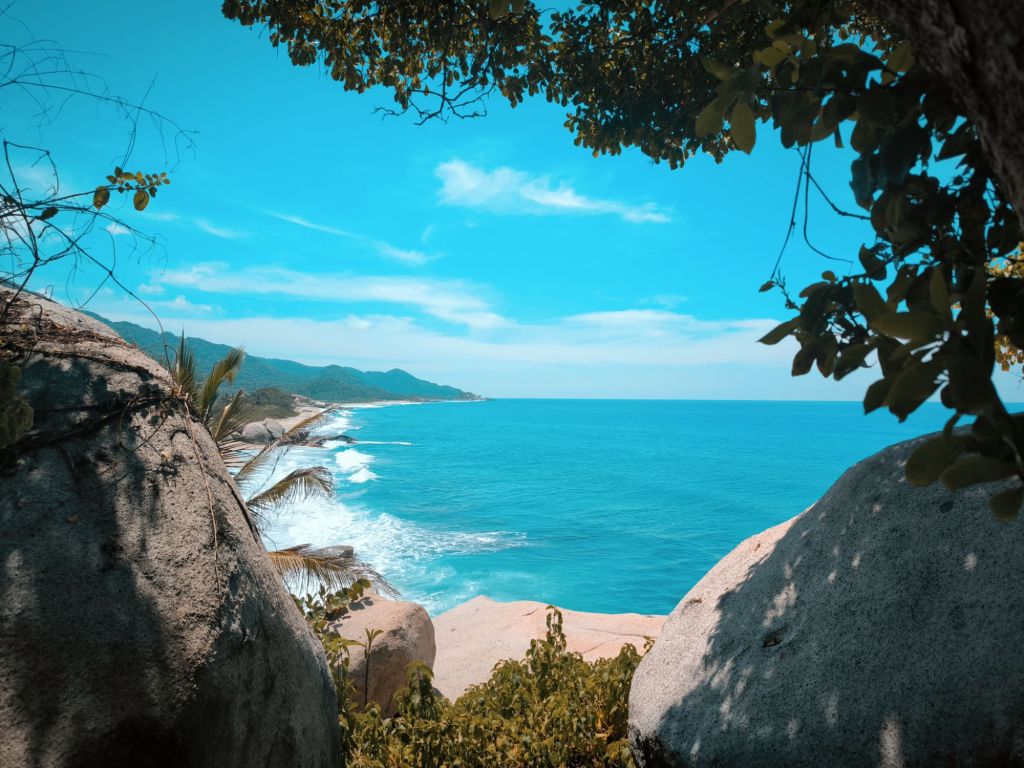
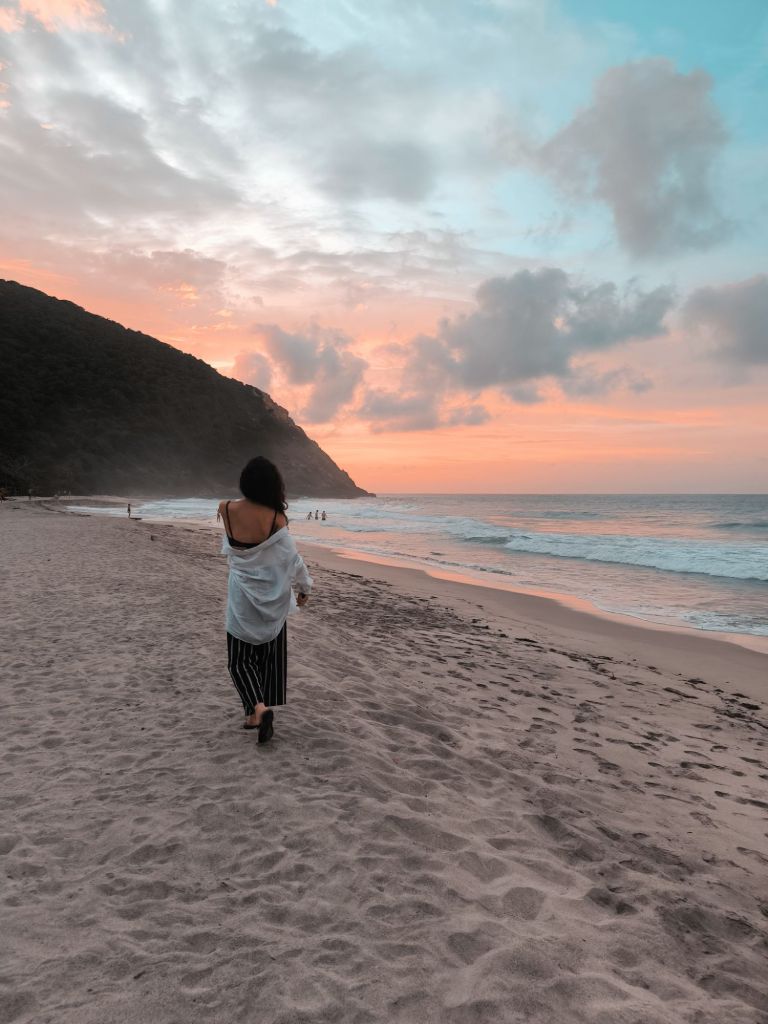
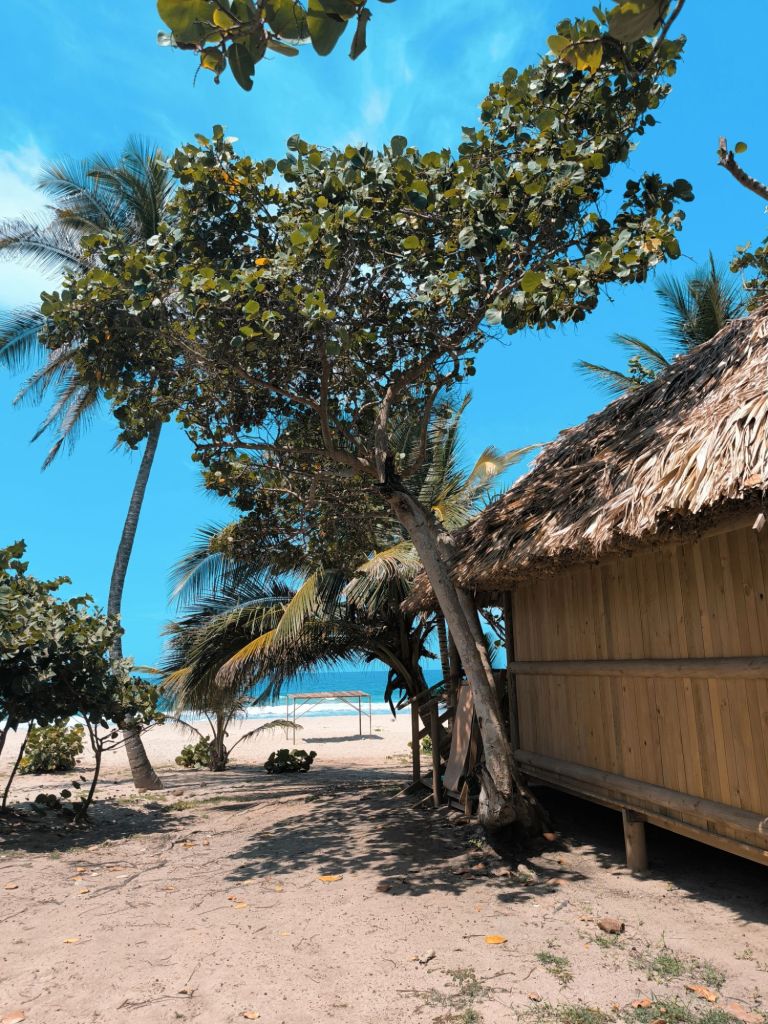
For how much I love moving my body and appreciating the nature, after the hikes, sweat sessions and animals befriending, I was in need for some comfort zone rest moment, so I regained energies near in Pozos Colorados, in Santa Marta area.
Arhuaco (indigenous) fine-dining at Waku Restaurant
If in the area, don’t miss a dinner at Waku Restaurante. Located in the very nice (especially for the pools and sea-view balconies) Hilton Santa Marta, the Waku offers a twist on the Arhuaco (indigenous) cousine, using all local products. The ceviche with pickled squid ink and maracuja foam, the traditional cazuela in lobster bisque and the fish sancocho were my absolute favourites, but big ups also for the cocktails and the desserts, that feature the local coffee and chocolate.
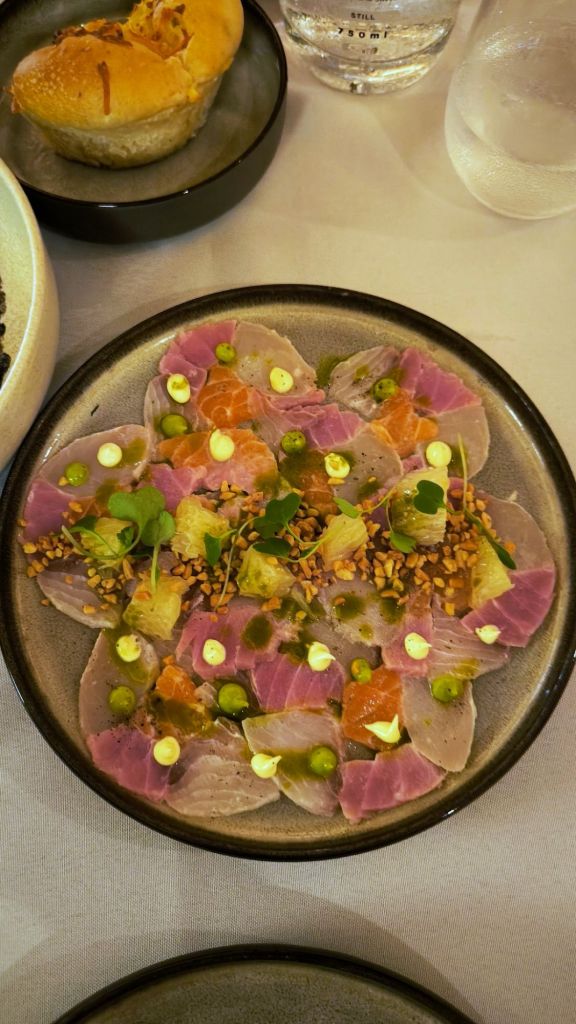


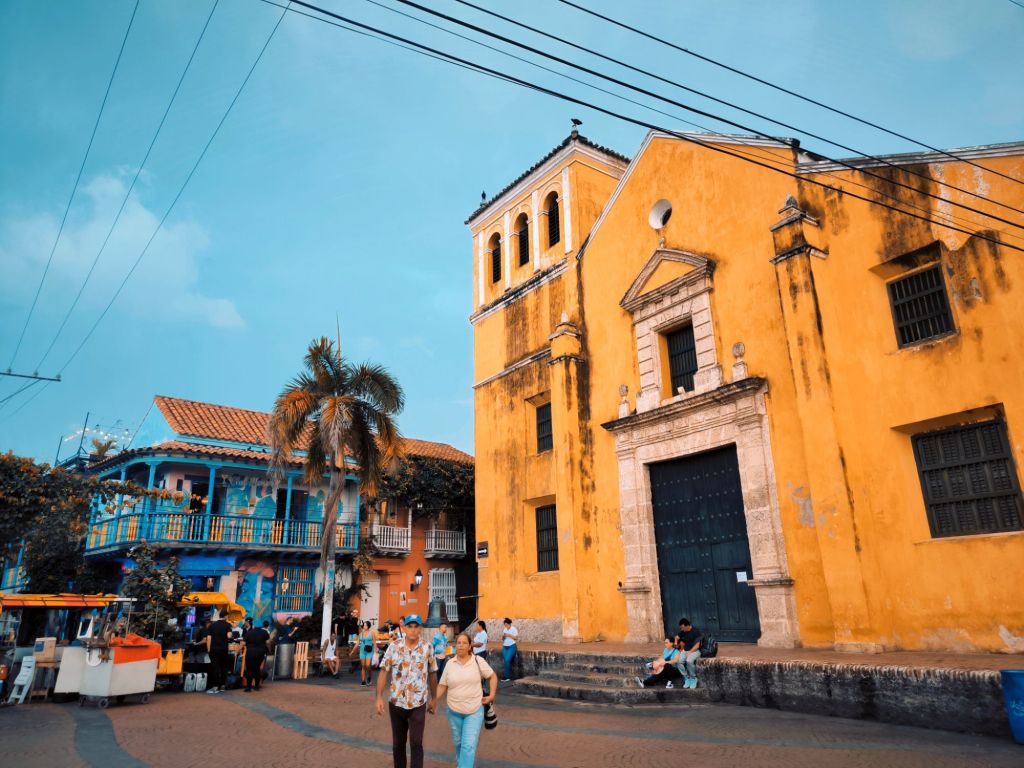
After regaining energies, it is time to drive towards Colombia most colourful, cheerful and posh city: Cartagena. Cartagena has Caribbean vibes and in some bits reminds me of La Habana. The neighbourhoods of Getsemani, the more cheerful, San Diego, the posher with its upscale shops, and the Walled City are all worth a visit. Walk through them and get lost in the small roads trying to resist the urge to buy everything. Enjoy the sunset on the ancient walls and for dinner don’t miss Celele Restaurant. Unfortunately, I didn’t enjoy it as it was always fully booked, but it is said to be unmissable. I also decided to skip the famous La Cevicheria, and opted instead for La Cancha, absolutely recommended.
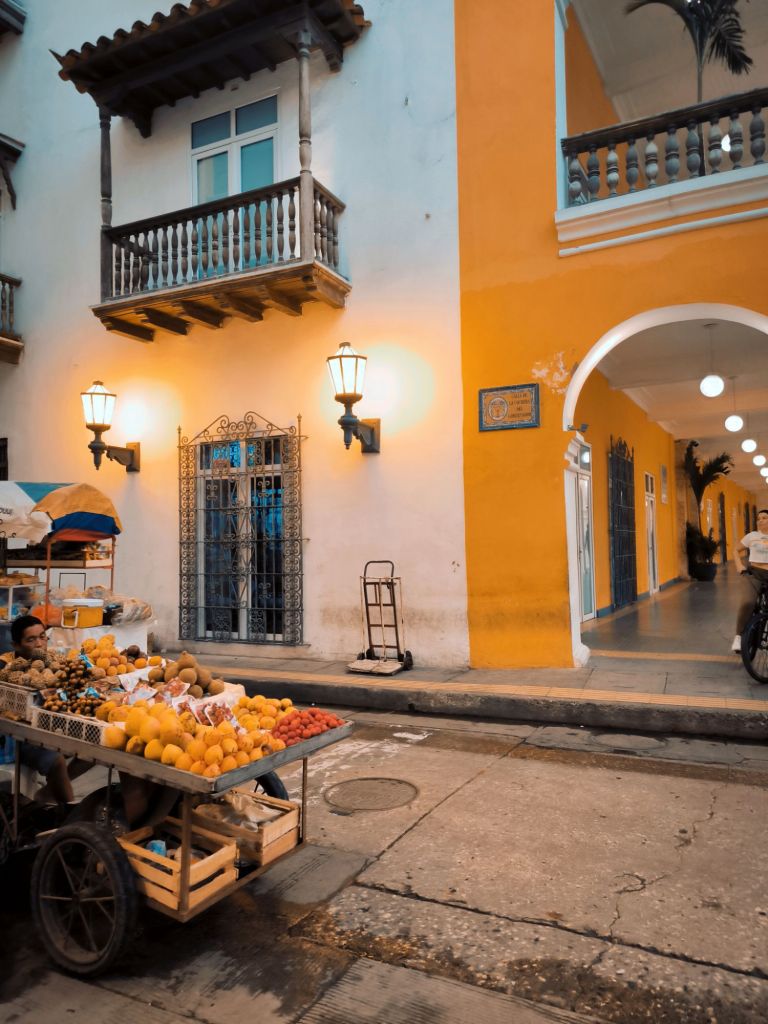
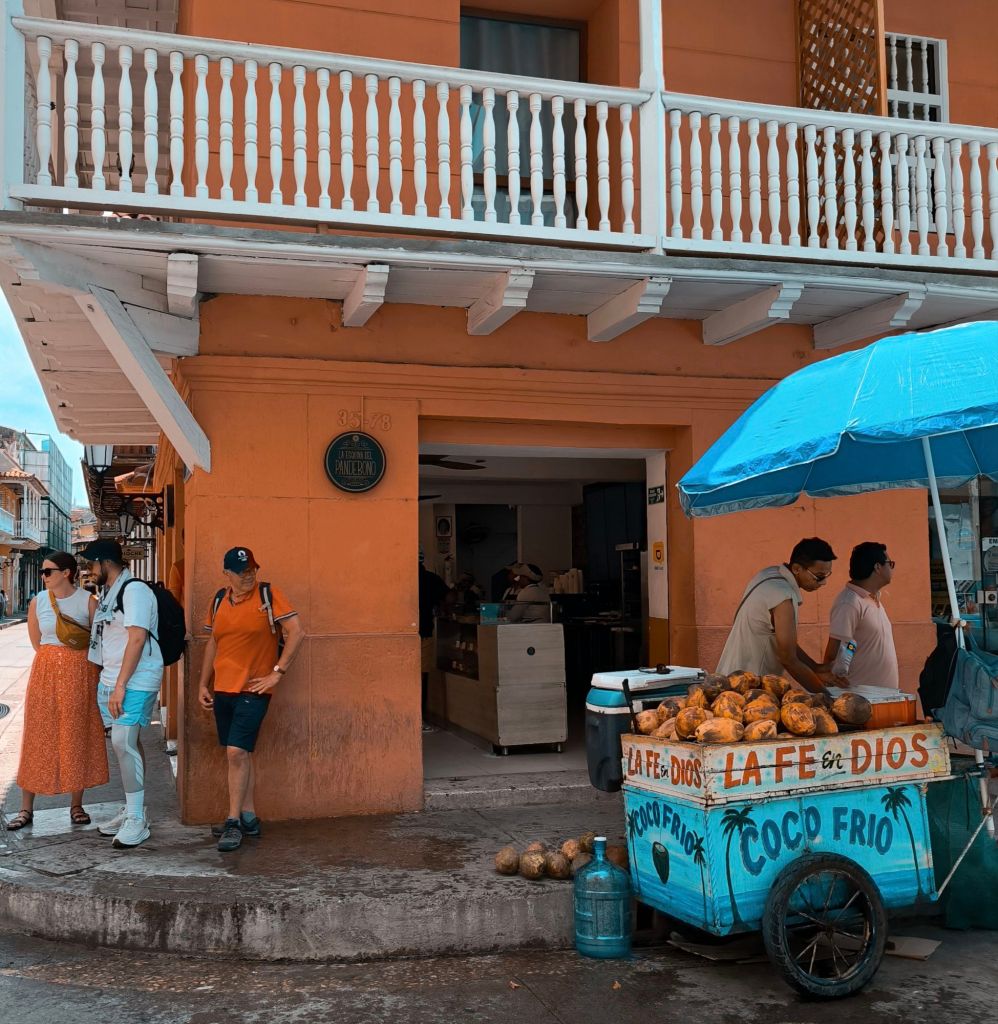
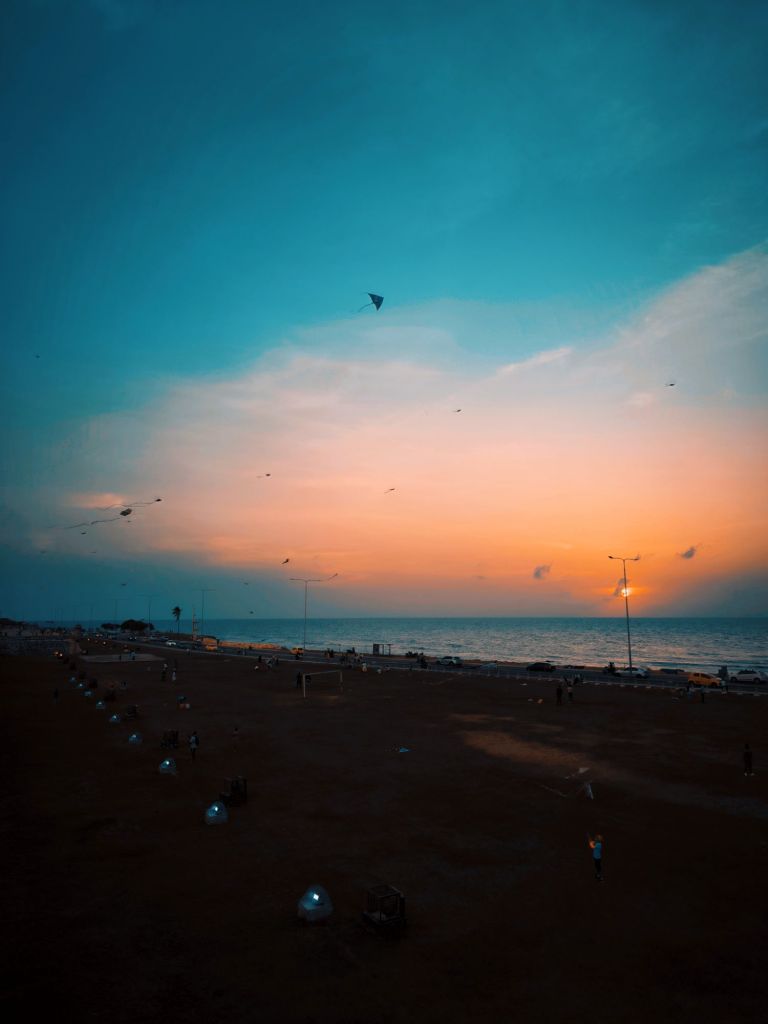
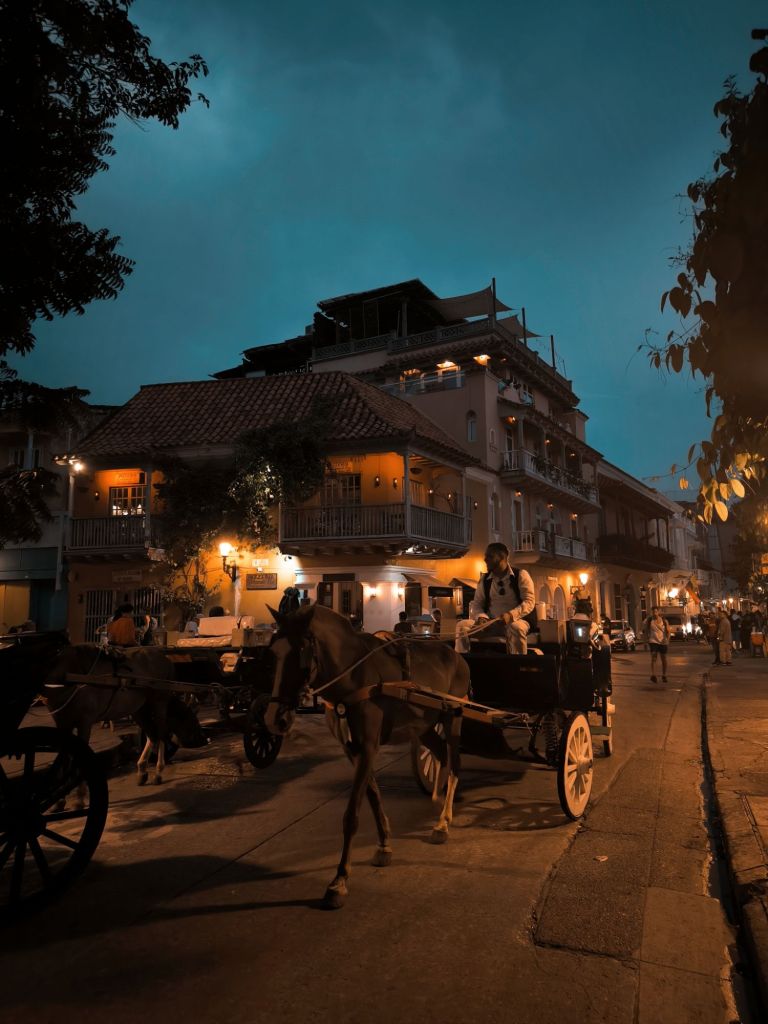
Among the street food, don’t miss the fresh lemonada and the famous arepa de huevos, a traditional twist on the arepas.
After visiting Cartagena, with a one-hour boat drive I finish my holiday with some relax in the Islas del Rosario, specifically Isla Grande. Book the boat in advance and spend at least one night on the Island: as soon as the one-day tourist leave, you will be able to savour that relaxing and chill Island life we all dream about.
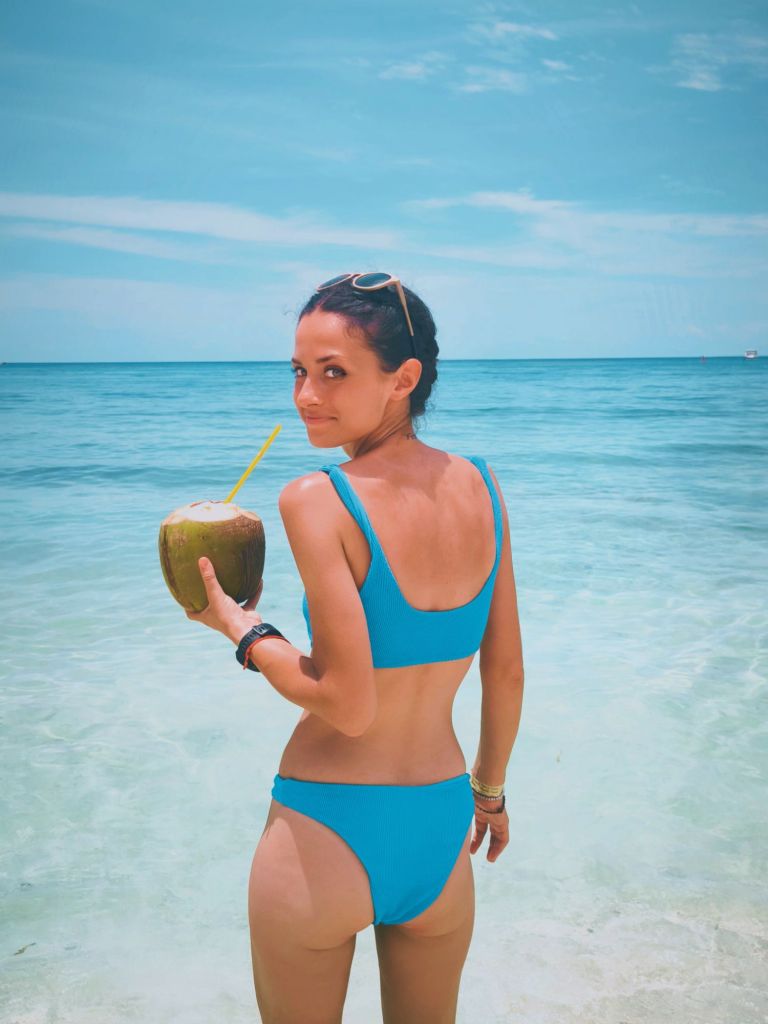
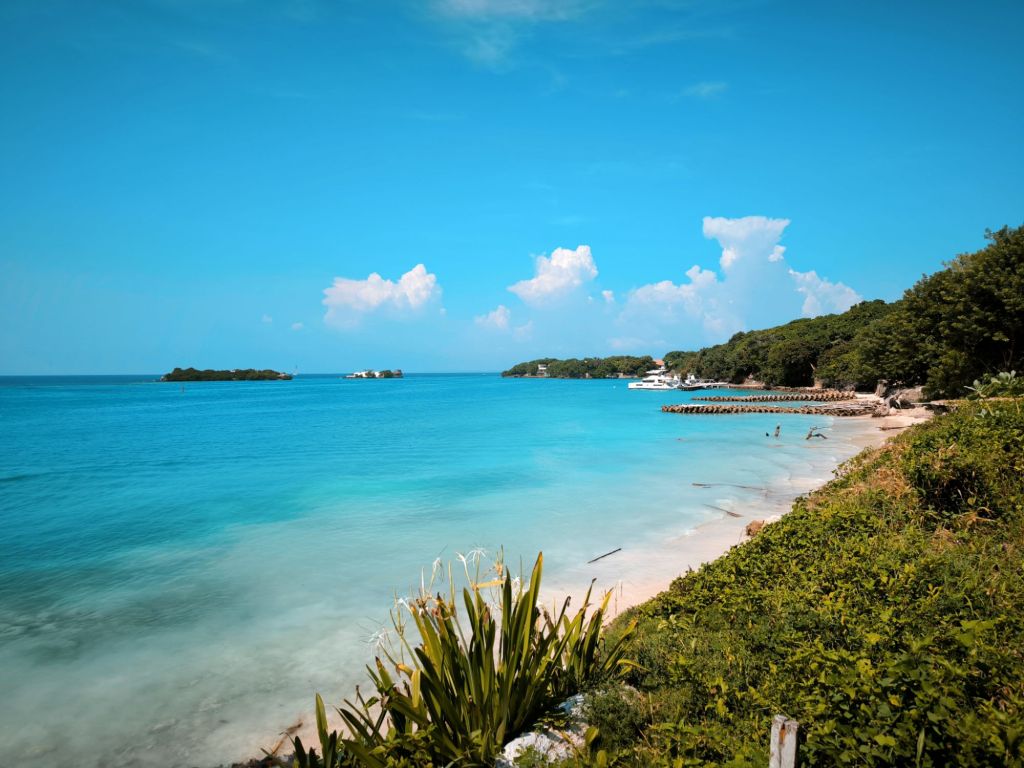
And just like that the trip is over, hope you enjoyed!
The Tour and the unmissable spots/activities:
- Bogotà: Monserrate, Museo del Oro (Gold Museum), Museo Botero, Candelaria, Graffiti Discrict Tour
- Desierto del Tatacoa: red desert, grey desert, stars watching
- Eje Cafetero: Salento, Filandia, Cocora Valley, Carbonera, downhill, coffee tour
- Medellin: Botanical Garden, Comuna 13, Museum of Modern Art
- Minca: Cascadas Marinka, Chocolate Finca tour, bird-watching
- Tayrona National Park (from Calabazo to El Zaino)
- Cartagena: Getsemani, San Diego, Walled City
- Islas del Rosario (Isla Grande)
Useful and random tips:
- For the SIM card, choose as provider Claro, as it has the best coverage
- Many places don’t accept credit cards and it is often difficult to withdraw money, make sure to bring cash
- Don’t miss the great tropical fruits Colombia has to offer, my personal favourite is the amazing Granadilla. It reminds me of passion fruit, but much much sweeter
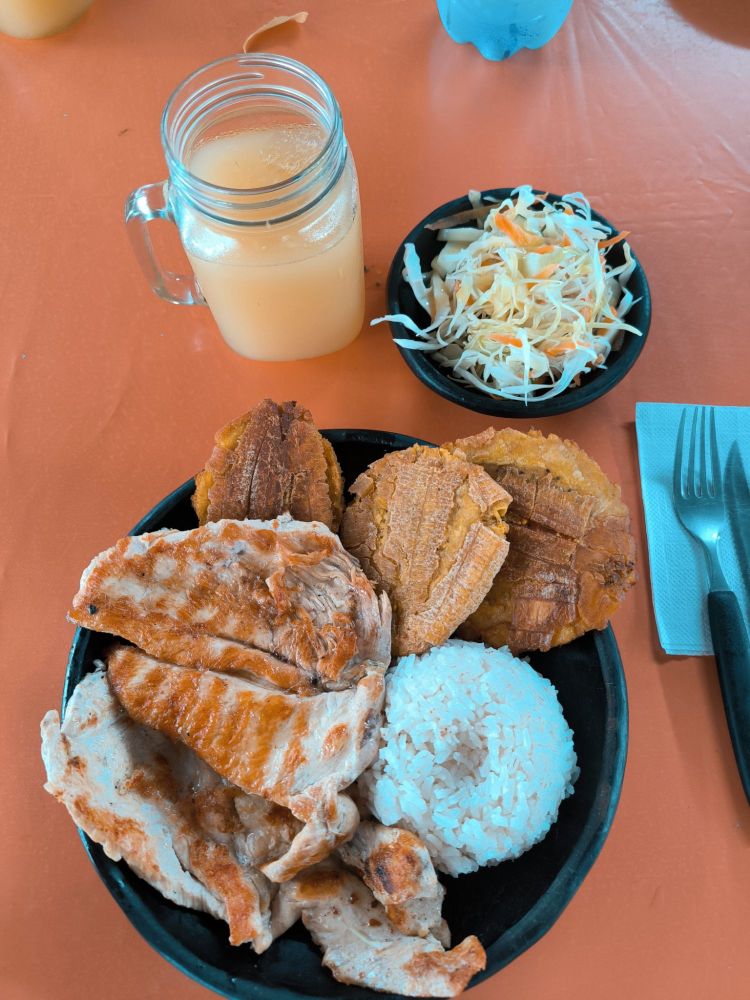
- Among the traditional dishes, I suggest to try the different Arepas (I like mine topped with butter and a pinch of salt), the Sancocho and Ajiaco (very tasty and flavoursome soups) and on the coast of course the Ceviche
- Among beverages, can’t miss agua de panela, hot chocolate, sugar cane juice, lemonada de coco, Canelazo and a shot of aguardiente. Beers are very popular, especially Águila, Club Colombia and Poker, but my favourite one was Tres Cordilleras. Don’t skip the micheladas, especially de tamarindo one!
For any question or doubt, feel free to ask!


cool 🆒️
LikeLike