What to know, what to see and what you can’t miss while visiting Beijing, including an excursion in the Shanxi region.
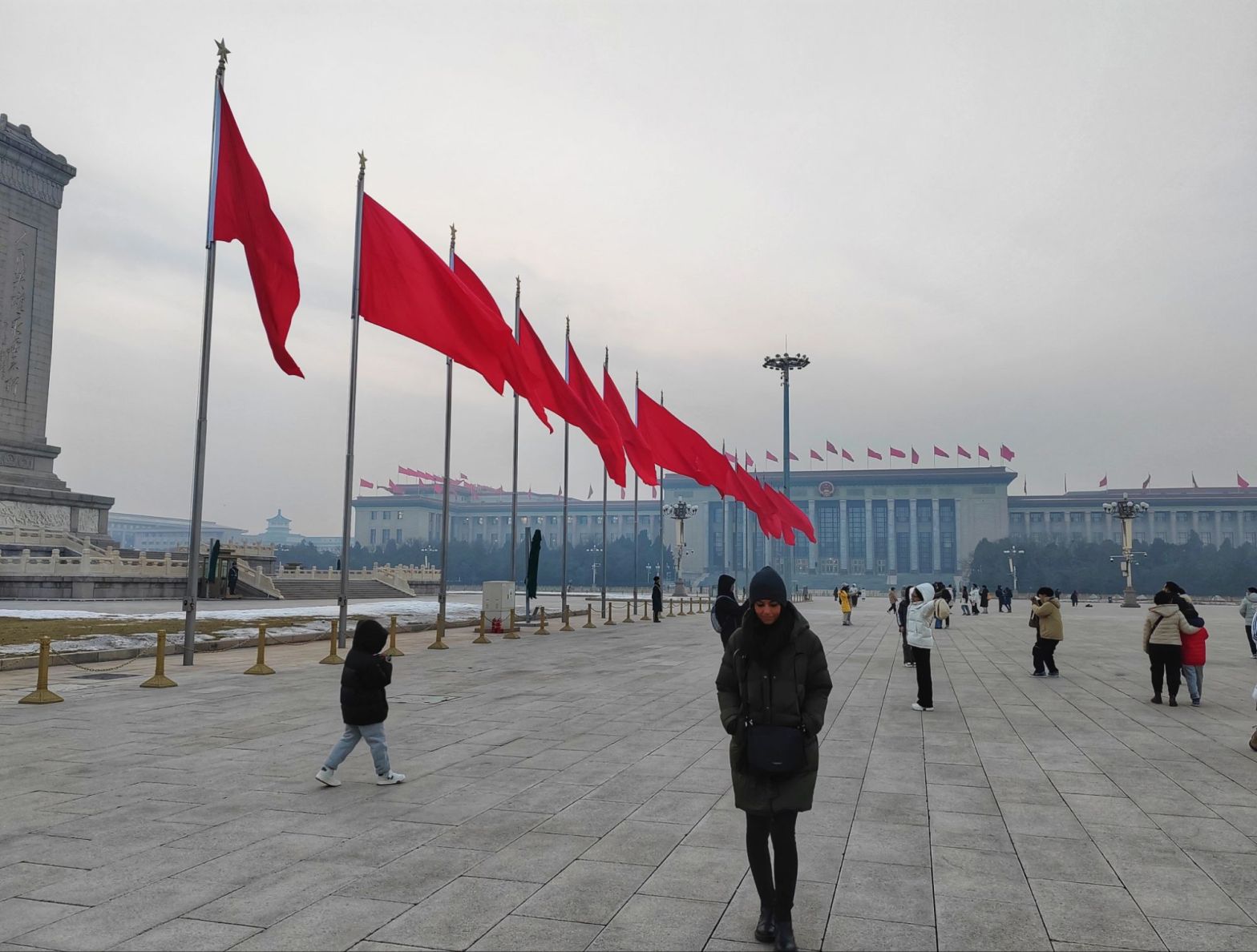
My Winter days in Beijing start under the red flags of Tiananmen Square, the massive epicenter of the city, extending for almost 900 meters and finishing there where the Forbidden City begins. My visit to the Square takes place in a foggy afternoon, just before the flag lowering, that always coincides with the sunset.
To visit Tiananmen Square you must register through the following mini-program, that can be found on WeChat: 天安门广场预约参观. Here a guide on how to do it. The process is quite simple and to enter the square you will just need to provide your passport.
Tip #1
Never forget to bring you passport around, you will often need it to access tourist areas and monuments.
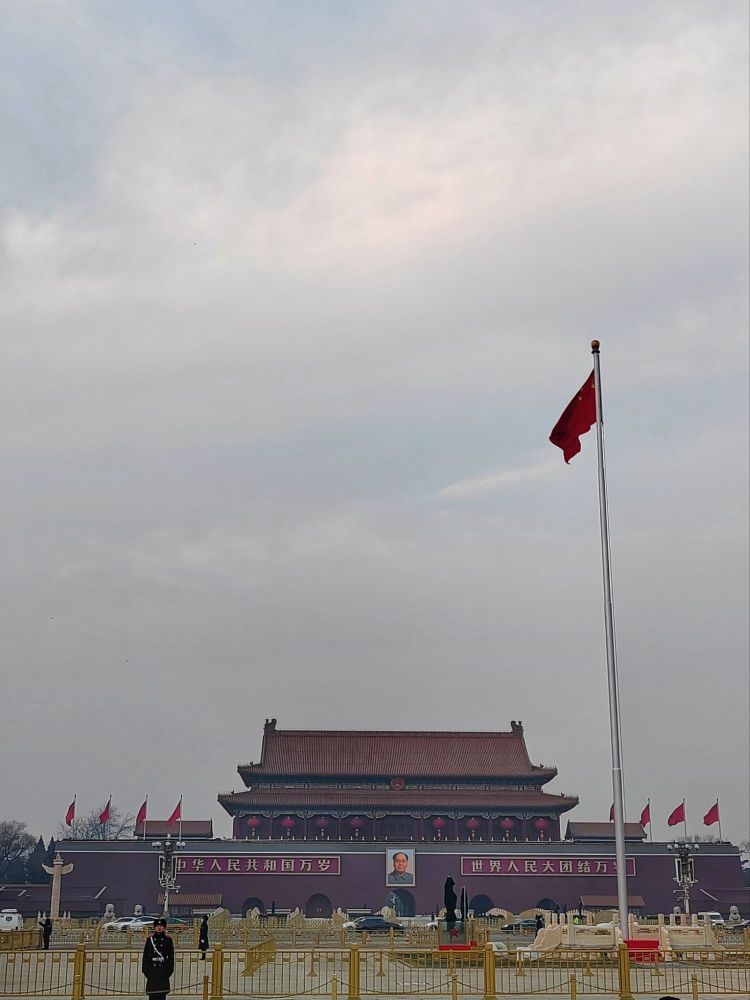
Tiananmen Square is delineated by some major landmarks, such as the Monument to the People’s Heroes, Mao Mausoleum, the National Museum and the Great Hall of the People, used by the Government and recently re-opened to visitors. This is for sure its most famous view.
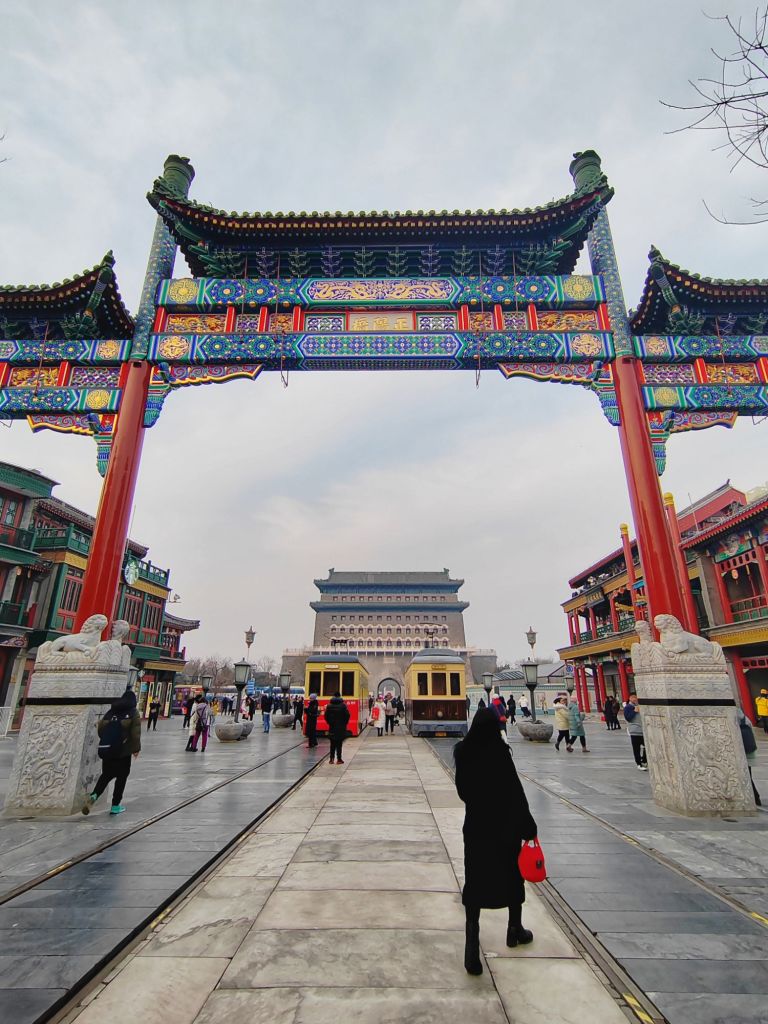
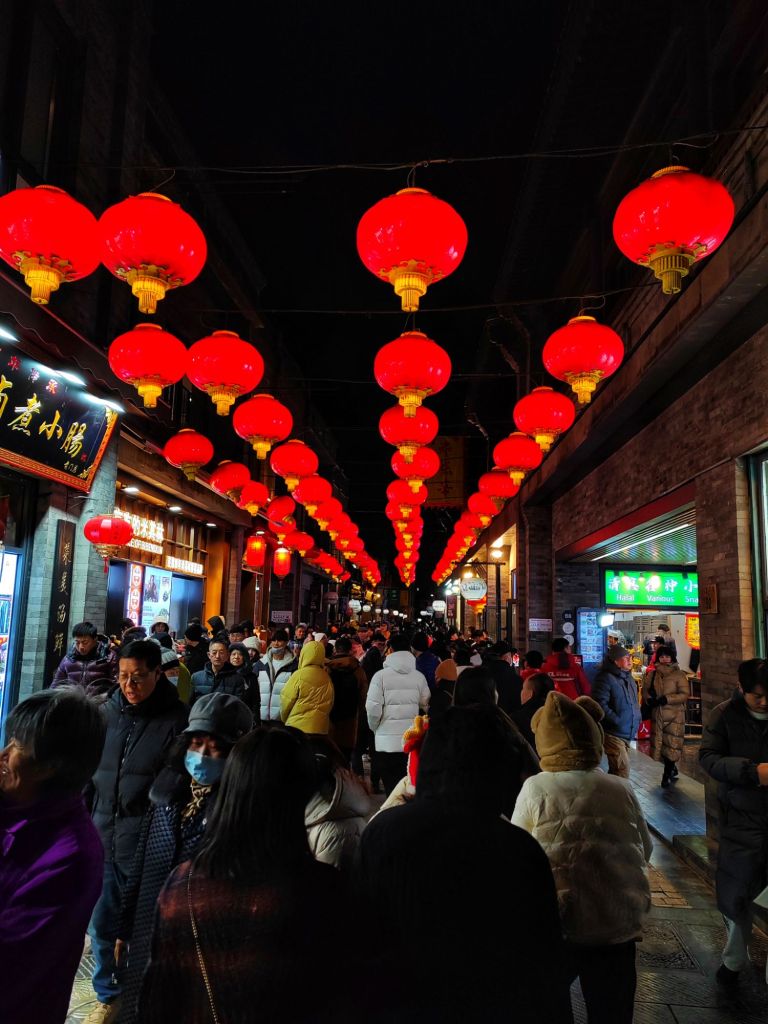
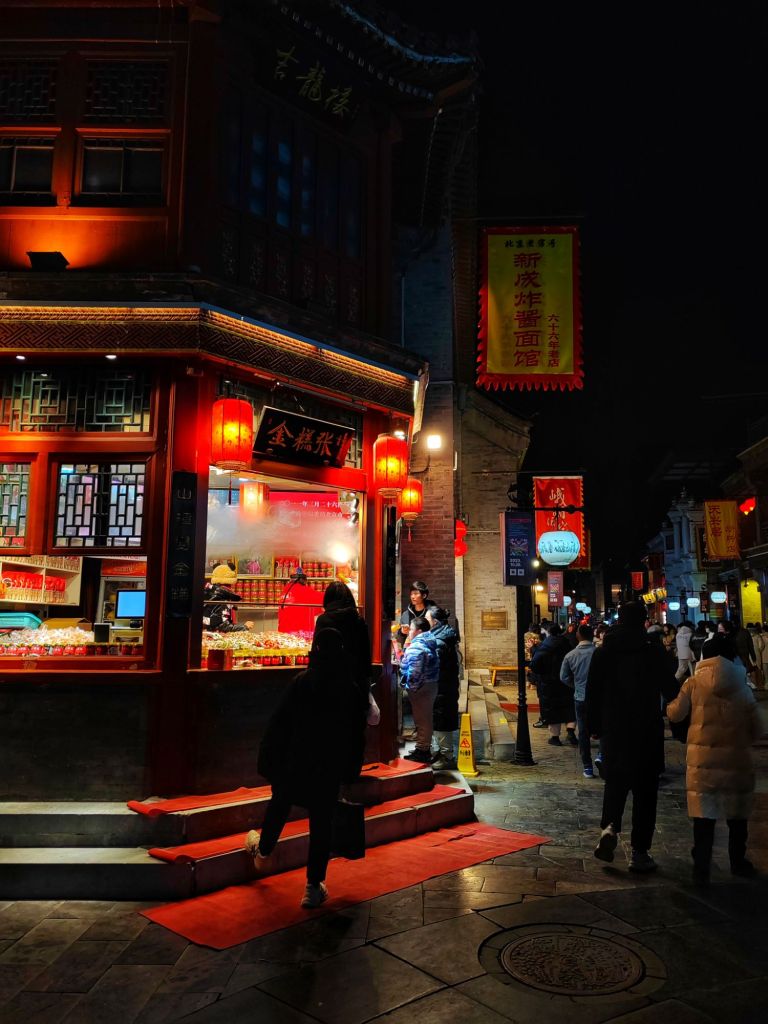
After visiting the Square and its landmarks it is time for the first of the many wanderings, starting with the exploration of Qianmen Pedestrian Street, that with its cross roads full of shops, restaurants and street food halls makes it an ideal location for the hotel.
Qianmen Pedestrian Street main entrance, close to Tiananman SquareQianmen area by night with its many restaurants and the picture friendly red lanternNot only restaurants: in Qianmen there are many street food spots and halls
First things first and the dinner is dedicated to tasting the first Beijing Roasted Duck of the trip in one of the many restaurants of Qianmen area. There is a proper etiquette in eating Beijing most famous dish and fine restaurants are well happy to provide any detail about it. If opting for a more informal dining, just make sure to order it with the traditional thin pancakes in which to wrap the crispy and fat meat with its sauce, cucumbers and spring onions.
Tip #2
Before your trip make sure to download and set Alipay on your mobile. Alipay will make your life 100 times easier and it will soon become your best friend. Once you have it, along with a stable internet connection (I would reccomend buying a local sim card), you can do pretty much everything, such as paying (including street food vendors), buying metro tickets (simply creating QR codes to swipe at the entrance and exit), book taxis, even ordering at some restaurants.
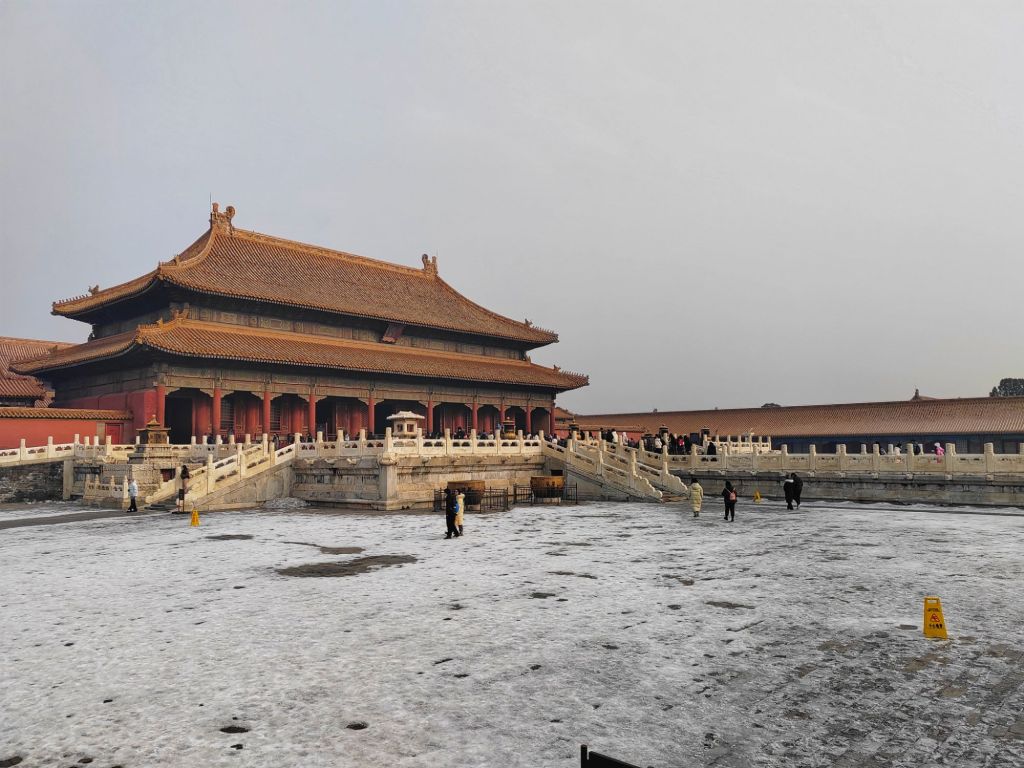
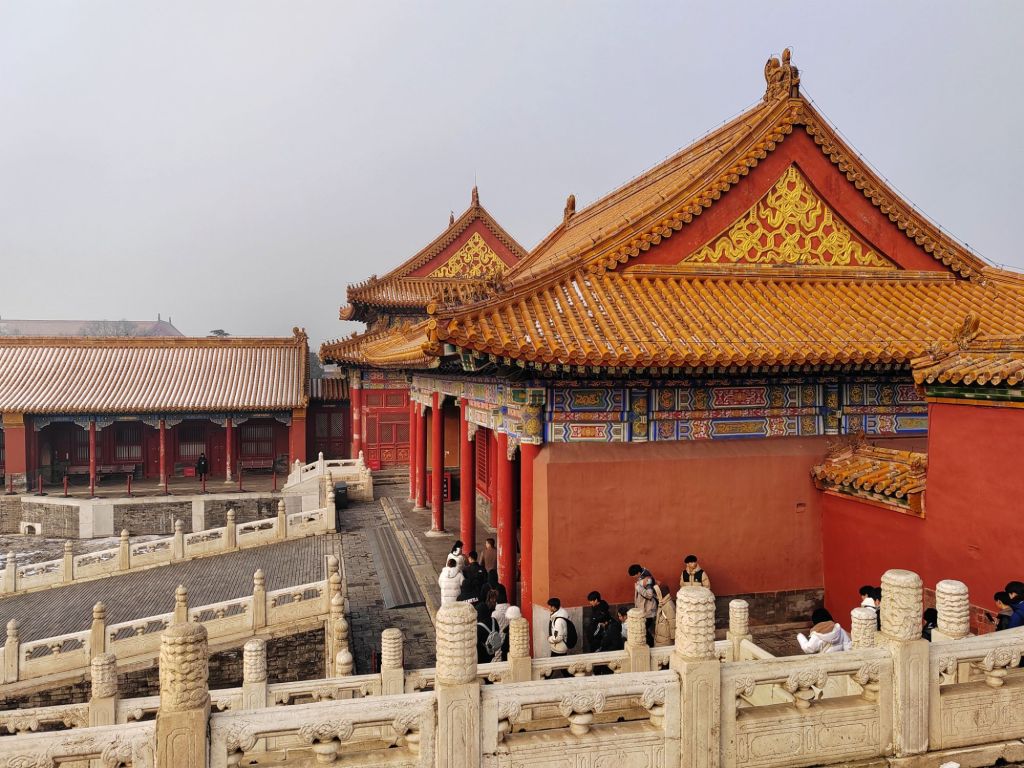
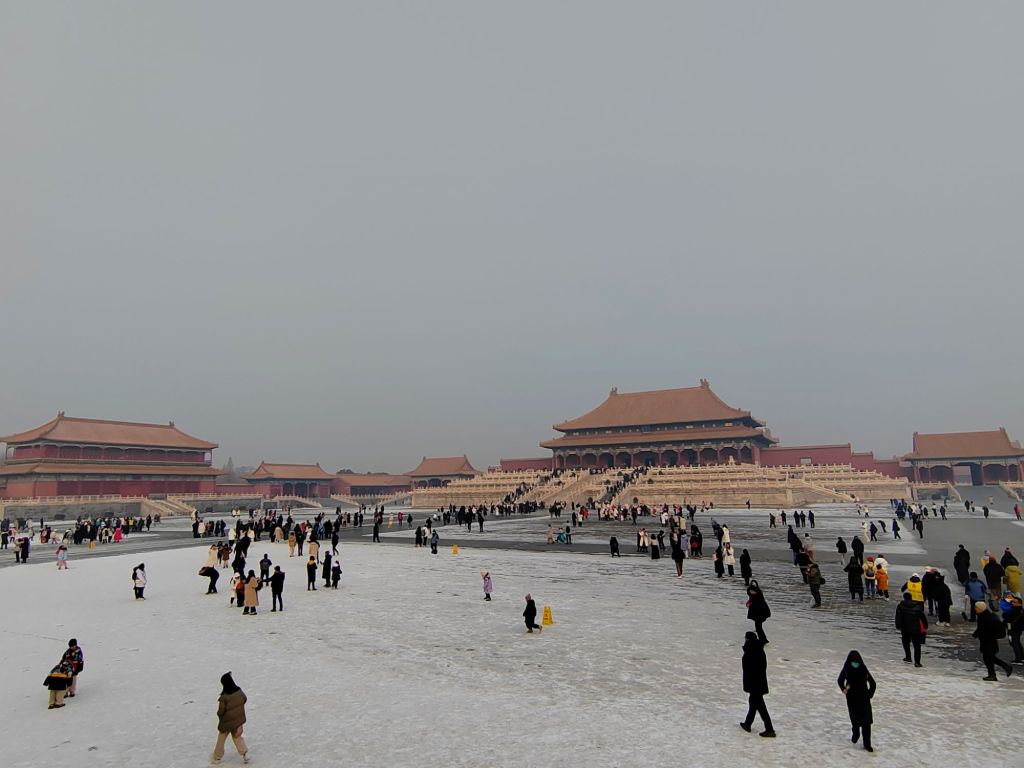
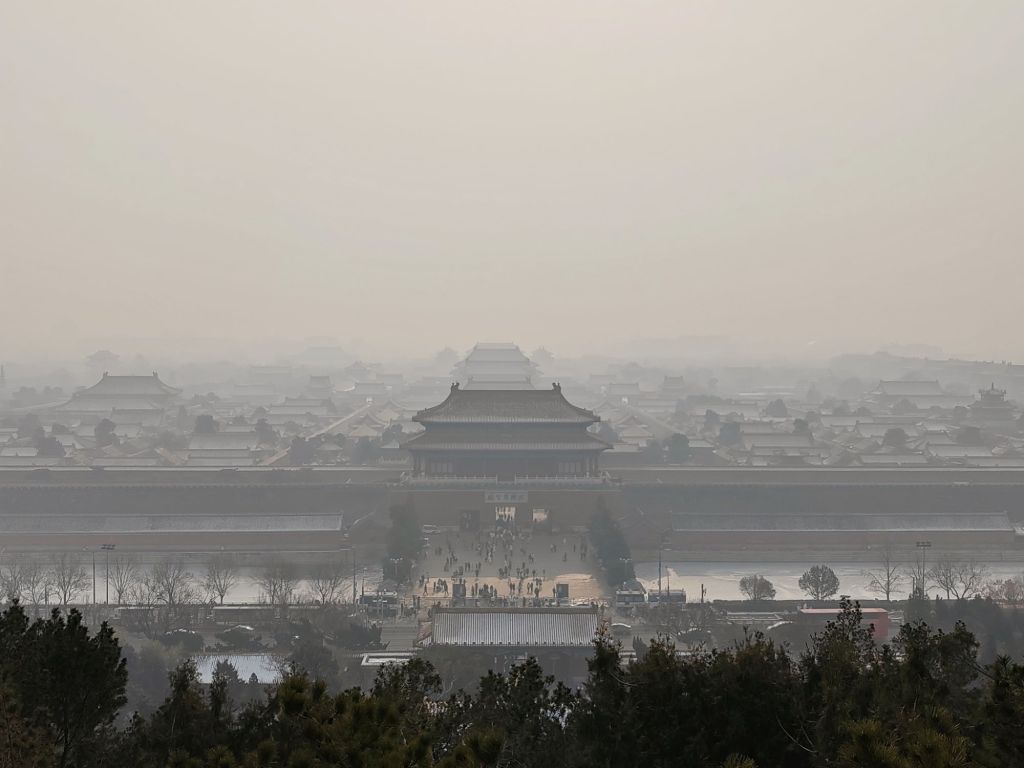
The first full day in Beijing is dedicated to its most famous landmark: the Forbidden City. You can buy tickets in advance on many portals, including Viator. Once centre of the Imperial Power, the Forbidden City is as majestic as you can imagine and it represents the finest example of the Chinese Ancient Palaces. The snow and the ice on the ground frame it like in a postcard, adding that bit of magic hardly transmittable through pictures and words. After spending the right amount of time visiting every corner, you can then admire it from the top climbing up the hill in Jingshan Park, the Imperial garden standing just in front of it.
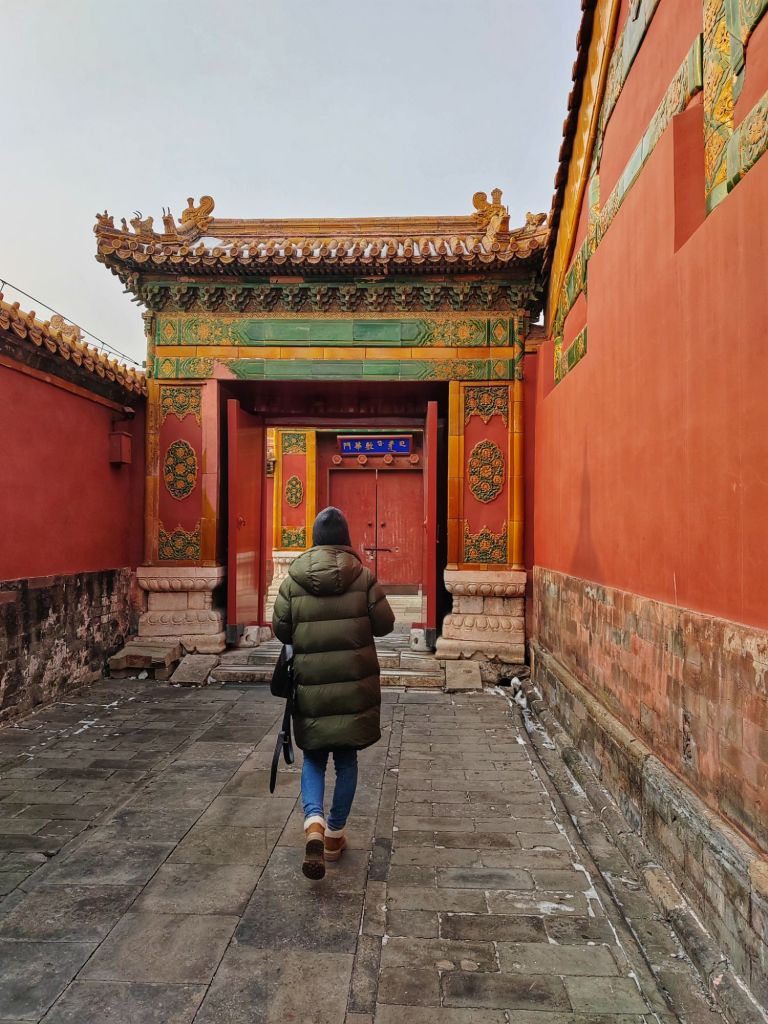
A view of tte Hall of Supreme Harmony, the Forbidden City most famous buildingGlimpses of the Forbidden CityCold weather and 25 layersA wider view of the Forbidden City and its majestityThe view of the Forbidden City from the top of the hill of Jingshan Park
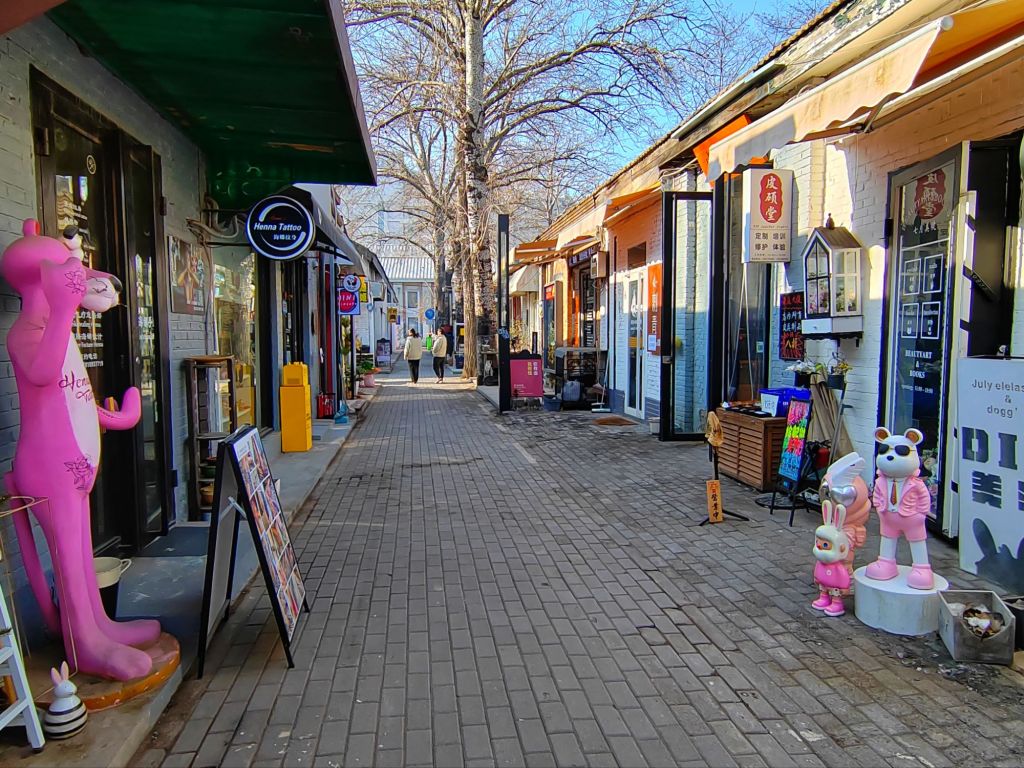
The area surrounding the Forbidden City is mostly made of ancient hutongs, narrow lanes of small buildings in which to get lost while tasting traditional foods and discovering cool shops or design coffee shops. Getting lost in hutongs was one of my favourite bits of the journey, some of them are more famous and clearly indicated in the maps, but mostly you just need to discover them yourself, that is the coolest part.
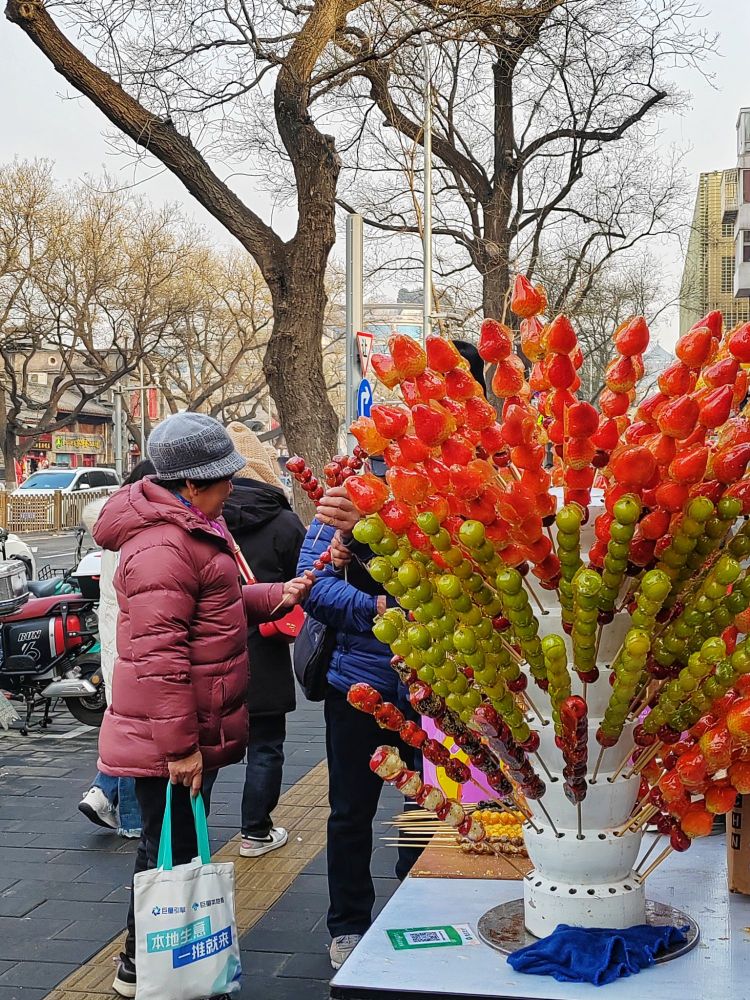
Snack time: tanghulu
One of the most famous and omnipresent snacks in Beijing colder months is tanghulu: sugar coated fruits take make the perfect sweet treat while wondering around the city. Make sure to try the strawberries, incredible how succulent and sweet they are!
Not only hutongs, the Forbidden City is walking distance from one of the many modern areas of Beijing: Wangfujing Street. The road represents a good stop for shopping, here there are plenty of malls and the amount of shops and their dimensions is shopping addicts dream stuff.
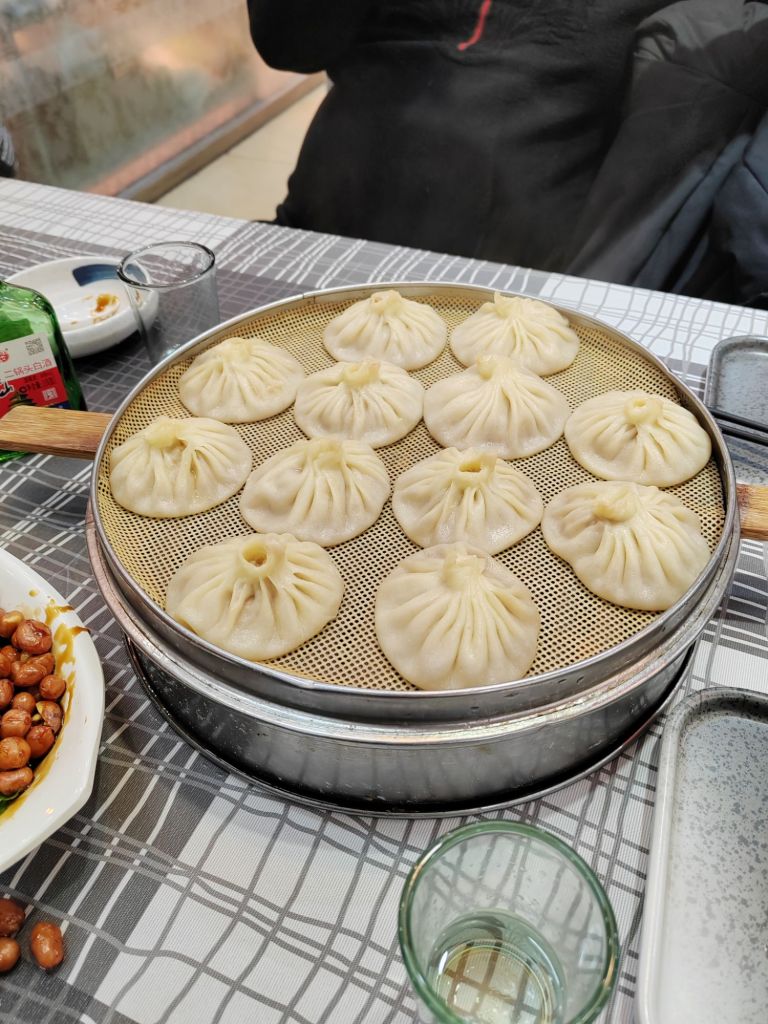
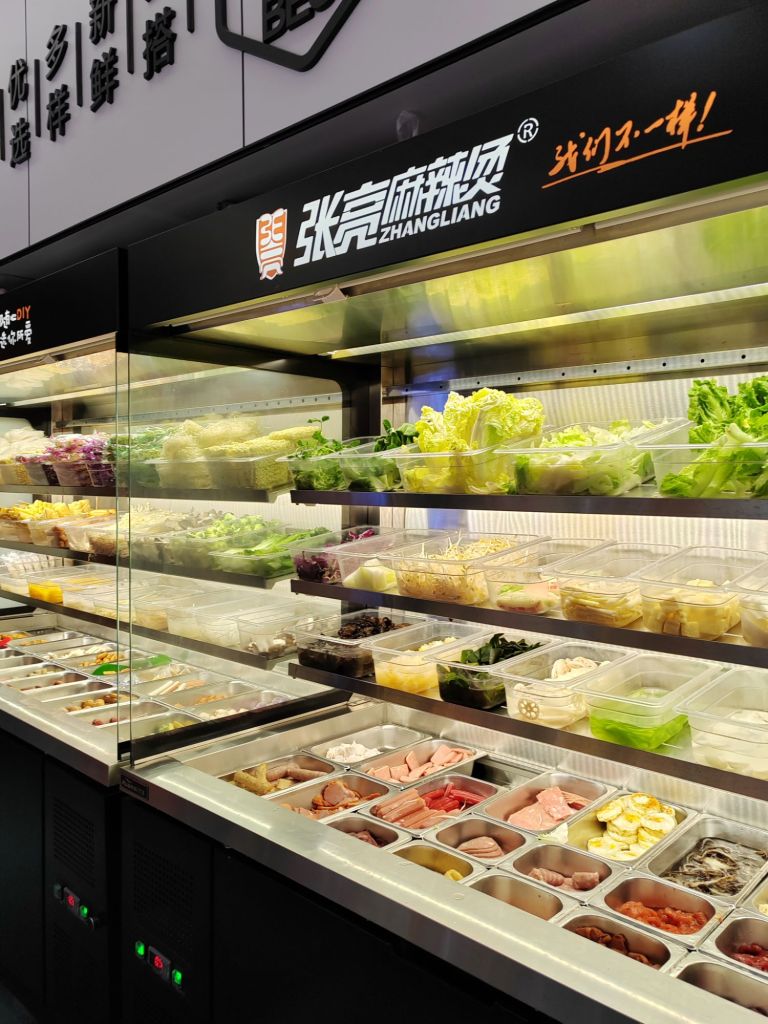
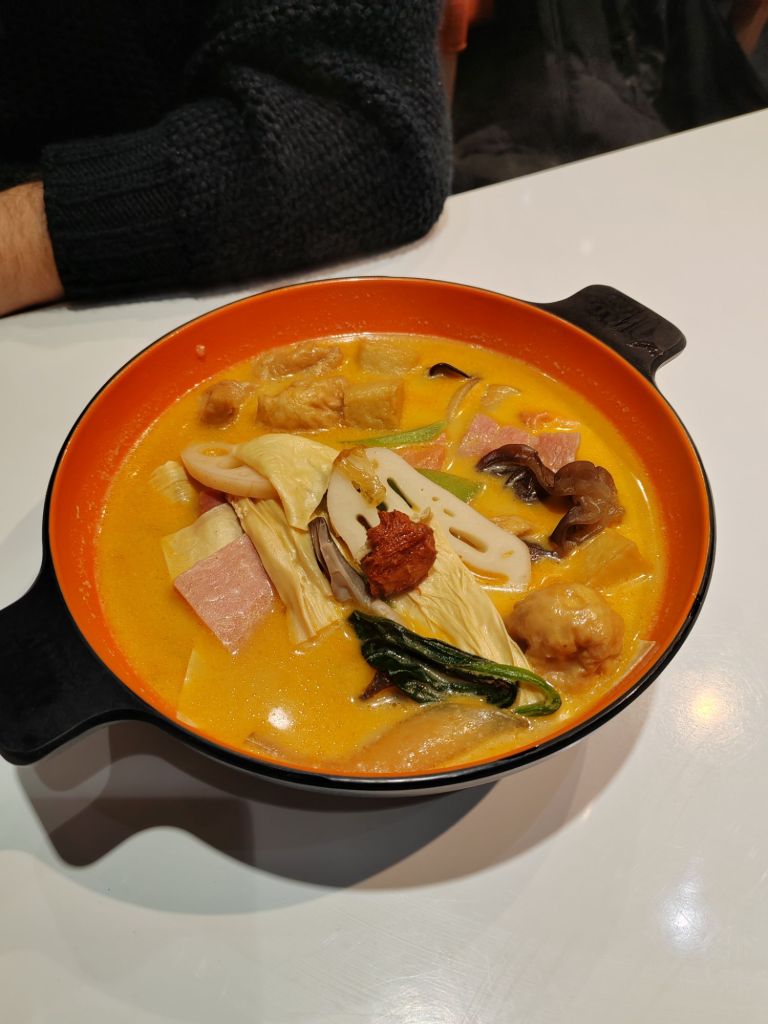
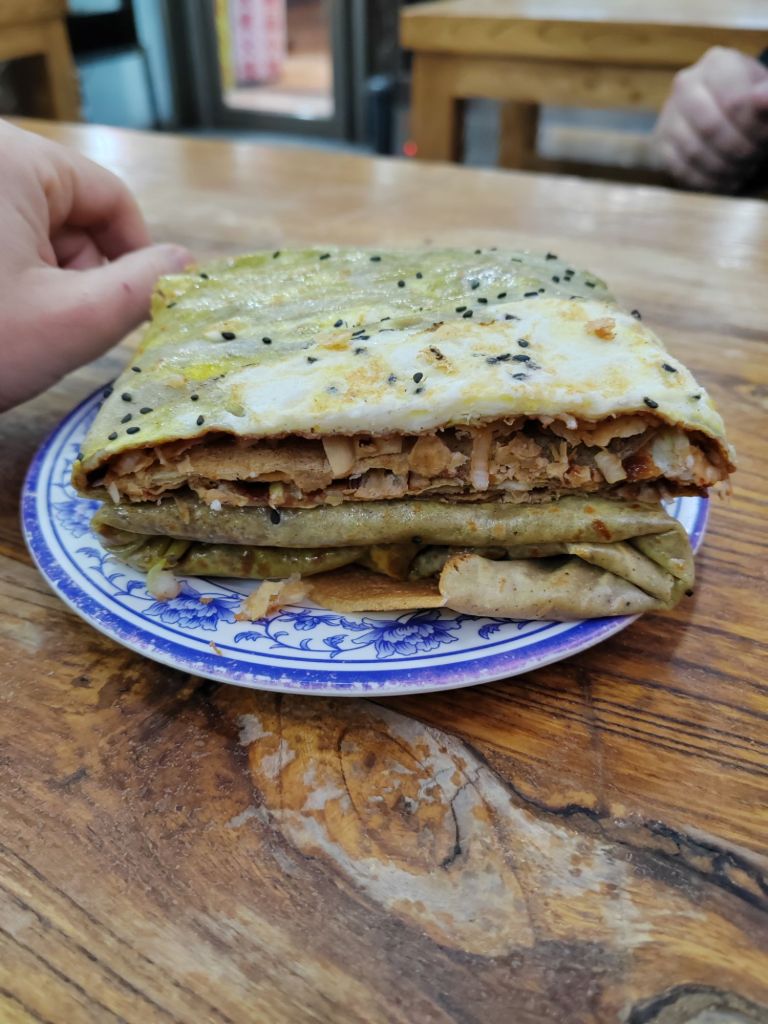
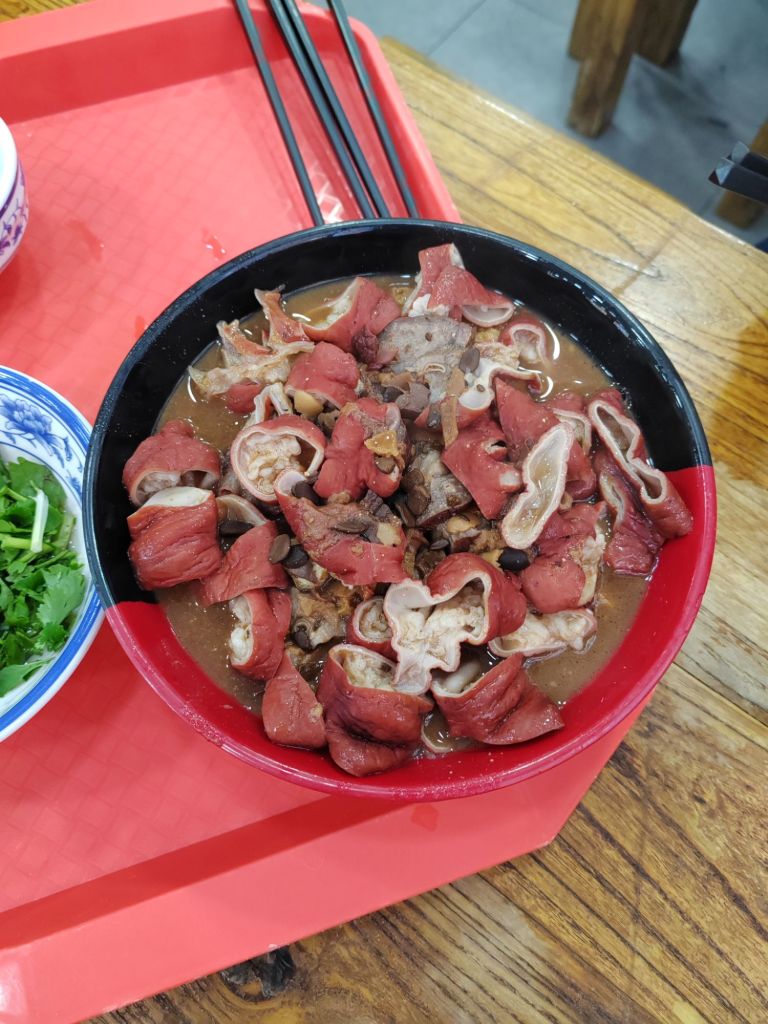
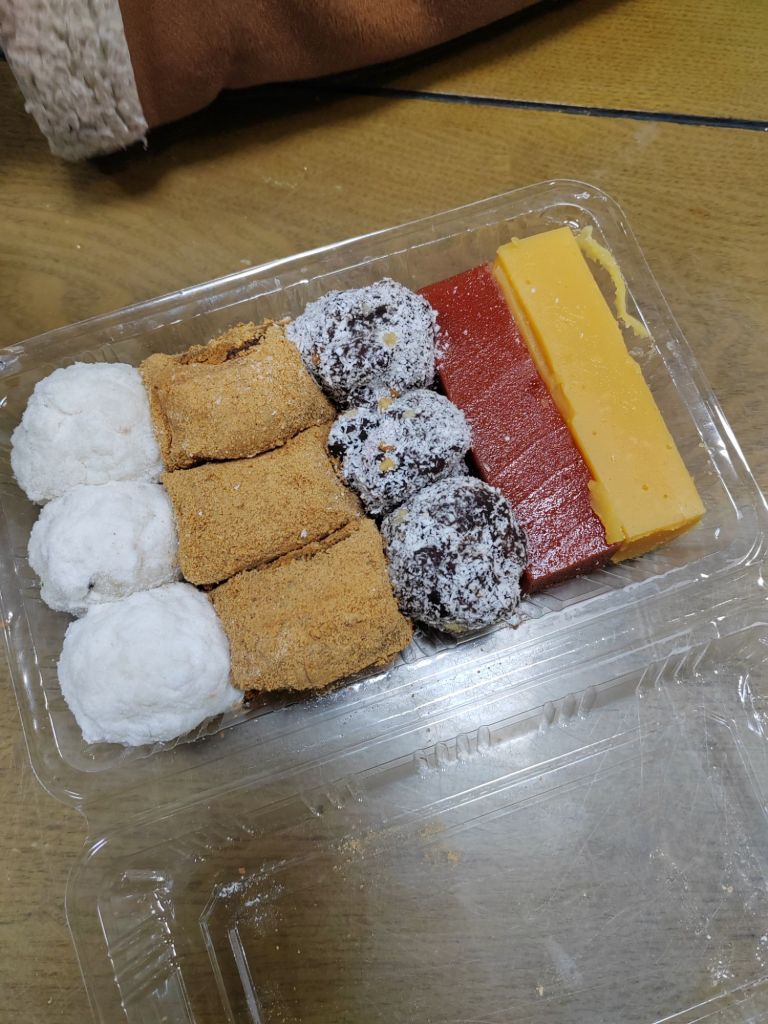
The day ends with the only guided tour of the holiday, and of course it has to be a food tour (booked via Viator), a good chance to deepend the knowledge of the many Chinese regional cusines. Among the best food tasted during the tour, some traditional well-known dishes such as peanut butter noodles, Beijing traditional crepe, soup dumplings (I just love soup dumplings!) and fast hot pot, but also giblets noodles and pigeon soup accompanied by the very strong baijiu (similar to grappa), ending on a sweet note with Rolling Donkeys (or Ludagun, sticky rice filled with red bean paste and rolled into soybean flour, traditionally from Beijing) washed down by some plum juice.
Soup dumplings are very popular in China and as succulent as you can imagine: take a small bite, drink the soup and then enjoy the dumpling. These are filled with pork and scallions.Fast hot pot is the faster and easier alternative to the traditional hot pot: you chose the ingredients of your choice and the staff will cook it for you in the broth of choice. The fast hot pot dish: rich broth and comforting warmnessBeijing traditional roll: a thin crepe with sauce, egg, fried puff pastry and salad, commonly eaten as breakfast.Giblets soup has a really strong taste, only for the braverTraditional sweets that are never too sweet, including the rolling donkeys
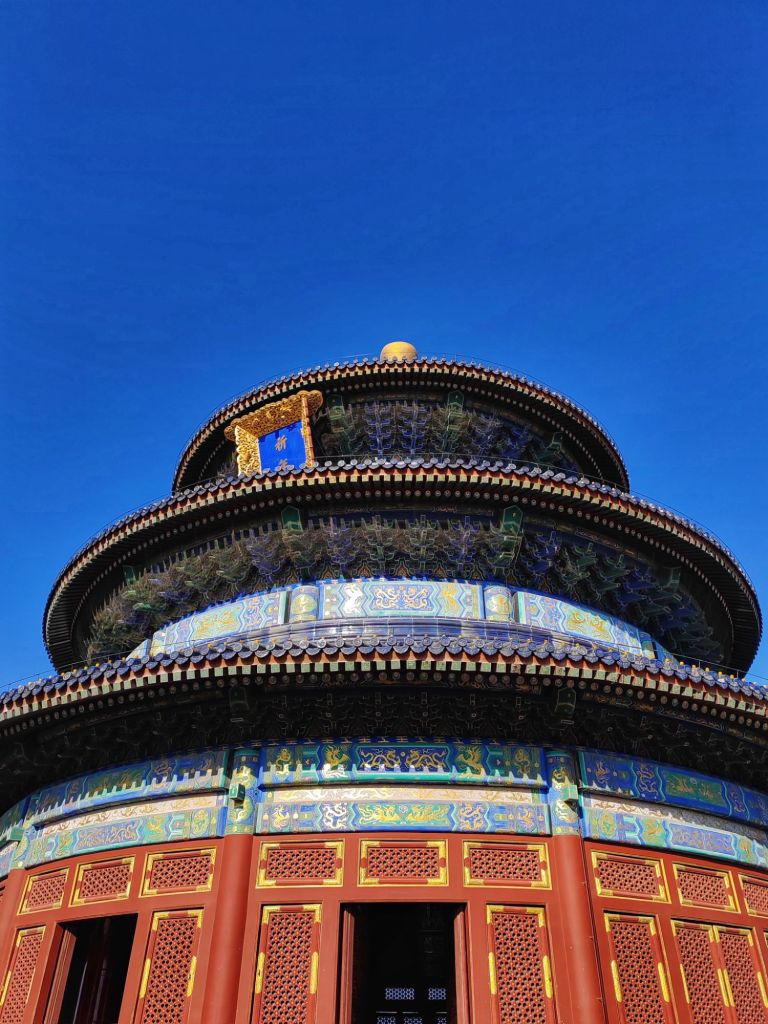
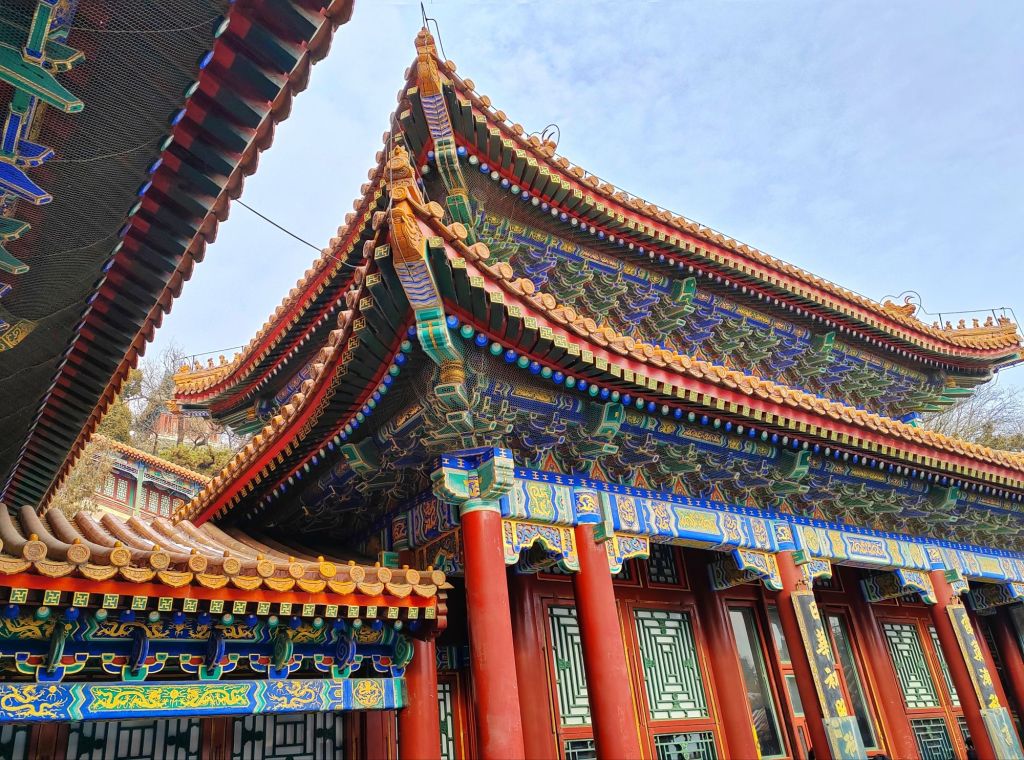
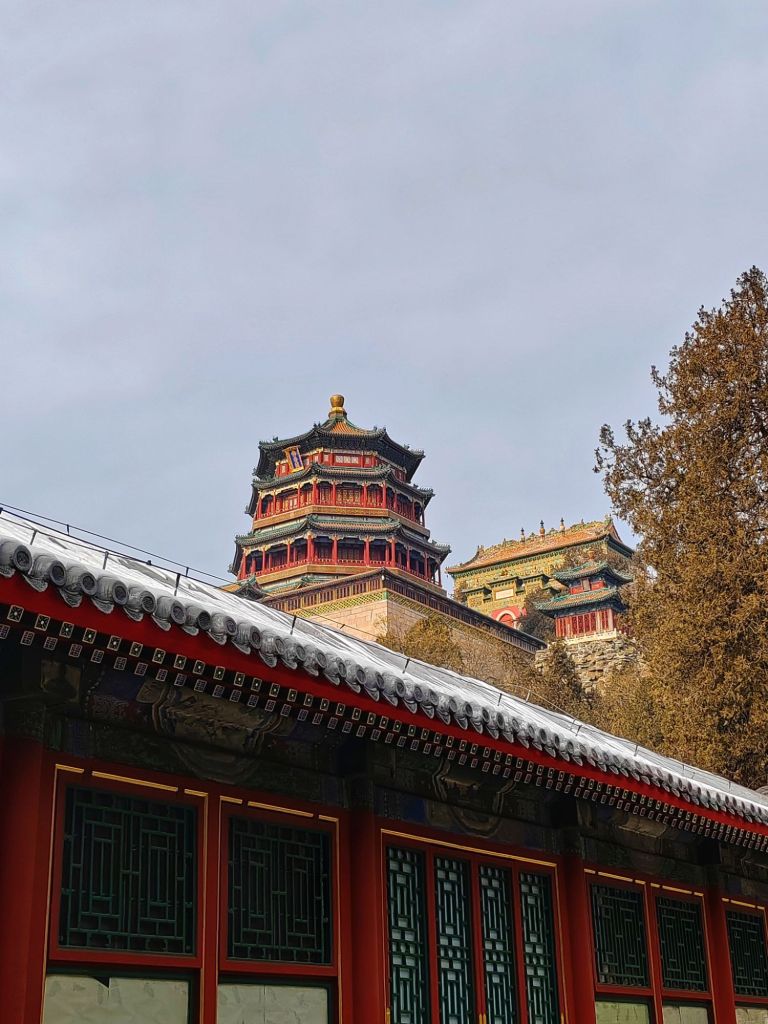
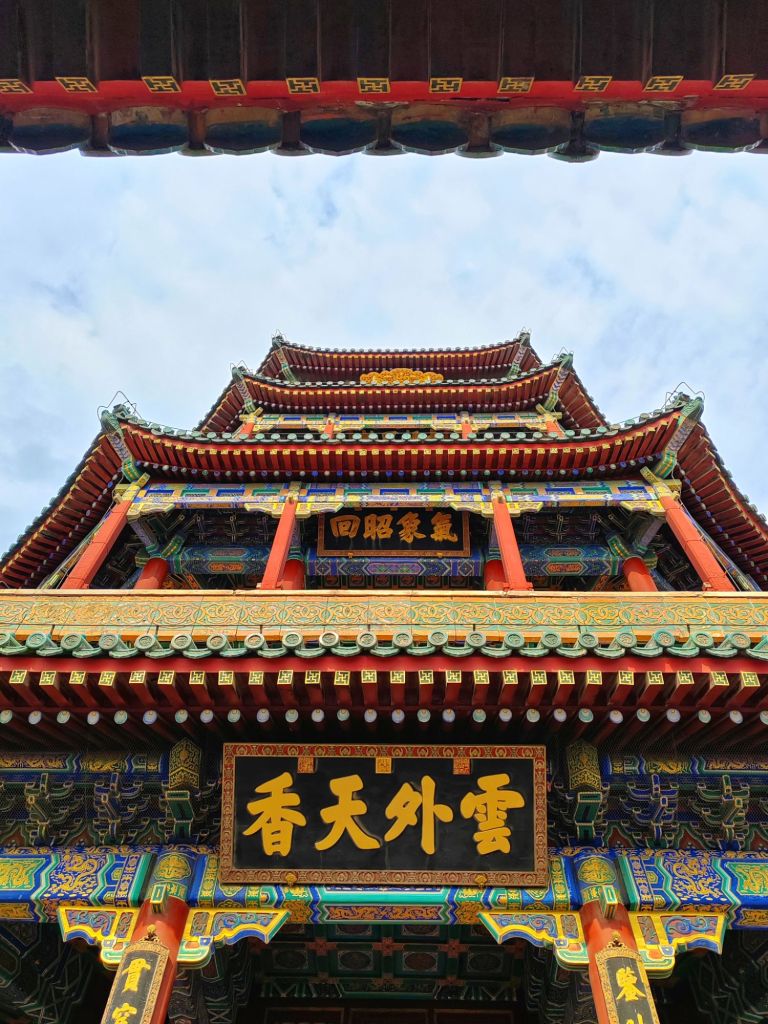
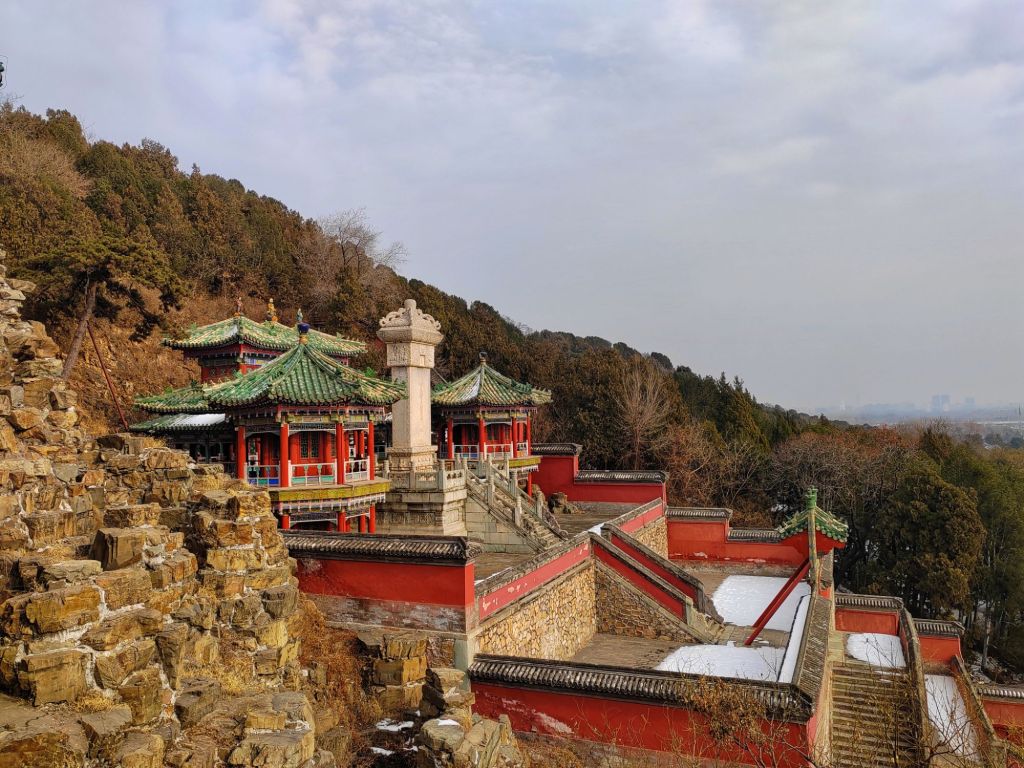
In the following days, the discovery of Beijing landmarks goes on with the visit to the Temple of Heaven, the Lama Temple, the most famous Buddhist temple outside Tibet, that originally served as residence of the prince who would become emperor and it is still in function, the Drum and Bell Tower and the unmissable Summer Palace, once Imperial Park.
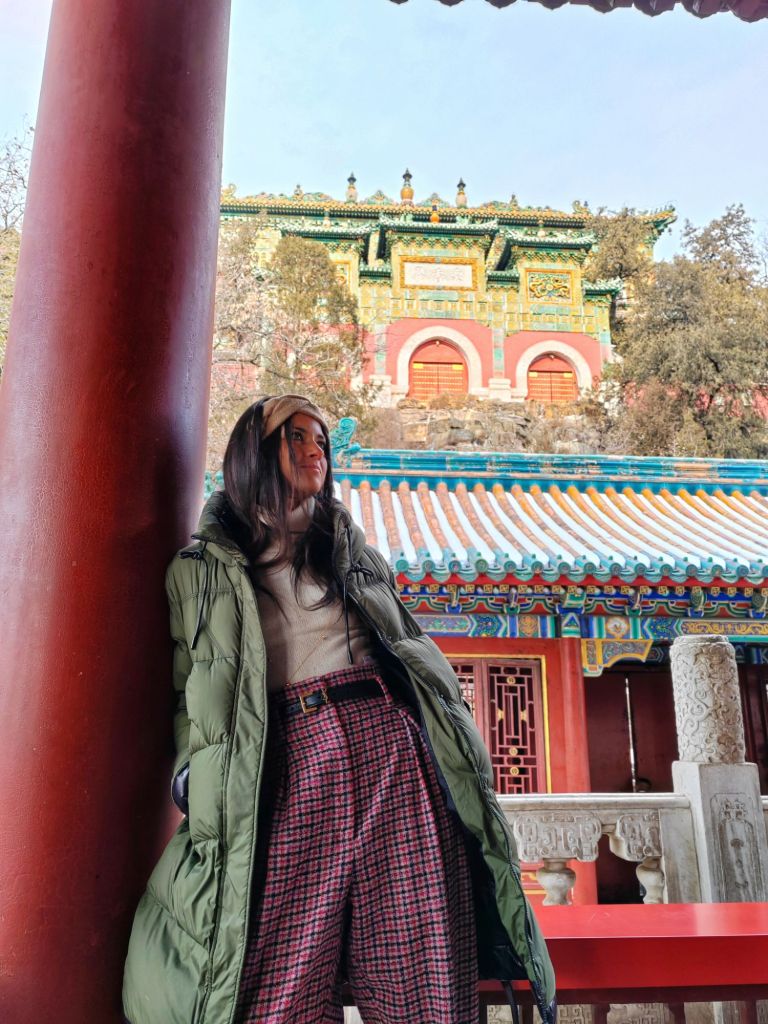
The Temple of Heaven main buildingA glimpse of the Lama Temple, still used for praying and once residence of the PrinceThe Summer PalaceOne of the many well preserved buildings of the Summer PalaceA view of the Summer Palace, ones of Beijing more stunning landmarksA poser moment after climbing up to the top of the Summer Palace
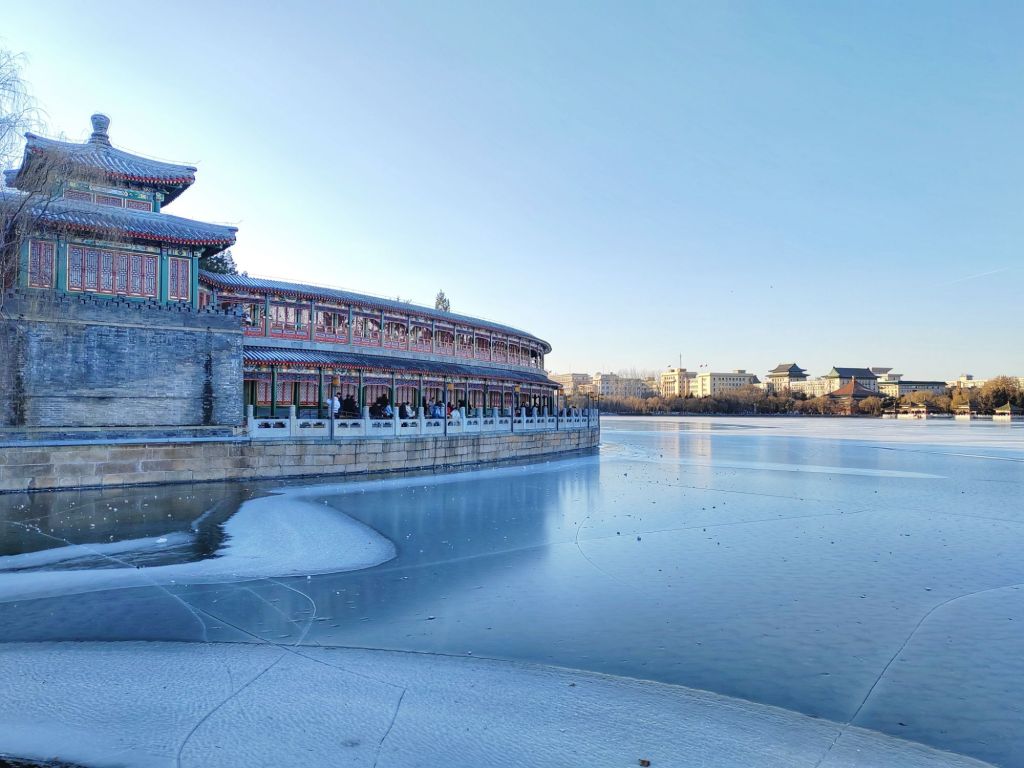
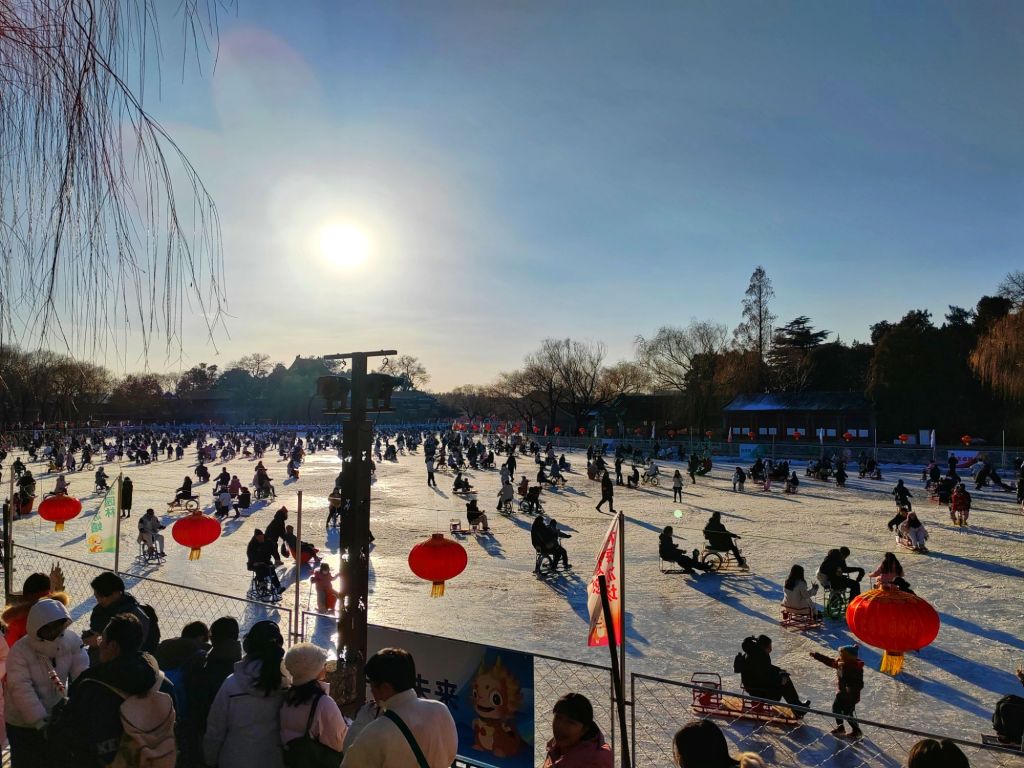
Beyond buildings, Beijing parks are also an unmissable stop. Beihai Park, also known as Winter Palace, is located in the city center. During Winter times, the lake frozes and it is possible to ice-skate. In the middle of the lake, a small island with a Tibetan Dagoba.
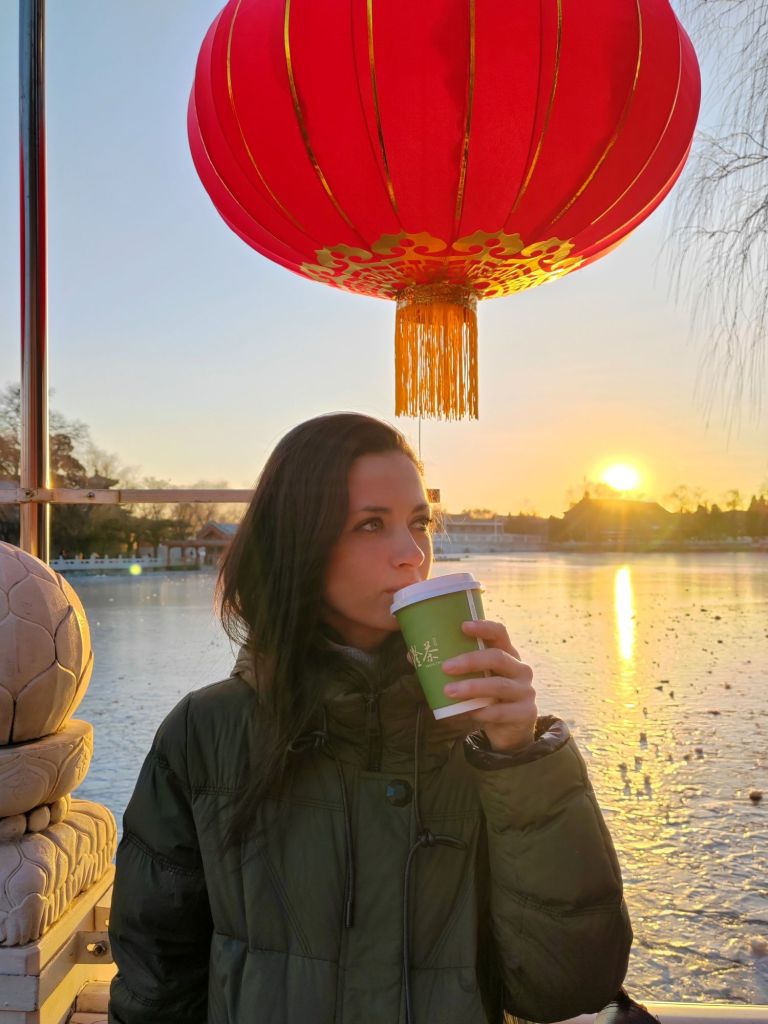
Golden hour light in Baihai ParkThe bridge over the frozen lake in Beihai ParkThe corridor connecting the two sides of the lake in Beihai Park, as you can see the lake is well frozen and there is an area dedicated to ice-skating
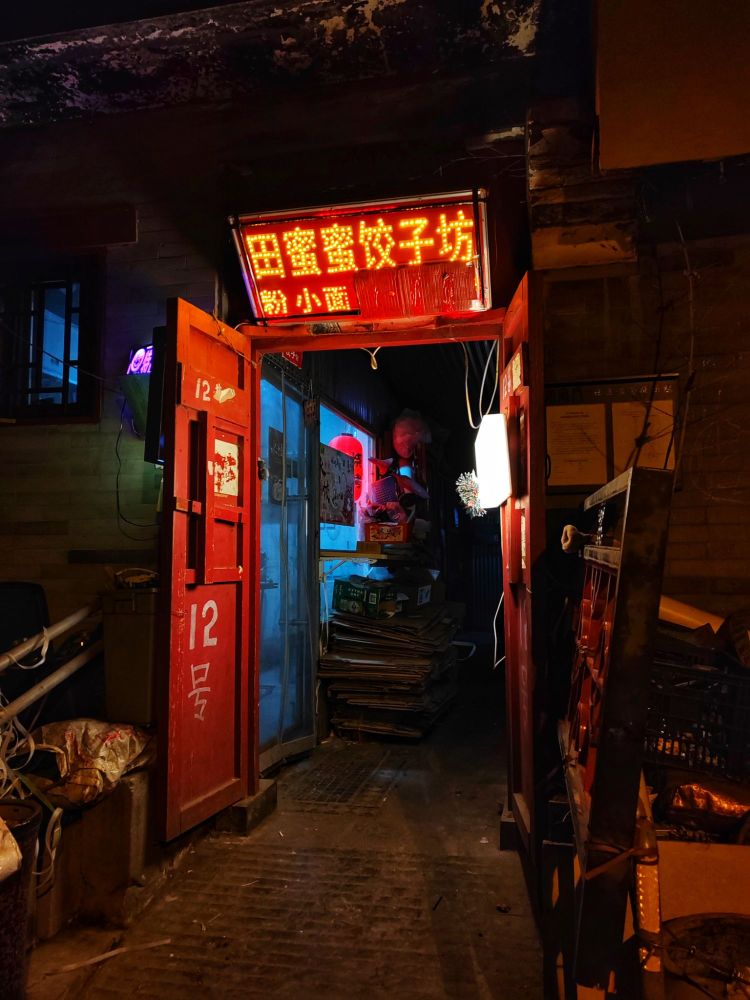
The area around Beihai Park is particularly vivid area at night: Houhai is full of restaurants, street food spots and small shops and some night-life houtongs packed with breweries and cocktail bars. In the map you can have a glimpse of them.
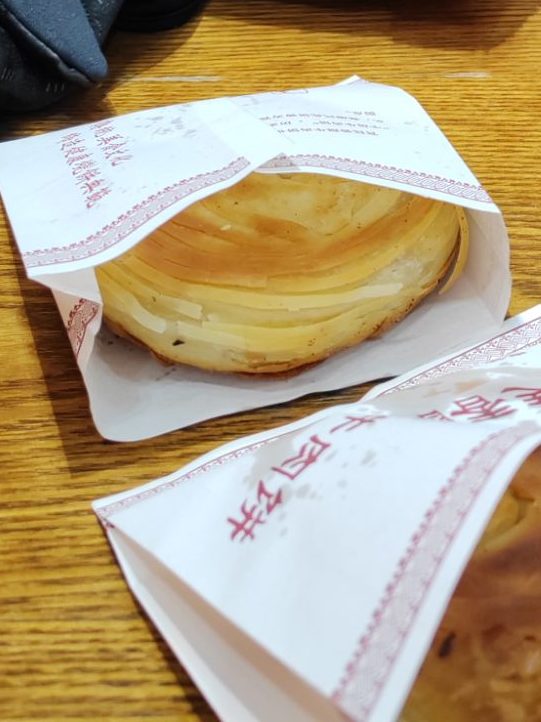
Snack time #2: meat pies
My absolute favourite snack, these crispy and oily meat pies filled with pork, scallion and ginger hold a very special place in my heart. They taste absolutely delicious and are perfect paired with a beer. Keep in mind that the basic bottled Chinese beer is very (too) light (around 2,5 – 3% vol), but in the city I discovered many breweries serving great beers.
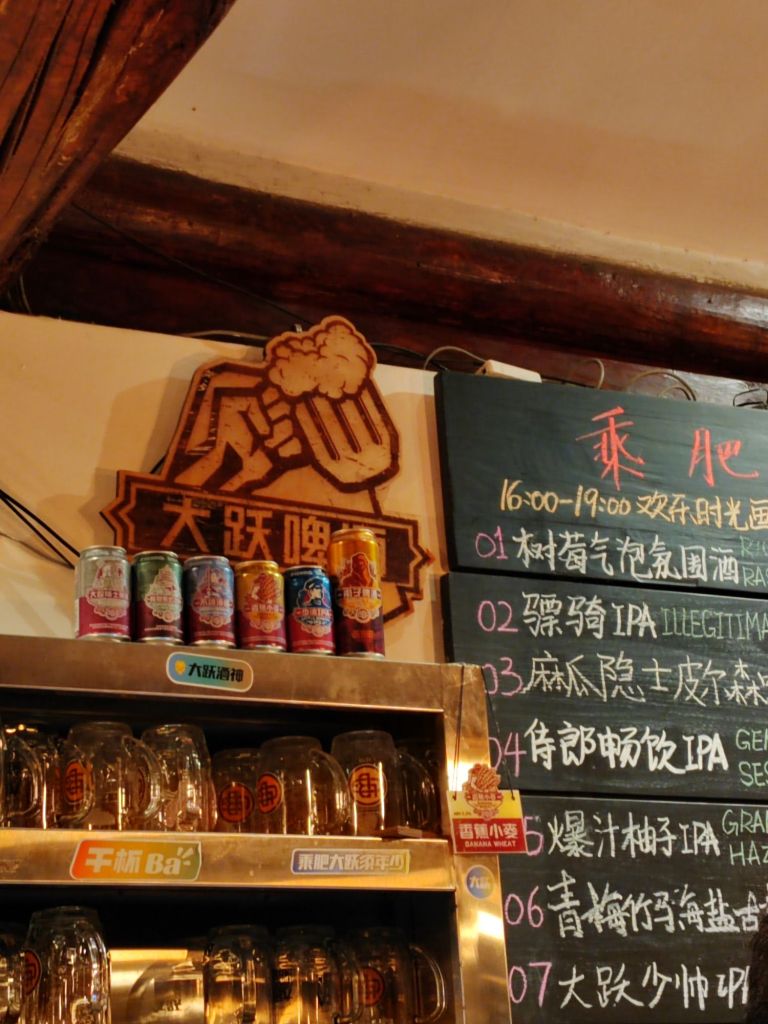
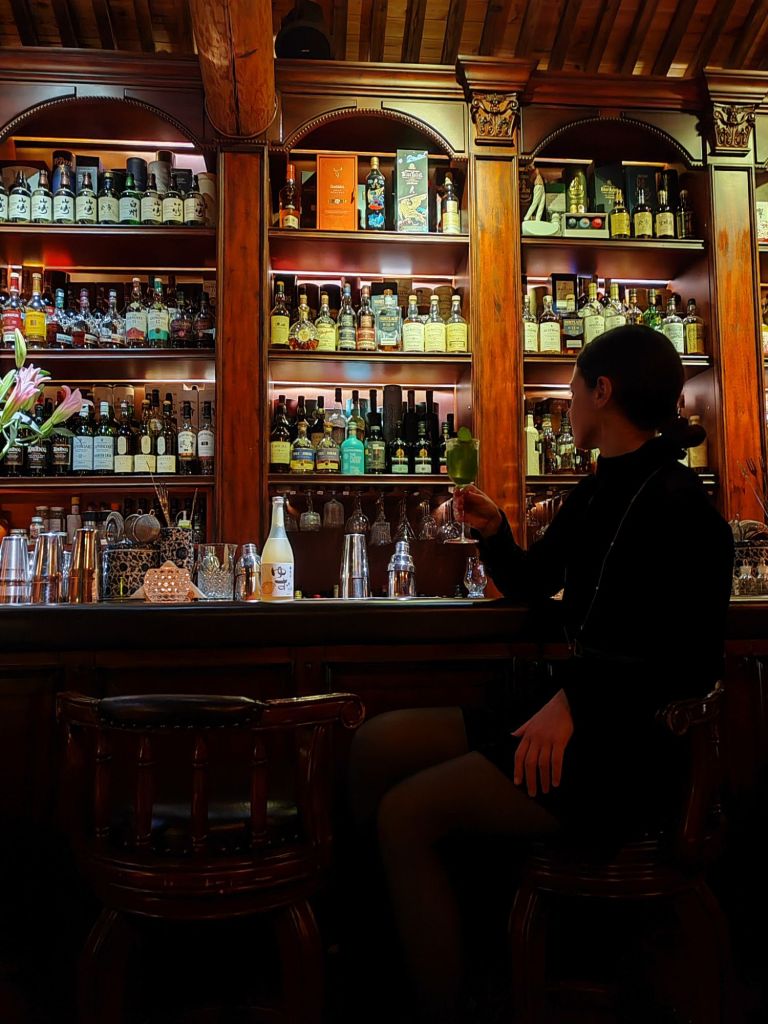
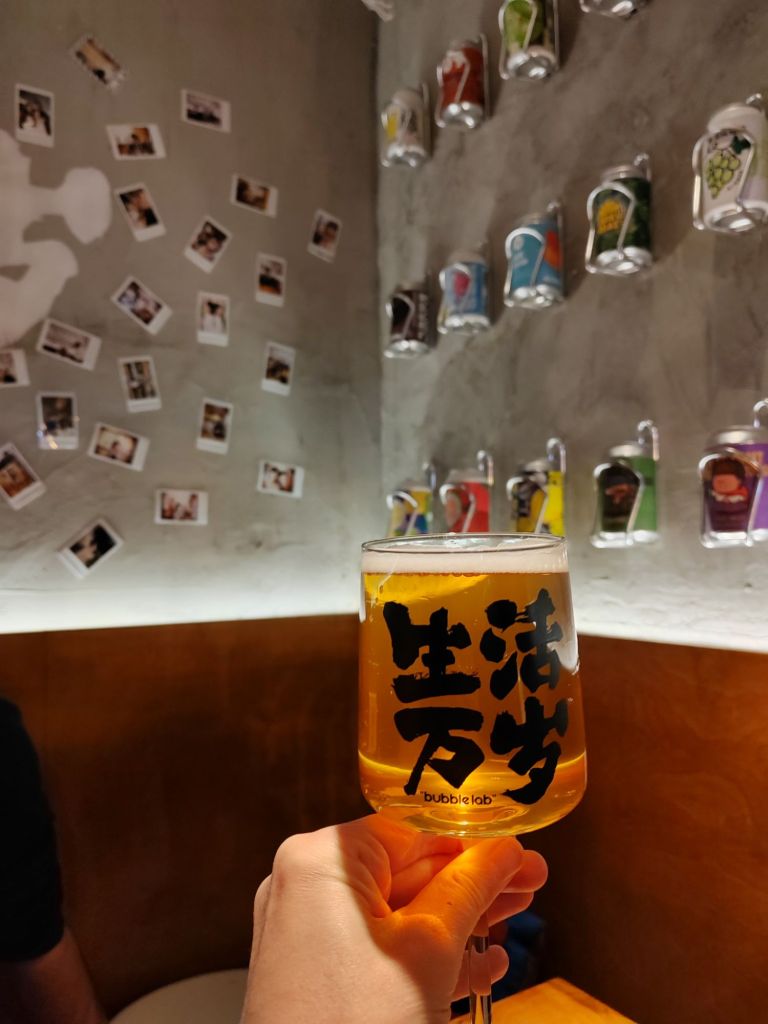
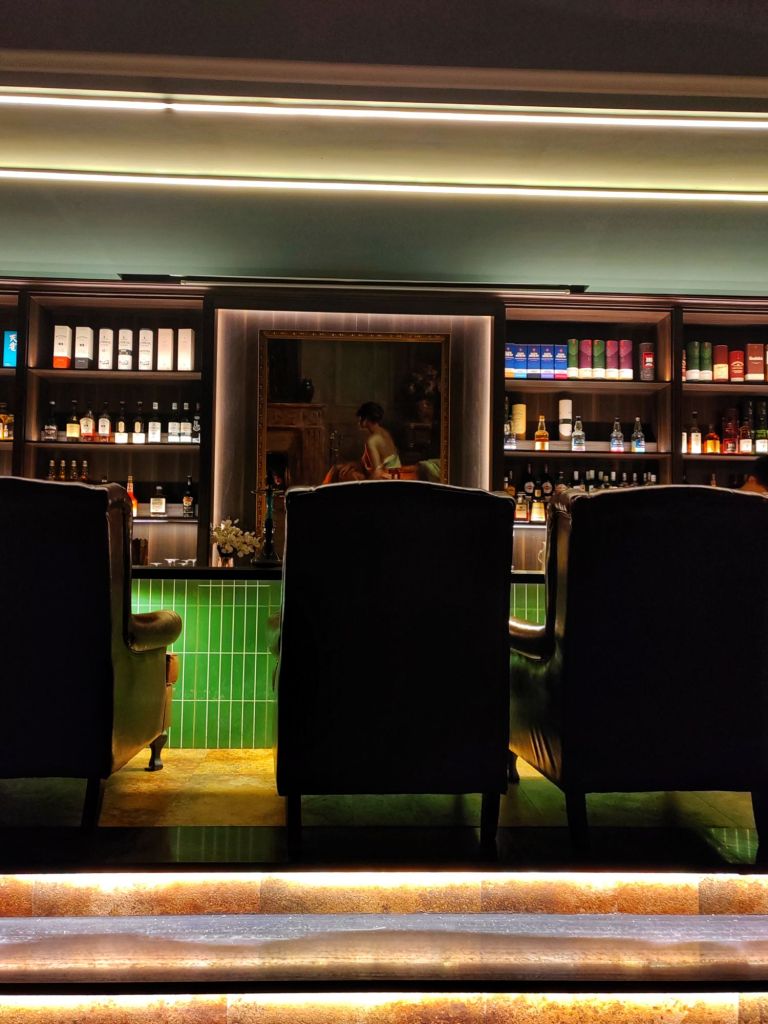
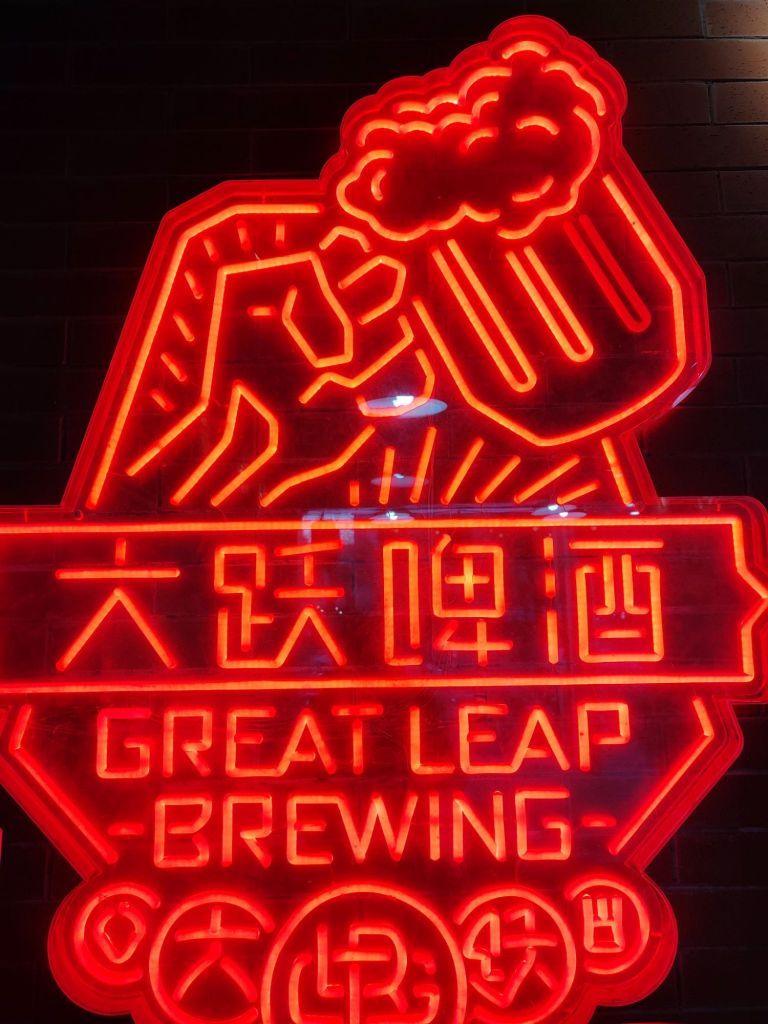
The fine-cocktail scene in Beijing has some serious high quality. I accidentally stumbled over a quantity of distinctive cocktail bars with strong character (the Little Devil’s Bar with its large whiskey collection was probably the cozier). If you prefer beers, don’t worry! Beijing has many breweries, such as the renowned Great Leap Brewery, that has a really cool logo and offers a large variety of beers including very interesting IPAs and Belgian Ales. For a good pint, I also found a very nice selection in the tiny Bubble Lab and at the 77 Beer Girl.
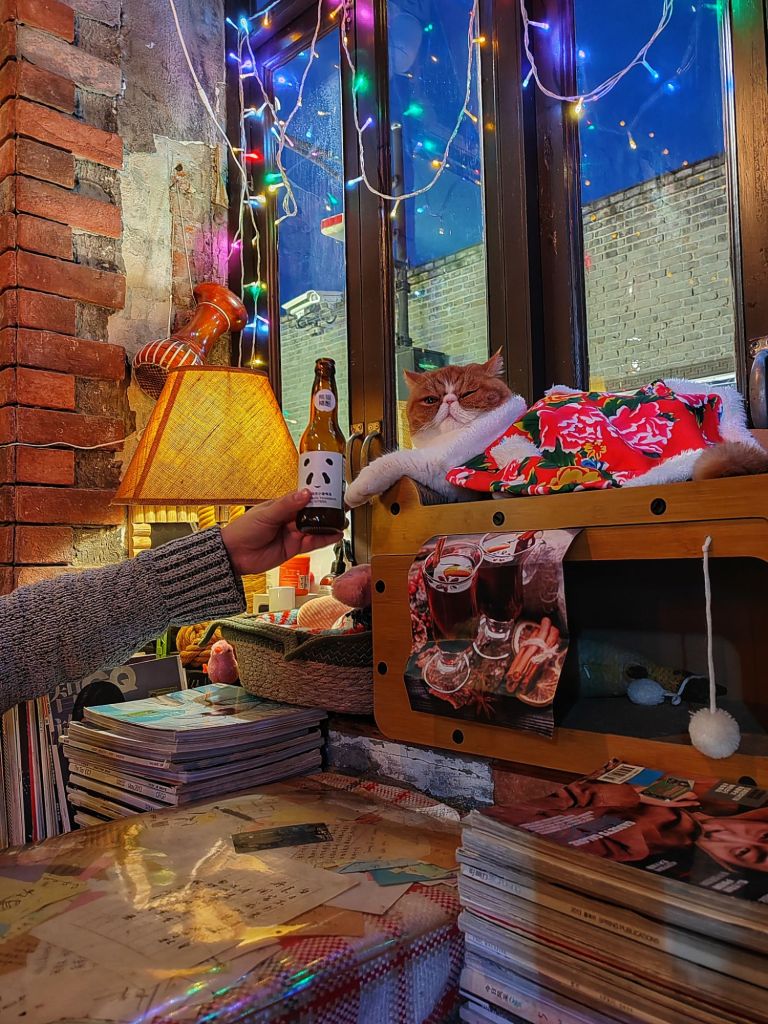
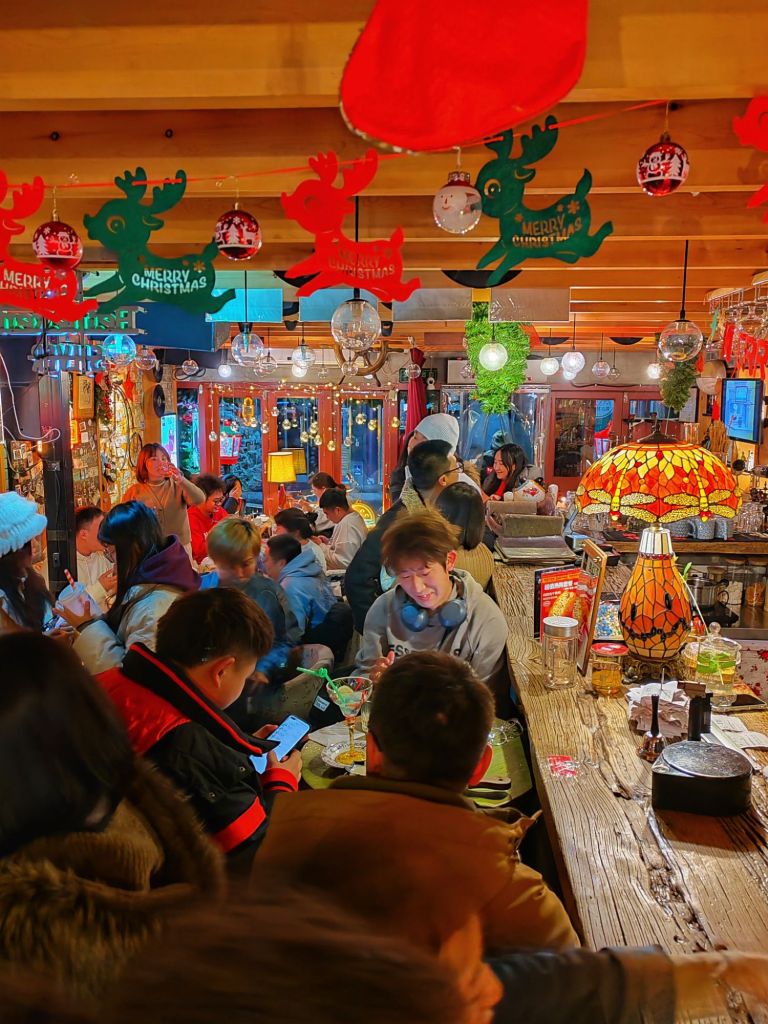
The Great Leap Brewing logo, their Ipa is very niceOne of the many cocktail bars you can stumble over while walking in the houtongs The Little Devil’s Bar, probably the cozier cocktail bar I found.Pubs and catsThe Bubble Lab, a tiny pub with a really interesting beer selectionInside one of the many cocktail bars in the area close to Beihai Park
It is now time for a little break from Beijing, I will be back soon enough to its pubs and snack stops, but for now we will change setting and catch a bullet train to Datong, in the Shanxi region, up in Norther China.
Tip #3
For foreigners at first the train tickets purchaising process might be a bit confusing. To buy tickets you can use Trip App. Approximately one month before departure, you can pre-book your journey, once the train tickets will be officially on sale, the system will purchase them for you sending confirmation a couple of weeks before departure. You will have e-tickets meaning you don’t need to do nothing more, at the train station only show your passport to hop on your train. The organization of train stations in China resembles the one of airports and it is easy to navigate.
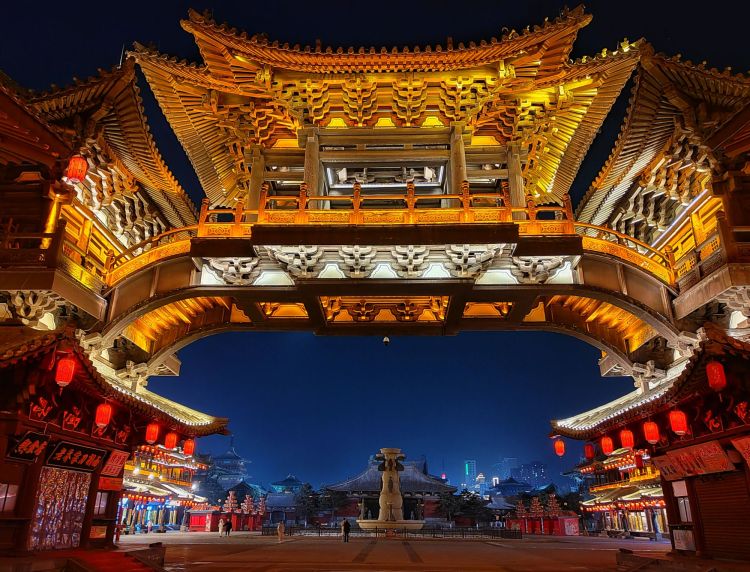
Datong, once Capital during the Wei dinasty, is located in the North and it borders with Inner Mongolia. Here on the first days of January temperatures by night and morning were around -19°C. The ancient centre of the city is lovely, especially by night, when the lights lit up scattering the roads with vivid red spots.
However, the trip is not intended for visiting the city itself, rather to visit two major Shanxi landmarks: Yungang Grottoes and Hengshan Hanging Temple. The two spots lie at approximatly 1 hour and a half drive from the city, and 1 hour drive from each other. The best way to visit them is booking a taxi for the whole day (at the hotel they can help you). The cost for the full-day private taxi is very reasonable (around 50 euros, in general taxis in China are very cheap).
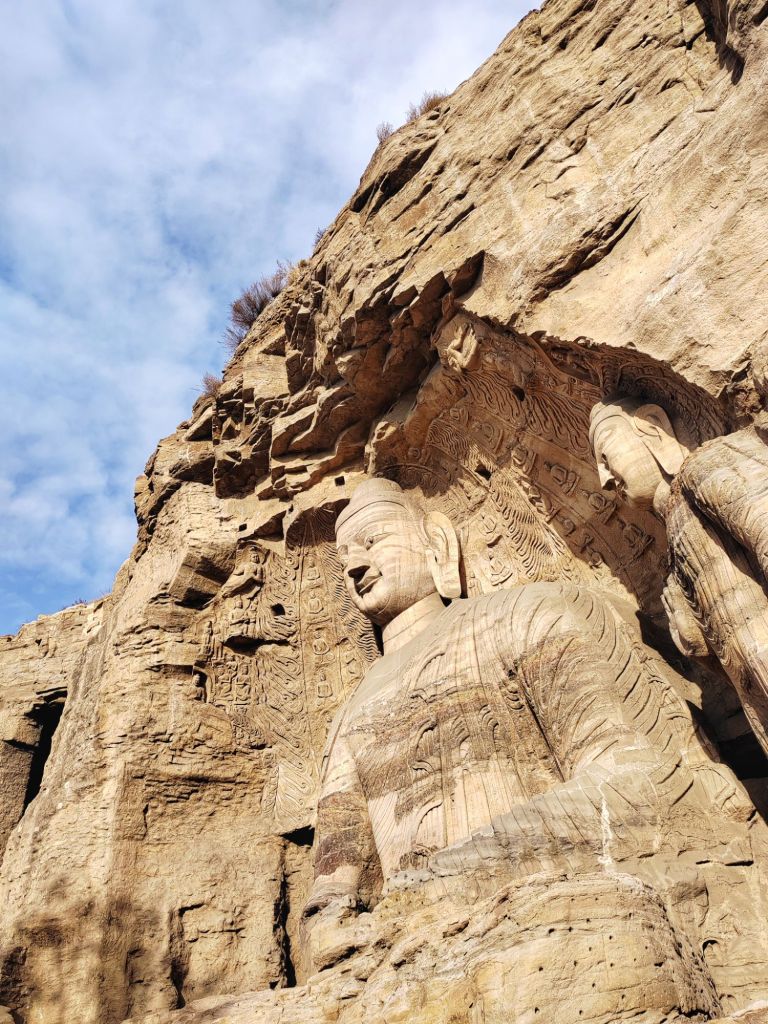
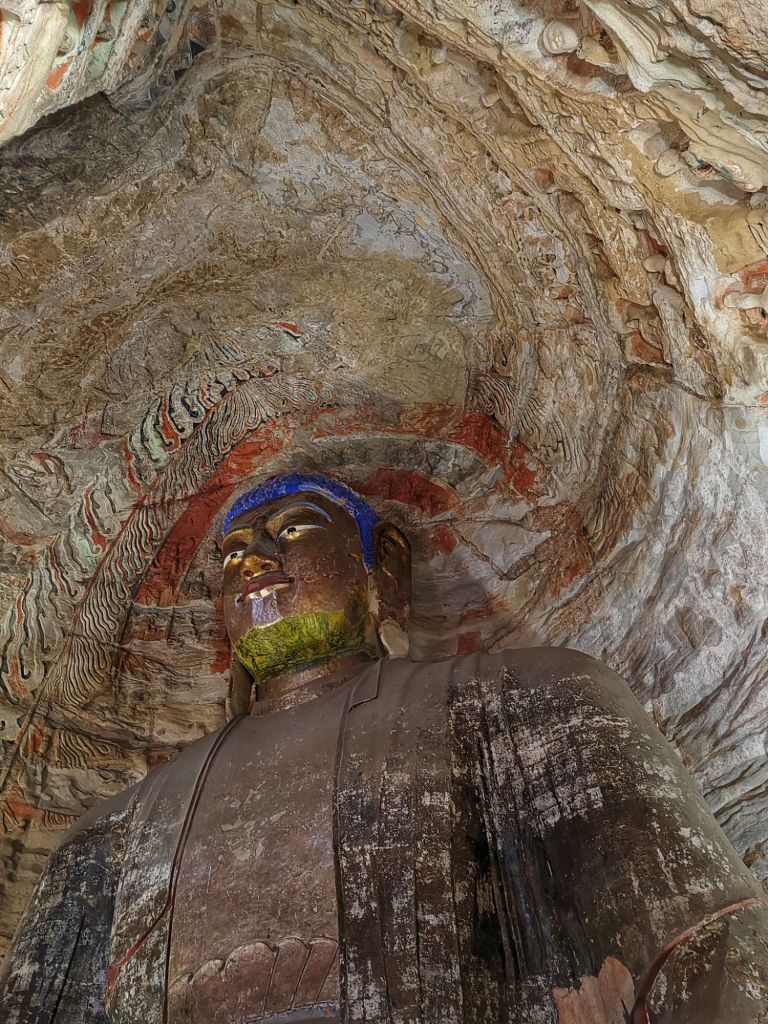
Yungang Buddhist grottoes, UNESCO World Heritage site, are a complex of 252 caves and more than 50,000 statues carved in rock. They date back at 5th century and are one of the most outstanding achievement of cave art in the World. To me, the most outstanding place of this kind I ever visited, joint winner with Petra, in Jordan.
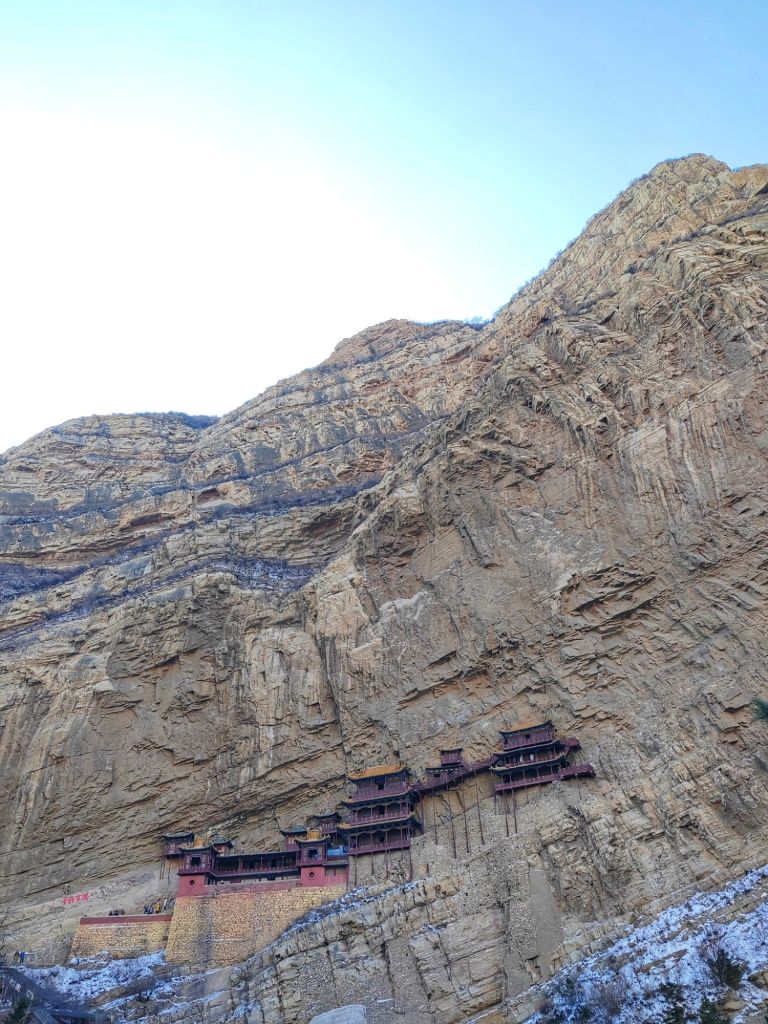
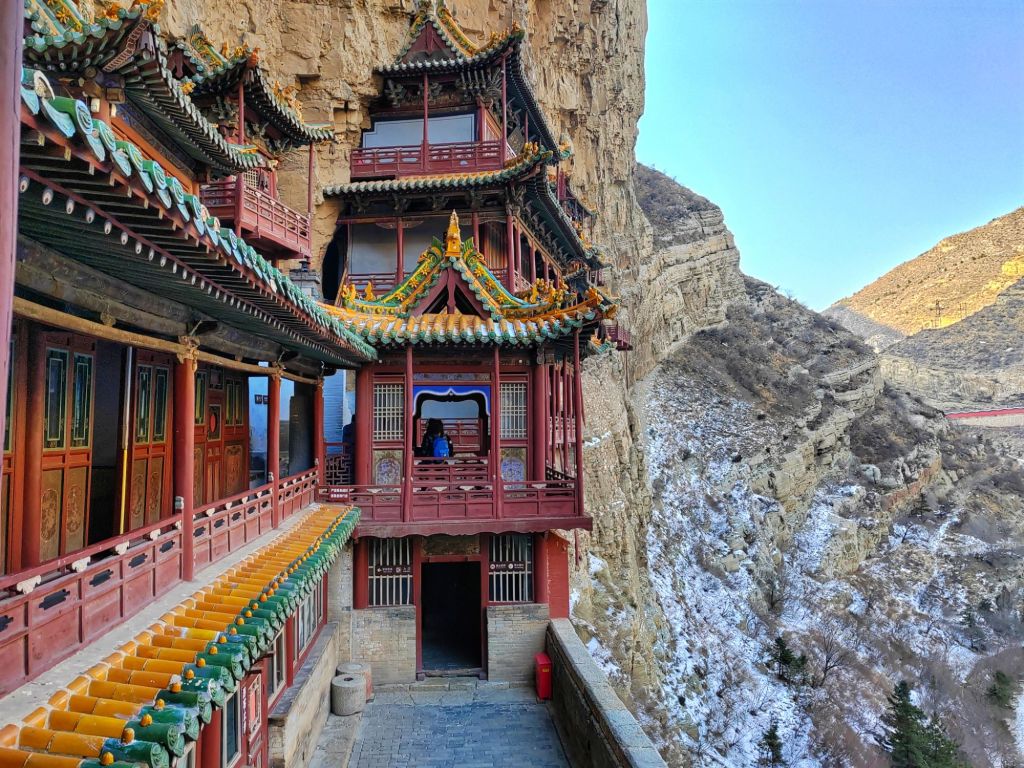
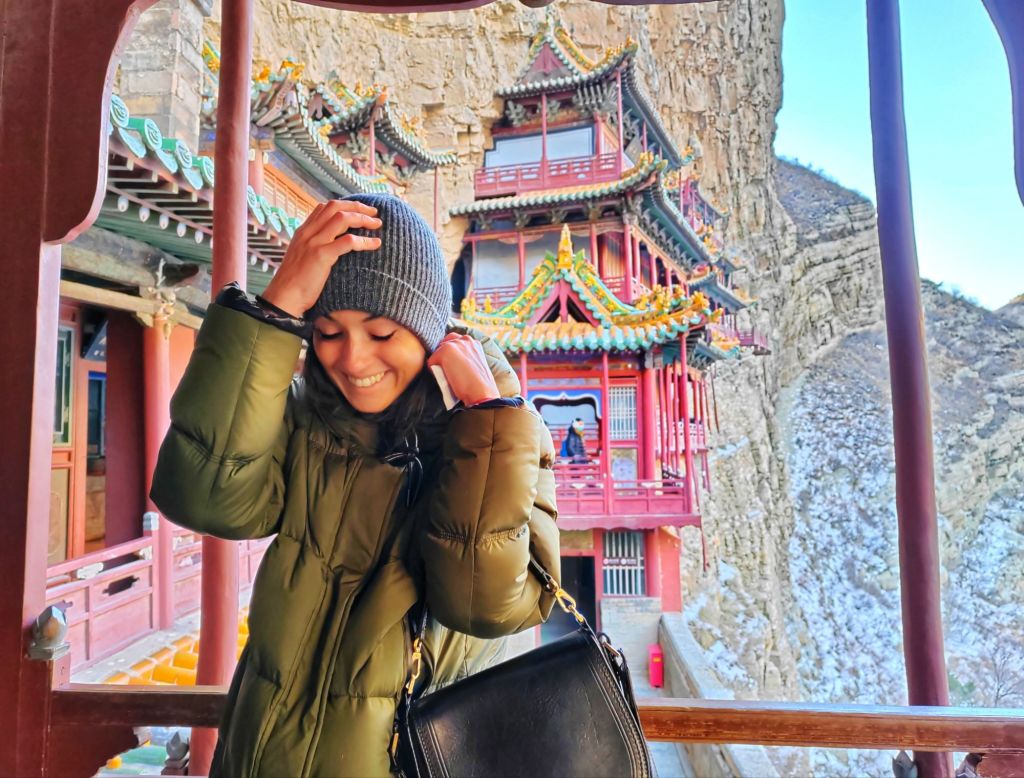
Hengshan Hanging Temple, built on a cliff by a monk more tham 1500 years ago, it is the only Monastery dedicated to three religions: Buddhism, Taoism, and Confucianism. The temple is a masterpiece of building and engineering and it consists of more than 40 rooms connected by passageways, everything here seems to be unaware of gravity. This little excursion in the Shanxi leaves me craving to visit more of China and I am even surer I will soon be back.
Yungang Grottoes from the exterior, their dimensions are massiveOne of the 252 caves of Yungang Grottoes, carved statues are as tall as 40 meters and neatly decorated.Hengshan Hanging Temple, glued to the mountain and unaware of time and gravity.A closer look of Hengshan Hanging TempleHappy but cold, in the Shanxi region in Winter temperatures are very low. In January during the night and in the ealy morning it was around -19°C
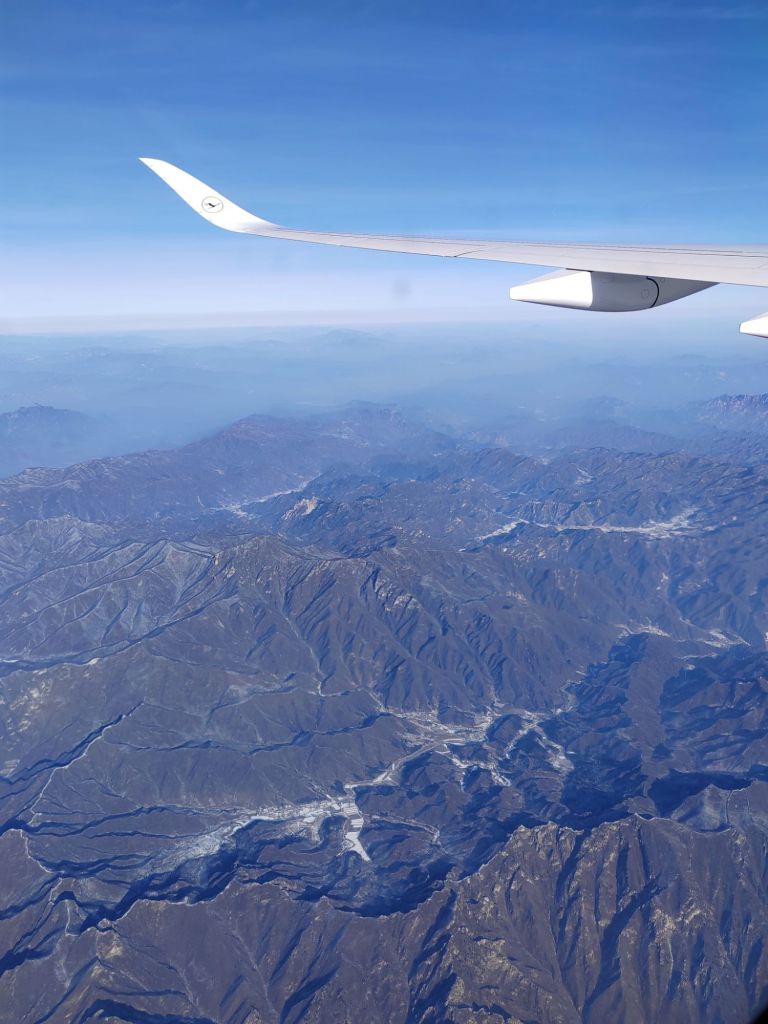
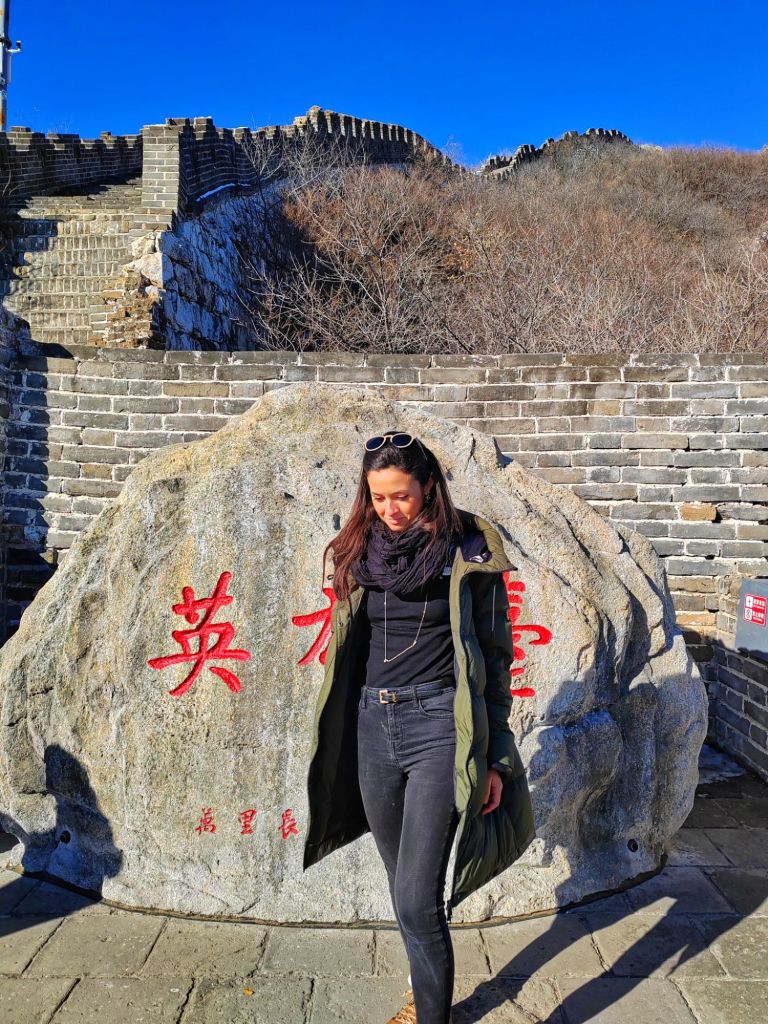
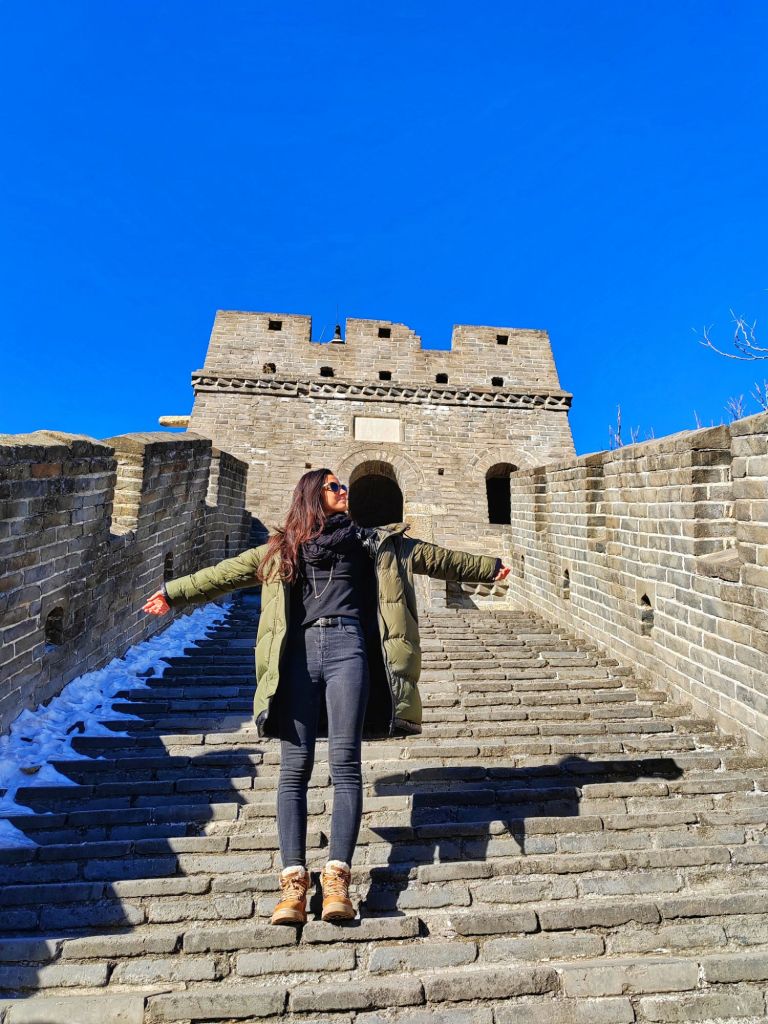
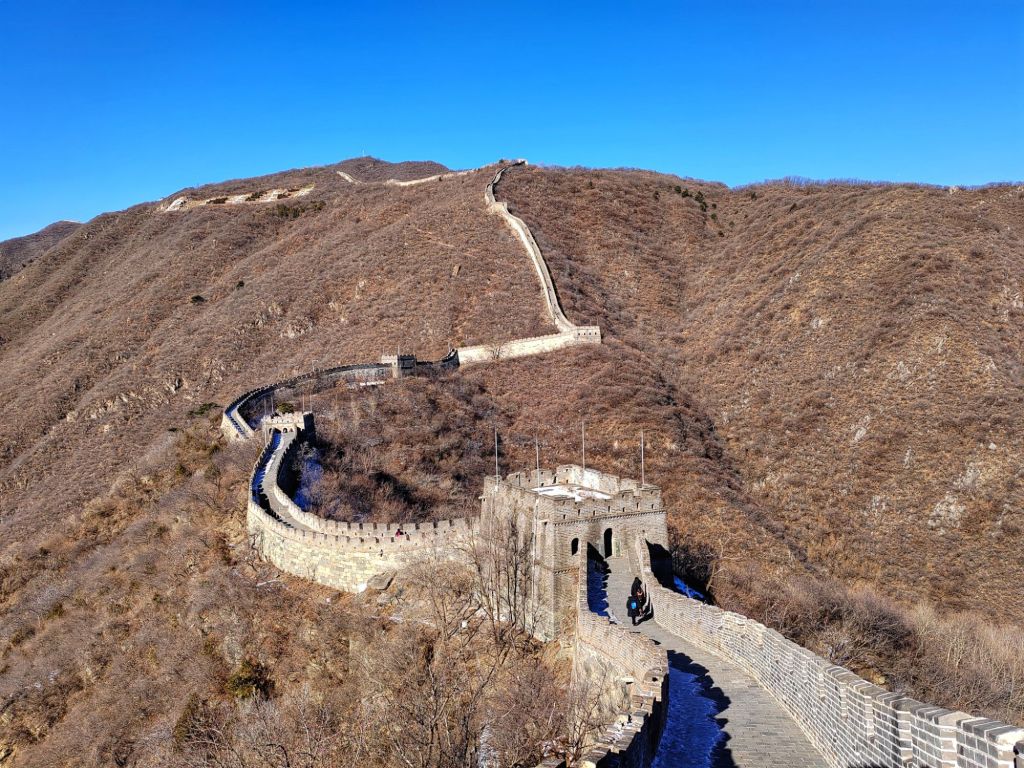
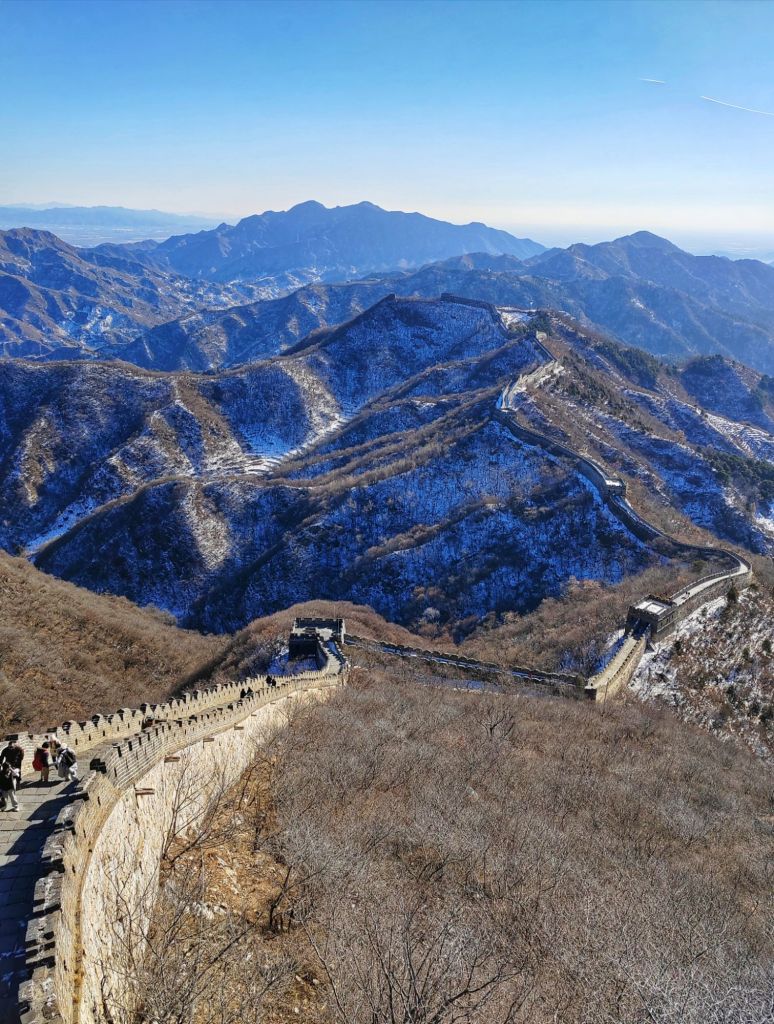
Once back in Beijing it is time for probably China most famous landmark: its majesty The Great Wall of China. The Great Wall was built as a fortification along China northern border and it is 21,000 km long, the longest structure ever built in the World. You can visit it from different spots, I visited it from Mutianyu, the longest fully-restored section that lies 1 hour and a half drive from Beijing. You can reach it by taxi or with a tour (there are many options online). Once there you can visit two sections: the Western and the Eastern one. Both are accessible through cable cars (pretty expensive, around 40€), once at the top, you can walk on the stairs of the Great Wall. Im total you can hike more or less 5 kilometers ascending approximately 450 meters (unfortunatly I forgot to record a large part of the hike, so I don’t have exact details), the landscape is stunning and the view of the wall transmits a unique greatness.
The Great Wall of China from the airplaneAt the top of the Western section of Mutianyu Great Wall Here the top of the Eastern section of Mutianyu Great WallThe view from the top of the Great Wall, quite stunning, isn’t it?Another view from the top of Mutianyu section of the Great Wall that serves quite well the idea of the steepness of the stairs
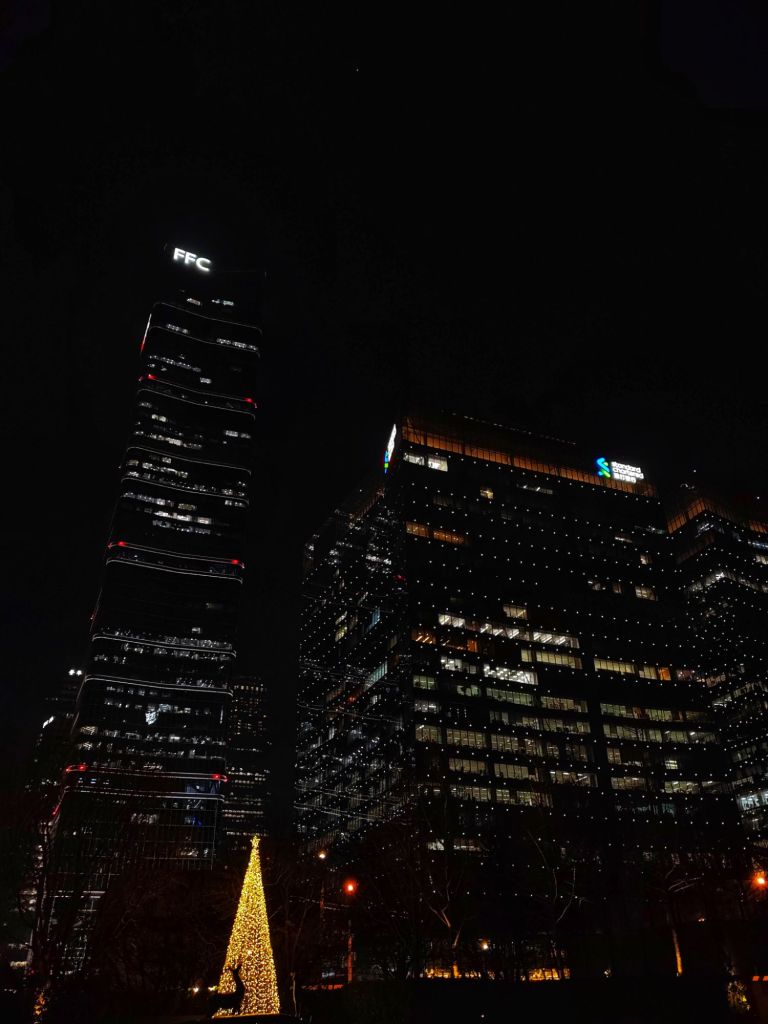
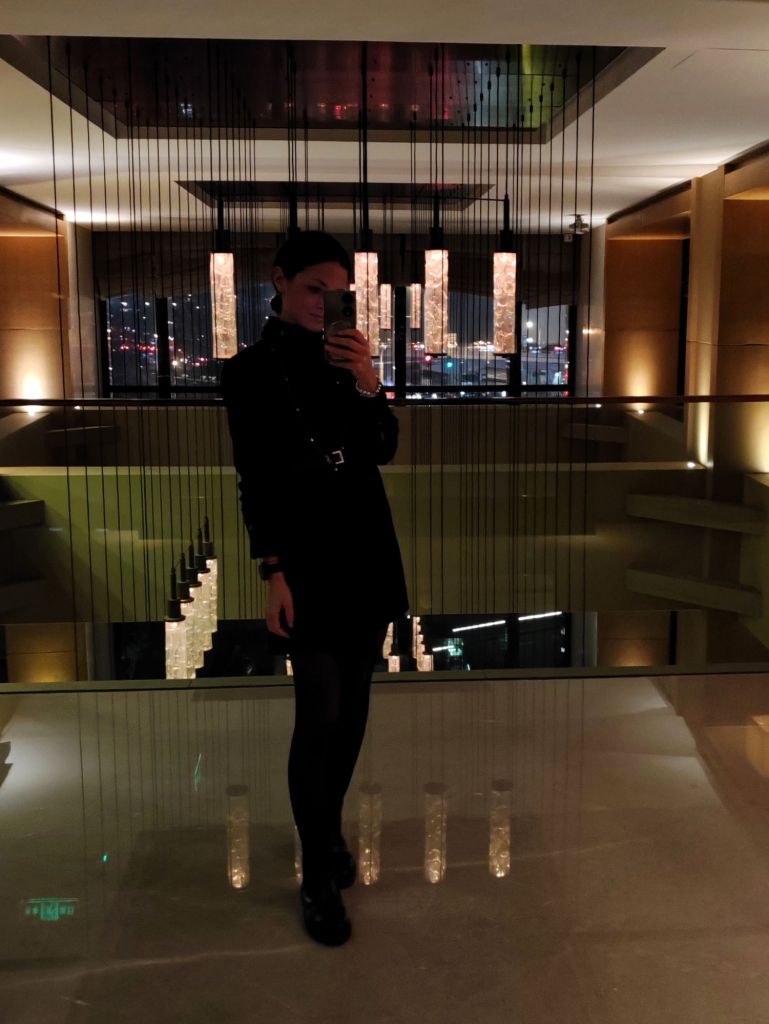
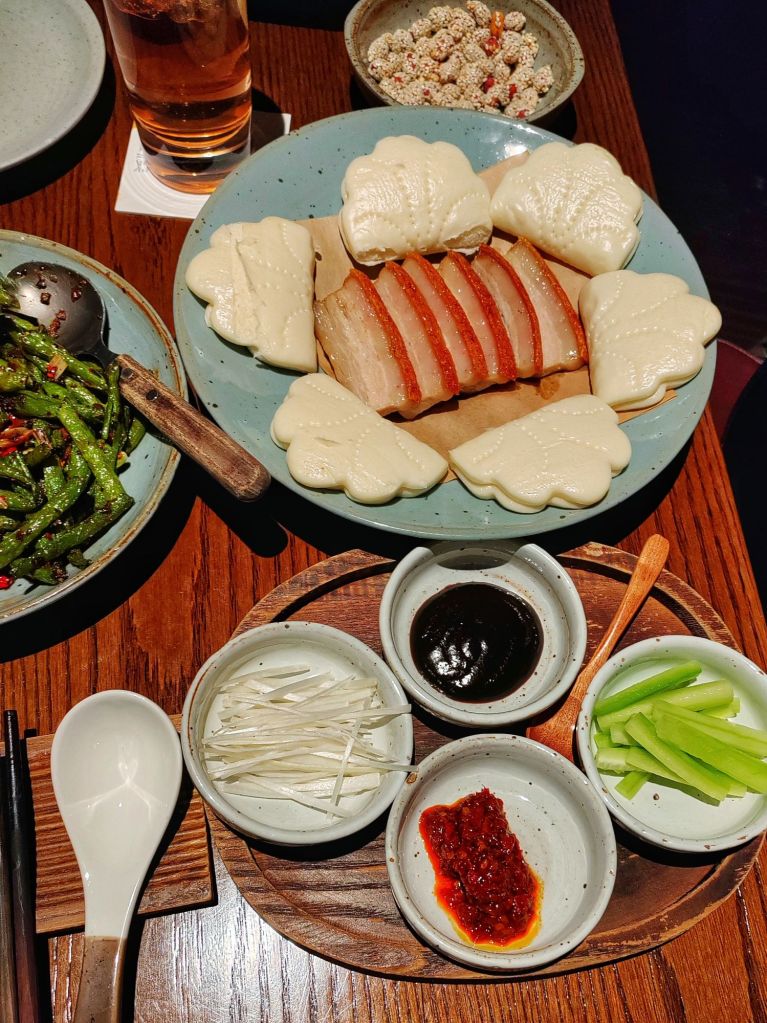
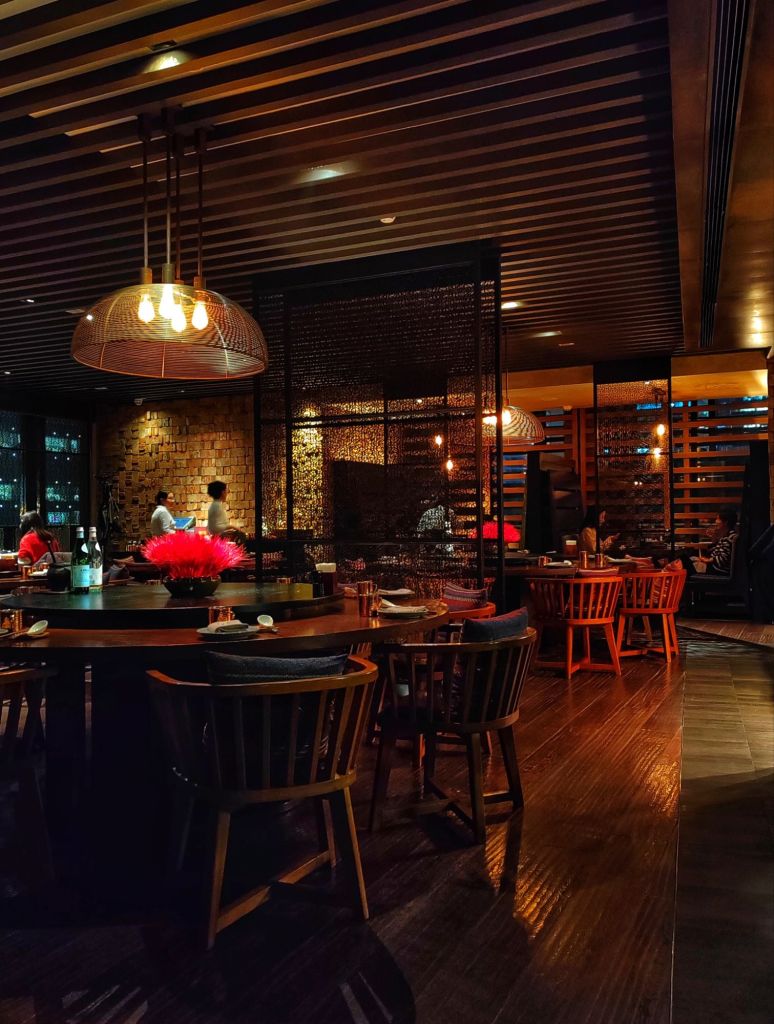
Beijing and China are not only made of ancient stunning landmarks, but they have many other souls. Beijing more elegant and modern one is represented by the Beijing Central Business District with its many distinctive skyscraper, rooftop bars, fine dining Michelin restaurant and luxury shops. In the area, one of the best dining experience in the city: at the Country Kitchen, located in the Rosewood Hotel, you can taste traditional Chinese food executed at perfection by the Micheling starred Chef. Dont’ miss his braised pork belly.
The skyscrapers in Beijing Business District, the capital modern area Beijing Business District by night Wearing still the same 25 layers, but making them posherBraised pork belly: one of the signature dishes of the Michelin-star restaurant Coutntry KitchenThe interiors of the Country Kitchen, located in the Rosewood Hotel of Beijing
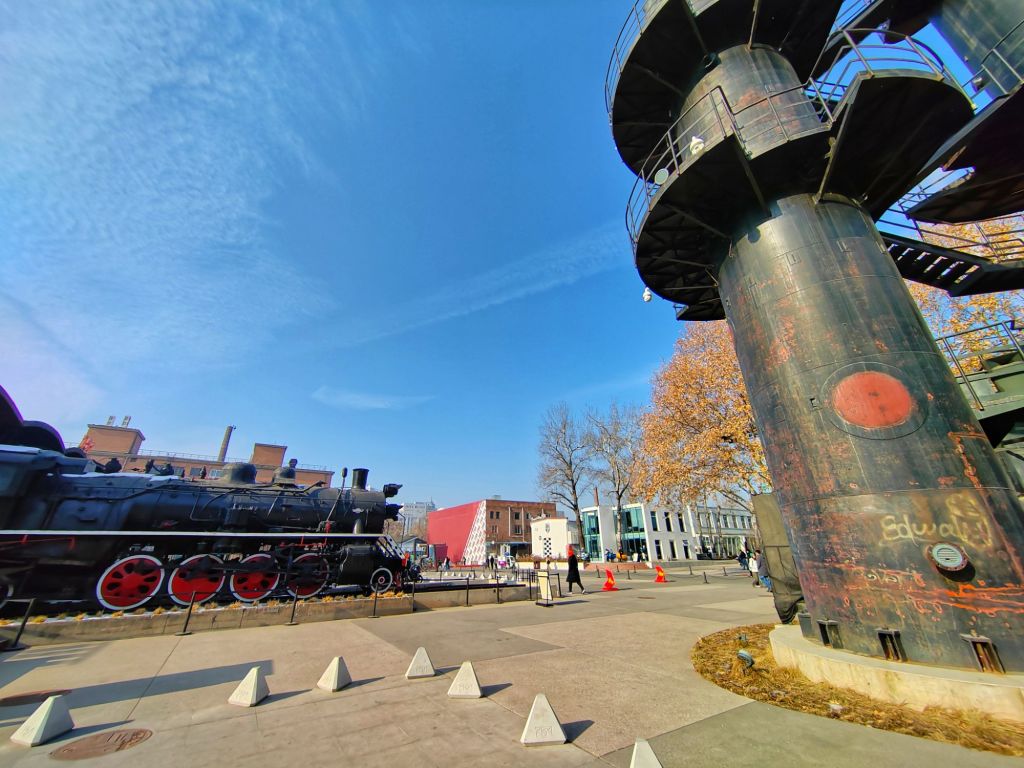
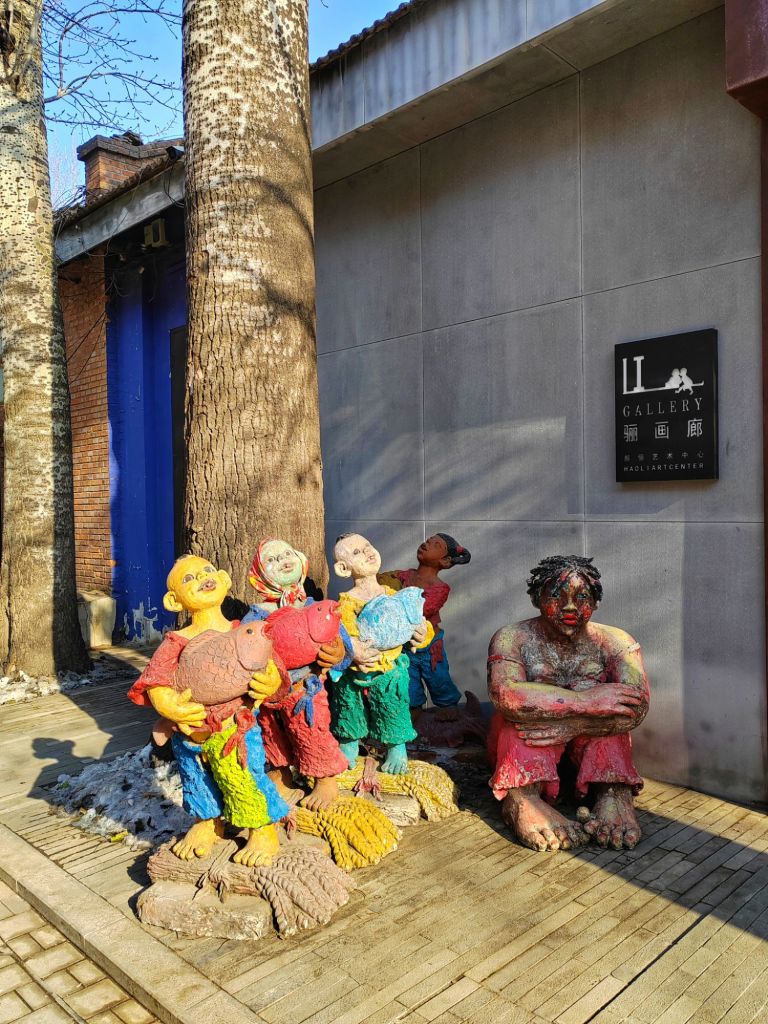
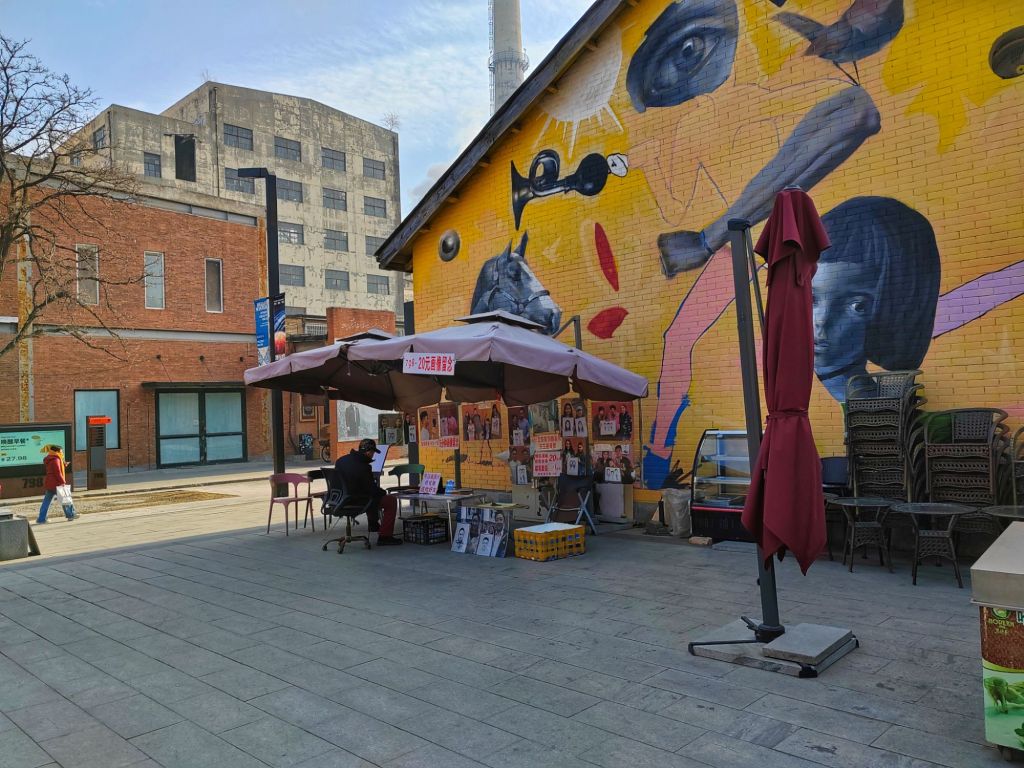
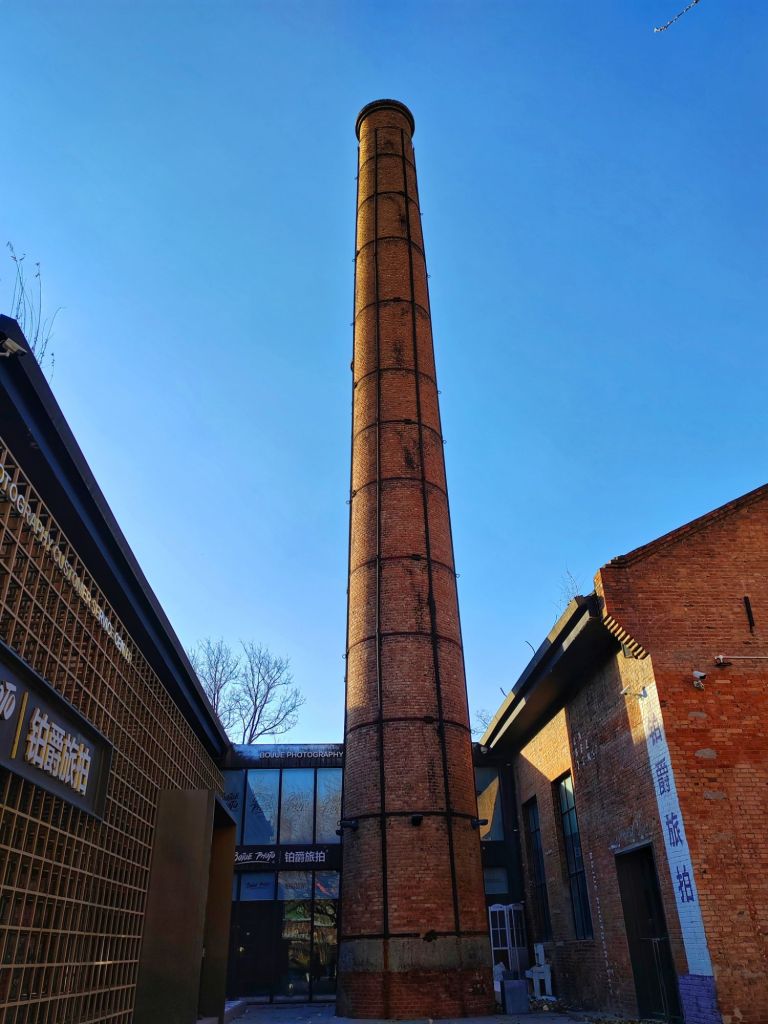
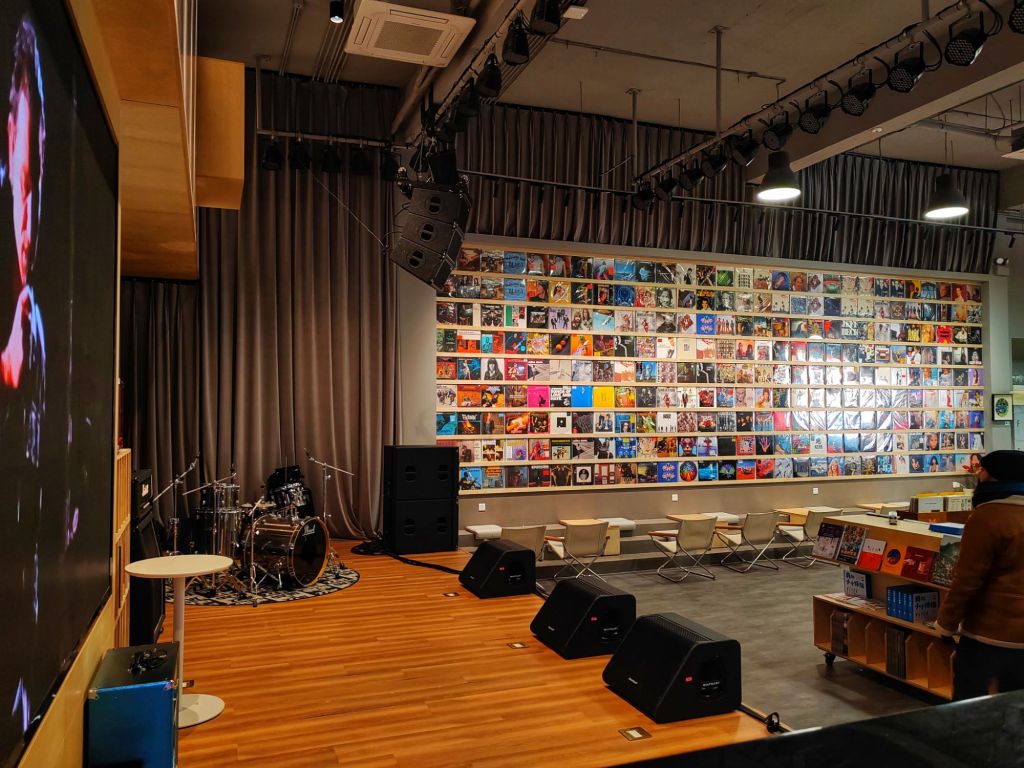
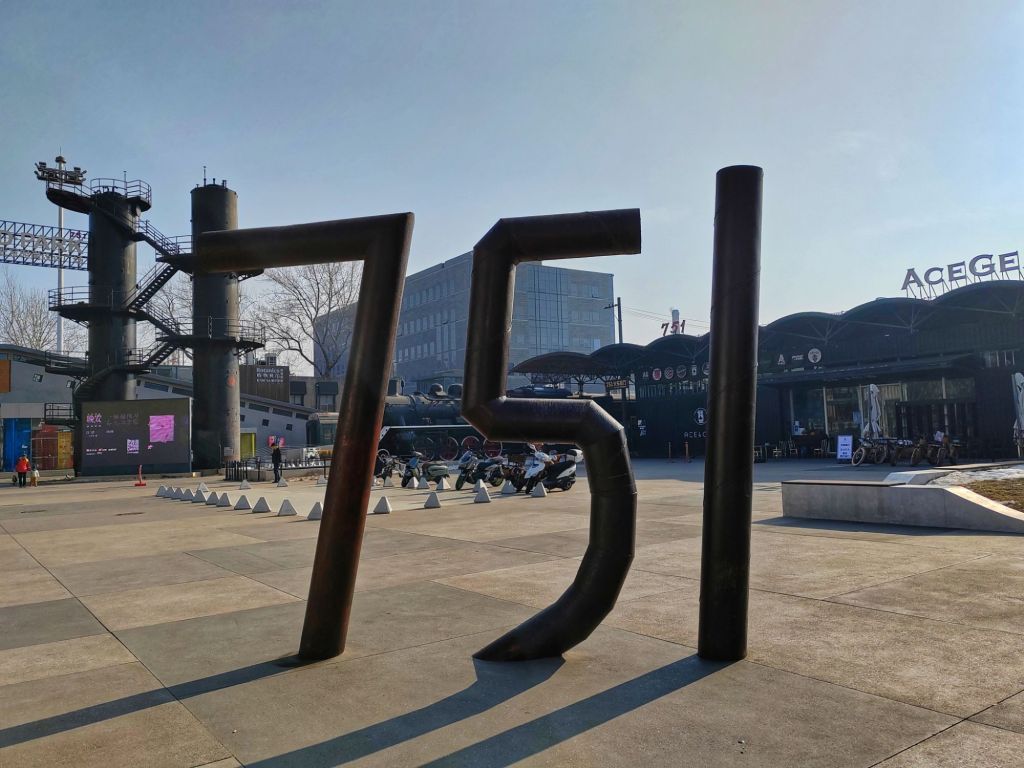
If the modern business side of Beijing is represented by the skyscrapers of Beijing Business District, its modern underground and artistic side is represented by the 798 Art Zone. Once a complex of military factories, the 798 Art Zone today is an art district that collects remarkable galleries, design shops, high-end crafted clothing brands, stylish coffee shops and even high-end cycling shops (selling many Italian brands, including Passoni titanium bikes!). For someone passionate about art, design and fashion like me, this is how Heaven looks like. The area is massive and you can easily spend a full day walking around visiting galleries and shops. I am happy I visited it on my last day in the city, or I would have risked spending here the entire week.
One of the squares of the 798 Art District798 Art Zone is packed with galleries and design shops Street art in the making in the 798 Art District798 Art District was once a military industry complex, today it is the contemporary art epicenter of the cityA music shop in the 798 area, Rough Trade Londonese vibes751, a sub-area of the 798 Art District
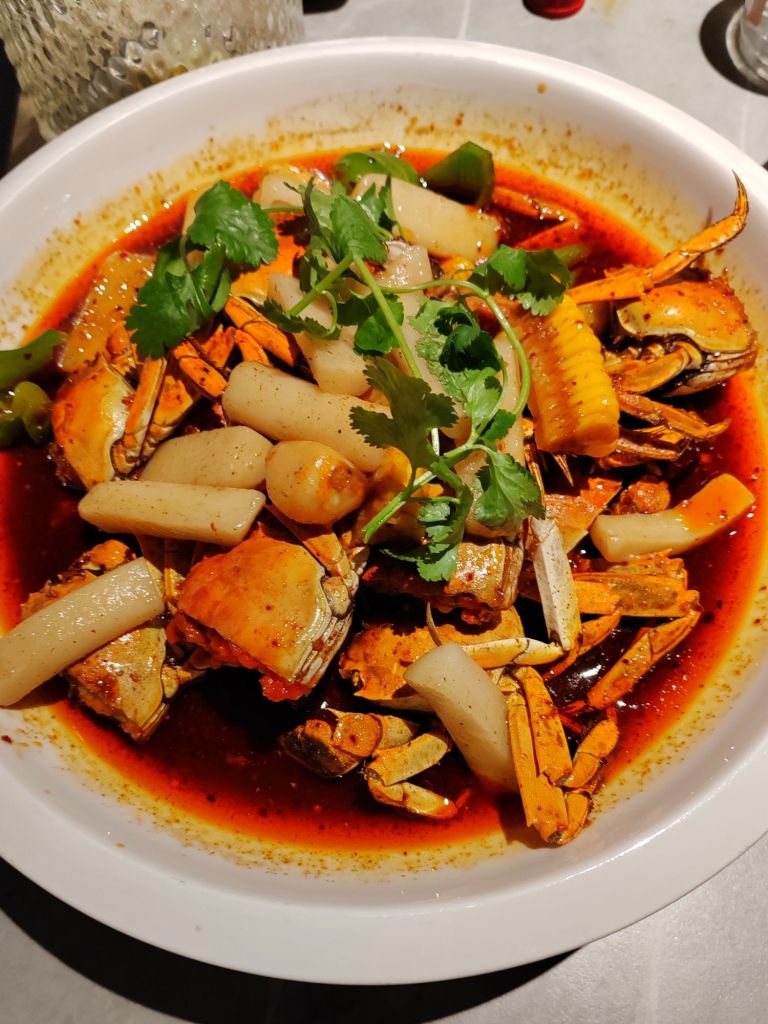
The last dinner in Beijing is dedicated to the succulent, oily and spicy crayfish and crab pots, a messy and fun way to end the trip while tasting some more baijiu and planning the next holiday!
Succulent, oily, tasty crayfish in garlic sauce served with rice cakes. Eating can be messy, hence why you are served with plastic gloves.The crab in a spicy sauce with Sichuan pepper, addictive for spicy food lovers like me.
It is a wrap, but only for now. I will be back.
Here some more pictures that didn’t make it in the recap.
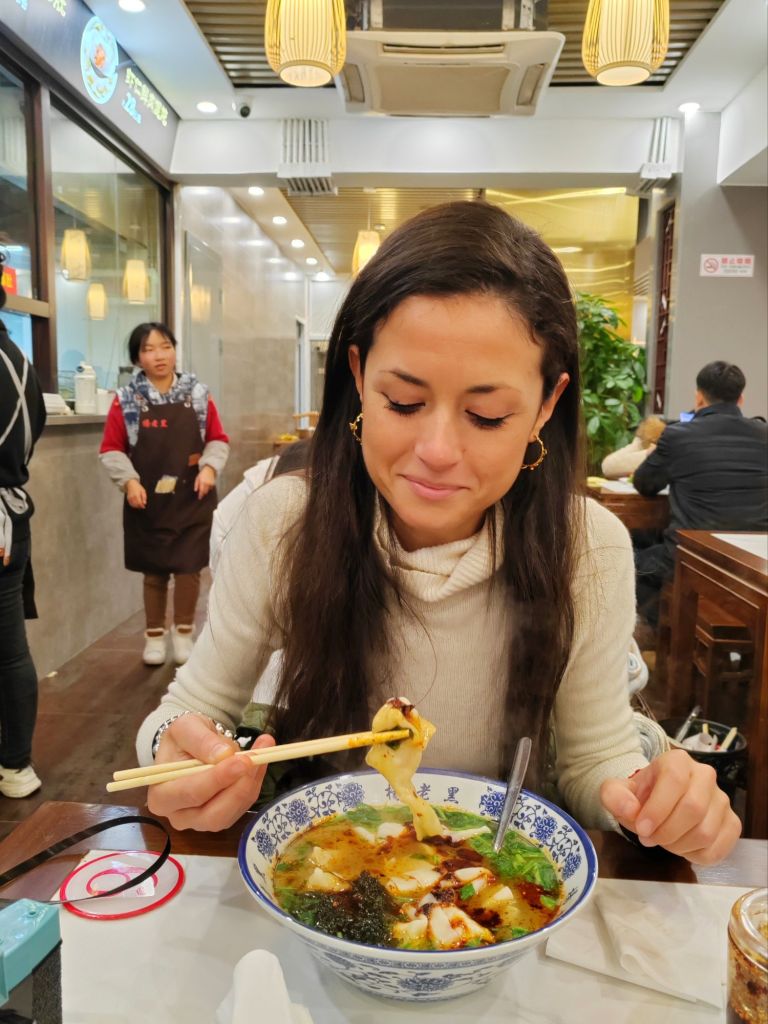
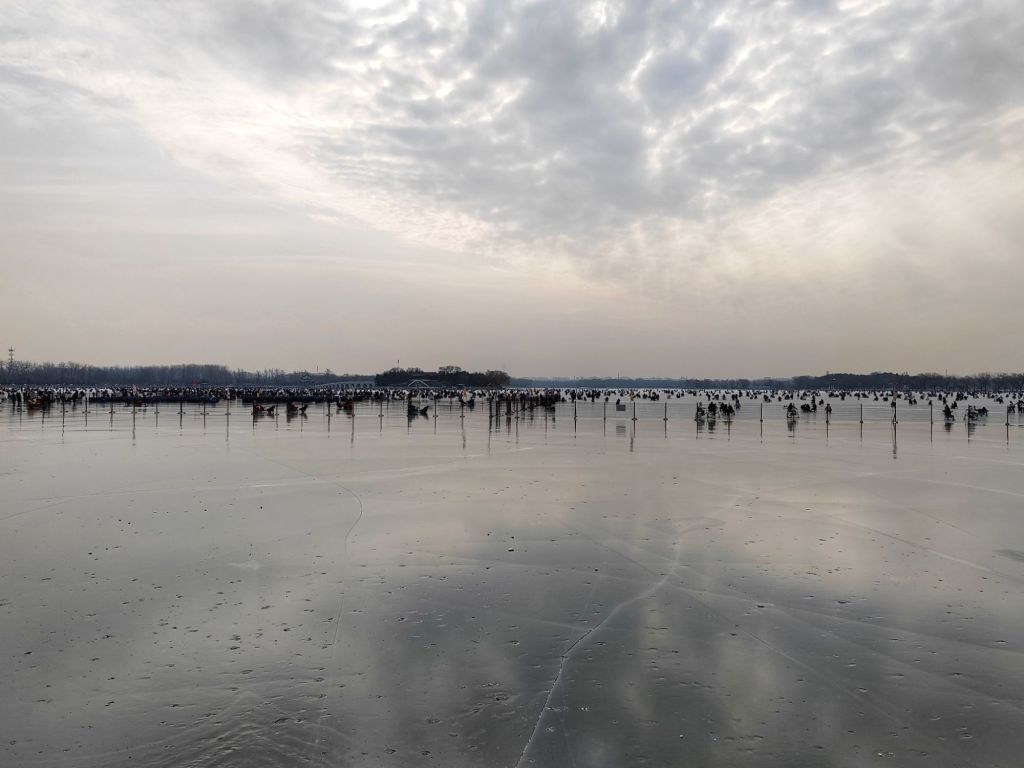
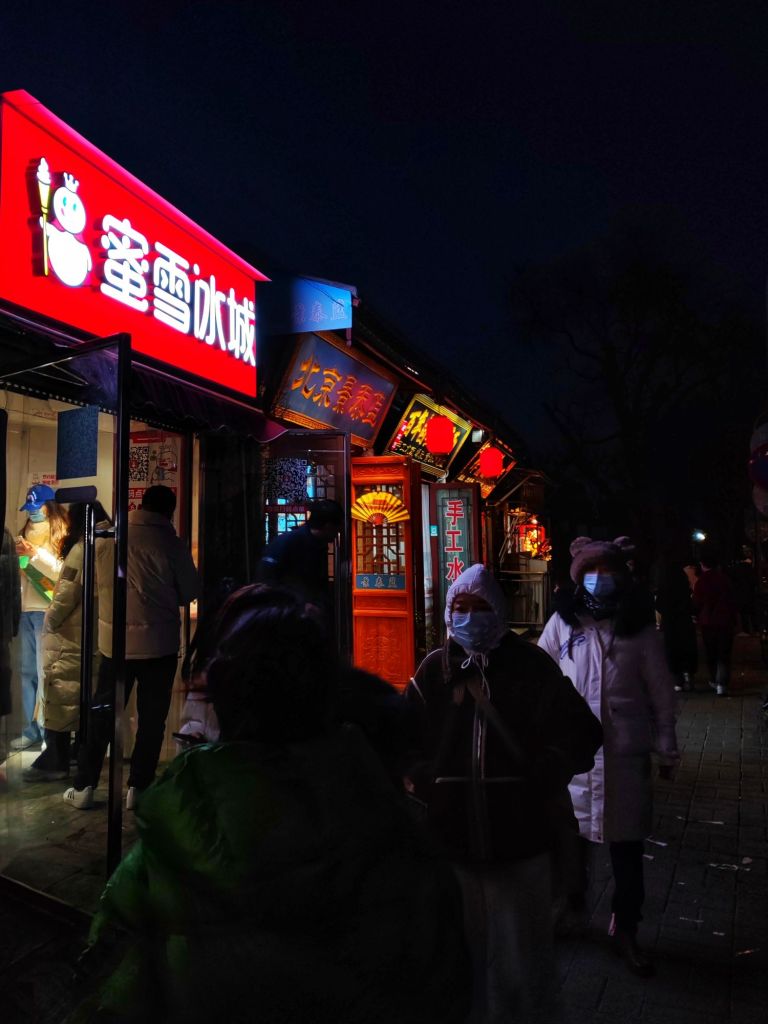
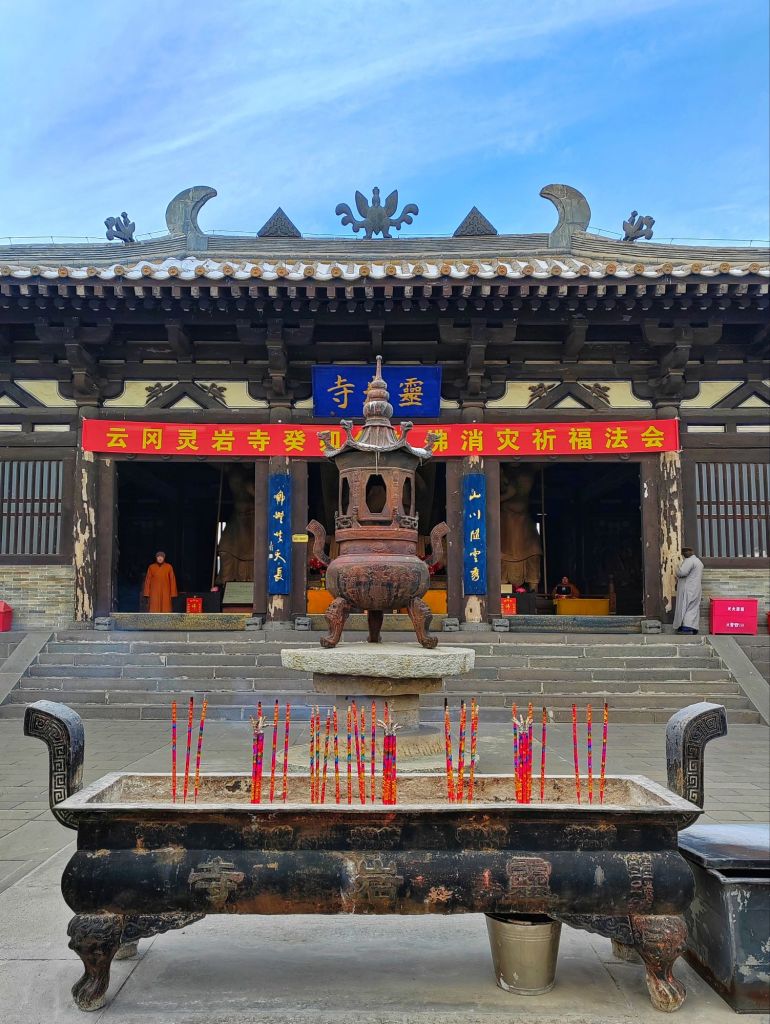
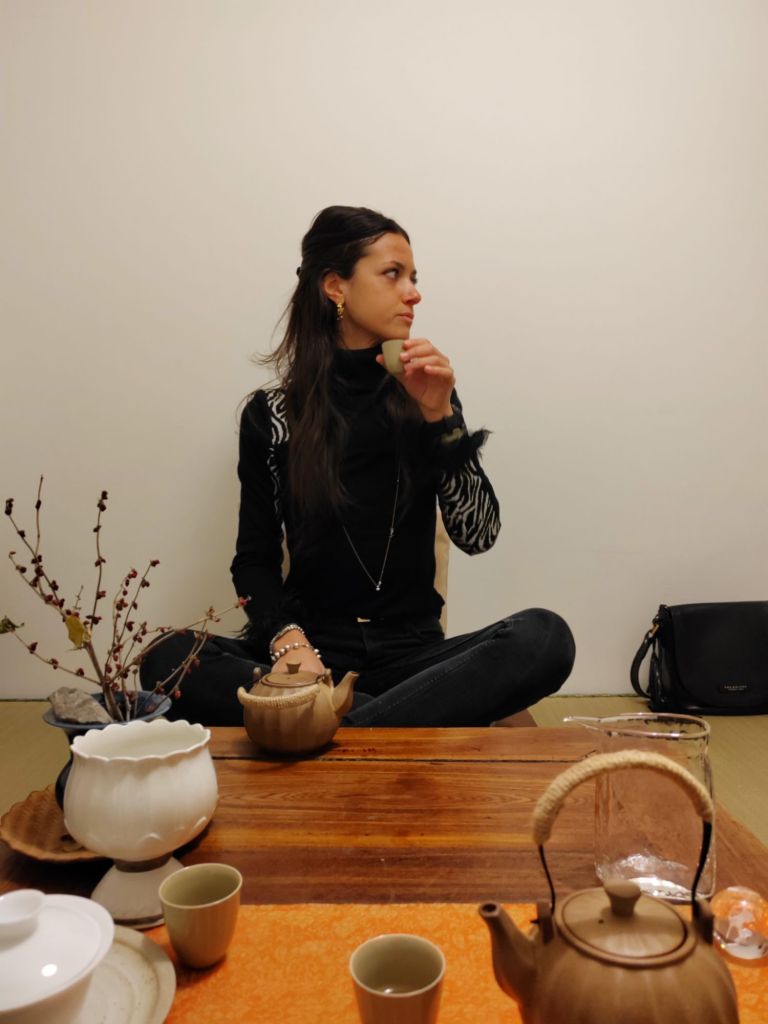
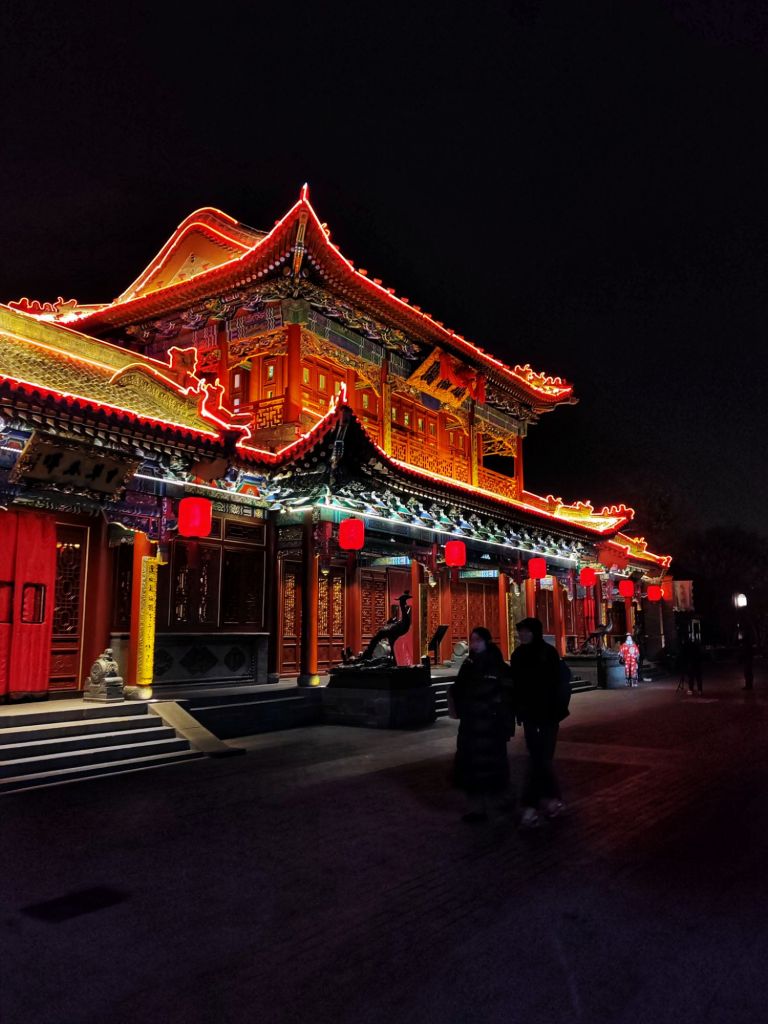
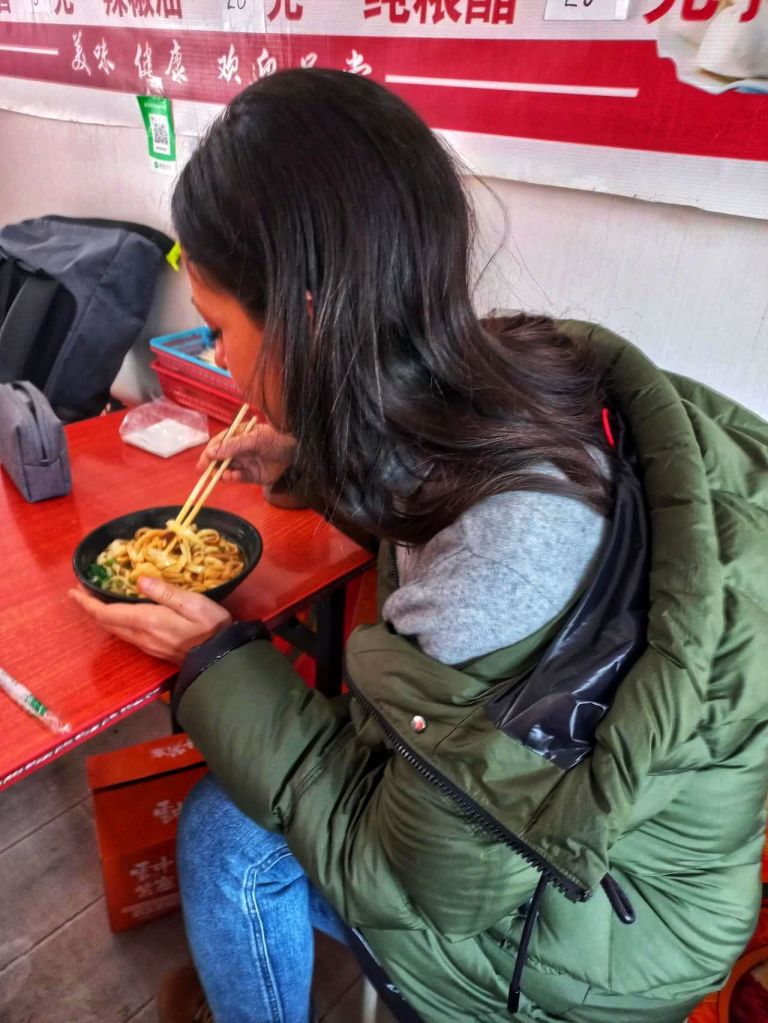
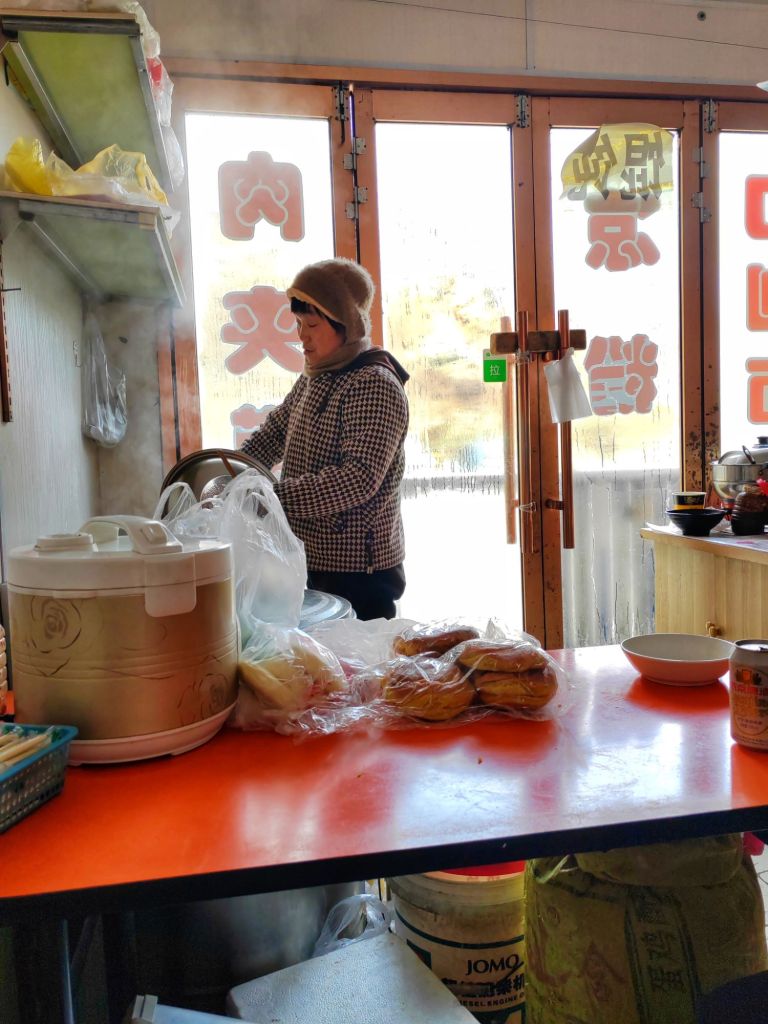
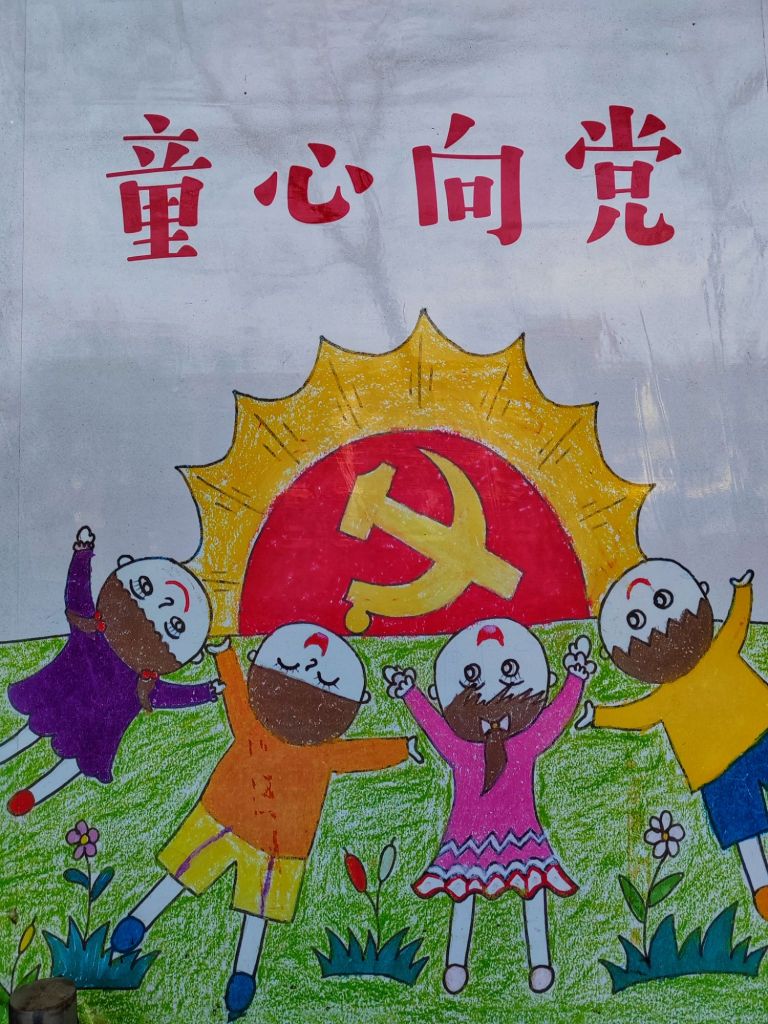
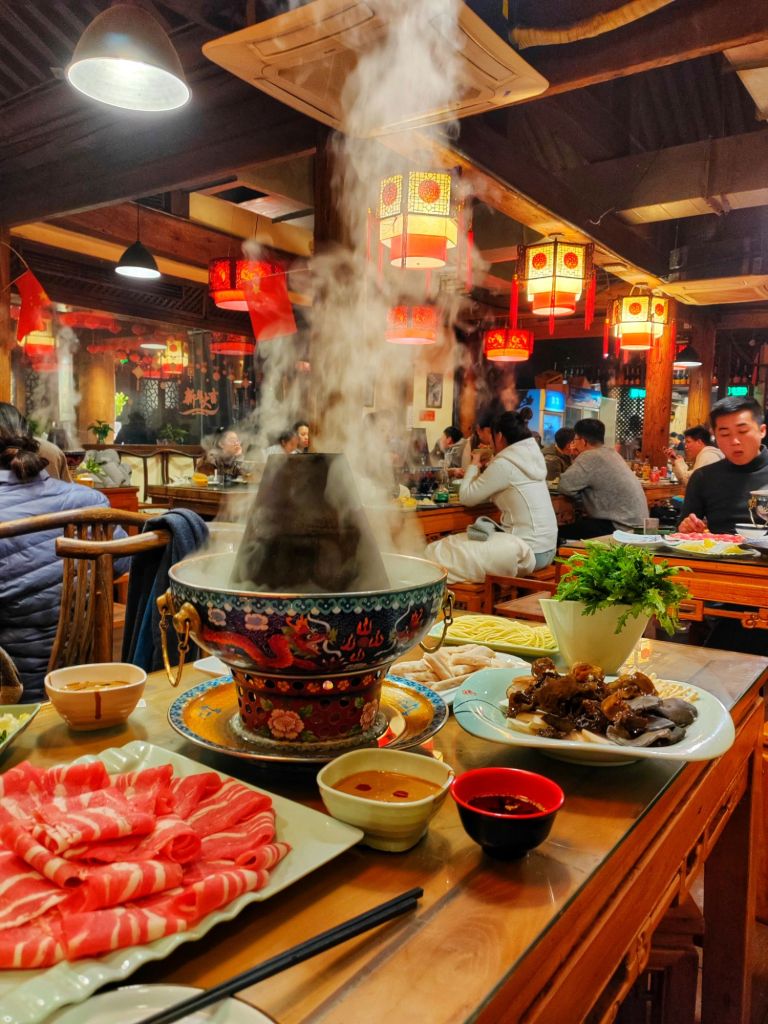
Comforting and spicy dumpling soup, perfect to face cold weatherIce-skating (or better, cycle-skating) in Beihai ParkHoutongs by night The frozen lake of the Summer PalaceShichahai area, packed with restaurants and barsThe temple at the entrance of the Yungang GrottoesFine (and very expensive) tea tasting, good but I remain a beer girlThe 798 Art District with some of my favourite clothing stores everDatong by nightOne of the best noodles dishes, cooked by the old lady on the right in the tinest place outside Hengshan TempleI like to mix my dining experiences from street food to fine dining and everything in the in-between, this lady cooked me some of the best and freshest noodles everA lovely wiskey bar in Datong, the drink list was in chinese only and I picked randomly, some of the best cocktails I had Just a billboard on the road A closer look at the Great Leap Brewing logo because it is kinda aceA warm and comforting hot pot is always a good idea in Winter





 Ginevra Rides & Travels
Nice shots – never thought that Beijing would be a tourist attraction in winter.
LikeLike
Seems like you know alot about Chinese culture. 👍
LikeLike