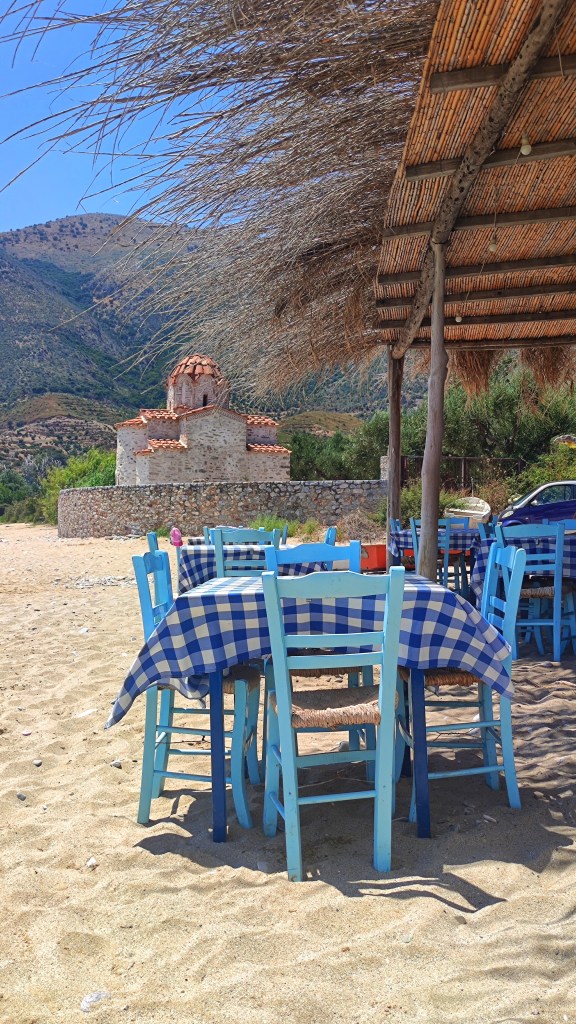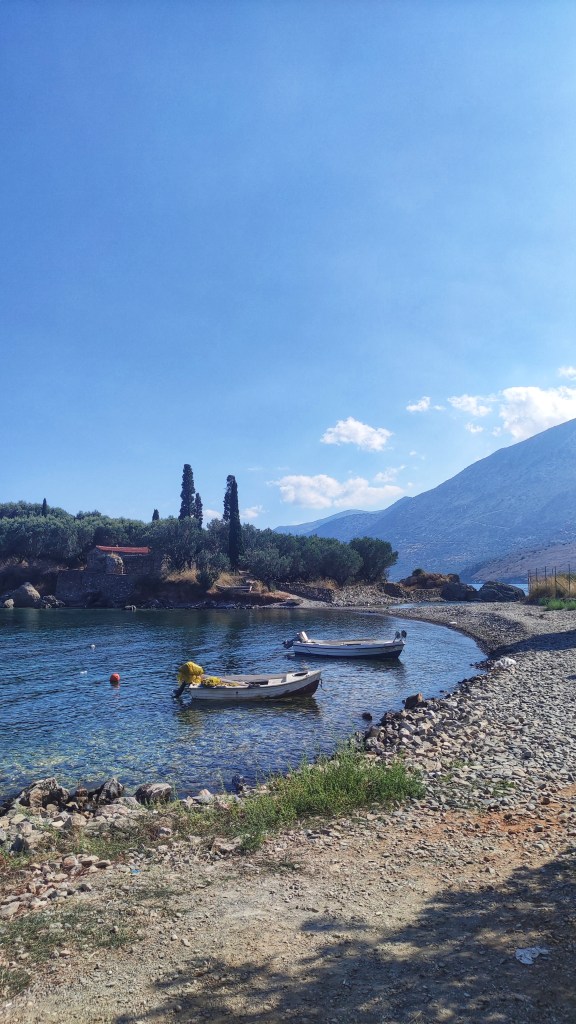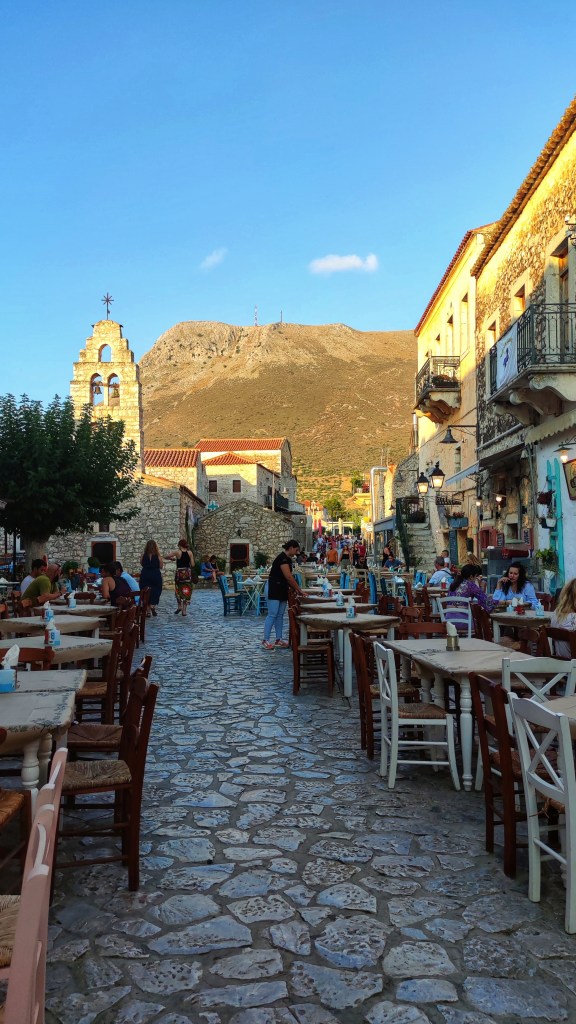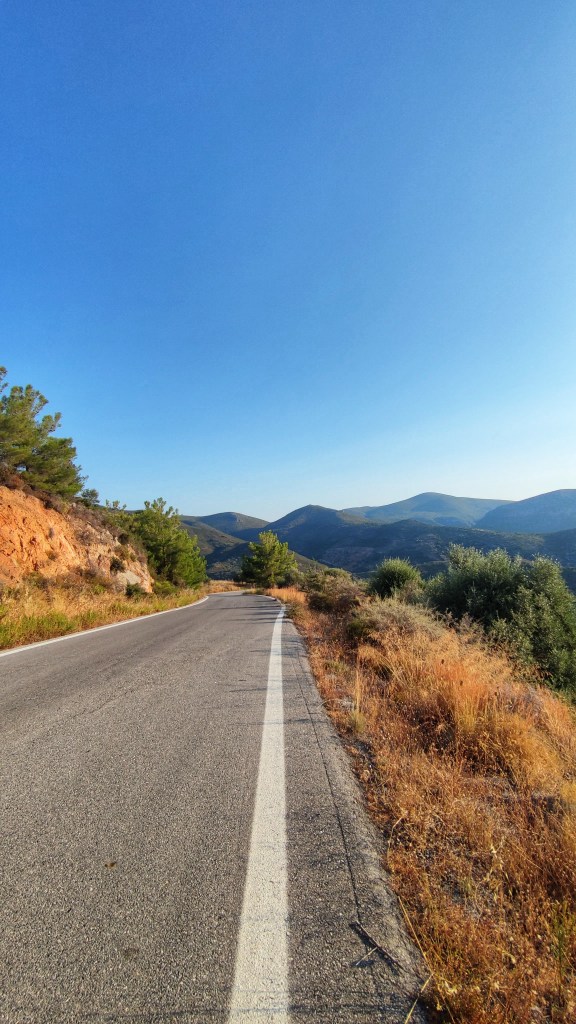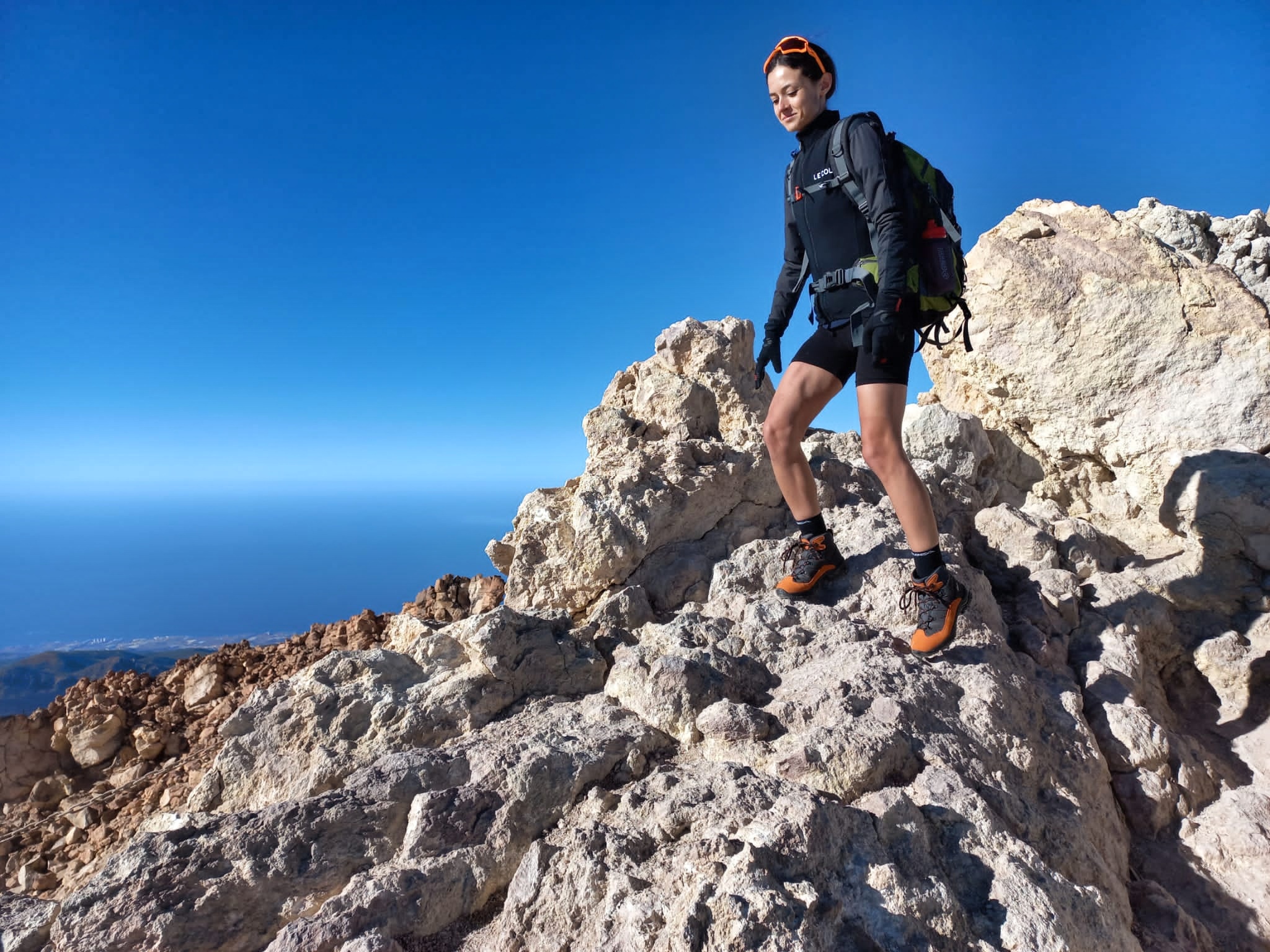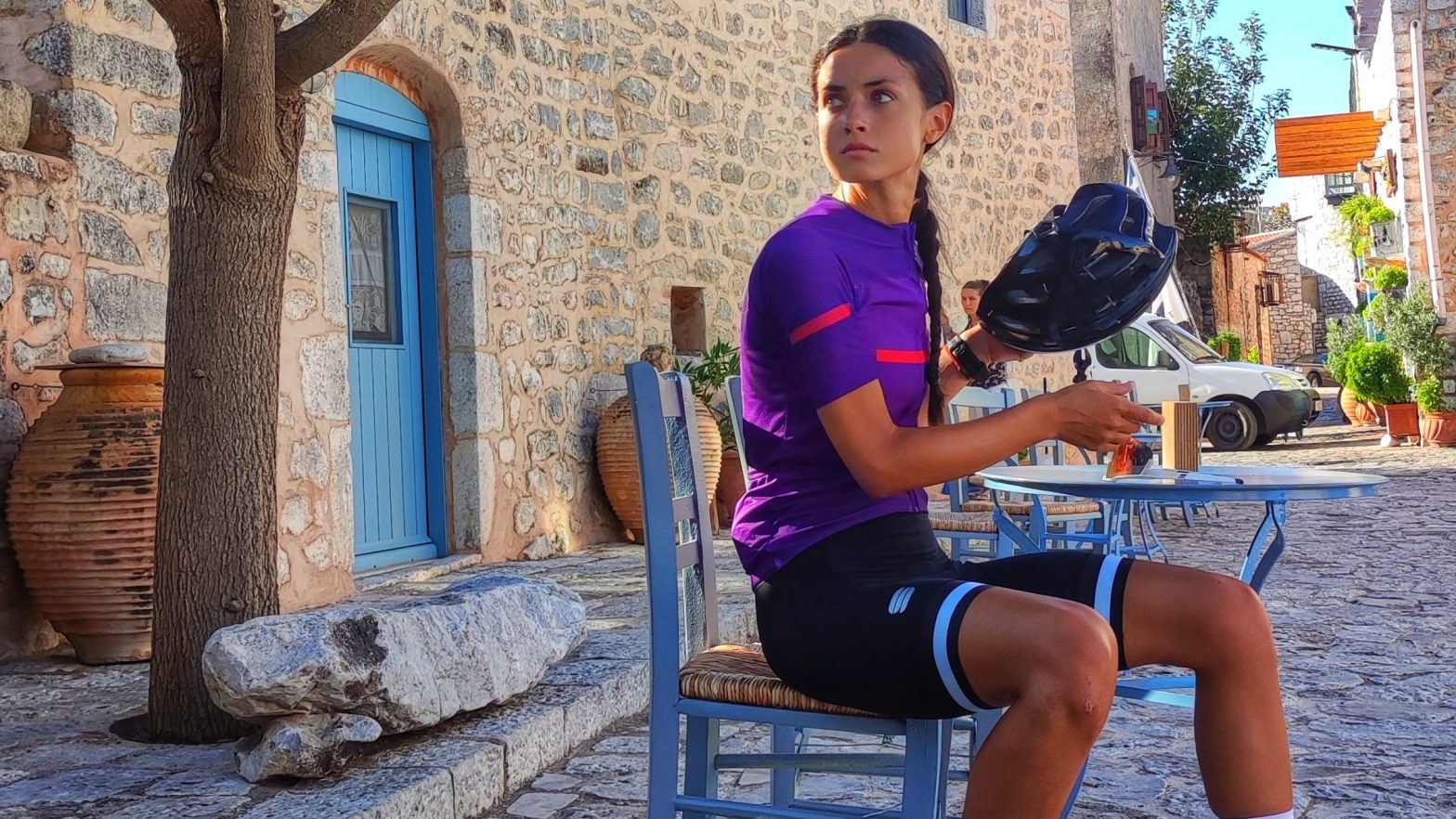
Peloponnese on the road

Did you know Peloponnese is a cycling paradise? I didn’t. I will bring you through an on-the-road trip to discover the Greek region giving you the best advise on beaches, towns, archeological sites and of course riding!

The roads outlined by the orange groves and the scent of oregano. Olive trees and the loud noise of the crickets, the southern Greek Region is the perfect destination for chilling and cycling.

I am no new to Greece and I almost visited every region and many Islands, but for some reasons never made a trip to Peloponnese. I felt like I needed to discover it and I wasn’t disappointed. Peloponnese has it all: history and archeological sites, beautiful sand beaches and stunning forgotten rock bays, small little towns and unexpected insane cycling routes. Thinking back to it, I am convinced that cycling in Peloponnese is truly underrated, it has nothing to envy to many renowed cycling destinations, what it doesn’t have is traffic and globeros doing reps while talking marginal gains. Mine wasn’t a cycling holiday, but a relaxing one with some riding in the morning: bike, rides, good life!

Important things first: renting a road bike in Peloponnese

To discover Peloponnese the trip starts in Athens with a stop at Gr Cycling warehouse to pick up the rented road bike booked last-minute the day before. The warehouse is a 15 minutes drive from the airport and they have a large range of bicycles, including many road bikes. I picked a low range one with an honest rental fee of 30€ per day, they also deliver bikes all over Greece, with significant extra costs. Road cycling in Greece is not as popular as in other European Countries, therefore the renting options are a few. If you are interested in organized bike tours, Gr Cycling organizes them, another local operator that looks really inspiring is Pedal Greece. I hadn’t the chance to test their services, but the people behind the business are really kind and passionate, so I am confident their trips can be really good.

With the road bike crooked inside the small rented car I am ready to bring you along my on-the-road trip in Peloponnese, here my concise guide for you!

A brief overview

Peloponnese has three “fingers”, from east to west you have Lakonia, Mani and Messenia. Lakonia and Mani offer the more inspiring roads, and the more scenic spots, Messenia the most famous sand beaches.

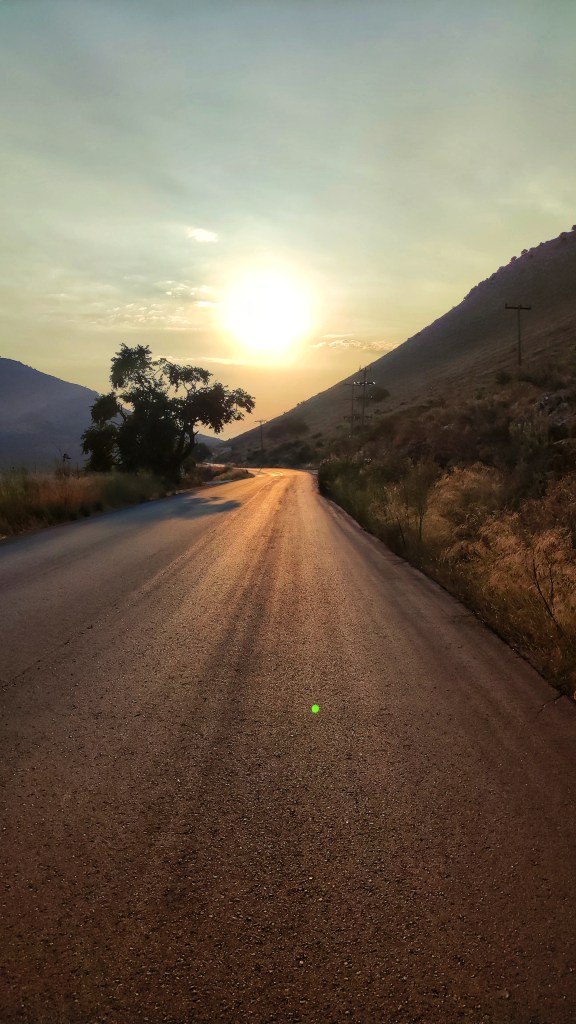
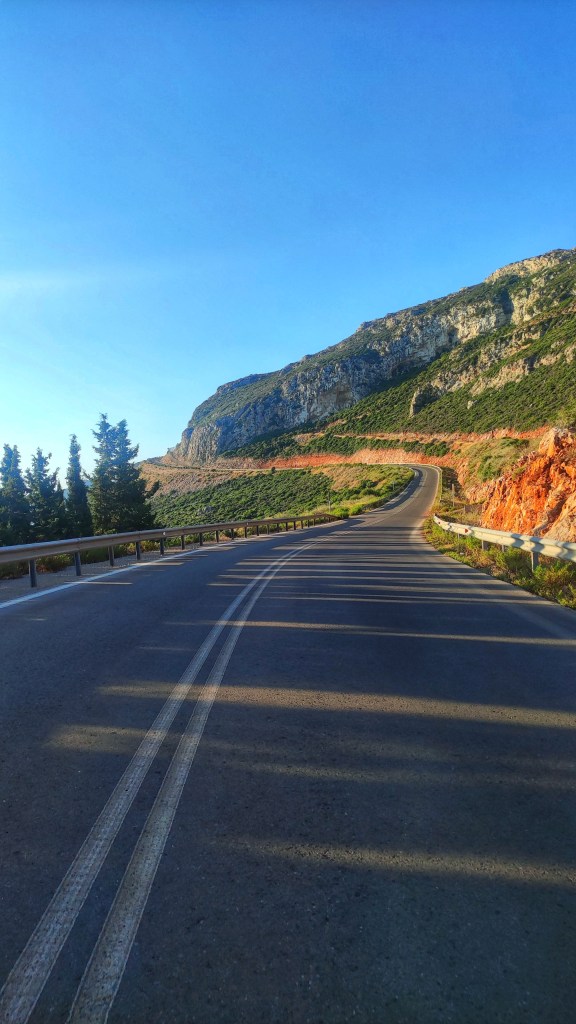
The roads in Lakonia and Mani are stunning, the traffic in the morning is almost non-existent. There aren’t big climbs, but a pleasant eternal flow of up & downs and tiny hairpins climbing up the many hills. The gradients are gentle, the asphalt on the main roads close to perfection, the great views make the rest.

In this map you can find all the places that will be mentioned below, by clicking on them you will be able to read brief notes and some tips.

Lakonia and Monemvasia

To explore Lakonia I would suggest to use Monemvasia as a base camp. The Medieval town with its romantic fortress is charming and it sits in a strategic point to discover the area. Don’t miss the sunset from the Cafè Monemvasia and a dinner at Voltes, a small restaurant offering Greek traditional dishes with a creative twist at populuar prices. 

What not to miss when in Lakonia?

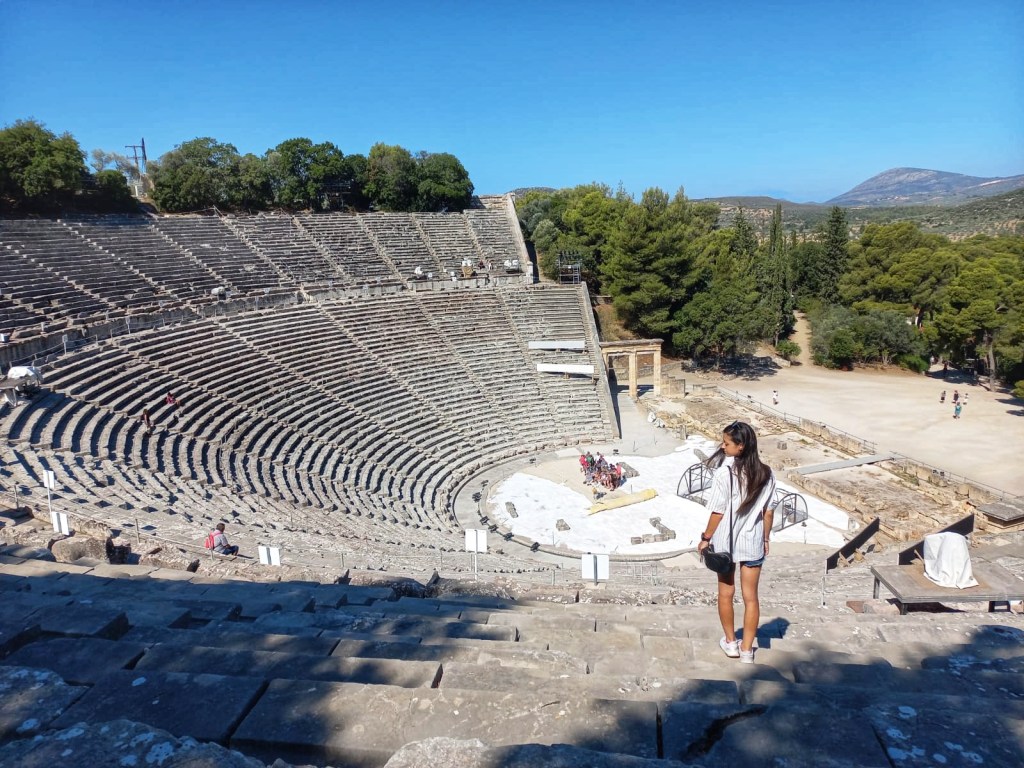
  • The archeological sites: Epidaurus Theatre and the archeological site of Mycenae with its Lion Gate are a must visit. The tickets cost 12€ each, visit them early in the morning to avoid heat and tourist buses.
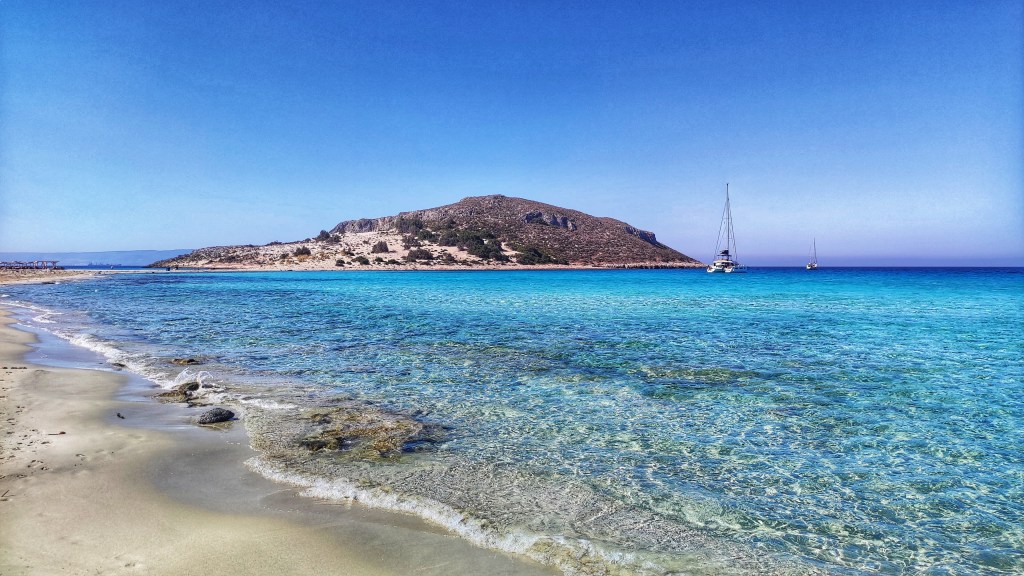
  • The small Elafonissos Island, with its white sand beaches and clear waters. The island can be reached from Pounta with a ferry that runs every hour starting from 9 am, tickets can’t be booked in advance so the sooner you arrive, the better. Don’t miss Simos Beach, its most scenic beach.
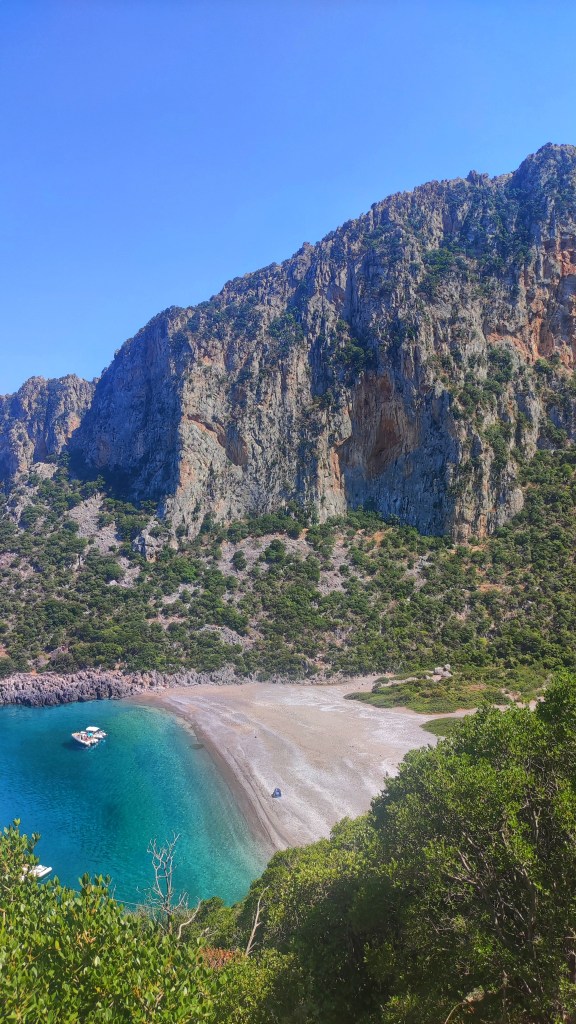
  • Lakonia is full of beautiful beaches, I suggest you to visit two “hidden gems”: Vlychada and Damos, they are less known and not so easy to reach (especially Damos) but they will reward you with peace and relax.
  • Cycling: every road I saw deserved to be ridden, two hold a special place in my personal GC: the new and old road that from Monemvasia cross the peninsula and bring you to the opposite coast, two gentle climbs with spectacular views. If you have the chance to ride them in the early morning, they will gift you some unique vibes hardly matchable.
Mani and Areopoli

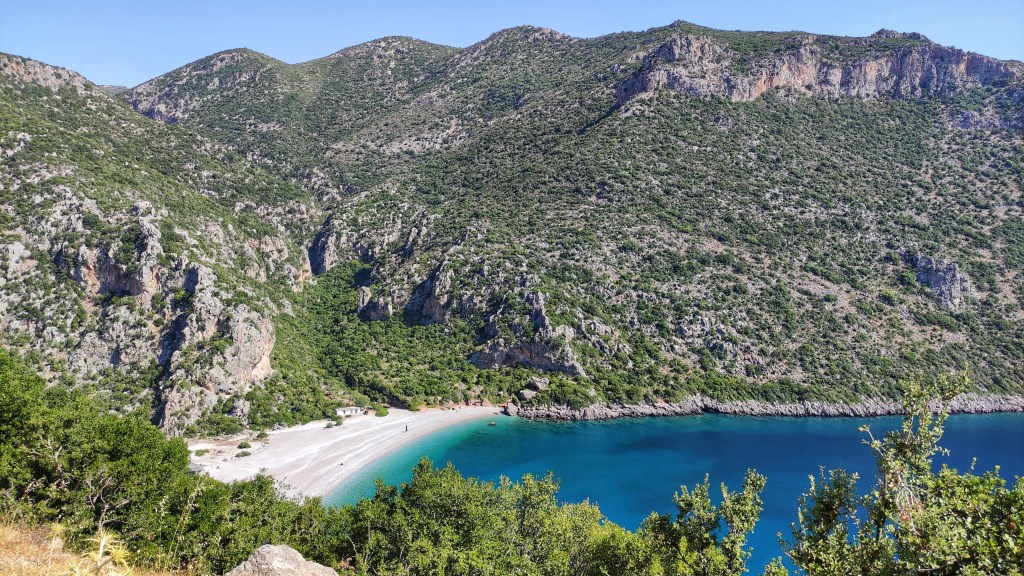
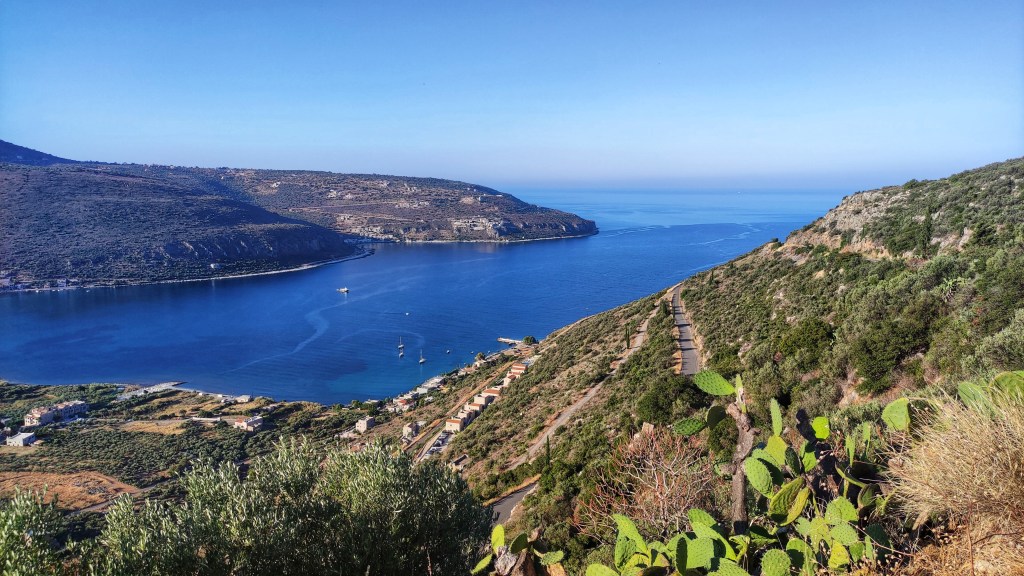
Mani is perhaps the most touristic area of Peloponnese and it often feels like a living postcard. Sometimes it can become a bit too touristic, but never too much. The beaches in Mani are great, the towns lovely and the roads scream to be ridden, perhaps the best area where to cycle.

What not to miss in Mani?

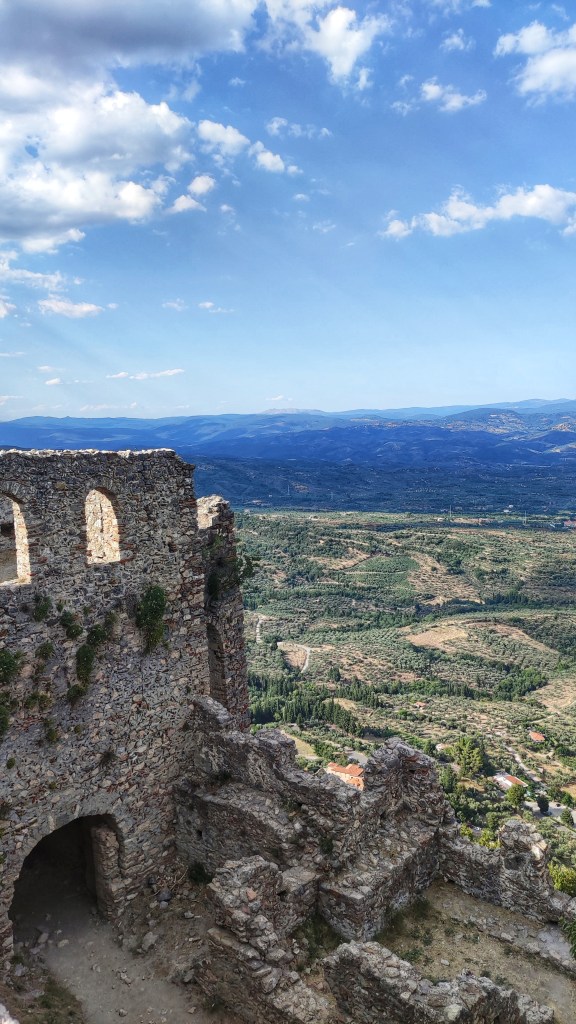
  • The Archeological Site of Mystras, part of UNESCO World Heritage, Mystras sits on a hill, it was built in the XIII century and it is in stunning conditions. The site is pretty big and its visit can take up to 4-5 hours.
  • The towns, especially Areopoli, that can become crowded and a bit too loud in the evenings but it is absolutely lovely. Mandatory to have at least a dinner here enjoying the great kontosouvli (spit roasted pork) that can be found in almost every taverna. I suggest also a stop at the abbandoned village of Vathia, a dinner in Kardamili and a visit to Gerolimenas, even if I found the latter a bit too touristic for my holiday mood.
  • The beaches are mainly of small pebbles and white rocks. Don’t miss the ones located in the south (Cape Matapan area) such as Vathi Beach, that can be reached with a 30 minutes walk.
  • Cycling: the perfect tarmac and neat villages make Mani the best area for cycling. Near the coast there aren’t big climbs, but a continuous up&down of gentle little cotes and scenic hairpins. Going towards the inland mountains become higher and the roads more interesting for climbers. In general cycling in Mani is an experience that will feed your cycling soul, one of those moments of peace that your mind will recall as a motivation once on the indoor trainer in Winter.
Messenia: white beaches with some surprises

Messenia owns the most scenic beaches, personally I preffered Lakonia and Mani, but it is undeniable that these bays are among the best white sand beaches you can dream of. The towns are interesting, but what makes the difference it’s its proximity with places like Olympia or the hidden treasure of the Polylimnio Waterfalss.

What not to miss when in Messenia?

  • The white sand beaches, especially the stunning Voidolikia Beach and Divari. The two renowed beaches are large and can become pretty crowded, make sure to walk until the very end of them to enjoy a day in total relax.
  • The towns of Methoni with its Castle, Koroni and Pylos
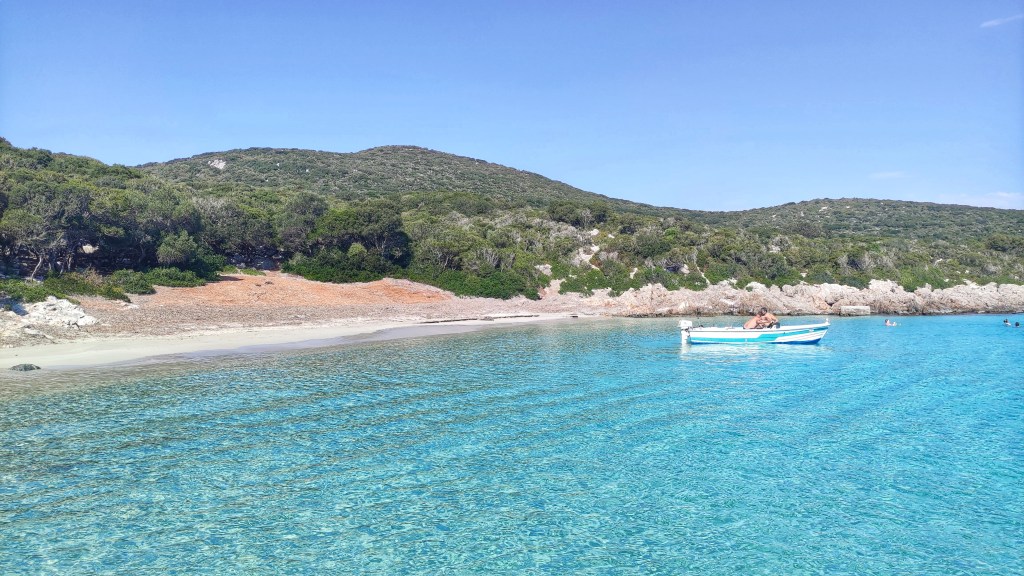
  • A day trip to Sapientza Island, a tiny island with only one (lovely) beach. You can reach it with a taxi boat from Methoni port, it runs every hour starting from 10 am, round ticket is 15€ and it takes no longer than 15 minutes. 
  • Not only beaches, my favourite discovery in Messenia were the amazing Polylimnio Waterfalls, pay them a visit and have a bath in their freezing waters
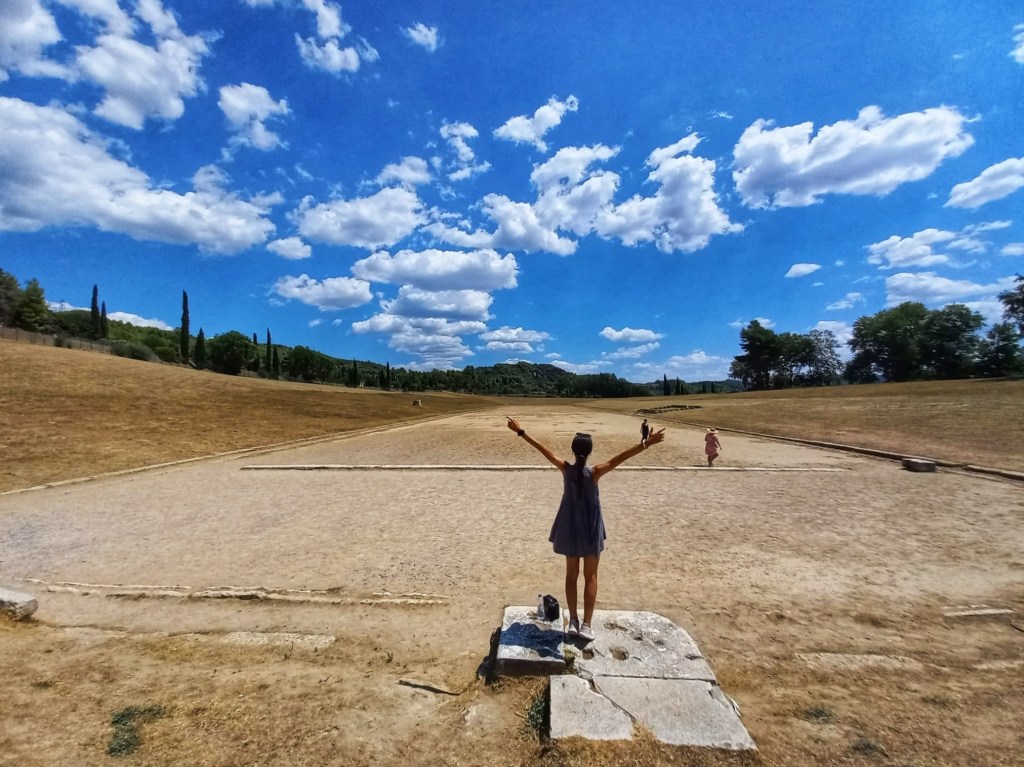
  • Ancient Messene and above all Olympia, probably my favorite archeological site along with the Acropolis of Athens. Here the Olympic Games originated and the vibe of the Stadium is undescribable, close your eyes and travel back to Ancient Greece. The ticket is 12€ and it includes the visit to the 2 museums, the site is huge and the visit takes easily half a day.
  • Cycling: compared to the previous two “fingers” the asphalt is poorer especially when leaving the main roads, my suggestion is to ride the road that from Pylos brings you towards Koroni, a nice mixed route for your fun

Hope you enjoyed and managed to write down some useful tip, if you might need any additional information, feel free to contact me, I will be happy to help!
3 must do sportives in Italy

Three amazing sportives that are worth a trip to Italy, some secrets to survive them and a few extra tips to make the best out of your little holiday

I must make a premise: I will be highly banal in my top 3 must-do Italian sportives. If you are looking for some unknown race, you won’t find it here. What you will find are three sportives, or Granfondo, how we call them in Italy, that are absolutely worth a long or short trip to Italy and that will leave you nice memories and little stories to tell.

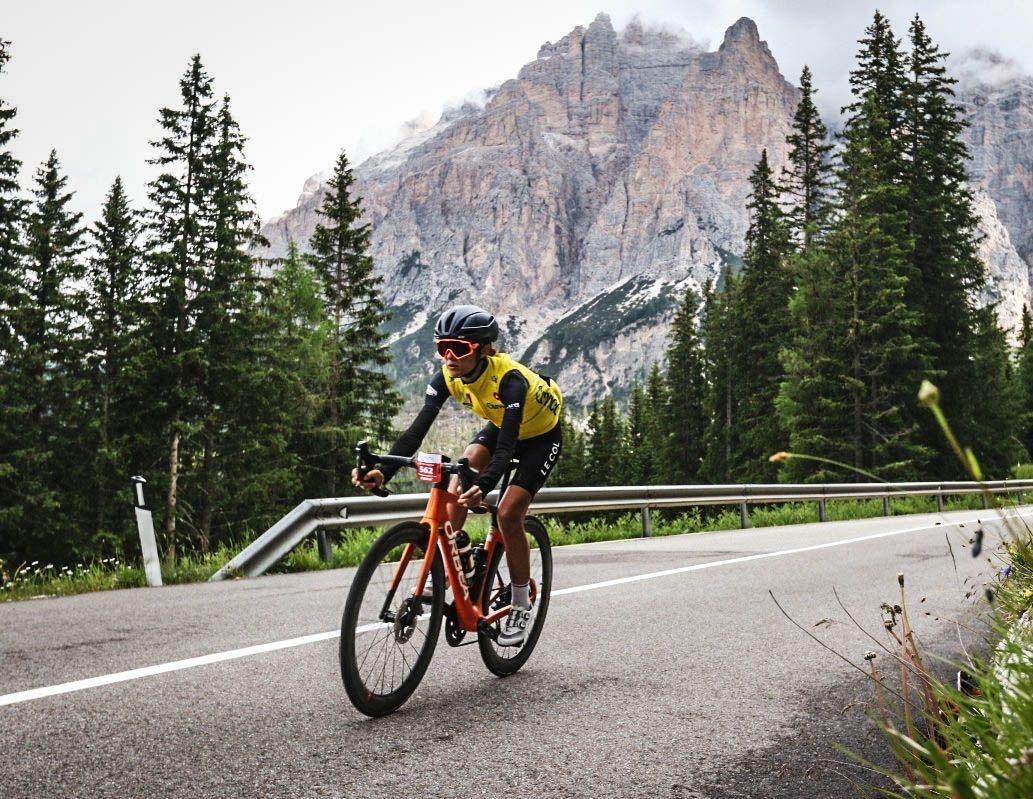
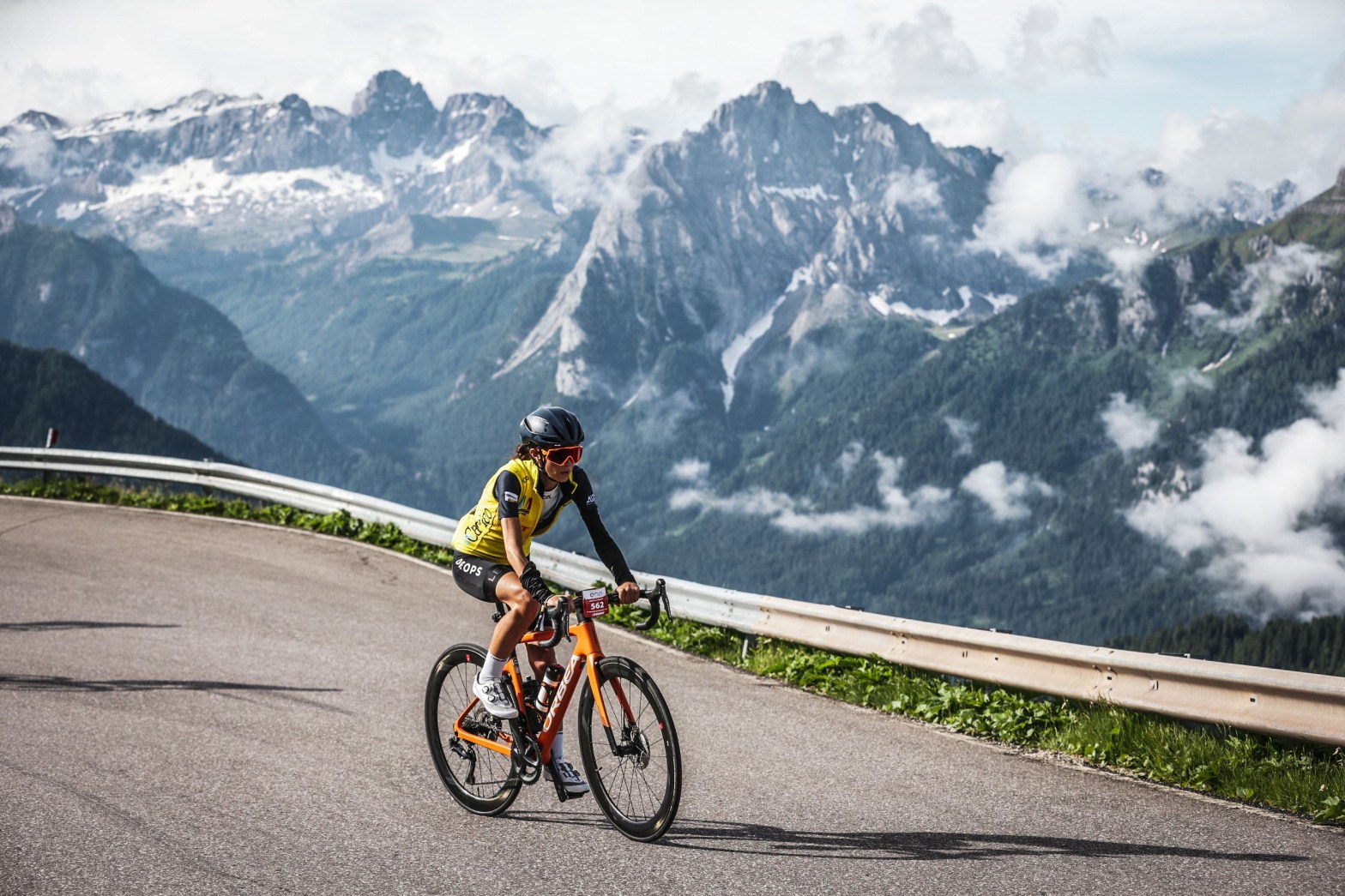
The first pick is also the most famous one: the one and only Maratona dles Dolomites. Dolomites are unmatchable: riding through them is a dream and riding through them surrounded by thousands of cycling lovers without any traffic it will be the best day on your bike.

I had the chance to ride the Maratona last year. The ride has three routes: the Sellaronda, that is the easier one (even if it is not that easy with only 55 kilometers but 1780 meters of climbing), the Medium route with 3130 meters of climbing in 106 kilometers featuring the Sellaronda route plus a double climb of Campolongo and Falzarego and then the Monster, the long route, that adds the Giau, with a total 4230 meters of climbing in only 138 kilometers.

Now I am not a number fan, but these numbers are pretty easy to understand: the Maratona is challenging. It is far from impossible, but unthinkable to ride without a decent preparation to long climbs or longer efforts. It’s not like to complete it you have to undergo a specific training program, but if you want to enjoy its beauty, you should prepare your body a bit, and then it will be only pleasure.

I decided to take the Medium route and I completed it in 5 hours, that I consider as a decent performance.

Many of you already know their business pretty much (I see you all with your training programs and FTP tests and strict diets!), for the others newer to cycling or less into competition, the best advice I can give you about Maratona is one: take it easy.

Trust me and take it easy. At the start everyone will be rushing and they will climb Campolongo with the same grit of a Tour de France contender, let them go. Hundreds and hundreds of people will overtake you, let them go and stay in your comfort zone, or even below that. You will overtake them again later. Don’t dare to give too much, stay in you Z3, look at the scenery and appreciate the beauty of the Dolomites , the ride is too long and you must take it easy. Let the crazy horses ride away and follow my advice, at the end you will do way better than expected!

A really brief overview of the route:

  • Campolongo – short and easy, the only difficult part is managing to take it easy
  • Pordoi – long but harmless as you still have fresh legs
  • Sella and Gardena – not a threat, they will be over before you realize it
  • Campolongo x2 is fine, you just wonder “why again?”, finding a small group to follow will make it better
  • From Campolongo to Falzarego (or Giau, depending if you take the medium or long route) make sure to find some wheels to follow, so you can even recover a bit (just wish I had found some too)
  • Falzarego – long, but if you took it easy at the start you won’t have issues here
  • Giau – I have a bad news: it is a demanding one, can’t encourage you on this, but ehi it will be over in a bit less than 10 kilometres
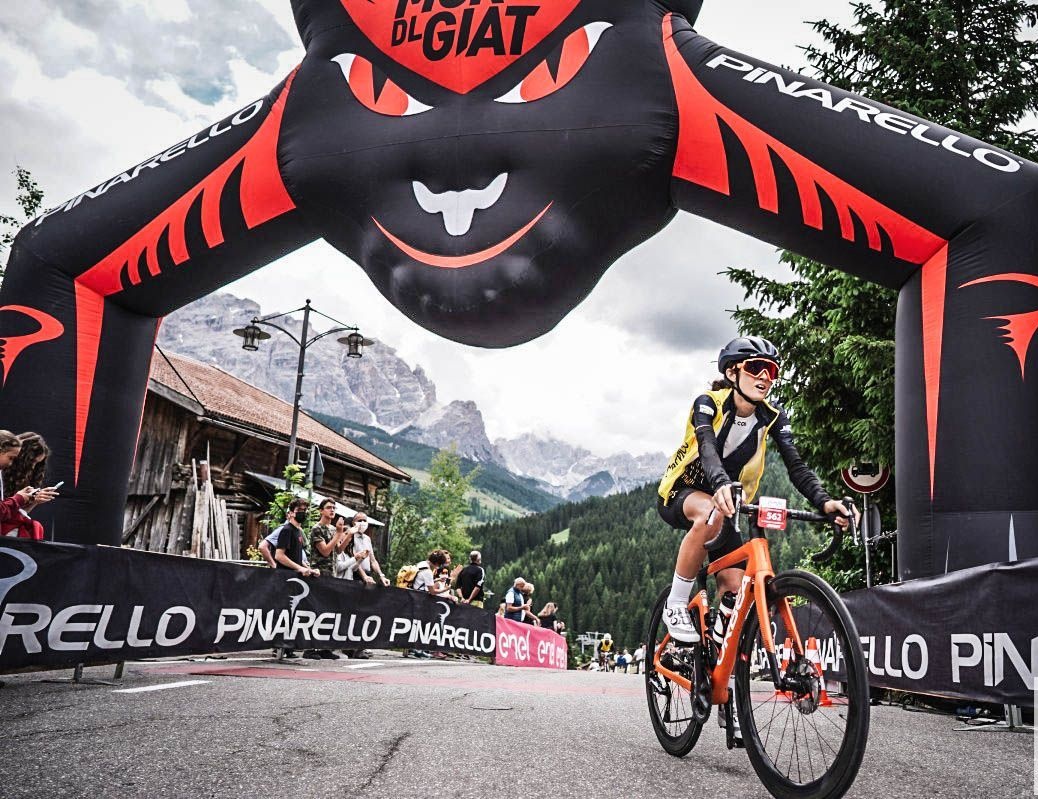
  • Mur del Giat – the last effort, looks scarier than it is
  • The END
Another good reason to ride Maratona: the amazing pictures you will get 😉
Mur dl Giat, the final effort before the finishing line

The organization is amazing and as I heard someone saying “riding the maratona is like going to a luxury hotel after a life spent in hostels”, there are also many collateral events and it is just like being at a huge cycling festival.

As you drove all the way to Alta Badia, just know that the area is an absolute gem for some holidays too, but I am sure you already know it. Some brief extra tips on what to do beyond the Maratona:

  • Hike Piz Boè and Seceda
  • Discover the small lake Lech Da Sompunt and the Pisciadù waterfalls
  • Ride at least some of the remaining climbs like the fearsome Fedaia from Malga Ciapela, its majesty Tre Cime di Lavaredo, Passo delle Erbe and so many mores!
  • Discover the local food because you can’t leave without eating Canederli (bread dumplings in broth or served with butter), Turtres (spinach fritters) and apple fritters

Granfondo Strade Bianche

There are three reasons Granfondo Strade Bianche in an absolute must: Tuscan landscapes, Sterrato in all its grace and the finishing line in Piazza del Campo.

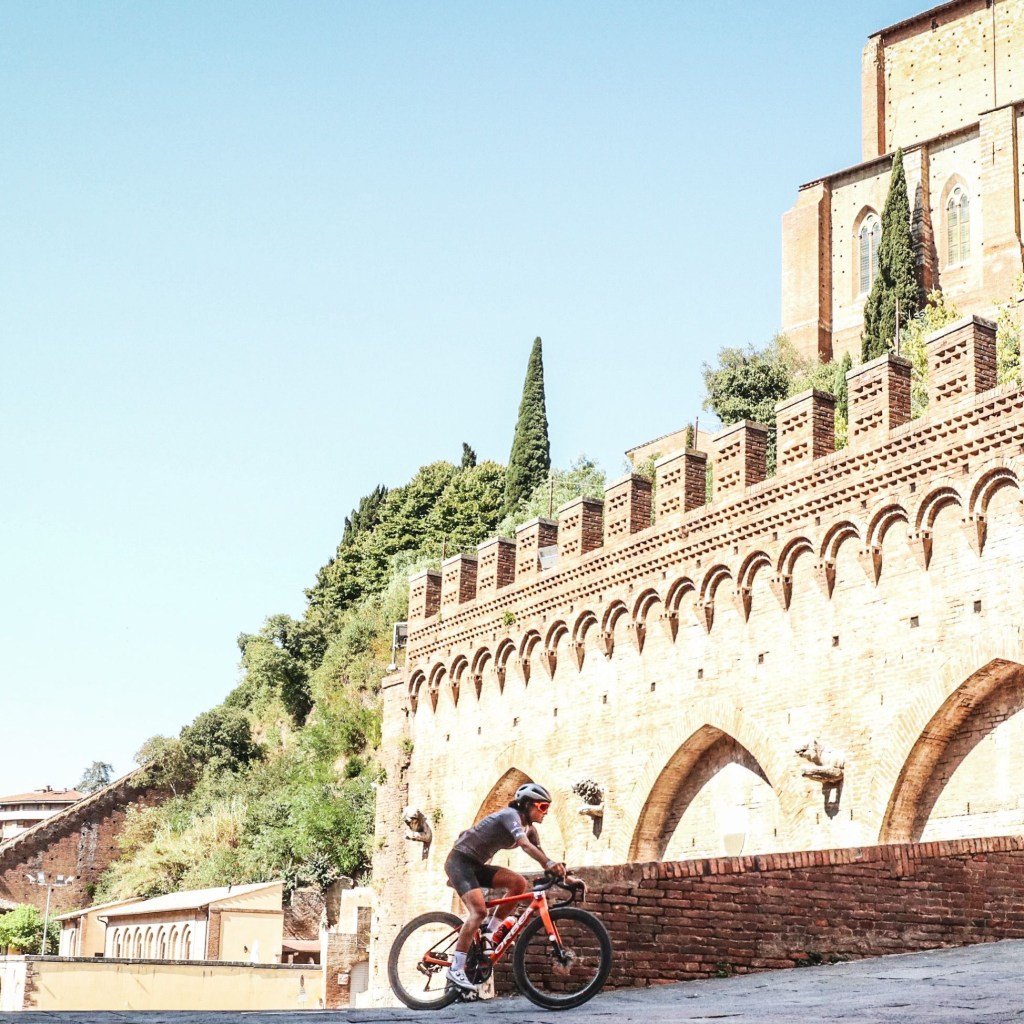
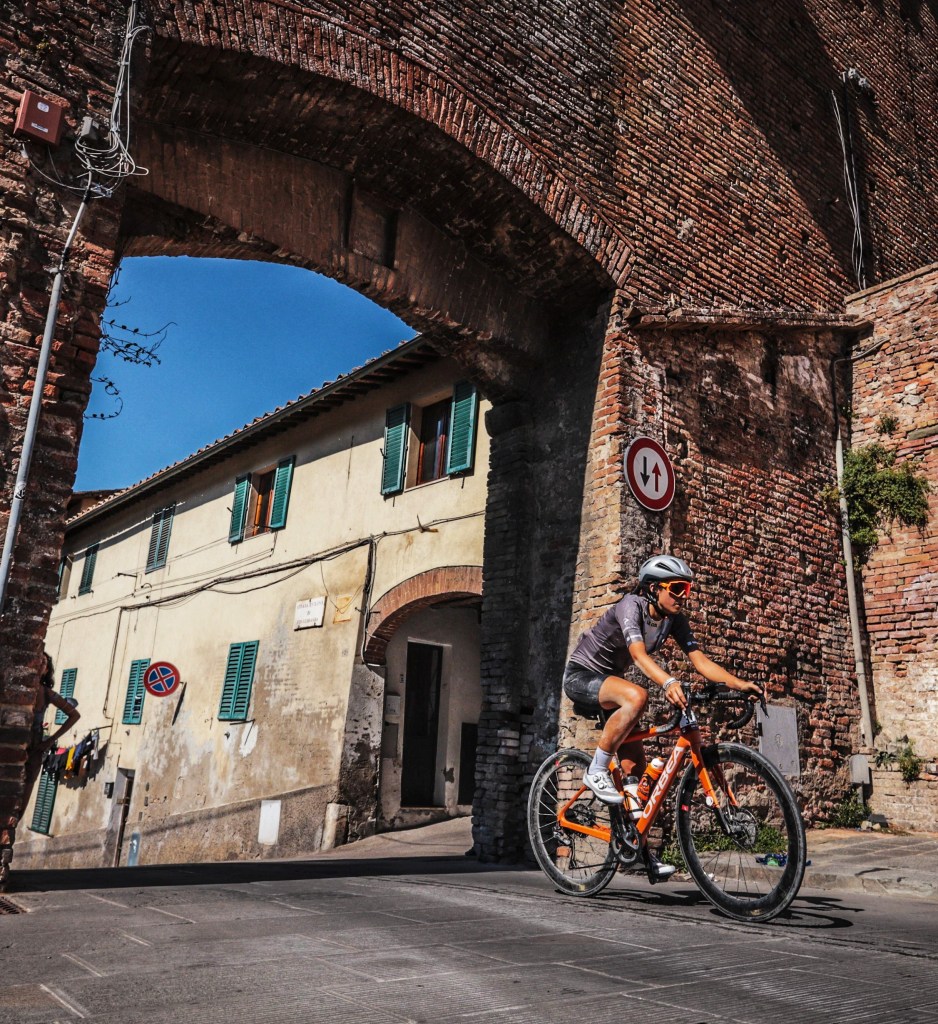
On the way to Santa Caterina climb surrounded by Siena Medioeval buildings

Granfondo Strade Bianche was my first love, I have always enjoyed dust and powder action and the rough up & downs, that’s my type of route. I live in a flat area, the nearest mountains are 40 kilometers away, therefore short rides are always flat and to make them more interesting I have a long story of off-road escapades and strappetti hunting. And I guess this is the reason I was never into gravel, because I have always ridden in different conditions on the same road bike and on the same slim tires, and on the same wheels, thing take makes many cringe but if you buy something nice and expensive you better make the best out of it. I will never be one of those buying an expensive upgrade just to leave it in the garage for the “big occasions”.

Back to the topic: the first time I rode Granfondo Strade Bianche, it took place the day after the pro race and the gravel sectors were much smoother. Last year due to the pandemic the ride was postponed, there was no pro race the day before and that meant the gravel sectors were way rougher and eaten by the summer sun.

The route isn’t too challenging, there are demanding gradients but the climbs are short, nothing you can’t handle. What makes the sportive challenging is the sterrato, and to be more precise: riding the sterrato surrounded by thousands of amateurs. It just means you must maintain a certain level of concentration, an eye to the road and the other to make sure no one is crashing around you.

The first half of the route, until you hit the first gravel sectors, is faster than you can expect and I would suggest finding a big group and sticking in there to make it even faster. The difficult part comes in the second half and here I would suggest trying a way to isolate and have your own riding space, to be safe from the others mistakes and save them from yours.

Flats are the biggest threat at Strade Bianche, I was lucky, twice. I am not particularly heavy so it kinda helps but having good quality tires can make the difference. The first time I used the Schwalbe Durano Plus, they are incredibly resilient but also a bit square. Last year I used 26 Pirelli P Zero and to me it was the winning choice, trustable off-road and not slow on the smooth tarmac. As I mentioned I am not new to sterrato, powder and pebbles, so I never considered mounting thicker tires, but if you are newer to this terrain or you don’t feel comfortable on it, opt for bigger ones, no one is going to judge you, except me. Kidding! 🙂

Now I would like to tell you about the beauty of the Tuscan landscapes, but I won’t, because they don’t need me babbling about them and the best way to understand how beautiful that land is, is going there and admire it with a glass of red wine in one hand and the bottle in the other one.

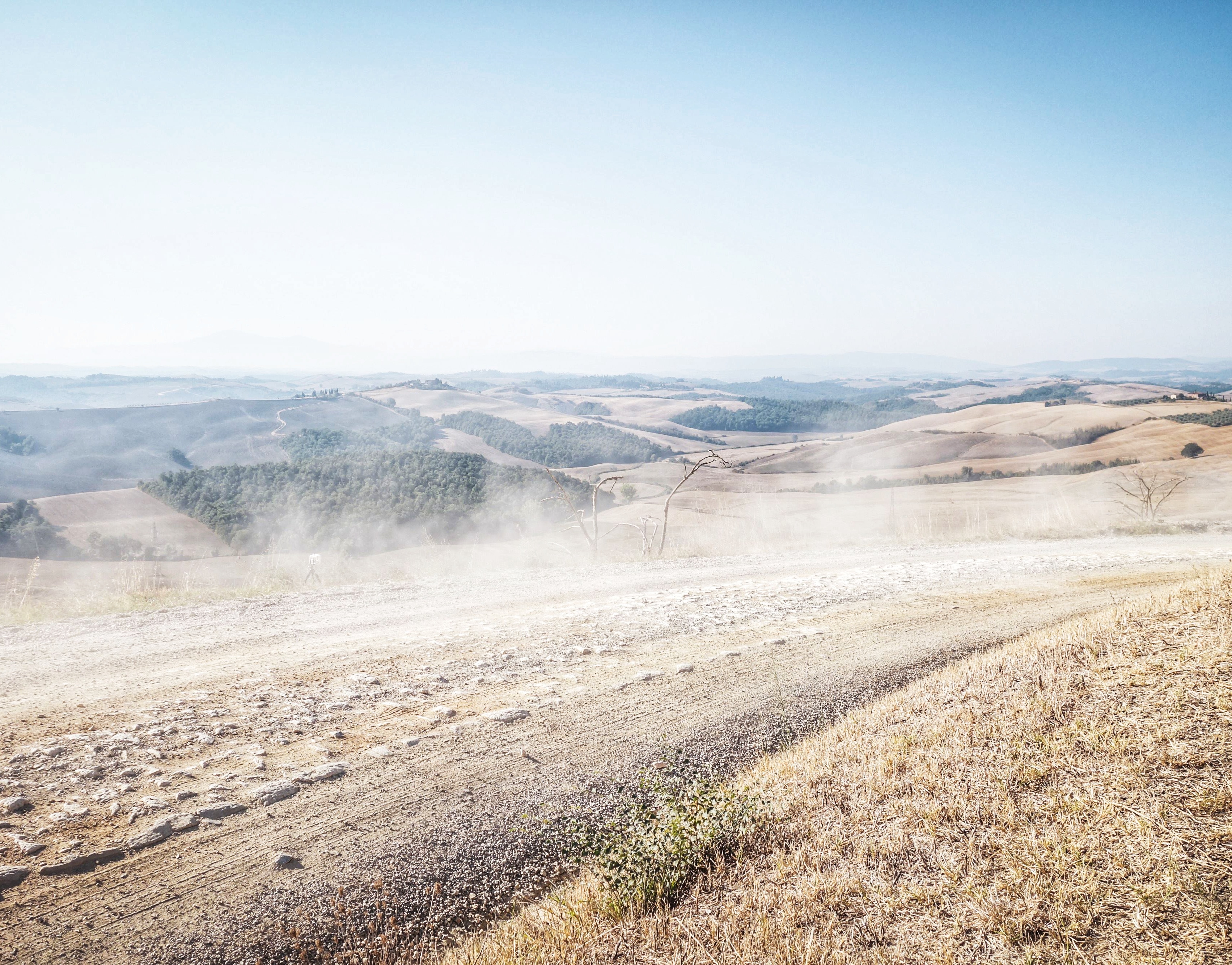
Polvere e sterrato, the dust over the Tuscan hills

What I will spend a few words about is the finishing part of the Grandfondo. The last couple of kilometers (if you ever watched the pro race you are already familiar with them) are the best last kilometers a sportive can have and to me only Paris-Roubaix Challenge has a more emotional epilogue.

At Strade Bianche you will have to find the energies to face, or better climb, the last diabolic strappo, Santa Caterina climb. From the bottom it looks like a stairway to hell and it kinda is. The gradients are higher than they should be and being tired won’t help. What does help is knowing is that it is one of the rare cases in which “dopo la curva spiana” (in Italy one of the most common things you can hear while riding uphill is people telling you “go go, don’t worry, after the turn the climb is over” even if you are at the first hairpin of the Stelvio). Anyway, the climb is hellish, but after the turn on the right it is over, and then it is all down till the finishing line, that is only a kilometre away in the outstanding Piazza del Campo.

Santa Caterina climb, the last effort before the finishing line in Piazza del Campo

Piazza del Campo is an indescribable work of art, with its peculiar clamshell shape, its colour palette and Medioeval beauty. Squint and breath, your ride is done and literally dusted, time to appreciate you being here.

One of the main perks of riding Granfondo Strade Bianche is using it as an excuse to explore the area and have a little holiday in Tuscany, some extra tips for a short break in the area:

  • Visit Siena, of course
  • Pay a visit to San Gimignano, Monteriggioni, Pienza, Montepulciano and Montalcino and enjoy some relax on the hills
  • Eat local: red wine, pici con ragù di cinghiale (pasta with boar sauce), Panforte (dessert of fruits and nuts), cured meat & cheese

Giro di Lombardia

The main reason my third pick is Granfondo Giro di Lombardia it is mainly because it is my home race. Not properly my home roads, but my “a ride away from home” roads, so I feel kinda attached to them. Not only, because the Lombardia features two of the must-do climbs every cycling addict must do at least once in a lifetime: the one and only Muro di Sormano and the Sanctuary of the cyclists, Madonna del Ghisallo. This is your chance to ride them and check them off from your “must do climbs” list.

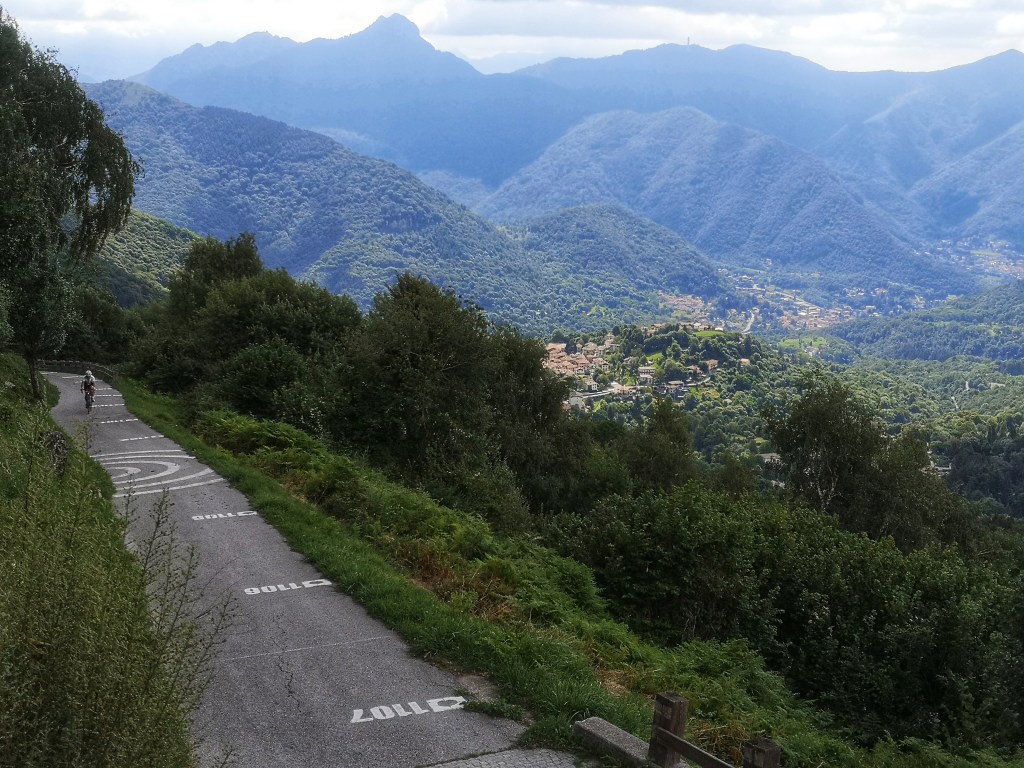
The climb that brings to the Muro is a really standard one, without any remarkable highlight, just that at a certain point you abandon the main road and take a small path on the left. There starts the Muro, the Emperor of the double digit gradients roads.

Muro di Sormano is only 1,7 kilometres long. 1,7 kilometres on a bike might seem a rather small number, but if you have some experience with bikes, you know small numbers always hide something. The muro hides 280 meters of altitude at an average of 15,5% with a maximum gradient peaking at 27%. It could be worse, it could be raining. Indeed last time I climbed it, it was raining and there were dead leaves making the road as slippery as it could get.

I am not sure who first thought riding bikes up there was a good idea, but it wasn’t. The most demanding parts are two: one is just after the beginning, one is strategically located half way up. But don’t get me wrong, on a road with a 15,5% average gradient also the less demanding bits are still very demanding.

All my recent road bikes mounted 50/34 11/30, but if you ask me, a 32 would be very welcomed here. Normal people approach the Muro with a 34-30, of course, but I am not a standard one and my personal strategy is to approach it on the 34-28, saving the 30 for the steepest segment (the one in the middle). The chain is never happy with this choice, but it survives. Needless to say this strategy doesn’t give you any specific advantage, but I benefit from knowing I still have a small one to ride. I also never stand up on the pedals, but that is not part of a strategy, it is just my bottom being glued to the saddle, always. The only strategy you can benefit from is one: try to push every watt you have.

The Muro, the longest 1,7 kilometres in Italy.

After the Muro you will be rewarded with a nice and fast descent and from the stunning views that bring you to Bellagio, where the Ghisallo starts. The climb isn’t too difficult, but your legs will probably be a bit heavy from the Sormano effort. On the top a little church, that is said to protect cyclists, full of cycling memorabilia that will have your eyes sparkling. My favourite piece: Fausto Coppi bike, whenever I climb Ghisallo I pay it a visit and have a word with it. My final work at High School was a paper about Italy post WW II narrated through episodes of Coppi life and career: from the solo win at Milano – Sanremo 1946, symbol of an Italy that struggling was making its way out of the dark moments of the war, till his death in 1960, when Italians were changing and starting to ride Vespa instead of Bianchi going through the epic duels with Bartali, representing the two souls of that Italy, but this is another story and hopefully I will find time to tell you about it.

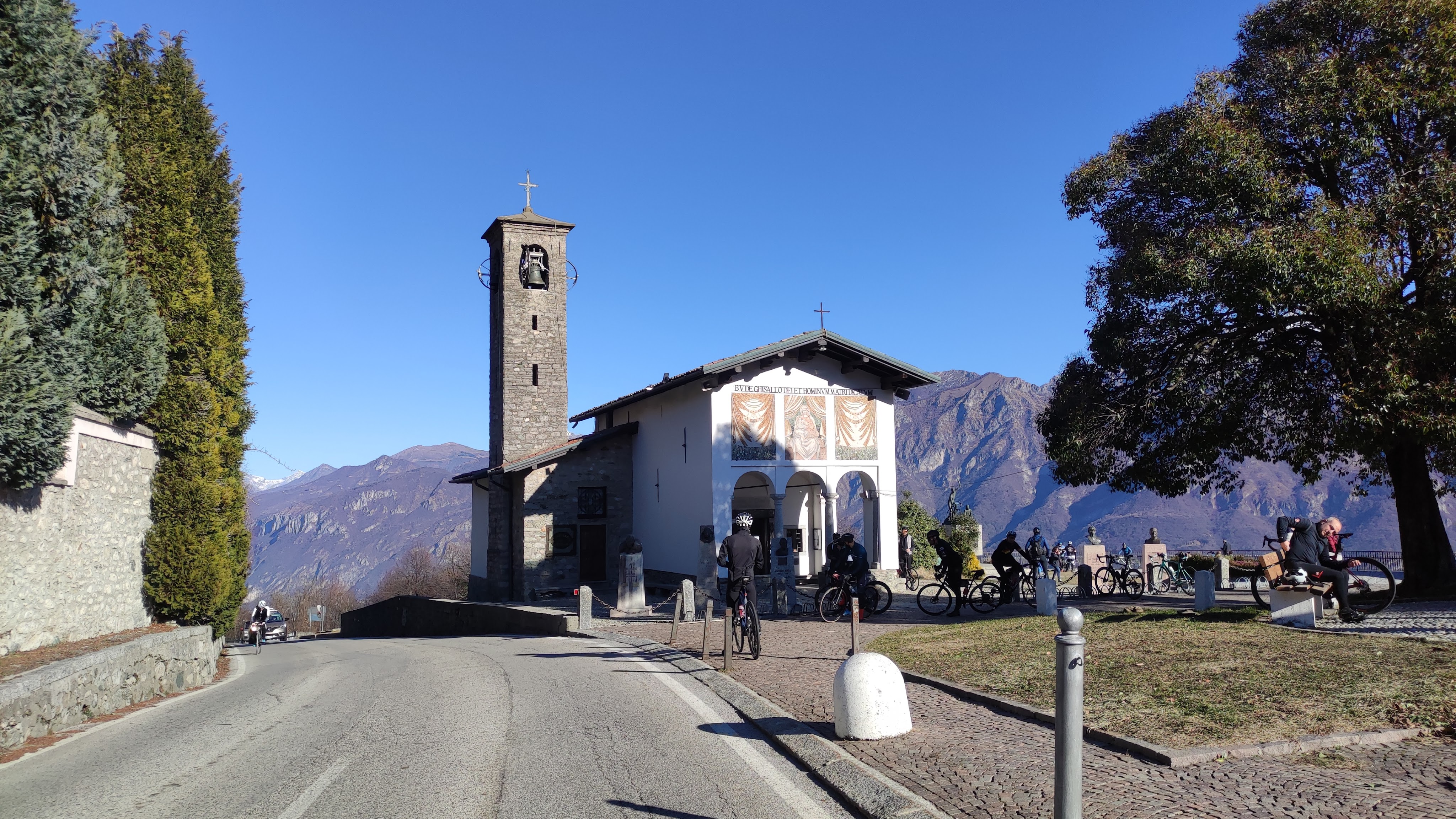
The little church at the top of Ghisallo, it is the church of the cyclists and it contains cycling memorabilia from all ages

On the left of the church you find the Cycling Museum, you won’t have time to visit it during the Granfondo, but I highly reccomend you to come back later and pay it a visit.

Back to the sportive, remember to spare a few energy for the last 20 kilometres, where there are some up and downs put there with the only purpose to annoy you.

By the way, if you aren’t in the mood for climbing the Muro, you can skip it and arrive at the top using the regular road, that is longer and more gentle. The organization allows both options, it is up to you and your legs.

Extra Tips: Lecco area is really nice for a short relaxing break, but if you are planning to ride the whole time, you can have a look at my map collecting the local climbs here

What was the best Sportive you have ever ridden? Let me know, I am looking for some inspiration! 🙂

Climbs a ride away from Milano (and Bergamo, and Lecco, …)

A map collecting all my local climbs, meaning the climbs I reccomend starting from Milano, Bergamo or Lecco area, including some food stops along the way.

This is a work in progress that probably will never end but hopefully you can find some inspiration in the map. I promise I will keep updating it ride by ride and I will add all the details about the climbs, especially the less famous ones.

If you are travelling to the area or you need any specific information, feel free to ask!

8 Things to do in Tenerife

And I swear it’s not only cycling

Tenerife is the must-go place for cycling addicts and many of you probably know it better than the locals, but I will go with some advice from my trip the past December.

Let’s start with the basics: the weather. I was very lucky and despite being December the weather was always sunny, with temperatures easily reaching 27°C. I bathed, I rode in summer kits and I never used the coat I was wearing while leaving Milano.

It’s not always like this, and the roads can go high, so make sure to pack different kind of clothes for any convenience.

And now let’s go back to business with my list of things to do while visiting Tenerife and no, not only cycling I swear!

(Some extra tips and reccomendations at the end)

  1. Rent a bike and climb the Teide, of course!
  2. Visit Taganana (by bike) and chill in Playa de Benijo
  3. Visit Masca
  4. Explore the many Charcos (Charco del Viento, Charco de la Laja)
  5. Pay a visit to Icod de Los Vinos, La Orotava and San Cristobal de la Laguna
  6. Beach Time: Playa las Teresitas and a hidden gem
  7. Hiking the Pico del Teide
  8. Eat Local: some food & wine inspiration

  1. Rent a bike and climb the Teide, of course!

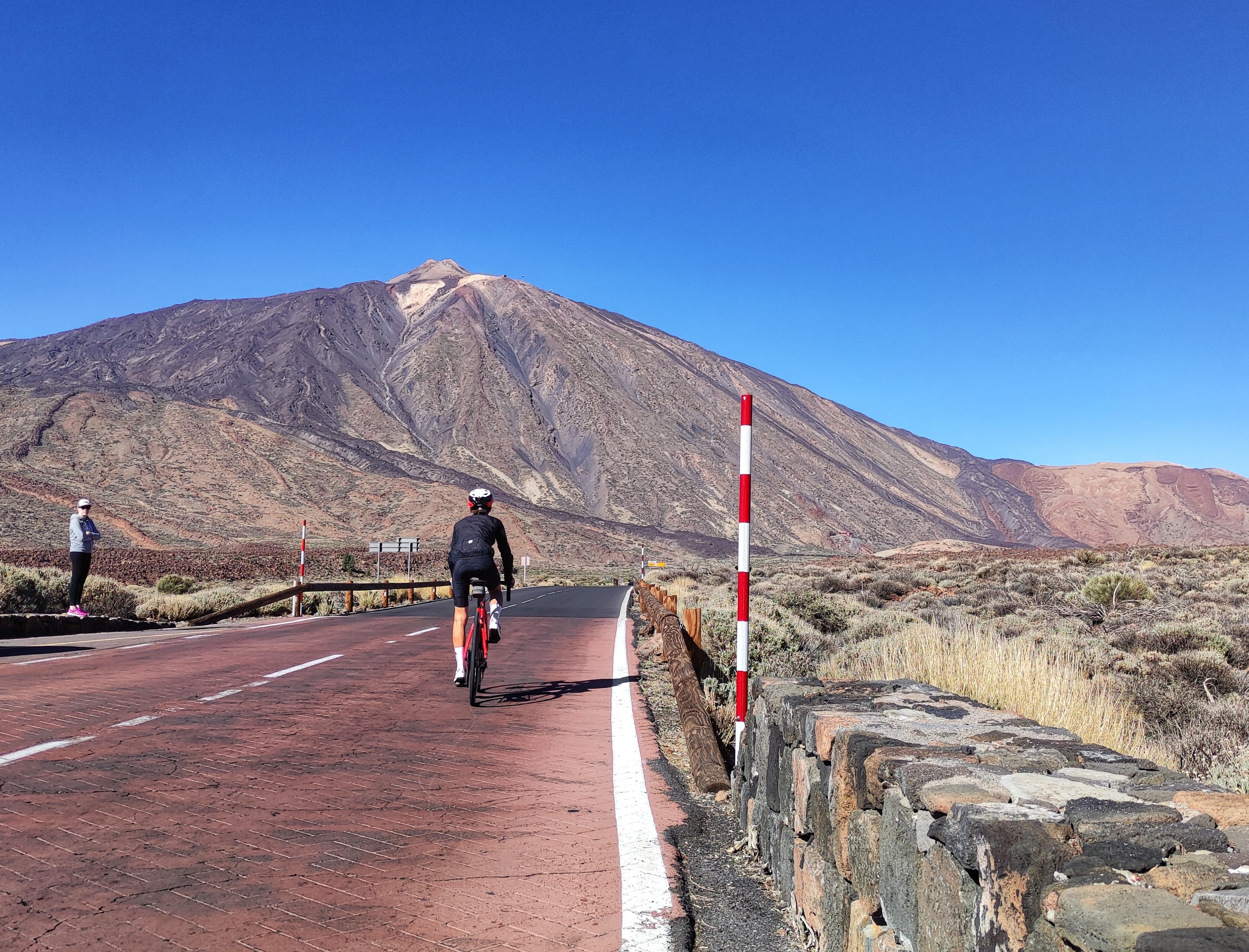
Teide is one of those climbs every cycling addict should do at least once in a lifetime. The ride till the top is long and can be consuming. There are 5 roads that bring you up there and on the web you will find loads of recommendation on which one is easier, truth is the meters of climbing are always the same, so it’s not like it gets any easier, just climb it from your nearest access point.

I did it from Guimar area, I rode up in the silence and peace of mind only long gentle climbs can gift you. If you love cycling, it’s an experience you deserve.

I was lucky and the day was extremely warm, but being the top really high, bring a wind jacket with you. And water bottles. There aren’t fountains where to refill them, make sure you have everything you need to make it till the top.

There is no other advice rather then “just go for it”

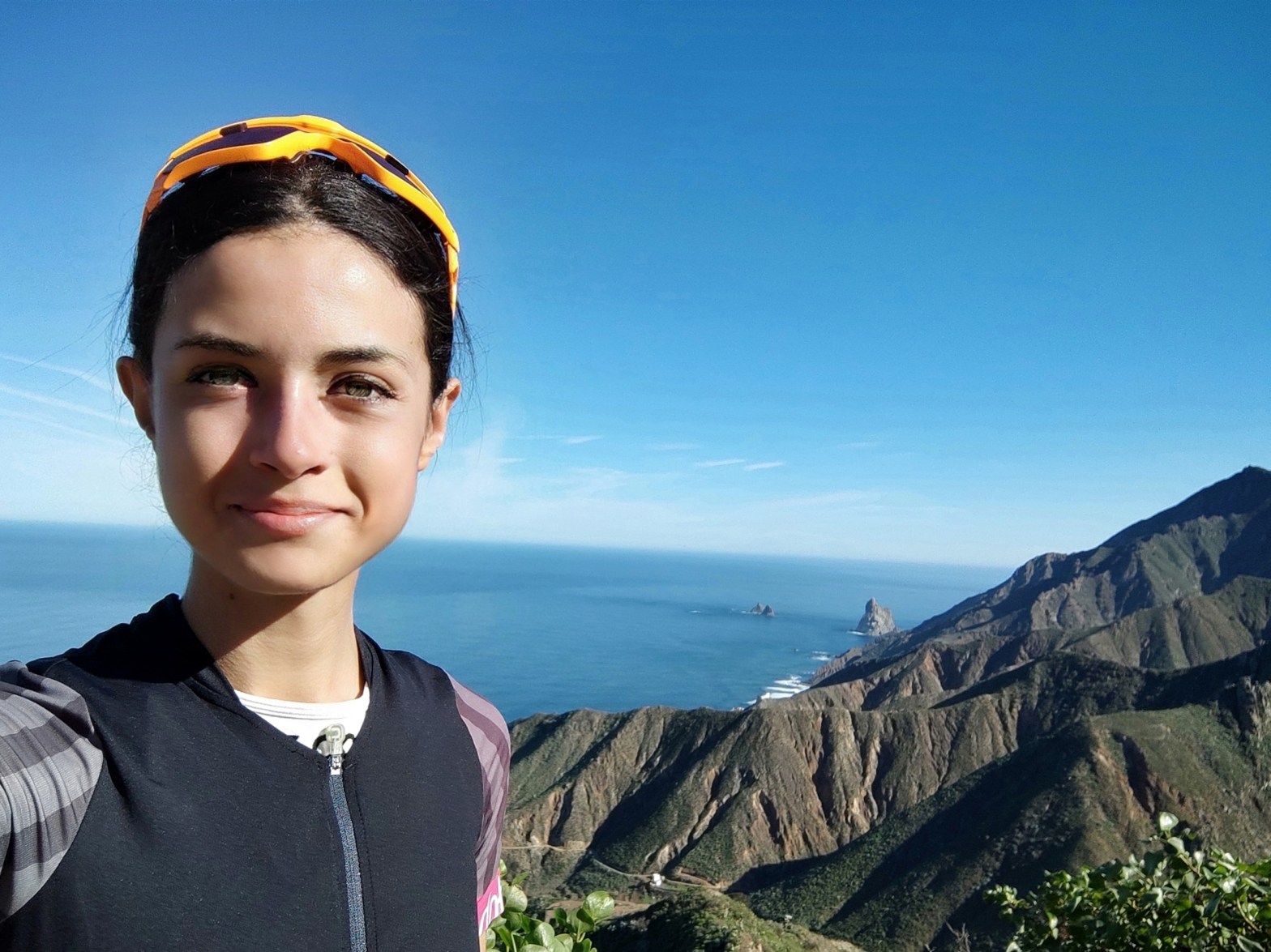
2. Visit Taganana (by bike) and chill in Playa de Benijo

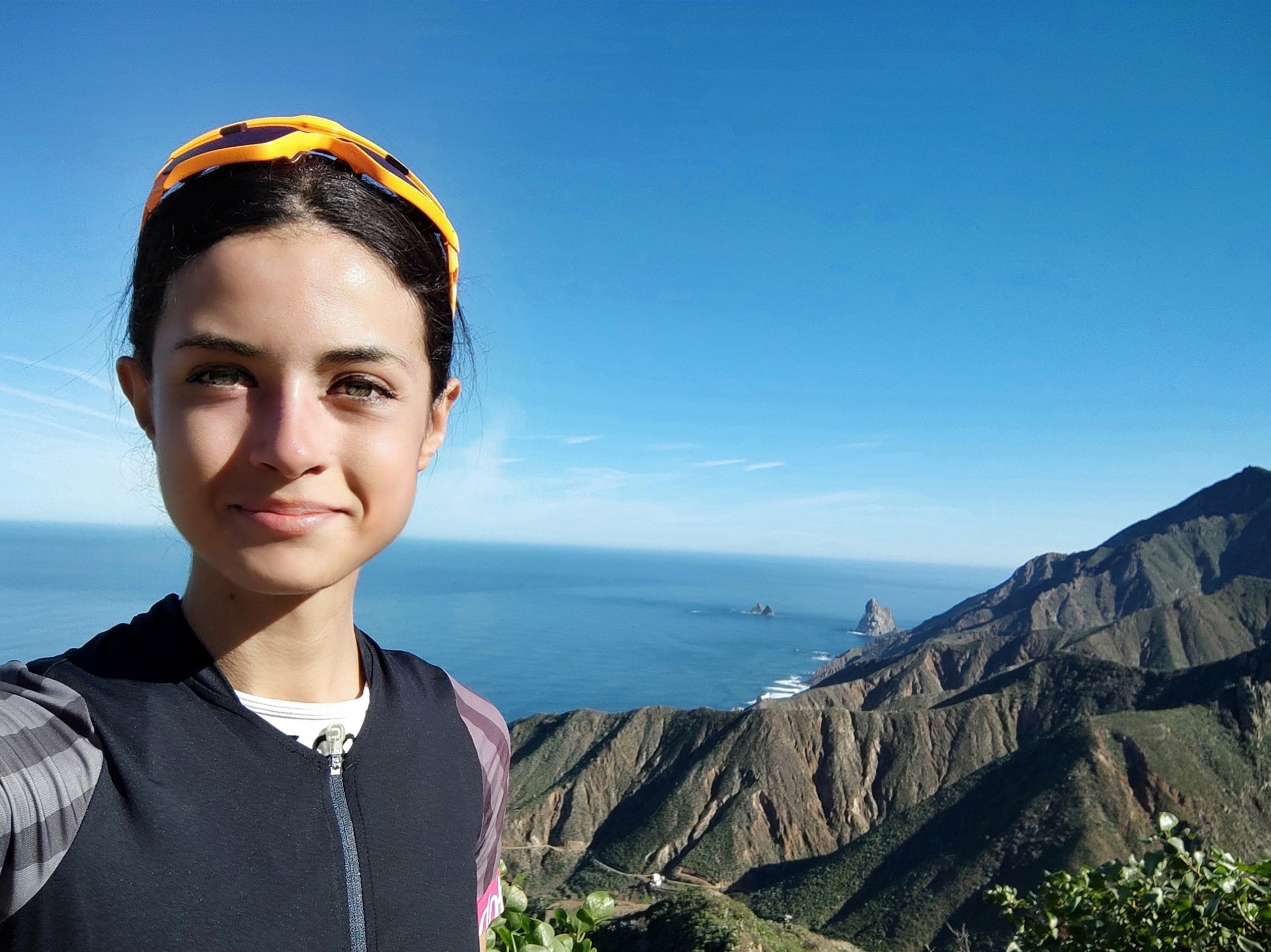
Taganana is easily one of the most spectacular roads I ever climbed.

If the Teide is a must do for its lenght and status, Taganana is an absolute must do for the eyes.
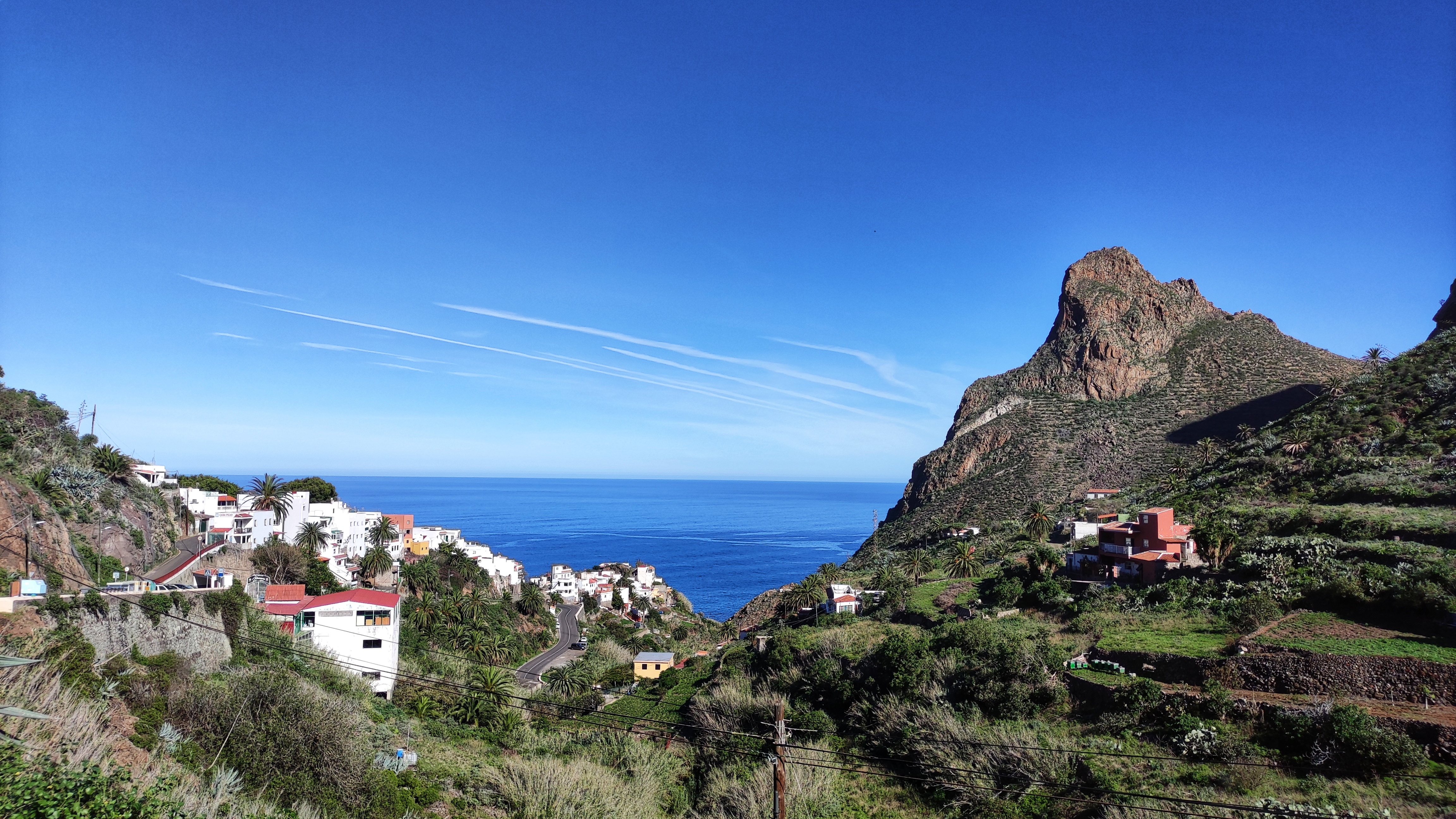
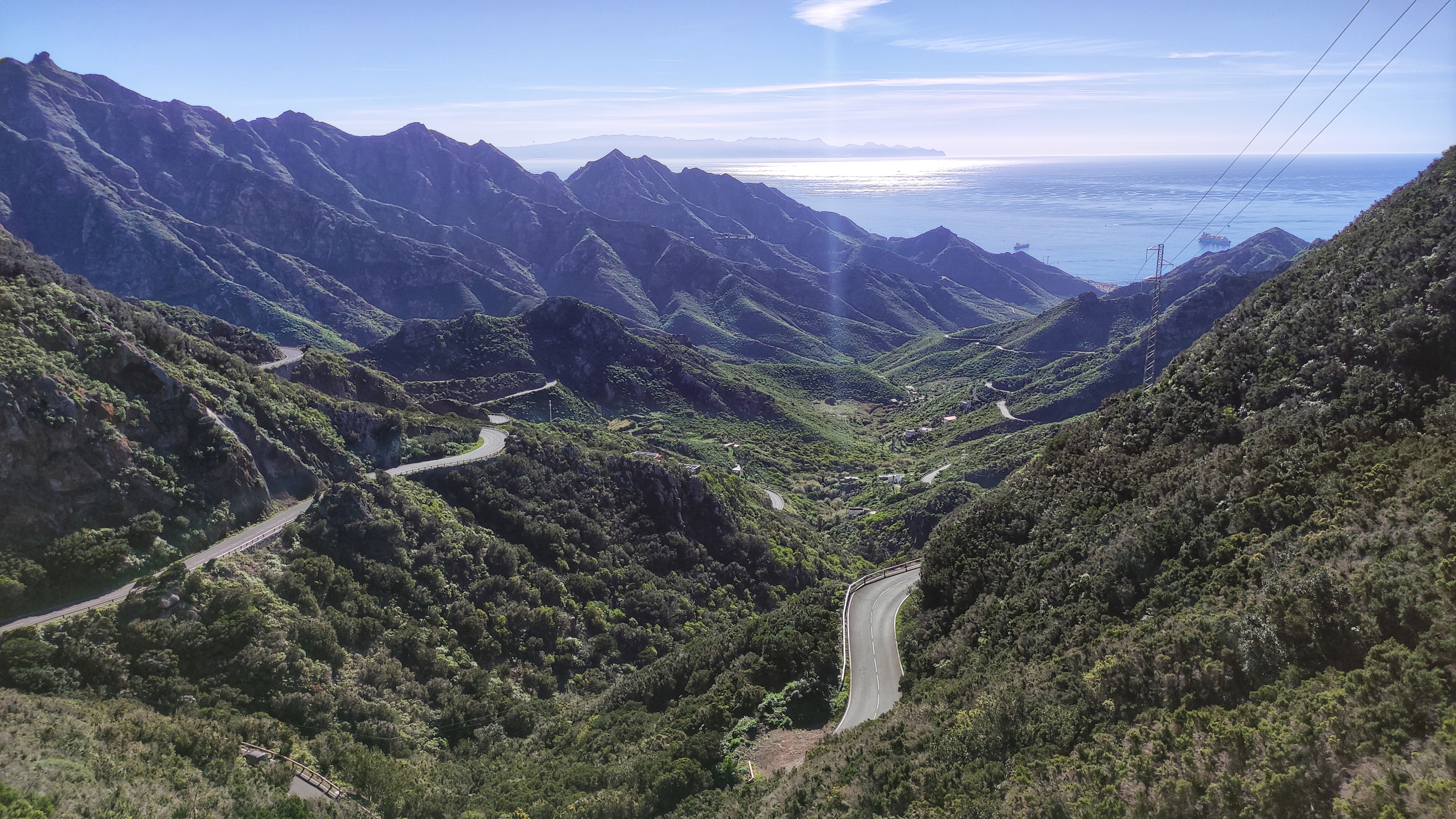
The road starts going up in the town of San Andrès, after 8 kilometers of gentle hairpins and spectacular views you reach the top but don’t stop because the best has yet to come: ride past the dark gallery, start descending towards the tiny and cute town of Taganana and enjoy the views.
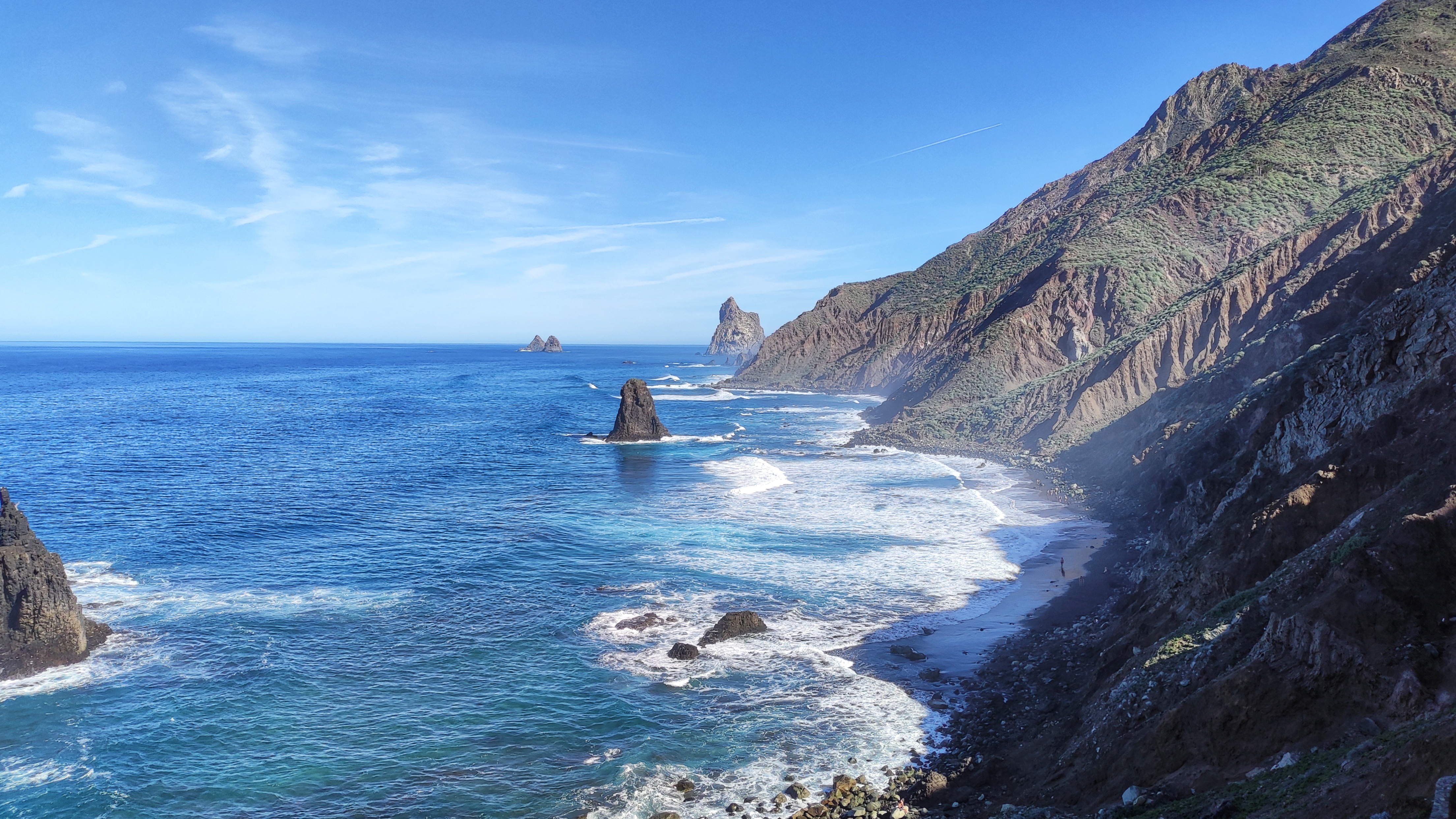
From there I reccomend to continue towards Playa de Benijo. The beaches on this coast aren’t gentle or suitable for bathing (unless you are a surfer), the Ocean here shows all its power, but you will be amazed by the scenery. Along the road you will find many restaurant offering fresh fish, make a stop for some happy local meal and a cold beer, you will thank me later!

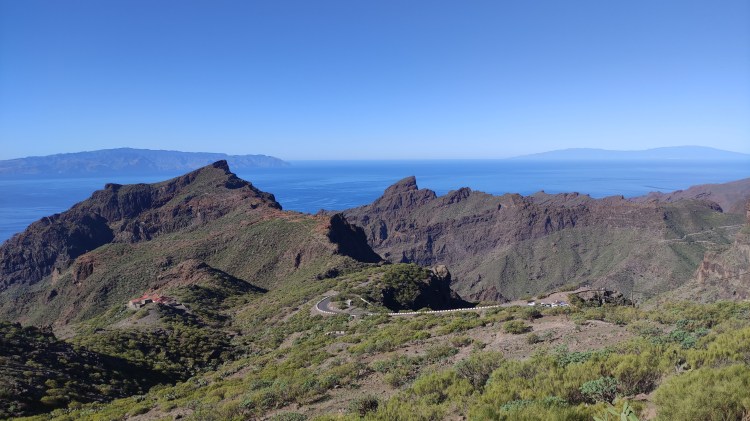
3. Visit Masca

1641127141867-01 

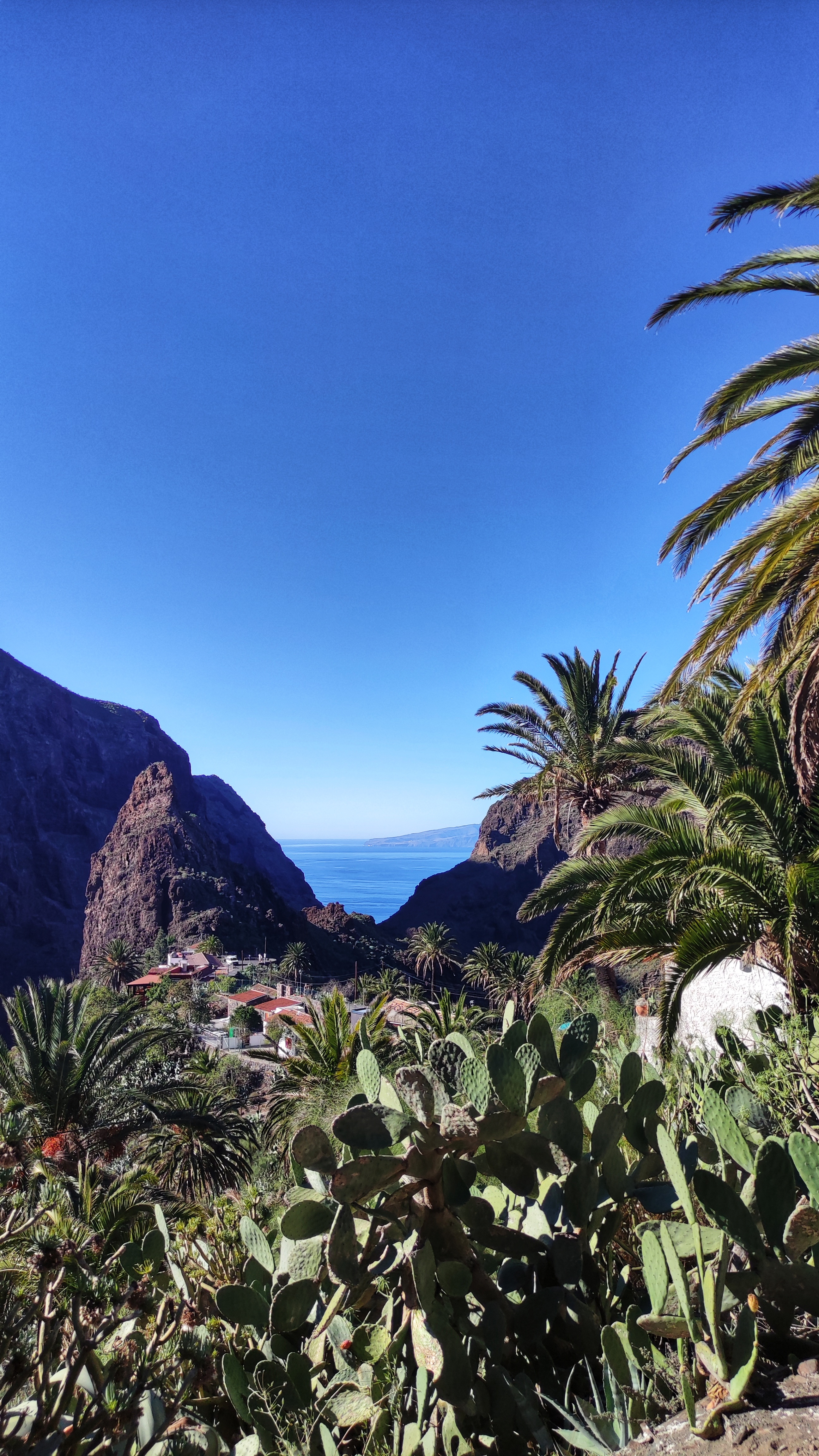
One of my favourite on-the-road trips I did was in Morocco and in Masca I found the same vibes of the oasis I met along the way somewhere on a long empty Moroccan road. Masca is another of the many must-do climbs, but pay attention because it isn’t as gentle as the Canarian roads tend to be and it can be really harsh.

The town is so small and the view so stunning that it deserves a visit and a coffee stop. There is also a spectacular trekking towards the Barranco, but it was so closed so I hadn’t the chance to do it, might be one of the many reasons to come back!

4. Explore the many Charcos (Charco del Viento, Charco de la Laja)

1641289141864-01


The “Charcos” are natural swimming pools, small protected paradises where you can bath listening to the roar of the ocean waves. There is a perfect timing to visit and enjoy them and it is when the tide is neither too high or low, so have a look at the forecasts before planning your visit. 

There are many Charcos in Tenerife, my two favourite ones were Charco del Viento and Charco de la Laja (see picture below!)

5. Pay a visit to Icod de Los Vinos, La Orotava and San Cristóbal de la Laguna

I hate touristic resort areas, I am kinda allergic to the fake buildings and crowds so I always try to avoid them and this is the reason I can’t give you any advice regarding the most famous beach resort areas.  But I can suggest three towns that kept their charme and are perfect for an evening walk and a nice dinner: Icod de Los Vinos, with its Thousand-year-old Dragon Tree and the Malvasia museum (to be fair the wine I tasted here wasn’t that great, but the location is really cute and incredibly cheap, so it is worth a visit), La Orotava with its House of Balconies and the many historic buildings and San Cristóbal de la Laguna with its streets populated by the tapas bars. 

6. Beach Time: Playa las Teresitas and a hidden gem

No matter if you are visiting Tenerife in Summer or in Winter, you deserve some beach time to work on your cyclist tan and a bath in the Ocean. I have a thing for white sand and the colours it gifts to the sea, but white beaches are not a thing on a volcanic island like Tenerife, except made for Playa las Teresitas. It is one of the most famous beaches and therefore quite crowded, but if you are looking for calm clear waters, you should pay a visit. Plus, it is located where the climb towards Taganana starts, so it is quite strategic. 

The hidden gem in the title is Playa Diego Hernandez, located near Costa Adeje, one of the most touristic towns, yet so far from the bathing establishments. There are only small paths bringing you there and the walk takes around 20 minutes, depending on how many times you get lost. If you want to run away from the all inclusive life, make a stop there. 

7. Hiking Pico del Teide

1640976221202-01

Climbing Teide along the Montaña Blanca trail means more or less 8,5 km and around 1200 meters of climbing, the path is well signposted and I absolutely hate hiking, but this is a must do. Mind that to reach the Teide peak at more than 3,700 meters above sea level you need a pass, so remember to book it.

If you aren’t up to hiking there is a cable car that can bring you up (or down) but you would miss the chance to walk through several different environments in only 8 kilometers: from the dry land to the snowy summit. Your legs, your choice!

8. Eat local: some food & wine inspiration

I truly hope you reader aren’t one of those people who when travelling only look for the comfort of a well know supper or those fancy restaurants that look nice, but also taste the same in Milano, New York or Tokyo. Don’t get me wrong, I like fancy dinners and you can have really good ones in the island, but at the same time you must open up to tasting local and less known traditional dishes in hidden places forgot by the tourists, it is always a nice way to get more connected to another culture.

In Tenerife there are many “Guachinche”, traditional restaurants offering local dishes. Some are more famous among the tourists and some are frequented by locals only, the traditional dishes go from the famous papas arrugadas with the mojos (really tasty small potatoes with the traditional sauces, you can find them everywhere in Canary Islands), the ropa vieja canaria (chickpeas with meat), gofio, all the great local cheese and the superb cooked meat finishing with the most popular desserts, the quesillo and my beloved bienmesabe.

For your fancier dinners, don’t forget to taste one of the many Malvasia (even tho I must say I preferred the ones found in Lanzarote) and the Baboso Negro, a rich red wine that pairs amazingly with some jamón de bellota.

And don’t worry about it, you are riding a lot during this holiday, you deserve it!

Extra tips: bike rental

The most frequently asked question: what about the bike? I rented my bike at Bike Point Tenerife, they have different shops around the Island and a large fleet of bikes you can chose from. You will find options for different budgets and needs: from the entry level models to the high range ones. I rented a really nice BMC Roadmachine with DB and Ultegra, the service was great and the bike was perfectly on point. I would recommend booking it in advance on their website. There are many cyclists eager to conquer the Teide and you don’t want to be the only one without a bike!

Ok, folks, that’s it and it took quite much, hope it will help out and if you need any specific advice, let me know. Enjoy!