Which Isla Canaria is the best? Lanzarote, Tenerife, Gran Canaria or Fuerteventura? Is it better to ride on the Teide or Pico de las Nieves? All your questions are answered in this maxi guide to your next winter ride in summer kit!
Having visited all Canary Islands and having ridden all of them, it is finally time to pull the wires. To me, each one of the four big Canary Islands is worth a visit. Depending on your likings and what you are looking for, some can be a better fit than others. I tried to briefly summarise the perks of each Island, so you can easily find your perfect match.
Cycling, hiking and sightseeing: Tenerife
Its majesty the Pico del TeideTaganana, a small village on the road to the wild Playa de BenijoThe stunning climb of San Andrés The beautiful Masca, hidden in palms and mountains One of the many charcos (natural pools) of Tenerife
Personally I consider Tenerife the best Island for cycling and, more in general, one of the best places for riding. Smooth up&downs, long and gentle climbs, as well as rough and shorter ones. Tenerife has it all, except for long flat sections and cold weather, but for them we don’t need to travel. Just like in the Ancient world every road took to Rome, here every road takes you to its Majesty the Teide, that with its 3715 meters is one of the World’s tallest Volcanoes and one of cycling most epic climbs.
The Teide can be climbed from 5 different roads. Stariting from sea level, the meters of altitude are of course always the same so it never gets easier. Probably the road from Costa Adeje is the less demanding one, on the opposite it gets more demanding from La Orotava. Don’t stress too much: the climb is worth it from every access point and you will get highly rewarded. I particularly suggest the ascent from Güimar: no crowds, no distractions, just peace.
Teide is undoubtedly Tenerife highlight, however there is a variety of epic climbs: don’t miss the chance of riding around Masca and Icod de los Vinos and hit the San Andrés climb, probably my favourite one.
Not only cycling: Tenerife is the perfect place also for hiking (try the Montaña Blanca trail, that brings you up to the Pico del Teide) and sightseening, with lovely colonial-style towns and empty roads filled up with traditional “Guachinches”, traditional restaurants offering local dishes, especially meat-based ones. Don’t miss a visit to Masca, Icod de Los Vinos, La Orotava and San Cristóbal de la Laguna.
If you are looking for some peace, avoid at every cost the more touristic areas, such as Los Cristianos, Los Gigantes and Costa Adeje, that can be a bit kitsch, and prefer smaller towns instead. For some iced bath therapy, look for los Charcos, the natural swimming pools that populate the Island, or head to the very touristic but still relaxing Playa las Teresitas.
Morning view in La Geria: quiet and stunning roads The very popular Jardín de los Cactus The beautiful Playa PapagayoThe road that goes through the Timanfaya National Park: it belongs to another world
Lanzarote is the best Island if you like a good mix of three key ingredients: wine, beaches, cycling.
With its perfect little white houses that look like a postcard, Lanzarote is the most gracious one. On the coast there are some more touristy places, in the inner land and on the northern coast, more authentic ones. The highlight is undisputedly represented by the Timanfaya National Park, entirely made up of volcanic soil and offering an extraterrestrial landscape.
Cycling roads are smoother than in Tenerife and they offer gentler up&downs. Don’t miss a ride through La Geria wineries, especially in the early mornings, when roads are empty and offer a magic atmosphere. To spice up your rides, you can hit the popular Tabayesco climb.
Among the four Islands Lanzarote has also three more key ingredients: the best beaches, Playa Papagayo and Playa Blanca above everything else, the best wines, with the lovely malvasias produced in the many wineries of La Geria, and the best attractions, with all the artworks by the local artist Cesar Manrique.
Views in FuerteventuraThe beach of Sotavento, kitesurfing paradiseRoads in Fuerteventura are great, but they can be very windyCalima in Fuerteventura
If you love water sports, especially windsurf and kitesurf, you are looking for some more hippie vibes and scenic beaches, then Fuerteventura is your destination.
Cycling in Fuerteventura is fun, but it can be hard: as the name suggests, the strong winds often bother cyclists, especially on the coast and more than on the other islands. Wind apart, the Island offers some beautiful climbs, such as the road that from the picturesque town of Betancuria brings to the majestic Mirador de Guyse y Ayose.
Fuerteventura beaches are stunning: unmissable a visit to Sotavento, a paradisiacal long white sand beach perfect for kitesurfing, and a walk on the beautiful dunes of Corralejo. For calmer waters, check out la Concha and Costa Calma.
During the night, explore the inner side of the Island: the area of la Oliva offers many traditional restaurants that won’t disappoint.
Cycling and comfort-zone holiday: Gran Canaria
At the top of Pico de las NievesThe stunning Serenity Climb, Gran Canaria most charming roadThe road riding through the Azulejos de VenegueraAnother view of the Serenity Climb: simply stunning
Considered by many THE cyclists island, Gran Canaria offers for sure spectacular roads and epic climbs. To me, it is way too commercialised, but if you are looking for a relaxing holiday with all comforts and zero fuss, then you must visit. If you prefer to explore less touristy and more authentic areas, opt for Tenerife instead.
Gran Canaria has two huge advantages when it comes to road bikes: it hosts the epic Pico de las Nieves and the majestic Valle de las Lágrimas.
You can climb Pico de Las Nieves from different roads, I did it starting from Playa de Mogan and riding up for 46 kilometres. It was a hard one, made harder by the hot headwind blowing unmercifully. Pico de las Nieves is a must do climb, but the road, except for the stunning Serenity Climb, placed in the first half, isn’t as memorable as other long climbs. A road that truly blew my mind in Gran Canaria is the one that from Mogan brings towards the Valle De Las Lágrimas riding though the beautiful Azulejos de Veneguera: stunning. This road, along with the Serenity Climb, are alone worth the trip.
In Gran Canaria there is a variety of beaches with calm waters, but it is almost impossible to find a corner of peace, as the number of resorts, hotels and residences is very high. Don’t miss a walk at the Dunas de Maspalomas and a happy hour at Playa Mogan. If you can’t stand crowds anymore, drive to Aninaga, take the gravel road and reach Playa del Cabron.
Teide or Pico de las Nieves? The ultimate battle!
Teide and Pico de las Nieves are both epic climbs and I loved them both, despite the efforts required. At the end I must say Teide is better: the views are outstanding along all the way, on the contrary el Pico has some sections that feel a bit boring. Teide has also more regular gradients, something I really appreciate. Last but not least, the top of Pico de las Nieves is a bit underwhelming compared to the giant volcano you see once you reach the Base del Teide. In any case, you will for sure love both.
Frequently Asked Questions about Canary Islands
Do you rent a bike or bring your own? I usually rent the bike, as especially for shorter stays, bringing your own one isn’t always worth the fuss. On all Canary Islands there are plenty of rentals, I usually rely on Free Motion or Pro Action Bike, they have plenty of shops and a wide choice: from entry-level road bikes to very expensive ones. In case you are planning a longer stay, consider bringing your own bike: the rental fee is around 40€/day (depending on the model and total number of rental days), so it’s not exactly cheap.
Is it always hot in the Canary Islands? Yes, make sure to pack your summer kits even in Winter, but remember that you will occasionally ride above 2,000 meters: here the weather is less stable and you might need warmer clothes. Always bring a windjacket, but that applies to every situation!
Is it safe to ride on the Islands? Yes, absolutely. There are plenty of cyclists and the roads are very safe and Spanish people have a great consideration of cyclists safety. However, in peak season there are many tourists and some roads can become a bit packed, and not everyone respects the driving rules (French, Germans and Italians I am speaking of you!)
Always bring enough water and food supplies, on some routes you won’t find fountains or bars and the heat can play a bad joke to the body.
How to explore the Islands? Rent a car (perhaps one big enough so you can also carry around the bike) and enjoy!
Lo sapevi che il Peloponneso è un paradiso per il ciclismo su strada? Io no. In questo articolo ti porto alla scoperta di questa meravigliosa regione greca attraverso spiagge, paesini di pietra, siti archeologici e le strade più amate dai ciclisti!
Le strade che si inerpicano tra gli aranceti e il profumo di origano. Gli oliveti e il frinire delle cicale: la regione del Peloponneso, sita nella penisola meridionale della Grecia, è la destinazione perfetta per rilassarsi e andare in bicicletta.
Questo non è il mio primo viaggio in Grecia, anzi. Nutro verso la Grecia un amore profondo e un attaccamento quasi mistico, che mi ha portato ad esplorare regioni diverse e isolette più o meno sconosciute. Il Peloponneso, però, non l’avevo mai esplorato prima, sbagliando clamorosamente.
Il Peloponneso ha tutto: una ricca storia antica e siti archeologici di massimo rilievo, bellissime spiagge sabbiose e calette rocciose mozzafiato, piccoli paesini pittoreschi e itinerari ciclistici sorprendenti. Che il Peloponneso fosse una regione da sogno per i ciclisti l’ho scoperto per caso, un segreto ben tenuto che, seppur con un pizzico di gelosia, sono pronta a condividere. Questo non è un viaggio in bici, ma un viaggio con una bici, allacciate i pedalini!
Noleggiare una bici in Grecia: qualche informazione importante
Durante questo viaggio ho noleggiato la mia bici da corsa da Gr Cycling, ad Atene, prenotando comodamente tramite Whatsapp. Il punto di ritiro è soli 15 minuti dall’aeroporto e il noleggio giornaliero intorno ai 30€.
Il ciclismo qui non è così popolare come in altri Stati europei, quindi le opzioni sono molto poche. Se siete ciclisti esigenti, valutate di portare con voi la vostra bici.
Un’altra valida alternativa al noleggio bici in Grecia è Pedal Greece. Entrambi organizzano anche tour ed escursioni, quindi potete affidarvi a loro anche per questo aspetto.
Iniziamo il viaggio in Peloponneso!
Il Peloponneso ha un aeroporto di riferimento molto comodo: quello di Kalamata. Purtroppo i voli non sono così frequenti, quindi per comodità atterro su Atene e noleggio un’auto, con un baule sufficientemente grande da ospitare la bici.
Il Peloponneso si caratterizza per avere tre dita, ovvero tre penisole che da est a ovest sono: Laconia, Mani e Messenia. La Laconia e il Mani offrono a mio avviso le strade migliori, i paesi più caratteristici e le vibe migliori, mentre la Messenia è un paradiso per chi ama le spiagge sabbiose.
Le strade di Laconia e Mani sono meravigliose, il traffico al mattino quasi inesistente, anche in alta stagione. Non ci sono grandi salite, ma piacevoli su e giù e piccoli salite brevi e dolci che con tanti piccoli tornanti scalano le colline che si affacciano sulla costa. I gradienti sono sempre gentili e l’asfalto delle strade principali, come quelle costiere, perfetto, le viste mozzafiato.
In questa mappa, tutti i luoghi di cui ti parlerò.
Prima tappa: Laconia e la romantica Monemvasia
L’antica cittadina medioevale di Monemvasia è un gioiello incastonato nella costa orientale della Laconia, un campo base perfetto per esplorare la regione.
Fondata intorno al 500 e nota anche come Malvasia in italiano, onorando il vitigno originario del luogo, la bellissima Monemvasia fino all’Indipendenza Greca fu considerata la Gibilterra dell’Est: fiera ed inespugnabile.
Oggi la roccaforte medioevale di Monemvasia è collegata alla terra ferma con un piccolo ponte. Raccolta e romantica, la fortezza diventa ancor più affascinante al tramonto, che si può ammirare sorseggiando una birra fresca, una Sparta magari, nell’iconico Cafè Monemvasia, strategicamente posizionato alla fine della via principale.
Per cena, imperdibile una cena al piccolo Voltes, che offre piatti della tradizione greca spesso arricchiti da guizzi creativi mai inutili.
Cose da non perdere in Laconia
I siti archeologici: la Laconia ha una ricchezza archeologica notevole. Imperdibili il Teatro di Epidauro e l’epica Micene, con la sua iconica Porta dei Leoni. I biglietti di ingresso hanno un prezzo più che onesto (circa 12€ cad), consiglio di visitare i siti al mattino presto, per evitare il caldo e, soprattutto, i bus turistici.
La piccola Isola di Elafonissos: un paradiso di sabbia bianca e acqua cristallina, che può essere comodamente raggiunto grazie ai frequenti traghetti da Pounta. I traghetti fanno una corsa all’ora a partire dalle 9, non possono essere prenotati in anticipo: chi prima arriva, meglio alloggia. Qui imperdibile la spiaggia di Simos.
Le belle spiagge in Laconia non mancano sicuramente, le più nascoste e affascinanti sono sicuramente Vlychada e Damos, difficile da raggiungere, ma con un’acqua e una pace che ripagano da tutti gli sforzi.
Bici in Laconia: qui ogni strada merita di essere pedalata. Due strade in particolare sono imperdibili: la vecchia e la nuova variante che da Monemvasia attraversano la penisola e dopo un dolce scollinamento portano alla costa occidentale. Le viste dall’alto all’alba sono impagabili. a
La strada nuova che collega la costa occidentale a quella orientale, imperdibile pedalare quiVlychada BeachDamos BeachTeatro di EpidauroIsola di Elafonissos, queta è Simos Beach con la sua sabbia bianca e l’acqua cristallinaL’alba sulla vecchia strada che collega costa occidentale e orientale della Laconia
Seconda tappa:il Mani e Areopoli
La penisola del Mani è probabilmente la più turistica e graziosa del Peloponneso. Le spiagge sono spettacolari come nella vicina Laconia, i piccoli paesini sembrano usciti da una cartolina e le strade, ciclisticamente parlando, sono le migliori di tutta l’area.
Sulla costa le calette di sassi con le immancabili taverne dai tavolini blu si susseguono instancabilmente, nell’entroterra i monti più aspri fanno spazio a cittadine armoniose e vivaci, che profumano di kontosouvli e pane appena sfornato.
Le tappe imperdibili del Mani
Il sito archeologico di Mystras, Patrimonio dell’Umanità UNESCO, si erge su una collina brulla. Costruito nel XIII secolo, il sito è in uno stato di conservazione eccellente. Per una visita servono almeno 4-5 ore.
Le cittadine: imperdibile Areopoli, che al tramonto prende sfumature rossastre e si riempie di turisti affamati, che raggiungono l’entroterra per gustarsi un kontosouvli (carne di maiale cotta lentamente allo spiedo) nelle sue viuzze. Imperdibile anche una visita al villaggio abbandonato di Vathia e una cena sul mare a Kardamili, la perla delle cittadine costiere. Evitabile, invece, Gerolimenas, più turistica e meno greca.
Le spiagge, principalmente di sassolini e roccia bianca. Le più affascinanti sono quelle sulla punta meridionale, nella zona di CapoMatapan, come la spiaggia di Vathi, un paradiso e angolo di pace ed estasi dei sensi raggiungibile con una camminata di 30 minuti.
Il ciclismonelMani: il Mani è probabilmente l’area più bella per andare in bici. Sulla costa non ci sono grandi salite, ma continui su e giù e strappi dolci abbelliti da piccoli tornanti, come la strada costiera che da Kardamili porta a Kalamata, una delle più scenografiche. L’entroterra offre un terreno più impegnativo, pronto a stuzzicare l’appetito degli scalatori. Pedalare qui, nutre l’anima, con una sensazione di pace e tranquillità impagabile.
Il sito archeologico di Mystras, tappa obbligata nel ManiI bellissimi tornanti che dalla cittadina costiera di Kardamili portano a KalamataLa Grecia in tutta la sua essenza: una tipica taverna sulla bella Skoutari Beach Skopà Beach, un piccolo gioiellino del ManiLa bellissima Areopoli con le sue taverneUna delle tante strade costiere imperdibili del Mani
Terza tappa:Messenia
La penisola della Messenia, sita a occidente, vanta le spiagge più sceniche, quelle lingue di sabbia bianca che siamo abituati a vedere in cartolina. Personalmente, preferisco la tranquillità delle piccole baie ciottolose di Laconia e Mani, ma il colpo d’occhio qui è innegabile. Non solo: la Messenia è strategicamente posizionata per raggiungere siti archeologici come l’epica Olimpia o gioiellini nascosti nell’entroterra come le Cascate di Polylimnio.
Le tappe imperdibili in Messenia
Le bellissime spiagge di sabbia bianca, su tutte l’incredibile Voidolikia Beach e la bella Divari.
Le cittadine: su tutte Methoni, con il suo castello che affaccia sul mare, ma anche Koroni e Pylos
Una gita a Sapientza Island, un isolotto con una spiaggetta mozzafiato raggiungibile dal porto di Methoni con un taxi boat. I gommoni partono ogni ora dalle 10 del mattino in poi e costano circa 15€
Scoprire l’entroterra, soprattutto le CascatePolylimnio, spettacolari e immerse nel verde, balneabili a patto che non si soffra il freddo
L’antica Messene e soprattutto Olympia, che assieme all’Acropoli ateniese è senza dubbio il sito archeologico greco più sorprendente. Quell’emozione e quelle vibrazioni che si provano nel vasto Stadio dove i Giochi Olimpici ebbero la propria origine è indescrivibile. Il biglietto di ingresso costa solamente 12€ e include la visita a due musei a scelta. Il sito in sé è molto grande e merita una visita approfondita.
Andare in bici in Messenia: rispetto a Mani e Laconia, la Messenia presenta un asfalto più approssimativo sulle arterie secondarie, molto bella la strada costiera che da Pylos porta verso Koroni.
La famosissima, e con buone ragioni, Voidolikia BeachLa piccola Sapientza Island, che si può raggiungere in taxi boat da MethoniLo stadio di Olympia, imperdibile
Un viaggio on-the-road lungo l’antica Via della Seta tra architetture sontuose, maioliche, deserti, montagne e brutalismo sovietico.
Impressionante, imponente, sontuoso. Il patrimonio culturale dell’Uzbekistan è smisurato.
Un tempo situato in un punto strategico sulla Via della Seta, crocevia di merci e mercanti e ponte tra Europa e Asia, l’Uzbekistan è stato la culla di alcune delle città commerciali più vivaci, il cui fascino e incanto non sono andati perduti.
Per oltre 1400 anni, la Via della Seta ha connesso l’Occidente e l’Oriente, consentendo scambio di merci e di culture. L’Uzbekistan, essendo un punto nevralgico, ha svolto per secoli il ruolo di collettore di civiltà, usi e tradizioni che si sono fuse nella cultura variegata e affascinante che incontriamo oggi.
Quelle che un tempo erano città di carovane colorate e strepitanti, oggi sono testimonianze maestose di un passato glorioso e la prova tangibile della volontà di diventare una nuova meta turistica di riferimento.
L’itinerario di viaggio: da Khiva fino Tashkent
Il viaggio inizia a Khiva, vicino all’aeroporto di Urgench, che collega l’Uzbekistan a numerose destinazioni europee e asiatiche con voli diretti abbastanza frequenti in alta stagione. Ho l’onore di viaggiare con la tutt’altro che moderna Uzbekistan Airlines, che mi permette di aggiungere un’altra compagnia aerea esotica alla collezione. Da Khiva l’itinerario prosegue poi verso Bukhara, Samarcanda e raggiunge la capitale Tashkent.
Prima tappa: Khiva
Khiva è la città più piccola e pittoresca dell’itinerario uzbeko. Situata ai margini del deserto, un tempo fungeva da oasi e oggi accoglie i numerosi turisti che desiderano percorrere la Via della Seta.
One of the many Minarets of the stunning Itchan KhalaThe view from the old walls surrounding Khiva, enjoy a walk up here at sunsetOne of the many stunning Uzbek sunsets, here in Khiva
La fortezza di Itchan Kala, patrimonio mondiale dell’UNESCO, è sorprendente per armoniosità e stato di conservazione, ma come imparerò proseguendo nel viaggio, sarà solo un piccolo antipasto delle meraviglie architettoniche uzbeke.
Passeggiando per Khiva mi ritrovo per la prima volta di fronte alle molte Madrase, ai Minareti decorati minuziosamente e ai Palazzi che risplendono grazie alle caratteristiche maioliche. La città è piccola, rilassante, e sembra quasi troppo perfetta. Questa sensazione la ritroverò spesso: tutto in Uzbekistan sarà rilassante e quasi troppo perfetto. Da un lato alcuni processi di restauro si rivelano fin troppo profondi, restituendo antichità perfette talvolta prive di quella autenticità decadente a cui sono abituata. Dall’altro lato, la perfezione è parte integrante dell’essere uzbeko: strade, giardini, spazi pubblici e mercati sono i più ordinati e ben tenuti che abbia mai visto. Impossibile trovare un fiore appassito in una delle innumerevoli aiuole fiorite rigogliose nonostante i 40⁰ di agosto, impossibile scorgere una ragnatela annidata su un lampione: per ogni proprietà pubblica c’è del personale statale che se ne prende cura. In Uzbekistan la cura del dettaglio e del patrimonio artistico sono ai loro apici, qualcosa che invidio molto.
Nella bella Khiva imperdibile una passeggiata sulle mura della città, soprattutto al tramonto, e una cena al famoso Terrassa Cafè, un ristorante turistico con una bellissima terrazza che si affaccia su una delle piazze principali. Una cucina tradizionale e una bella selezione di piatti meno comuni, come i manti di zucca, variante vegetale di uno dei piatti simbolo dell’Uzbekistan.
Di notte Khiva si rivela ancora più affascinante: l’Itchan Kala è illuminata alla perfezione e le decorazioni luminose non risultano mai troppo invasive, rendendo l’atmosfera molto piacevole.
A fine example of Majolica tiles work in Khiva Itchan KhalaThe view from the Terrassa Cafè, reccomended diningKhiva at night: the light work is descrete and very armoniousThe traditional Manti (dumplings) here in their vegetarian variant, filled with pumpkin
Seconda tappa: da Khiva a Bukhara
Per viaggiare da Khiva a Bukhara ci sono due opzioni: un treno che impiega solo 8 ore oppure un viaggio in auto di 5-6 ore attraverso il Kyzylkum, il deserto di sabbia rossa dell’Uzbekistan. Da amante dei deserti e del caldo torrido, scelgo la seconda opzione: la strada non è sempre perfetta, ma mai drammatica, e il tragitto dà la possibilità di fermarsi e ammirare il vasto panorama.
Nel Kyzylkum è possibile anche trascorrere una notte in uno dei numerosi campi di yurte. Decido di saltare questa esperienza perché riservo le visite naturalistiche alla seconda parte del viaggio, che sarà in Kirghizistan e offrirà esperienze di questo tipo più autentiche. Il deserto del Kyzylkum è sicuramente affascinante, ma molto meno memorabile del Sahara o del Wadi Rum. Una deviazione verso il Lago d’Aral sarebbe stata probabilmente più interessante, ma è saltata per mancanza di tempo.
Bukhara è una città meravigliosa: più grande di Khiva, ma più piccola e facile da esplorare di Samarcanda. Nonostante le dimensioni abbastanza contenute, la città è ricca di edifici imperdibili, a partire dal magnifico complesso di Poi Kalyan, la Fortezza Ark, il complesso di Labi Hauz, ma anche la Casa di Faysulla Khojayev e il Bazar Markaziy.
The Poi Kalyan complexExploring the Poi Kalyan old MadrassaTraditional embroidery on table cloths on the display in the Ark Fortress
Una piccola parentesi sui bazar uzbeki
La denominazione di “bazar” potrebbe trarre in inganno, evocando l’immagine di bazar caotici, rumorosi, disordinati e frenetici che si trovano spesso in medio Oriente. L’unica cosa che i bazar uzbeki (e kirghisi) hanno in comune con questa idea è il fatto di essere bazar e di vendere le stesse categorie di merci. In Uzbekistan, i bazar sono file ordinate di bancarelle, pulite, con alimenti diligentemente coperti e refrigerati e venditori non invadenti: rimarrai sorpreso.
Il centro di Bukhara è abbastanza turistico, per cena consiglio il nuovo Joy Chaikhana Lounge, che si trova in quello che un tempo era un antico caravanserraglio (amo il fatto che in quasi tutte le lingue la parola “caravanserraglio” sia simile, a testimonianza di quante radici comuni condividiamo).
Proprio come Khiva, anche Bukhara di notte si illumina, anche se il progettista delle luci potrebbe aver esagerato un po’. Preferisco un’illuminazione più discreta, ma ammetto che le luci brillanti blu e arancioni appaiono di certo molto accattivanti.
Un consiglio extra: da uno sguardo ai memorabilia
Se ami il vintage e gli antichi memorabilia, di fronte alla Chor Minor Madrassah troverai un negozietto perfetto per i tuoi affari. Non dimenticarti di negoziare sul prezzo.
The Markaziy Bazaar in Bukhara, here you can find fruit, spices, pickles, dried fruits and traditional food stalls The restaurant Joy Chaikhana Lounge that is located in an old CaravanseraiSoviet pins and ornaments at an antiquity shop situated in front of the Chor Minor Madrassa
Tappa n° 3: da Bukhara a Samarcanda: con una fermata intermedia a Shakhrisabz
Sulla strada verso Samarcanda, consiglio una sosta a Shakhrisabz per due motivi principali: è uno dei pochi luoghi in cui è possibile ammirare rovine che non siano ancora state restaurate e offre l’opportunità di vivere l’esperienza di shopping più autentica in tutto l’Uzbekistan. Infatti, nelle destinazioni turistiche, dove ovviamente prevalgono i souvenir prodotti in massa, può essere difficile individuare prodotti più autentici. A Shakhrisabz, passeggiando nel parco che conduce alla statua di Amir Temur, sorge invece un laboratorio femminile che produce tra le migliori sete e cotoni trovati, creando abiti fatti a mano venduti a prezzi più che onesti. Accanto, un piccolo laboratorio di tappeti con alcune donne intente a realizzare splendidi tappeti artigianali. Se vuoi portare a casa qualcosa di veramente prezioso e autentico, vai a Shakhrisabz e cercali.
The finest hand made silk and cotton clothing in ShakhrisabzThe women workshop producing fine fabrics Another women workshop in Shakhrisabz, here manufacturing carpetsThe traditional Uzbek carpets, manufacturing a carpet like this takes weeks
Tappa n° 4: l’imponente Samarcanda
Samarcanda è la città più grande della Via della Seta uzbeca. Un tempo capitale dell’Uzbekistan, combina imponenti edifici antichi con zone moderne e vibranti.
Il Registan è probabilmente il monumento uzbeko più famoso al mondo, e con buone ragioni. È immenso e imponente, di quella magnificenza che ti fa sentire piccolo. Dall’esterno, è un’opera d’arte opulenta in oro e azzurro che dà il meglio di sé al tramonto e durante la notte, osservato dalla scalinata di fronte.
Personalmente ho trovato il Registan molto più impressionante da lontano che dall’interno: come per molti complessi visitati, i banchi di souvenir riempiono ogni angolo e in alcuni punti il processo di restauro risulta un po’ troppo invasivo. Tuttavia, ammirarlo nella sua interezza è uno di quei momenti e sensazioni che ti porti dietro a lungo. Tra i numerosi monumenti di Samarcanda, ciò che mi ha lasciato senza parole, oltre al colpo d’occhio del Registan, è sicuramente la necropoli Sha-i-Zinda: il lavoro di maiolica più raffinato che abbia mai visto.
The stunning Registan in Samarkand in the evening A detail of the Sha-i-Zhinda necropolis The roof of one of the many ancient Mosques of SamarkandThe Sha-i-Zhinda complex in Samarkand Ruins of the old Shakhrisabz palace, one of the few examples of non-restored building
Oltre ai monumenti, consiglio vivamente una visita al bazar Siyab. Qui puoi trovare spezie, frutta secca (prova i famosi noccioli di albicocca salati e il melone essiccato), sottaceti e il celebre pane di Samarcanda conosciuto in tutto il mondo. Ci sono anche alcuni punti ristoro dove assaggiare uno dei tanti piatti tradizionali, come il plov (riso accompagnato da carne).
Una digressione sul gelato Sovietico
CCCP Ice-creams are very popular in Uzbekistan Winking to the Soviet past with vintage ice-cream wrapsSoviet style wrapping: ice-cream cone in vintage paperPlombir was considered to be finest ice-cream in Soviet Union, it is indeed delicious
L’Uzbekistan è famoso in tutto il mondo per il suo pane e i suoi peculiari forni. Eppure, per me la più grande scoperta della vacanza è stato l’onnipresente gelato sovietico. Nell’Unione Sovietica il gelato era rinomato per essere estremamente buono, così popolare e amato che, anche dopo la caduta dell’Unione, la sua popolarità non è mai diminuita. Al contrario, è cresciuta ulteriormente negli ultimi tempi, motivo per cui molti marchi commercializzano gelati in stile sovietico con confezioni e pubblicità che strizzano l’occhio al passato. Da amante del gelato quale sono, posso confermare che i gelati in stile sovietico, avvolti in nostalgici foglietti di carta sottili, sono deliziosi, soprattutto il Plombir. Ecco spiegato perché quasi ogni marca di gelato porta il logo CCCP, il volto di Gagarin o confezioni vintage. Ed è curioso che in un Paese che, diversamente dal vicino Kirghizistan, ha deciso di nascondere bene la sua storia recente, i gelati sovietici siano così ben pubblicizzati ovunque: dissonanze del mondo moderno o prova che il gelato è al di sopra di tutto?
Samarcanda merita una lunga sosta, infatti la città è piena di scoperte e cose da fare, tra cui degustazioni di vino (ho assaggiato vini e whisky migliori, ma è stato divertente provare qualcosa di leggermente diverso), una visita al vecchio e rilassante Mulino di carta a Konigil (ero scettica, ma ne è davvero valsa la pena) e una visita all’Osservatorio di Ulugbek, che nel Medioevo ha mancato di poco la lunghezza dell’anno stellare.
Le strade moderne sono ampie e circondate da giardini ben curati, una passeggiata in questa parte della città e nelle sue botteghe e bar è molto piacevole. Per cena puoi optare per un ristorante in questa zona, come il ristorante Platan.
Ultima fermata:Tashkent
Il modo più veloce per viaggiare da Samarkand a Tashkent è con il treno ad alta velocità, che in tre ore ti trasporta dalla lussuosa opulenza dei vecchi palazzi Khan al brutalismo sovietico. Da brava appassionata di bici, ho trascorso le tre ore a pensare a una sola cosa: al Terrore di Tashkent e a quella rovinosa caduta sugli Champs Elisée che è quasi costata una maglia verde. Per mia delusione, ma senza sorprese, a Tashkent non troverò nulla di Djamolidine Abdoujaparov, peccato!
Molti sostengono che a Tashkent non ci sia molto da vedere, non è vero.
Tashkent è una città grande e diversificata, forse contraddittoria in alcuni aspetti, per me una tappa imperdibile per vivere la vita uzbeka e comprendere meglio questa terra. Tashkent è un crocevia delle diverse epoche storiche che l’Uzbekistan ha vissuto: dalle moschee con maioliche del Centro Asia e dell’Islam, al vivace bazar, ai giganteschi edifici sovietici e alle moderne vie dello shopping di lusso. È una città con anime e sfumature diverse dove tutte le anime dell’Uzbekistan si incontrano.
Dopo le numerose rovine antiche del viaggio, non vedevo l’ora di scoprire architetture diverse e da amante del genere mi sono catapultata verso gli edifici brutalisti della capitale, come il gigantesco Hotel Uzbekistan, il Chorsu Bazar e l’edificio che ora ospita il Museo di Storia dell’Uzbekistan. Anche alcune stazioni della metropolitana meritano una visita, in particolare la stazione Kosmonavtlar.
The majestic Hotel Uzbekistan: fine example of Brutalism Architectures in TashkentThe Chorsu bazaar: brutalist architecture and buzzling market Traditional Uzbek bread in the making, here at Chorsu Bazaar in Tashkent
Assicurati di assaporare una passeggiata in uno dei bellissimi parchi della città ed esplorare il Chorsu Bazar, in particolare la sua sezione dedicata alla panificazione, dove puoi ammirare come vengono preparati i tradizionali pani uzbeki. Il bazar è enorme e ospita anche un intero edificio dedicato ai negozi di oro, oltre a diverse aree dedicate alle specialità culinarie uzbeke. Durante la notte la città è molto vivace, con la vita notturna che si accende diverse zone.
E’ tutto, è ora di volare in Kirghizistan (se cerchi l’articolo e non lo trovi è perché sono pigra e non l’ho ancora scritto).
Informazioni utili per viaggiare in Uzbekistan
Abbigliamento – l’Uzbekistan è un Paese laico e non ci sono problemi a indossare abiti corti, ma in alcuni monumenti è richiesto coprire braccia e gambe.
Shopping e souvenir – I prodotti tradizionali da portare a casa variano da spezie e frutta secca a seta e articoli ricamati, fino a tappeti e decorazioni in rame e legno per la casa.
Sicurezza – Mi è stato spesso chiesto “L’Uzbekistan è sicuro?”. Non sono sicura del motivo per cui molte persone pensino che sia una destinazione poco sicura, posso garantire che è uno dei posti più sicuri e tranquilli che abbia visitato
Cucina – La cucina uzbeka si basa su un elemento chiave: la carne. Molta carne (principalmente manzo, ma anche agnello o capra), di solito grigliata sullo spiedo. Se non mangi carne a volte può essere difficile, ma si trovano molte verdure e frutti freschi, soprattutto angurie e meloni. Occasionalmente nei ristoranti si possono trovare opzioni vegetariane. I piatti tradizionali includono il plov (riso con carne), i manti (ravioli ripieni di carne, nei casi rari ripieni di zucca), insalate (principalmente insalate di pomodori, cetrioli, carote e cavolo), langman (noodles con carne) e il delizioso gelato in stile sovietico.
Bevande – Puoi abbinare i pasti con birre locali e vodka o il diffuso mojito analcolico, ma anche con vini georgiani, che sono molto popolari nel Paese.
Pagamenti – Le carte di credito (Visa e Mastercard) vengono raramente accettate, mentre American Express non viene mai accettata, ricorda di cambiare denaro o prelevare contanti nelle città più grandi.
Dati mobili – Nelle città più grandi puoi facilmente acquistare una SIM locale con dati illimitati per circa 15€.
Quando un viaggio volge al termine, saluto i luoghi esplorati promettendo di tornare presto, ma raramente mantengo la mia parola. Per una volta, sono stata fedele alla mia promessa. L’anno scorso ho vissuto un bellissimo viaggio nello Shanxi e a Pechino, che si sono presi un pezzo del mio cuore, quindi eccomi di nuovo qui.
Prima tappa: Chengdu
La prima tappa del viaggio è Chengdu, comodamente raggiungibile da Milano grazie ai 4 voli diretti settimanali operati da Air China.
Chengdu è un nome che suona nuovo ai più, eppure, fondata più di 3100 anni fa, con i suoi 21 milioni di abitanti, Chengdu è la quarta città più grande della Cina, famosa soprattutto grazie ai suoi numerosi centri di ricerca sui panda giganti.
La statua di Mao (ben 30 metri) in Piazza Tianfu Wuhou Memorial TempleI souvenir di panda sono ovunque a Chengdu!
Sarò onesta: sono volata a Chengdu principalmente per i panda, ma durante il mio soggiorno ho scoperto una città splendida, della quale mi sono innamorata. Tra le città cinesi visitate, è probabilmente la più vivibile e vivace: una città non dorme mai, ma spesso riposa; corre, ma senza quella frenesia tossica delle megalopoli; è commercializzata, ma anche autentica.
La rete metropolitana è estremamente moderna e permette di raggiungere efficientemente ogni angolo della città. Per comodità negli spostamenti e per avere più opzioni raggiungibili a piedi, ho scelto un hotel nell’area di Kuanzhai Alley – People’s Park, una zona che consiglio vivamente.
Tutti gli hotel della vacanza, così come i biglietti per le attrazioni principali, i voli interni e i treni, sono stati prenotati tramite Trip, la piattaforma di riferimento per il mercato cinese. Booking e altri canali non sono comunemente utilizzati e su trip troverete le offerte e opzioni migliori.
Chengdu offre molti siti storici di interesse da visitare, tra cui meritano sicuramente una menzione il Du Fu Cottage, che fu residenza del famoso poeta della dinastia Tang, Du Fu; il Wuhou Memorial Temple, bellissimo e circondato da strade commerciali che pullulano di chioschi di street food e pulitori di orecchie (sì, avete letto bene) e i Templi Buddisti di Wenshu e di Qingyang, incredibilmente ben conservati.
Wuhou Memorial TempleI pulitori di orecchie sono, apparentemente, una peculiarità di ChengduWenshu Buddhist TempleUna delle tante vie dello shopping di ChengduTipici ventagli cinesi fatti a manoWenshu Buddhist Temple
Non solo siti storici, ma anche parchi e moderne vie dello shopping. Tra i parchi, una visita obbligata è rappresentata dal People’s Park, dove gli anziani del luogo si incontrano ogni giorno per ballare, giocare a scacchi o gustare un tè in una delle tante tradizionali Tea Houses, dove le teiere vengono portate al tavolo accompagnate da un braciere e castagne, mandarini e patate dolci da arrostire lentamente.
La visita moderna della città non può non iniziare dall’eclettica Chunxi Road e raggiungere Tianfu Square, che con la sua statua di Mao alta ben 30 metri, rappresenta uno dei centri nevralgici della città. Se si ha tempo a disposizione si può visitare anche il New Century Global Center, un centro commerciale così enorme che ospita un parco acquatico, una pista di pattinaggio su ghiaccio e un cinema. Per la sera, Kuanzhai Alley è sicuramente una delle mete più gettonate: ricca di food market, ristoranti, hot pot, cocktail bar e birrerie artigianali, non lascerà sicuramente insoddisfatti.
Chunxi Road, destinazione imperdibile per lo shoppingLa Chengdu moderna: qui Piazza TianfuUno dei tanti Centri Commerciali di Chunxi
Tra i quattro centri sui panda presenti nell’area metropolitana di Chengdu, ho optato per visitare il più vicino, il Research Base of Giant Panda Breeding, raggiungibile con metro e shuttle bus (o Didi). Consiglio di visitarlo al mattino: i panda tendono a essere molto pigri, quindi per vederli più attivi è consigliato vederli nel momento in cui viene servita la colazione (alle 9:00 in inverno, prima in primavera/estate).
Il numero di panda giganti presenti e la possibilità di poter vedere la loro goffaggine così da vicino, mi hanno incredibilmente stupita. La base ha anche un “asilo”, che ospita tenerissimi cuccioli, e un paio di panda rossi.
Siti storici, vie dello shopping, parchi, teneri panda… cosa manca? Il cibo!
Il cibo del Sichuan è delizioso e, se come me, sei un’amante del piccante, stai certo che le tue papille gustative vivranno un’estasi infinita. Non rinunciare a una tradizionale Hot Pot, un autentico Mapo Tofu, i migliori noodles Dan Dan Mian che proverai mai e una colazione con ravioli al vapore in uno dei tanti flying restaurant che incontrerai tra le vie della città.
Olio al peperoncino piccante, uno dei gusti più intensi e inebriantiStinky tofuIl Mapo tofu, conosciuto in tutto il mondo, proviene dallo SichuanLa traditionale Chongquing Hot Pot: il brodo bianco “per bambini” e quello tradizionale piccanteI Dan Dan Mian noodles sono sempre dello Sichuan: serviti con topping diversi, ma sempre deliziosi Ravioli fatti al momento e cotti al vapore, una colazione tipica a ChengduUno dei tanti “flying restaurants” di Chengdu, ogni ristorante è spesso specializzato in una sola preparazione, da provareBao ripieni di maiale e cipollotto fatti al momento in un flying restaurant
Tappa n° 2: il Monte Emei
Affascinata da quanto visto e letto online, da Chengdu organizzo una gita di un giorno verso il maestoso e sacro Monte Emei, che con i suoi 3100 metri è il più alto dei Quattro Monti Sacri Buddisti della Cina.
L’incredibile Golden Summit del Monte Emei
Il Monte Emei è un complesso di monasteri che si inerpica per i monti e raggiungere la famosa Gold Summit. Raggiungere la vetta richiede un po’ di tempo: dopo essere arrivati in treno alla stazione di Emeishan, bisogna prendere uno shuttle bus (circa un’ora di viaggio) che sale lungo il monte e conduce alla stazione della funivia. Dopo il breve tragitto in funivia, si può finalmente salire tutti i gradini che portano all’incredibile Gold Summit.
Qualche giorno prima della visita, un fitto e candido manto di neve ha ricoperto l’intero monte, questo mi permette di ammirare lo scenario circondata da un’atmosfera magica, in cui la maestosa statua d’oro svetta ancor più maestosa.
Riscendendo dalla vetta, è poi possibile visitare molti altri templi oppure fare una passeggiata nella foresta per incontrare i numerosi macachi tibetani. Tra i templi, imperdibile il Tempio Fuhu, un luogo mistico che si raggiunge dopo una passeggiata nella foresta di bambù e dopo un’imponente scalinata.
Il Monte Emei ha soddisfatto e superato tutte le mie aspettative, così come la regione del Sichuan, tanto memorabile quanto il suo pepe e i suoi peperoncini. È però ora di ripartire verso nuove mete.
Gold Summit, Monte EmeiLa strada innevata del Monte Emei A più di 3000 metri di altitudineFu Hu Temple al Monte Emei, senza dubbio il più autentico e misticoAltra vista del Fu Hu TempleIl paesaggio innevato dalla cima del Monte Emei
Tappa n° 3: Fenghuang Ancient Town
Nelle antiche strade di Fenghuang Ancient Town
Dopo il Sichuan, è il momento di esplorare la regione dell’Hunan. Dopo un volo Chengdu – Changsha e due treni, arrivo nella fiabesca città antica di Fenghuang.
Tra le città più antiche della Cina e considerata da molti la più bella del Paese, Fenghuang viene classificata come Attrazione Turistica Nazionale di livello AAAAA, il più alto punteggio possibile.
Le case di legno e i ponti lungo il fiume Tuojiang creano un’atmosfera unica e magica. Le stradine della città sono turistiche e in parte commercializzate, ma conservano comunque una grande autenticità. Infatti, le viuzze pullulano di laboratori artigianali che portano avanti le antiche tradizioni dei gruppi etnici Miao e Tujia, specializzati soprattutto nella lavorazione dell’argento. Grazie ad un biglietto cumulativo, molti degli edifici antichi possono essere visitati anche all’interno, cosa che consiglio di fare, per apprezzare al meglio lo stile architettonico antico e l’arredamento tipico.
La città offre una piacevole fuga dal trambusto della città e trasporta in un’atmosfera da film. Di notte, le luci si accendono (per mio gusto personale, forse un po’ troppo), e si può godere di una rilassante crociera sul fiume, animato da spettacoli sull’acqua.
Lanterne rosse e case di legno a FenghuangUno dei tanti siti storici di FenghuangFenghuang super illuminata durante la notteUno street food tipico di Fenghuang e della regione dell’Hunan: scegli i sottaceti che preferisci e ti vengono serviti tagliati e conditi con olio piccante, zenzero, coriandolo e miscela 5 spezie, buonissimi!Una donna del gruppo etnico Miao woman nei vestiti tradizionaliUn poser o un gatto? Vista di Fenghuang Ancient Town
A Fenghuang mi avvicino anche per la prima volta alla cucina dell’Hunan, che offre sapori più delicati rispetto al vicino Sichuan. Qui non si può non assaggiare la Mao Pork Belly, piatto preferito di Mao, le zuppe di pesce agro-piccanti, oltre a una varietà di pietanze cotte nelle tradizionali pentole di fuoco e l’immancabile tisana allo zenzero.
Tappa n° 4: Zhangjiajie National Forest Park
Una delle viste dello Zhangjiajie National Park e io che mi rifiuto di indossare ancora abbigliamento tecnico
Da Fenghuang grazie ad un treno diretto, arriva il momento di affrontare l’epico Zhangjiajie National Forest Park. Parte dell’area panoramica di Wulingyuan e sito del Patrimonio Mondiale dell’UNESCO, il geoparco è diventato famoso per aver ispirato le montagne del film Avatar e, proprio come il film, sembra appartenere ad un altro mondo.
Il parco forestale è enorme e non è facile orientarsi. Consiglio di studiare l’area panoramica e pianificare il percorso in anticipo, per non perdersi punti salienti.
Seguendo i consigli dell’host del mio hotel, il delizioso Qiquan Homestay, decido di entrare dall’ingresso ovest, molto meno affollato dell’ingresso principale. Da qui si può prendere una navetta che porta al famoso ascensore Bailong, che in un solo minuto e in totale silenzio scala i 326 metri che portano alla vetta del Monte Tianzi. Da qui, anche con l’ausilio delle numerose navette, si può esplorare tutta l’area, ammirando i punti di riferimento e godendosi la vista sulla Golden Whip Stream. Consiglio vivamente di aggiungere all’itinerario la parte di Diangxiangrong, raggiungibile con navetta + auto elettrica. Infatti, l’area è meno affollata e offre delle piattaforme panoramiche mozzafiato. Imperdibili anche le numerose passeggiate alla base dei monti.
Purtroppo, avendo solamente due giorni a disposizione, ho dovuto fare una selezione dei posti da visitare, suggerisco di prendersela con un po’ più di calma e pianificare qualche giorno in più, per riuscire a visitare anche il famoso Ponte di Vetro e la strada delle 99 curve.
Nell’area del Parco Nazionale ci sono molti hotel e resort bellissimi, dove ci si può rilassare dopo le escursioni. Non abbiate paura di prenotare soggiorni in luoghi più isolati, Didi arriva ovunque.
Vista magistrale del parco e sullo sfondo il famoso ascensore Bailong La famosa montagna di AvatarIl Golden Whip StreamLe risaie e la vista da Diangxiangrong
Tappa n° 5: Shanghai
Shanghai: il famoso skyline di Pudong, area finanziaria e commerciale della città
Dopo il misticismo e la pace delle montagne e grazie ad un volo diretto dal piccolo aeroporto di Zhangjiajie, atterro nella città più internazionale e vivace della Cina: Shanghai.
Shanghai è una città enorme, moderna e cosmopolita, un po’ lontana dal mio ideale di città, motivo per cui ho preferito visitare Pechino e Chengdu prima. Tuttavia, si tratta di una delle città più rilevanti al mondo, quindi valeva la pena visitarla, e non ha deluso le aspettative.
Se sei un’amante di grattacieli, viali eleganti, shopping di lusso e la cucina raffinata, tutto condito con un pizzico di tradizione, allora Shanghai è sicuramente il posto giusto!
Il patrimonio storico di Shanghai è presente, ma non predominante: il Giardino Yu merita una visita, anche se tende a somigliare a un parco divertimenti. Al contrario, il Jade Buddha Temple conserva la sua autenticità e offre un bel contrasto tra architettura antica e moderna. Tuttavia, ciò che a parer mio distingue davvero Shanghai e la rende unica non sono i suoi templi, ma la sua atmosfera. L’essenza della città risiede infatti nello skyline di Pudong, nella stimolante Nanjing Road e nella tranquilla area in stile europeo della Concessione Francese: la zona finanziaria, l’area commerciale che non dorme mai, e quella più chic. La zona della Concessione Francese, insieme a Tanzifang, sono probabilmente le zone più rappresentative della città, non tanto per la loro architettura, ma per la loro atmosfera. Qui si può respirare un’aria contemporanea e alternativa, che si esprime in un susseguirsi di negozi caratterizzati da uno stile distintivo e forte, di caffè un po’ hipster e birrerie artigianali.
Lo skyline di Shanghai con l’Oriental Pearl TowerI grattacieli di PudongIl 1001 Trees bellissimo edificio sede di un centro commerciale di lusso1933 Old Millfun, un tempo mattatoio della città, ora sede di caffetterie, negozi e cocktail barSe ami architettura e fotografia, devi visitare l’Old MillfunL’enorme edificio che ospita il China Art MuseumEx padiglione Cinese all’Expo di Shanghai, ora sede del China Art MuseumNella piazza di fronte al Sito del Primo Congresso Nazionale del Partito Comunista Cinese Uno dei tanti laboratori artistici di 50 Moganshan Road Art District
Per conoscere meglio la storia Cinese moderna, imperdibile una visita il Sito del primo Congresso Nazionale del Partito Comunista, con il suo annesso museo. Il sito si trova all’interno del distretto di Xiantiandi, ottimo per una sessione di shopping o per un momento di relax in una delle tante pasticcerie dall’animo occidentale che piacciono tanto a Shanghai.
La città ha anche un’anima artistica molto forte, che si ritrova nel Moganshan Road Art District, molto più piccolo rispetto alla 798 Art Zone pechinese, ma comunque stimolante, così come nel China Art Museum, situato nel maestoso padiglione cinese dell’Expo di Shanghai, e nella Power Station of Art, che ospita una varietà di mostre e installazioni di artisti contemporanei. Sulla stessa linea, il 1933 Old Millfun, una volta mattatoio e ora sede di caffetterie e cocktail bar, merita sicuramente una visita per la sua architettura distintiva e una sessione fotografica per i più appassionati.
Per quanto riguarda la cucina, oggi sembra che tutti visitino Shanghai per una sola cosa: il granchio peloso (hairy crab). Sicuramente da provare uno dei tanti piatti a base di granchio che troverai nelle food hall e nei ristoranti della città, ma la scena gastronomica di Shanghai è molto più di questo. Infatti a Shanghai si trovano tra i migliori Xiao Long Bao (ravioli ripieni di zuppa), così come tra i migliori ravioli alla piastra, gustosi scallion pancakes e i deliziosi Jianbing, una sorta di crêpe salata cinese perfetta per le colazioni.
Una delle mie colazioni preferite: Jianbing (una crepe salata)Ravioli alla piastra Foto non memorabile, ma una delle migliori cene del viaggio, soprattutto per i bao ripieni di tuorlo d’uovo salato
Tappa finale: le città sull’acqua di Suzhou e Tongli
I canali di Suzhou: romantici e pittoreschi
Da Shanghai, grazie ai treni ad alta velocità, si possono comodamente raggiungere molte città sull’acqua e consiglio vivamente di visitarne almeno una. La più vicina è Suzhou.
L’Antica Città di Suzhou è splendidamente preservata, con i suoi canali e ristoranti affacciati sull’acqua che a volte ricordano le città olandesi, se non fosse per le lanterne rosse (e il buon cibo). A Suzhou si può trovare trovare un’atmosfera tranquilla, bellissimi giardini, moltissimi negozi di seta, laboratori di perle e delizioso street food, soprattutto nelle strade meno turistiche. Qui è facile trovare granchi in salsa piccante, molto più saporiti e pungenti rispetto a quelli Instagram-friendly di Shanghai.
Imperdibile una visita ai bellissimi Classical Gardens, il biglietto di ingresso è più costoso della media, ma la visita è sicuramente ripagante. Da Suzhou grazie a una combinazione di metro e bus o con una mezz’oretta di taxi, si può raggiungere anche l’antica città di Tongli, un bellissimo esempio di architettura tradizionale e un’oasi di pace.
Visitare Tongli nel tardo pomeriggio regala un’esperienza ancora migliore, con il sole che cala dolcemente nei canali.
Altra vista di uno dei tanti canali di SuzhouI Classical Gardens di SuzhouIl lago artificiale all’interno dei Classical Gardens di SuzhouGranchietti in salsa piccante, deliziosiLe patate dolci arrosto sono uno snack tipico in inverno, gustosissimeVerdura fresca tipica nel mercato di SuzhouLa vita a Tongli, la città anticaIl tramonto nella pacifica e armoniosa Tongli
Il mio secondo viaggio in Cina giunge al termine, è ora di pianificare i prossimi viaggi e magari un “Volume III” sulla Cina, per approfondire ancora di più la cultura e lo stile di vita cinesi, oltre che per esplorare tutte le città e le bellezze naturali del Paese che mi restano da scoprire. Non so quando né come, ma prometto che tornerò!
Qualche consiglio rapido per organizzare il tuo prossimo viaggio in Cina:
Evita le folle: visita la Cina in bassa stagione (ad esempio in inverno) evitando i periodi delle festività cinesi.
Prova tutto quello che vedi: non avere paura di provare tutto ciò che vedi, la cucina cinese è la più varia e saporita. Anche i mercati sono molto interessanti: ordinati e pieni di frutta fresca e gustosa (come le fragole in inverno!)
I contanti sono inutili: scarica e configura Alipay, aggiungi la tua carta di credito al portafoglio digitale e non avrai bisogno di altro.
Metro: puoi acquistare i biglietti direttamente da Alipay scansionando un codice QR. Un viaggio in metro normalmente costa circa 0,40-0,50€. Anche i taxi sono molto economici.
App utili: scarica Didi (Uber cinese) per prenotare i taxi e Dianping per cercare ristoranti, bar o persino saloni di bellezza. Assicurati di avere una buona app per traduzioni: l’inglese non è molto diffuso, e menù e indicazioni sono spesso sono solo in cinese.
Internet: compra una eSIM o una SIM locale; avere una connessione internet stabile è essenziale per tutto.
Esplora: non limitarti alle aree turistiche e sentiti libero di esplorare ogni angolo. La sicurezza è altissima; raramente mi sento così al sicuro come in Cina.
Passaporto: non uscire mai senza il passaporto: per accedere alle attrazioni o salire sui treni ti servirà sempre (spesso non avrai biglietti cartacei o digitali, ma potrai accedere solo grazie al passaporto).
Biglietti: i biglietti dei treni così come quelli per le attrazioni possono essere acquistati direttamente su Trip. Ricorda che prendere un treno in Cina è simile a prendere un volo, quindi arriva alla stazione con un po’ di anticipo.
When a trip comes to an end and I am ready to fly back home, I always say goodbye and promise to be back soon, but I rarely keep the promise. For once, I did it.
Last year I enjoyed a beautiful trip in the Shanxi region and in Beijing, that soon became one of my favourite cities. If you never travelled to China, I highly recommend reading my article about that trip, as there are some essential information and useful tips, such as must-have apps to navigate the Country.
So last year I left China knowing I would have been back soon, but why?
Well, China is as big as Europe and I spent more than 30 years travelling Europe and I am not done yet. Thanks to its dimensions, China has a variety of landscapes and natural beauties, from the highest mountains to deserts, modern cities, ancient towns, a rich culture and a vibrant vibe. Add to this delicious food, shopping oasis, direct flights and a high security level and the perfect holiday is already there, but let’s dig into the China Vol. II Itinerary.
First stop: Chengdu
The trip starts in Chengdu. Many people never heard of this city that with its 21 million inhabitants is China’s fourth biggest city and was founded more than 3,100 years ago. Not only, Chengdu is home to four giant panda bases, such as the Research Base of Giant Panda Breeding.
The 30 meters Mao statue in Tianfu Square Wuhou Memorial TempleDid you say panda? Panda souvenirs are literally everywhere in the city!
I must be honest: I came to Chengdu mainly for the pandas, but I left completely in love with the city. Among the Chinese cities visited it is probably the more liveable and vivid. The city never sleeps but it often rests, it runs but without toxic frenzy, it is commercialized, but also authentic and it has the best and spiciest food, that is always a plus!
The modern underground system efficiently brings you in every city corner, for efficient commuting and to also have some walking-distance options, the hotel selected was in the Kuanzhai Alley – People’s Park Area, an area I can recommend as it is filled with restaurants and bars.
Remember that Booking and other Western booking platforms aren’t the best choice when it comes to finding options in China. I suggest using Trip, has it has a way greater selection and better prices. Here the link with some offers upon subscription.
There are many historical sites of interest to visit in Chengdu: the Du Fu Cottage with its neat and huge park was the former residence of Du Fu, one of China’s greatest poets, who lived during the Tang Dinasty era. The Wuhou Memorial Temple is beautiful and surrounded by eclectic commercial streets with different street food options and filled with ear cleaners (yes, you read it right), as well as Tea Houses. The Wenshu Buddhist Temple and Qingyang Temple are incredibly well preserved and absolutely worth a visit.
Wuhou Memorial TempleEar-cleaners are apparently very popular in Chengdu, but I didn’t try the experience, opting for more peaceful foot massages Wenshu Buddhist TempleOne of the many commercial roads in Chengdu Wenshu Buddhist Temple
Not only historical sites, but also parks and modern shopping streets. Among the manny green parks, you can’t miss People’s Park, where elderly meet every day to dance, play chess or savour a tea in one of the many traditional Tea Houses. On the modern side, pay a visit to Chunxi road, a shopping paradise, to Tianfu Square, that with its 30 meters Mao statue is the nevralgic centre of the city, and if you have time to the New Century Global Center, a shopping centre so huge that it hosts a water park, and ice-skating rink and a cinema.
Chunxi commercial road, a must-do shopping destinantion Changdu modern side: Tianfu SquareOne of the many commercial centres in Chunxi area
Among the four panda bases, I visited the closer one, the Research Base of Giant Panda Breeding, that can be reached by metro + shuttle bus (or Didi). I recommend visiting in the morning: panda tend to be very lazy, therefore to better see them in action, you must be there when breakfast is served (9 am in Winter, earlier in Spring/Summer). I was stunned by how many Giant Pandas they have and by how well you can see them eating and doing stupid things. The base has also a Nursery with cute baby pandas and a couple of Red Pandas. I am usually not an animal person (except for donkeys), but I spent hours looking at them and I had never enough.
The food in Sichuan is delicious and if you love spicy food, you can be sure your taste buds will live in an endless extasy status: Sichuan chillies and Sichuan Peppercorns are at the base of most of the dishes, but if you don’t like spicy food (I feel sorry for you!), don’t worry as there will be plenty of options. In Sichuan don’t miss the traditional extra spicy Chongquing Hot Pot, a dish of real Mapo Tofu, the best Dan Dan Mian noodles of your life and breakfasts with fresh dumplings in one of the many flying restaurants you will bump into. Nothing beats an homemade and freshly steamed batch of dumplings eaten on a short and tiny tables along the road, you have my word.
Sichuan chilli oil, or my favourite flavour on earth!Stinky tofuMapo tofu, known worldwide, originates in SichuanThe traditional Chongquing Hot Pot: the white broth “for the kids” and the traditional and spicy oneDan Dan Mian also originates in Sichuan, they are often served in different ways or with different toppics, but they are always deliciousHomemade fresh breakfast dumplings in the making One of the many traditional “flying restaurants” in Chengdu, each shop is often specialized in one dish, you must try!Delicious dumplings for breakfast in a flying restaurant
In Chengdu there are also a plenty of high-level cocktail bars and breweries, especially in Kuanzhai Alley area, because it is always time for a good Chinese IPA!
Stop n° 2: Mount Emei
Impressed by the pictures I saw online, from Chengdu I decide to embark on a one-day trip to the majestic and sacred Mount Emei, that with it 3,100 meters is the highest of the Four Sacred Buddhist Mountains of China.
The majestic gold summit of Mount Emei
Mount Emei is a complex of Monasteries and reaching the famous Golden Summit takes some time: after arriving by train to Emeishan station, you must take a shuttle bus (approximately 1 hour) that drives up the mountain and brings you to the cable car station. After the short ride, you can now walk up all the stairs towards the Golden Summit. A couple of days prior to my visit there was a thick snow, and I was lucky enough to appreciate the Mount covered in an immaculate white cover, that made the giant gold statue shine even more. The road up to the summit and the view from the peak itself are stunning. Descending from the top, you can stop and visit the other temples or enjoy a walk in the forest to see the many tibetan macaques. Monkeys are not pandas, so I prefer the temples, my favourite being the Fu Hu Temple, a mystic monastery that can be reached after a walk in the bamboo forest.
Emei met and exceeded all my expectations, as Sichuan region, that is as memorable as its peppercorns and chillies, but it is time to embark towards the next stops.
Gold Summit, Mount EmeiSnowy road in Mount EmeiAt 3,000 meters, in a snowy paradiseFu Hu Temple, in Mount Emei, probably the most authentic and beautiful oneAnother view of Fu Hu TempleThe snowy scenery from Mount Emei summit
Stop n° 3: Fenghuang Ancient Town
The old roads of Fenghuang Ancient Town
After Sichuan, it is time to explore the Hunan region. After a flight to Changsha and two trains, I arrive in the fairytale ancient town of Fenghuang. Fenghuang is one of China’s most ancient towns as many repute it as the most beautiful town in China, to the extent that is marked National AAAAA Tourist Attraction, the highest attraction rate.
The wood houses and bridges along Tuojiang river create a unique and magic setting. The small roads of the town are touristic and partly commercialized, but still very authentic, with plenty of artisan workshops that bring on the ancient traditions of the Miao and Tujia minority ethnic groups. The town offers a nice escape from the modern cities hustle and bustle and transports you in a movie. During the night, the lights light up (to my personal taste, a bit too much) and you can enjoy a relaxing cruise along the river.
Fenghuang Ancient Town is propably one of the best preserved and most authentic old towns I visited and I was completely fascinated by it. Moreover, many of its old buildings can be visited from the inside, to have a better idea of its architectural structure.
Red lanterns and wood houses in FenghuangOne of the many historical sites of FenghuangLet the lights shine! Night view of FenghuangA popular street food in Fenghuang and Hunan: you choose the pickles and they chop and season them with chilly, peppercorn, coriander and five spicesA Miao woman in traditional dresses in a Fenghuang roadA cat-poserThe magic view of Fenghuang Ancient Town
In Fenghuang I also approach for the first time the Hunan cusine, that offers milder flavours respect to the near Sichuan. Here you can taste Mao Pork Belly, Mao’s favourite dish, the Hot and Sour fish soups as well as a variety of claypot dishes and the unmissable ginger tea, as well as a variety of street food snacks such as small fish patties, meat pancakes and many types of pickles.
Shop n° 4: Zhangjiajie National Forest Park
View from Zhangjiajie National Park and me refusing to wear just another hiking outfit
After Fenghuang, it is time to tackle the epic Zhangjiajie National Forest Park, that is a difficult name, still not sure about its pronunciation. Part of the Wulingyuan Scenic Area and UNESCO World Heritage Site, the geopark became famous for inspiring the Avatar movie mountains and just like in a movie, it looks like another World.
The forest park is huge and navigating it isn’t that easy, I suggest studying the scenic area and planning your route in advance, so you won’t miss its highlights.
If it can help, this is how I planned the route, upon advice from my hotel host: West entrance (less crowded) – Shuttle bus – Bailong Lift, that in just one minute and very silently brings you up the 326 meters of Tianzi Mountain – One stop of shuttle bus – walk the whole area with all its landmarks, taking in the view of the Golden Whip Stream. Then I suggest taking another shuttle bus and the electric bus from Diangxiangrong, that will bring you to an empty and stunning viewing platform. That’s it, more or less!
In the National Park area there are plenty of beautiful hotels and resorts, where you can enjoy some relax after your hikes. Don’t be scared by booking more isolated stays, Didi arrives everywhere.
I spent only two days in the area, but there are plenty of attractions and hiking routes, so if you have more time, add more days and enjoy the Glass bridge or the 99-bends Road.
Majestic view of the National ParkThe famous Avatar mountainThe Golden Whip StreamThe view from Diangxiangrong
Stop n° 5: Shanghai
The famous Pudong skyline in Shanghai
After the mystic mountain views and their peace, with one last flight I land in China’s most international and buzzy city, Shanghai. Shanghai is a huge, modern and cosmopolitan city, a bit far from my ideal city imaginary, and that’s why I visited Beijing and other cities before landing here. Yet, Shanghai is one of the most relevant cities in the world, so it was worth a visit, and it didn’t disappoint.
If you like skyscrapers views, busy commercial areas, posh avenues, upscale shopping and fine dining, all seasoned with a pinch of tradition, then Shanghai is the place for you.
The historical heritage of Shanghai is present, but not predominant: the Yu Garden is worth a visit, but it feels a bit like a Disneyland, on the contrary the Jade Buddha Temple preserves its authenticity and offers a beautiful contrast among ancient and modern architecture. What is distinctive and truly worth it of Shanghai aren’t its temples, but its diversified cosmopolitan vibe.
Shanghai skyline with Shanghai Pearl Tower Skyscrapers in Pudong, Shanghai Financial districtThe 1001 Trees building, an upscale commercial centre1933 Old Millfun, once a slaughterhouse, now it hosts cafes, a cocktail bar and shopsIf you love photography and architecture, you will love the Old MillfunThe huge building that hosts the China Art Museum Once China Pavillon at Shanghai Expo, now China Art Museum, the building is impressiveIn the square in front of the site of the First National Congress of the Chinese Communist PartyOne of the many artist labs in the 50 Moganshan Road Art District
The essence of the city lays indeed in the skyline of Pudong, in the over-stimulating Naijing Road and in the quiet European-style area of Tianzifang and the French Concession: the financial area, the never-sleeping commercial area and the posh area. The essence of Shanghai is in this mix. The Tianzifang and French Concession areas are probably the most representative districts of the city, not for their architecture, but for their vibe. Here you can breathe a contemporary, alternative air, with the most interesting shops, all with a distinctive character, and many coffee shops and artisanal breweries.
To get to know Chinese modern history better, I suggest a visit to the site of the First National Congress of the Chinese Communist Party and its Museum, that are located in the beautiful Xintiandi district, also worth a shopping-visit.
Shanghai has also a strong artistic soul, that can be found in the 50 Moganshan Road Art District (way smaller than the 798 Art Zone, Beijing Art District, but still interesting), as well as in China Art Museum, that lays in the majestic pavilion of China Expo and the Power Station of Art, that hosts a variety of contemporary artists. On the same line, the 1933 Old Millfun, is worth a visit and a photography session.
Coming to the food, nowadays apparently everyone visits Shanghai for one thing: hairy crabs, so of course you must taste one of the many crab dishes you will find in food halls and restaurants in the city, but Shanghai food scene is so much more than that! Indeed, in the city you can have the best Xiao Long Baos (soup filled dumplings) and the best pan-fried dumplings, as well as scallion pancakes and the tasty Jianbing, a sort of Chinese crepe ideal as breakfast.
My breakfast Jianbing in the makingFresh pan fried dumplingsThe picture isn’t memorable, but the dinner was, probably best one of the trip, especially the buns filled with salted egg yolk
Last but not least: the Water towns, Suzhou and Tongli
Suzhou canals: romantic and beautiful
From Shanghai and thanks to the high-speed trains, you can conveniently reach many Water Towns and I highly recommend visiting at least one of them. The nearest one is Suzhou.
The Ancient Town of Suzhou is beautifully preserved, with its canals and waterside restaurants that sometime remind me of Dutch cities, if it wasn’t for the red lanterns (and the good food, sorry Dutch friends, just kidding, perhaps!). In Suzhou you can find a peaceful atmosphere, beautiful Gardens, loads of beautiful silk shops, pearl laboratories and delicious street food, especially in the less touristic roads. Here you can also easily find crabs in chilly sauce, much more pungent and delicious than the IG-friendly crab dishes of Shanghai. I tasted a variety of street food here, unfortunately I don’t remember all the names, but in general trust your instinct and taste everything that looks appetizing to you, you won’t be disappointed.
From Suzhou you can also reach the ancient town of Tongli, a beautiful example of traditional architecture and an oasis of peace, visit it in the late afternoon for an even better experience.
View of one of the many canals in SuzhouThe perfect Classical Gardens of SuzhouAnother view of the Classical Gardens of SuzhouTraditional small crabs with chilly sauceRoasted sweet potatoes are very popular in colder months and absolutely deliciousFresh vegetables inside Suzhou marketLife in Tongli, Suzhou Ancient TownGolden hour in the pacific and authentic Tongli
My trip to China comes to an end, time to plan the next trips and a China Volume III trip, to dig into China culture and lifestyle even more and to explore all the remaining cities and natural beauties of the Country. I don’t know when and how, but promise I will be back!
Quick and random tips for your Chinese trip:
If you want to avoid crowds, visit China in low-season, such as Winter period. Avoid visiting during Chinese festivities.
Don’t be afraid of tasting everything you see, Chinese food is the most diverse and tasteful. Markets are also very interesting: neat and full of fresh tasty fruit. (Random, but quite surprisingly, Winter is strawberry season and they are so sweet!)
Cash is useless: download and set Alipay, put your credit card in the wallet and you won’t need anything more
Metro ticket can be purchased directly by Alipay, simply scanning the QR code. Normally a metro trip costs around 0,40 – 0,50€, taxis are also very cheap.
Download Didi (China Uber) to book taxis and Dianping to research restaurants, bars or even hair salons. Make sure to have a good translator app: English is not commonly spoken and menus or signs are often only in Chinese
Purchase an e-sim or a local sim, having internet connection is essential for everything. I used Holafly (VPN included) and it worked greatly, here my referral link to have a discount.
Don’t stick to touristic areas and feel free to explore every corner, the security levels are extremely high, I rarely feel as safe as I do in China
Never get out without your passport: to access attractions or take trains, you will always need it (often you won’t have tickets and will be able to board or access places just through it)
Train tickets as well as attraction tickets can be purchased directly on Trip. Please remind that taking a train in China is just as taking a flight, so go to the train station a little bit in advance
If you are looking for an unusual cycling holiday destination where to combine bikes and sightseeing, then this post is for you!
Gravel riding on the quiet roads around HabaranaSharing the road with an elephant in Yala National ParkA wild elephant in his habitat
You probably never thought of Sri Lanka as a cycling holiday destination, neither I did.
Back in March I had some days off and I wanted two things: explore new places and ride. I started researching exotic destinations suitable for cycling, then came across Across Ceylon, a cycling tour operator from Sri Lanka, it was a match.
Usually, I create travel itineraries by myself, I love the researching as much as I like the journey: spending time looking for the best spots, documenting on local traditions and pinning in Google Maps random street food corners I must try. But sometimes, especially when running short of time, it feels nice having expert people taking care of everything. And for this trip the only things I had to care about were packing cycling kits and bikinis and booking flights. The rides planned were a mix of gravel and road rides and I decided not to bring my own bikes (it always adds a lot of fuss to the trip) and rely on Across Ceylon rental fleet.
First things first: a full immersion of Ceylonese culture
Traditional bull cart ride Rowboat ride on a small lake near HabaranaTraditional cooking class with a local familyThe result of the cooking class: among others, fried fish, vegetables curry, coconut sambolPreparing coconut sambol (coconut, chillies and lime) in the traditional wayThe amazing buffet we created
As soon as I land in Sri Lanka, I find myself fully immersed in the green shades of the lush nature and in thousands, millions, of palm trees.
The first day of the trip is about recovering from the flights and fully immerse myself in the Country culture. Off from the plane, I hop on a bull cart before and a rowboat later, until I reach the shores of a small lake, where a local family welcomes me and puts on a cooking class.
The cuisine to me is one of the best ways to connect to a new culture and I loved preparing different dishes from scratch using traditional utensils and dosing the many spices. Food in Sri Lanka is spicy and full of different flavours, but never without three ingredients, that can be found in the iconic sambol: coconut, lime and chillies, a fresh and tangy combination I loved.
After some rest and some more spicy food it is time to embrace the first ride of the trip starting in the Habarana area.
Habarana: gravel riding and hiking inSigiriya
Gravel riding around Habarana is a quiet and relaxing adventure: the landscapes are diversified and the nature changes remarkably. The trails are mostly in good conditions and the ride is always accompanied by an incredible wildlife. The gravel paths run in the silence of the nature, only occasionally crossing villages. When riding in Sri Lanka, don’t forget that the temperatures are always high, as well as the humidity level, so hydratation is essential. Luckily Sri Lanka national drink will keep you amazingly hydratated: the fresh King Coconuts can be found everywhere and they are not only delicious, but also packed with electrolytes.
The gravel roads will bring you to the region major landmark: Sigiriya, the majestic Lion Rock that is an ancient rock fortress and UNESCO World Heritage Site. Sigiriya rises above the surrounding plains and you can take all the small stairs and climb the giant rock to the top, where you will be gifted with an outstanding view and a magic sunset.
The majestic Sigiriya, pictures don’t reflect the magic of the placeThe great view at the top of SigiriyaThe road to the top, made of many stairs
And after the quiet gravel roads of Habarana, it is time to change tires and head to the next destination.
Road riding from Habarana to Ella
The second ride of the trip is on my terrain: tarmac. At the beginning I was a bit worried by the traffic and I was happy to find out it is intense only on the main roads and when crossing villages. The roads are also in good conditions and mostly run on very smooth tarmac. The route takes you through lush palm forests that provide a much needed protection from the sun and gentle rolling hills.
The destination of the ride is the charming Ella, a mountain town where air cools down and you can enjoy a laid-back vibe and some remarkable hikes. Don’t miss the hike to Little Adam’s Peak, that features a stunning panoramic view of the surrounding nature, and a visit to the very scenic Nine Arch Bridge and the Ravana Waterfalls.
View from Little Adam’s PeakA very stilysh tee for a cyclistThe famous and pictoresque Nine Arch Bridge, where trains still operateCoconuts! Sri Lanks’s King Coconuts have the tastiest juice, much sweeter and richer than traditional coconuts The lush nature is everywhere in Sri Lanka, this was my hotel view in Ella
Road ride from Ella to Yala National Park
The road ride from Ella to Yala National Park was probably the most unforgettable one. From the crispy mountain air of Ella, the route brings you in the hearth of Yala National Park, Sri Lanka’s wildlife reserve. It is on the smooth and straight road that goes through the park where I crossed roads with a wild and giant elephant, an experience I won’t easily forget. Please avoid going too close to the elephants and giving them food, they are wild animals and can be dangerous.
After meeting my new friend, in Yala I also experienced a Safari. During the guided jeep tour I was lucky enough to spot a leopard (!) and a sloth bear, as well as a variety of other animals.
Road riding in Yala National ParkViews from the Safari in Yala National ParkOne more small elephant bathing
The end: relax by the sea
After the riding and the heat, the trip comes to an end with some much needed total relax days on the sea in the Weilligama area. When here, don’t miss sunset at Coconut Tree Hill and a visit to Weligama Koggala Beach, where you can spot the peculiar standing fishermen. Sadly I found out they mostly fake the fishing for the tourists and the Instagram pictures, IG-Culture at its finest.
While relaxing by the sea (where as you can see I tried to export the Greek Freddo Espresso and Freddo Capuccino culture), don’t miss the chance to experience an ayurvedic massage. There are plenty of places offering them, chose them carefuly. I went to this place (Spa Station Midigama) and had the best (and cheapest) massage of my life.
Relax by the sea in Mirissa areaThe view from Coconut Tree Hill in MirissaThe standing fishermen, spoiler: it is a tourist staged attraction
A couple of days in the French Alps are well enough to tackle down two of the most epic climbs in cycling: time to climb Galibier and Alpe d’Huez!
To some newer to cycling, they may sound like familiar names, but to the ones growing up with cycling, watching endless Tour de France stages on small televisions in the summer sweltering heat of living rooms without air conditioning, they make them shiver. I am one of those kids growing up playing on the beach with cyclist marbles and cutting out newspaper articles of the 90s cyclists I loved, so to me these two names bring with them all the epic of the history of road cycling, the names are Col du Galibier and Alpe d’Huez.
Inexplicably I never had the chance to ride them, time to tick them off from my to-do list, in one short weekend getaway.
To tackle down both climbs even with a short stay, I stayed in Bourg d’Oisans: at the foot of the Alpe d’Huez, this lovely town is made for cycling lovers, with bike rentals, bike-related souvenir shops and of course boulangeries and cafès for the post-ride treats. In the area there are many Airbnbs and Campings with refreshing mountain view pools. It isn’t the most convenient way to reach Galibier, if you want to take a shorter route, you can check out either Briancon or La Grave area.
The lovely town of Bourg d’Oisans, at the foot of Alpe d’Huez, is made for cycling lovers and it is very convenient to reach some French epic climbs.
From Bourg d’Oisans the Col du Galibier is a total of 46.5 kms for a total ascent of 1810 meters, arriving at 2.642 meters above sea level. Here you can check the route.
Don’t worry: all the first half is very easy and Galiber is a long but gentle climb, with only a few sectors going double digits and yes the last kilometre is a bit rough, but it is the last effort!
The views, especially after the Lautaret crossing, are insane and every pedal stoke will be worth it. After taking the pictures at the top, don’t forget to stop for a slice of homemade blueberry pie at the Chalet before the tunnel, you will thank me later after that sugar rush kicked in!
The view from the top of Col du GalibierPhotographers on the way up taking amazing pictures you can later purchase onlineTraditional postcard at the top!Homemade blueberry pie stop at the top is mandatoryMy BH Ultralight, 7,2 kg road bike is a perfect ally for climbing!
For dinner, I recommend checking out Cafè du Centre, I found it the more remarkable restaurant in Bourg d’Oisans and their desserts are to die for. Try one of the many dishes with the local cheese like Camembert Roti or Tartiflette. Not exactly light, but regional cheese is exceptional.
The day after you must climb the epic Alpe d’Huez. Alpe d’Huez is only 12 kilometres, but it has an average gradient of 8,6% with some rough sectors, especially at the beginning of the climb. After a small accident with another cyclist, I was left without the lightest gears, so I particularly suffered the first part and had to ride the whole climb on single speed, never been happier to have such a light road bike! I later found out the rear drop hanger was totally broken, so I was kinda lucky in the end.
The famous hairpins of Alpe d’Huez, each one dedicated to a cyclist winning up hereAt the top, in front of the names of past and present cycling GloriesRoad side photographers do an amazing work also on Alpe d’Huez
On the Alpe d’Huez each one of the 21 hairpins is dedicated to a cyclist who won here, and the familiar names of the past will accompany you up, echoing memories and shortening the pain.
And if you want cool pictures of you riding, don’t worry: on all the famous French climbs there are photographers taking pictures of all the cyclists and motorcyclists, so you can later purchase them for a cute (and a bit pricey) memory.
Not only Galibier and Alpe d’Huez, this area is a cycling lover paradise and if you have more days, you must check out also the other climbs, above all the Col de la Croix de Fer and the Tèlègraphe.
If not, like me (at least for this time), then you have just one more thing to do before driving back home: buying the cutest souvenirs to start a new collection!
On the road trip to visit Colombia must-see spots, between modern cities, hip hop culture, deserts, jungles and tropical Islands!
My Colombian trip starts at 2,620 meters above sea level, in the Colombian Capital of Bogotà. The city well represents the history and dynamic and evolving culture of the Country: the modern and posh neighbours, the colonial-style buildings of Plaza Bolivar, the stunning artworks in the many Graffiti districts, especially Candelaria. Bogotà is a vibrant city, that has a lot to offer and does it in a less touristic way than other cities.
Calle 11, that brings to Plaza Bolivar Plaza Bolivar: Colonial buildings, street food vendors, alpacas and a very cheerful mood!La Candelaria, one of Bogotà Graffiti districts. Perfect area for the nights and for the hotel
I really enjoyed the vibes of Plaza Bolivar, especially in the afternoons, when the square fills up with street food vendors and you can taste freshly made arepas as well as canelazo, a hot drink made of agua de panela (beverage obtained by sugar cane), cinnamon and aguardiente, that will keep you warm during the cold evenings.
In the early mornings, you can’t miss a hike up Monserrate (you can also take the cable car, but where would be the fun?), to enjoy the most spectacular view of Bogotà and wander in the market you find up. The hike it is only 2,3 km, but it features 1605 steps, a nice warm up for the day!
Don’t miss a visit to the Gold Museum, that has the largest collection of Pre-Hispanic goldwork in the World, and to Botero Museum (free entrance). To get to know better Bogotà culture, I also suggest booking a Graffiti walking tour. Bogotà has many Graffiti Districts, designated areas where it is legal to use walls to express art. One of these is La Candelaria (where I also suggest booking the hotel).
The story behind the Graffiti Districts
The Graffiti Districts story starts back in 2011, when Colombian Police murders a young graffiti artist, Diego Felipe Becerra. After the murder they stage a fake crime scene, replacing the spray can with a gun. The episode kicks off protests in the whole city and peaks with the creation of the Graffiti districts. Discovering more about this, will help you in connecting with the Colombian culture and won’t disappoint.
Some of the Graffiti artworks you can spot in La Candelaria, Cartagena. I heard many travel influencers suggesting to not explore Candelaria by night, on the contrary I suggest this area.
After visiting Bogotà it is time to take a flight and head to the small airport of Neiva. Why? To visit the Tatacoa Desert, that you can reach renting a car directly at the Airport.
Small excursus: many asked me if Colombia is safe for tourists and I can say I never felt unsafe: as long as you are a responsible tourist, there is no situation you will ever feel in danger. But if you rent a car be prepared to give money to the corrupted policemen, that of course target tourists and will ask with no reason for money in different forms (forced donations, etc). Luckily they usually ask for small amounts, still something I found very annoying, but something I was already used to in other Countries, it is what it is.
Back to Neiva, after donating money to the Police, you can head to the Tatacoa Desert. There are few tourists here and you can stay in one of the many fincas scattered around the area.
The Tatacoa features two deserts: the Red desert, the most spectacular one, and the Grey desert. You can explore both with short hikes. At 8 pm, don’t miss the daily appointment with El Profesor, an astronomy professor that every night hosts an open-air Astronomy lesson under the stars. Here the nature is uncontaminated and there are very few lights, so you will be able to see one of the most spectacular starred skies ever!
Vultures on catctuses in the Tatacoa desertThe Red Desert of the Tatacoa, there is also a smaller desert, totally grey Traditional meal in Tatacoa: rice, chicken, patacones (fried plantains)
After visiting the Tatacoa desert, you can continue driving up towards the renowned Eje Cafetero, the Colombian Coffee Region. To explore the region you can base yourself in the beautiful colourful towns of Filandia or Salento, I would suggest the latter as more convenient to reach the most famous landmarks.
Some pictures of Salento. Both Salento and Filandia are very colourful and lively. From Salento main square (last picture) you can take Jeep Taxis that bring you to the many Coffee Fincas and to the Cocora Valley
Once in Salento you can’t miss the Cocora Valley with its wax palm trees, that are the tallest palms in the World. There are different hiking routes to explore the Valley, I suggest doing the route anti-clockwise (you can find it here), you will reach the most famous spots only at the end, but you will be able to enjoy the jungle by yourself. Mid-route consider doing a small deviation to reach the House of Hummingbirds to enjoy a hot chocolate and see these small birds.
Not only hikes and not only the famous Cocora, indeed you can also throw yourself in a downhill experience in the Carbonera, World’s biggest Wax Palm Trees forest. Less known but stunning, the Carbonera is massive and totally worth a visit. I booked a really cool downhill experience with Salento Cycling. There are other operators offering similar experience, but this is the only one allowing you to walk through the palm forest.
La Carbonera, World’s biggest wax palm tree forest Downhill in La Carbonera The tallest palms in the world are here, the landscapes are insane
Hikes & Bikes call for one thing: coffee. Luckily, the Eje Cafetero is the biggest Arabica coffee producer in the World. You must visit one of the many coffee fincas of the area. I did a very interesting tour of the Finca Luger, where I learned everything about coffee harvesting, roasting and brewing. Absolutely reccomended.
Colombian coffee
Colombia isn’t the world’s biggest coffee producer, but thanks to its altitude, it is the world’s biggest producer of Arabica coffee, the finest coffee quality. Colombian coffee has usually citrus aromas, coming from the citrus plants in the plantations, and light and medium roasts. Indeed, Colombians like their coffee lighter and do not intend it as an energizing beverage like us espresso addicts. The caffeine energizing power comes from a higher roasting, hence why in Colombia they prefer milder roasting and in brewing they never use boiling water.
After buying tons of coffee, it is time to board again and from Pereira fly to Medellin.
Medellin is a chaotic city, especially coming from the silence of the Nature. I was lucky enough to be in the city during the Feria de los Flores, that takes place every year during August and ends with a never-ending parade of Silleteros, who carry on their shoulders incredible hand-made flower compositions. During the Feria de los Flores the city fills up with flowers exhibitions, such as the one in the unmissable Botanical Garden.
The Silleteros parade during the beautiful Feria de Flores in Medellin. In the second and third pictures some flower artworks in the Botanical Garden of Medellin. This was a special exhibition for the Feria de Flores, but the Garden is a must-see all the year around.
Not only flowers, make sure to pay a visit to the Modern Art Museum and book a tour of la Comuna 13. It is very, sometimes too much, touristic and occasionally staged, but it is a great way to get to know more about the history of Medellin and of its hip hop culture.
Comuna 13 became very touristy, but a tour is mandatory to know more about Medellin story and culture View of part of the immense Comuna 13
During the night, visit the neighbours of Provenza and Parque Lleras, but only if you are ready to club! I suggest staying in this area, as it is safe, convenient to explore the city and full of options during the night. And if you want to take a break from the traditional dining, you can try one of the many posh cocktail bars you will find here. I tried the Restaurante Mombasa, that has a very nice rooftop, good cocktails and a selection of small fusion plates. I later found out it is a hit-spot, so a reservation is recommended.
After the hustle and bustle of the city it is time to catch another flight, this time towards Santa Marta, rent another car, pay other policemen and drive up to Minca, in the Sierra Nevada de Santa Marta. Minca is probably one of the places I loved more. Nestled up in the jungle, this small town offers a variety of activities and precious relax moments. Hike towards the Cascadas Marinka, take a moto taxi and reach a Chocolate Finca to learn how to make chocolate from scratch and set an early morning alarm to join a bird-watching tour to spot Tucanos and many more birds. Here the heat and humidity level are quite high, but almost all accommodation have very scenic pools where to catch some rest holding a cocktail.
Tropical plants, for which I have a thing Rest moment in the Sierra Nevada de Santa Marta In Colombia there aren’t traditional cocktails, but you will find great Piña Coladas!
The precious relax moment is also focused on regaining energies for the following couple of days, that will be dedicated to nature and sweat. Indeed, the next stop is the famous Tayrona National Park. There are many ways to visit the Park almost effortlessly, but again, where would be the fun?
What I suggest is to visit the area in a less common way, avoiding the crowds and yes, sweating a lot. Enter the Tayrona from the Calabazo entrance and start walking through the jungle, reaching after approximately 3-4 hours Playa Brava, where you can spend a night in the uncontaminated nature in the only place there is, Hotel Playa Brava Teyumakke, that offers hammocks as well as private cabins. This is the easiest leg, the second segment that from Playa Brava will bring you to the exit located in El Zaino is longer (approx. 19 km with a lot of up and downs, around 1,000 meters), made much harder by the humidity and heat. Good news, during the hike you can stop for a bath and some fresh fruit in one of the beaches you will stumble over while walking, such as Playa Nudista. The bath won’t be very refreshing, as the water is always warm, but you can rest a bit and continue the journey.
During the hikes you can spot a variety of animals, including different monkey species and for a long way you will be probably alone in the jungle, perfectly connecting with nature.
Views along the hike inside Parque TayronaSunset in Playa Brava, in the Tayrona National ParkThe cabin for the night in Playa Brava, at the only place offering accomondation in this part of the Park
For how much I love moving my body and appreciating the nature, after the hikes, sweat sessions and animals befriending, I was in need for some comfort zone rest moment, so I regained energies near in Pozos Colorados, in Santa Marta area.
Arhuaco (indigenous) fine-dining at Waku Restaurant
If in the area, don’t miss a dinner at Waku Restaurante. Located in the very nice (especially for the pools and sea-view balconies) Hilton Santa Marta, the Waku offers a twist on the Arhuaco (indigenous) cousine, using all local products. The ceviche with pickled squid ink and maracuja foam, the traditional cazuela in lobster bisque and the fish sancocho were my absolute favourites, but big ups also for the cocktails and the desserts, that feature the local coffee and chocolate.
Fresh local fish at Waku Restaurant in Pozos Colorados, near Santa MartaThe traditional cazuela, here at Waku Restaurant served in lobster bisqueCeviche in Cartagena, here at La Cancha
After regaining energies, it is time to drive towards Colombia most colourful, cheerful and posh city: Cartagena. Cartagena has Caribbean vibes and in some bits reminds me of La Habana. The neighbourhoods of Getsemani, the more cheerful, San Diego, the posher with its upscale shops, and the Walled City are all worth a visit. Walk through them and get lost in the small roads trying to resist the urge to buy everything. Enjoy the sunset on the ancient walls and for dinner don’t miss Celele Restaurant. Unfortunately, I didn’t enjoy it as it was always fully booked, but it is said to be unmissable. I also decided to skip the famous La Cevicheria, and opted instead for La Cancha, absolutely recommended.
Getsemani area in Cartagena Fruit vendor in Cartagena, Granadilla is a must tryFresh coconut water in Cartagena, essential to face the heat and humiditySunset on the walls of Cartagena and kites flying, can’t get more romantic than this Cartagena by night is extremely cheerful and lively, many fine dining options and on spot cocktail bars
Among the street food, don’t miss the fresh lemonada and the famous arepa de huevos, a traditional twist on the arepas.
After visiting Cartagena, with a one-hour boat drive I finish my holiday with some relax in the Islas del Rosario, specifically Isla Grande. Book the boat in advance and spend at least one night on the Island: as soon as the one-day tourist leave, you will be able to savour that relaxing and chill Island life we all dream about.
Beach life in Isla Grande, the biggest island of the Islas de Rosario, just an hour boat away from Cartagena The sea in Isla Grande: calm and warm waters and many snorkeling spots
And just like that the trip is over, hope you enjoyed!
The Tour and the unmissable spots/activities:
Bogotà: Monserrate, Museo del Oro (Gold Museum), Museo Botero, Candelaria, Graffiti Discrict Tour
Desierto del Tatacoa: red desert, grey desert, stars watching
Eje Cafetero: Salento, Filandia, Cocora Valley, Carbonera, downhill, coffee tour
Medellin: Botanical Garden, Comuna 13, Museum of Modern Art
For the SIM card, choose as provider Claro, as it has the best coverage
Many places don’t accept credit cards and it is often difficult to withdraw money, make sure to bring cash
Don’t miss the great tropical fruits Colombia has to offer, my personal favourite is the amazing Granadilla. It reminds me of passion fruit, but much much sweeter
Among the traditional dishes, I suggest to try the different Arepas (I like mine topped with butter and a pinch of salt), the Sancocho and Ajiaco (very tasty and flavoursome soups) and on the coast of course the Ceviche
Among beverages, can’t miss agua de panela, hot chocolate,sugar cane juice, lemonada de coco, Canelazo and a shot of aguardiente. Beers are very popular, especially Águila, Club Colombia and Poker, but my favourite one was Tres Cordilleras. Don’t skip the micheladas, especially de tamarindo one!
What to know, what to see and what you can’t miss while visiting Beijing, including an excursion in the Shanxi region.
My Winter days in Beijing start under the red flags of Tiananmen Square, the massive epicenter of the city, extending for almost 900 meters and finishing there where the Forbidden City begins. My visit to the Square takes place in a foggy afternoon, just before the flag lowering, that always coincides with the sunset.
To visit Tiananmen Square you must register through the following mini-program, that can be found on WeChat: 天安门广场预约参观. Here a guide on how to do it. The process is quite simple and to enter the square you will just need to provide your passport.
Tip #1
Never forget to bring you passport around, you will often need it to access tourist areas and monuments.
Tiananmen Square is delineated by some major landmarks, such as the Monument to the People’s Heroes, Mao Mausoleum, the National Museum and the Great Hall of the People, used by the Government and recently re-opened to visitors. This is for sure its most famous view.
After visiting the Square and its landmarks it is time for the first of the many wanderings, starting with the exploration of Qianmen Pedestrian Street, that with its cross roads full of shops, restaurants and street food halls makes it an ideal location for the hotel.
Qianmen Pedestrian Street main entrance, close to Tiananman SquareQianmen area by night with its many restaurants and the picture friendly red lanternNot only restaurants: in Qianmen there are many street food spots and halls
First things first and the dinner is dedicated to tasting the first Beijing Roasted Duck of the trip in one of the many restaurants of Qianmen area. There is a proper etiquette in eating Beijing most famous dish and fine restaurants are well happy to provide any detail about it. If opting for a more informal dining, just make sure to order it with the traditional thin pancakes in which to wrap the crispy and fat meat with its sauce, cucumbers and spring onions.
Tip #2
Before your trip make sure to download and set Alipay on your mobile. Alipay will make your life 100 times easier and it will soon become your best friend. Once you have it, along with a stable internet connection (I would reccomend buying a local sim card), you can do pretty much everything, such as paying (including street food vendors), buying metro tickets (simply creating QR codes to swipe at the entrance and exit), book taxis, even ordering at some restaurants.
The first full day in Beijing is dedicated to its most famous landmark: the Forbidden City. You can buy tickets in advance on many portals, including Viator. Once centre of the Imperial Power, the Forbidden City is as majestic as you can imagine and it represents the finest example of the Chinese Ancient Palaces. The snow and the ice on the ground frame it like in a postcard, adding that bit of magic hardly transmittable through pictures and words. After spending the right amount of time visiting every corner, you can then admire it from the top climbing up the hill in Jingshan Park, the Imperial garden standing just in front of it.
A view of tte Hall of Supreme Harmony, the Forbidden City most famous buildingGlimpses of the Forbidden CityCold weather and 25 layersA wider view of the Forbidden City and its majestityThe view of the Forbidden City from the top of the hill of Jingshan Park
The area surrounding the Forbidden City is mostly made of ancient hutongs, narrow lanes of small buildings in which to get lost while tasting traditional foods and discovering cool shops or design coffee shops. Getting lost in hutongs was one of my favourite bits of the journey, some of them are more famous and clearly indicated in the maps, but mostly you just need to discover them yourself, that is the coolest part.
Snack time: tanghulu
One of the most famous and omnipresent snacks in Beijing colder months is tanghulu: sugar coated fruits take make the perfect sweet treat while wondering around the city. Make sure to try the strawberries, incredible how succulent and sweet they are!
Not only hutongs, the Forbidden City is walking distance from one of the many modern areas of Beijing: Wangfujing Street. The road represents a good stop for shopping, here there are plenty of malls and the amount of shops and their dimensions is shopping addicts dream stuff.
The day ends with the only guided tour of the holiday, and of course it has to be a food tour (booked via Viator), a good chance to deepend the knowledge of the many Chinese regional cusines. Among the best food tasted during the tour, some traditional well-known dishes such as peanut butter noodles, Beijing traditional crepe, soup dumplings (I just love soup dumplings!) and fast hot pot, but also giblets noodles and pigeon soup accompanied by the very strong baijiu (similar to grappa), ending on a sweet note with Rolling Donkeys (or Ludagun, sticky rice filled with red bean paste and rolled into soybean flour, traditionally from Beijing) washed down by some plum juice.
Soup dumplings are very popular in China and as succulent as you can imagine: take a small bite, drink the soup and then enjoy the dumpling. These are filled with pork and scallions.Fast hot pot is the faster and easier alternative to the traditional hot pot: you chose the ingredients of your choice and the staff will cook it for you in the broth of choice. The fast hot pot dish: rich broth and comforting warmnessBeijing traditional roll: a thin crepe with sauce, egg, fried puff pastry and salad, commonly eaten as breakfast.Giblets soup has a really strong taste, only for the braverTraditional sweets that are never too sweet, including the rolling donkeys
In the following days, the discovery of Beijing landmarks goes on with the visit to the Temple of Heaven, the Lama Temple, the most famous Buddhist temple outside Tibet, that originally served as residence of the prince who would become emperor and it is still in function, the Drum and Bell Tower and the unmissable Summer Palace, once Imperial Park.
The Temple of Heaven main buildingA glimpse of the Lama Temple, still used for praying and once residence of the PrinceThe Summer PalaceOne of the many well preserved buildings of the Summer PalaceA view of the Summer Palace, ones of Beijing more stunning landmarksA poser moment after climbing up to the top of the Summer Palace
Beyond buildings, Beijing parks are also an unmissable stop. Beihai Park, also known as Winter Palace, is located in the city center. During Winter times, the lake frozes and it is possible to ice-skate. In the middle of the lake, a small island with a Tibetan Dagoba.
Golden hour light in Baihai ParkThe bridge over the frozen lake in Beihai ParkThe corridor connecting the two sides of the lake in Beihai Park, as you can see the lake is well frozen and there is an area dedicated to ice-skating
The area around Beihai Park is particularly vivid area at night: Houhai is full of restaurants, street food spots and small shops and some night-life houtongs packed with breweries and cocktail bars. In the map you can have a glimpse of them.
Snack time #2: meat pies
My absolute favourite snack, these crispy and oily meat pies filled with pork, scallion and ginger hold a very special place in my heart. They taste absolutely delicious and are perfect paired with a beer. Keep in mind that the basic bottled Chinese beer is very (too) light (around 2,5 – 3% vol), but in the city I discovered many breweries serving great beers.
The fine-cocktail scene in Beijing has some serious high quality. I accidentally stumbled over a quantity of distinctive cocktail bars with strong character (the Little Devil’s Bar with its large whiskey collection was probably the cozier). If you prefer beers, don’t worry! Beijing has many breweries, such as the renowned Great Leap Brewery, that has a really cool logo and offers a large variety of beers including very interesting IPAs and Belgian Ales. For a good pint, I also found a very nice selection in the tiny Bubble Lab and at the 77 Beer Girl.
The Great Leap Brewing logo, their Ipa is very niceOne of the many cocktail bars you can stumble over while walking in the houtongs The Little Devil’s Bar, probably the cozier cocktail bar I found.Pubs and catsThe Bubble Lab, a tiny pub with a really interesting beer selectionInside one of the many cocktail bars in the area close to Beihai Park
It is now time for a little break from Beijing, I will be back soon enough to its pubs and snack stops, but for now we will change setting and catch a bullet train to Datong, in the Shanxi region, up in Norther China.
Tip #3
For foreigners at first the train tickets purchaising process might be a bit confusing. To buy tickets you can use Trip App. Approximately one month before departure, you can pre-book your journey, once the train tickets will be officially on sale, the system will purchase them for you sending confirmation a couple of weeks before departure. You will have e-tickets meaning you don’t need to do nothing more, at the train station only show your passport to hop on your train. The organization of train stations in China resembles the one of airports and it is easy to navigate.
Datong, once Capital during the Wei dinasty, is located in the North and it borders with Inner Mongolia. Here on the first days of January temperatures by night and morning were around -19°C. The ancient centre of the city is lovely, especially by night, when the lights lit up scattering the roads with vivid red spots.
However, the trip is not intended for visiting the city itself, rather to visit two major Shanxi landmarks: Yungang Grottoes and Hengshan Hanging Temple. The two spots lie at approximatly 1 hour and a half drive from the city, and 1 hour drive from each other. The best way to visit them is booking a taxi for the whole day (at the hotel they can help you). The cost for the full-day private taxi is very reasonable (around 50 euros, in general taxis in China are very cheap).
Yungang Buddhist grottoes, UNESCO World Heritage site, are a complex of 252 caves and more than 50,000 statues carved in rock. They date back at 5th century and are one of the most outstanding achievement of cave art in the World. To me, the most outstanding place of this kind I ever visited, joint winner with Petra, in Jordan.
Hengshan Hanging Temple, built on a cliff by a monk more tham 1500 years ago, it is the only Monastery dedicated to three religions: Buddhism, Taoism, and Confucianism. The temple is a masterpiece of building and engineering and it consists of more than 40 rooms connected by passageways, everything here seems to be unaware of gravity. This little excursion in the Shanxi leaves me craving to visit more of China and I am even surer I will soon be back.
Yungang Grottoes from the exterior, their dimensions are massiveOne of the 252 caves of Yungang Grottoes, carved statues are as tall as 40 meters and neatly decorated.Hengshan Hanging Temple, glued to the mountain and unaware of time and gravity.A closer look of Hengshan Hanging TempleHappy but cold, in the Shanxi region in Winter temperatures are very low. In January during the night and in the ealy morning it was around -19°C
Once back in Beijing it is time for probably China most famous landmark: its majesty The Great Wall of China. The Great Wall was built as a fortification along China northern border and it is 21,000 km long, the longest structure ever built in the World. You can visit it from different spots, I visited it from Mutianyu, the longest fully-restored section that lies 1 hour and a half drive from Beijing. You can reach it by taxi or with a tour (there are many options online). Once there you can visit two sections: the Western and the Eastern one. Both are accessible through cable cars (pretty expensive, around 40€), once at the top, you can walk on the stairs of the Great Wall. Im total you can hike more or less 5 kilometers ascending approximately 450 meters (unfortunatly I forgot to record a large part of the hike, so I don’t have exact details), the landscape is stunning and the view of the wall transmits a unique greatness.
The Great Wall of China from the airplaneAt the top of the Western section of Mutianyu Great Wall Here the top of the Eastern section of Mutianyu Great WallThe view from the top of the Great Wall, quite stunning, isn’t it?Another view from the top of Mutianyu section of the Great Wall that serves quite well the idea of the steepness of the stairs
Beijing and China are not only made of ancient stunning landmarks, but they have many other souls. Beijing more elegant and modern one is represented by the Beijing Central Business District with its many distinctive skyscraper, rooftop bars, fine dining Michelin restaurant and luxury shops. In the area, one of the best dining experience in the city: at the Country Kitchen, located in the Rosewood Hotel, you can taste traditional Chinese food executed at perfection by the Micheling starred Chef. Dont’ miss his braised pork belly.
The skyscrapers in Beijing Business District, the capital modern area Beijing Business District by night Wearing still the same 25 layers, but making them posherBraised pork belly: one of the signature dishes of the Michelin-star restaurant Coutntry KitchenThe interiors of the Country Kitchen, located in the Rosewood Hotel of Beijing
If the modern business side of Beijing is represented by the skyscrapers of Beijing Business District, its modern underground and artistic side is represented by the 798 Art Zone. Once a complex of military factories, the 798 Art Zone today is an art district that collects remarkable galleries, design shops, high-end crafted clothing brands, stylish coffee shops and even high-end cycling shops (selling many Italian brands, including Passoni titanium bikes!). For someone passionate about art, design and fashion like me, this is how Heaven looks like. The area is massive and you can easily spend a full day walking around visiting galleries and shops. I am happy I visited it on my last day in the city, or I would have risked spending here the entire week.
One of the squares of the 798 Art District798 Art Zone is packed with galleries and design shops Street art in the making in the 798 Art District798 Art District was once a military industry complex, today it is the contemporary art epicenter of the cityA music shop in the 798 area, Rough Trade Londonese vibes751, a sub-area of the 798 Art District
The last dinner in Beijing is dedicated to the succulent, oily and spicy crayfish and crab pots, a messy and fun way to end the trip while tasting some more baijiu and planning the next holiday!
Succulent, oily, tasty crayfish in garlic sauce served with rice cakes. Eating can be messy, hence why you are served with plastic gloves.The crab in a spicy sauce with Sichuan pepper, addictive for spicy food lovers like me.
It is a wrap, but only for now. I will be back.
Here some more pictures that didn’t make it in the recap.
Comforting and spicy dumpling soup, perfect to face cold weatherIce-skating (or better, cycle-skating) in Beihai ParkHoutongs by night The frozen lake of the Summer PalaceShichahai area, packed with restaurants and barsThe temple at the entrance of the Yungang GrottoesFine (and very expensive) tea tasting, good but I remain a beer girlThe 798 Art District with some of my favourite clothing stores everDatong by nightOne of the best noodles dishes, cooked by the old lady on the right in the tinest place outside Hengshan TempleI like to mix my dining experiences from street food to fine dining and everything in the in-between, this lady cooked me some of the best and freshest noodles everA lovely wiskey bar in Datong, the drink list was in chinese only and I picked randomly, some of the best cocktails I had Just a billboard on the road A closer look at the Great Leap Brewing logo because it is kinda aceA warm and comforting hot pot is always a good idea in Winter
An on the road trip along the Silk Road through opulent architectures, majolica tiles, desert, mountains and Soviet brutalism
Impressive, massive, opulent.
Uzbekistan cultural heritage is colossal.
Placed in the Silk Road nodal point and therefore crossroad of goods and merchants and bridge across Europe and Asia, Uzbekistan was home of some of the most bustling trade cities, whose appeal and charm didn’t go lost.
For over 1,400 years the Silk Roads connected the West and the East, allowing merch (no, not only silk) and cultures exchange. Uzbekistan was a nodal point and over the centuries it acted like a collector of civilizations, customs and traditions that merged together in the diverse and attractive culture we encounter today.
The ones that once were colorful, hustling, caravan cities, today are majestic testimonies of a glorious past and evidence of the willingness to become the new must-be tourist destination.
The itinerary: from Khiva to Tashkent
The trip starts in Khiva, next to the Urgench airport, that connects Uzbekistan with many European and Asia destinations. From Khiva the itinerary goes towards Bukhara, Samarkand and it reaches the Capital Tashkent.
First stop: Khiva
Khiva is the smallest and most picturesque city of the Uzbek Silk Road itinerary. Sitting at the outskirts of the desert, the town once served as an oasis and today welcomes the numerous tourist who aim to cross the Silk Road.
One of the many Minarets of the stunning Itchan KhalaThe view from the old walls surrounding Khiva, enjoy a walk up here at sunsetOne of the many stunning Uzbek sunsets, here in Khiva
The inner fortress of Itchan Kala, Unesco World Heritage, will surprise you and serve as an appetizer of the many adorned and magnificent architectures you will encounter during the journey.
Strolling around Khiva you will be faced for the first time with the many Madrassas, Minarets and Palaces neatly decorated with the distinctive majolica tiles. The town is small, relaxing, and almost too much perfect. This is a feeling sometimes had during the trip: monuments and streets often look too perfect. From one side the restauration processes went deep, giving back perfect antiquities that sometimes seem to lack of that decadent authenticity I am used to. From the other side perfection is part of the Uzbek being: roads, gardens, public spaces and markets are the neatest I ever seen. You won’t see a withered flower in one of the many flourishing gardens you will encounter, neither a spiderweb nestled up on a streetlamp, as for every public property there is a team of people looking after it.
In Khiva you must take a stroll on the city walls, enjoying the sunset from there and head to dinner at the Terrassa Cafè, a tourist restaurant with a lovely terrace, traditional food and also a good vegetarian selection, such as the pumpkin manti, the vegetarian version of the popular dumplings. In the night Khiva turns even prettier: the Itchan Kala is lightened to perfection and light decorations aren’t too invasive, making it very pleasant.
A fine example of Majolica tiles work in Khiva Itchan KhalaThe view from the Terrassa Cafè, reccomended diningKhiva at night: the light work is descrete and very armoniousThe traditional Manti (dumplings) here in their vegetarian variant, filled with pumpkin
From Khiva to Bukhara
To travel from Khiva to Bukhara you have two options: a train only taking 8 hours or a 5 to 6 hours drive through the Kyzylkum, the Uzbek red sand desert. The road isn’t always flawless, but never dramatic and the drive gives you the chance to stop and take in the scenery.
In the Kyzylkum you can also experience a night in one of the many Yurt camps, I skipped this part as I relegated the naturalistic visits to the second part of the trip as from a first look Kyrgyzstan offered more authentic experiences of this kind. Driving through the Kyzylkum I do not regret the decision as the desert looks less exciting than the ones I already visited like Sahara or Wadi Rum. A deviation towards the Aral Lake would have been more interesting, but I had to leave it outside due to the limited time available.
Bukhara is larger than Khiva and smaller and easier to explore than Samarkand. Despite having still limited dimensions, the city is packed with must-see buildings, starting with the beautiful complex of Poi Kalyan, the Ark Fortress, Labi Hauz complex, but also Faysulla Khojayev House and the Markaziy Bazar.
The Poi Kalyan complexExploring the Poi Kalyan old MadrassaTraditional embroidery on table cloths on the display in the Ark Fortress
A few words on Uzbek bazaars
The Bazaar denomination might lead some to misleading as it brings to memory some of the chaotic, noisy, messy and crazy bazaars you might have visited. The only thing Uzbek (and Kyrgyz) bazaars have in common with this imaginary is being bazaars and selling the same goods categories. In Uzbekistan bazaars are neat lines of stalls, ordered, clean, with food diligently covered or refrigerated and uninvasive vendords, you will be surprised.
Bukhara centre is very touristic, for dinner I recommend the new Joy Chaikhana Lounge that sits in what was an old Caravanserai (I love that in almost every language the word Caravanserai is similar, testifying how many roots we all have in common).
Just like Khiva, also Bukhara is all lightened by night, even if the light designer might have exaggerated a little bit. I prefer a more discrete lighting, but the bright blue and orange lights are for sure eye-catching.
Extra tip: on the look for antiquities
If you like thrifting, flea shops and antiquities, in front of the Chor Minor Madrassah you will find the shop perfect for you. Don’t forget to negotiate the price.
The Markaziy Bazaar in Bukhara, here you can find fruit, spices, pickles, dried fruits and traditional food stalls The restaurant Joy Chaikhana Lounge that is located in an old CaravanseraiSoviet pins and ornaments at an antiquity shop situated in front of the Chor Minor Madrassa
From Bukhara to Samarkand: a stop in Shakhrisabz
On the way towards Samarkand, I suggest a stop in Shakhrisabz for two main reasons: it is one of the few cases in which you can admire ruins that have not been restored yet and it offers the opportunity to have the most authentic shopping experience in Uzbekistan. Indeed, in tourist destinations where of course mass-produced souvenirs prevail, it can be hard to spot more authentic goods. In Shakhrisabz strolling in the park that brings towards Amir Temur statue, I stumbled upon a women workshop producing the finest silks and cottons and crafting hand-made clothing sold at a very fair price. Next to it, a smaller carpets workshops with a few women working on beautiful rugs. If you want to bring home something truly valuable, go to Shakhrisabz and look for them.
The finest hand made silk and cotton clothing in ShakhrisabzThe women workshop producing fine fabrics Another women workshop in Shakhrisabz, here manufacturing carpetsThe traditional Uzbek carpets, manufacturing a carpet like this takes weeks
Samarkand
Samarkand is the biggest Uzbek Silk road city. Once capital of Uzbekistan, it features the dreamiest ancient buildings and vibrant modern areas.
The Registan is probably the most famous Uzbek landmark, and with a good reason. It is immense and massive, with that magnificence that makes you feel very small. From the outside it is an opulent golden and light blue masterpiece that gives its best at sunsets and during the night, right from the stairway facing it. Honestly, I found it way better from far than from inside. As the many complex visited, the souvenir stalls fill every corner of the old buildings and the restauration process in some bits it is a bit too invasive, but admiring it in its whole is one of those moments and feelings you will bring with you for a very long while. Among the many monuments, what absolutely left me speechless in Samarkand is the necropolis Sha-i-Zinda, the finest tilework I have ever encountered.
The stunning Registan in Samarkand in the evening A detail of the Sha-i-Zhinda necropolis The roof of one of the many ancient Mosques of SamarkandThe Sha-i-Zhinda complex in Samarkand Ruins of the old Shakhrisabz palace, one of the few examples of non-restored building
Beyond the monuments, a visit to the Siyab bazar is highly suggested. Here you can find spices, dried fruits (try the famous salty apricot pits and the dried melon), pickles and the world-famous Samarkand bread. There are also some food spots to taste one of the many traditional dishes, such as the plov (rice topped with meat).
A Sovied ice-cream digression
CCCP Ice-creams are very popular in Uzbekistan Winking to the Soviet past with vintage ice-cream wrapsSoviet style wrapping: ice-cream cone in vintage paperPlombir was considered to be finest ice-cream in Soviet Union, it is indeed delicious
Speaking of food, for me the biggest discovery of the holiday was the omnipresent Soviet style ice-cream. In the Soviet Union Ice-cream was renowned to be extremely good and it was so popular and beloved that even after the fall of the Union, its popularity never decreased. On the contrary, it grew even bigger in recent times and that’s why many brands commercialize soviet-style ice-creams with packaging and advertising that wink to the past. From the gelato lover I am, I can confirm that the soviet style ice-creams wrapped up in nostalgic thin papers are delicious, especially the Plombir. Here explained why almost every brand of ice-creams has CCCP logo, Gagarin face, vintage wraps. And it’s kind of curious that in a Country that, opposite to the near Kyrgyzstan, decided to hide well its recent history, Soviet ice-creams are so well advertised everywhere: modern World dissonances or proof that gelato is upon everything?
Samarkand deserves a long stop, indeed the city is full of discoveries and things to do, including wine tasting (I have tested better wines and whiskys, but it was fun to try something slightly different), a visit to the old and relaxing paper mill in Konigil (I was sceptic, but it was worth it) and a visit to the Ulugbek Observatory, that in the Middle Ages missed just slightly the length of the star year.
The modern roads are wide and surronded by well-kept gardens, a walk through this part of the city and its shops and bars is very pleasant, for dinner you can opt for a restaurant in this area, such as the Restaurant Platan.
Last stop:Tashkent
The quickest way to travel from Samarkand to Tashkent is with the high-speed train. In three hours you will be transported from the gold opulence of the old Khan Palaces to the Soviet brutalism. Many say in Tashkent there isn’t much to see, it is not true. Tashkent is a big and diverse city, even contradictory in some bits, for me a must-see to live the Uzbek life and understand this land better. Tashkent is a melting pot of the different historical eras Uzbekistan experienced: from the Central-Asian and Islamic tilework Mosques, to the vibrant bazaar, the huge Soviet buildings and the contemporary luxury shopping avenues. It is a city with different souls and nuances where all Uzbekistan souls meet.
After the ancient ruins binge of the trip, I was looking forward to discovering different architectures and I immediatly pointed towards the brutalist buildings of the Capital, such as the giant Hotel Uzbekistan, the Chorsu Bazar and the building now hosting the Museum of History of Uzbekistan. Also some Underground stations are worth a visit, especially the Kosmonavtlar.
The majestic Hotel Uzbekistan: fine example of Brutalism Architectures in TashkentThe Chorsu bazaar: brutalist architecture and buzzling market Traditional Uzbek bread in the making, here at Chorsu Bazaar in Tashkent
Make sure to take your time to enjoy a walk in one of the beautiful parks of the city and to explore the Chorsu Bazar, in particular its bakery section, where you can see how Uzbek traditional breads are made (beyond tasting it, of course). The bazaar is huge and it also hosts a whole building dedicated to gold shops, as well as food sections.
During nights the city is very animated with night life lighting up different areas, to each their own.
And well, it’s a wrap. After Tashkent you can either take a flight back home or… wait for part 2 of my trip and fly to Kyrgyzstan!
Useful informationabout Uzbekistans and answers to FAQs
Clothing – Uzbekistan it is a laic Country and there is no problem in wearing short clothes around, but in some monuments it is required to cover arms and legs.
Shopping and souvenirs – the traditional products to bring home vary from spices and dried fruits, to silk and embroidered items to carpets, copper and wood home decorations.
Safety – I often got asked “Is Uzbekistan safe?”. I am not sure why many people think it is somehow an unsafe destination, gut I can guarantee it is very safe and quiet
Food – Uzbek food it is based on one element only: meat. A lot of meat (mostly beef, but also lamb or goat), usually grilled on the skewers. If you don’t eat meat sometimes it can be difficult, but Uzbekistan has plenty of vegetables and juicy fruits, above all watermelons and melons and you can usually find some vegetarian options in more popular restaurants. Traditional dishes include plov (rice with meat), manti (dumplings filled with meat, in rare case vegetarian filled with pumpkin), salads (mostly tomatoes, cucumbers, carrots and cabbage salads), langman (noodles with meat) and the delicious Soviet-style ice-cream.
Drink – You can pair your meals with local beers and vodka or the widespread virgin mojito, but also with Georgian wines, that are very popular in the Country.
Payments – Credit cards (Visa and Mastercard) are rarely accepted, American Express is never accepted, remember to change some money or withdraw cash in the bigger cities
Mobile data – in the bigger cities you can easily purchase local SIM with unlimited data for around 15€
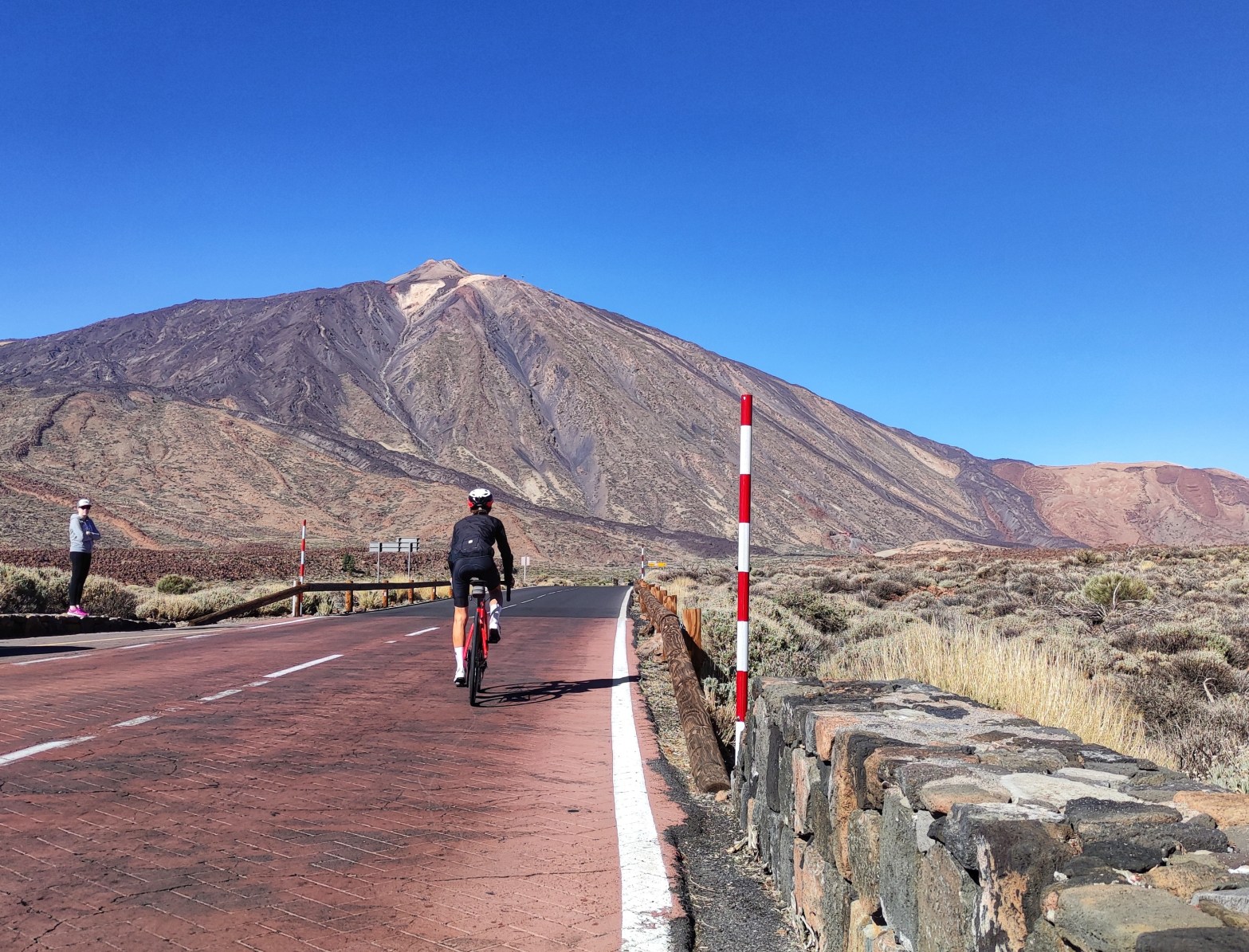
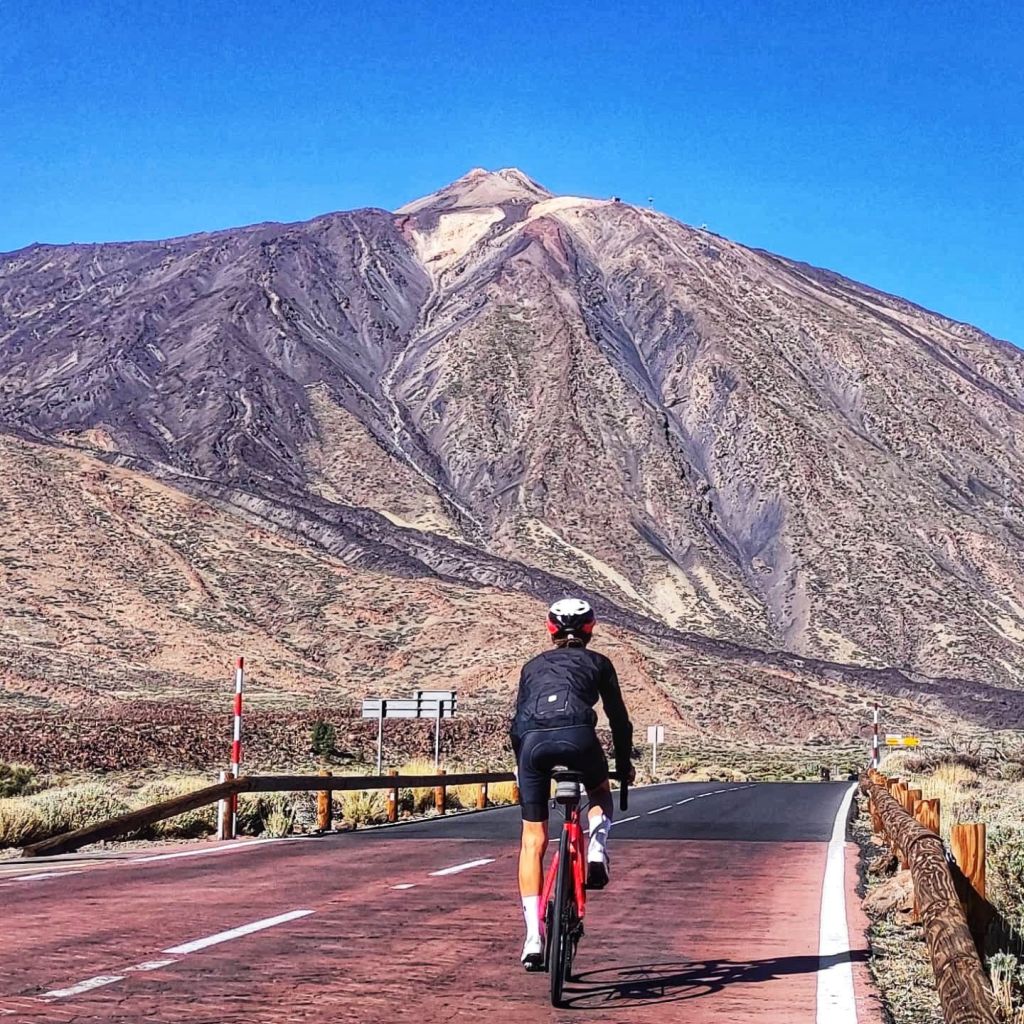

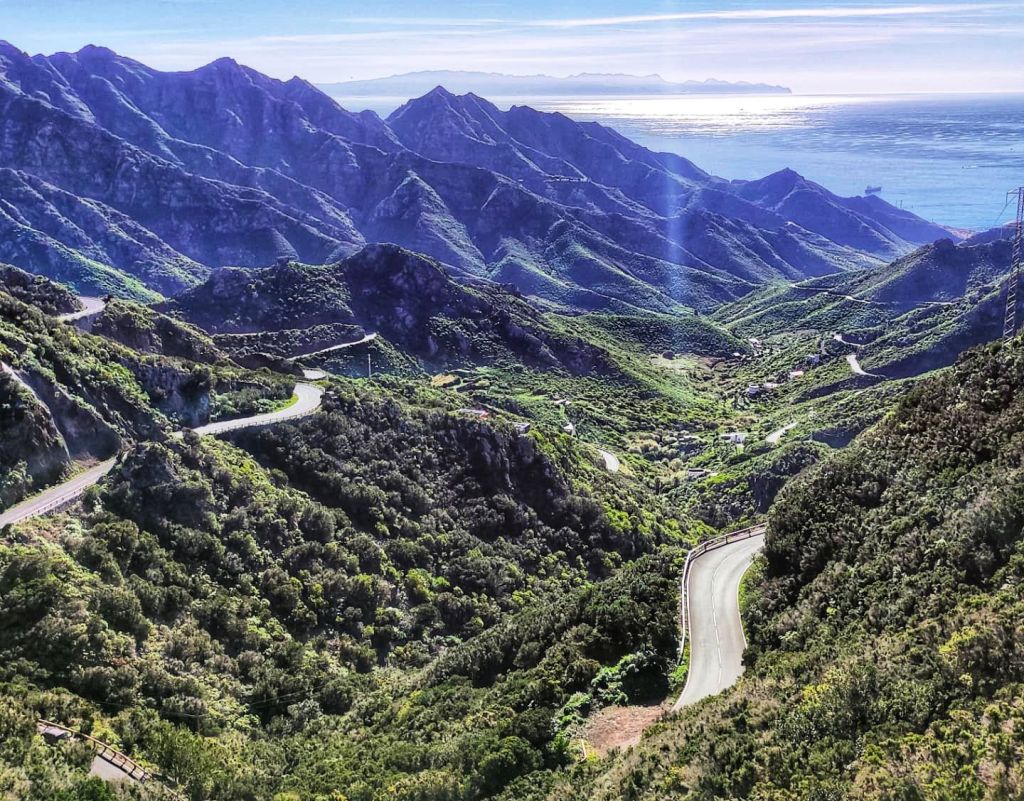
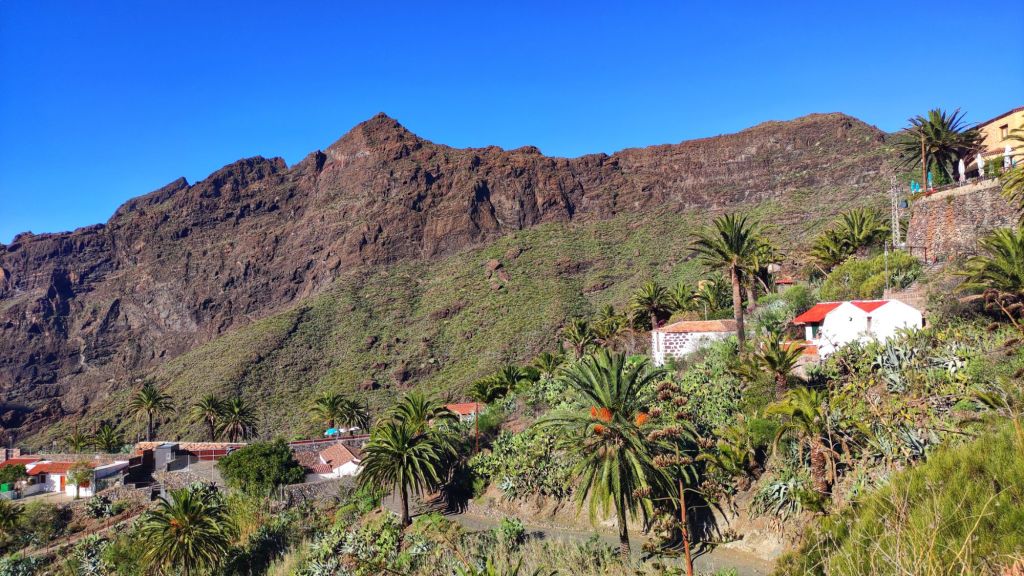
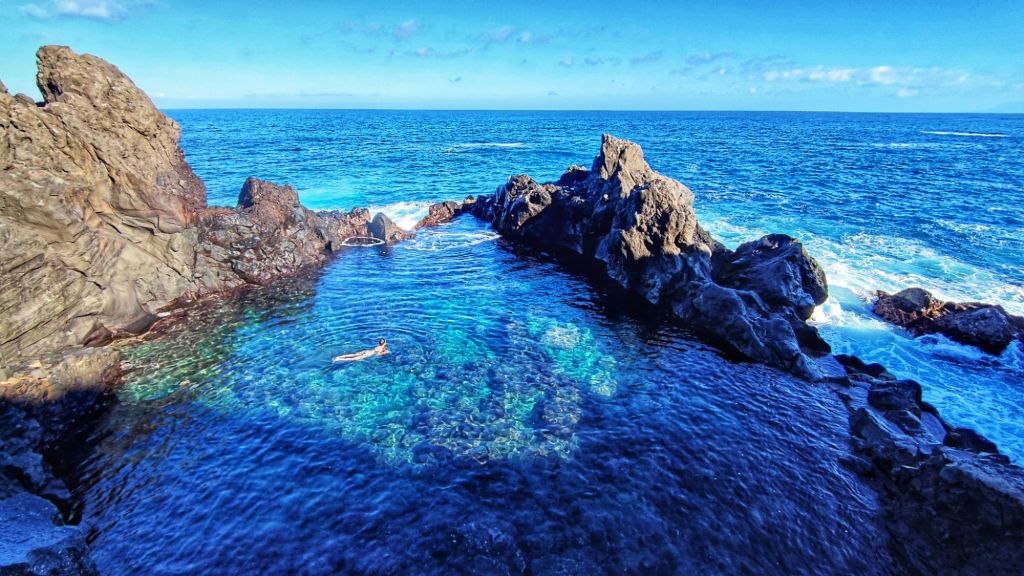

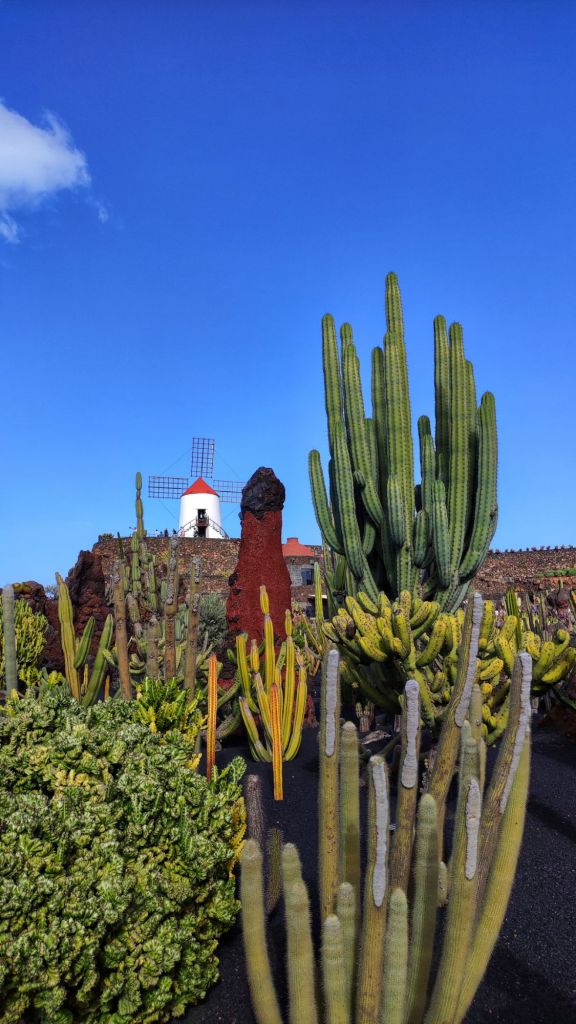
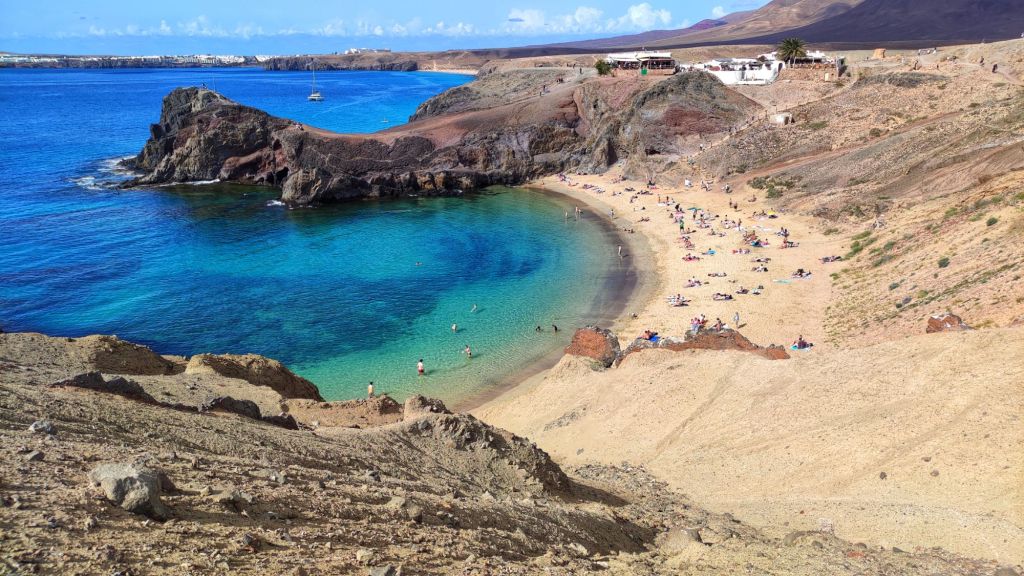
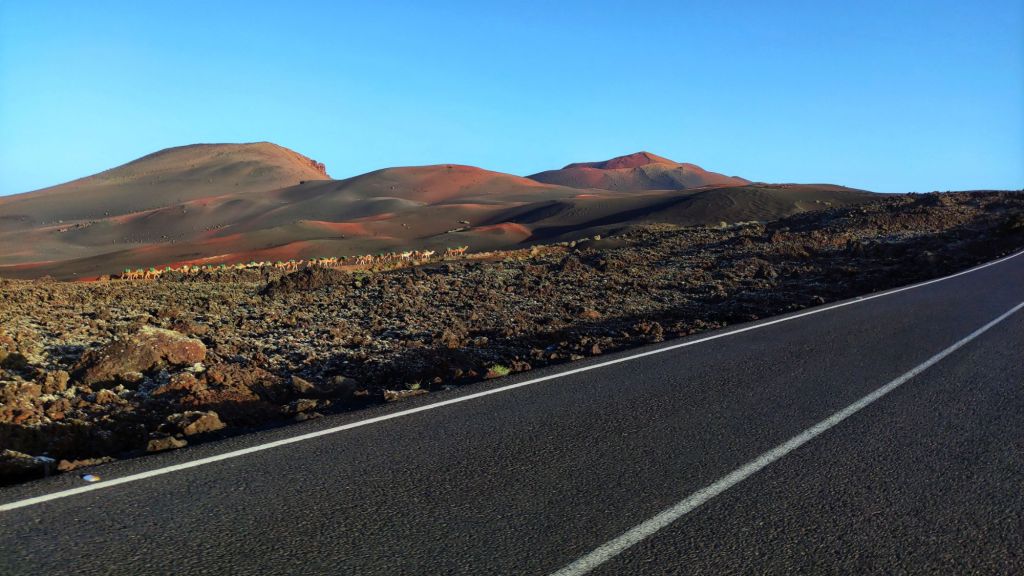
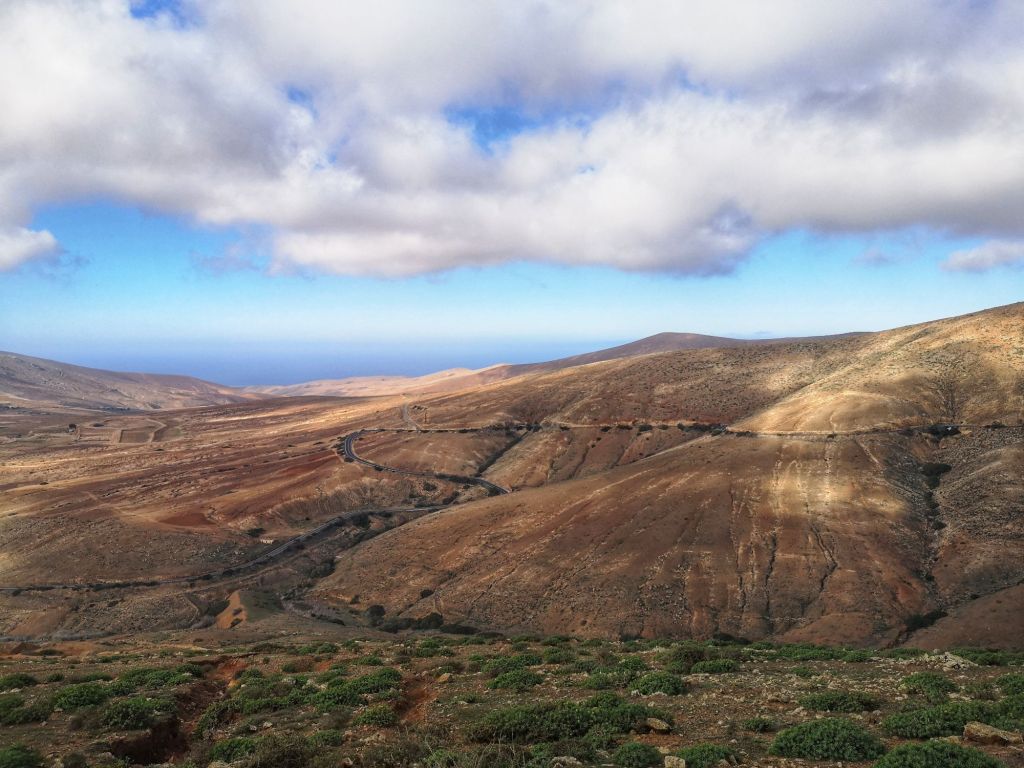
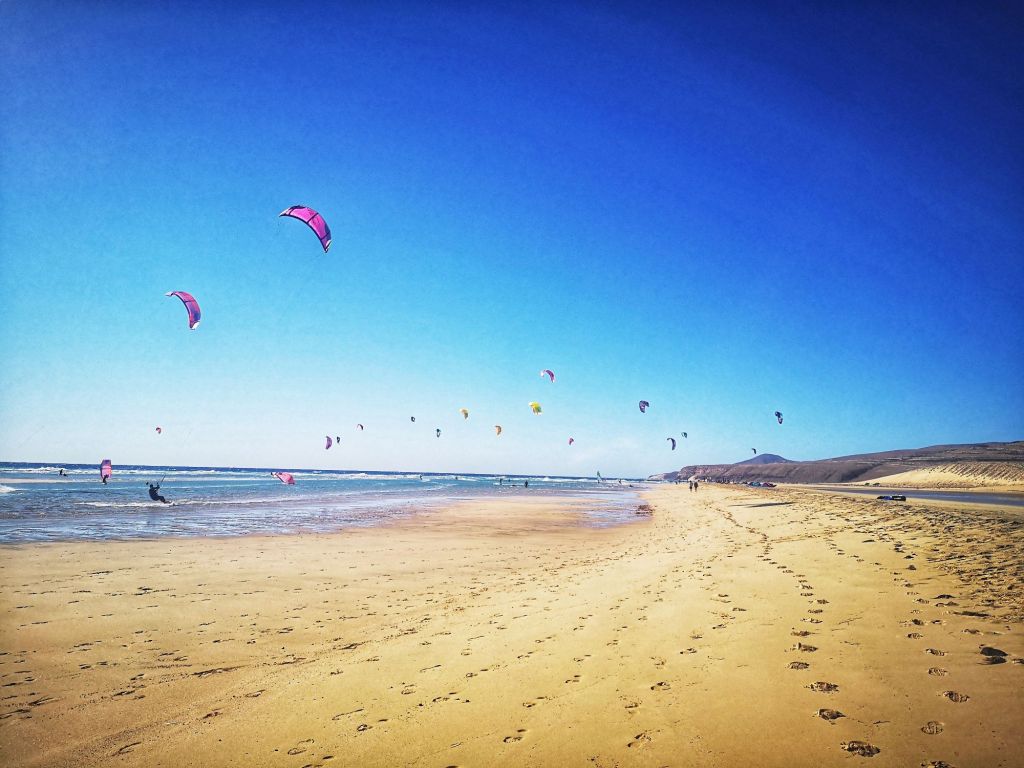
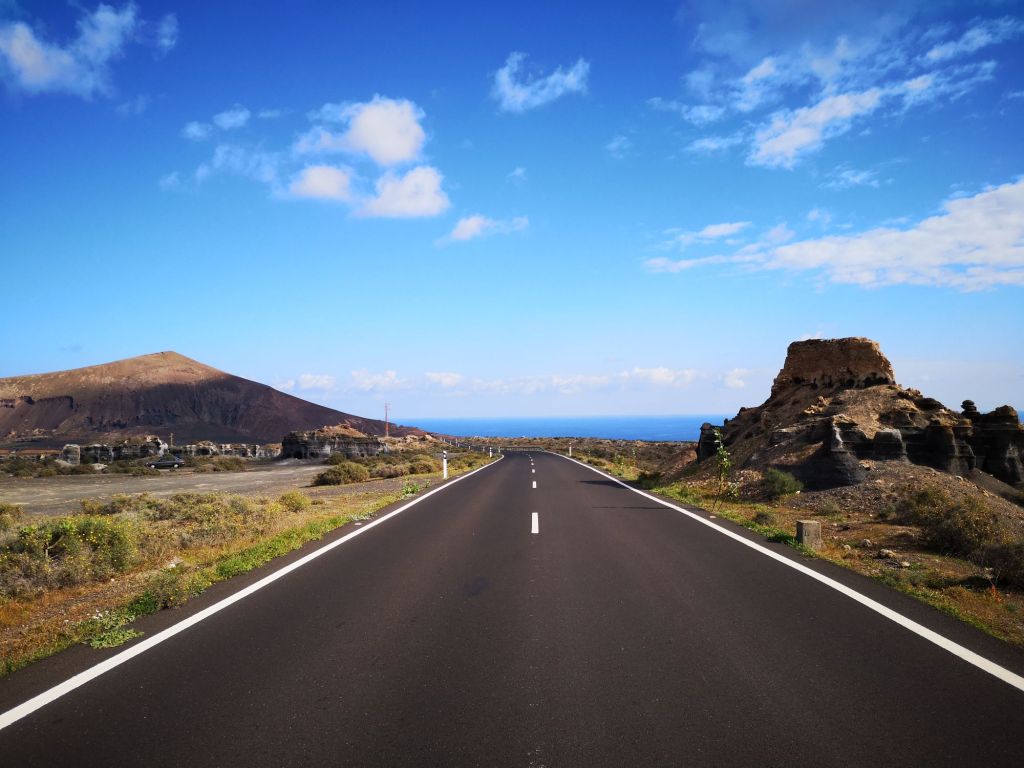
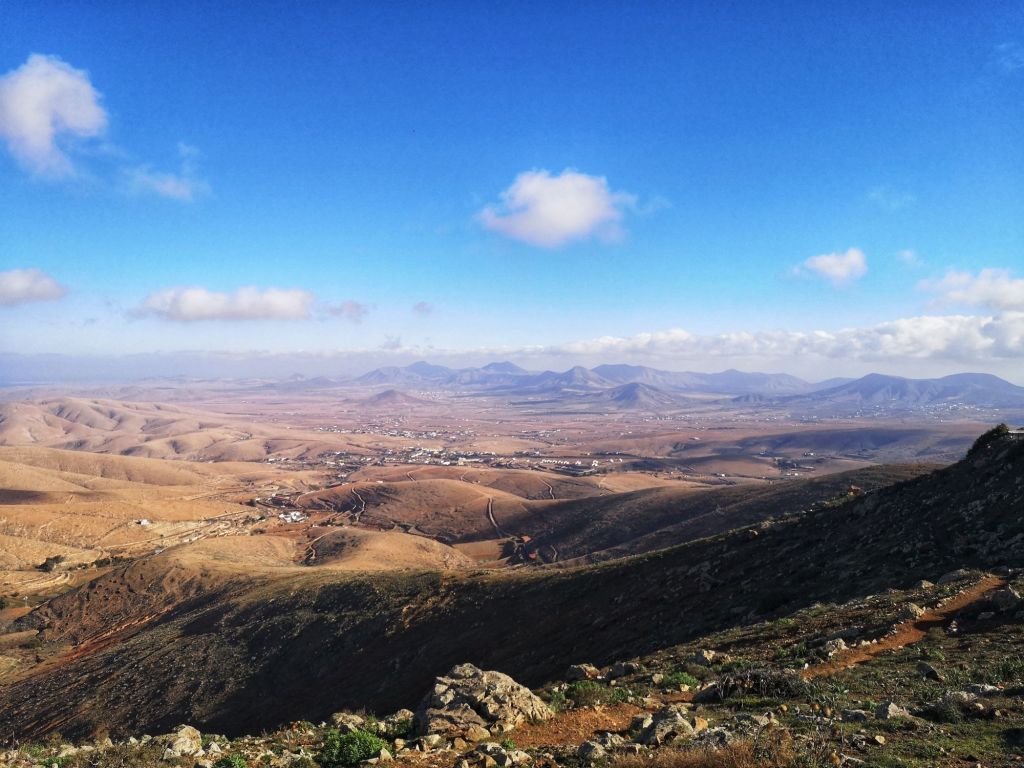
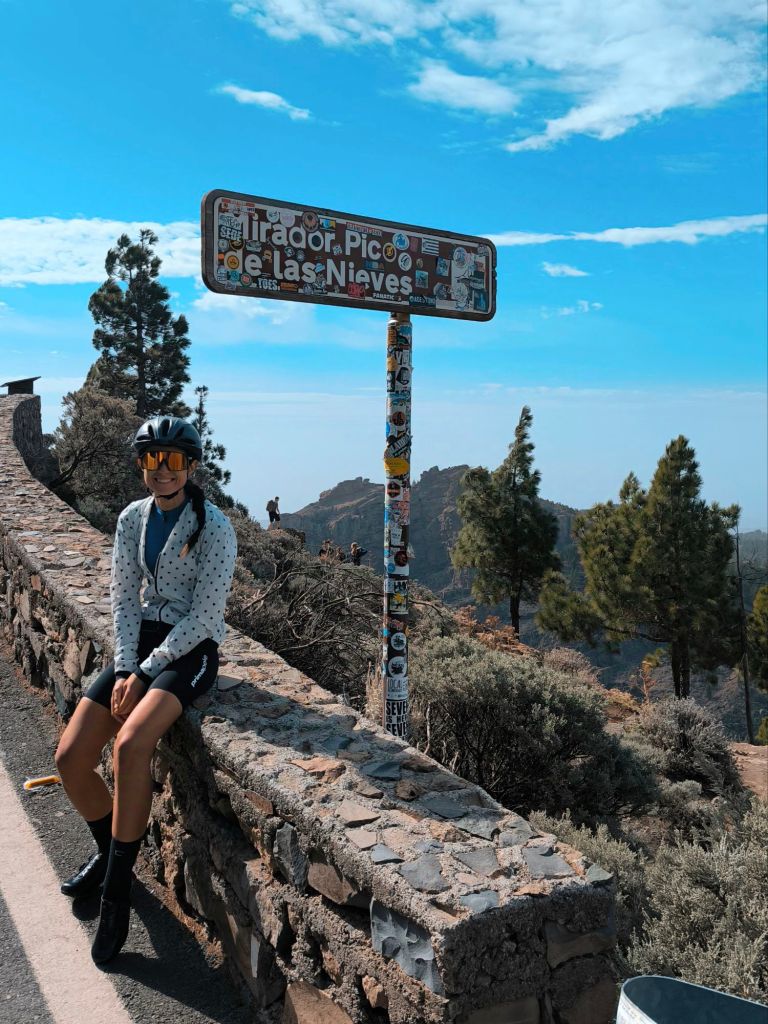
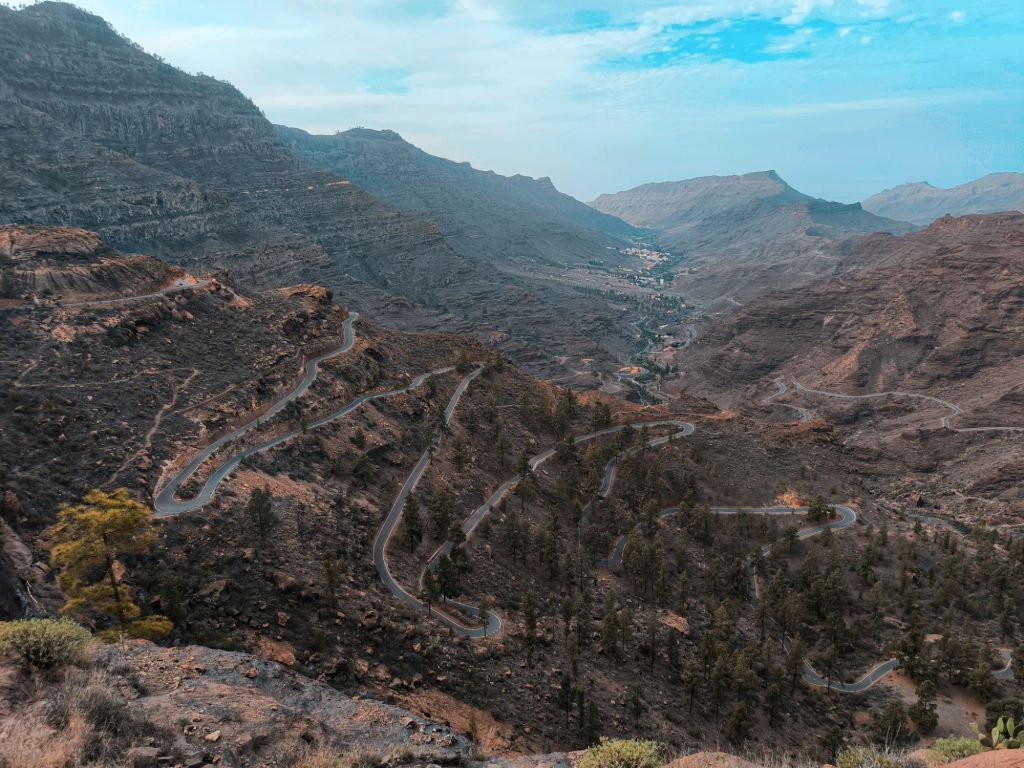
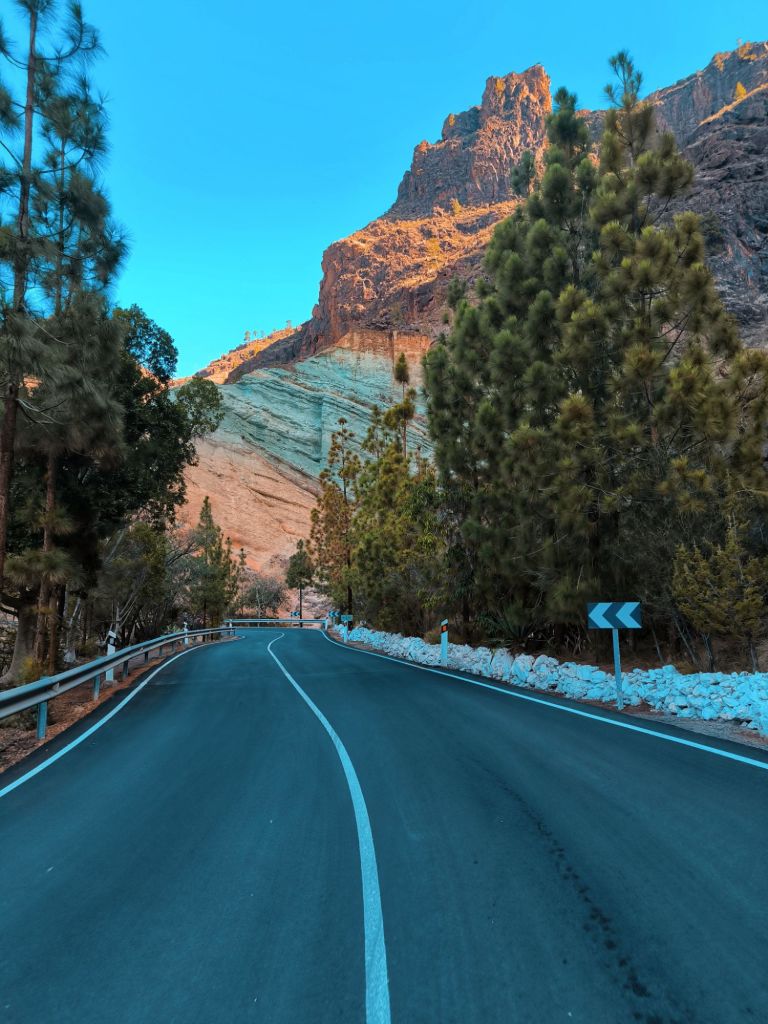
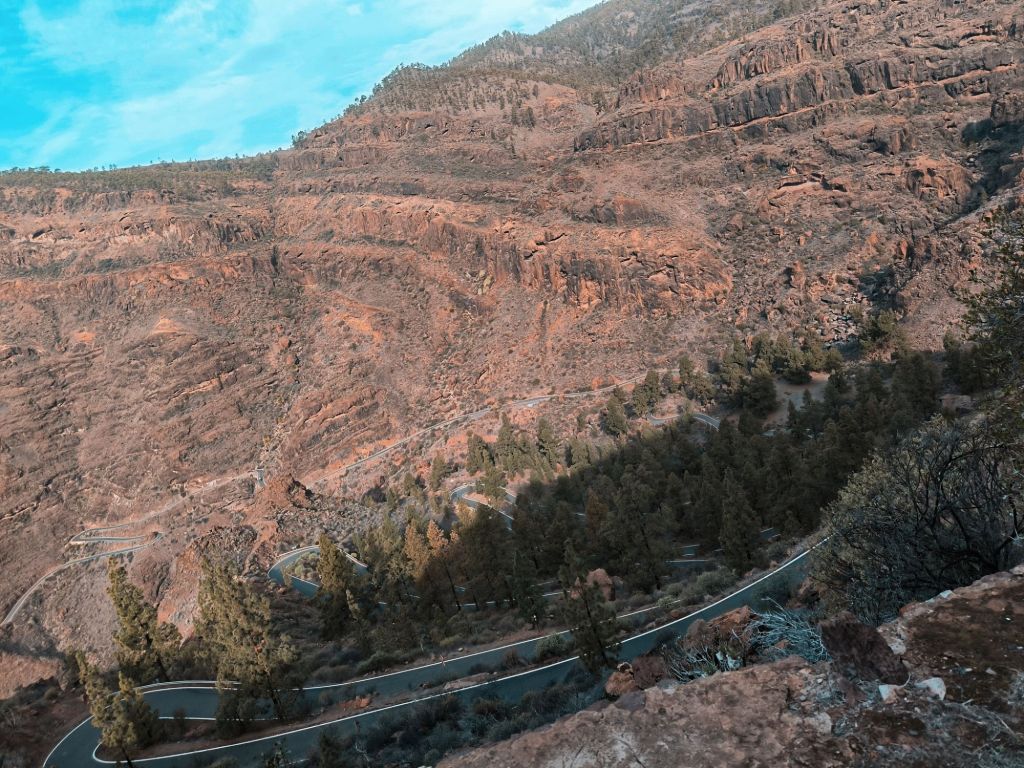
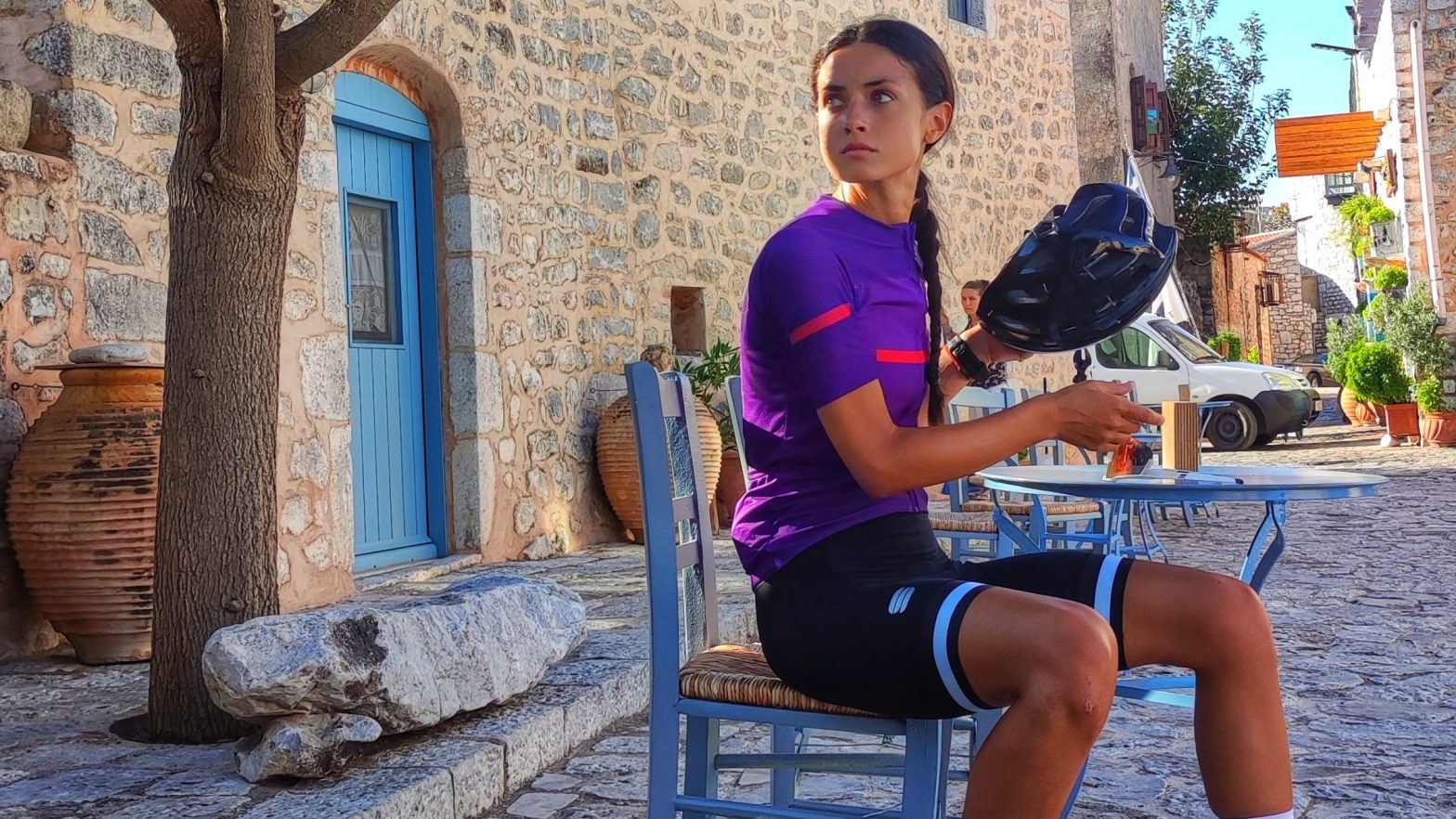
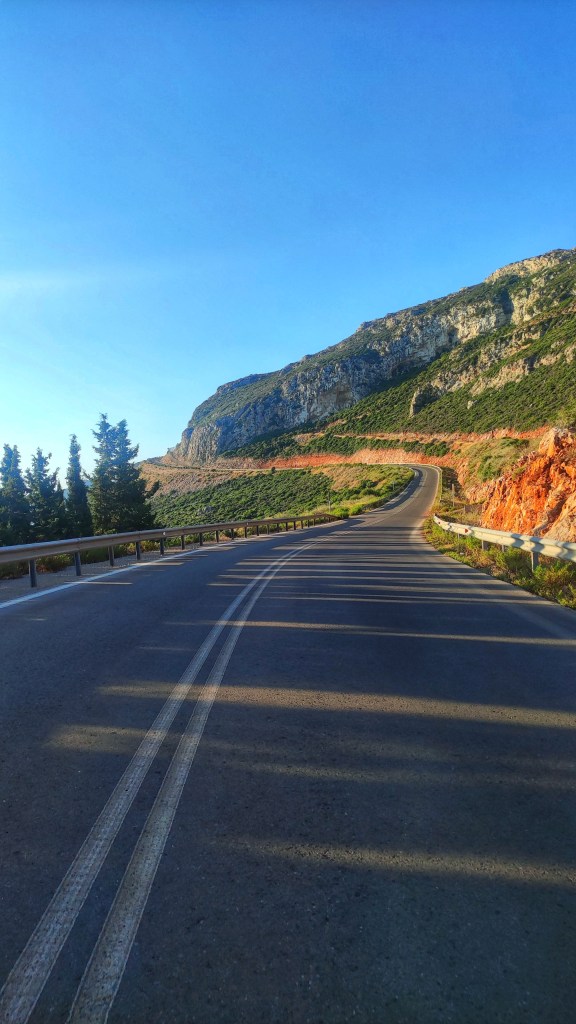
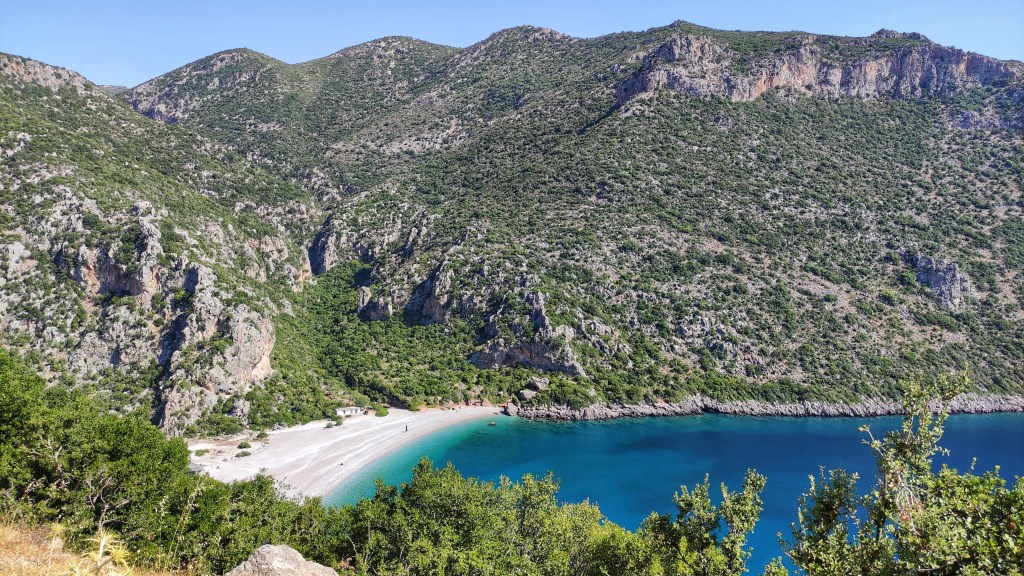
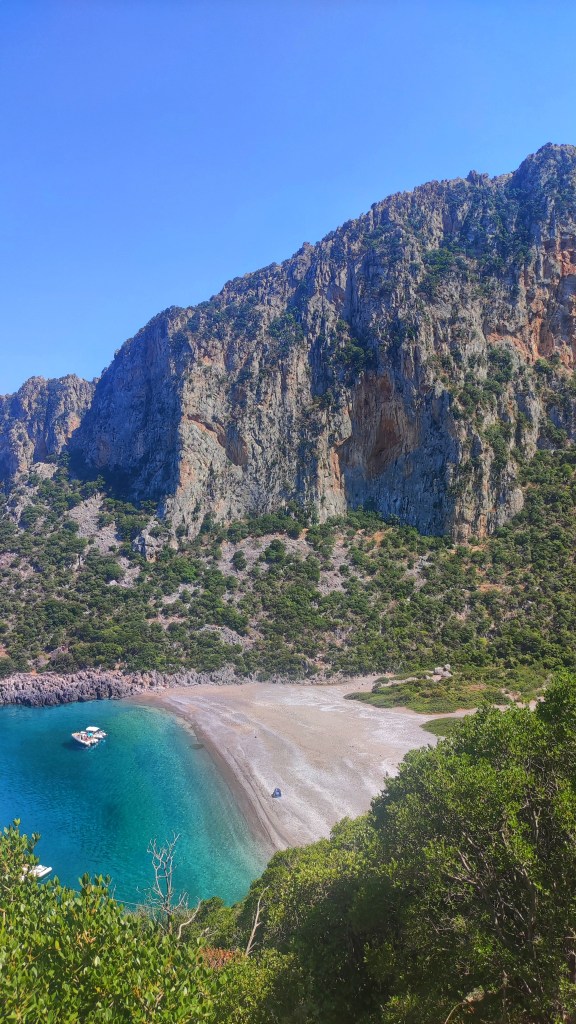
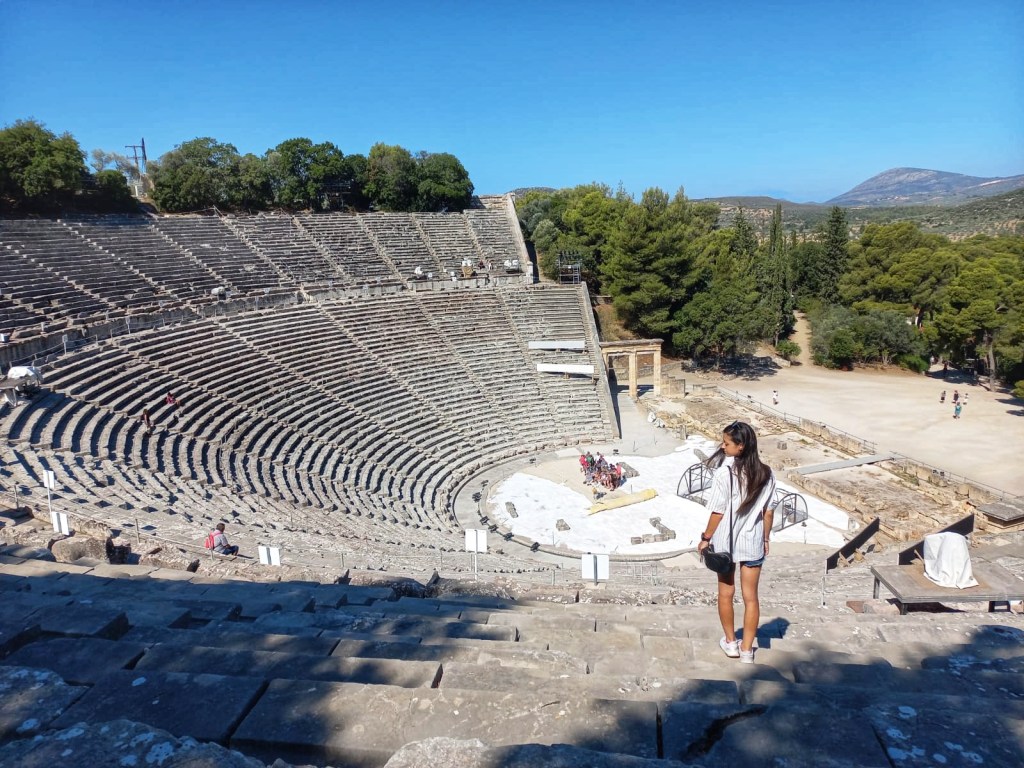
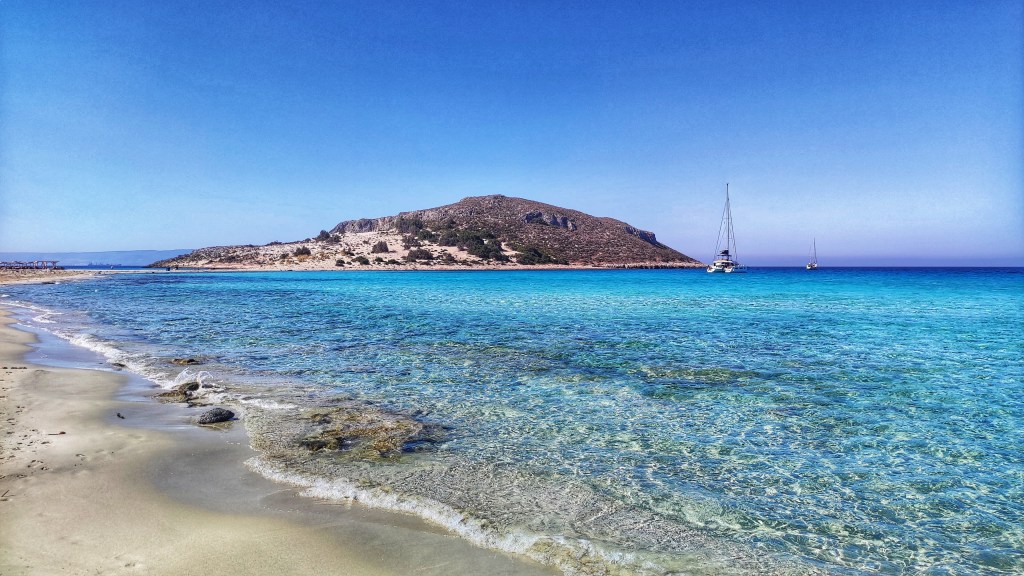
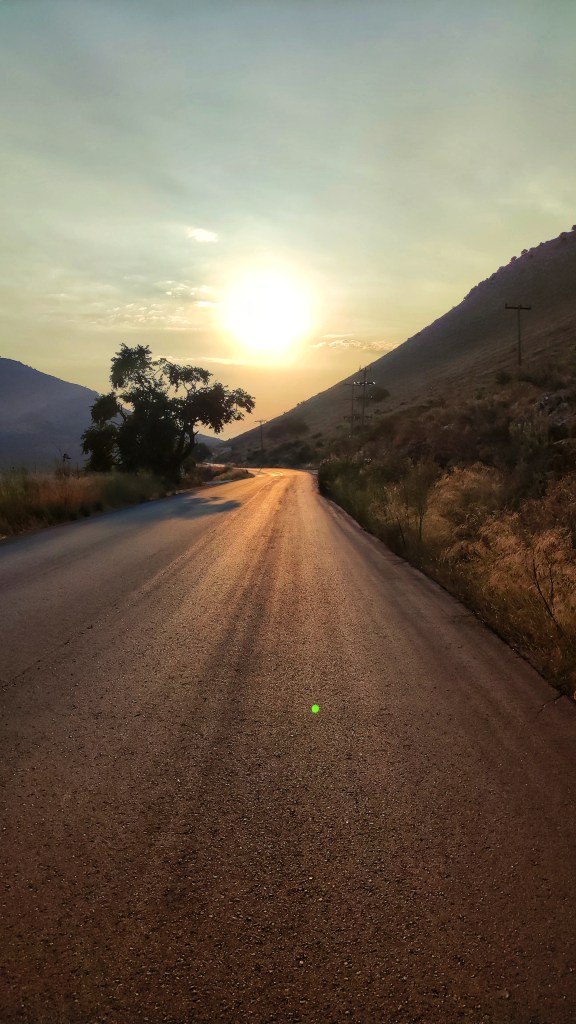
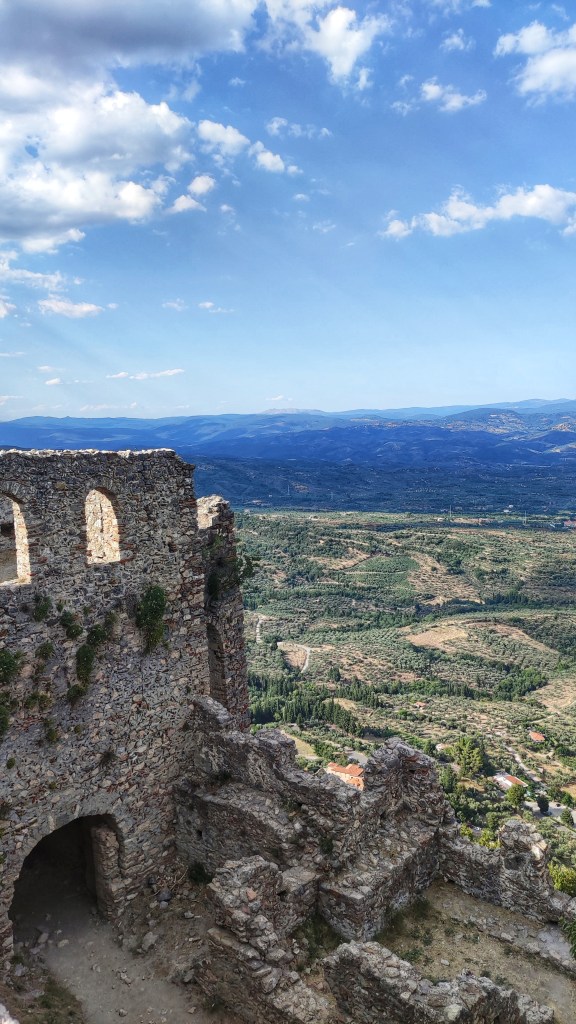
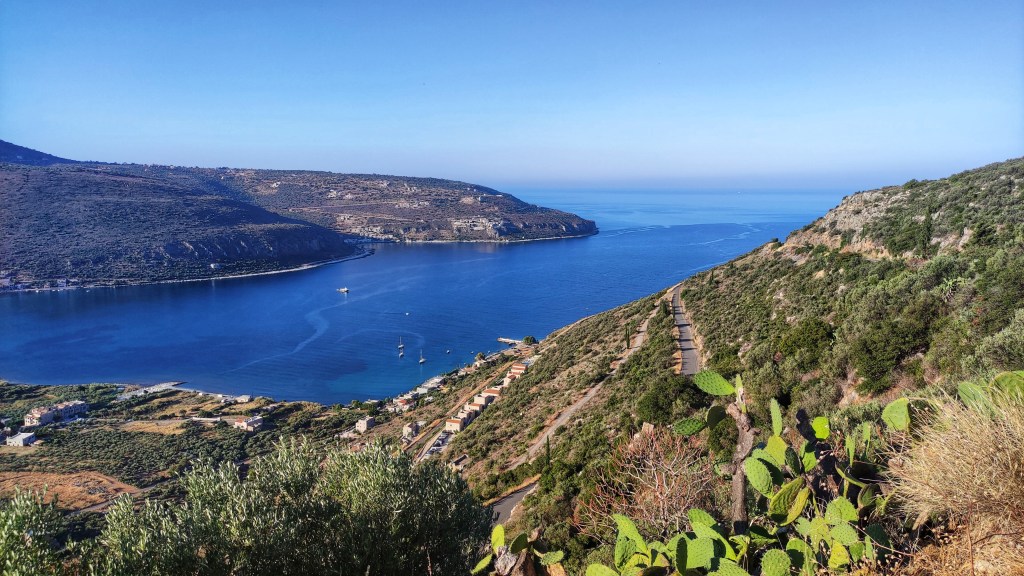
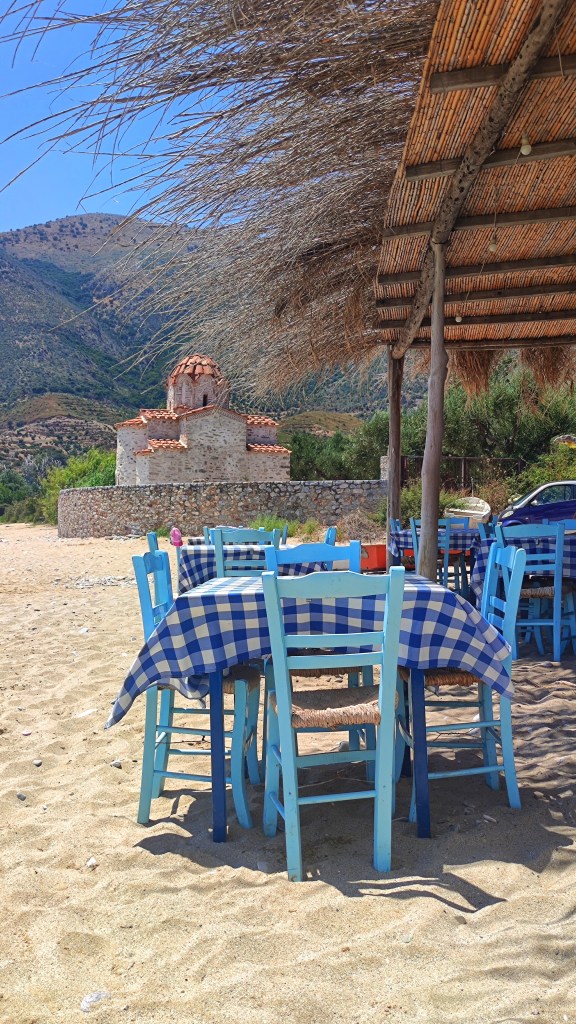
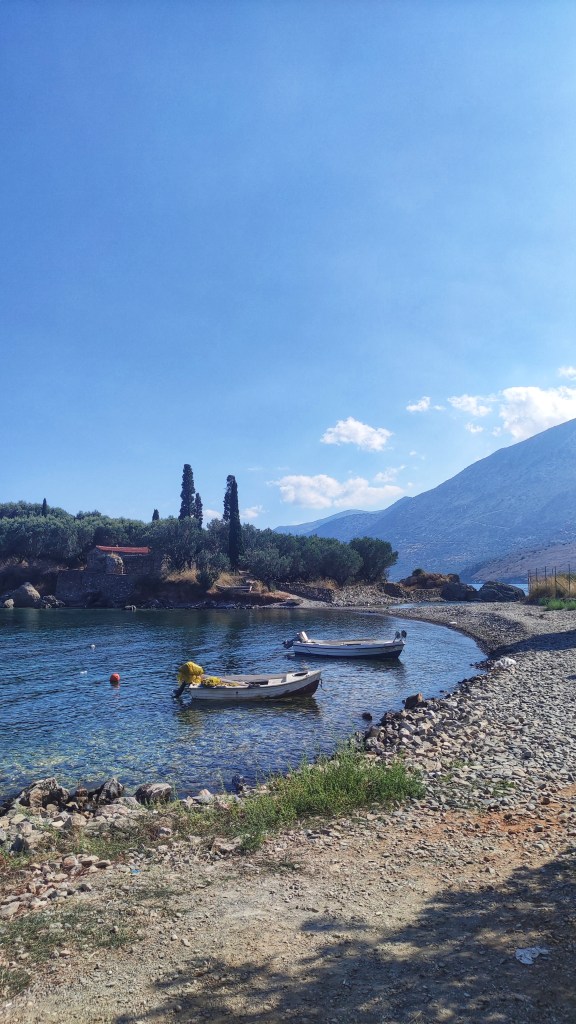
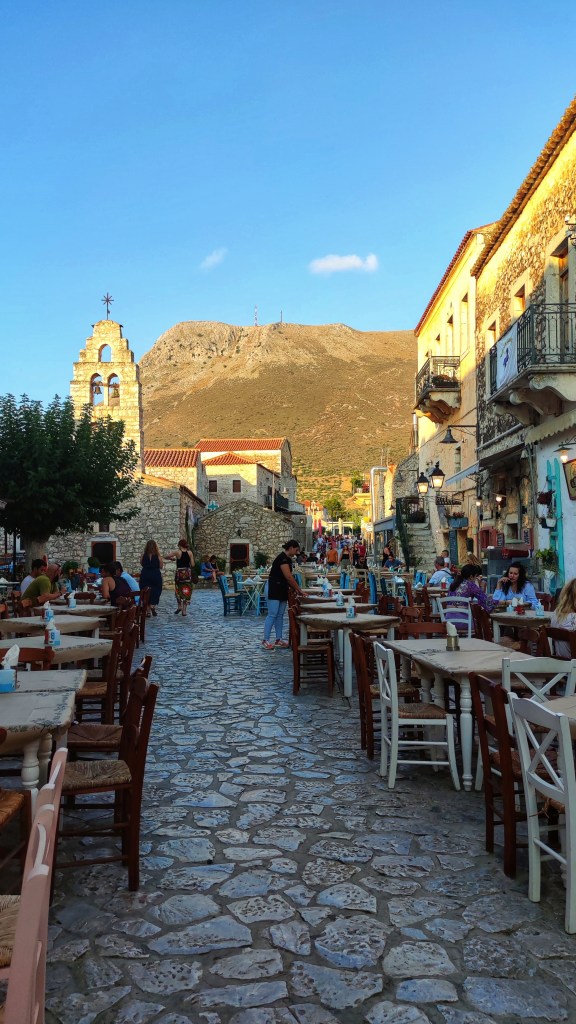
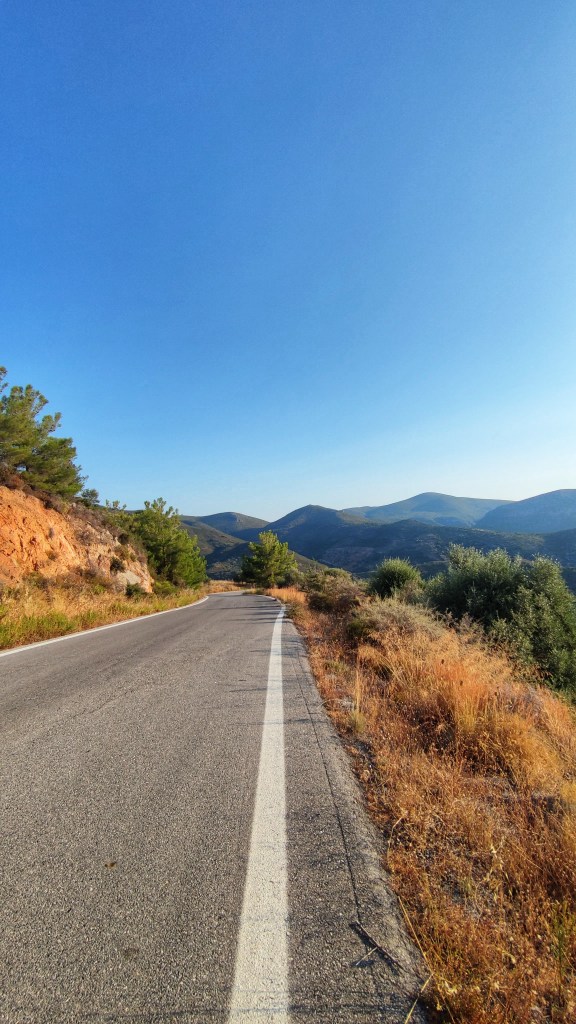

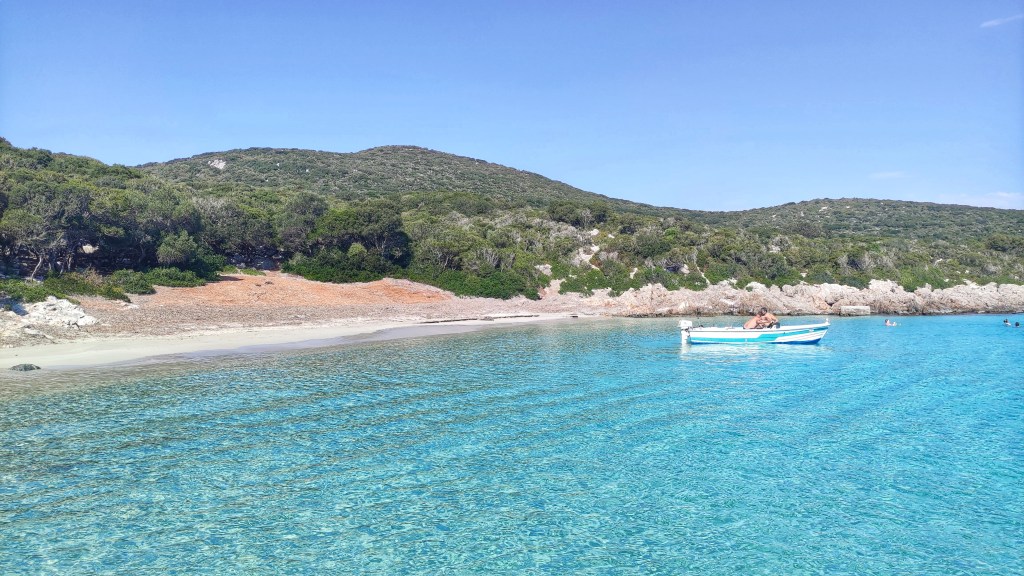
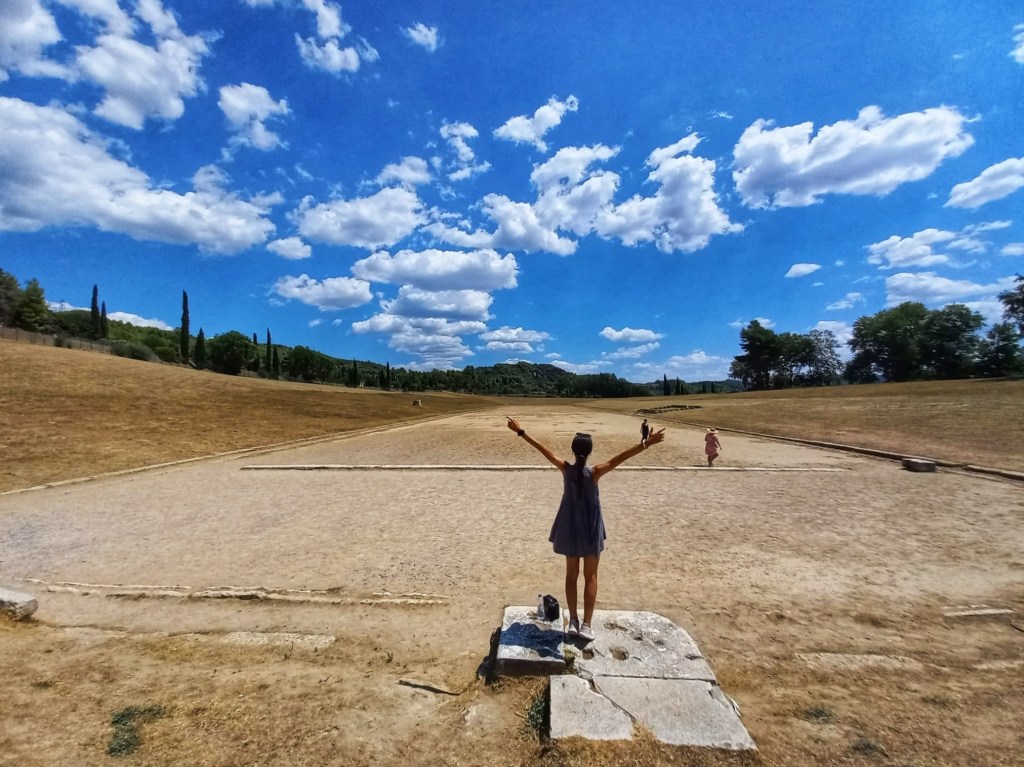
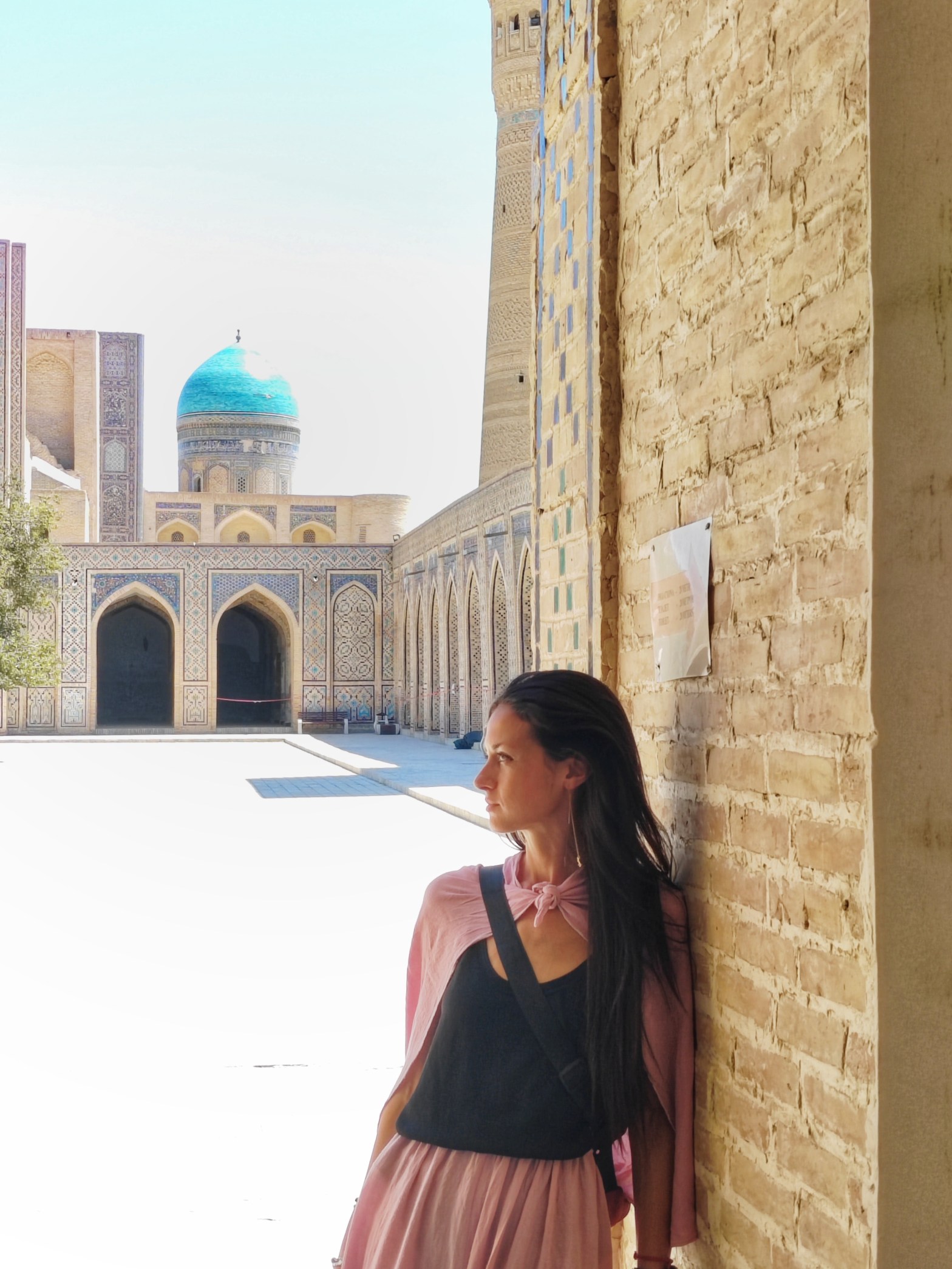
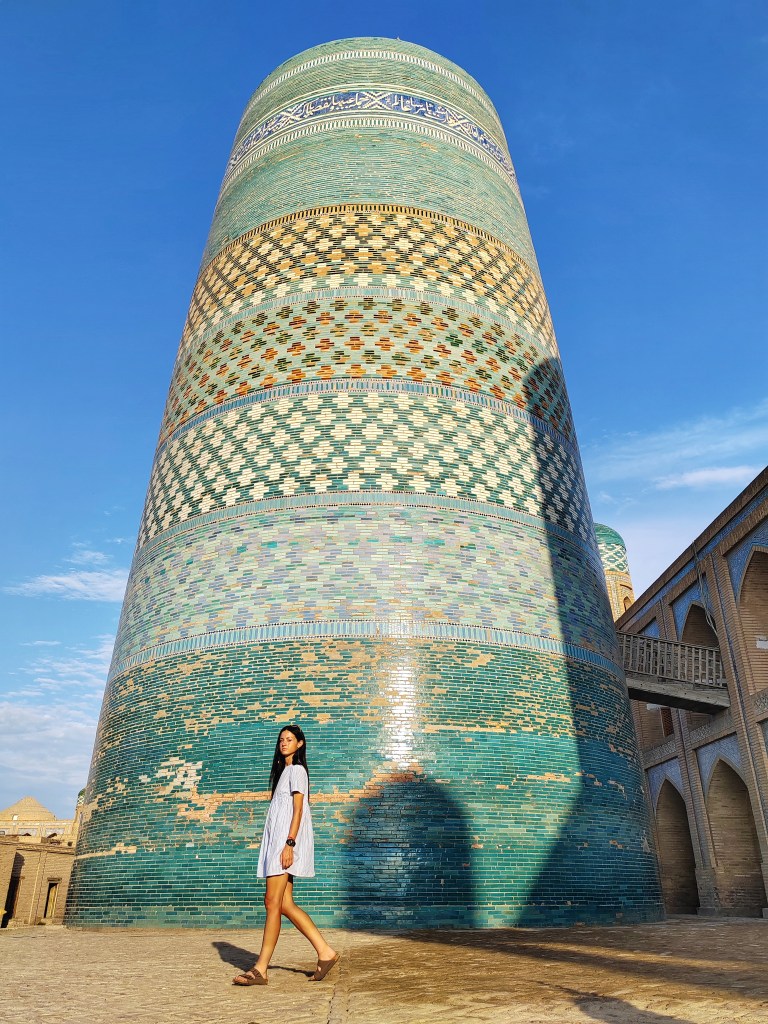
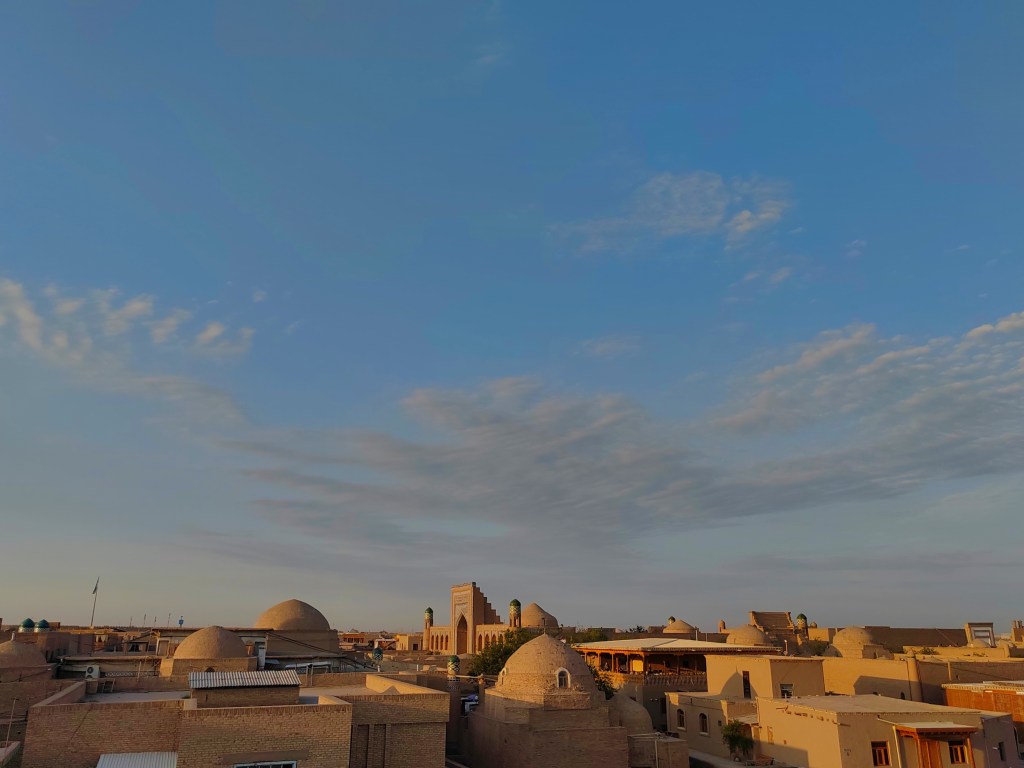

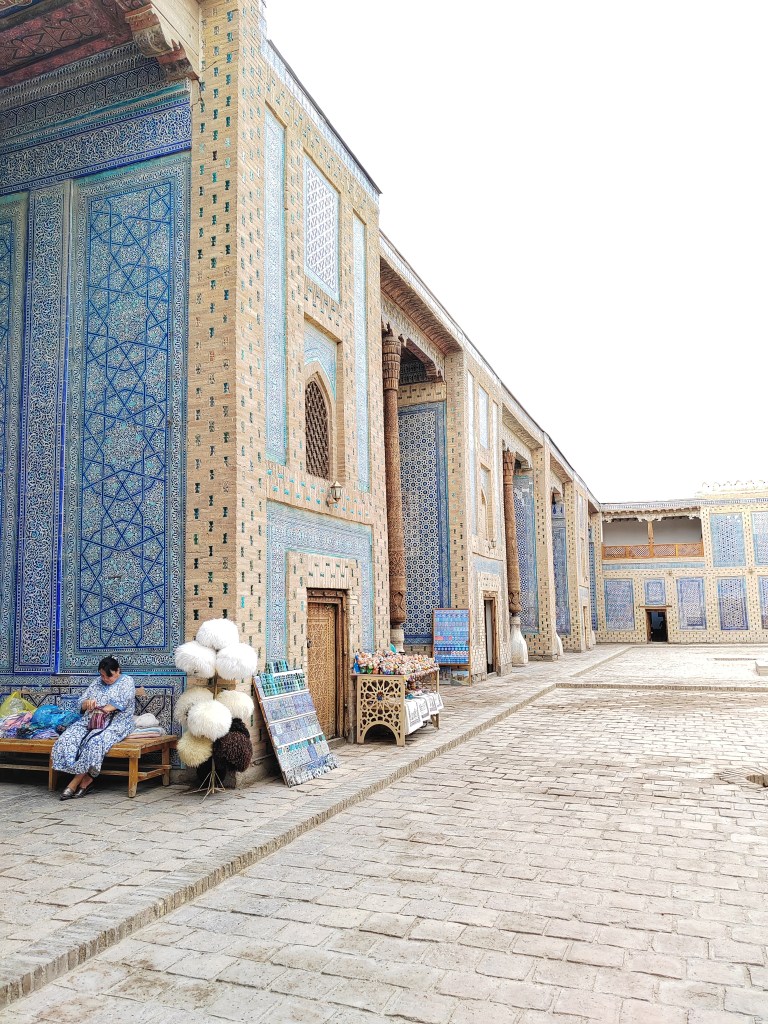

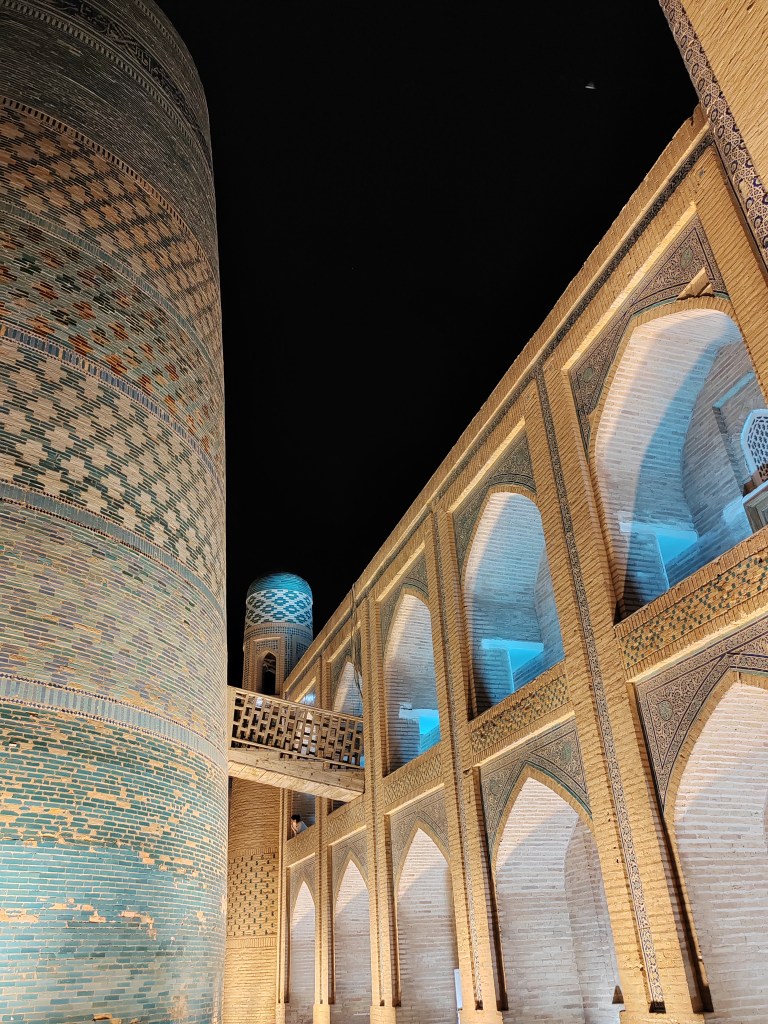
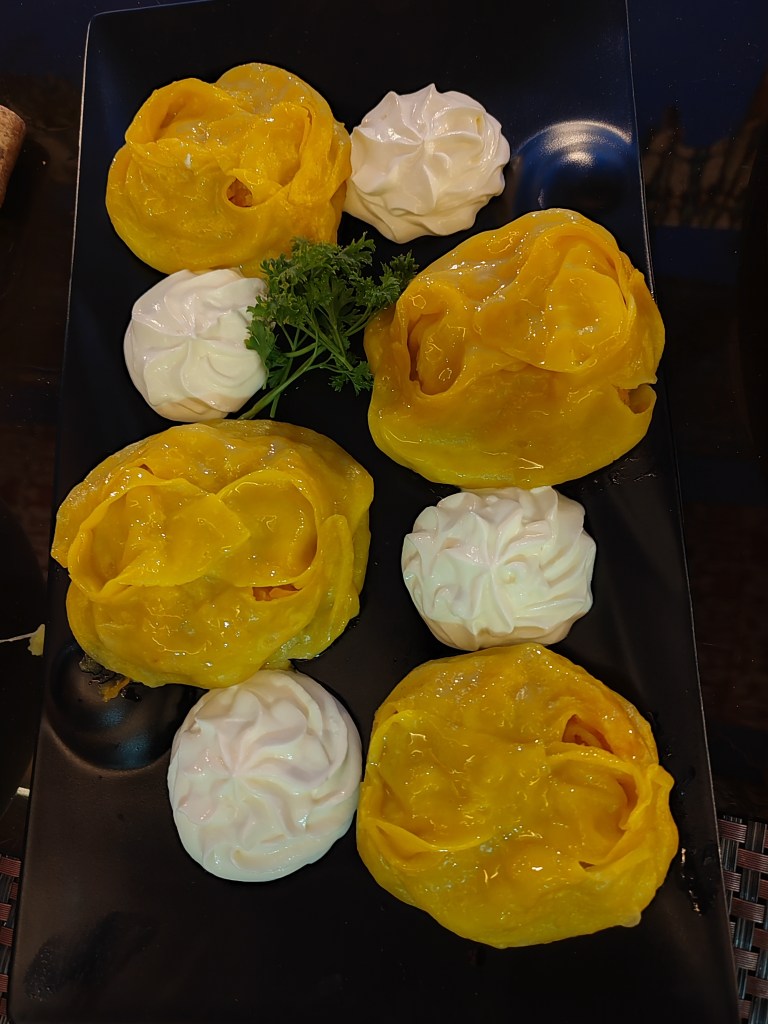
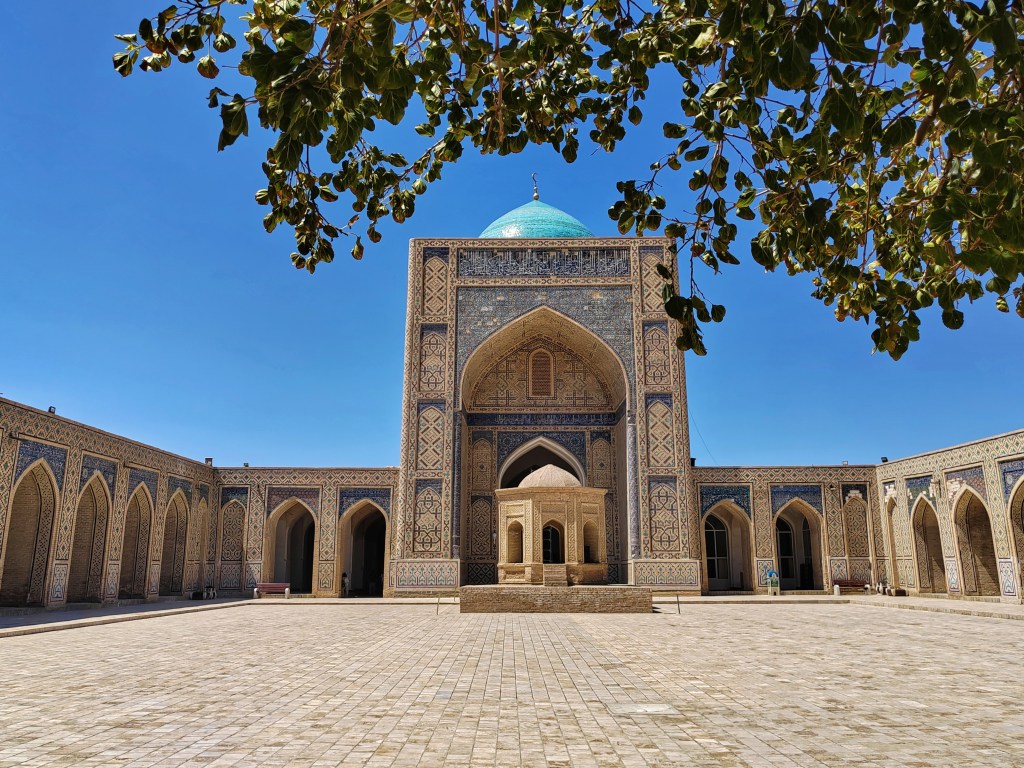
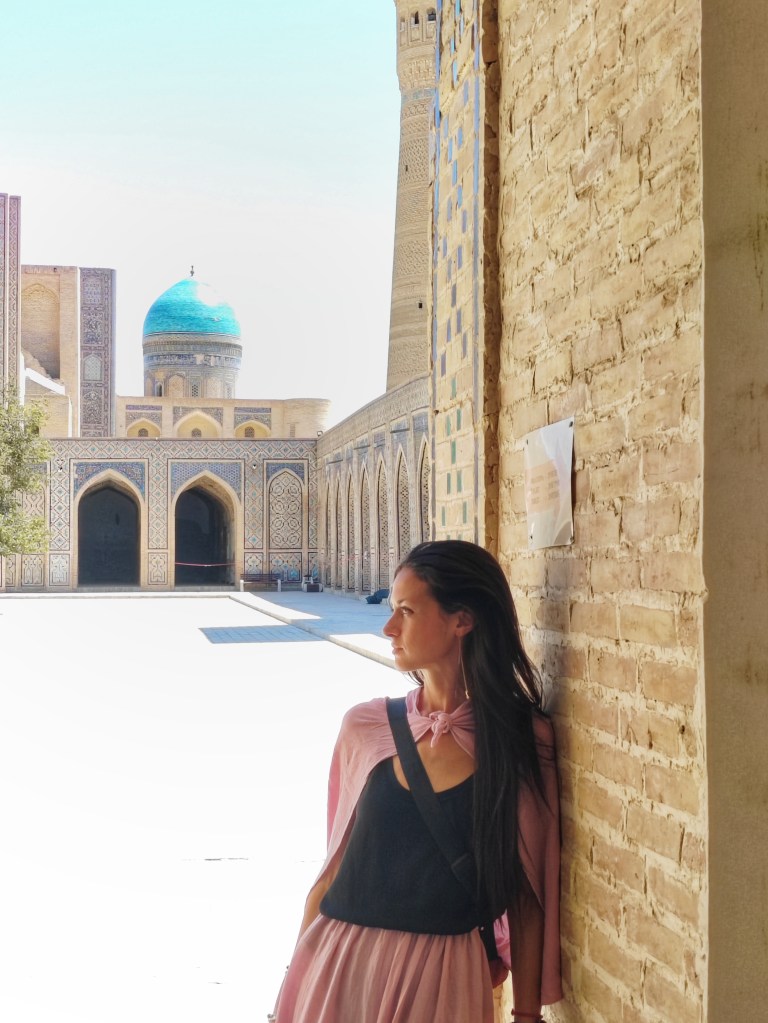
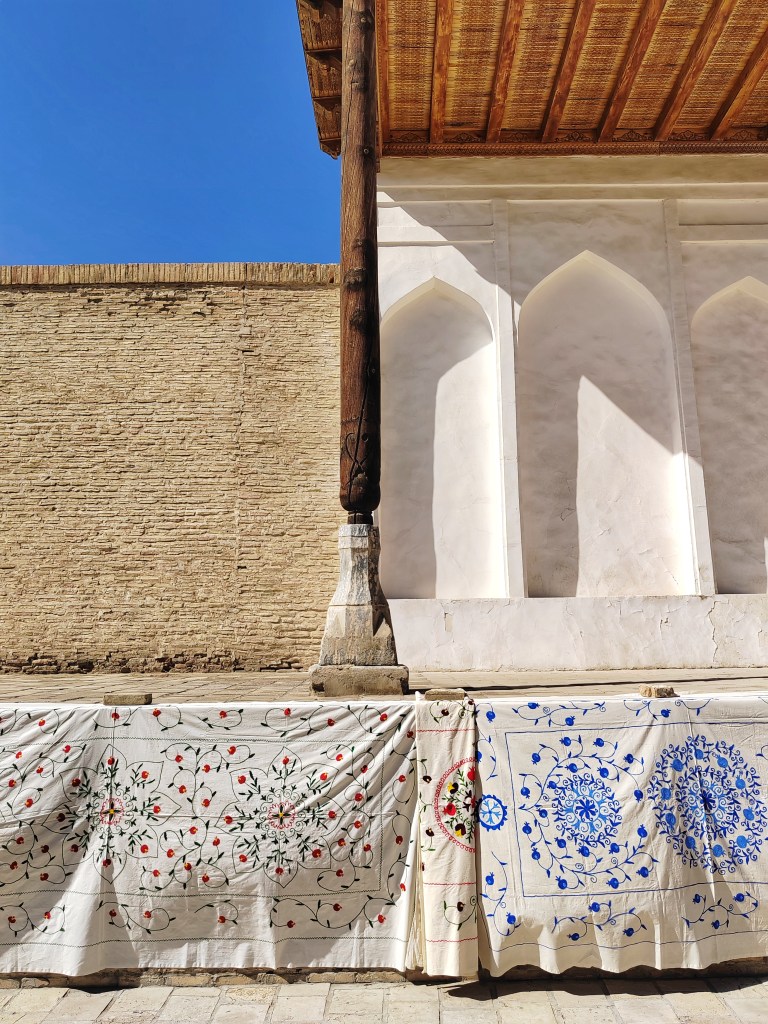
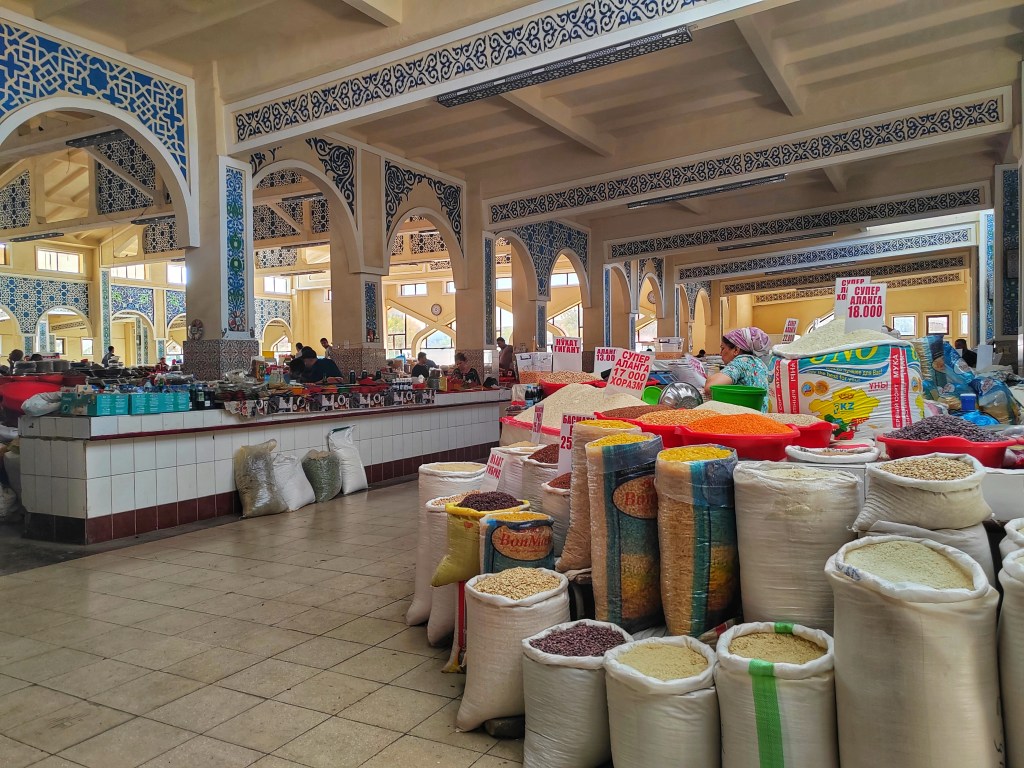

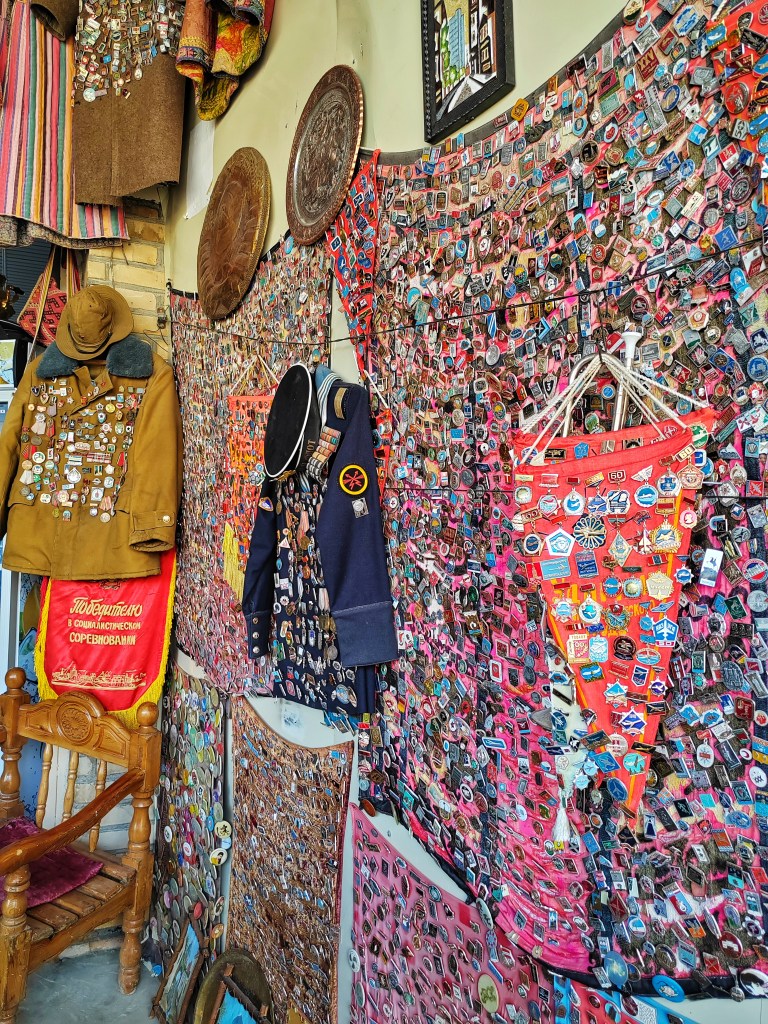

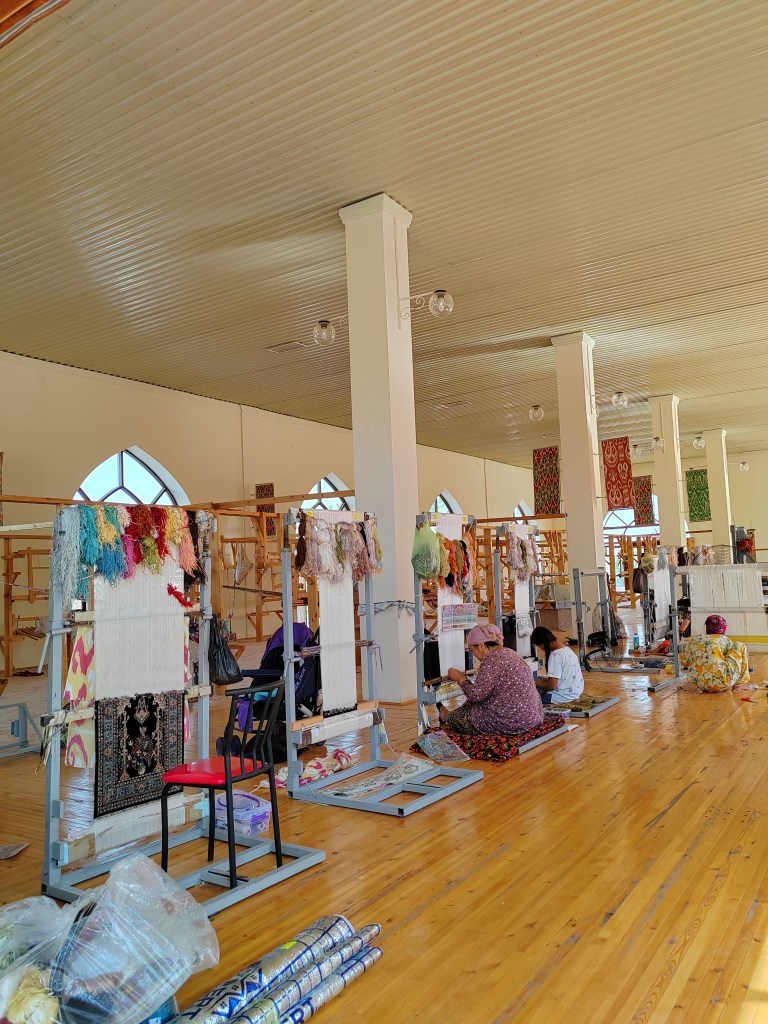
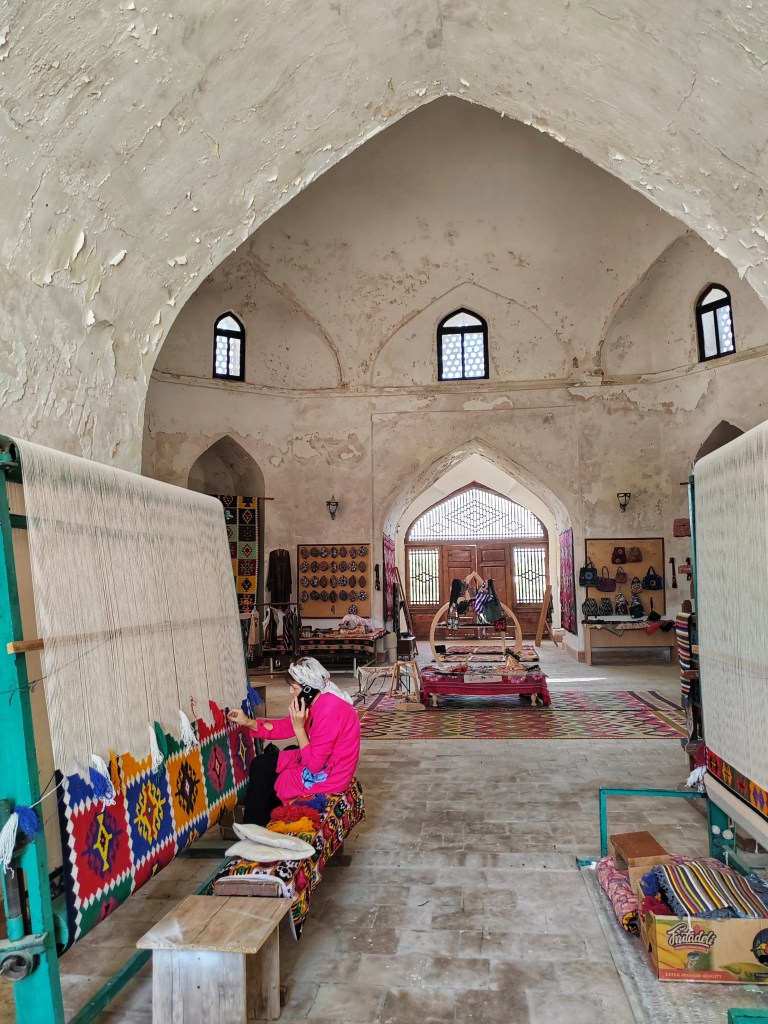
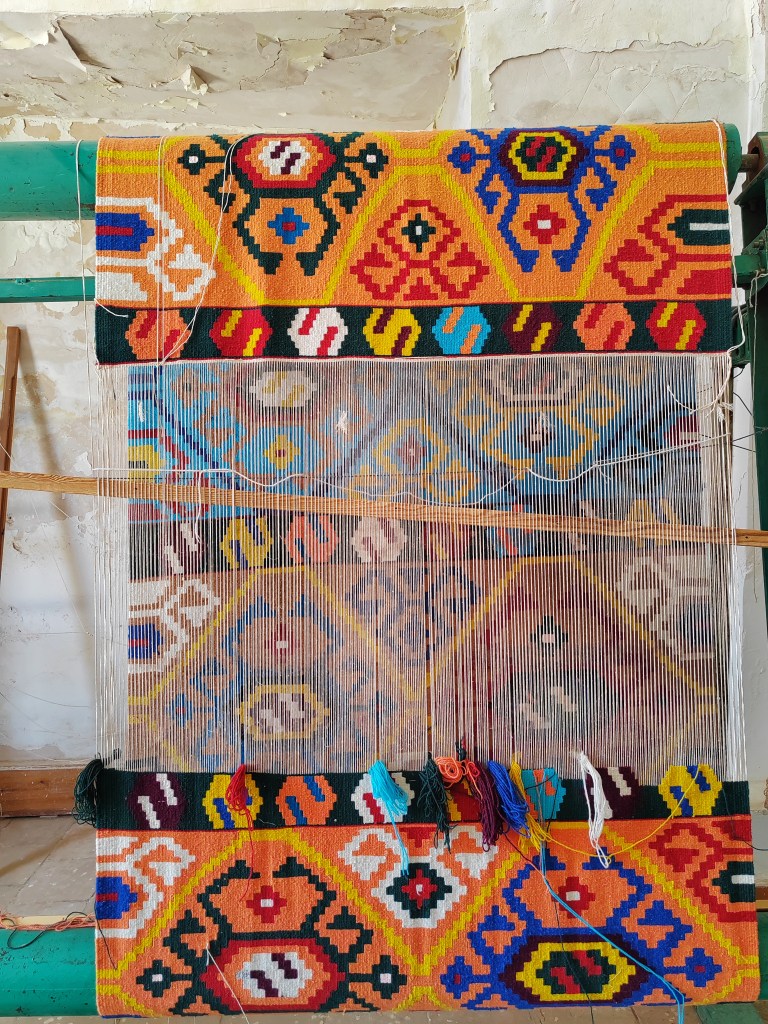
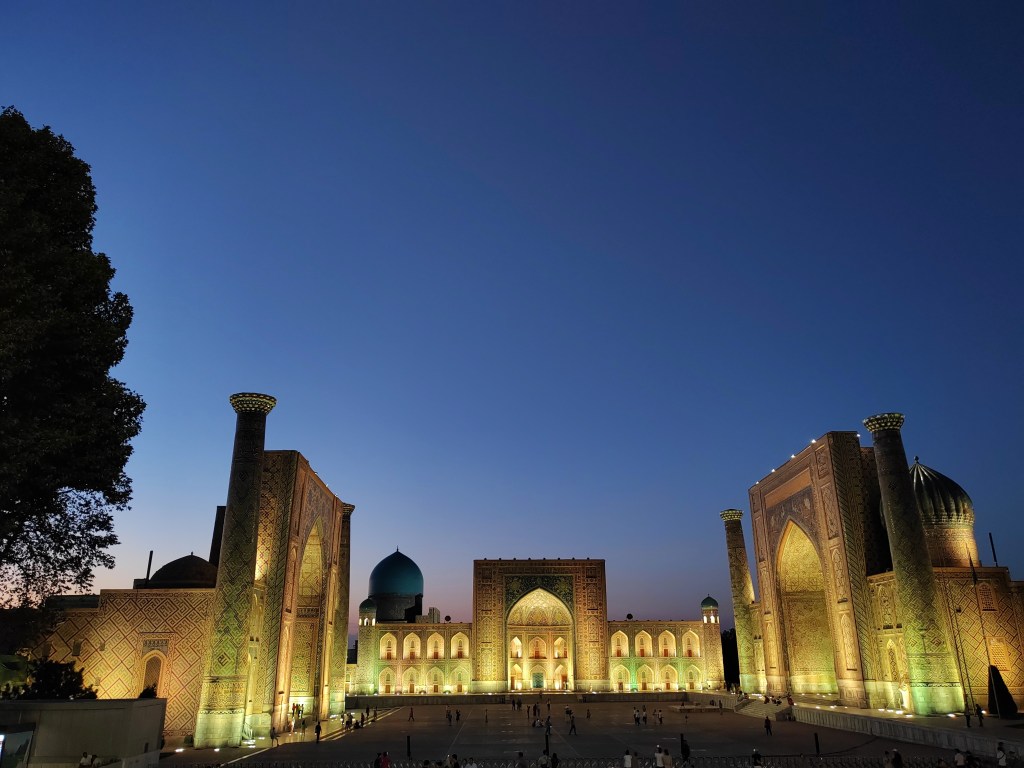
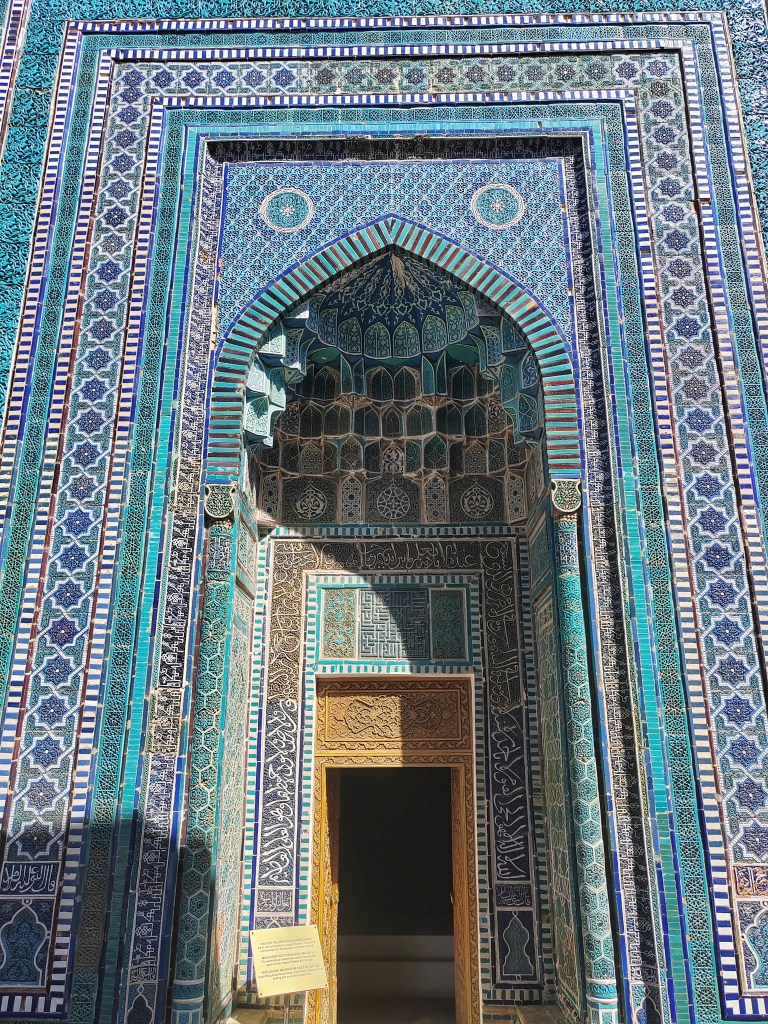
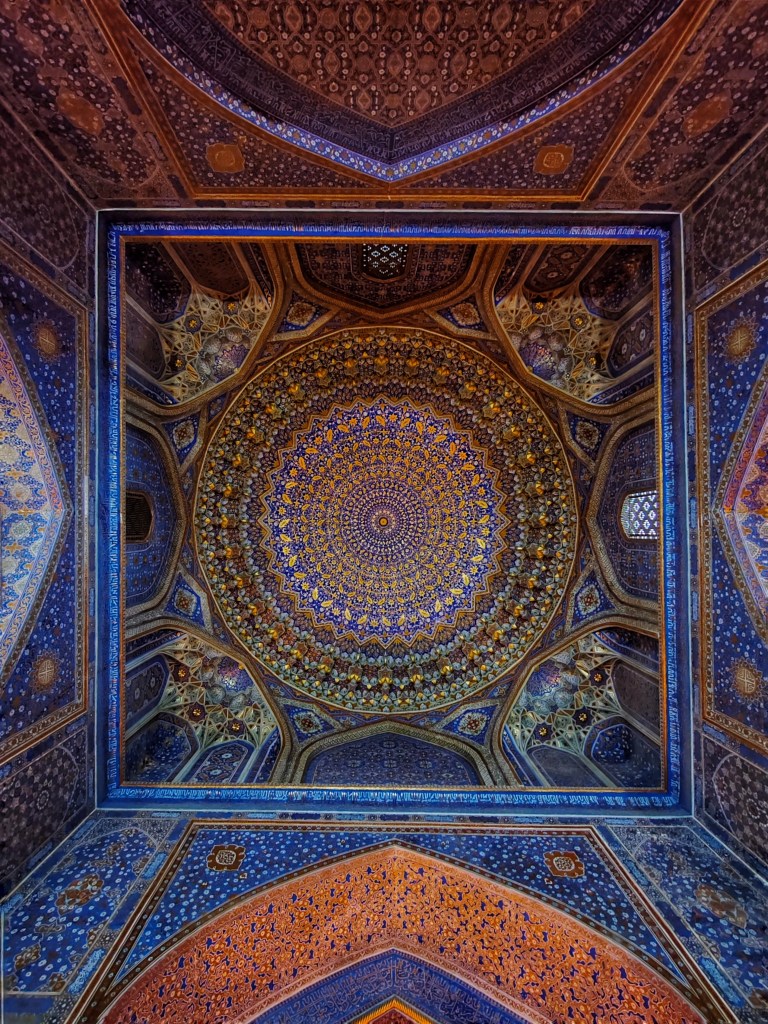

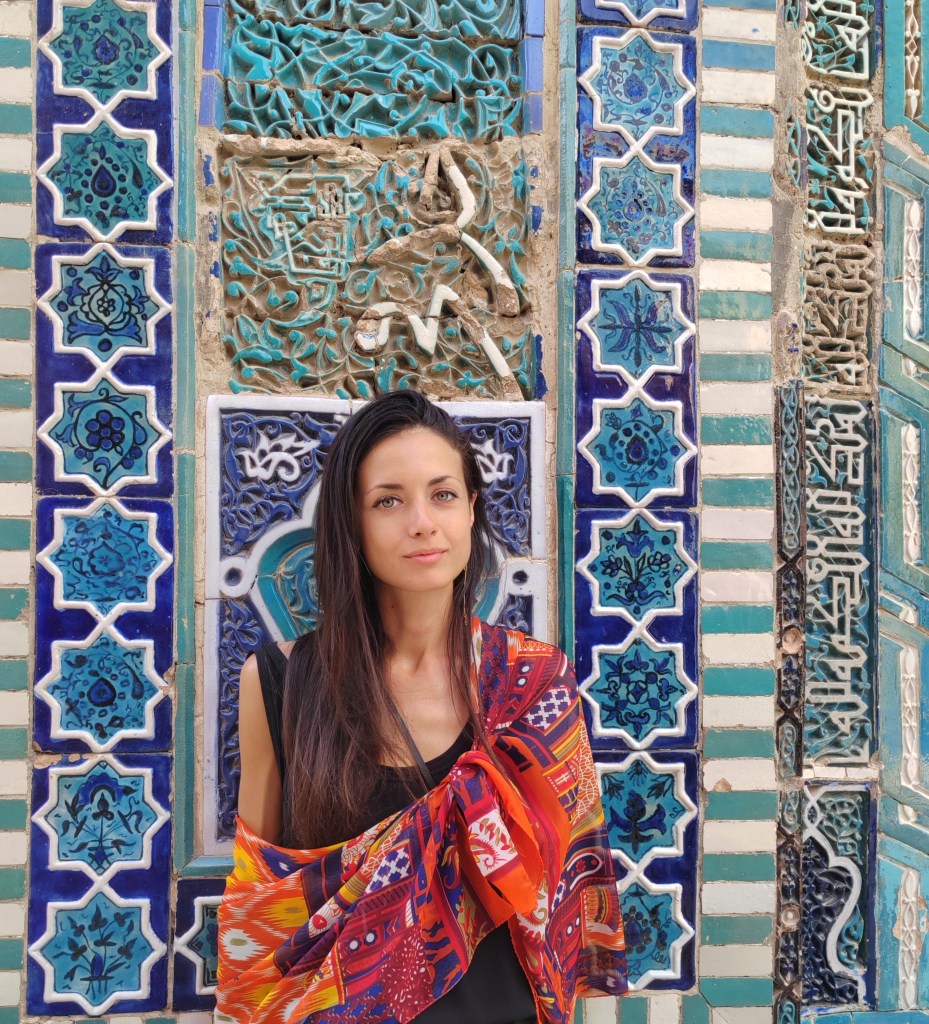
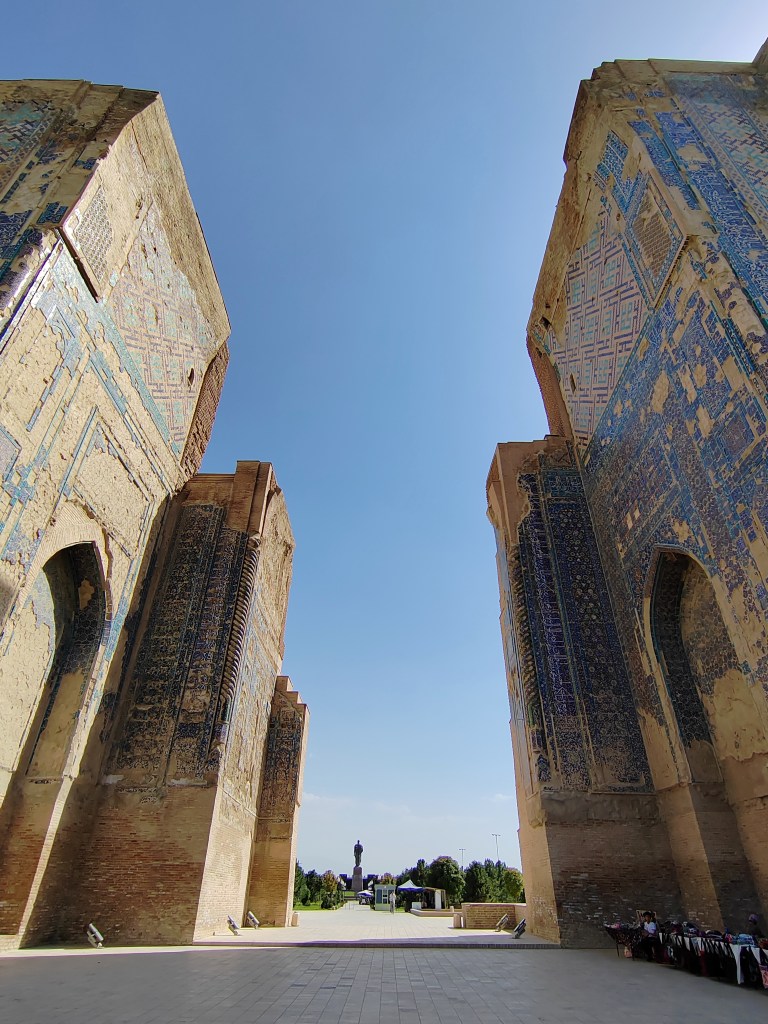
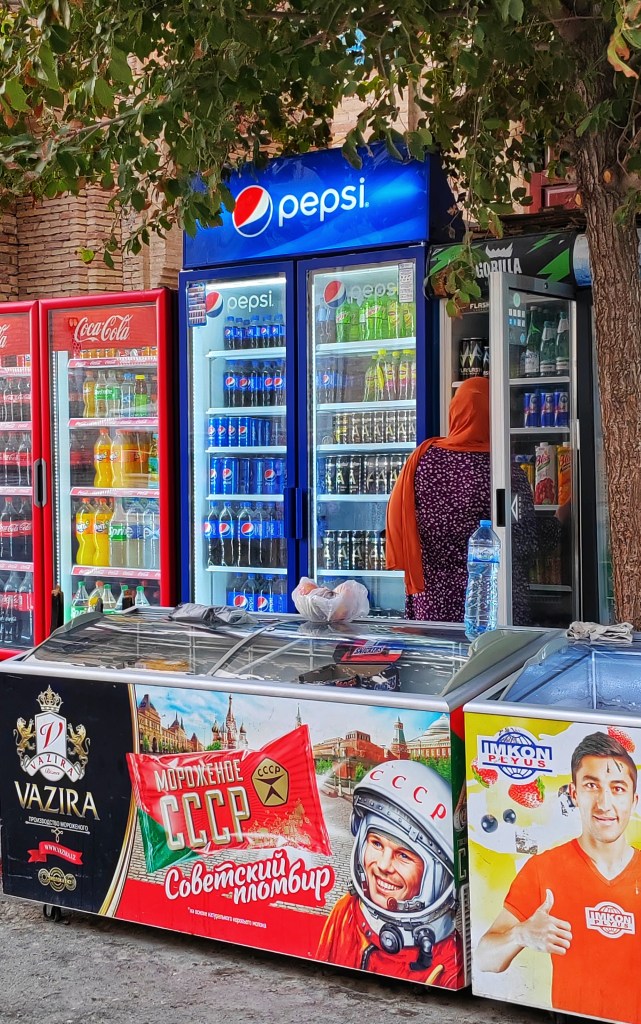
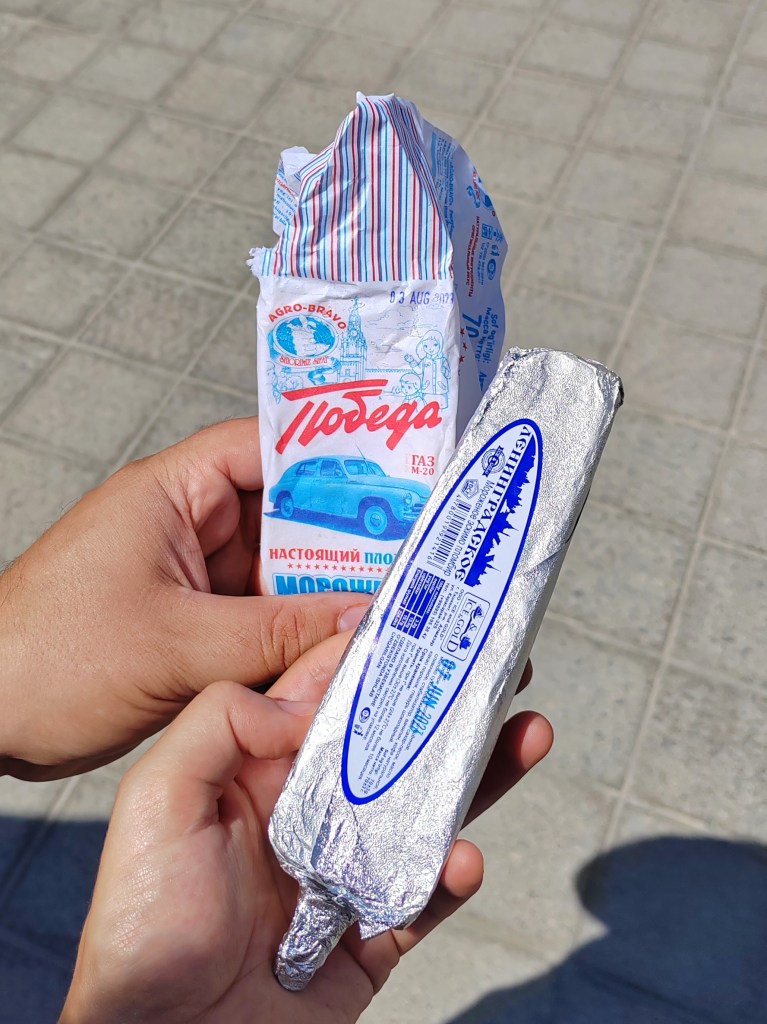
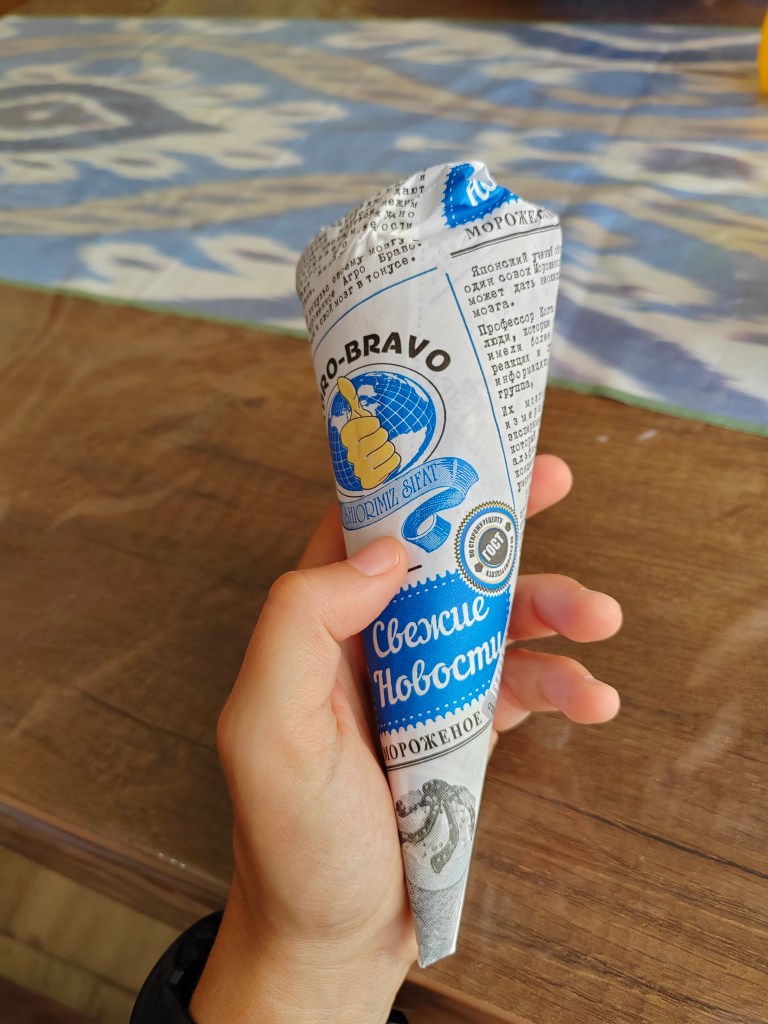

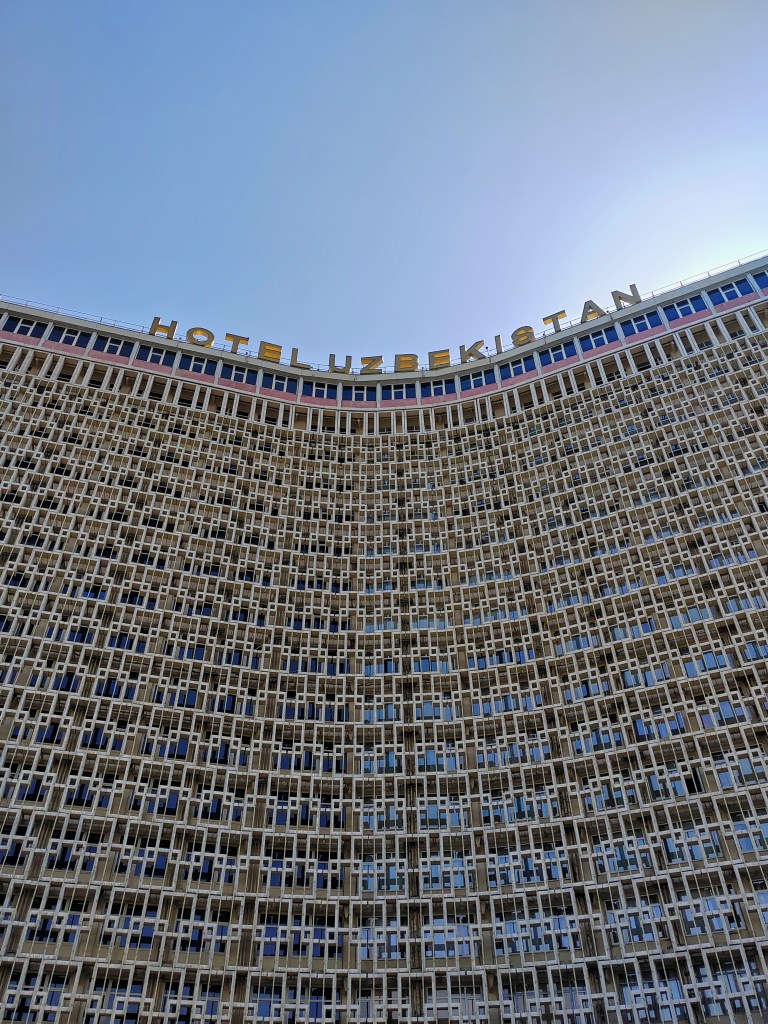
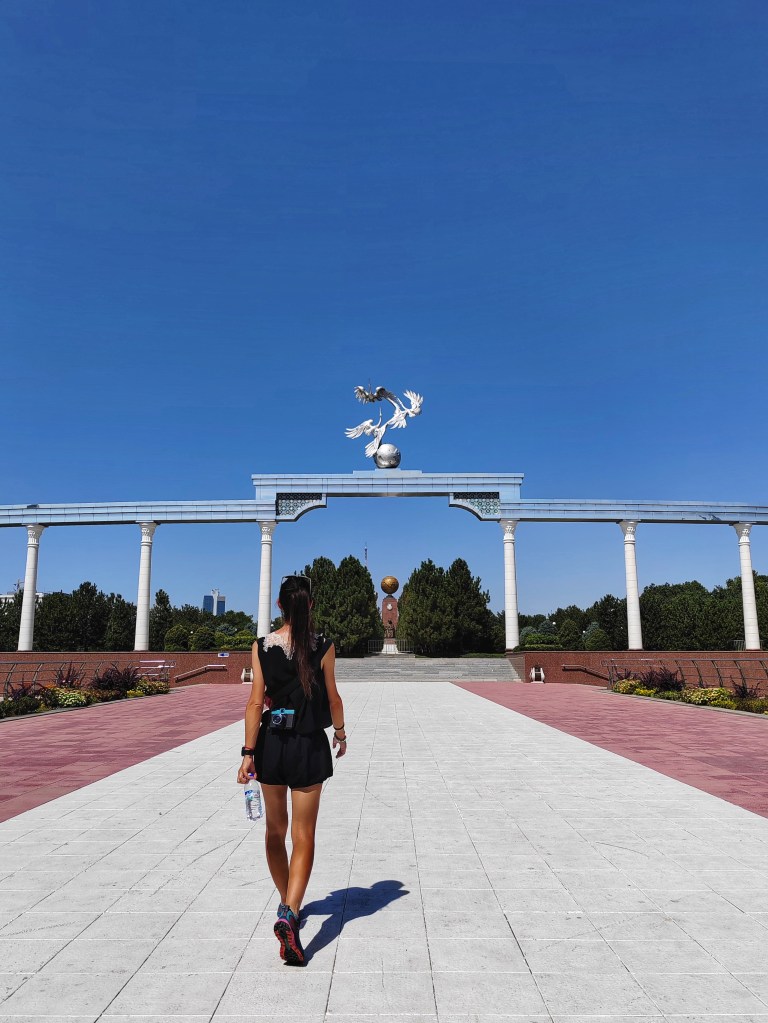

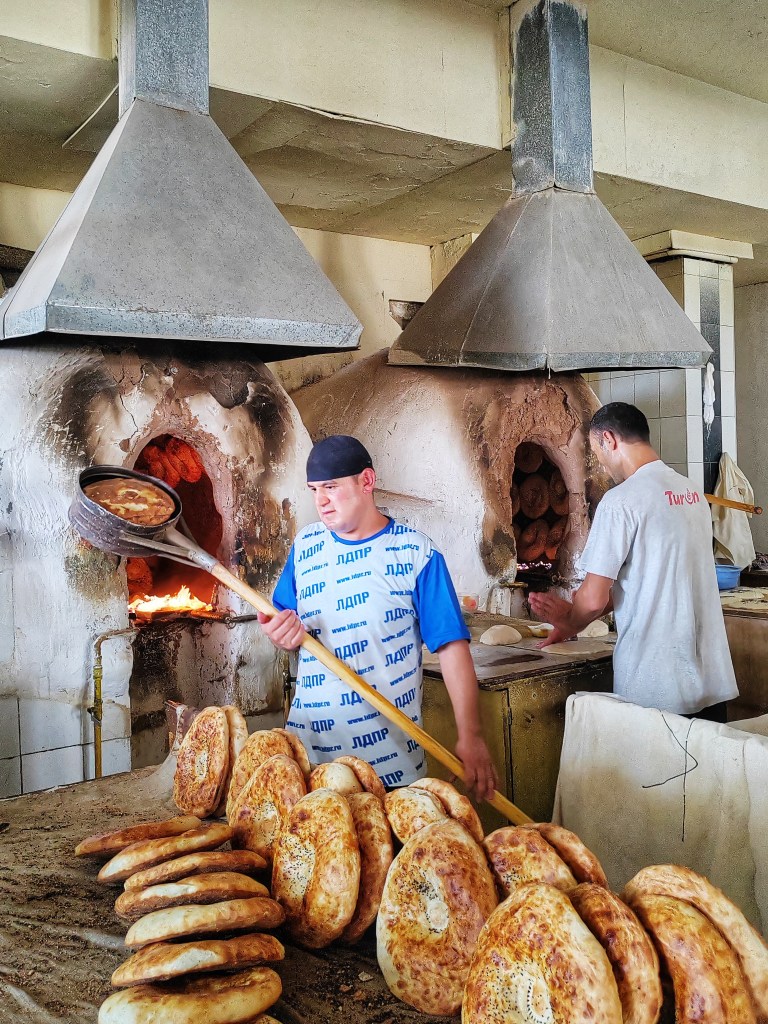
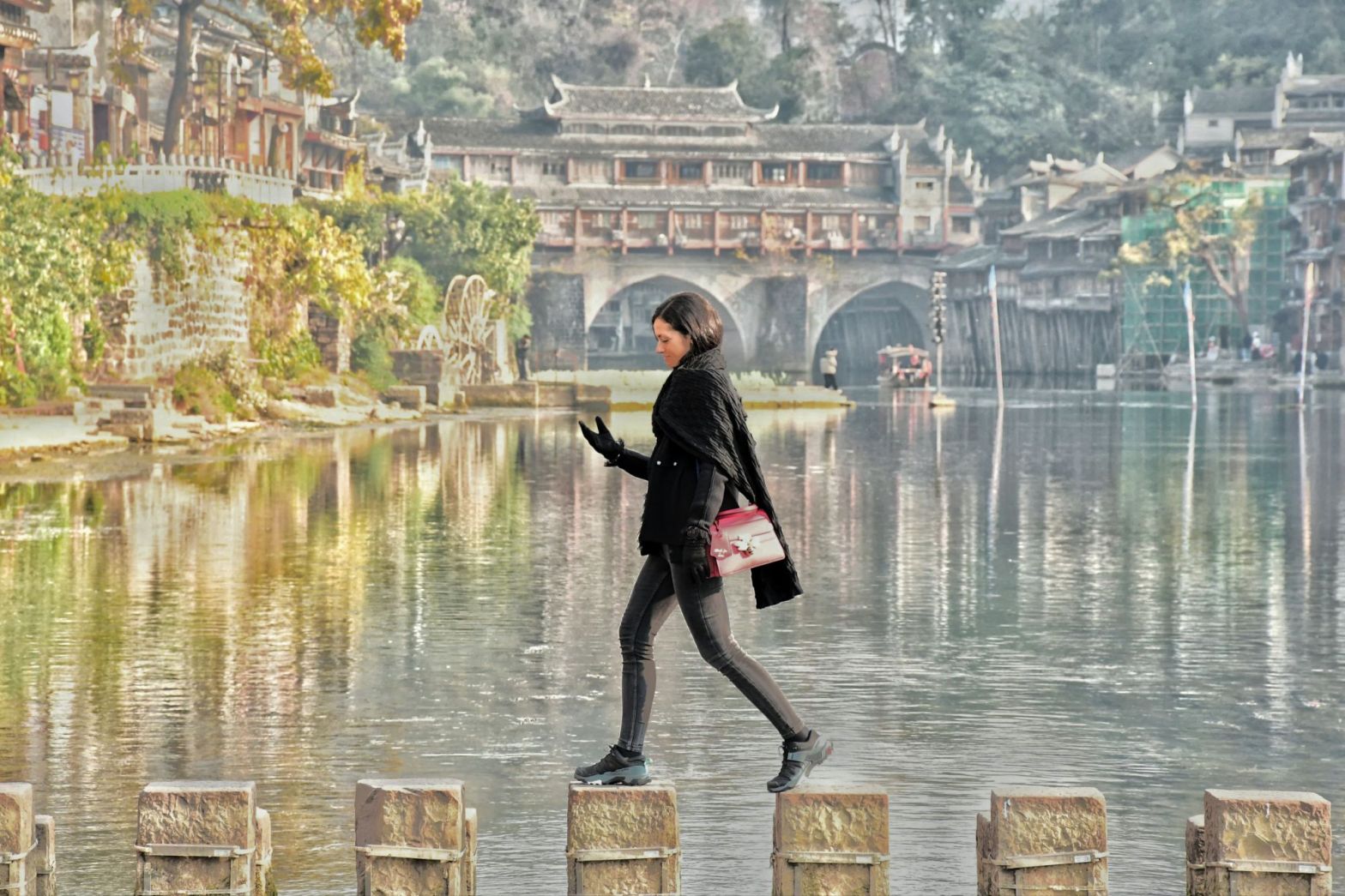
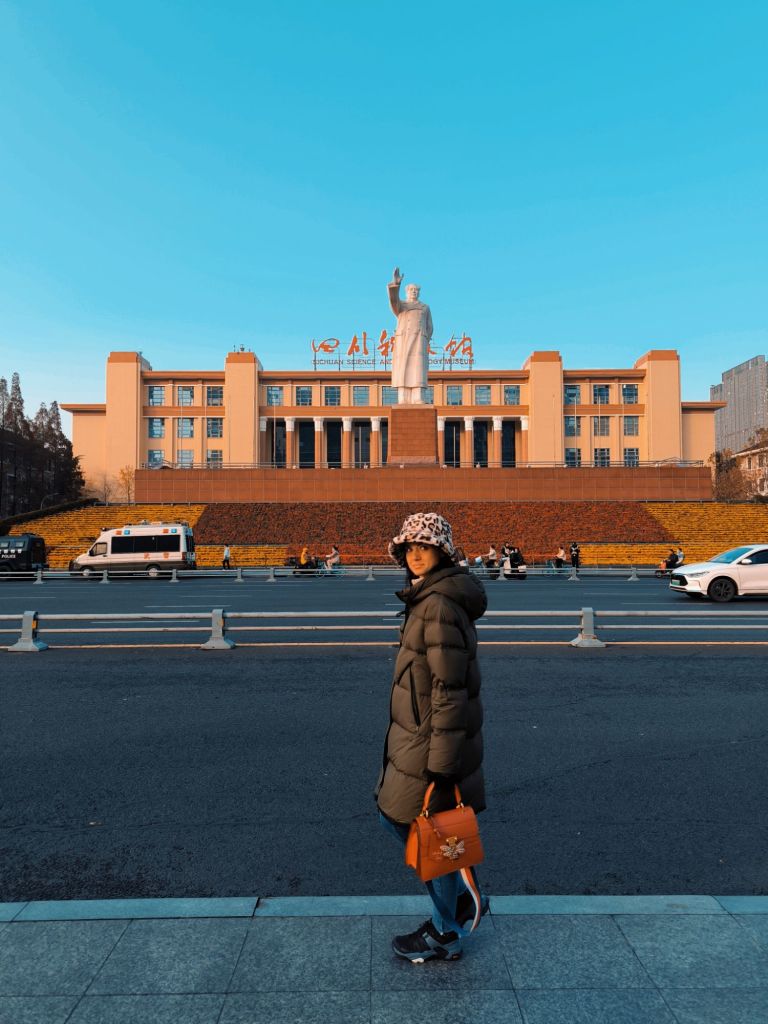
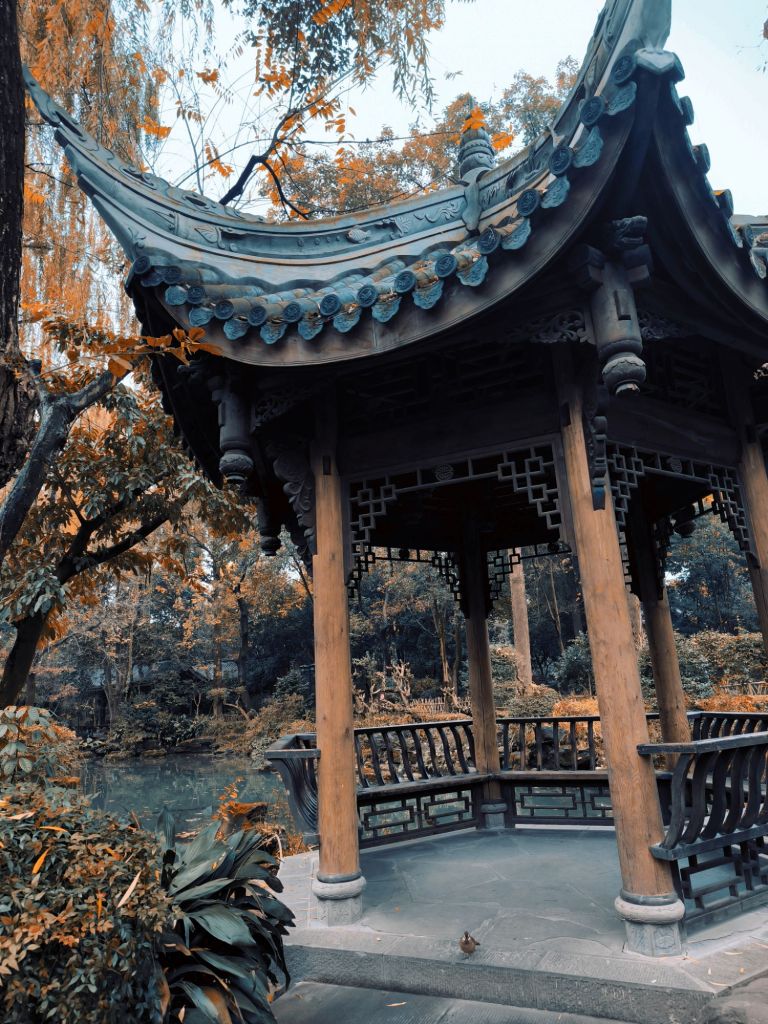
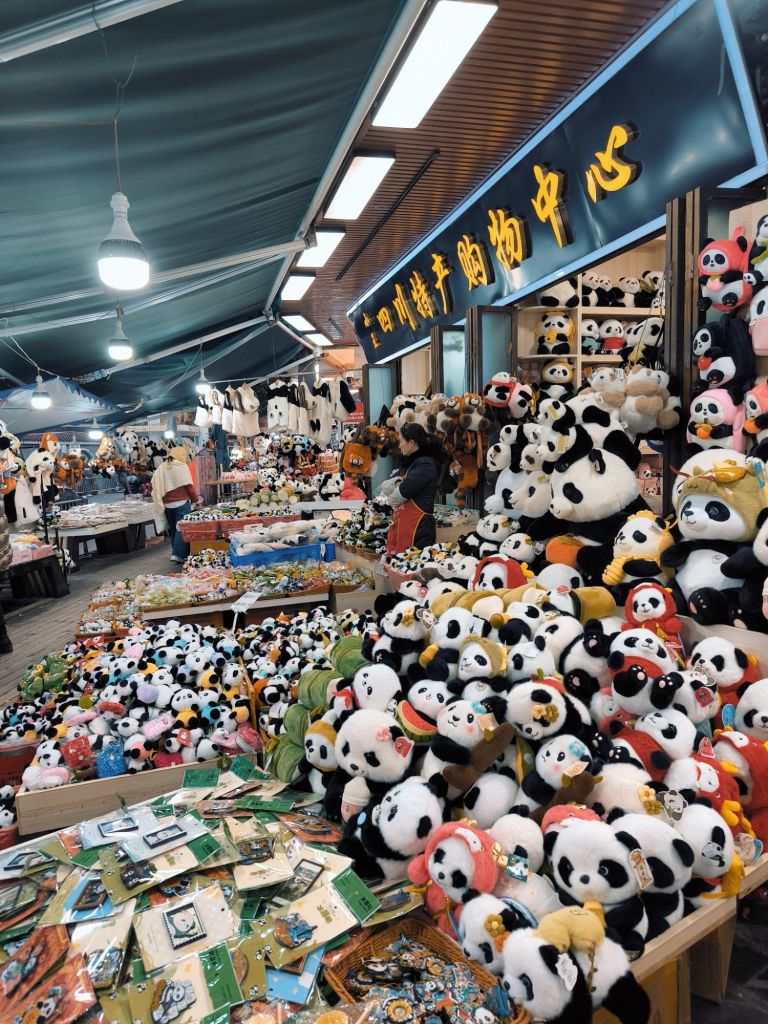
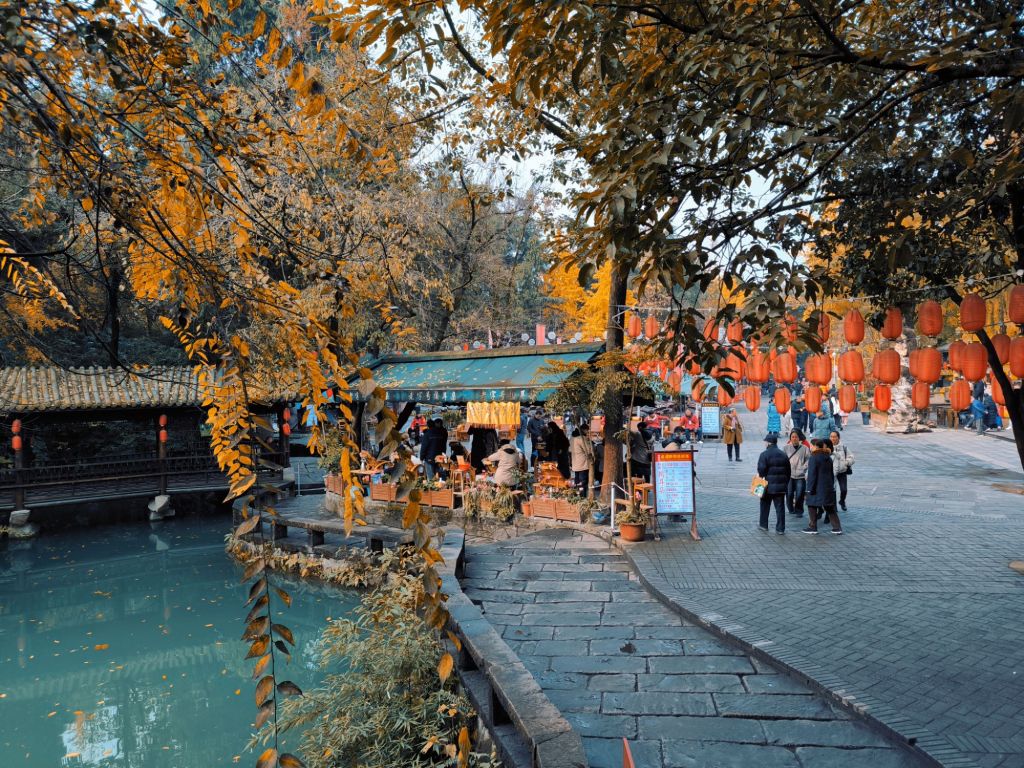
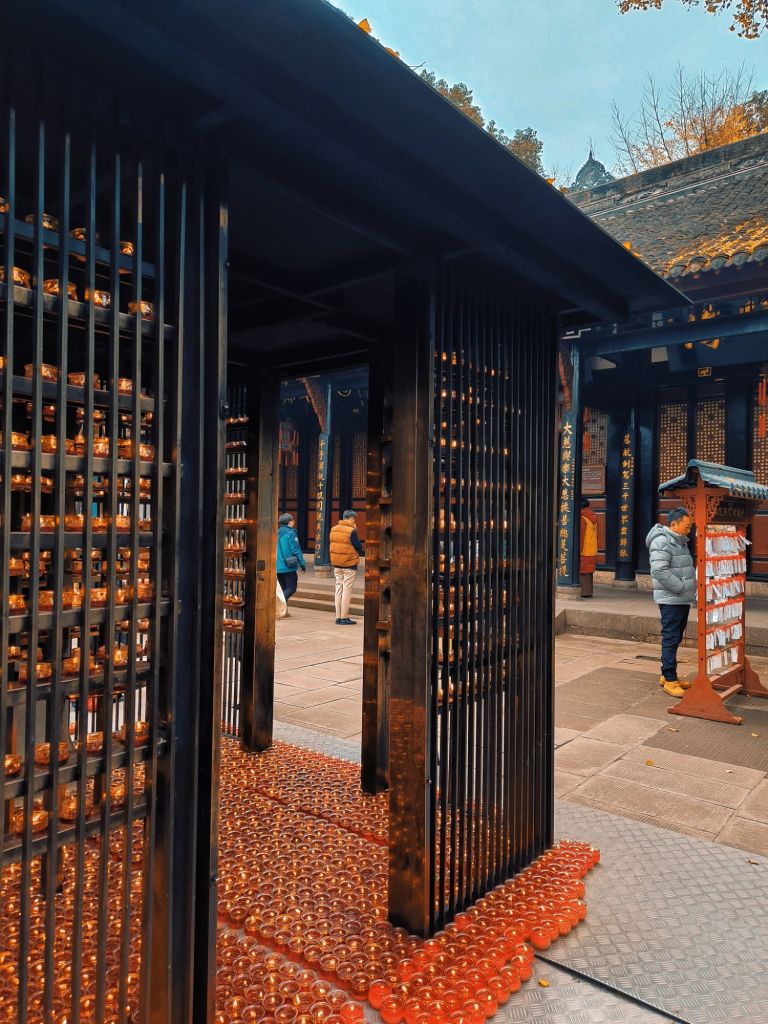

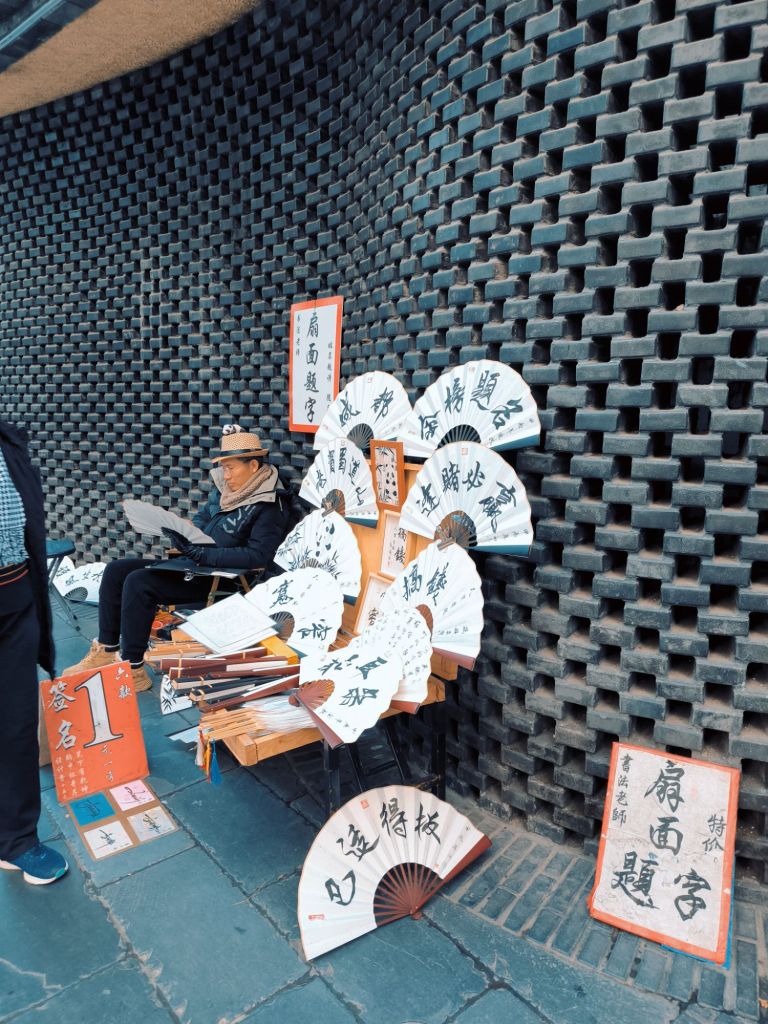
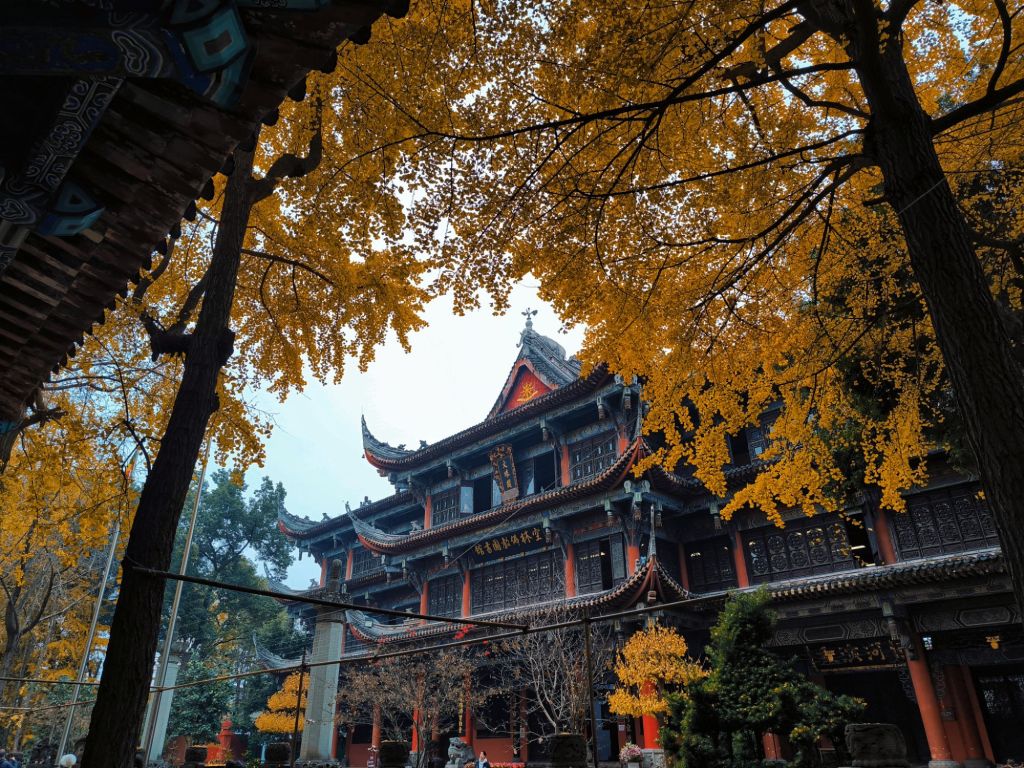
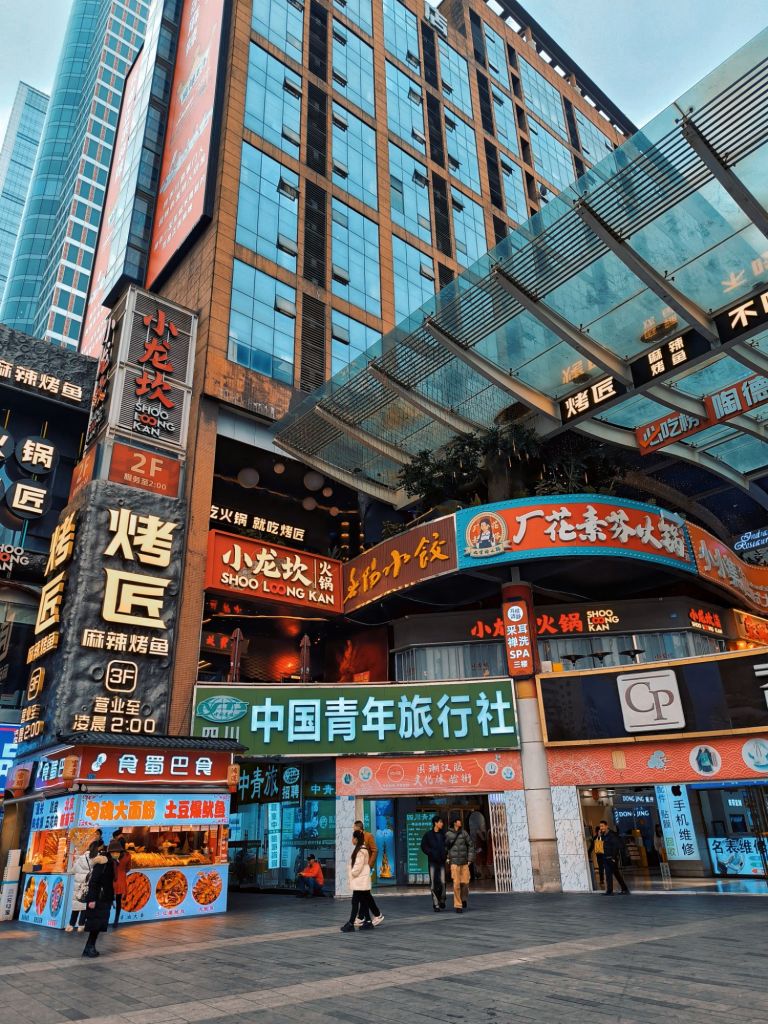
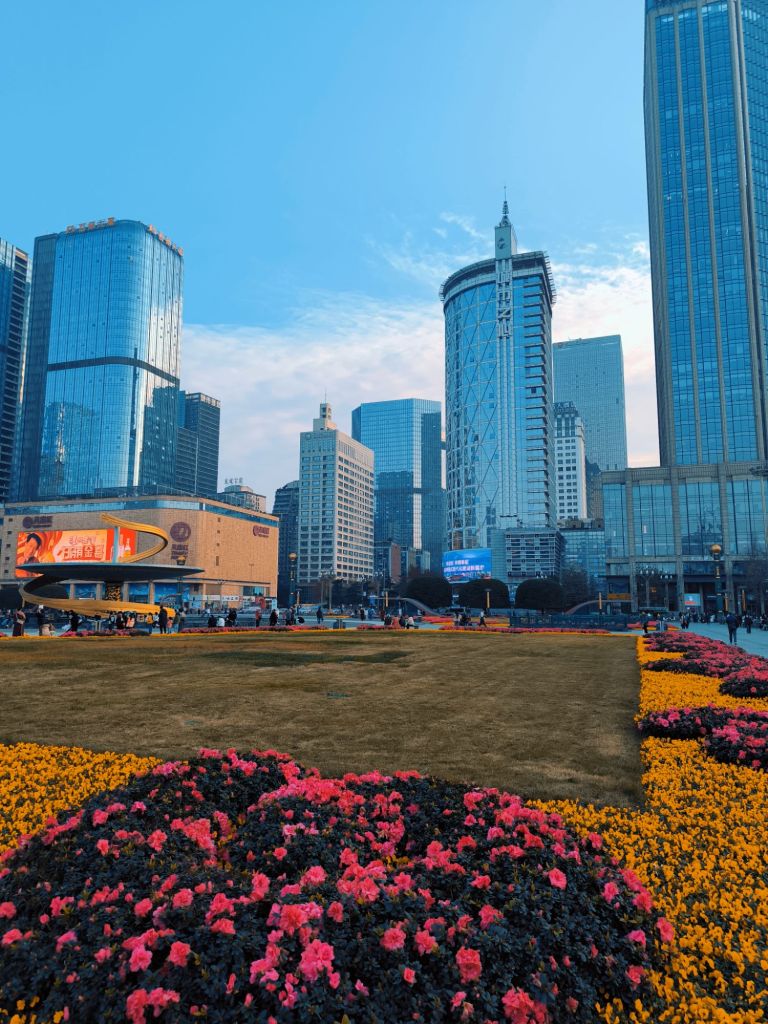
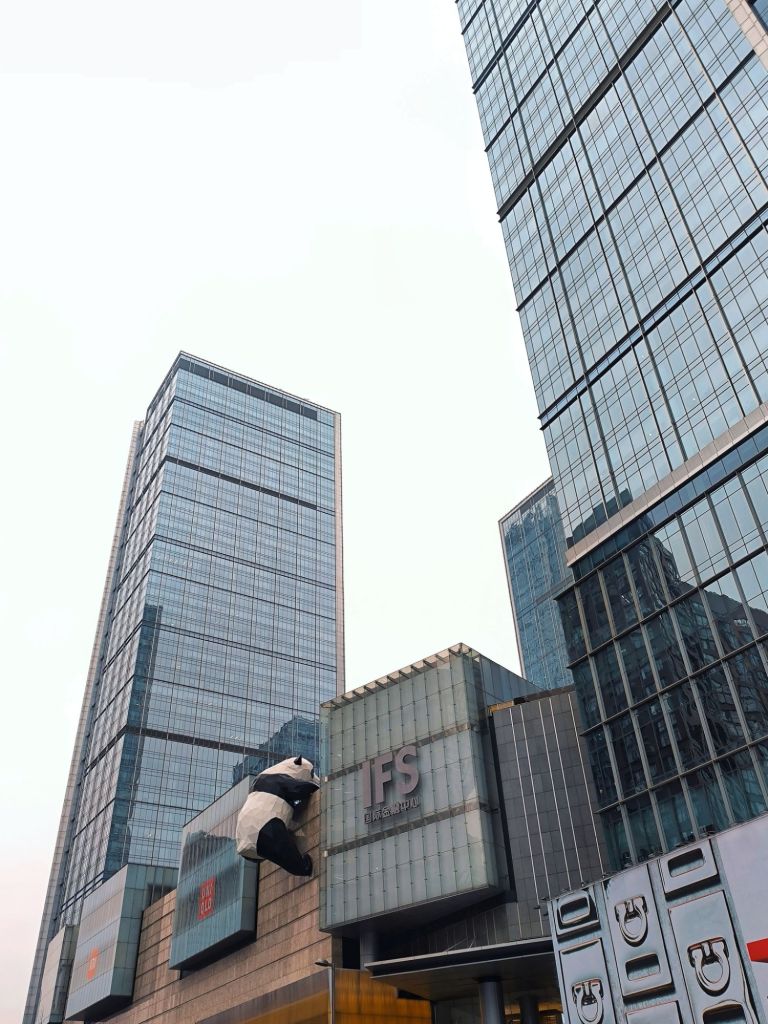
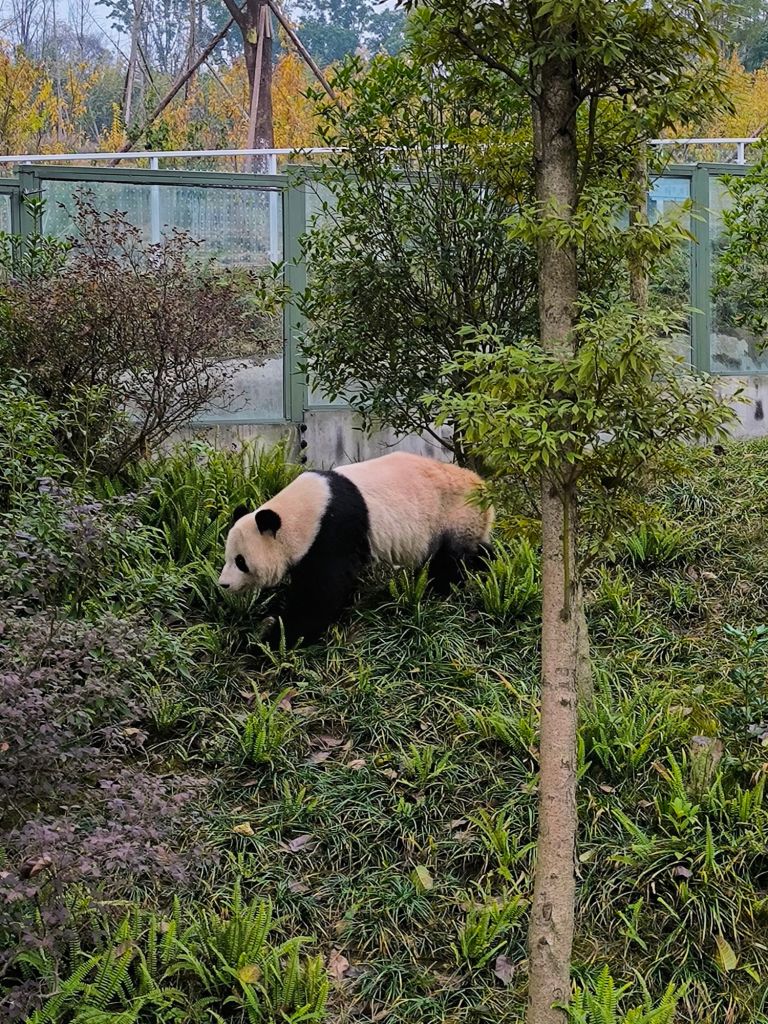

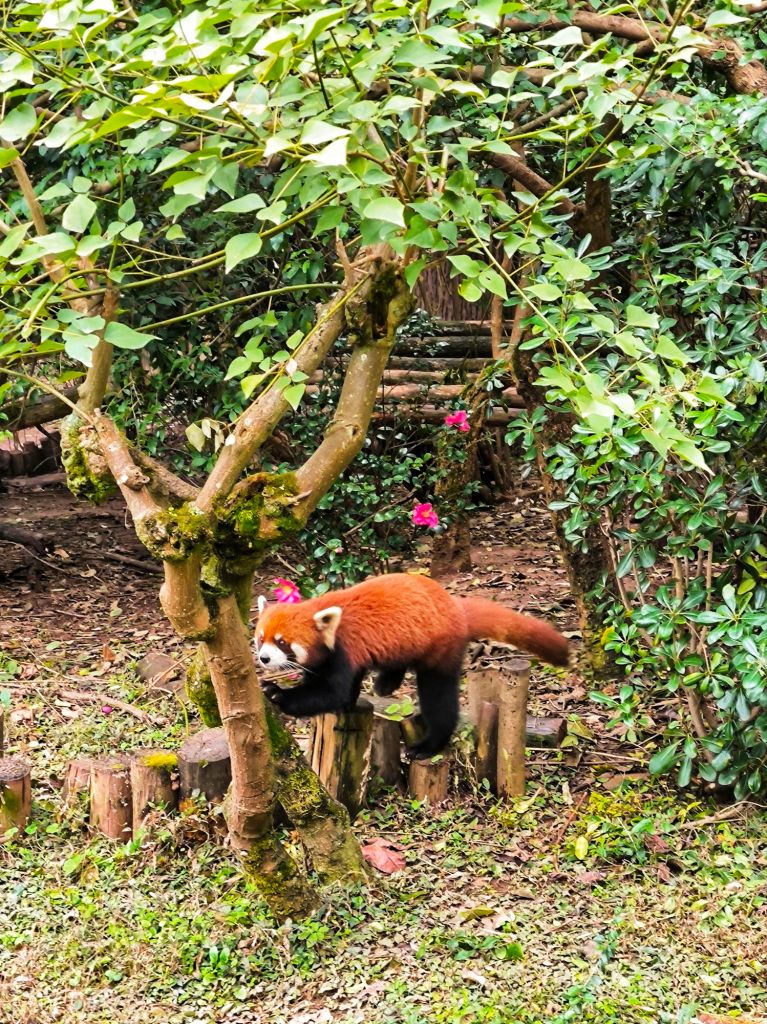
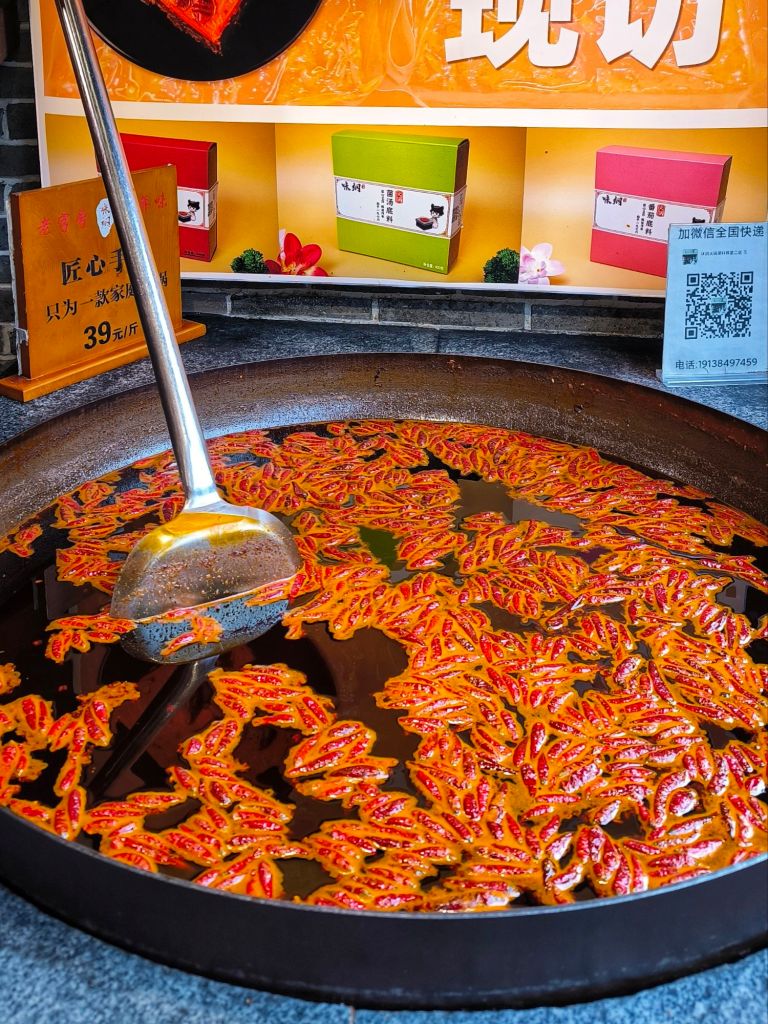
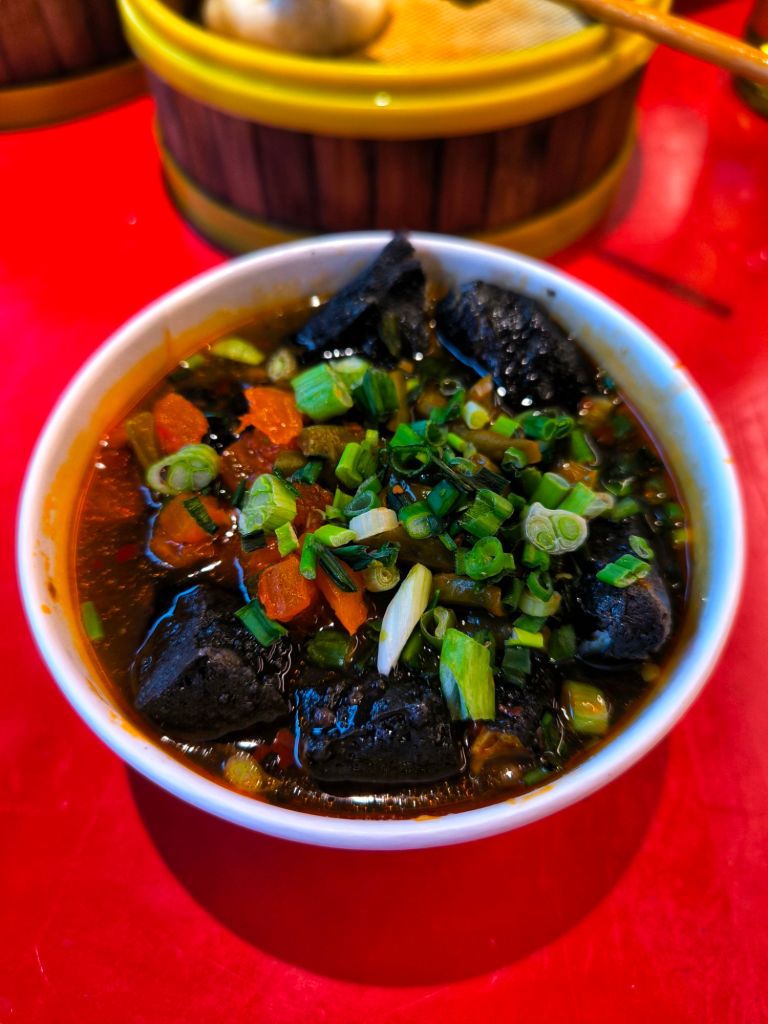
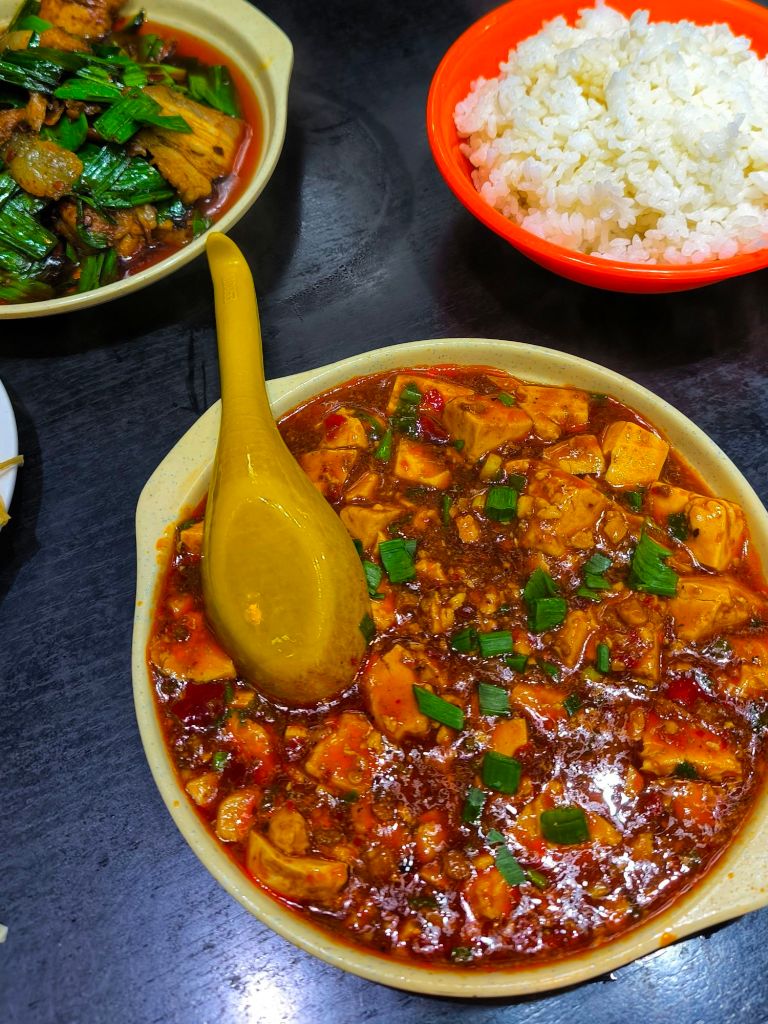
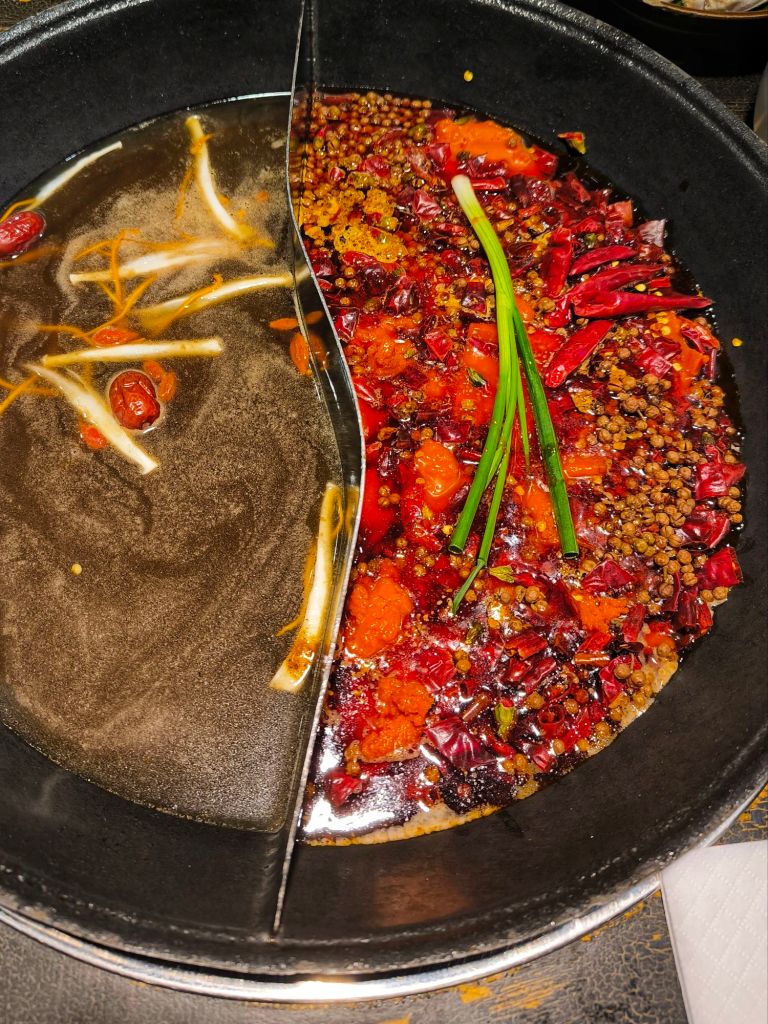
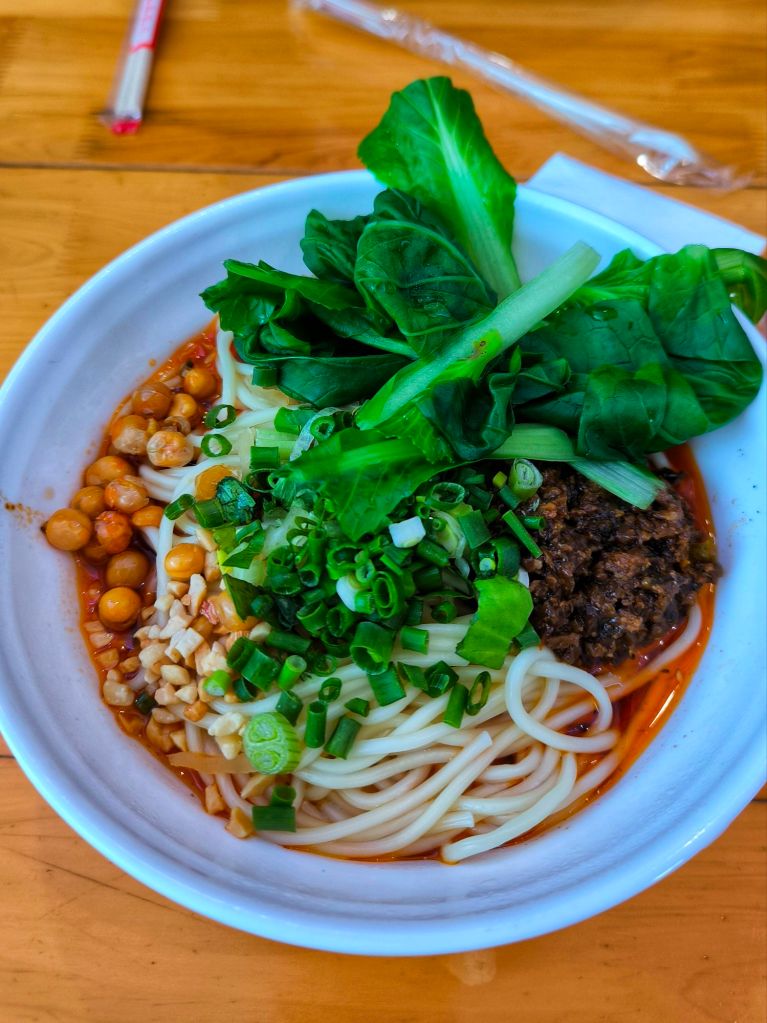
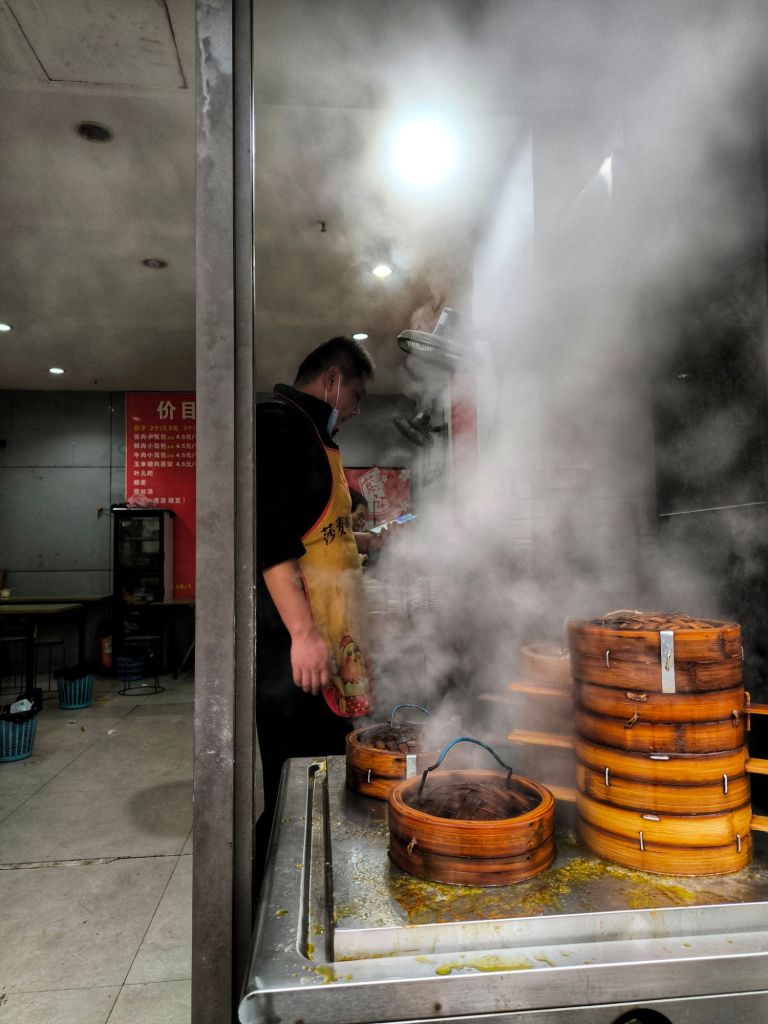
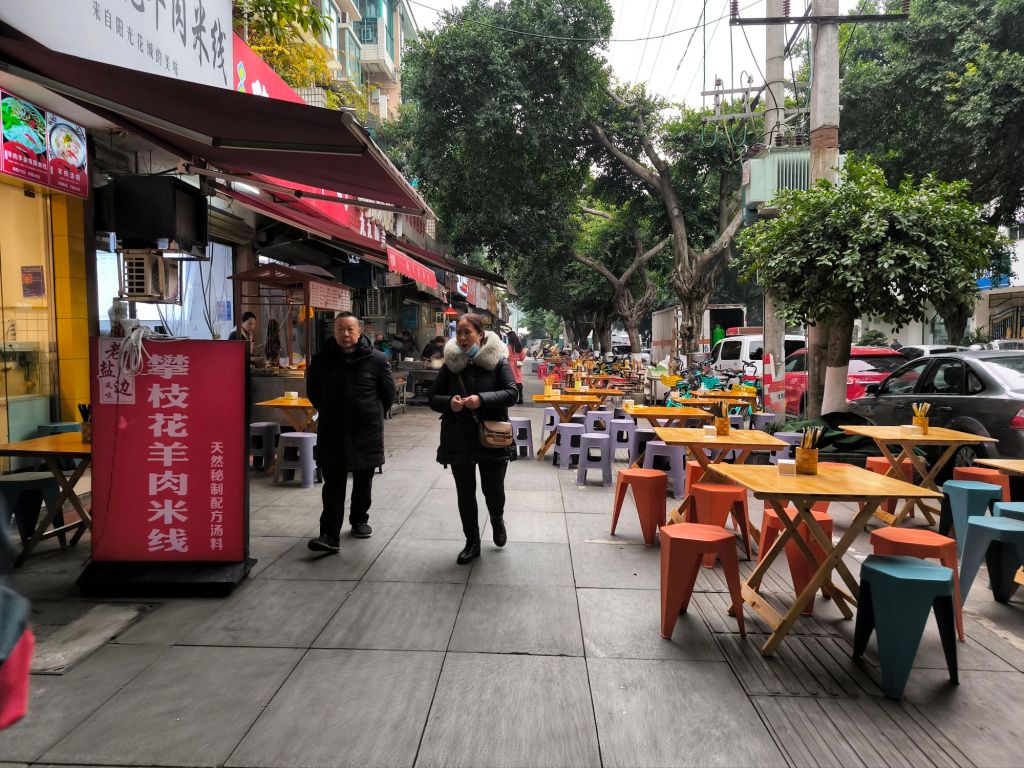
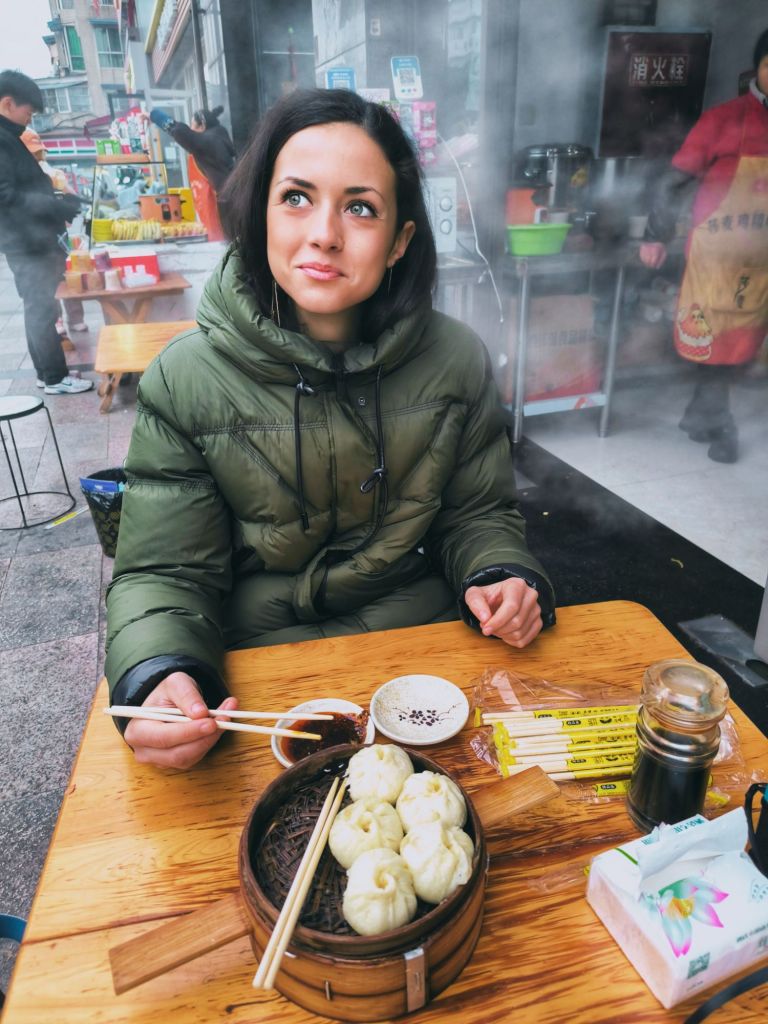
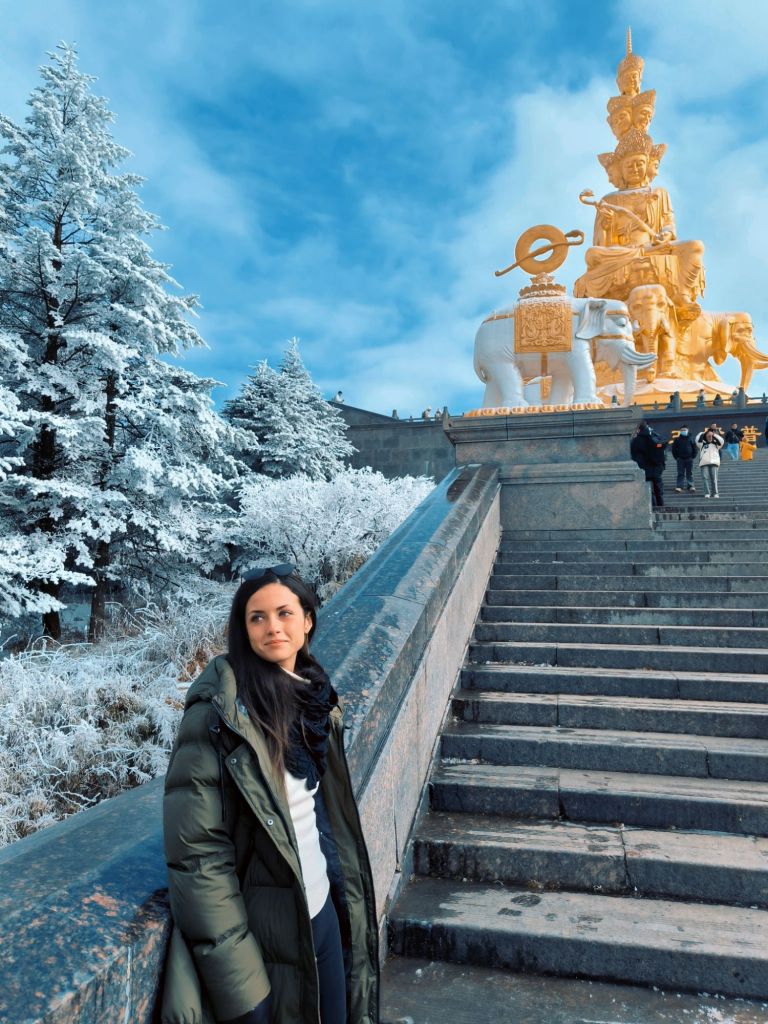
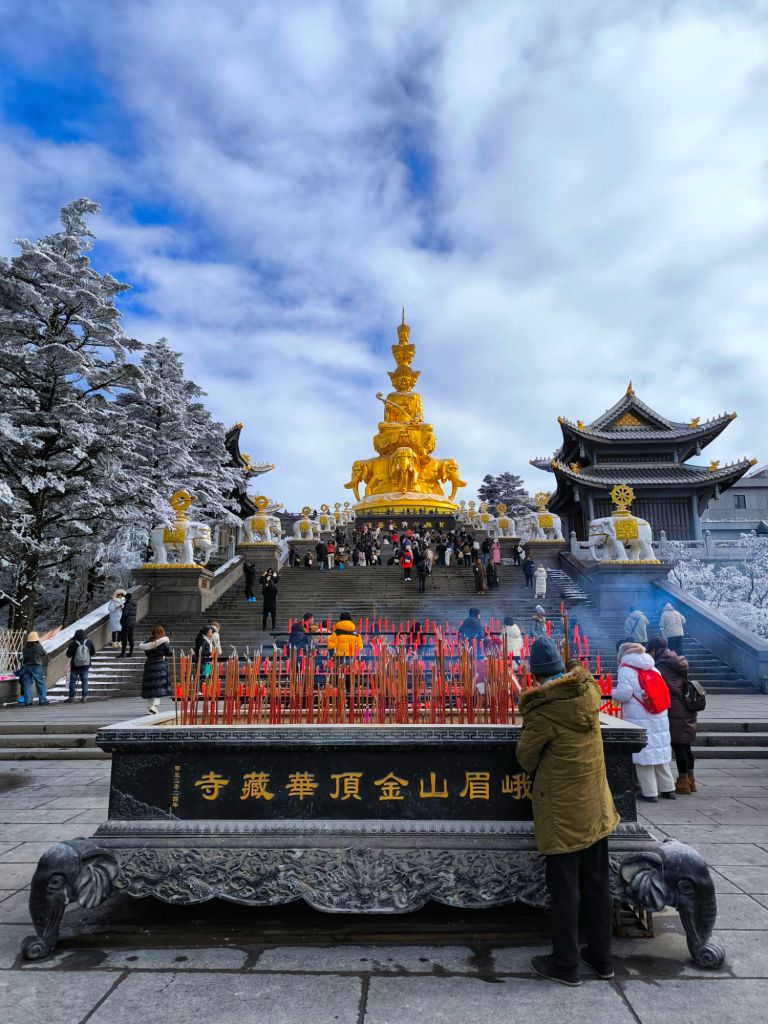
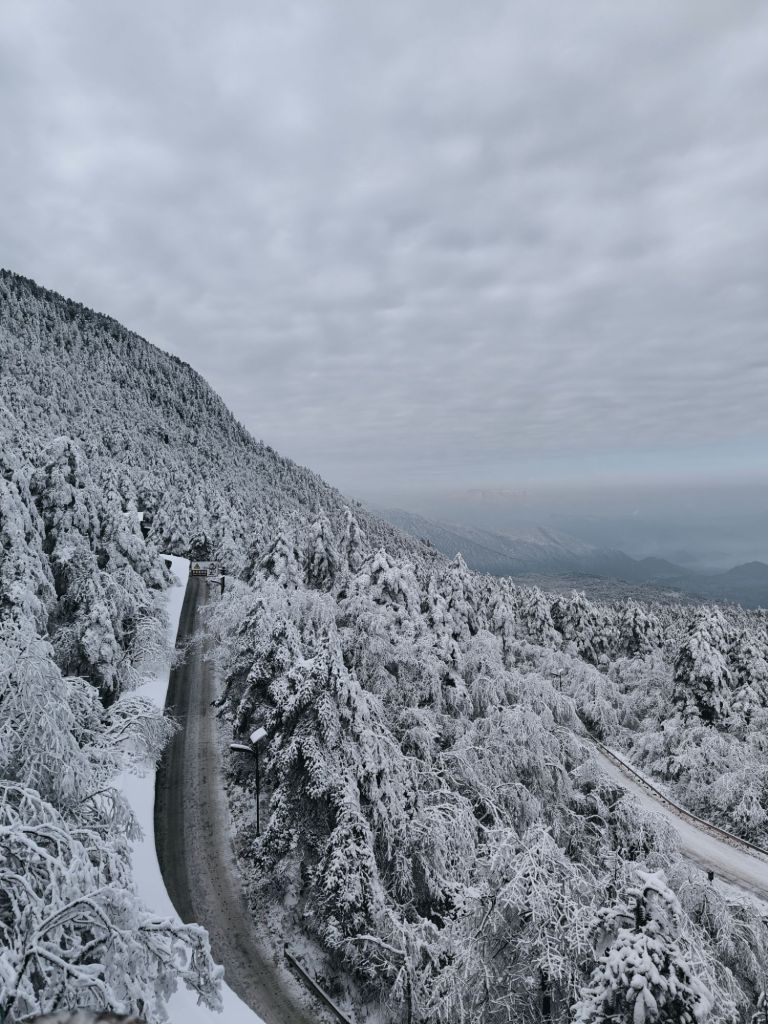
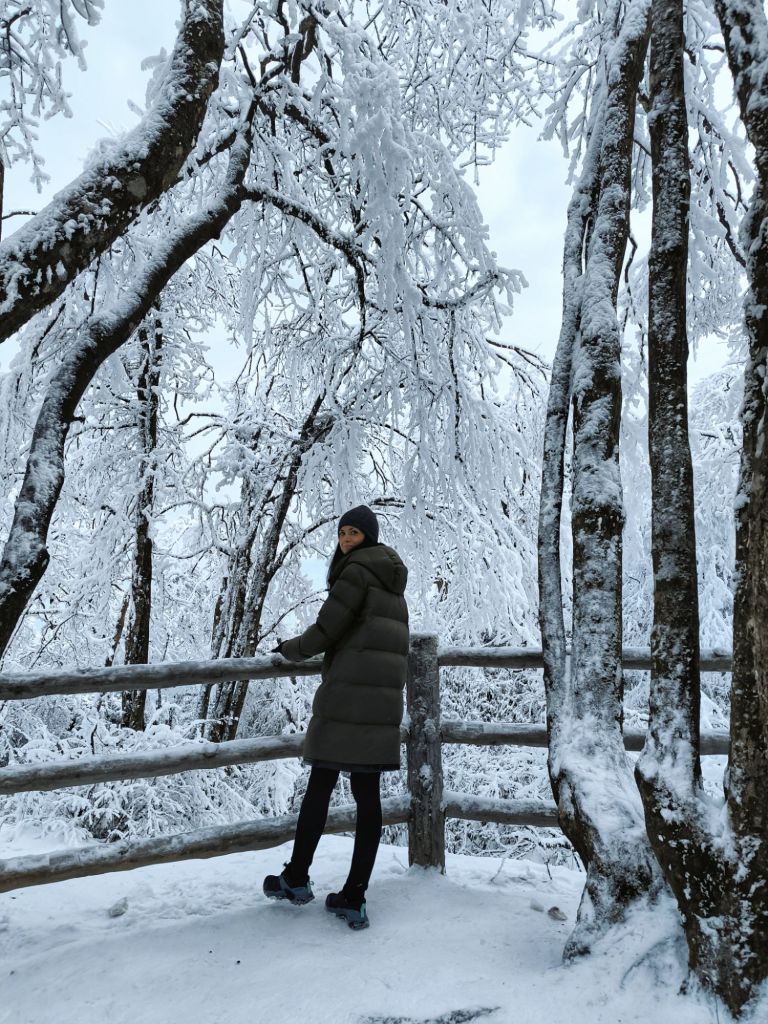
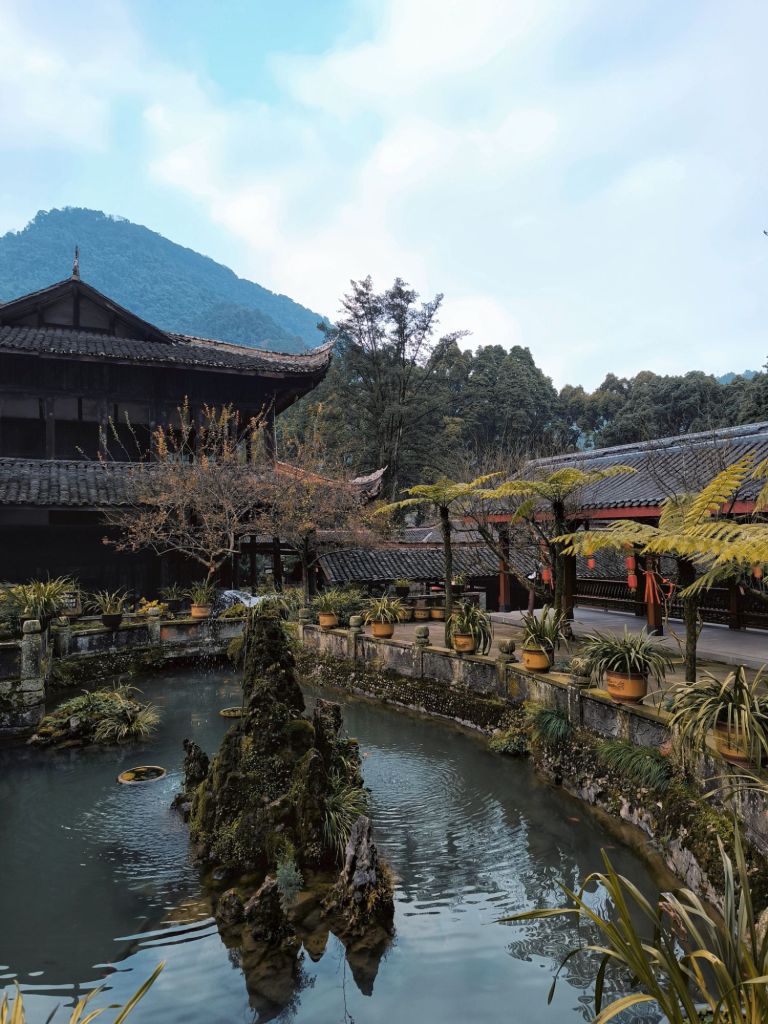


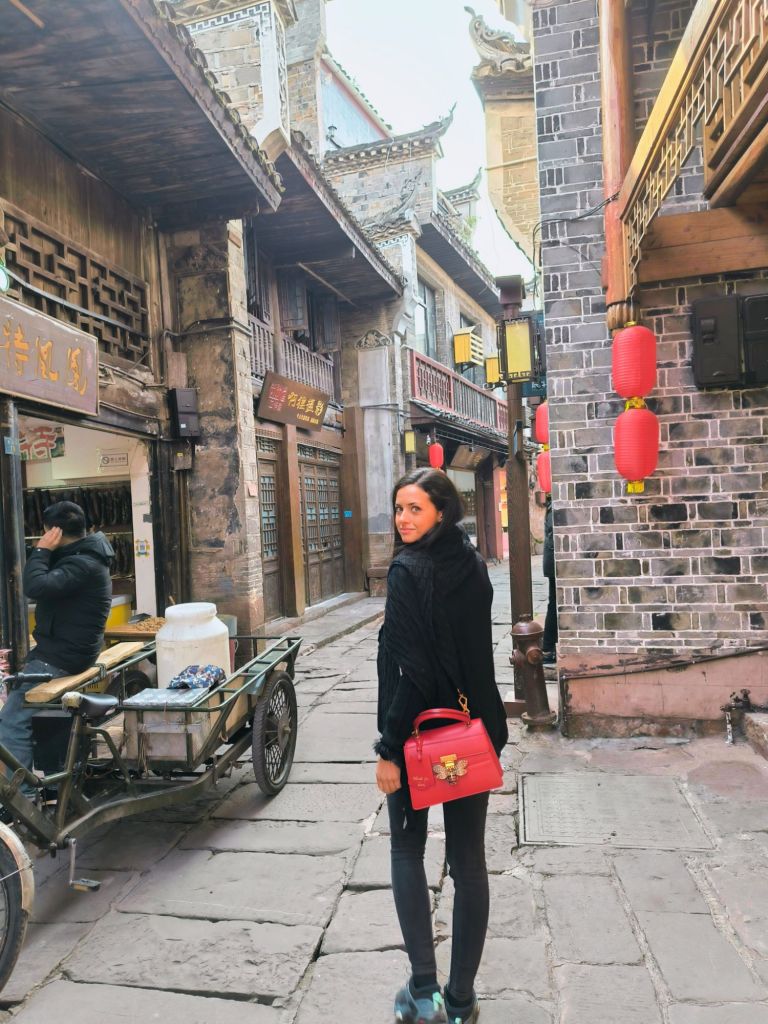
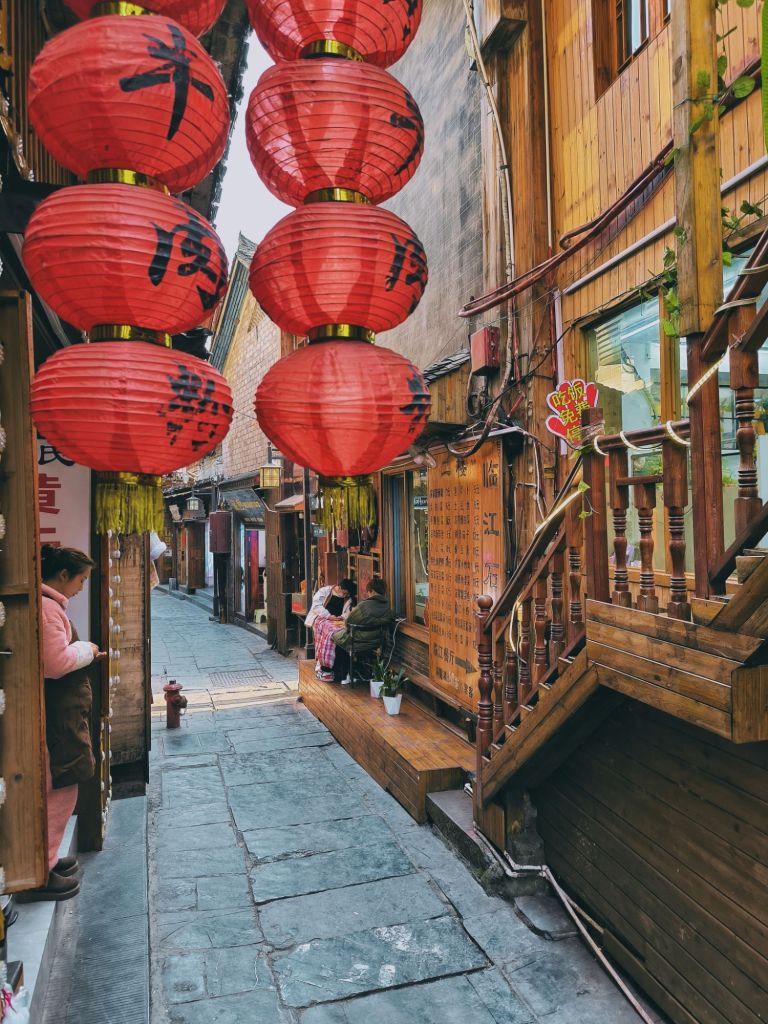
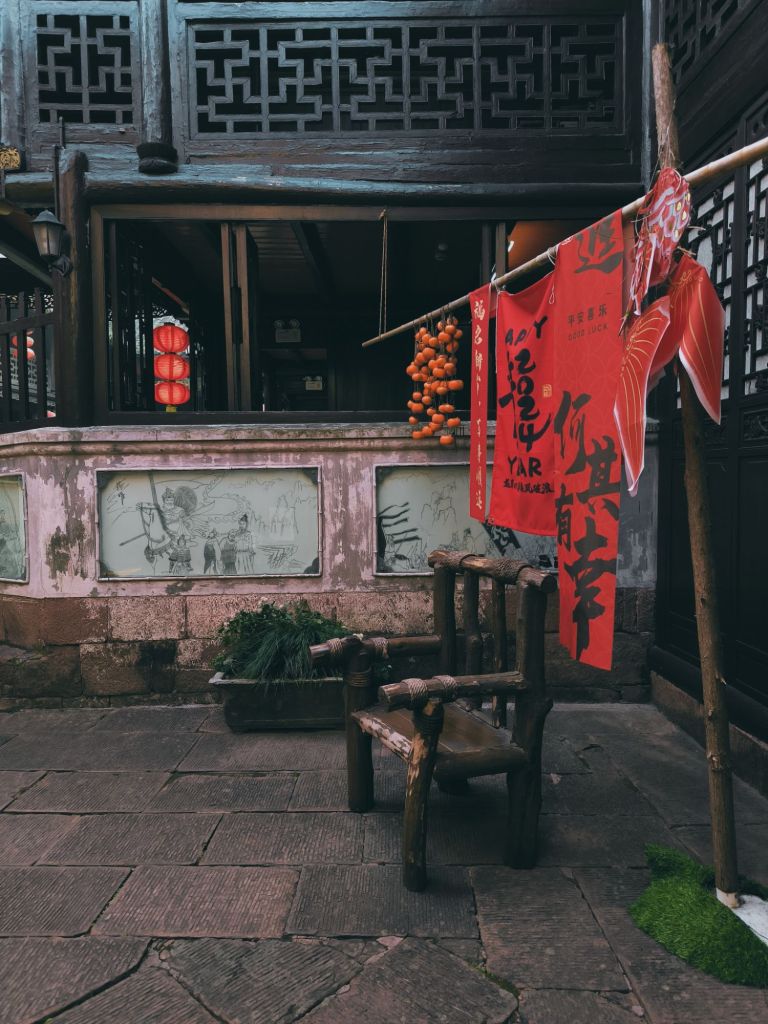
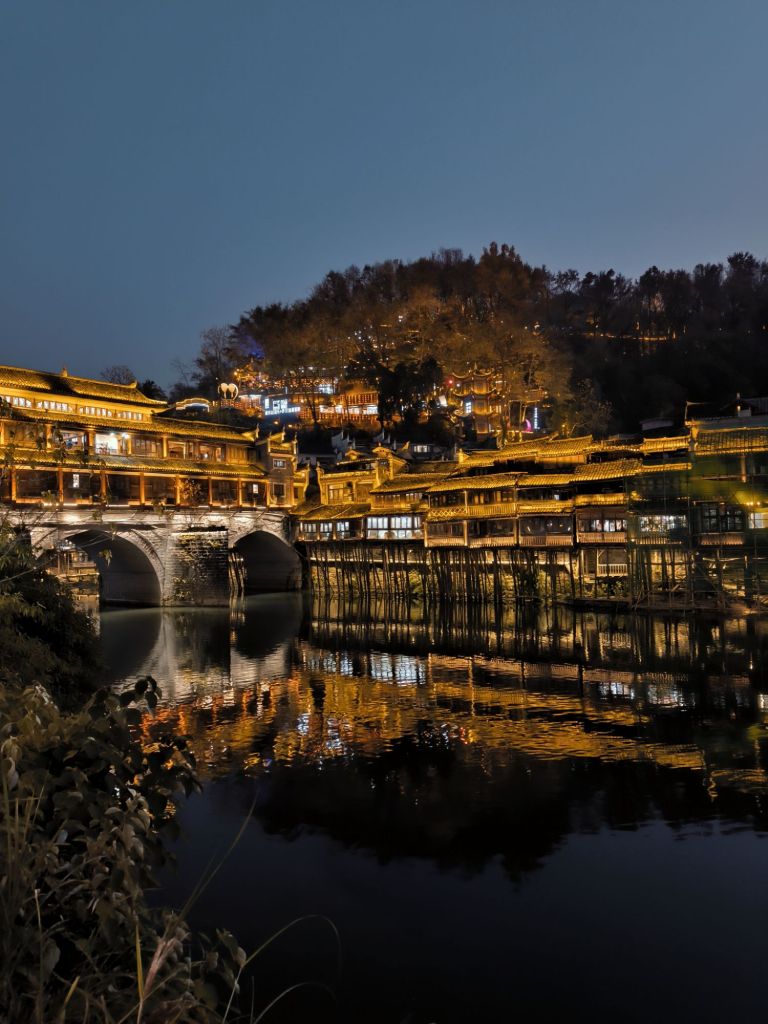
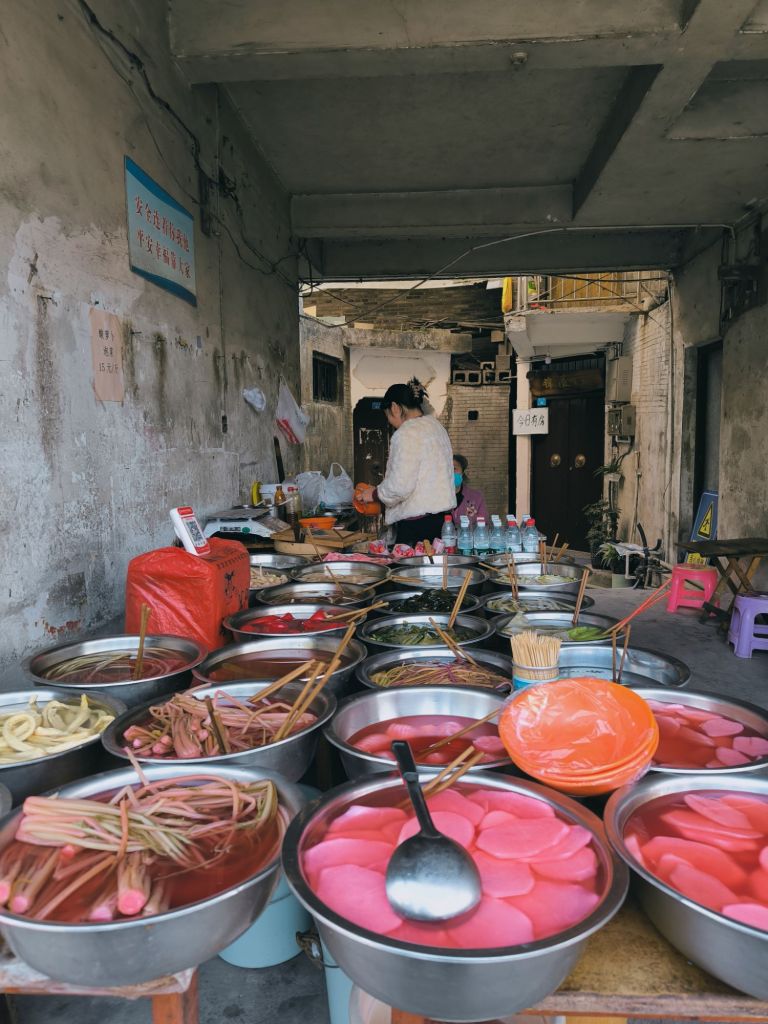
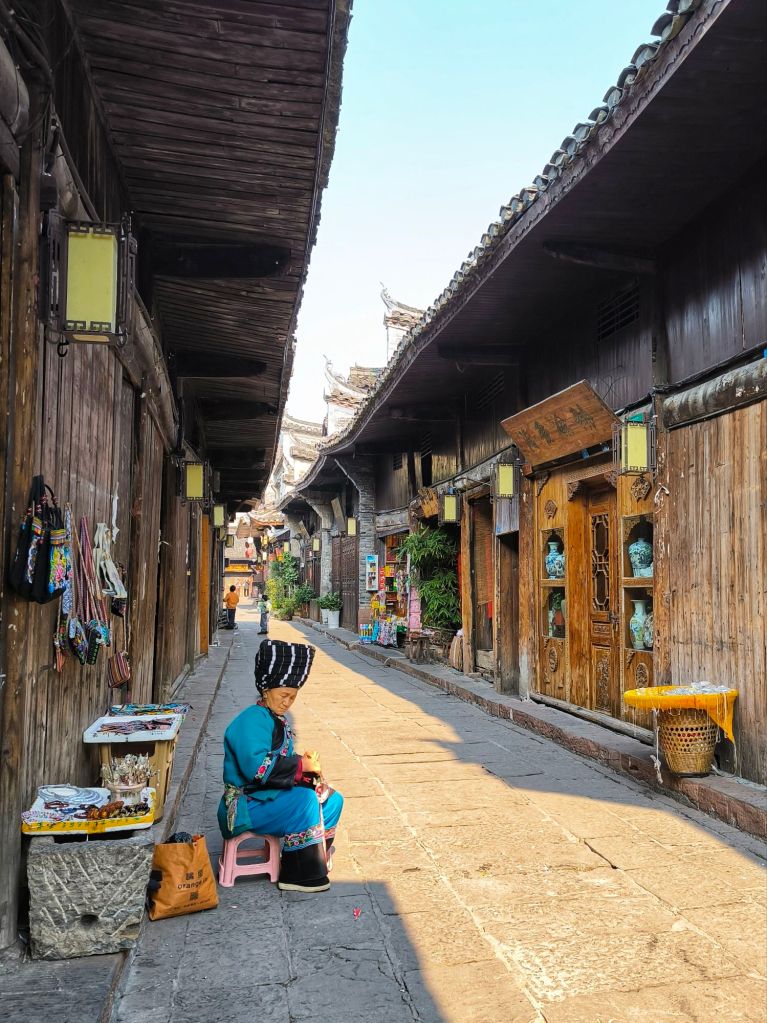
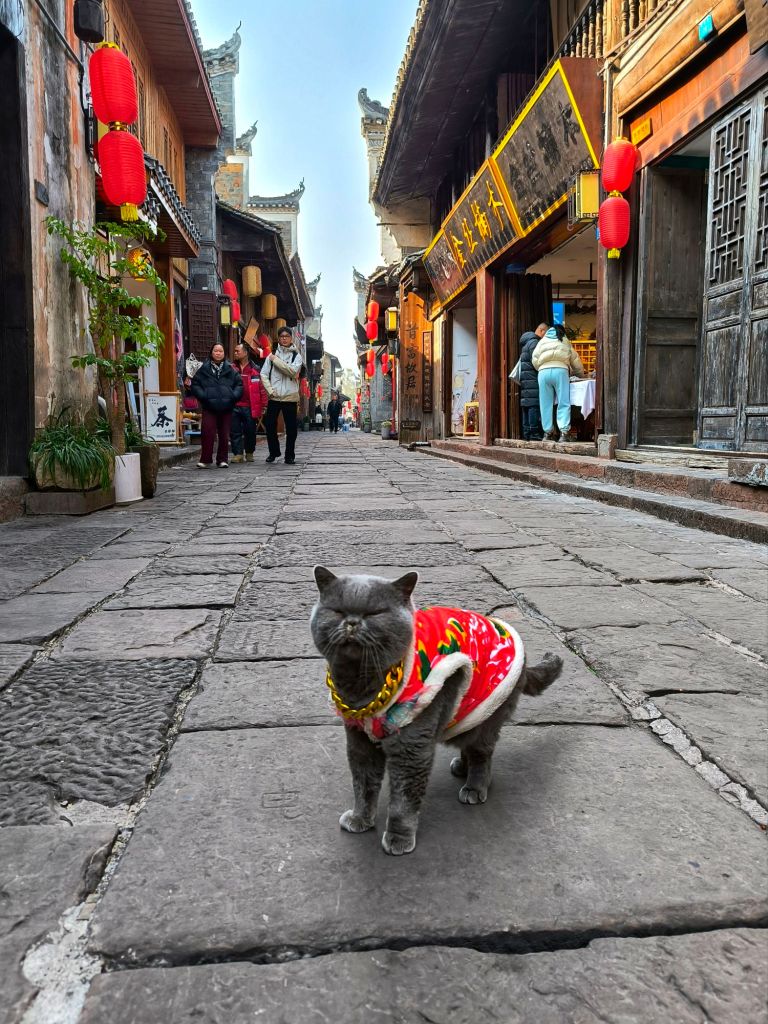
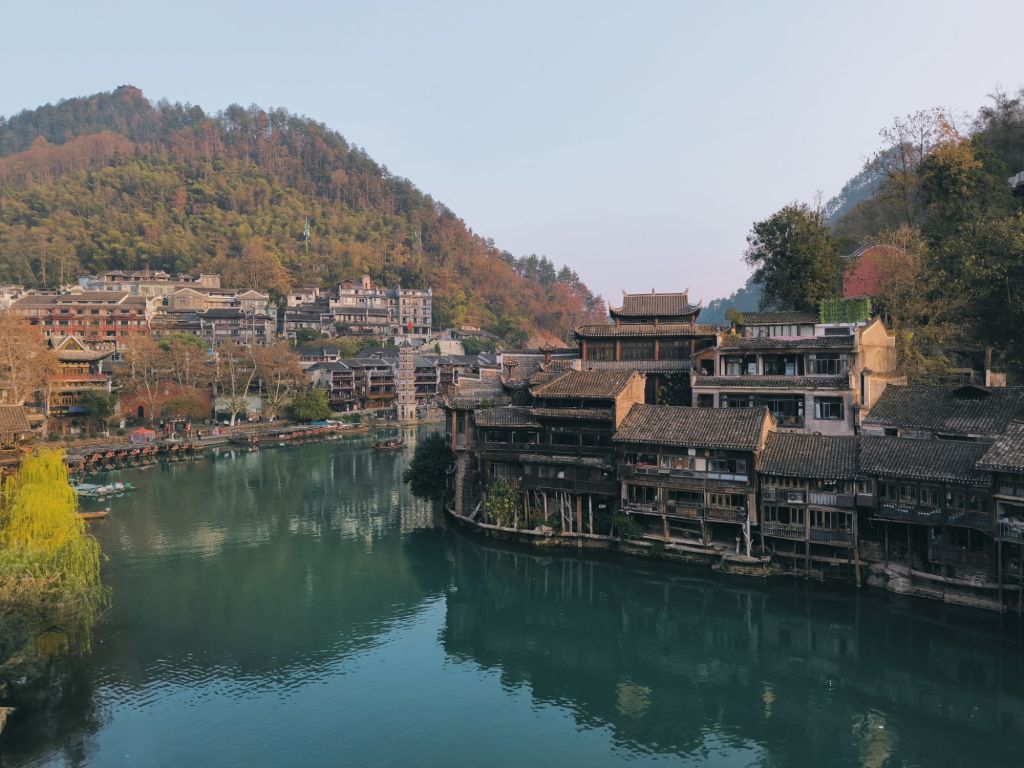
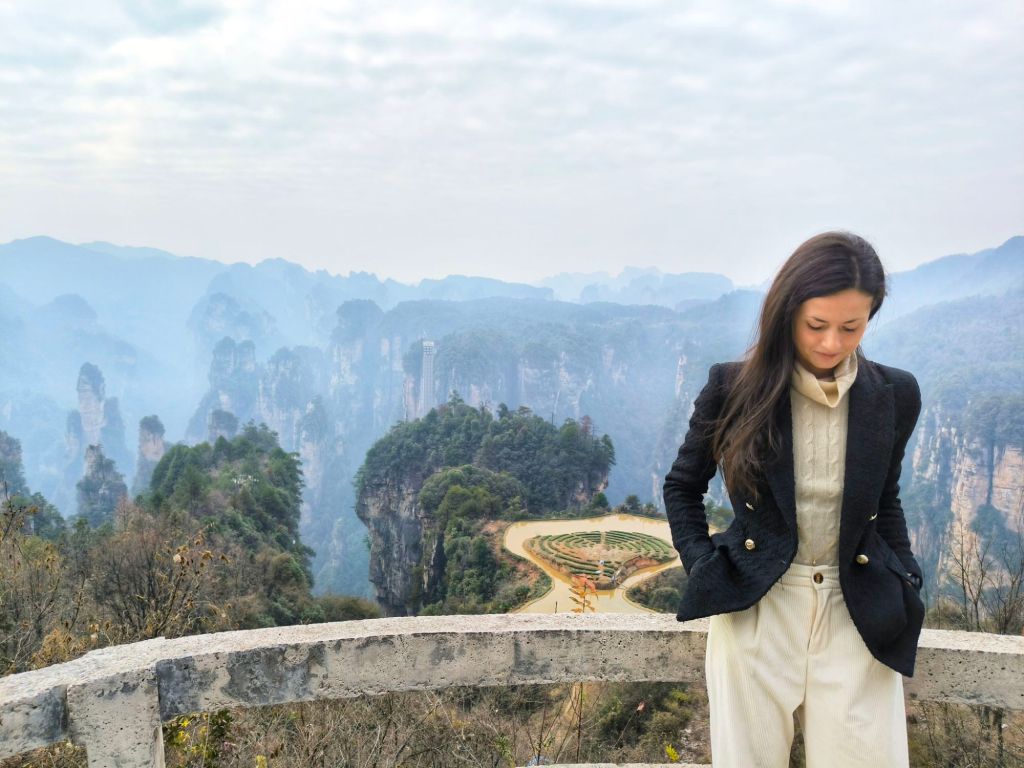

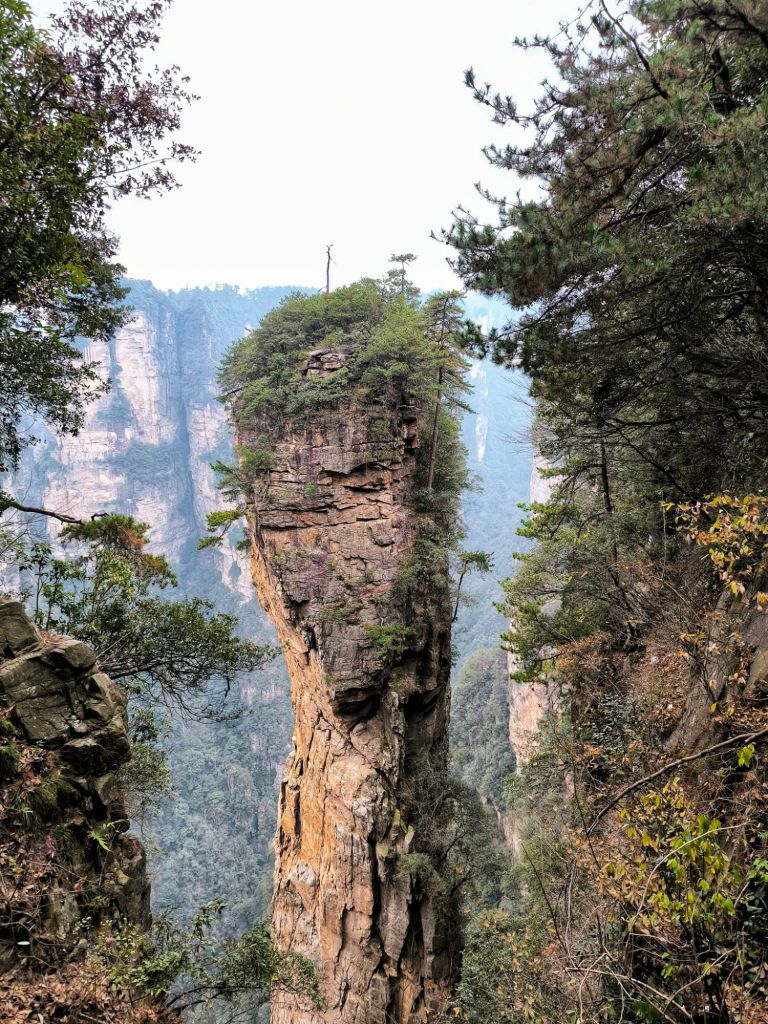
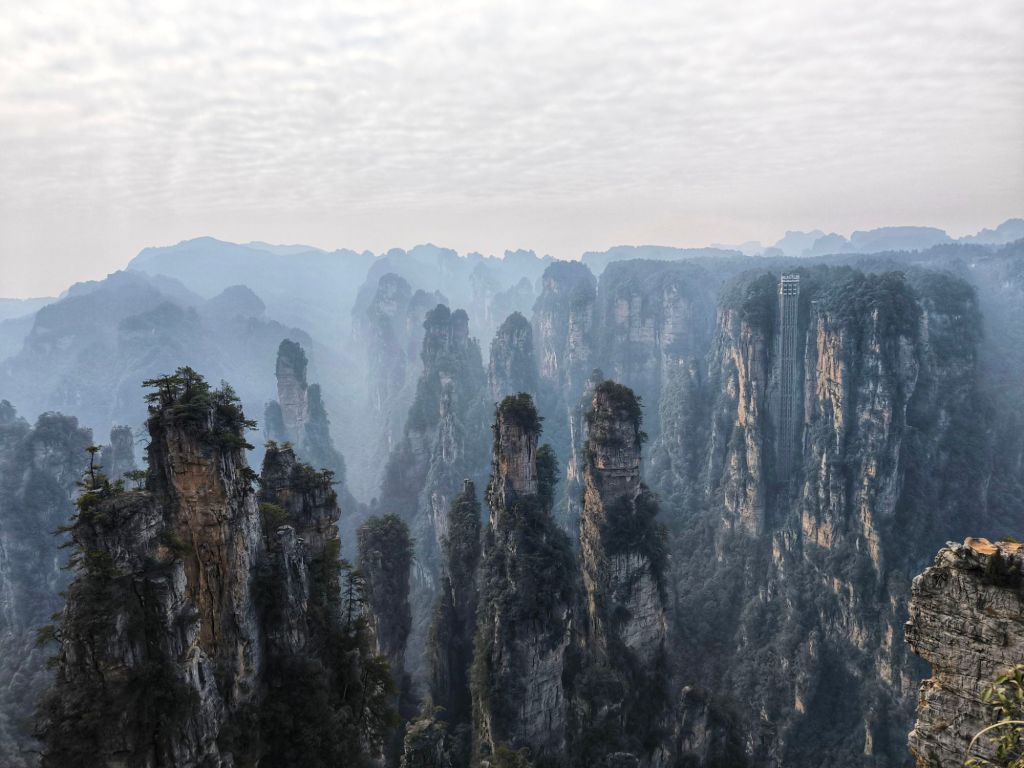

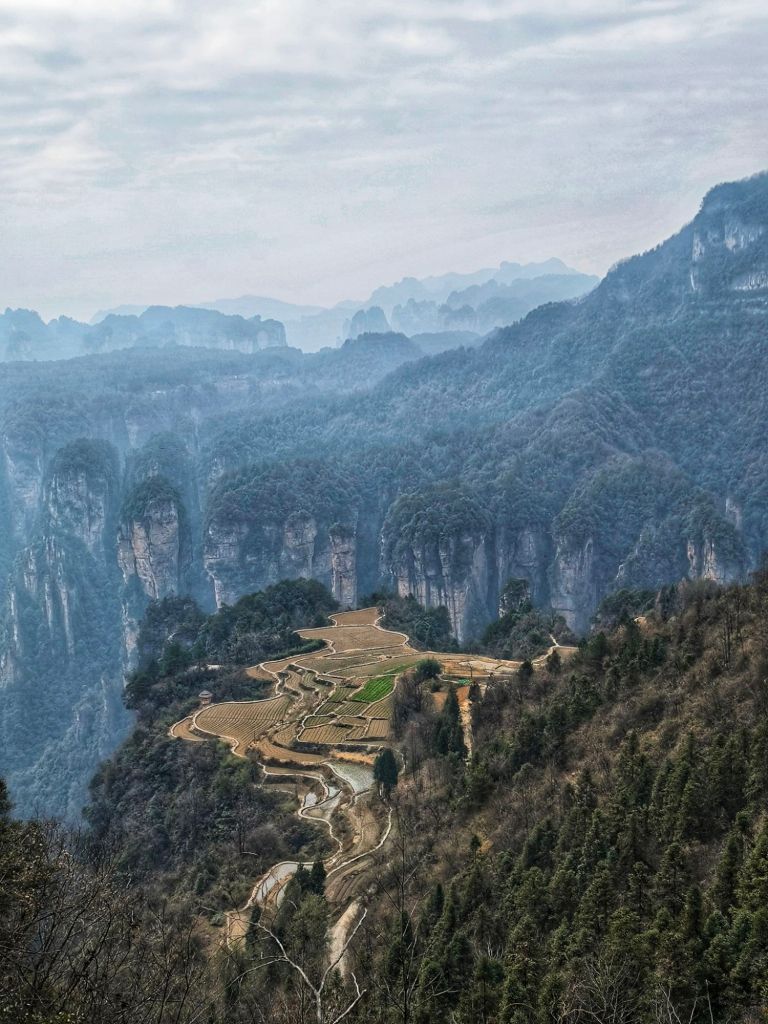
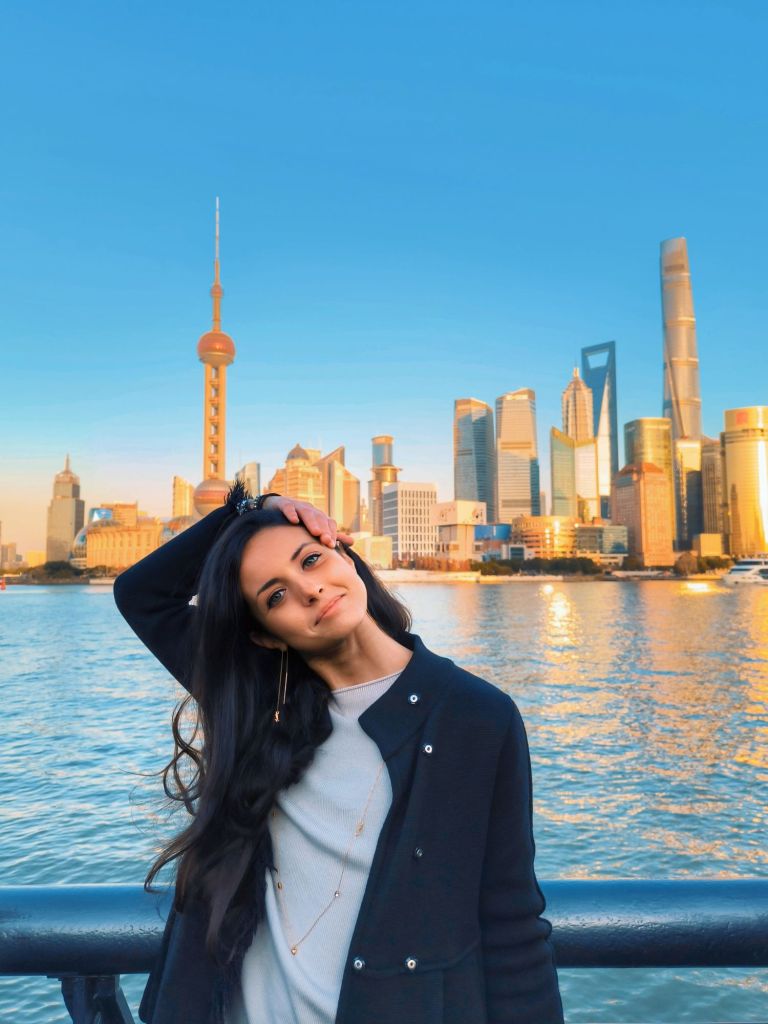
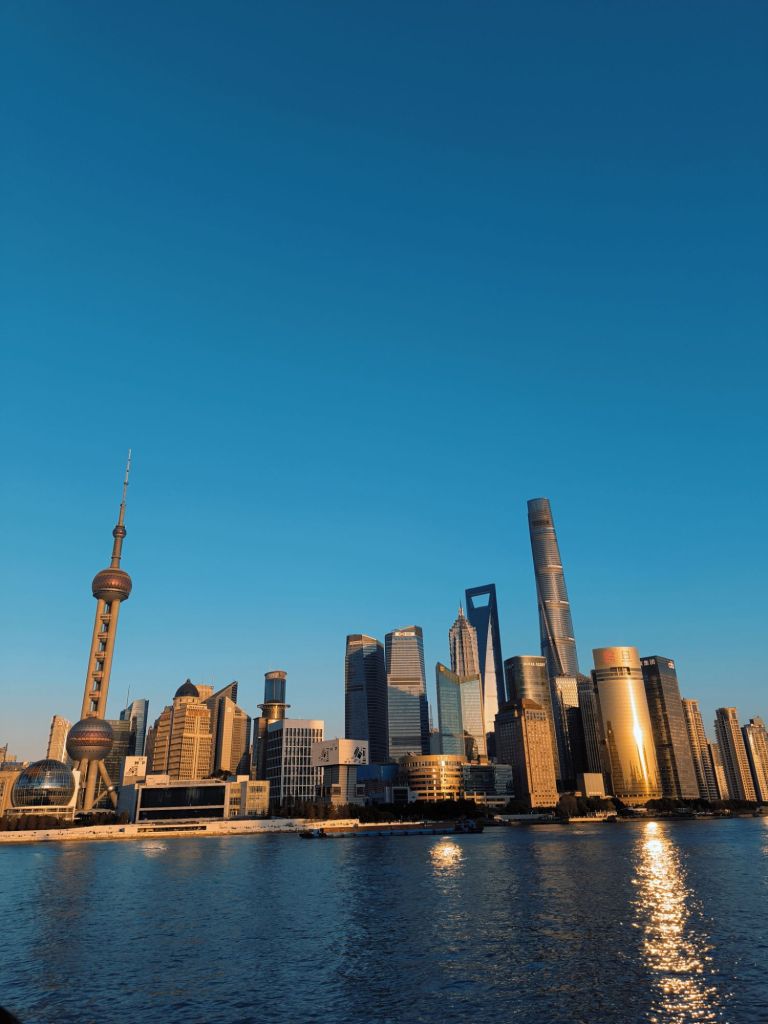
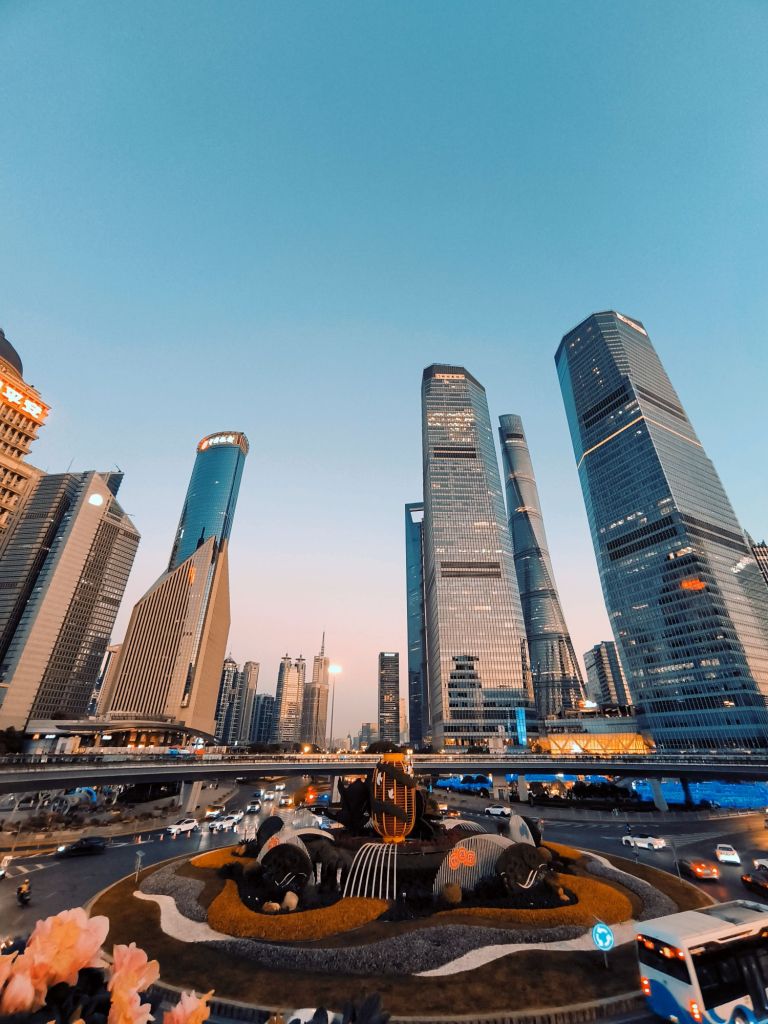
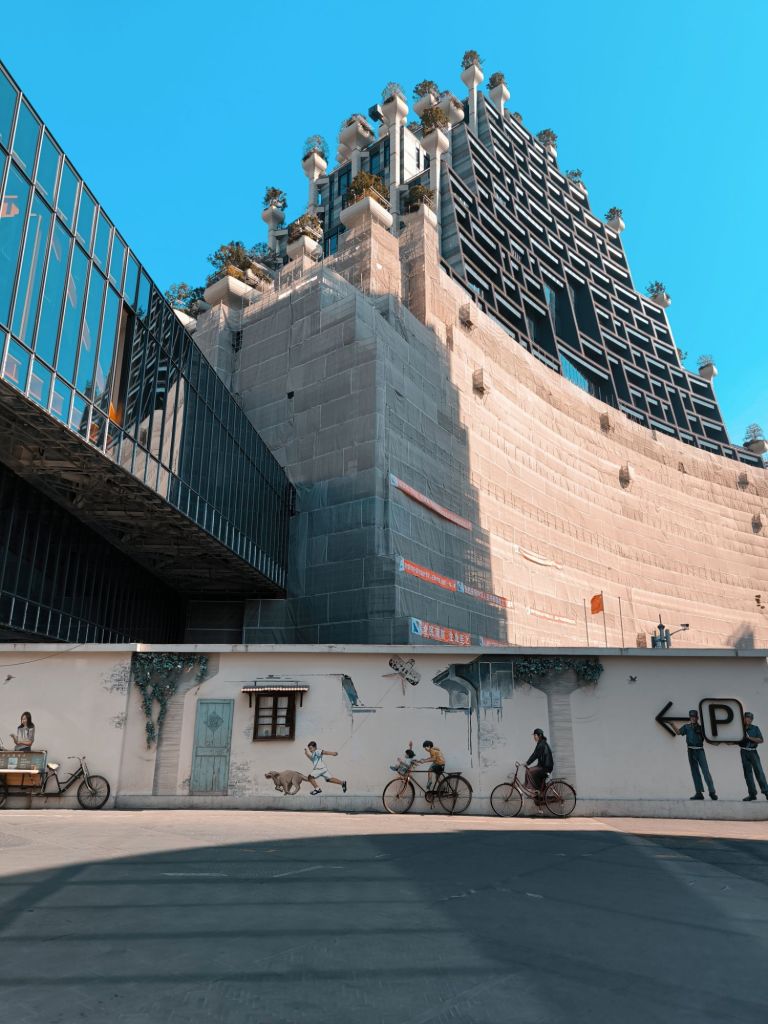
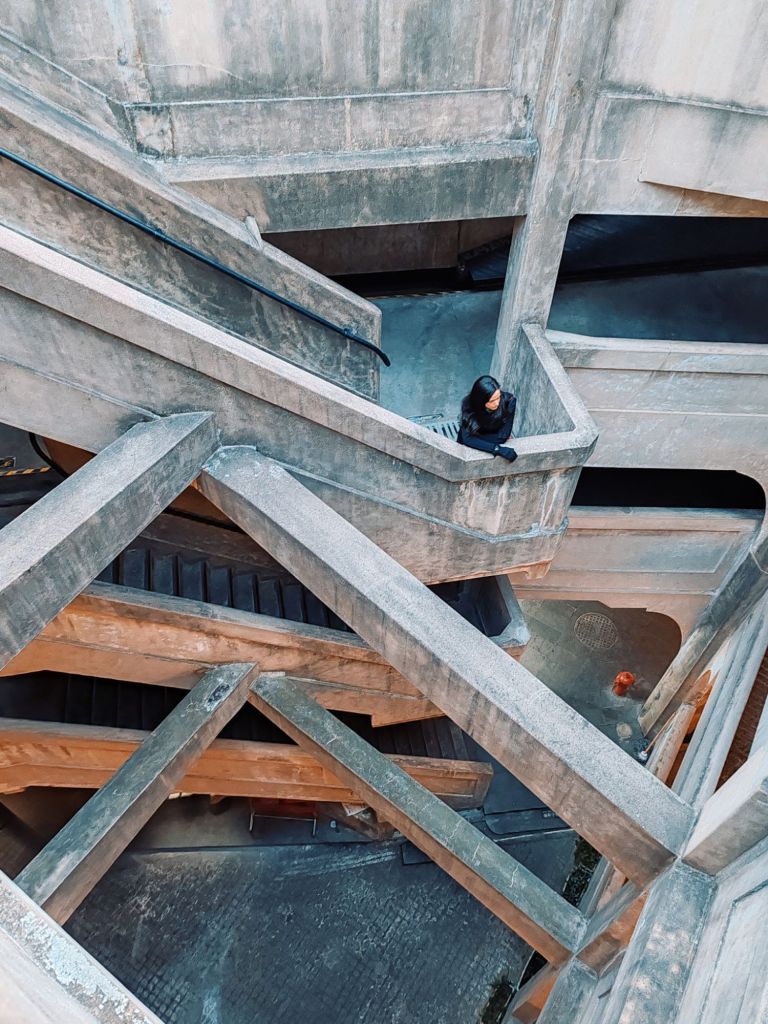
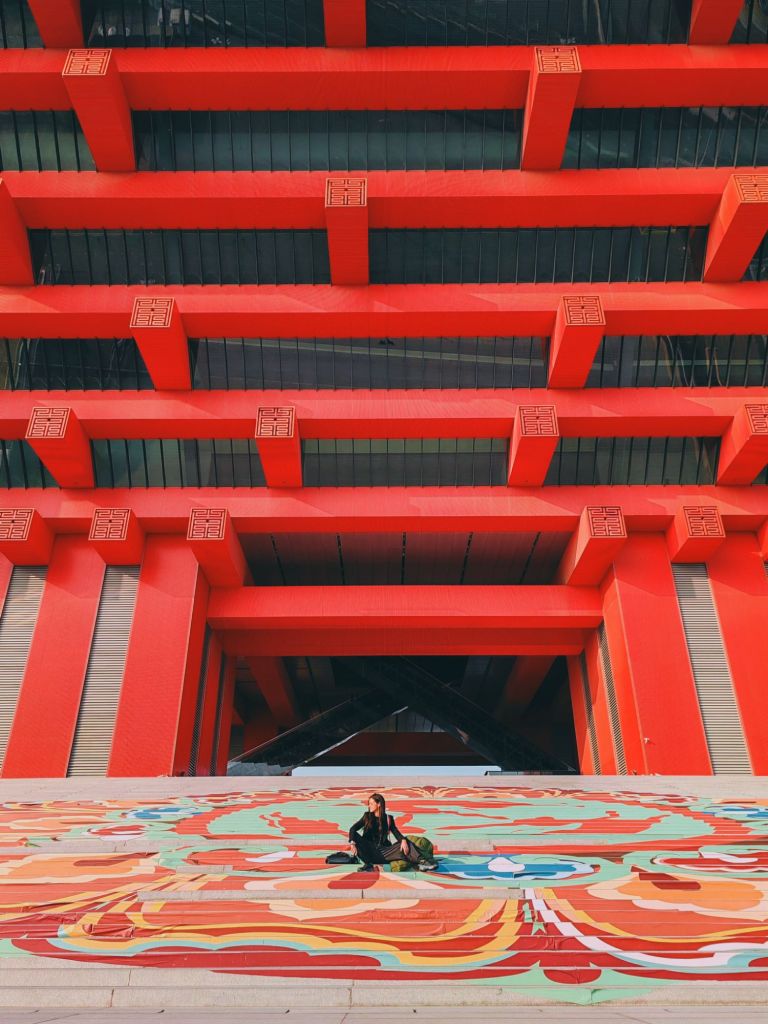
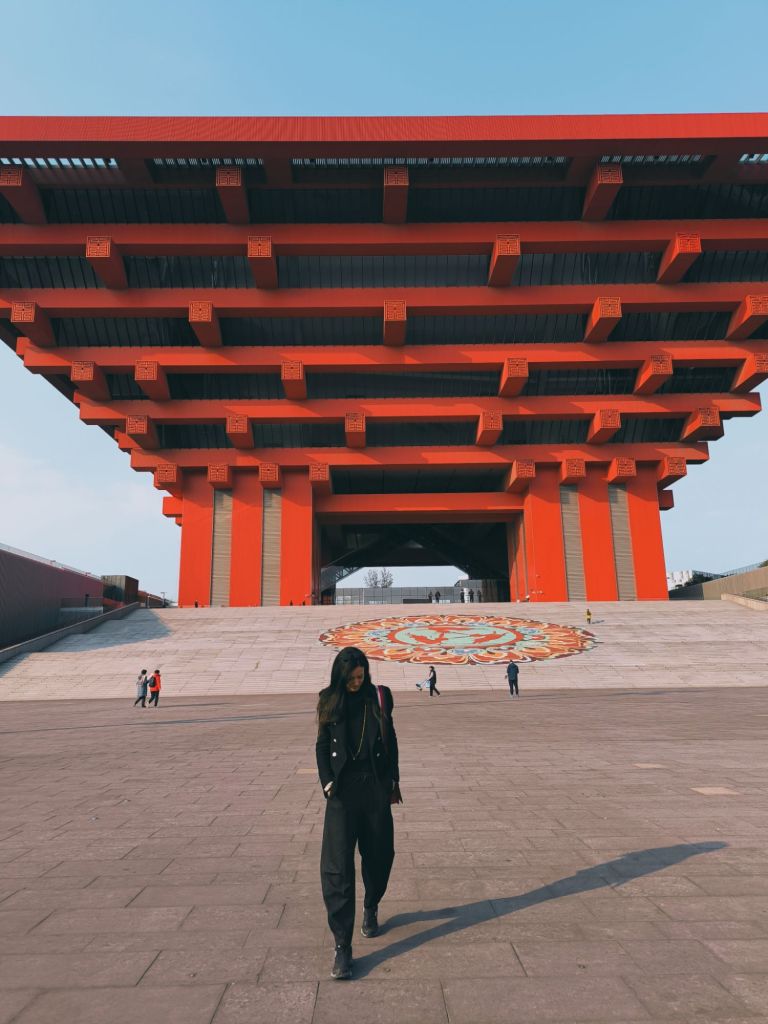
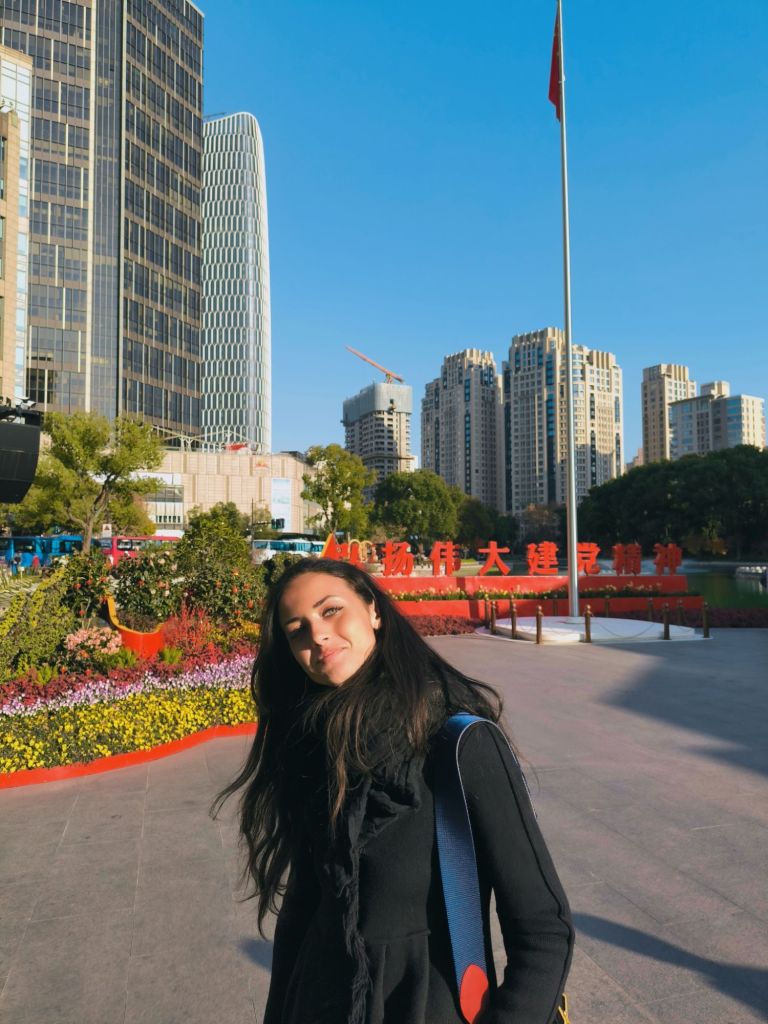
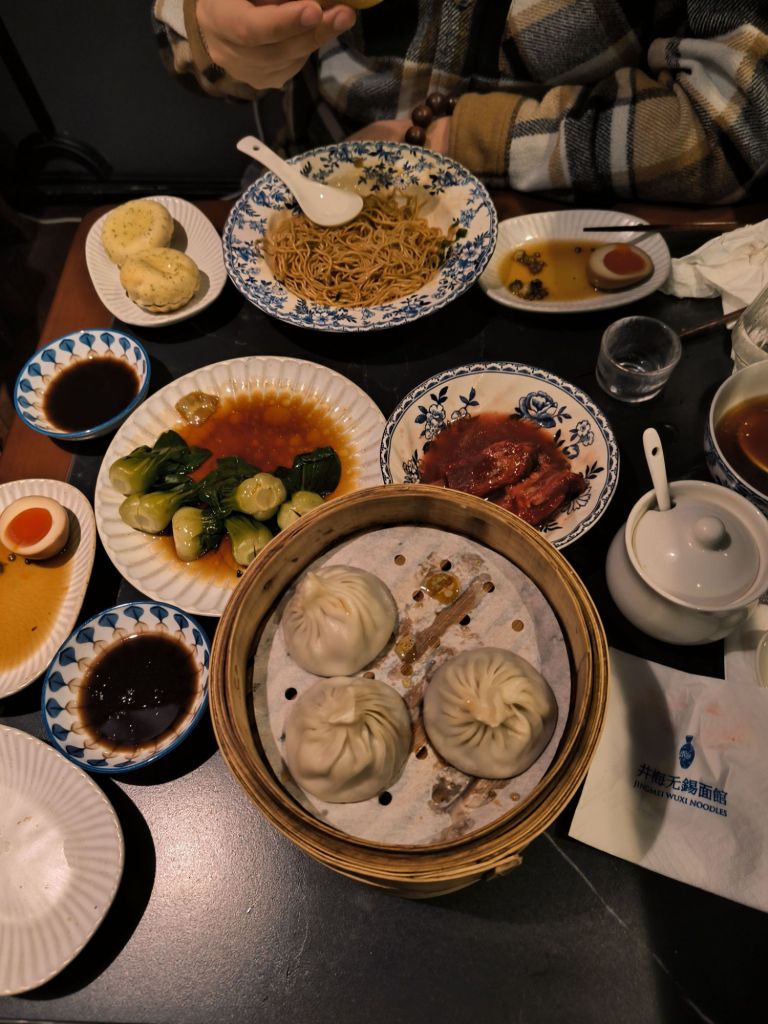
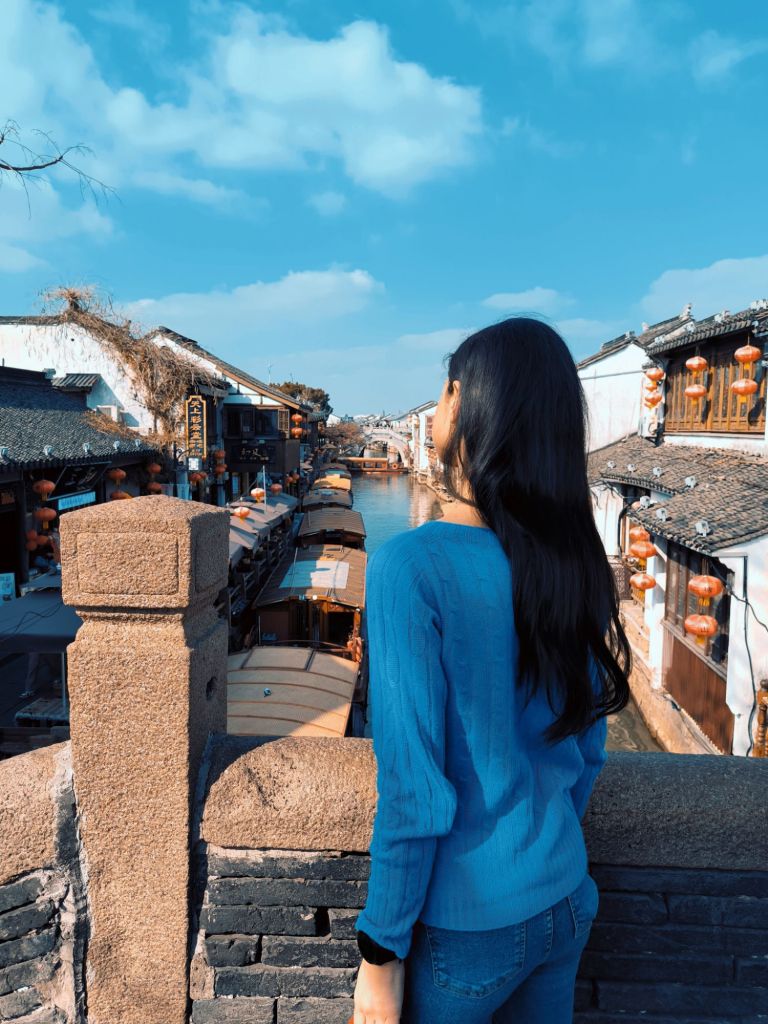

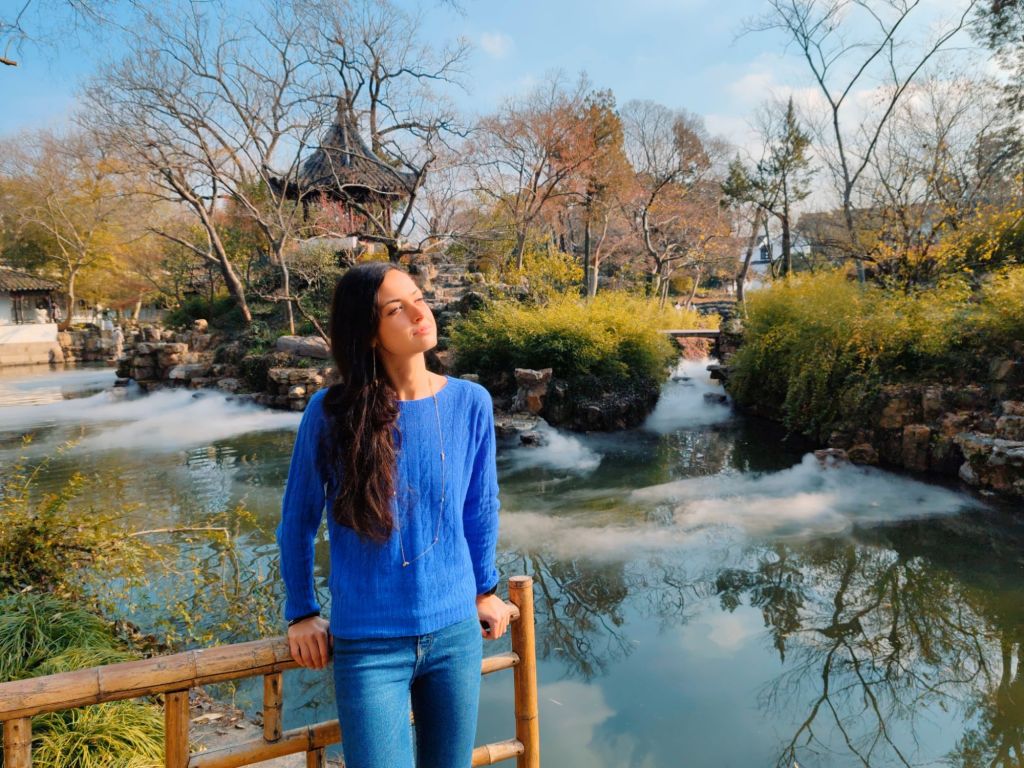
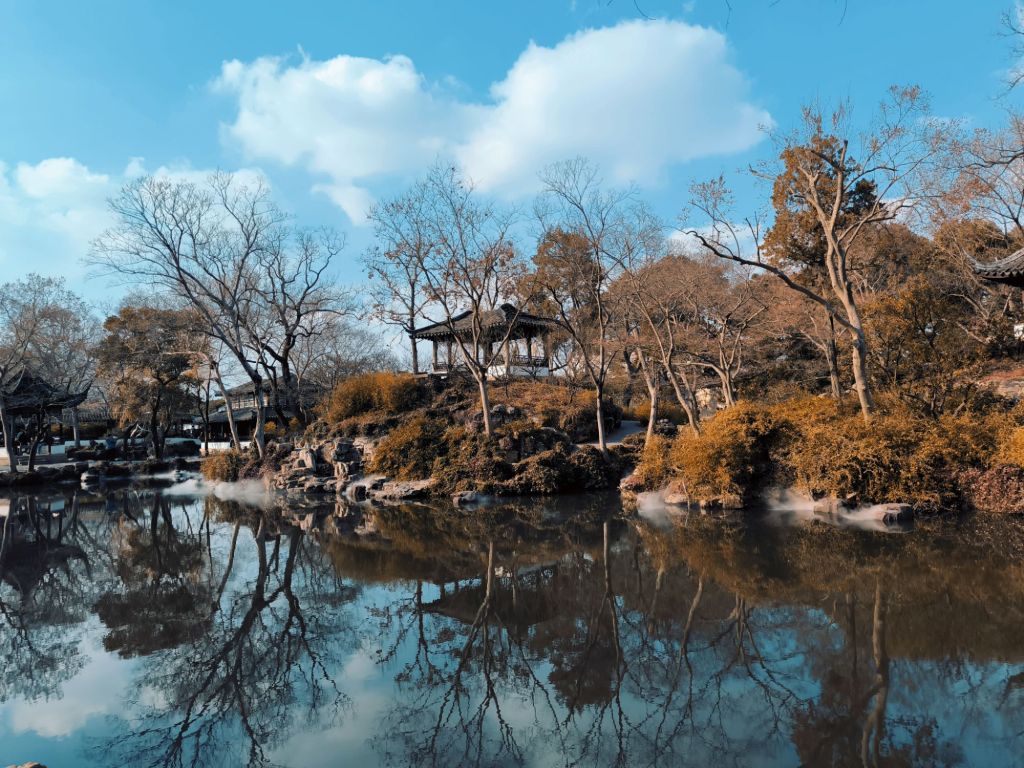
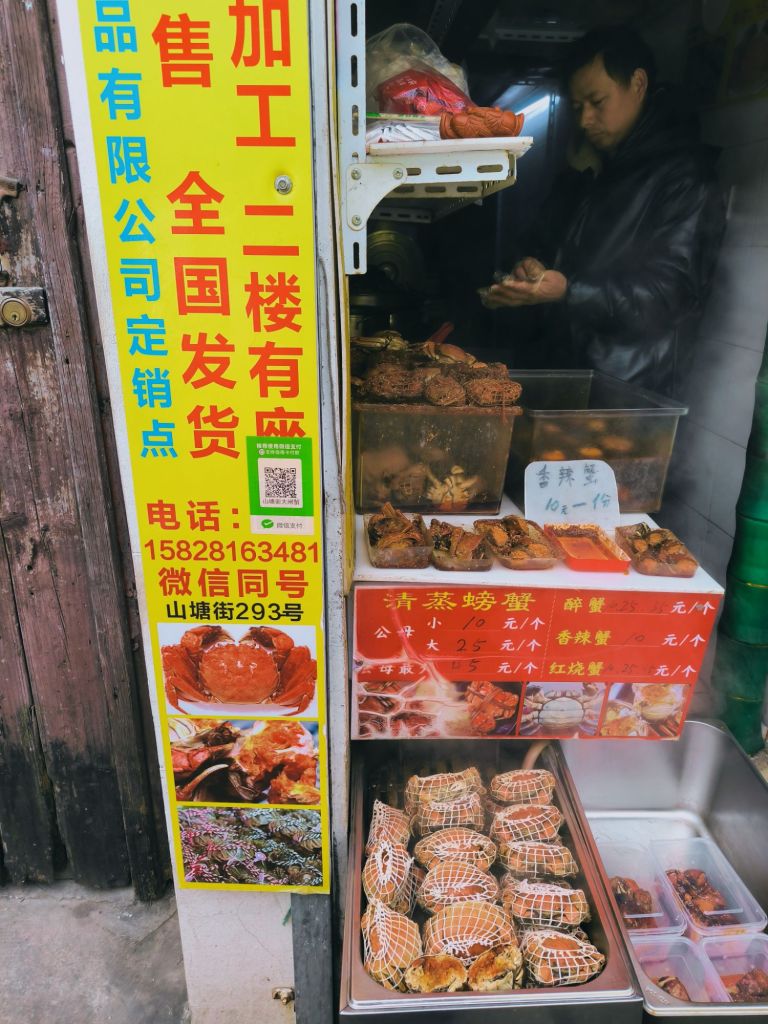
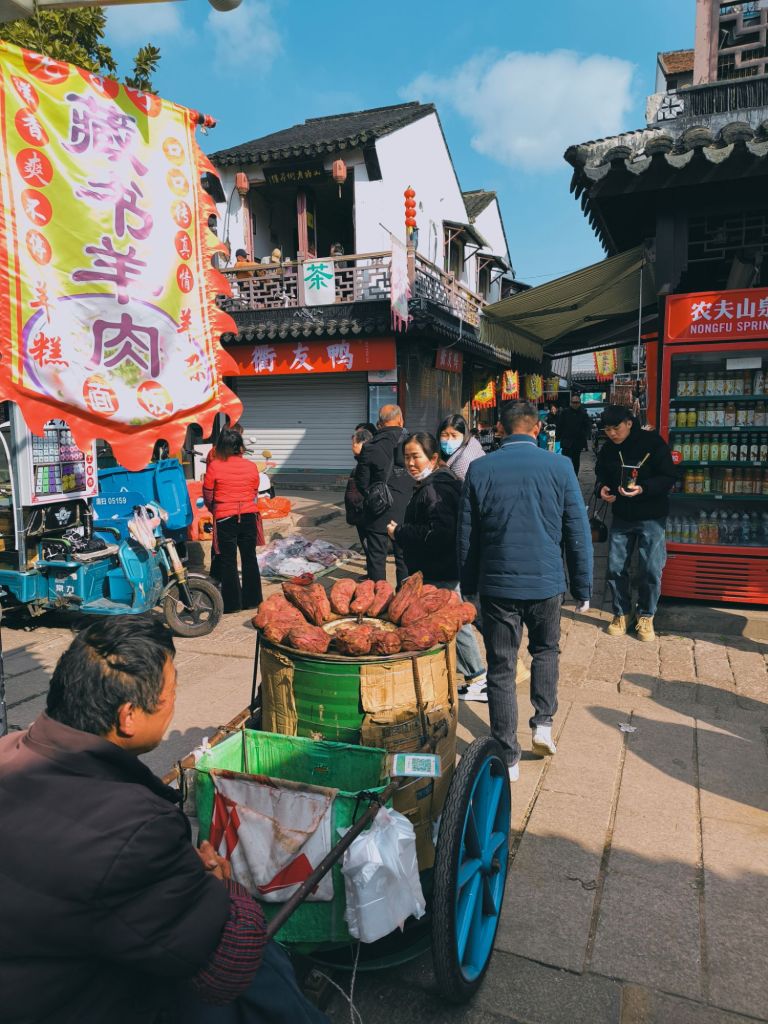
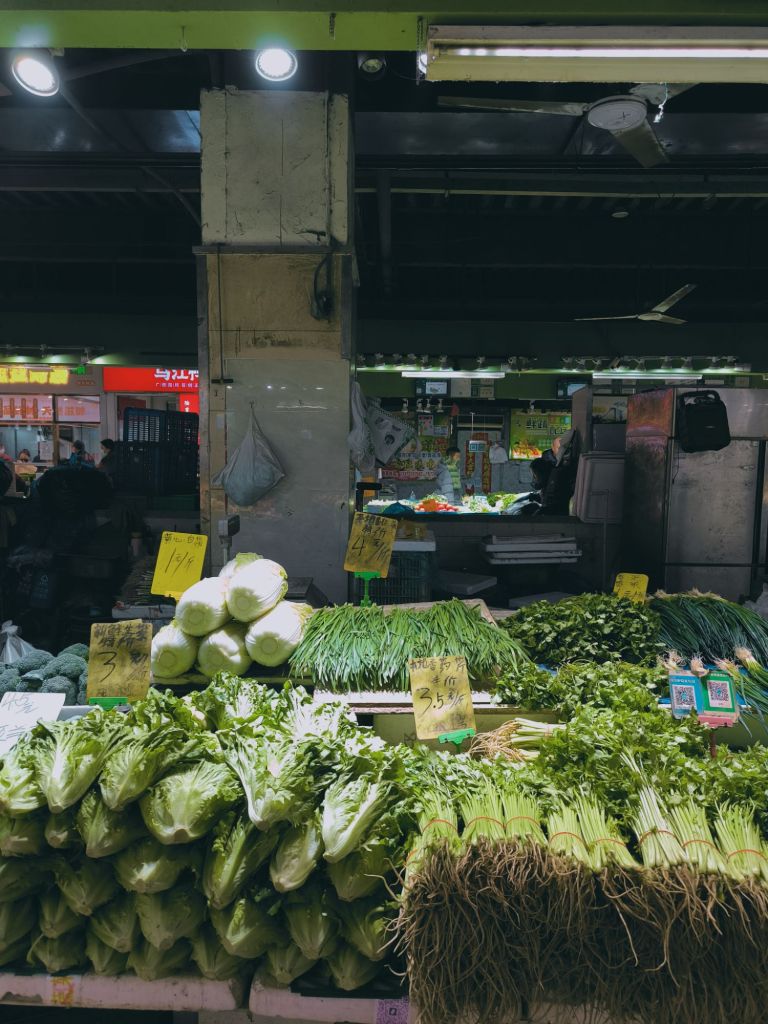
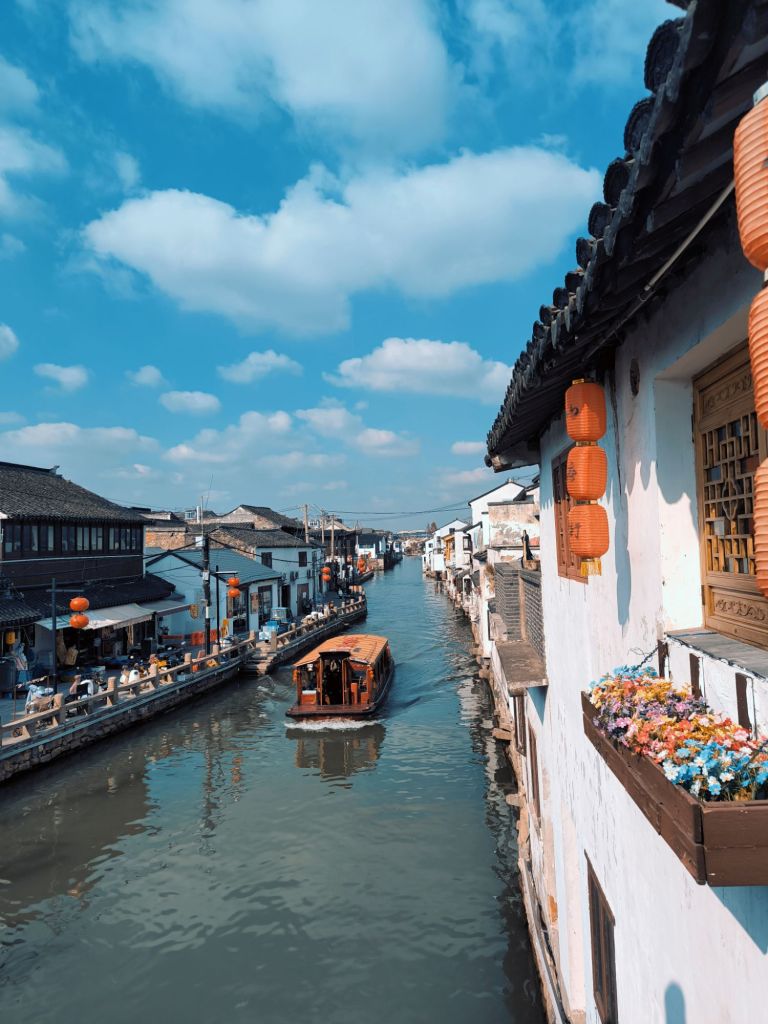
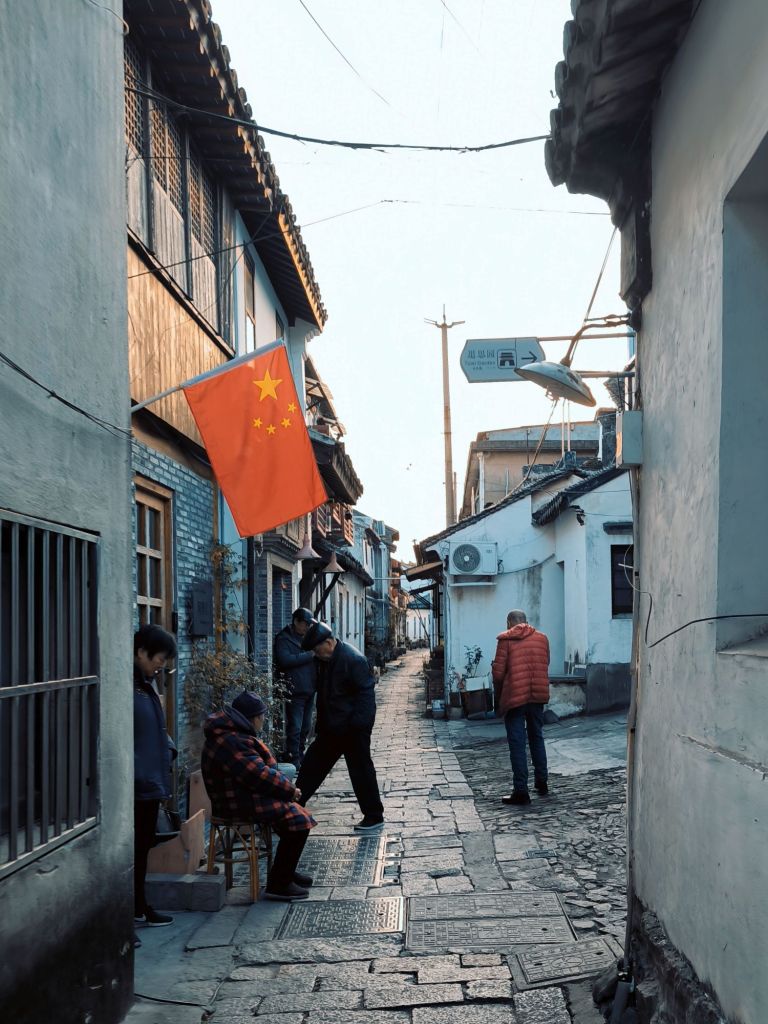
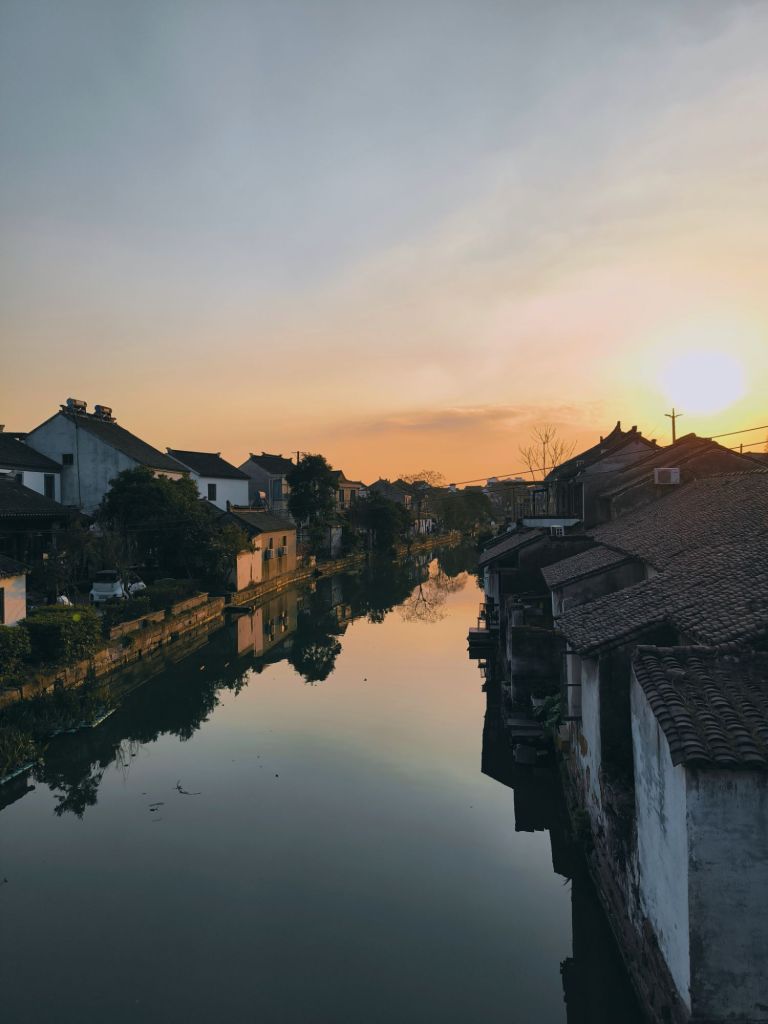

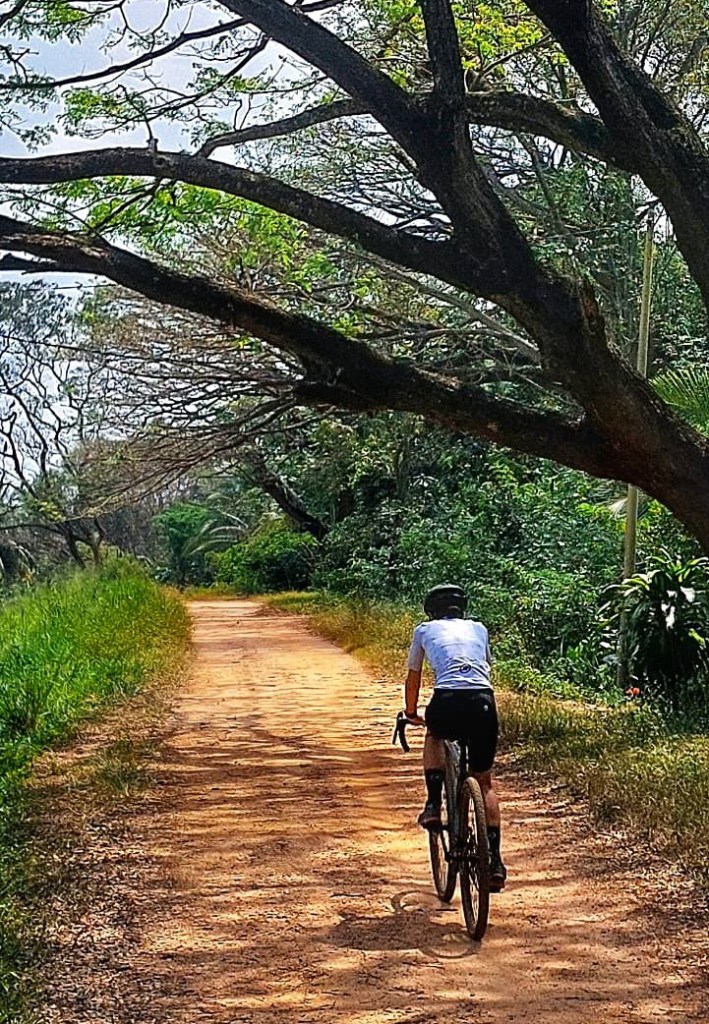
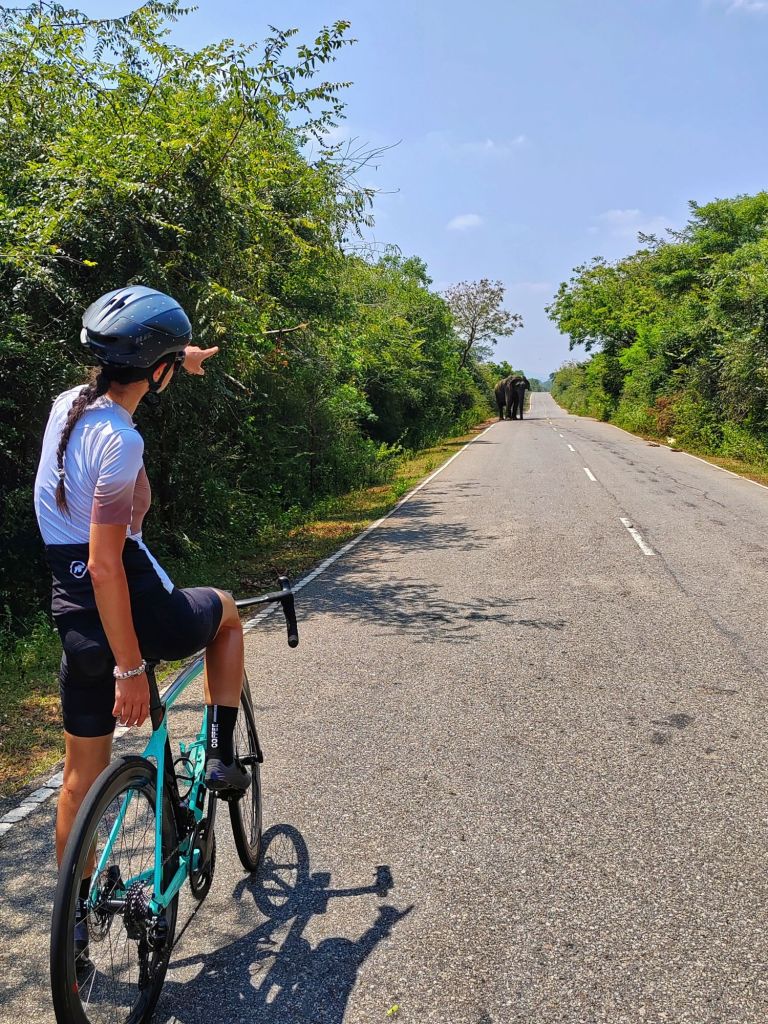
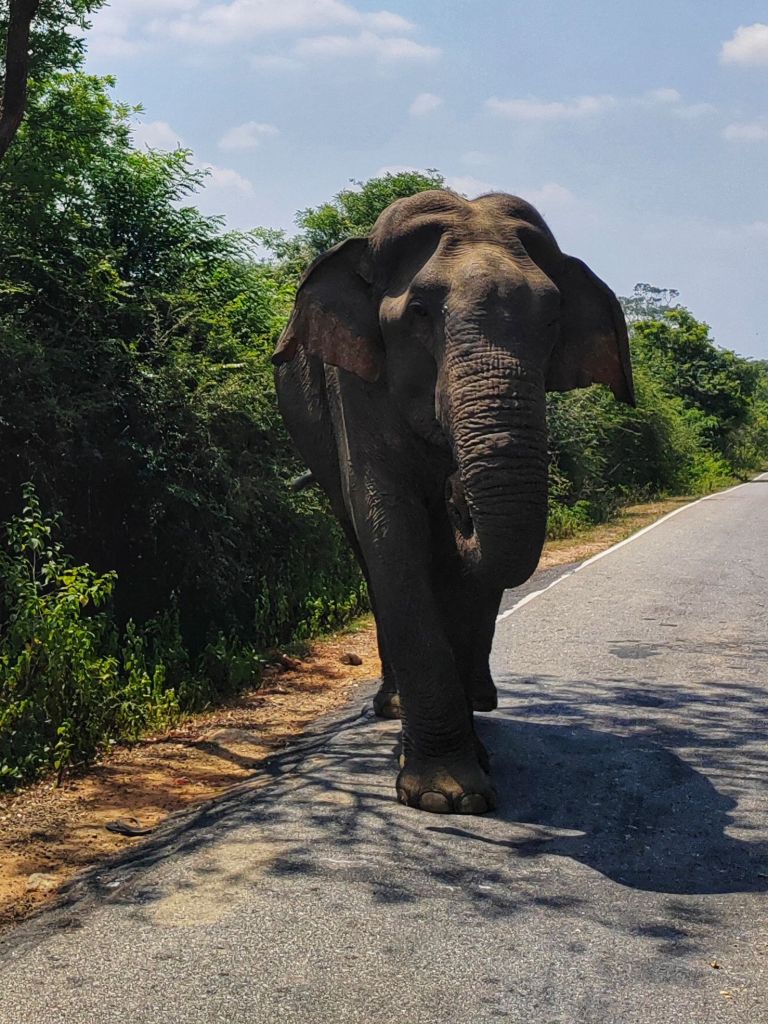
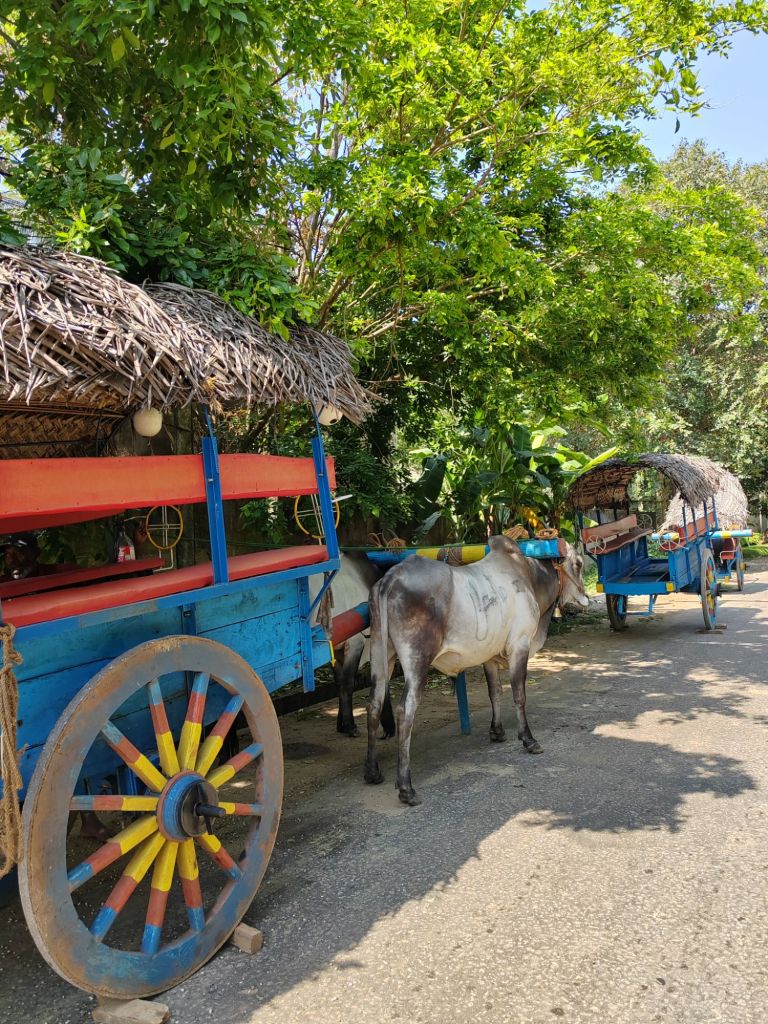
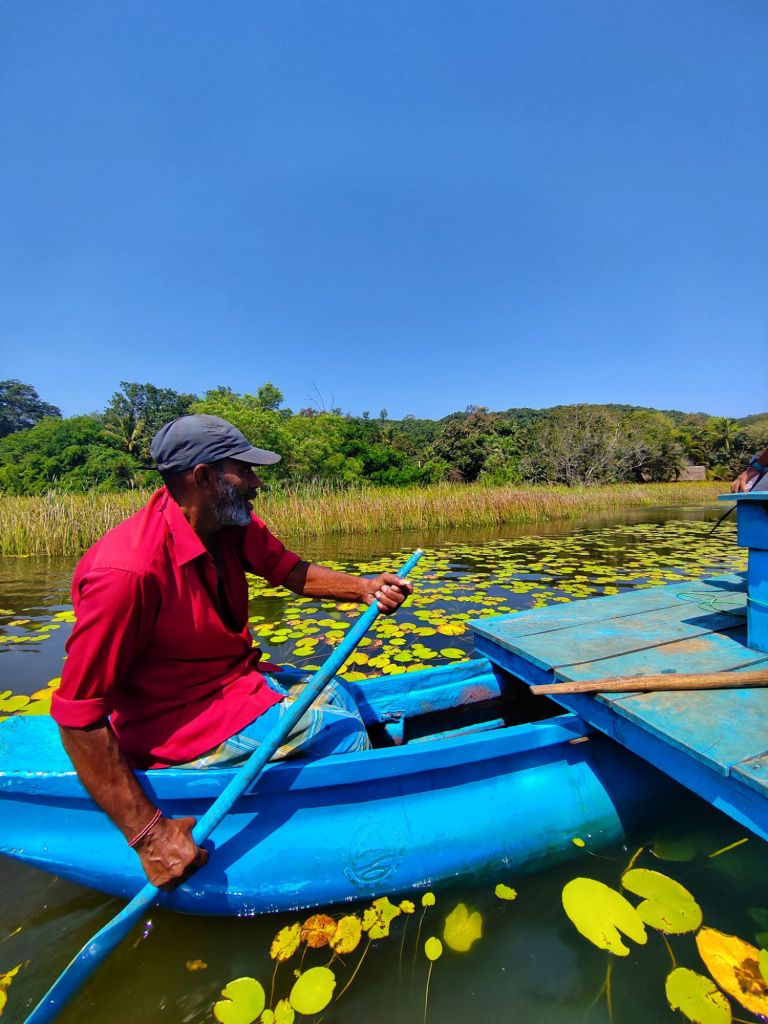
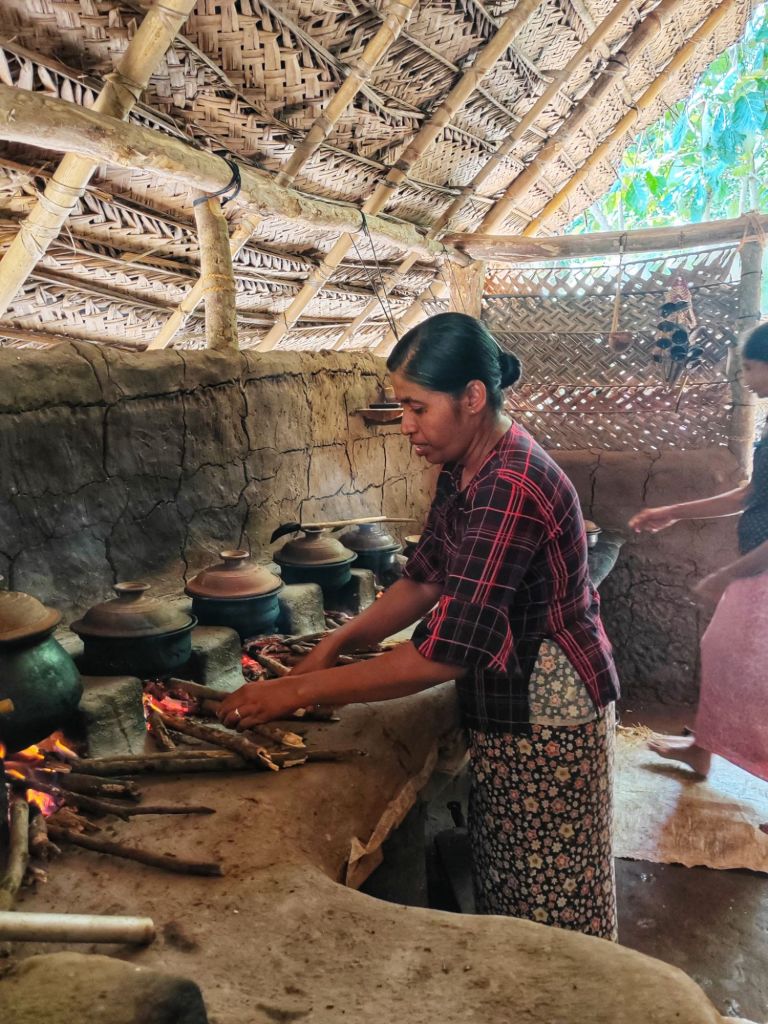
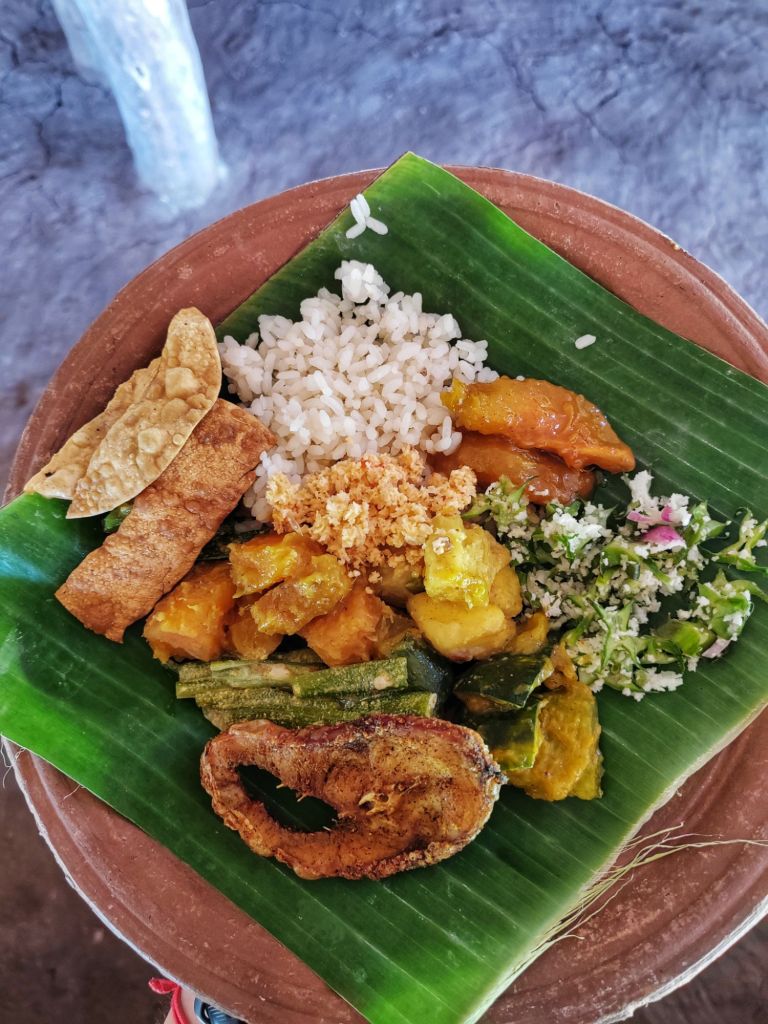
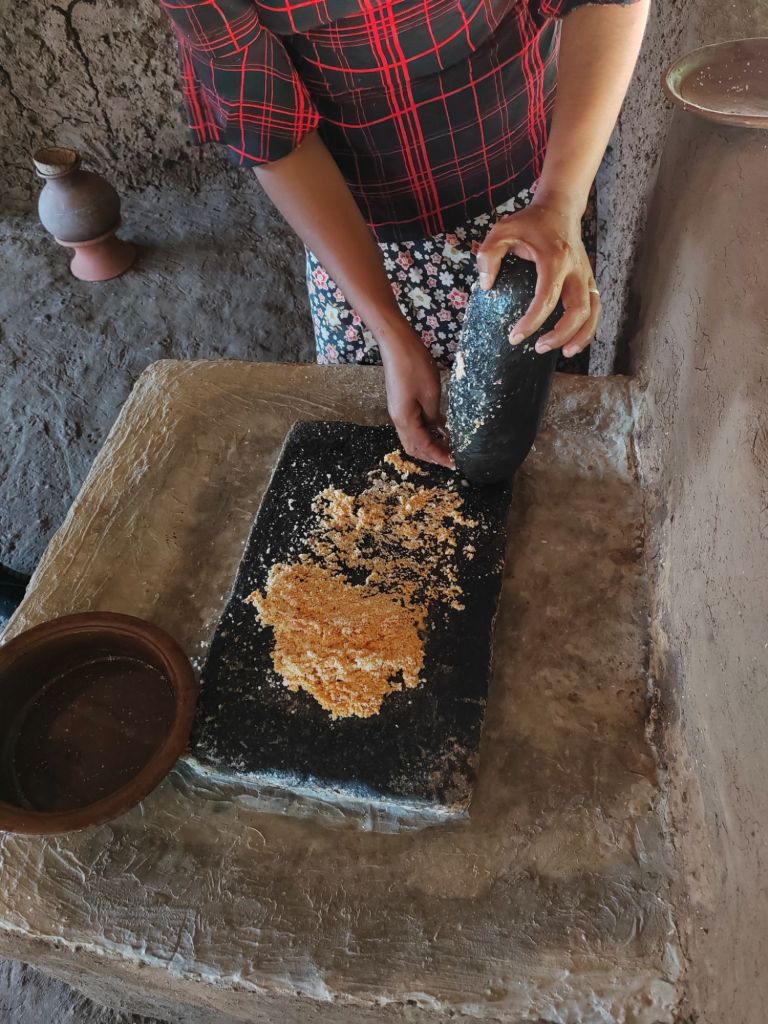

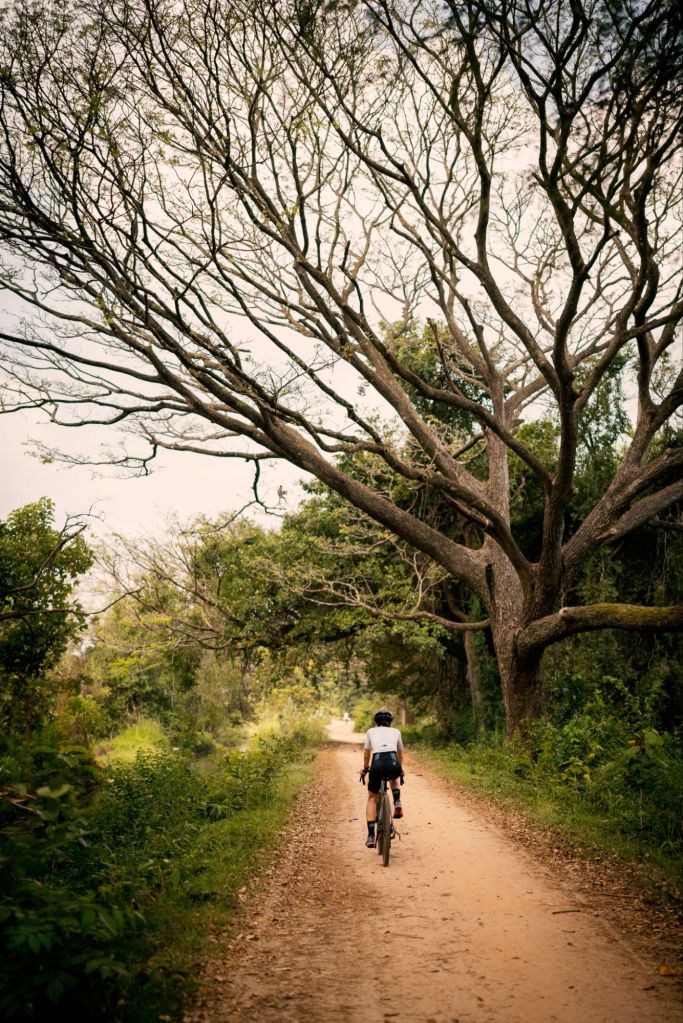
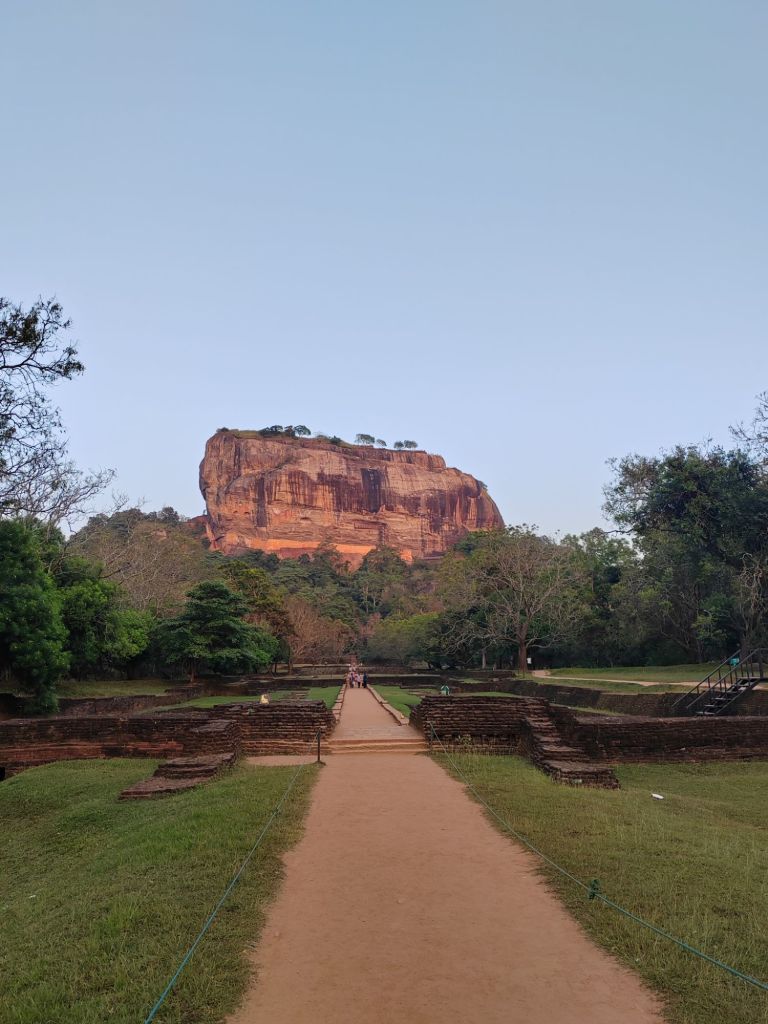

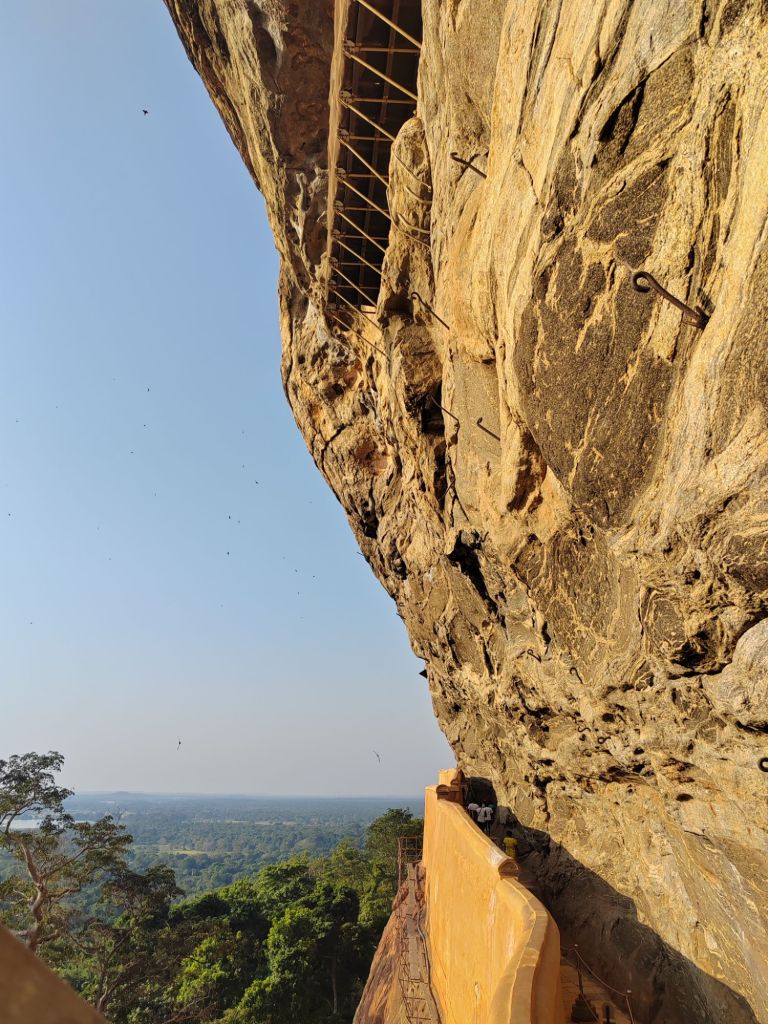

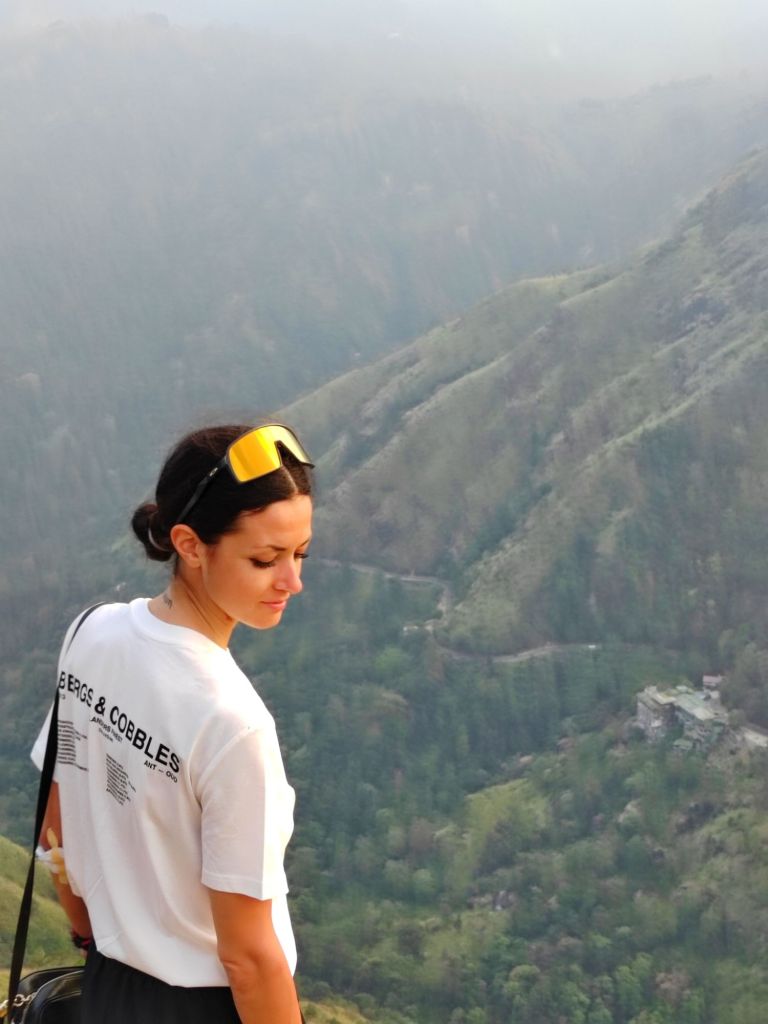
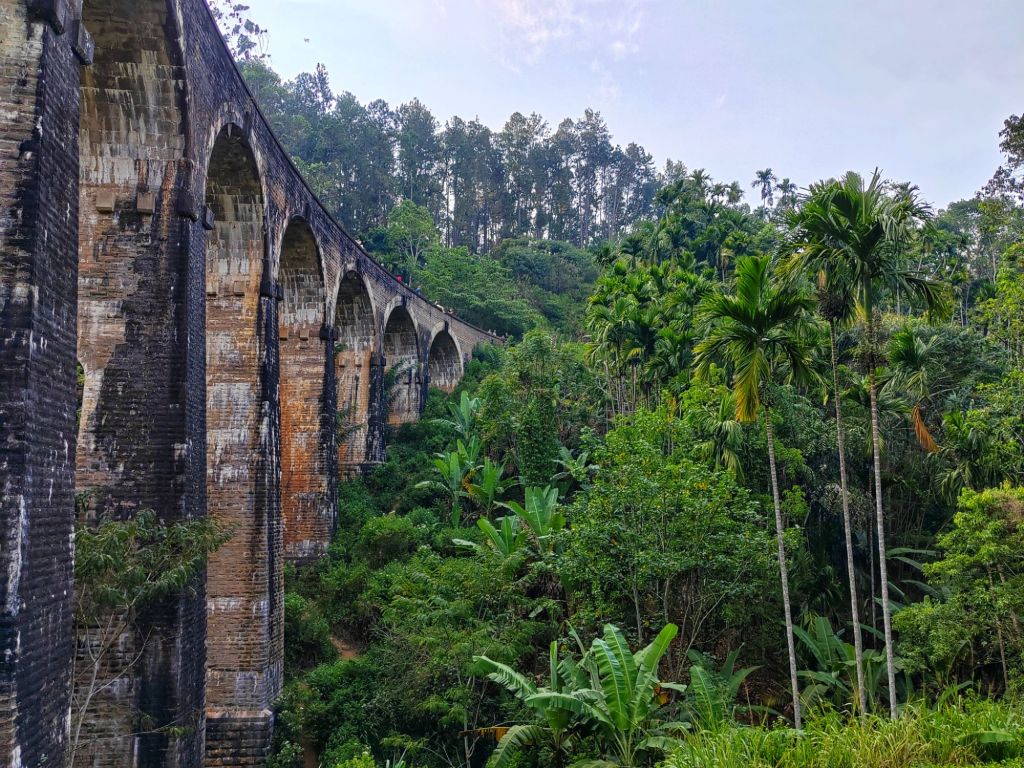

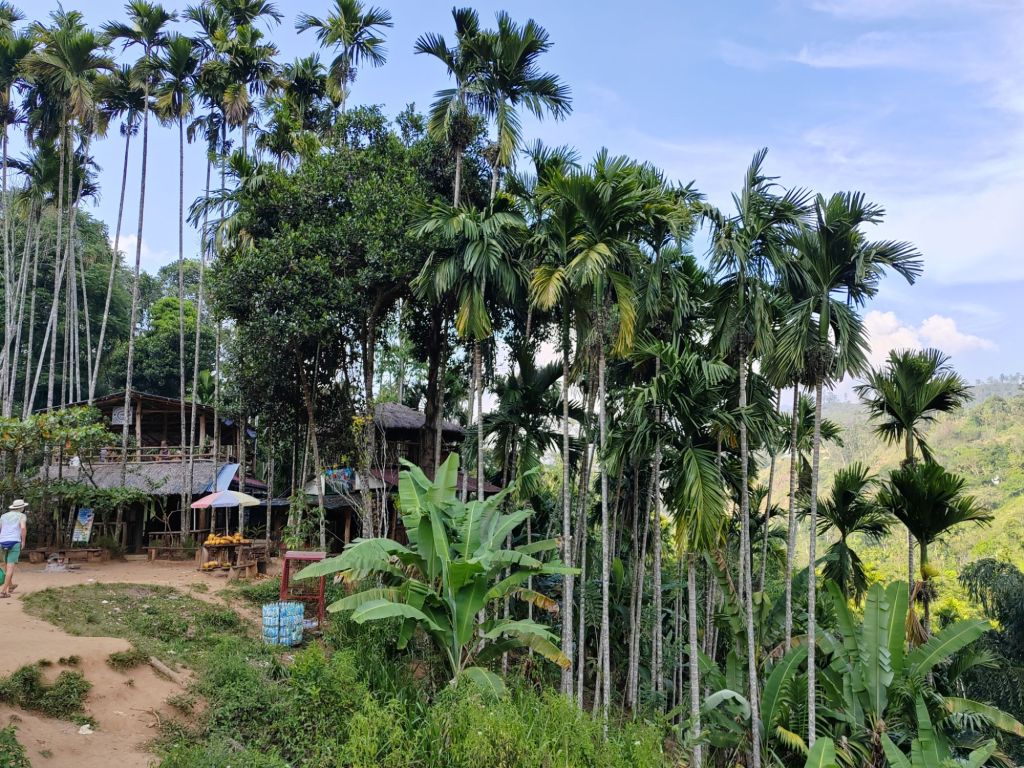
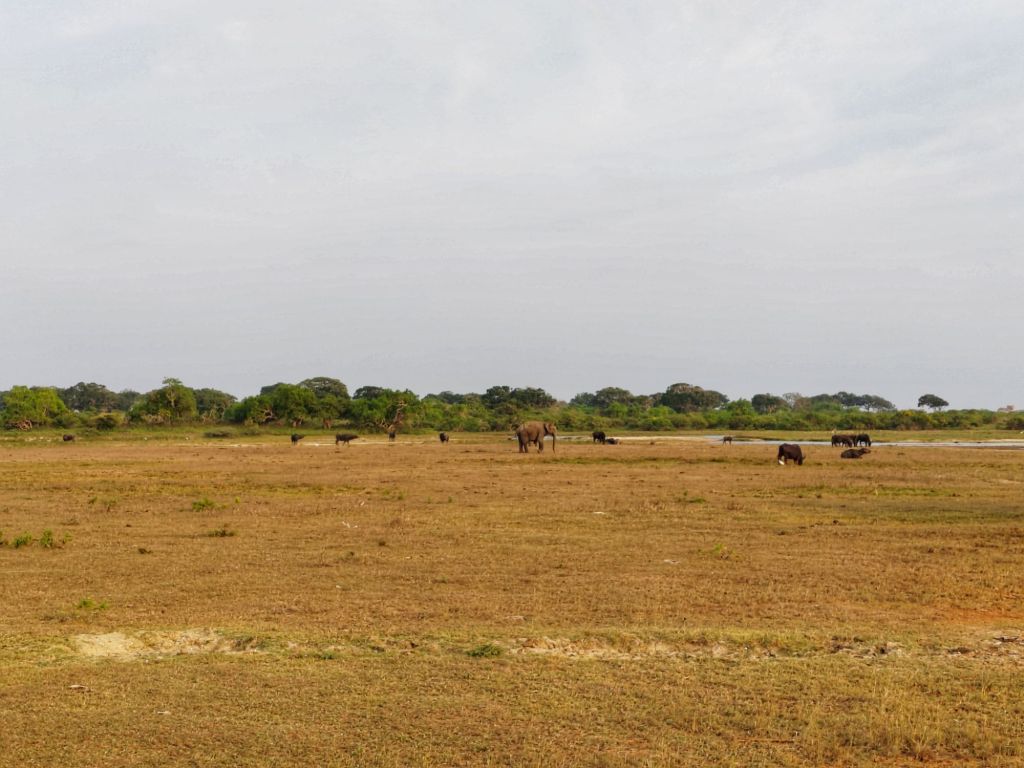
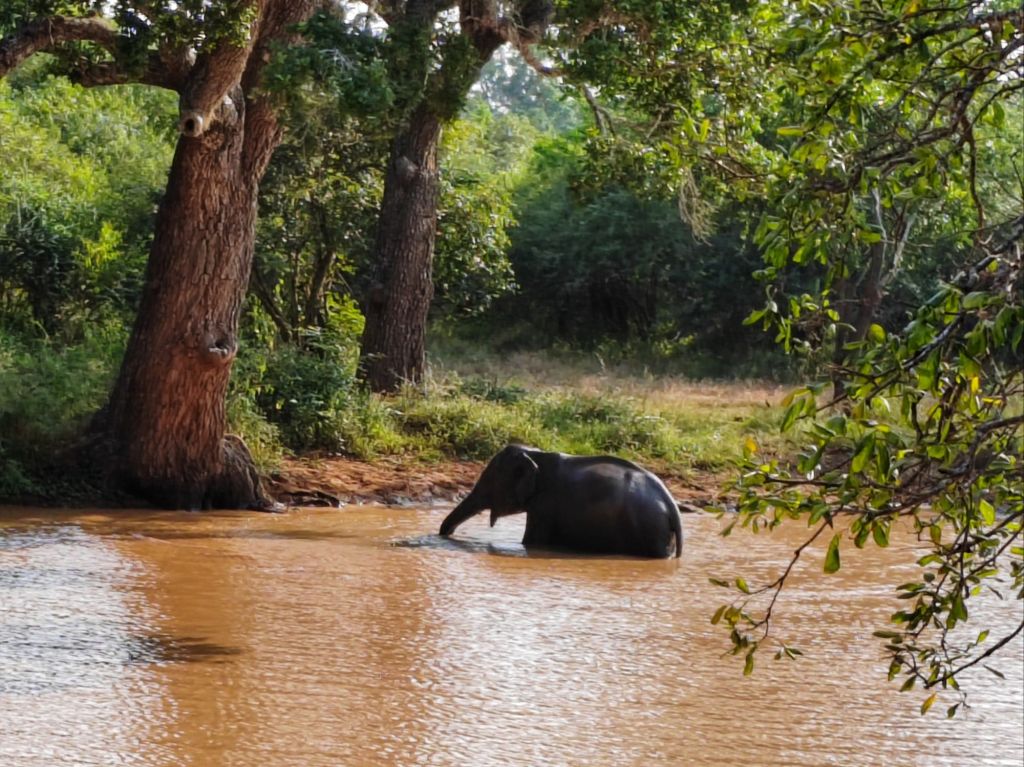
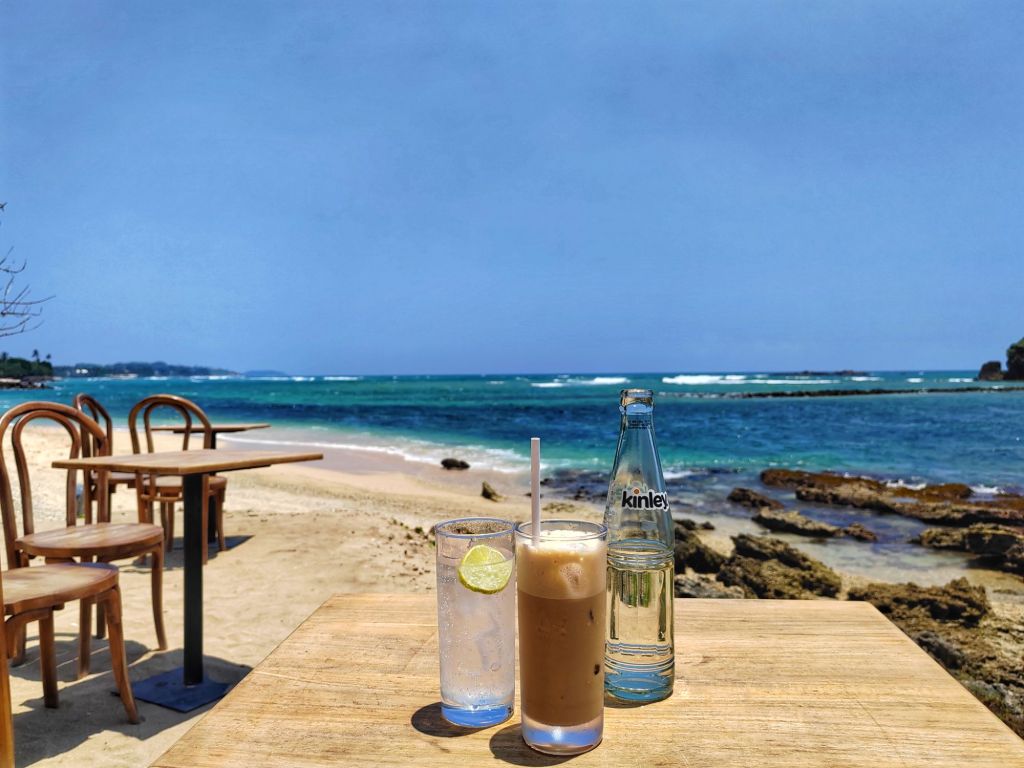
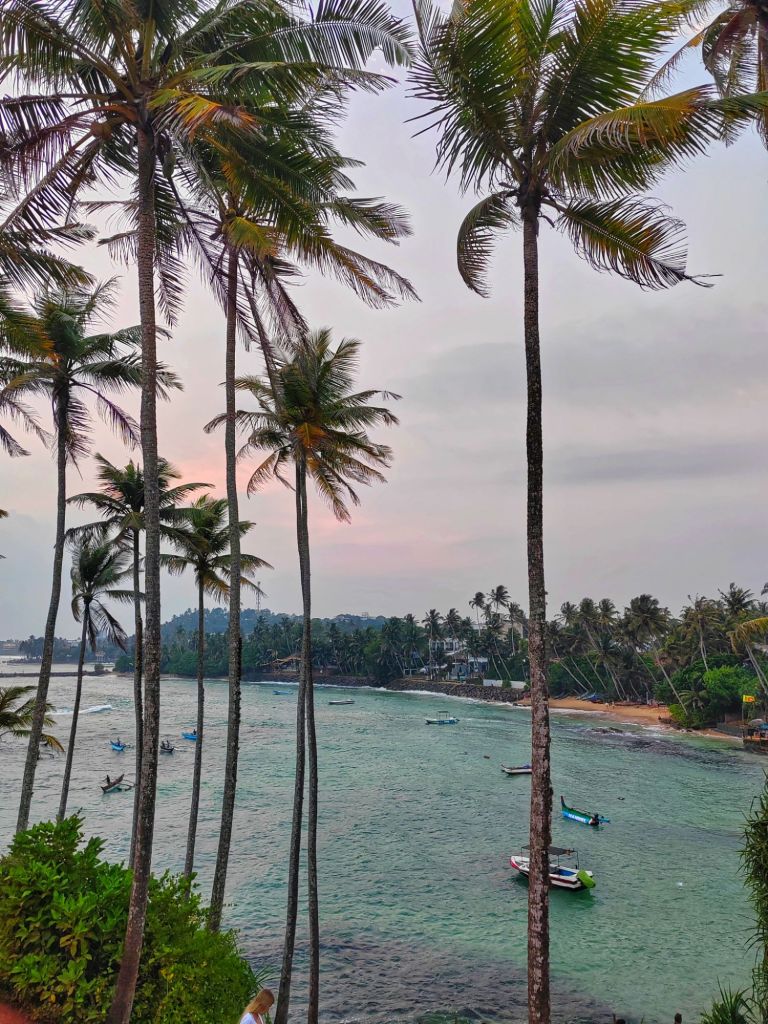


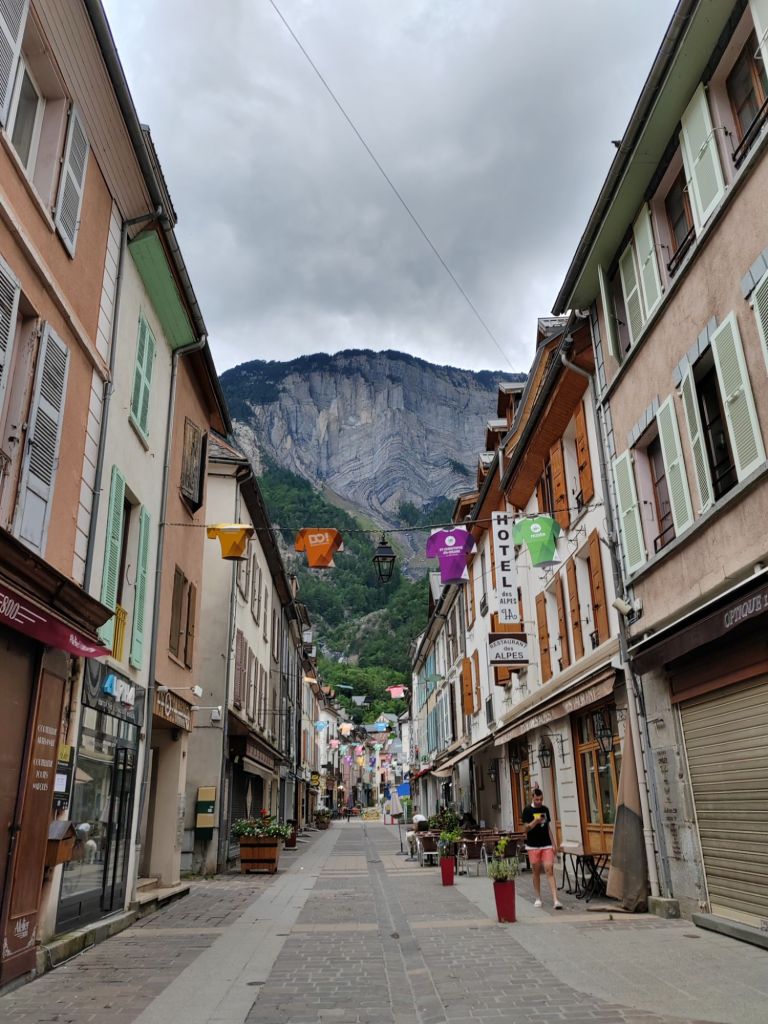
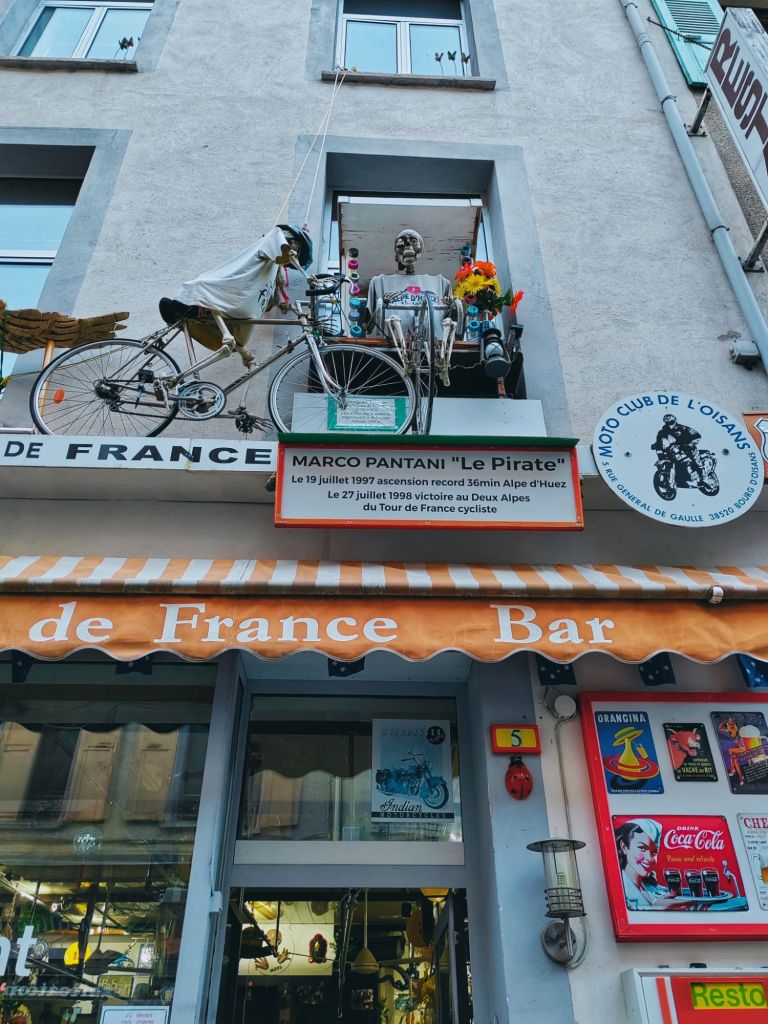


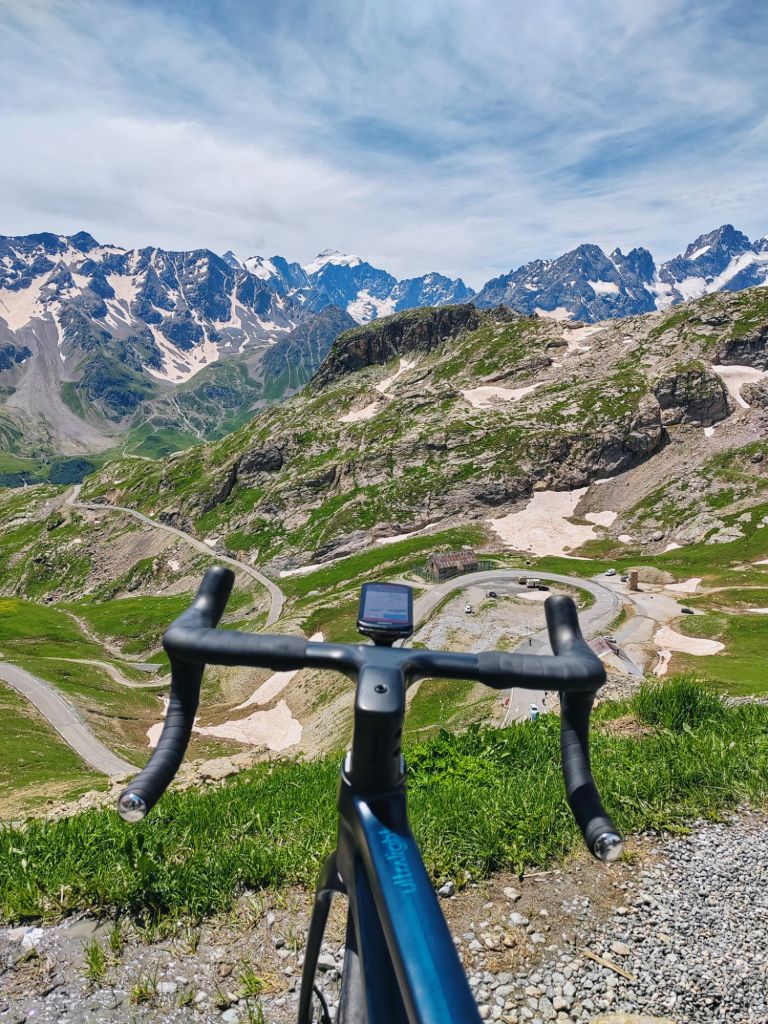
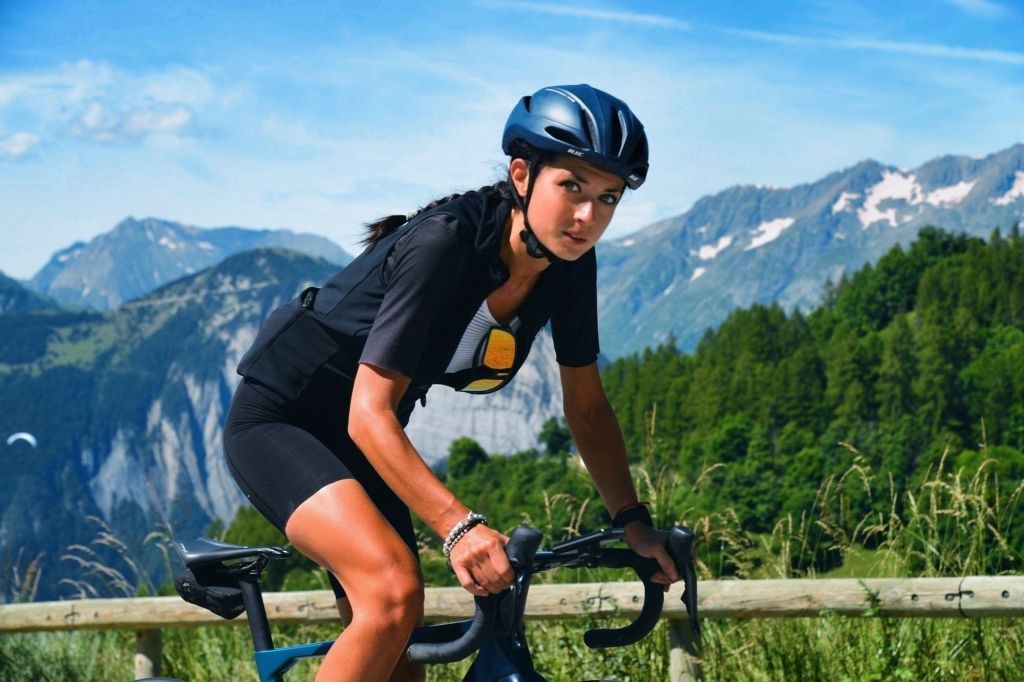


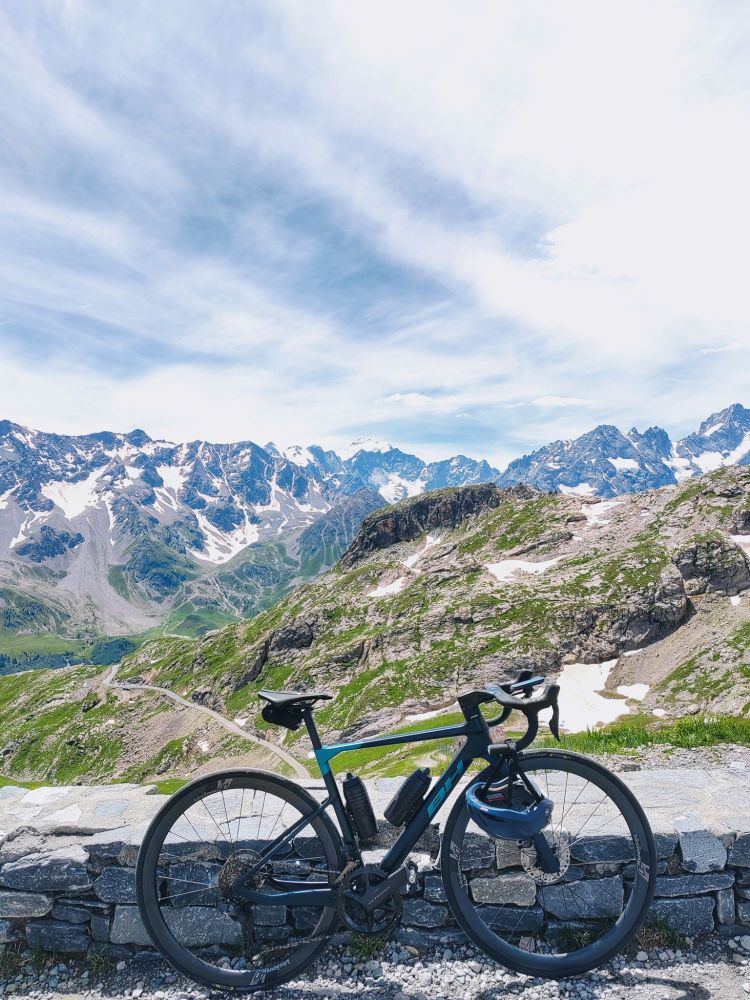
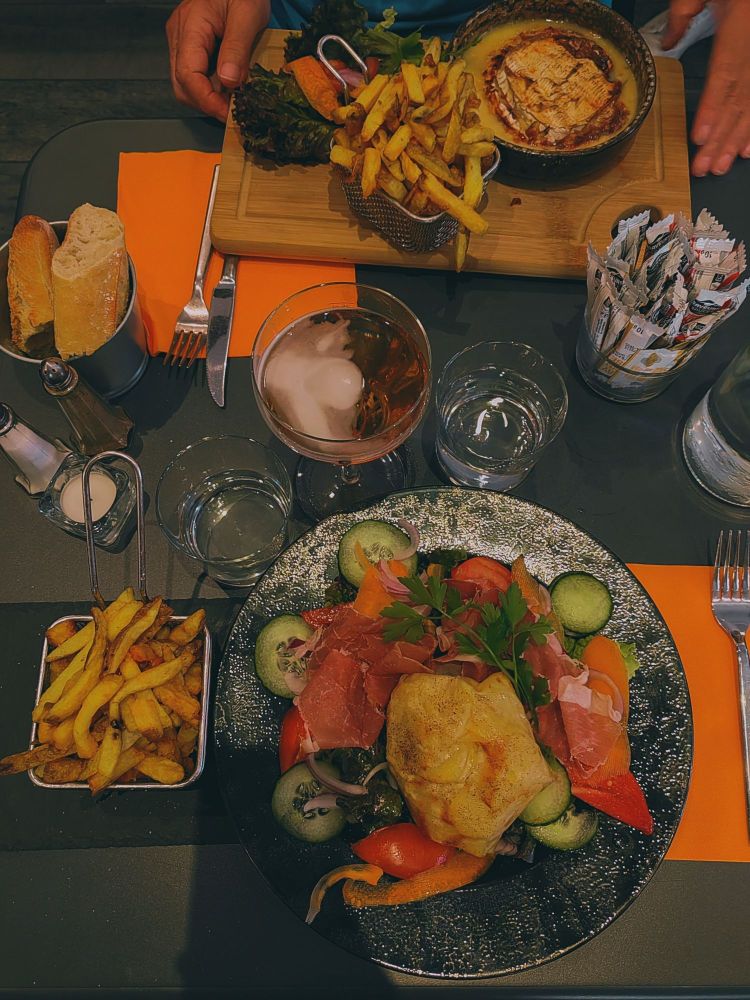
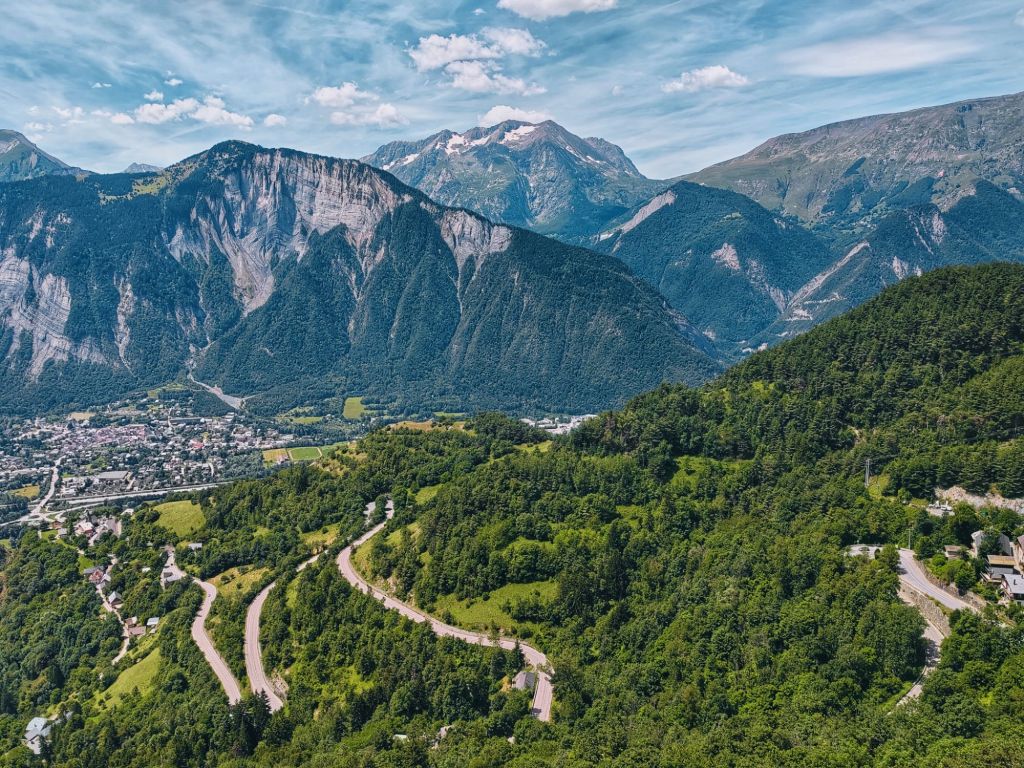
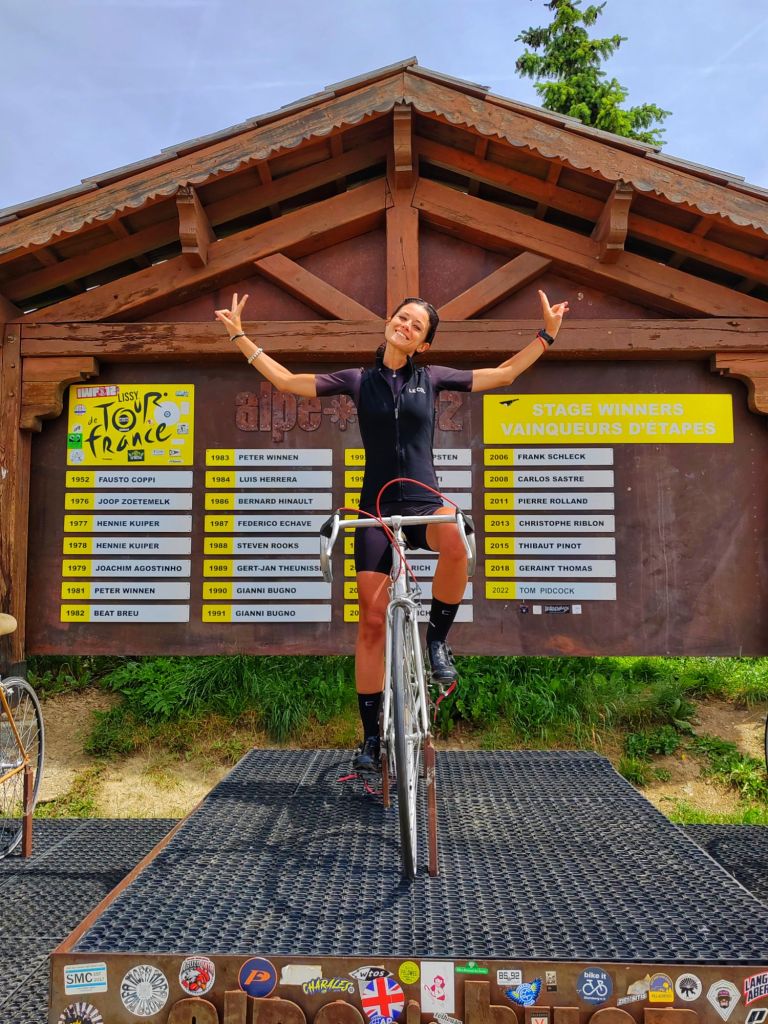
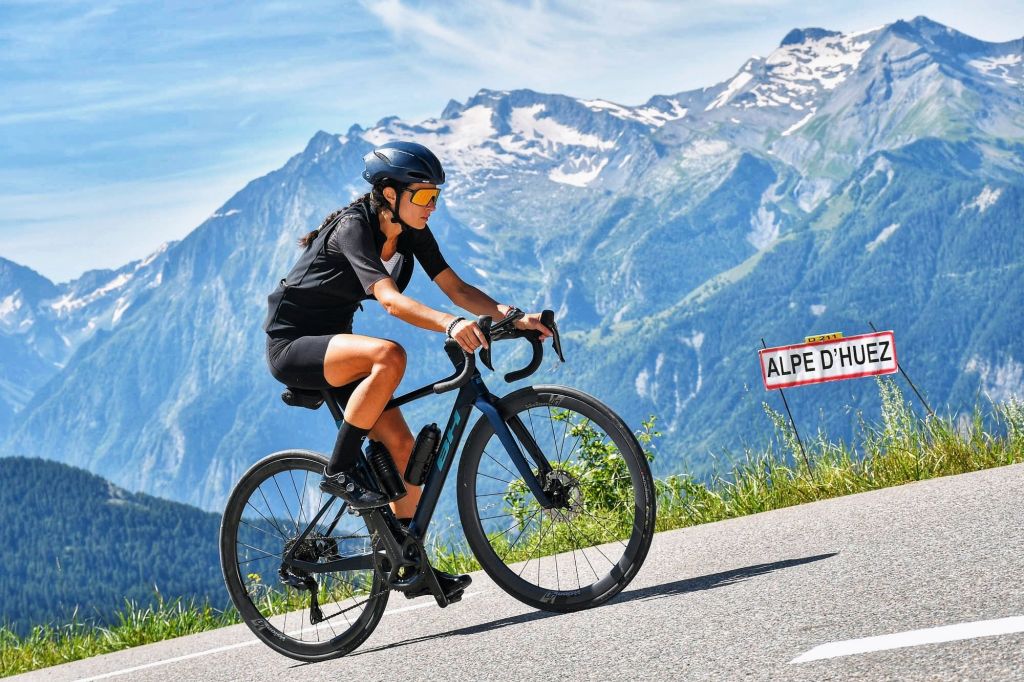
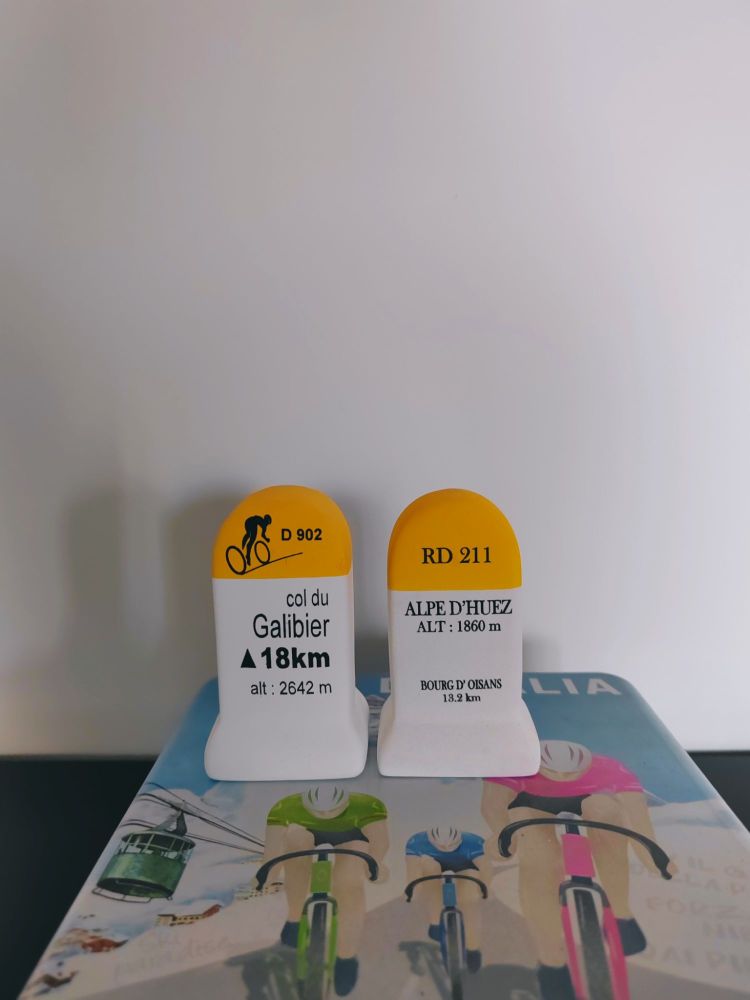
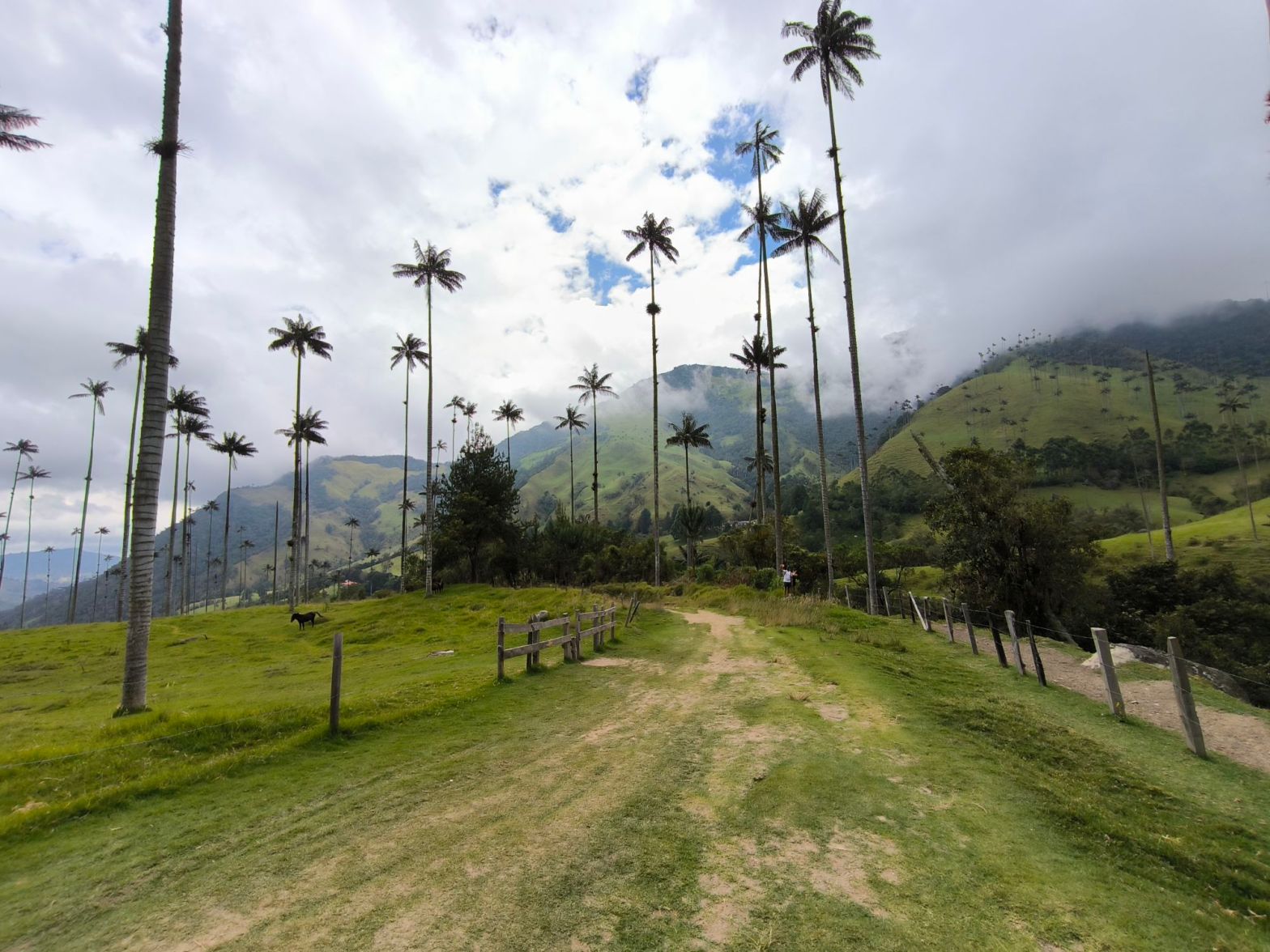
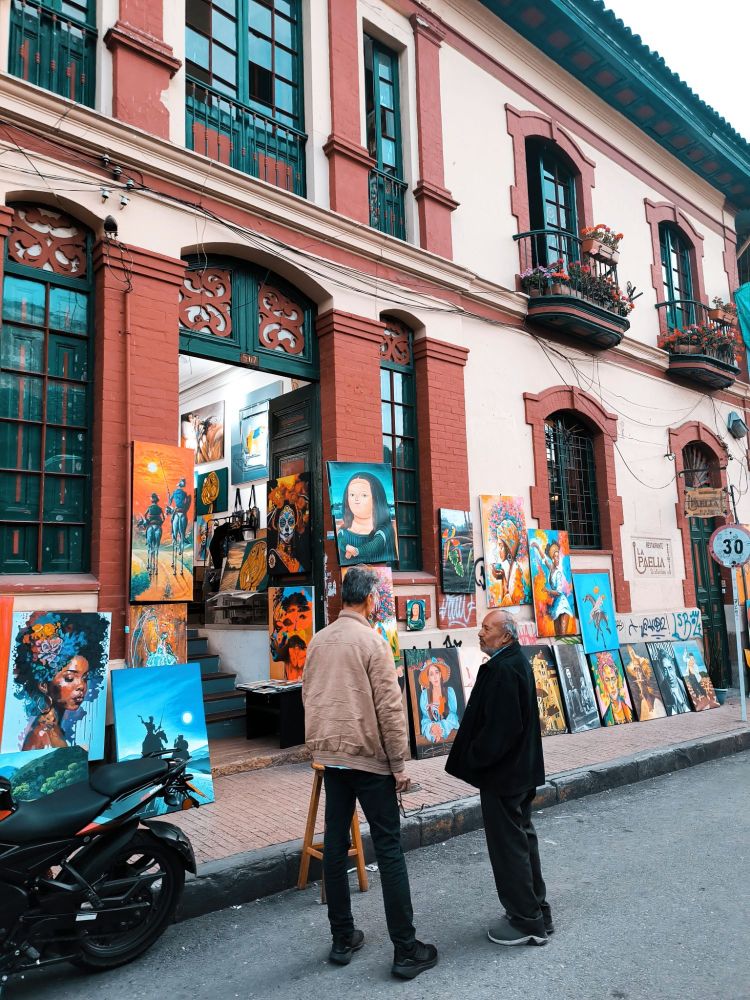
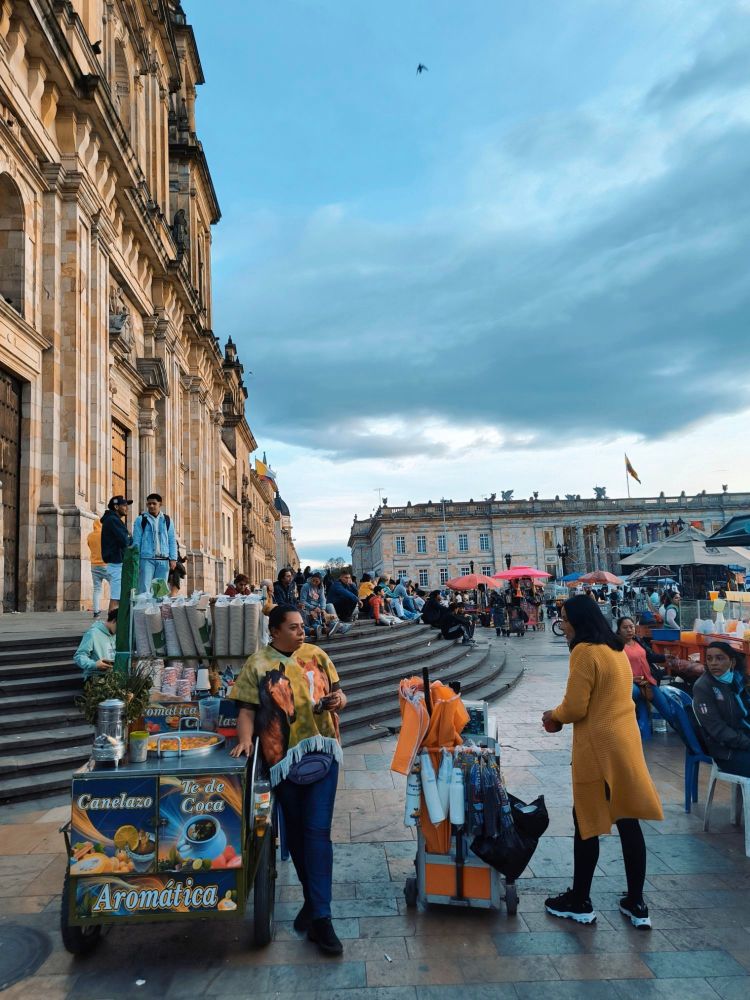
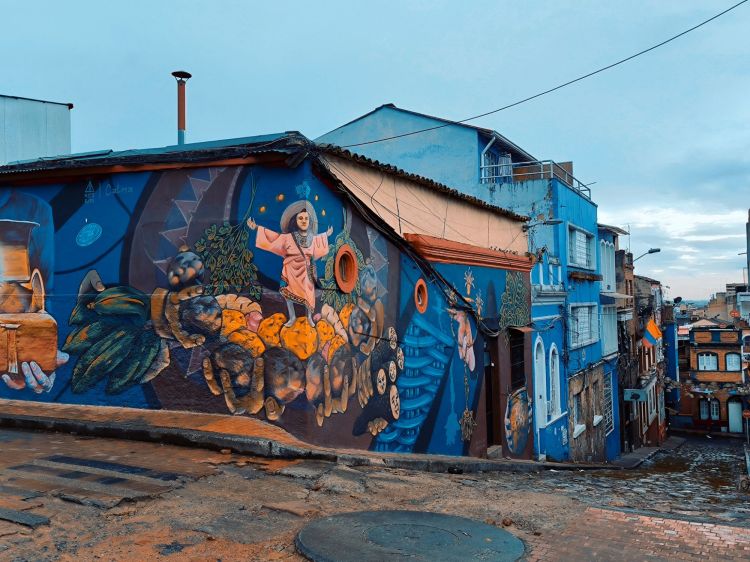

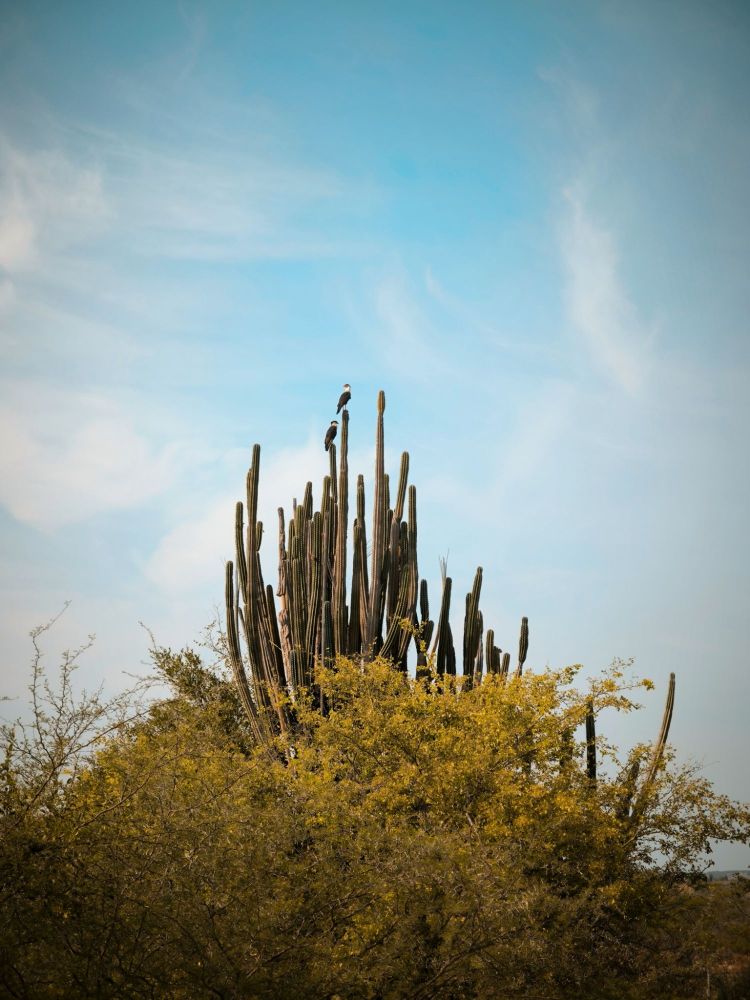

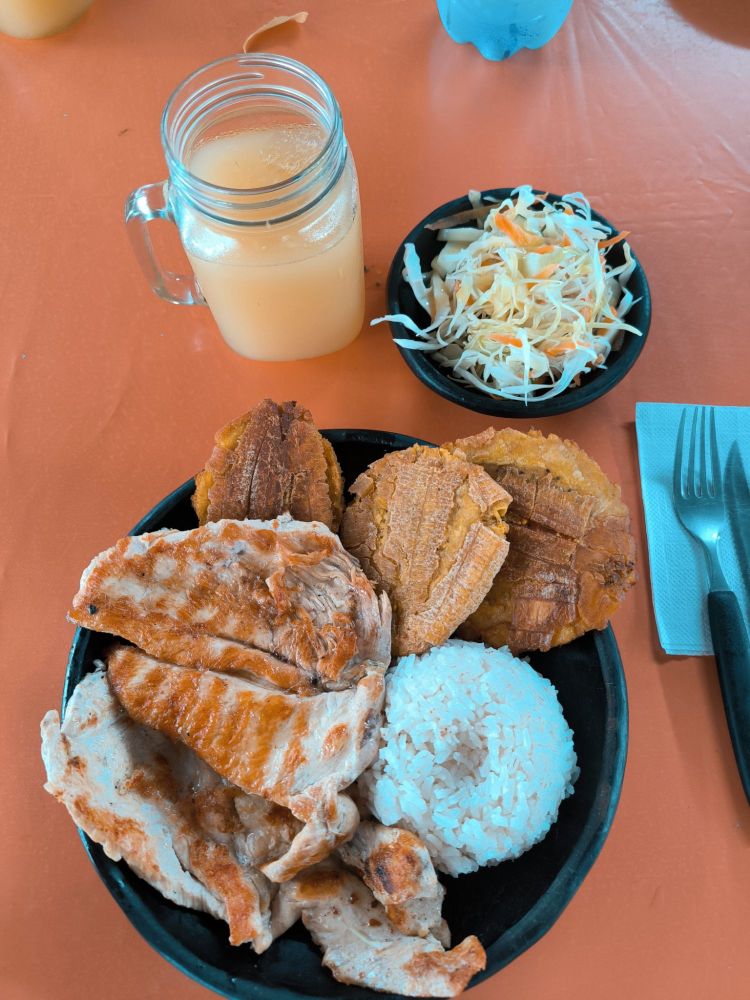
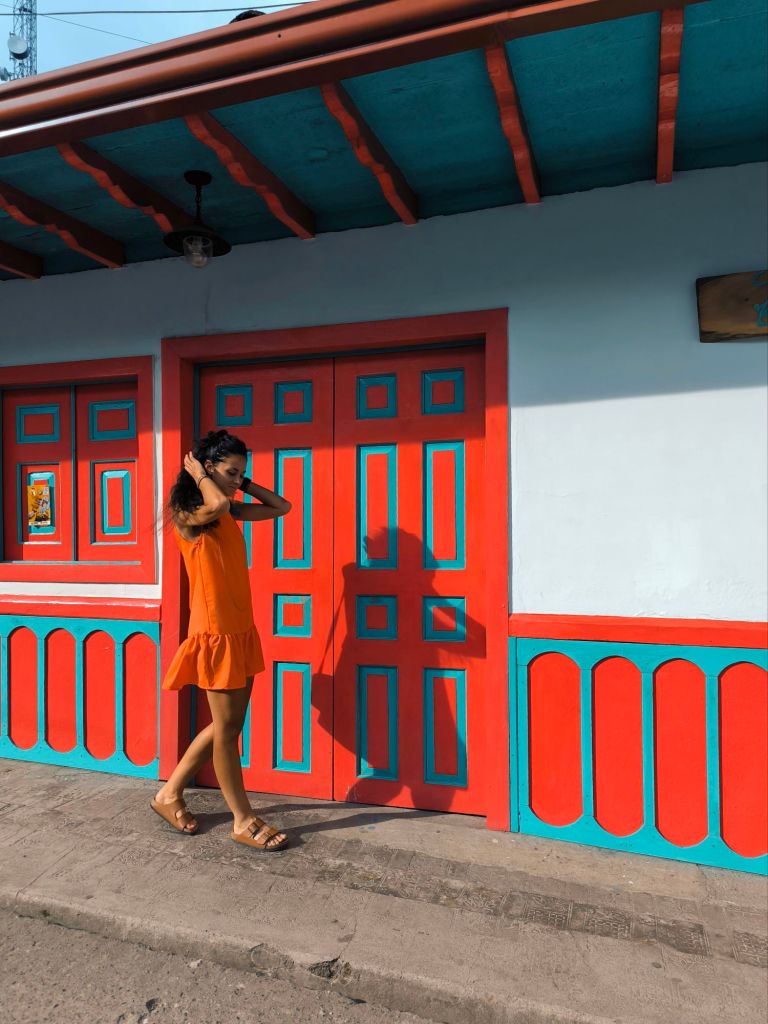
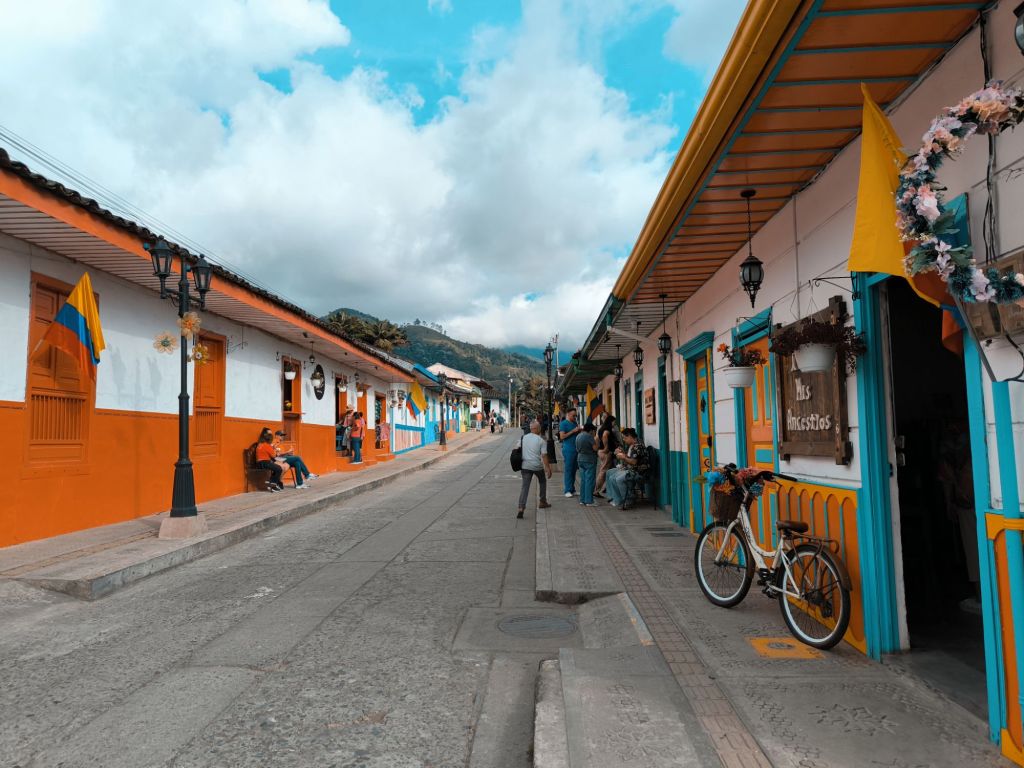
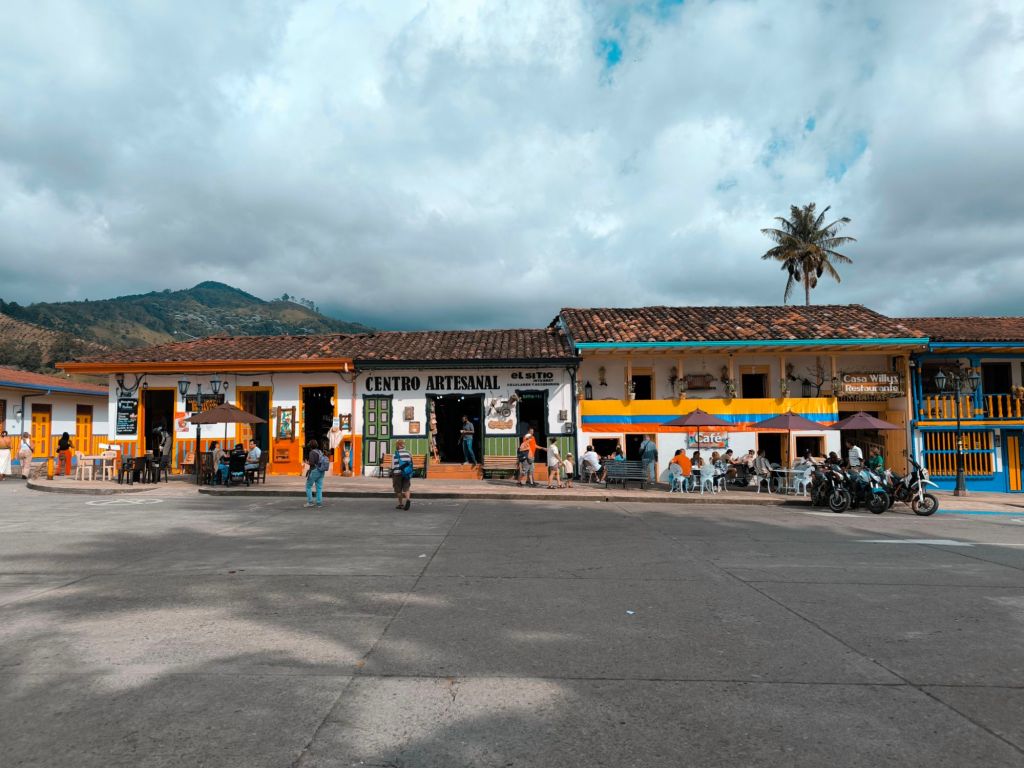
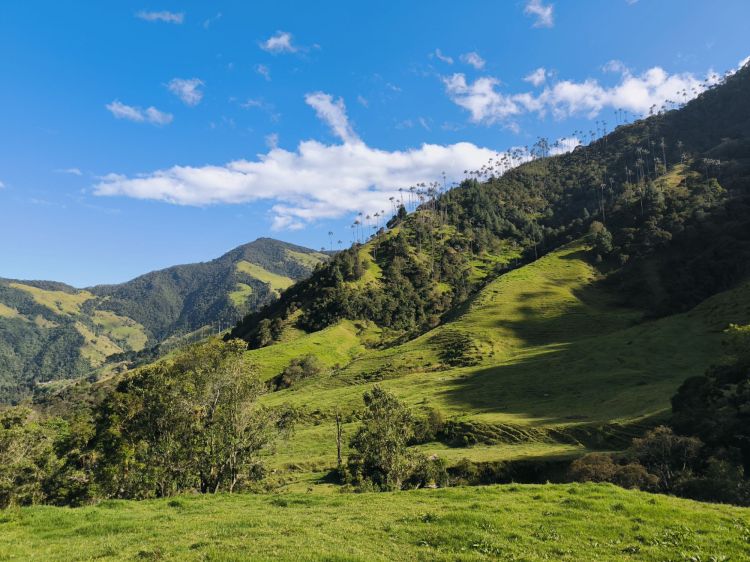
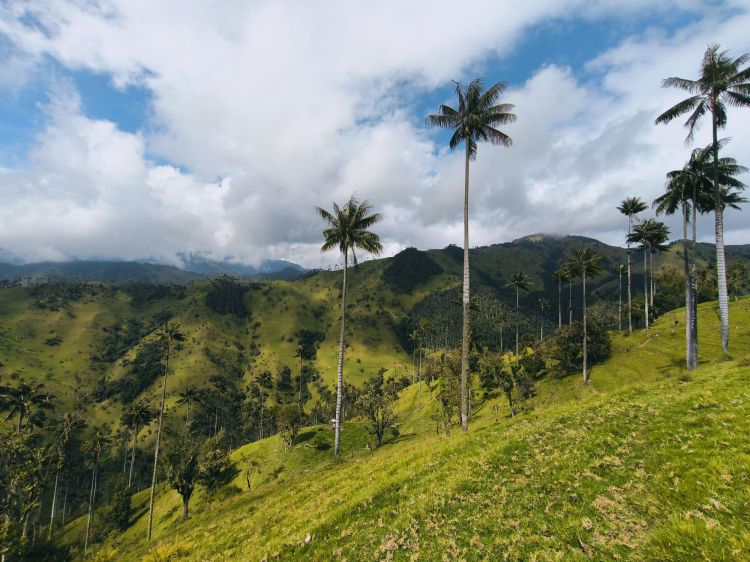
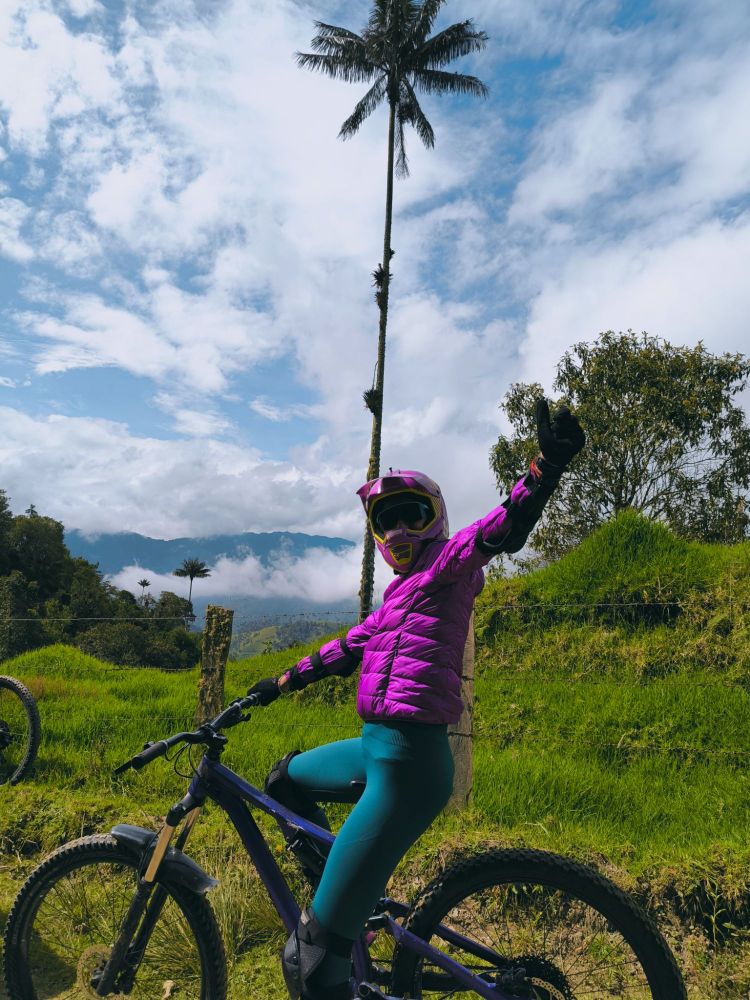
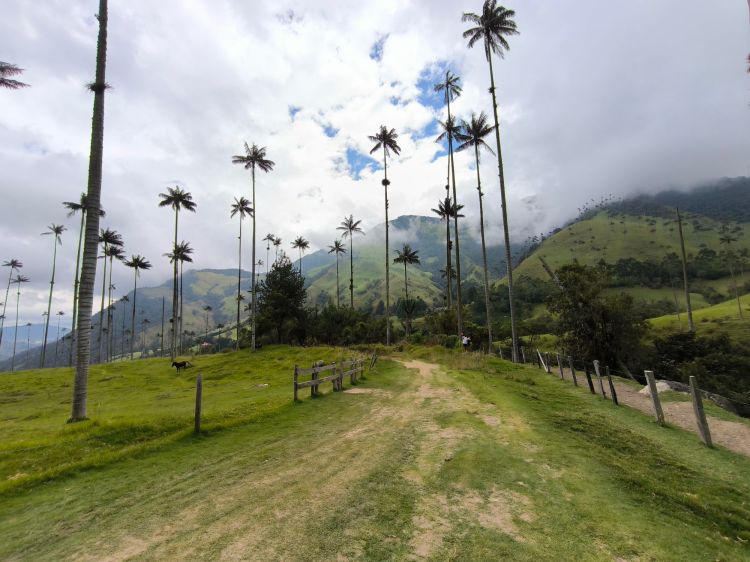
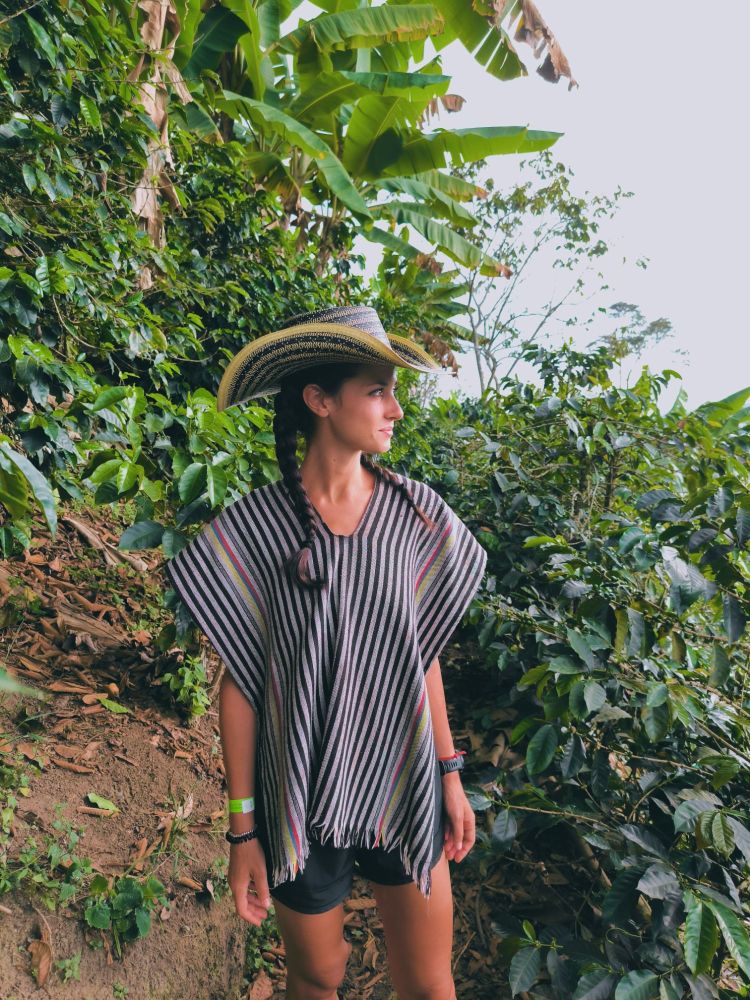
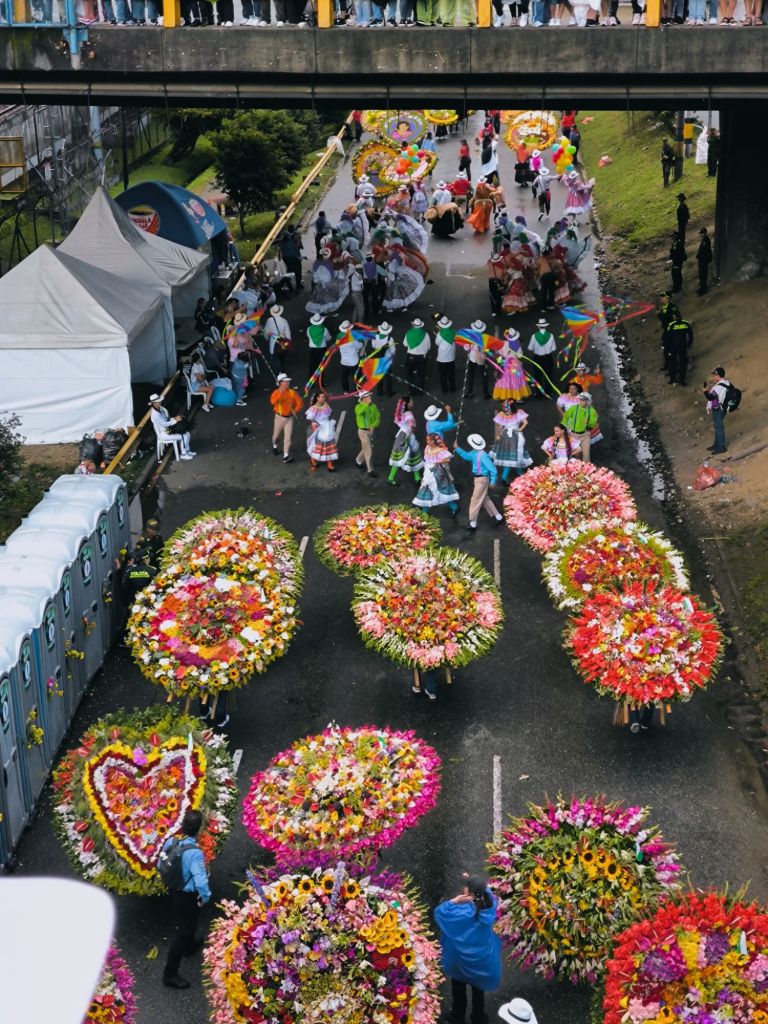
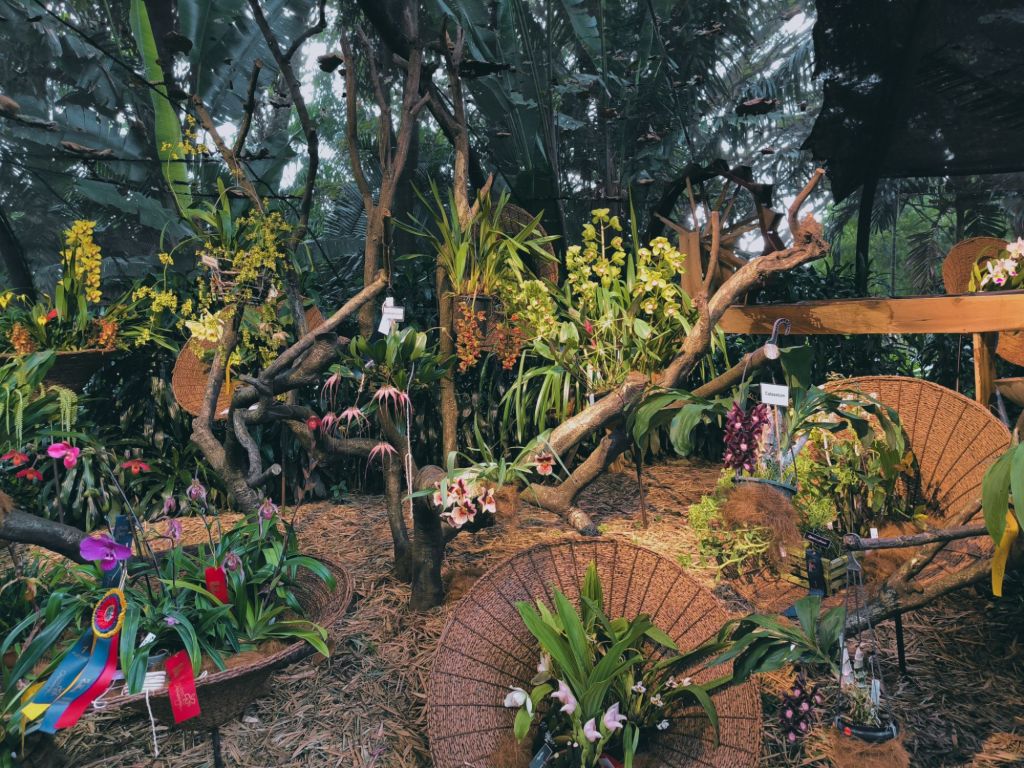
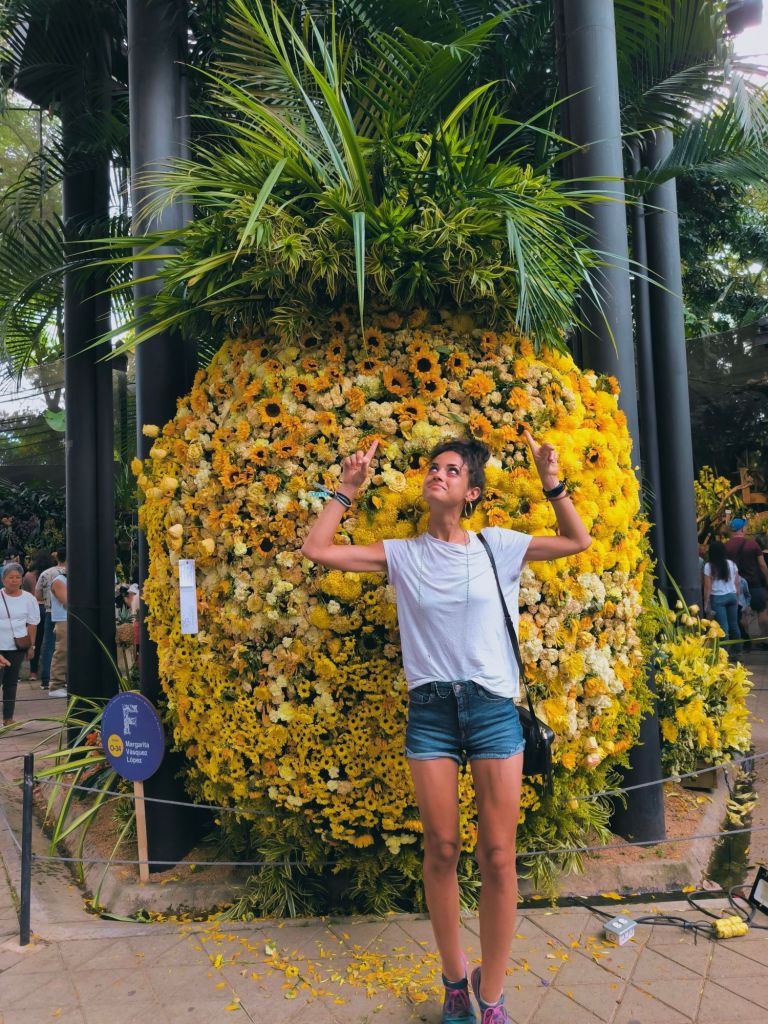
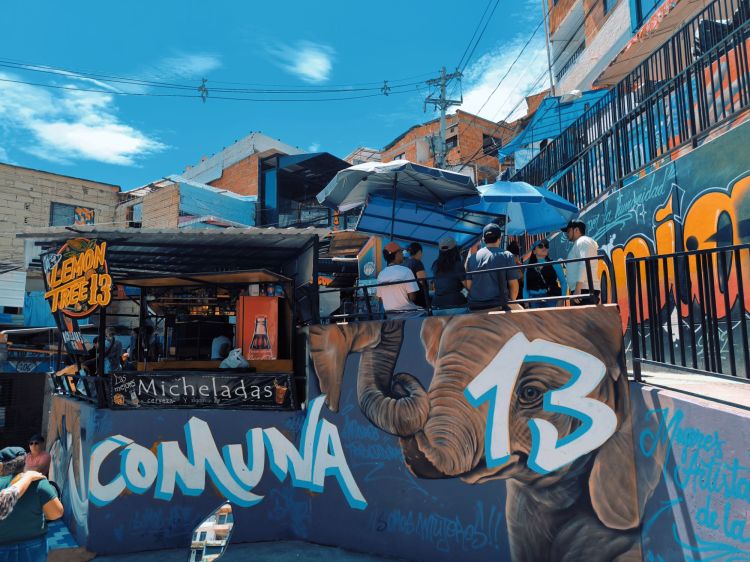

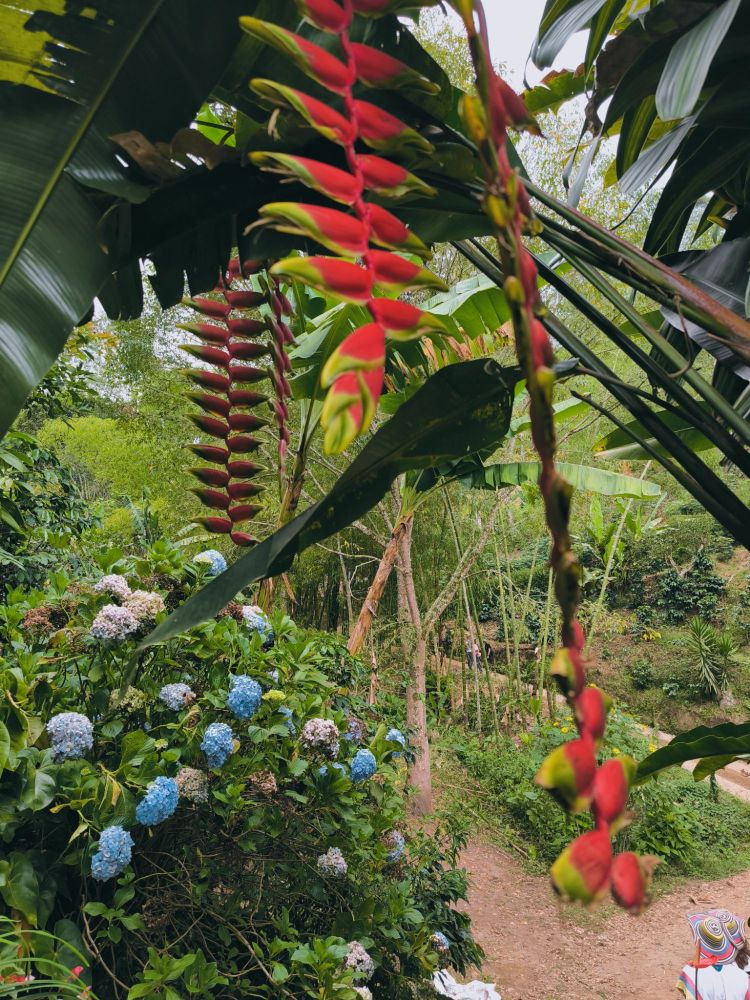
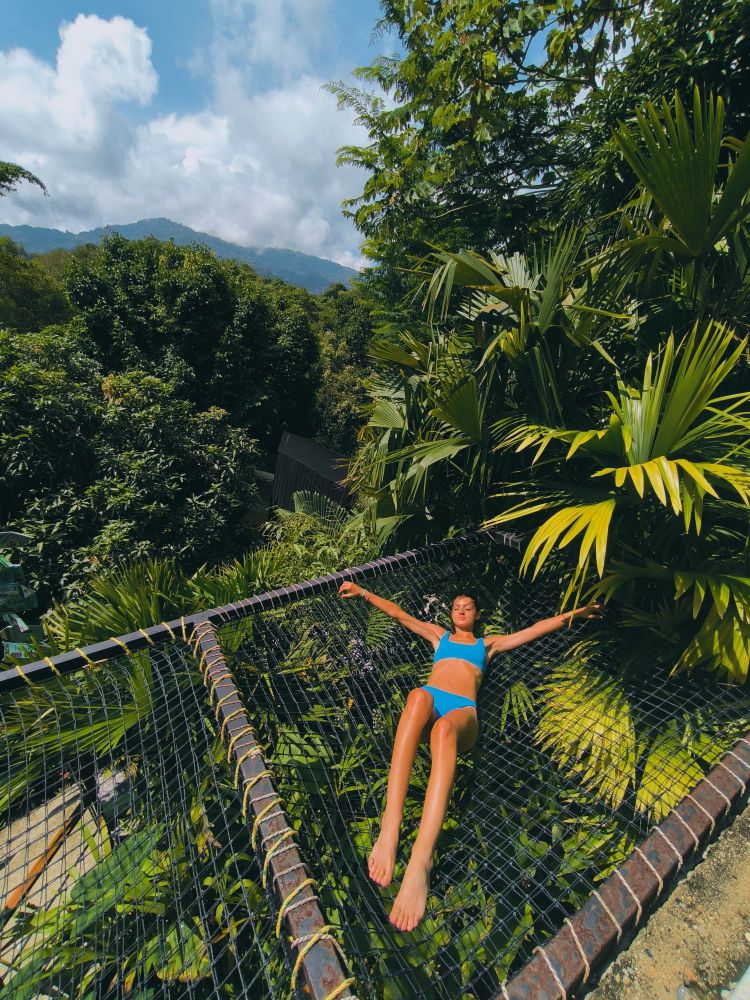
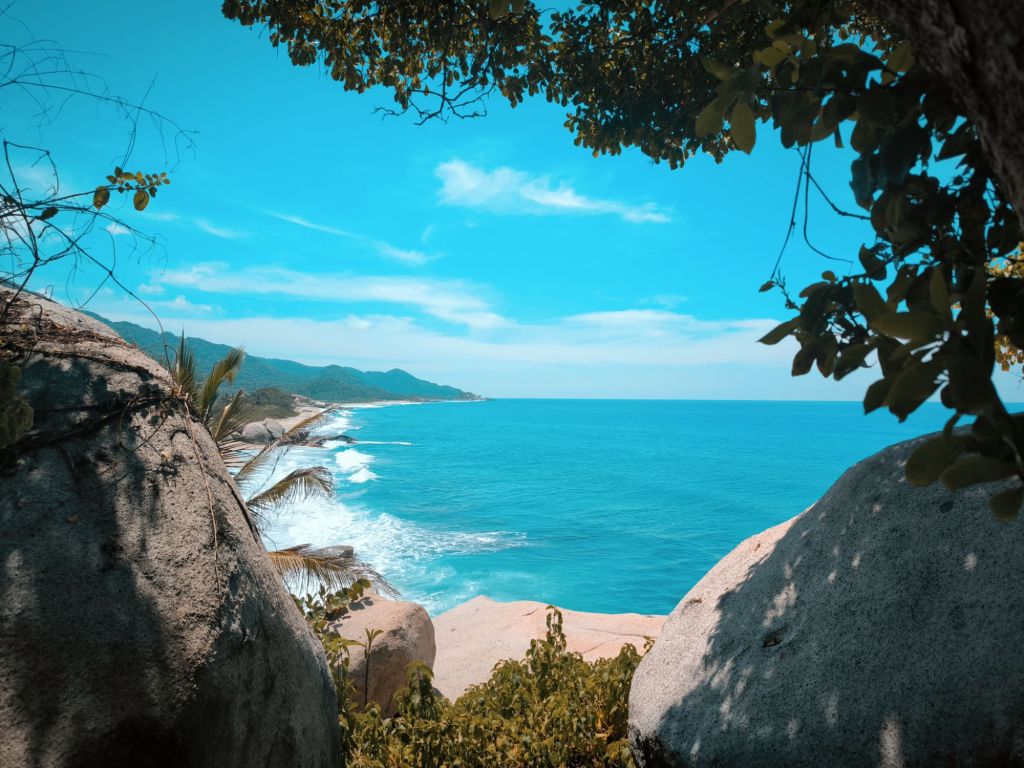
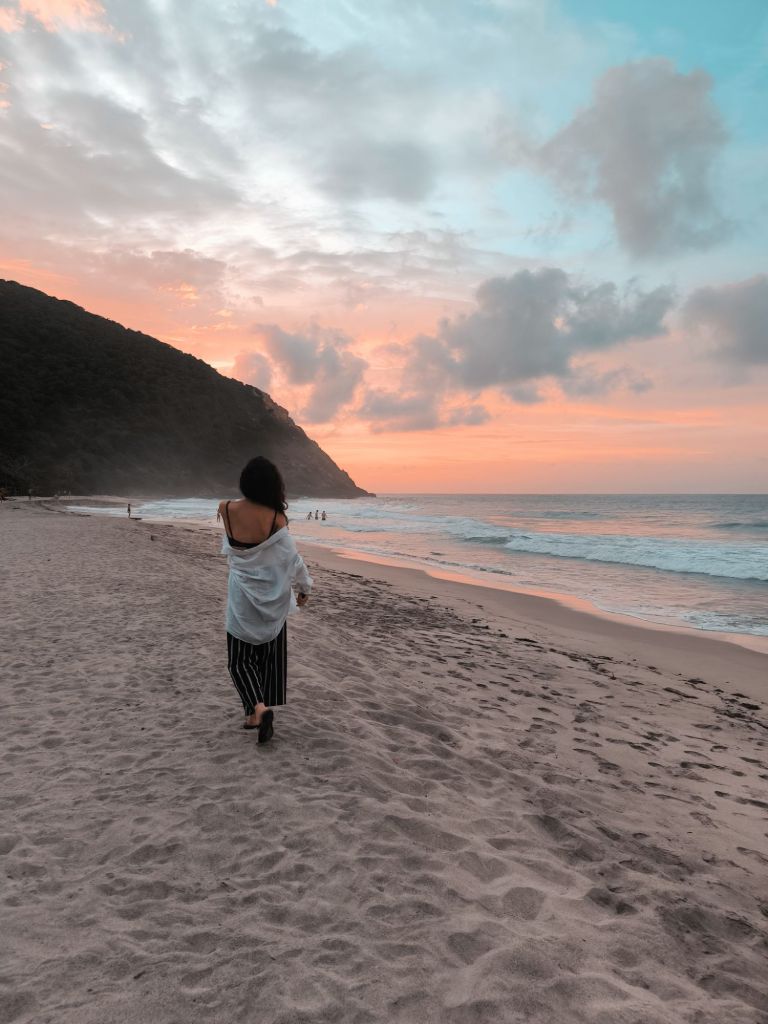
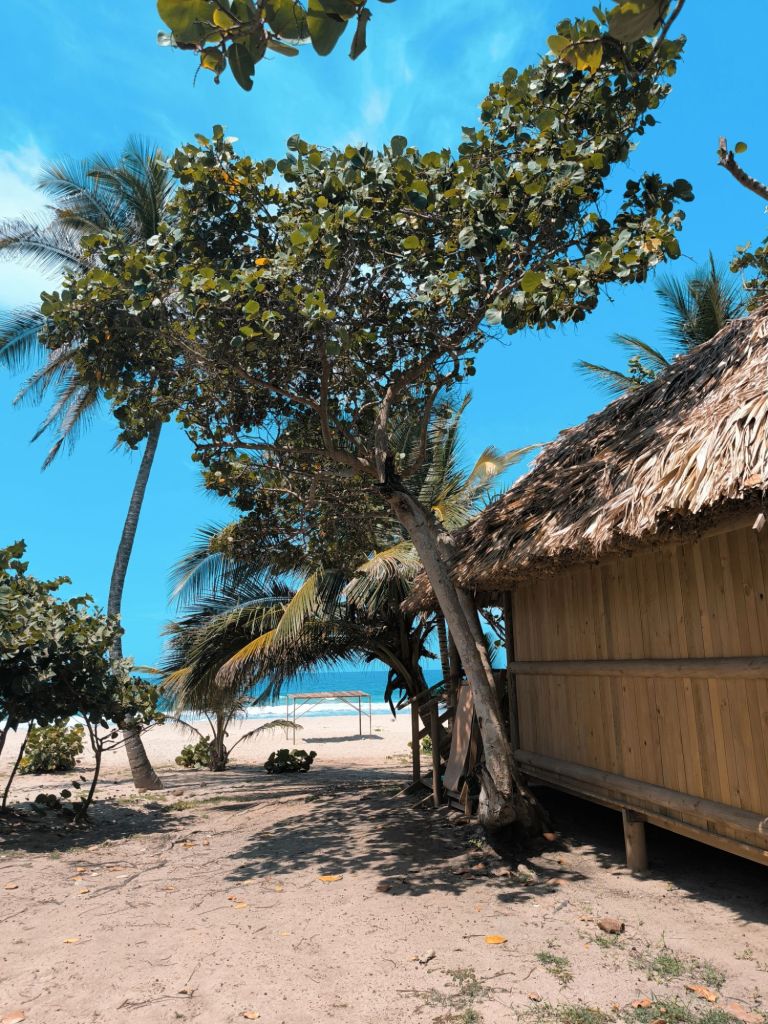
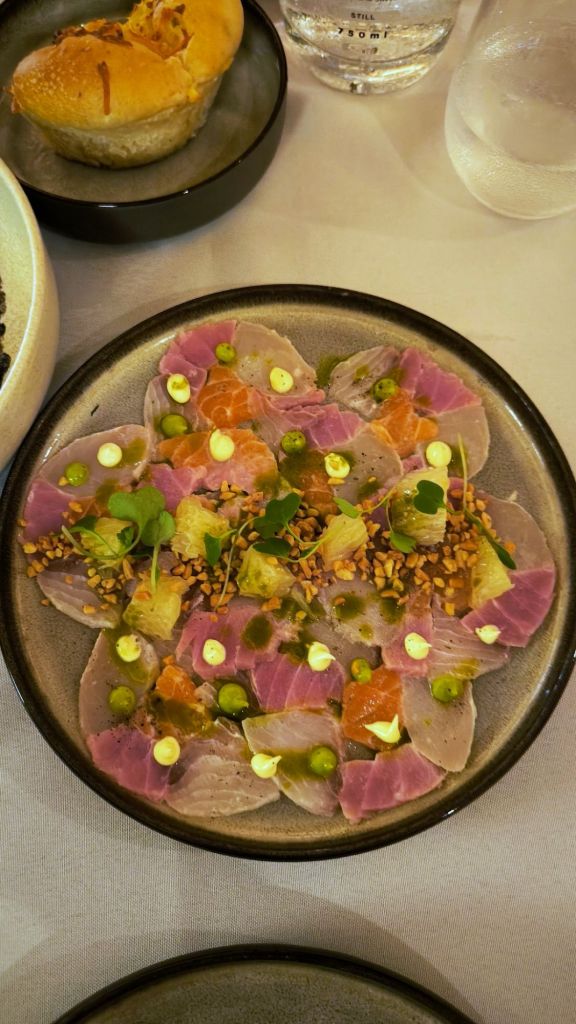


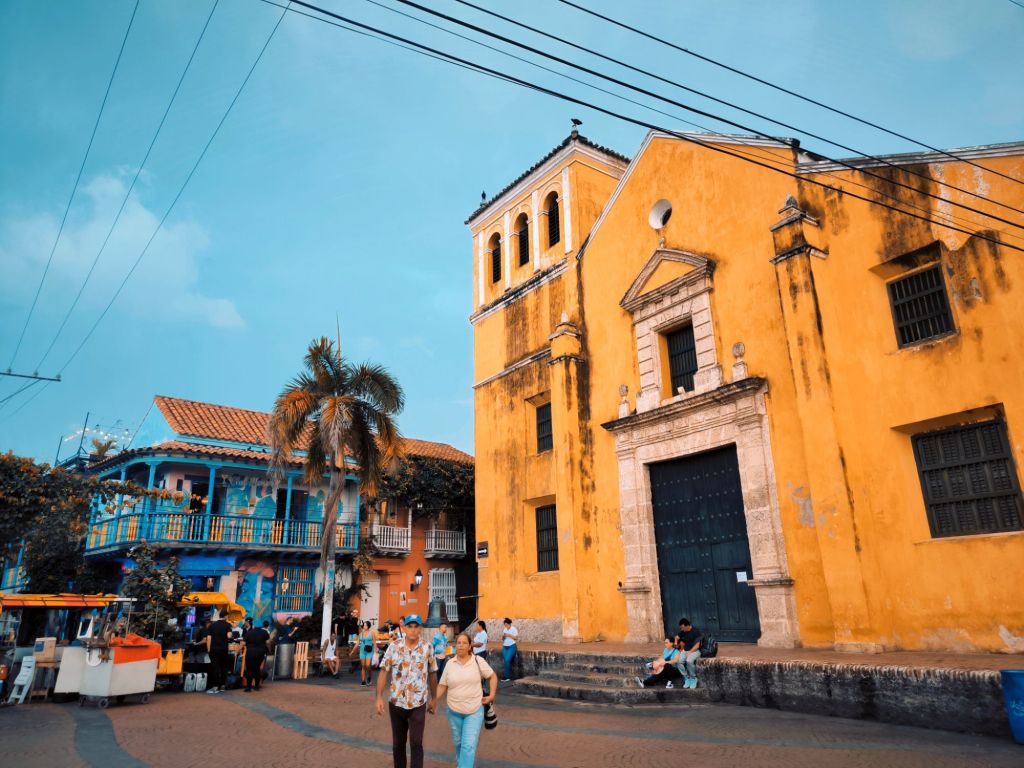
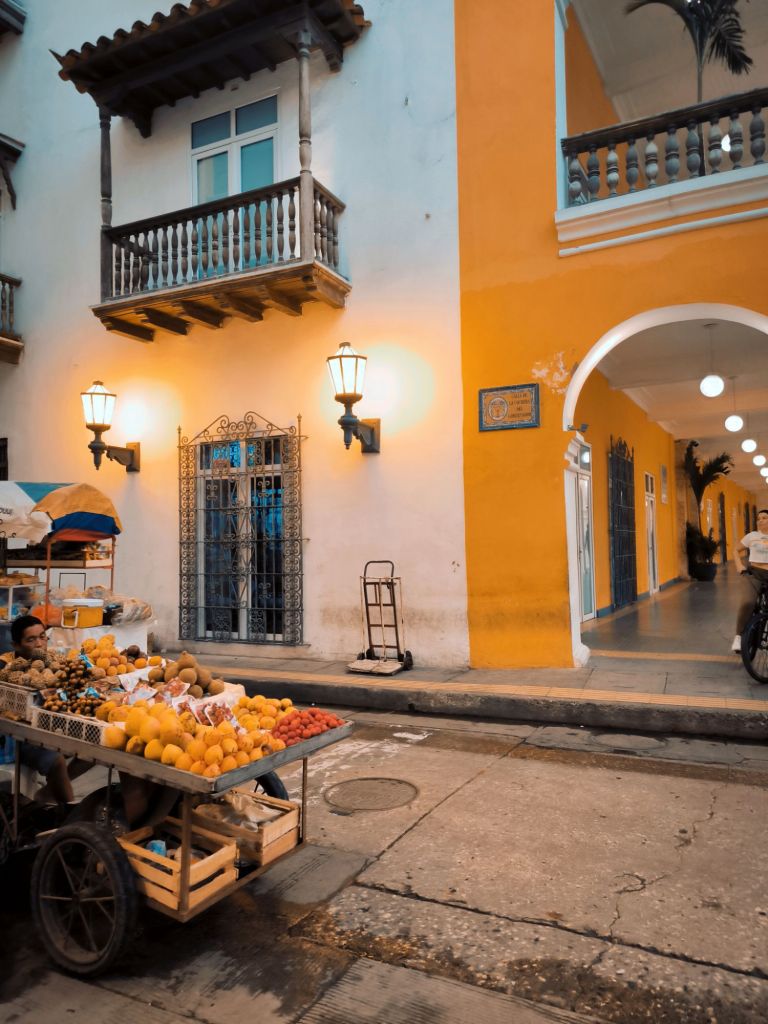
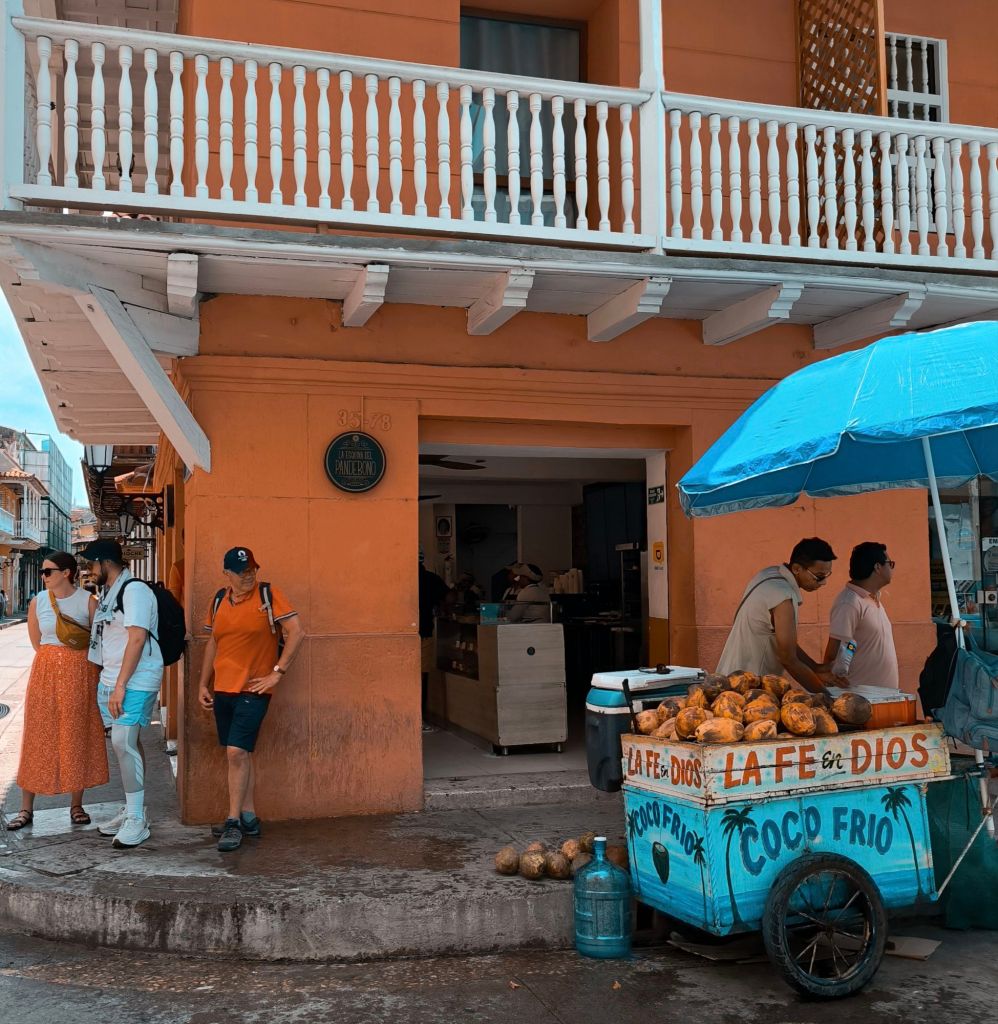
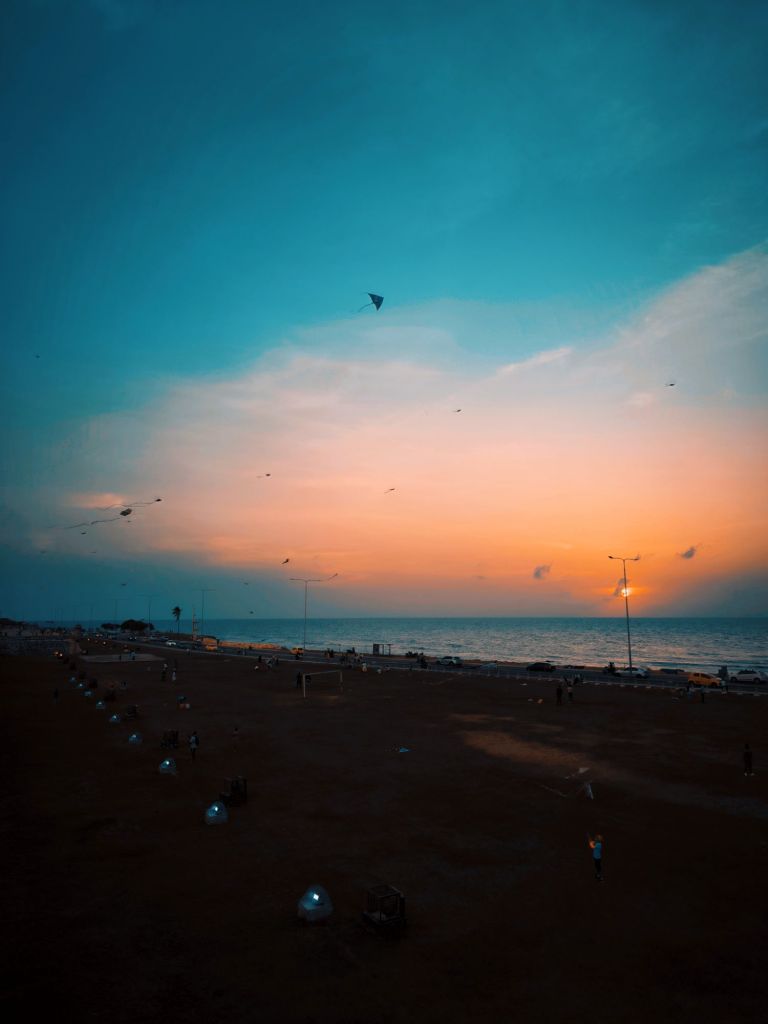
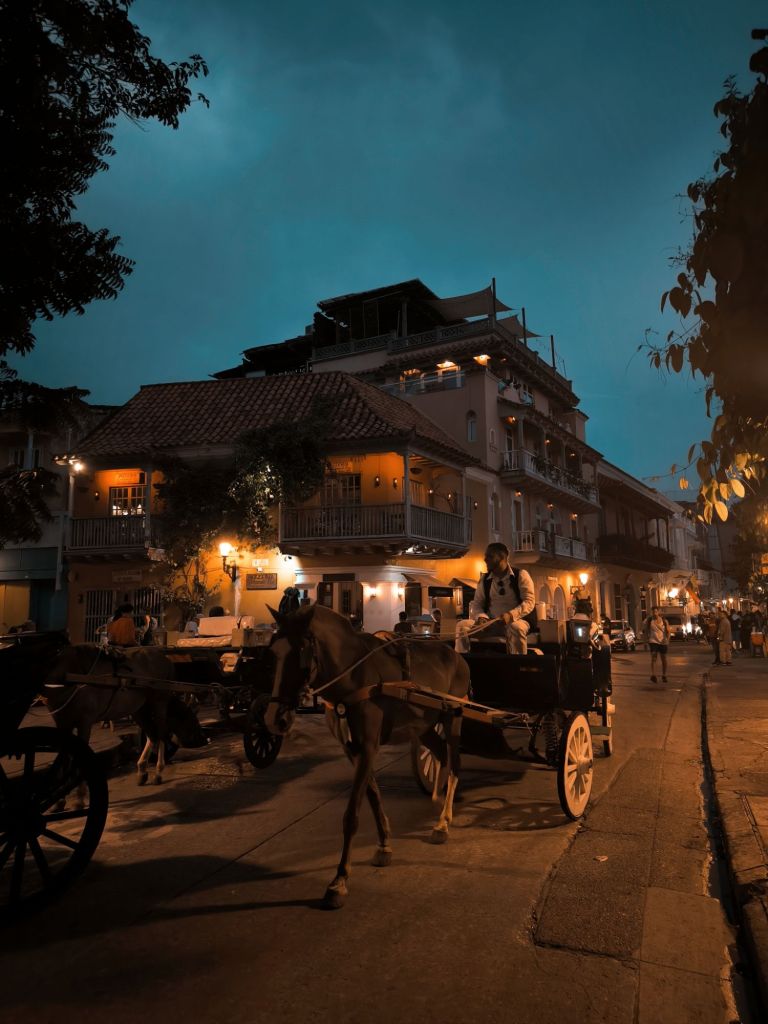

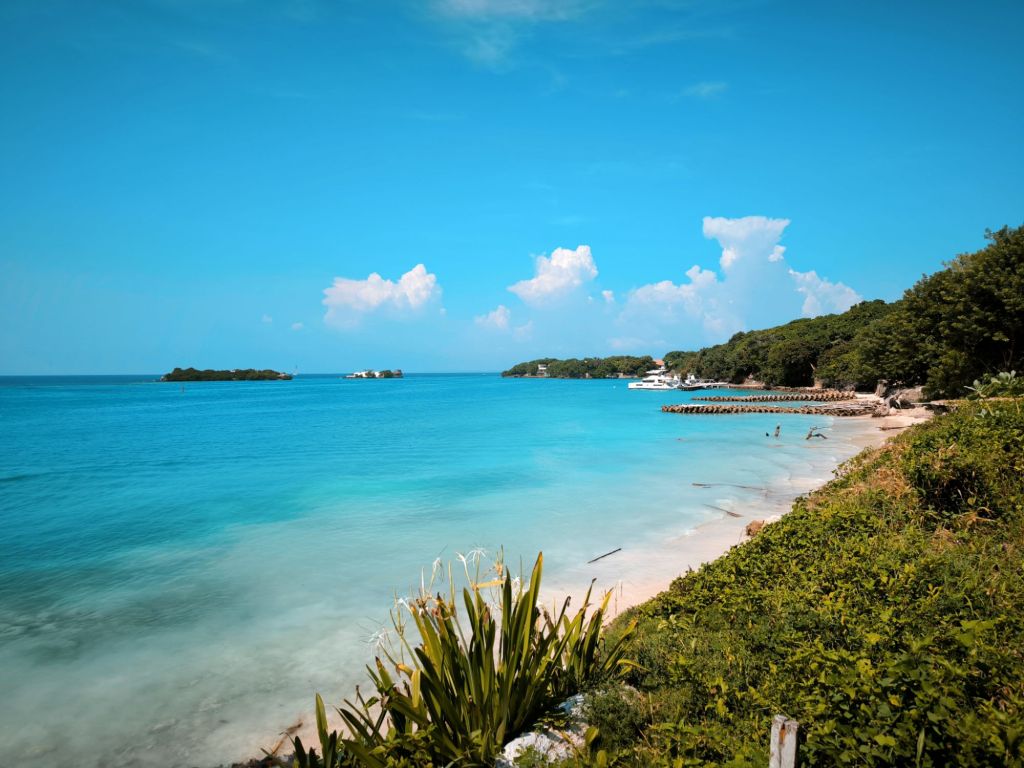
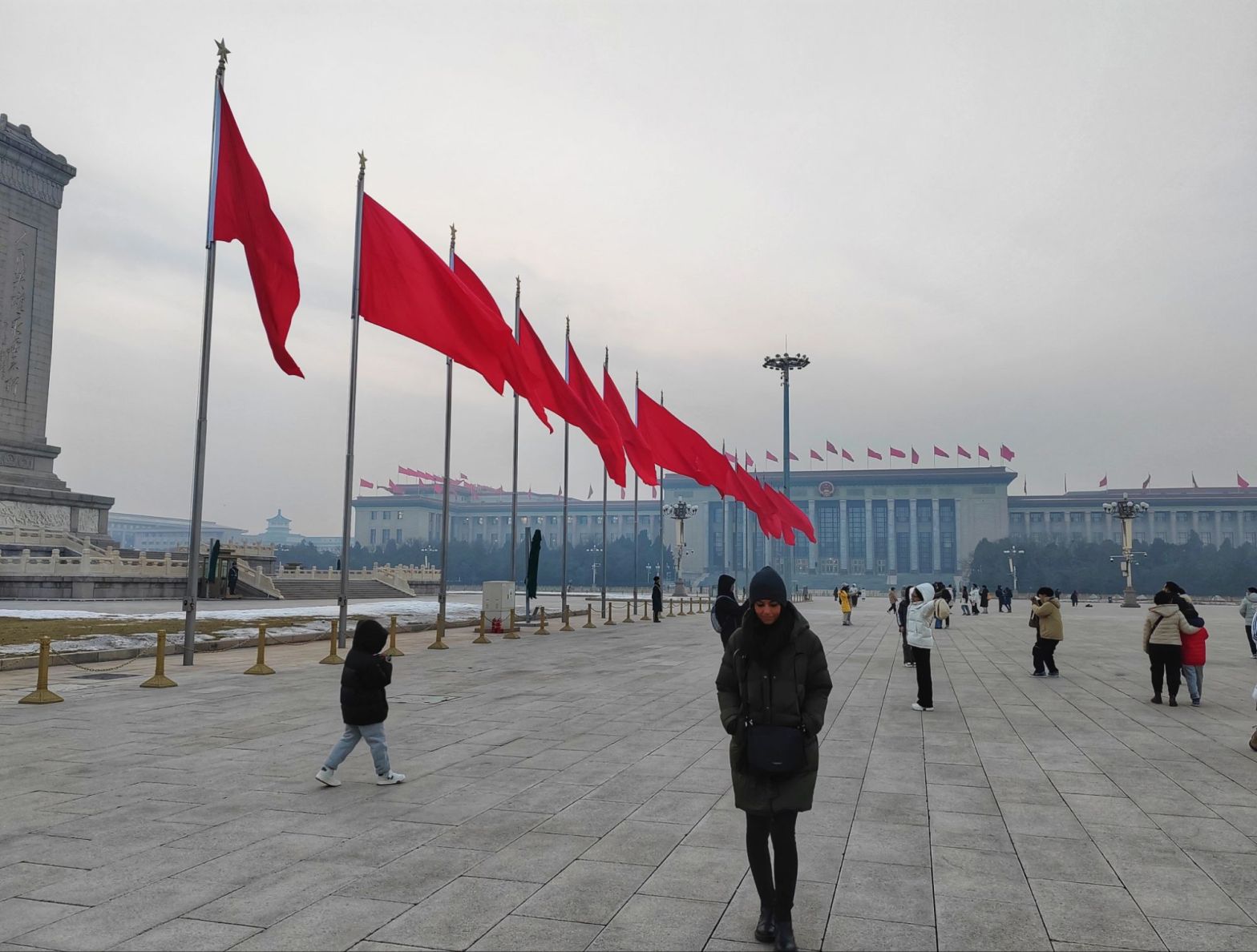
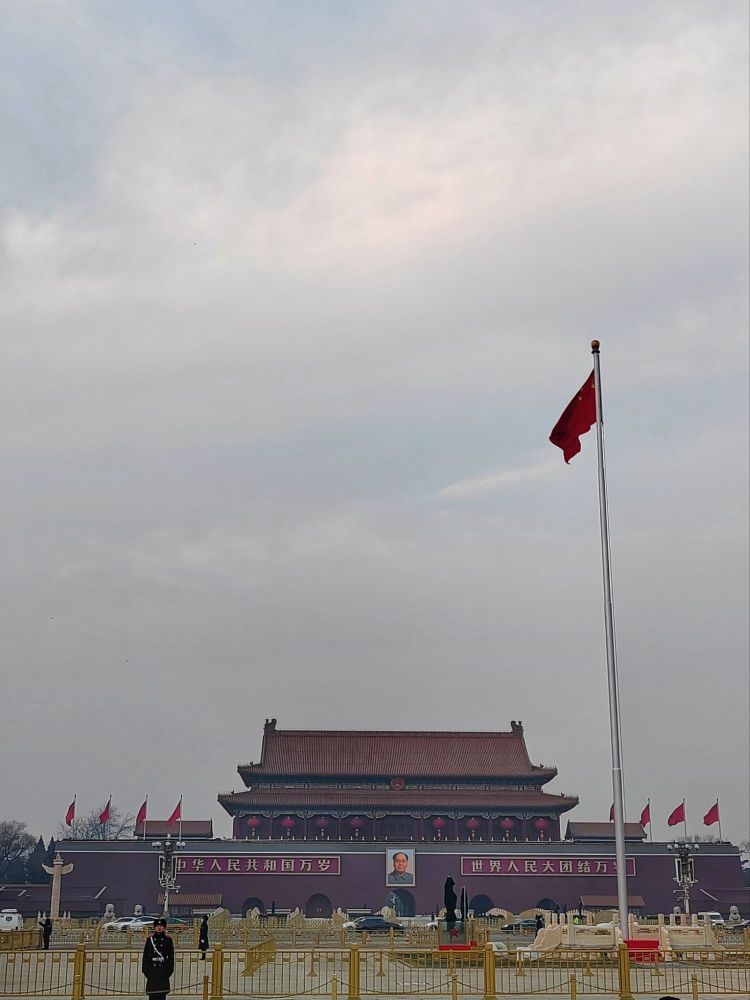
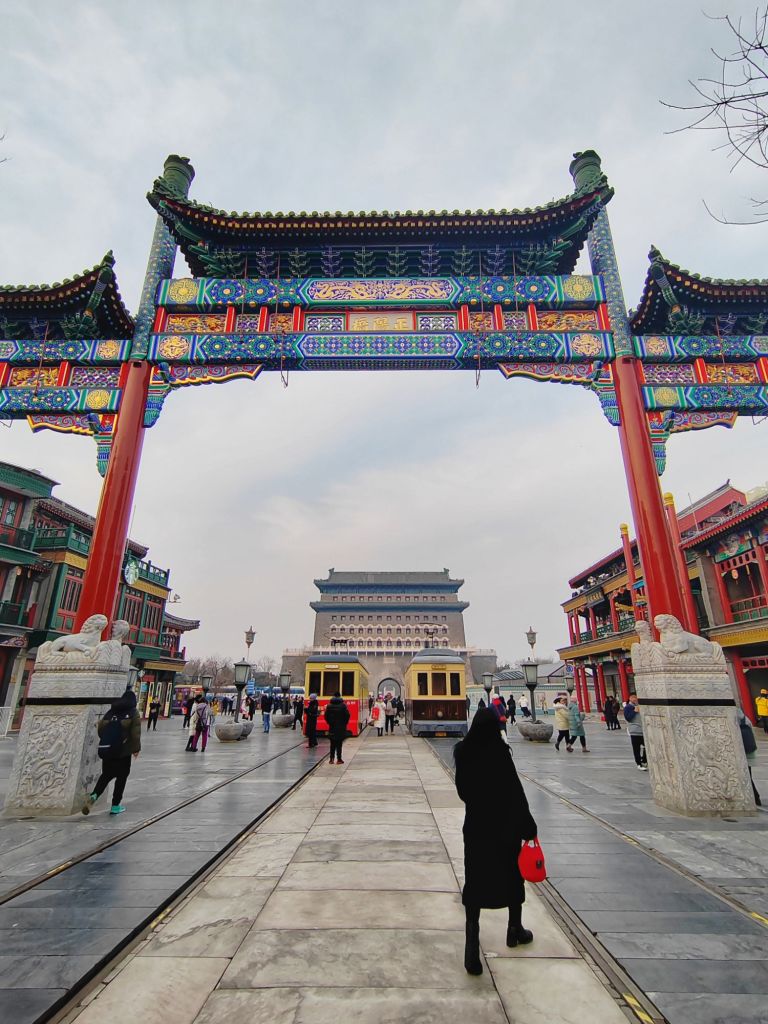
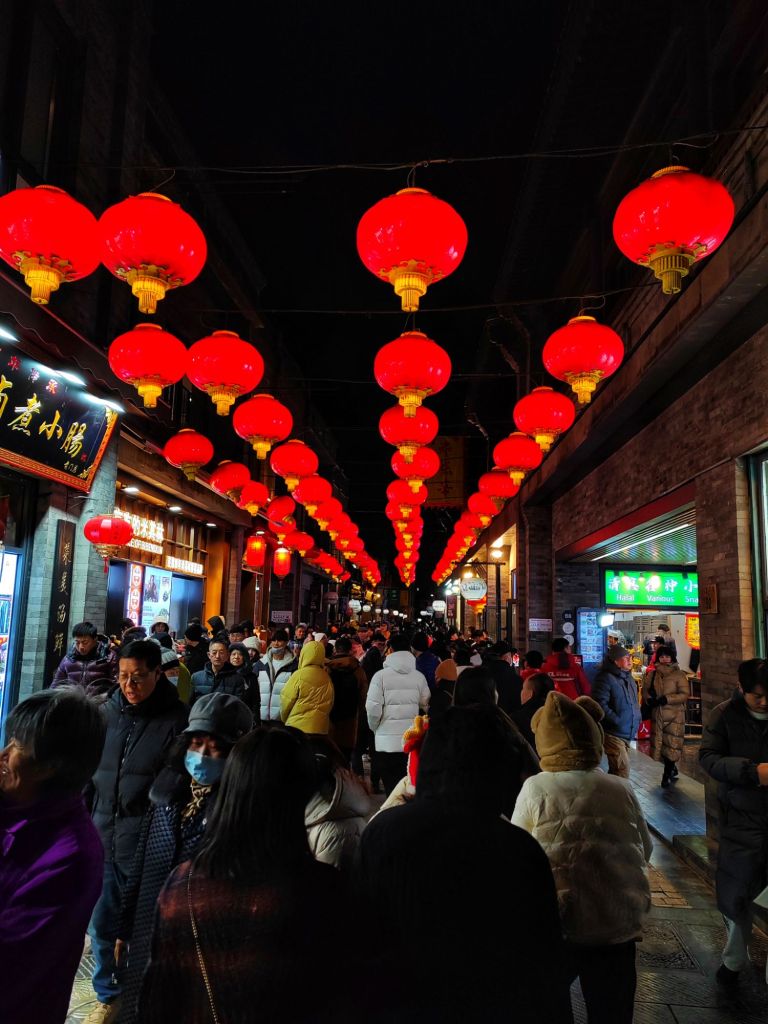
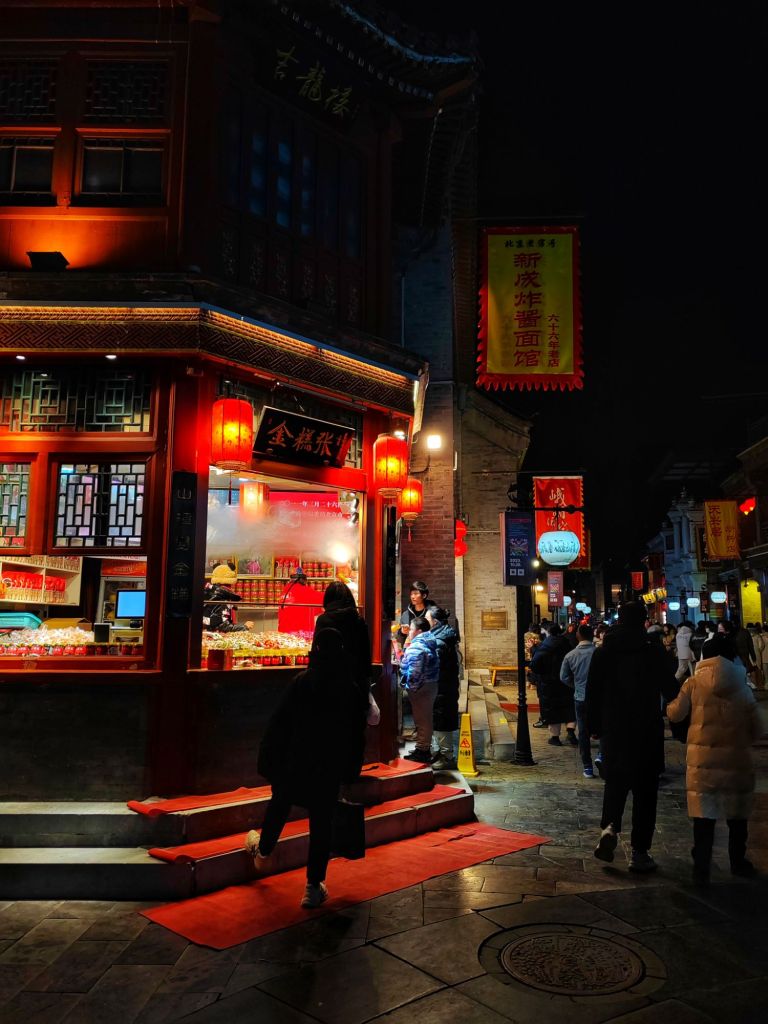

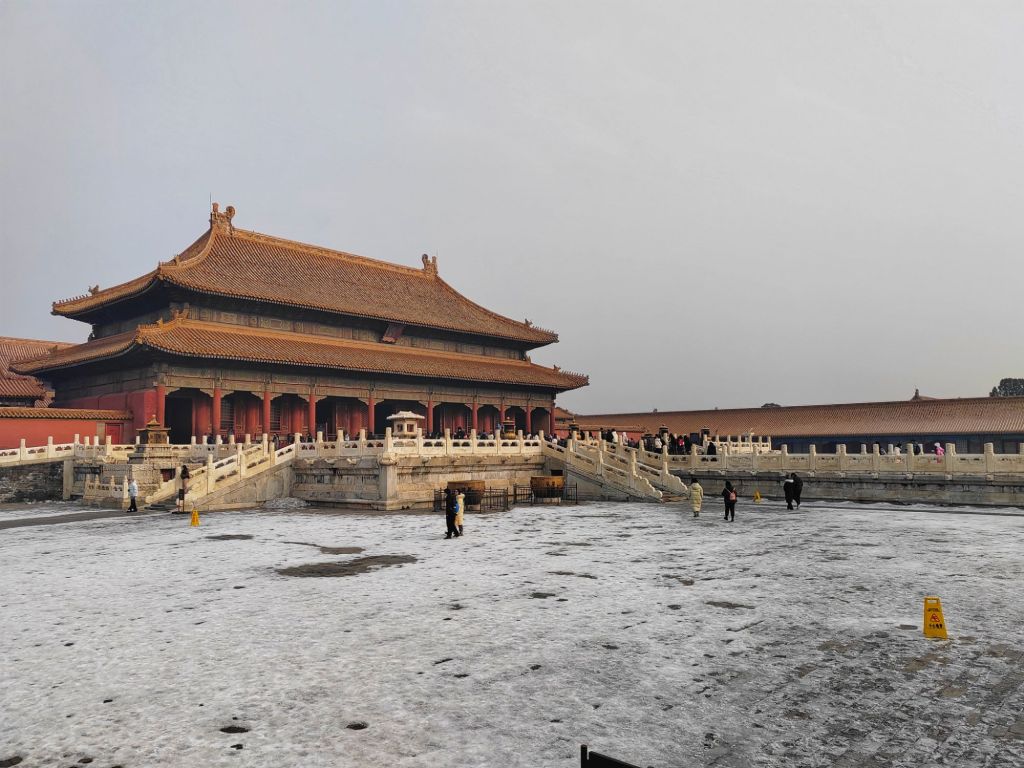
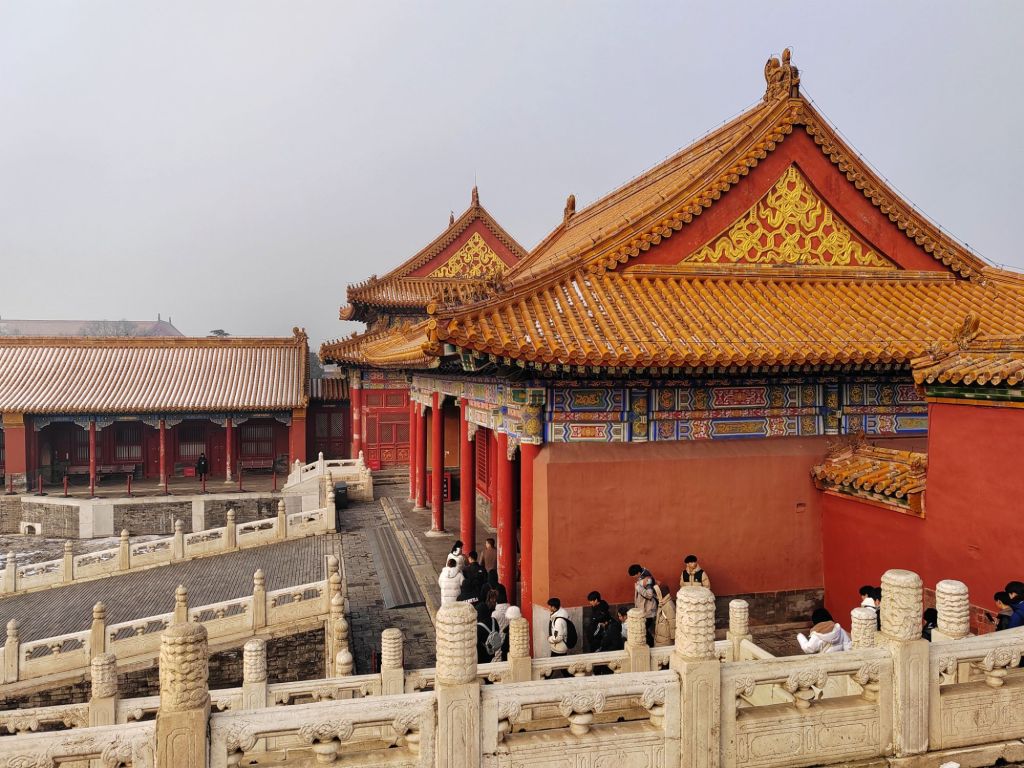
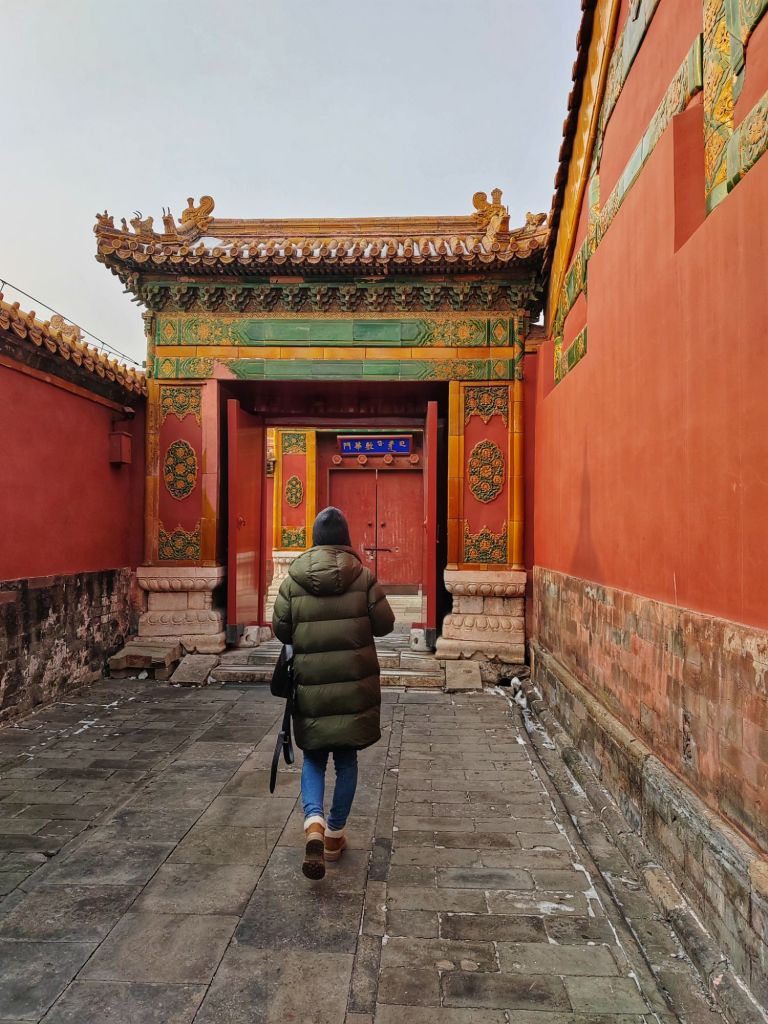
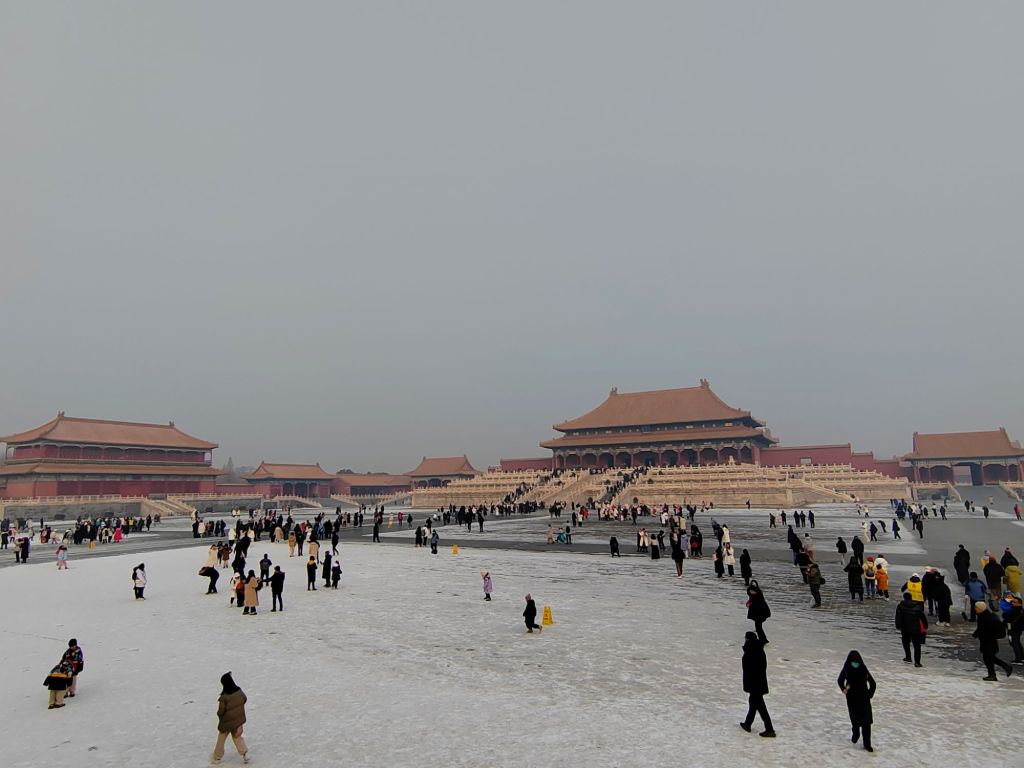
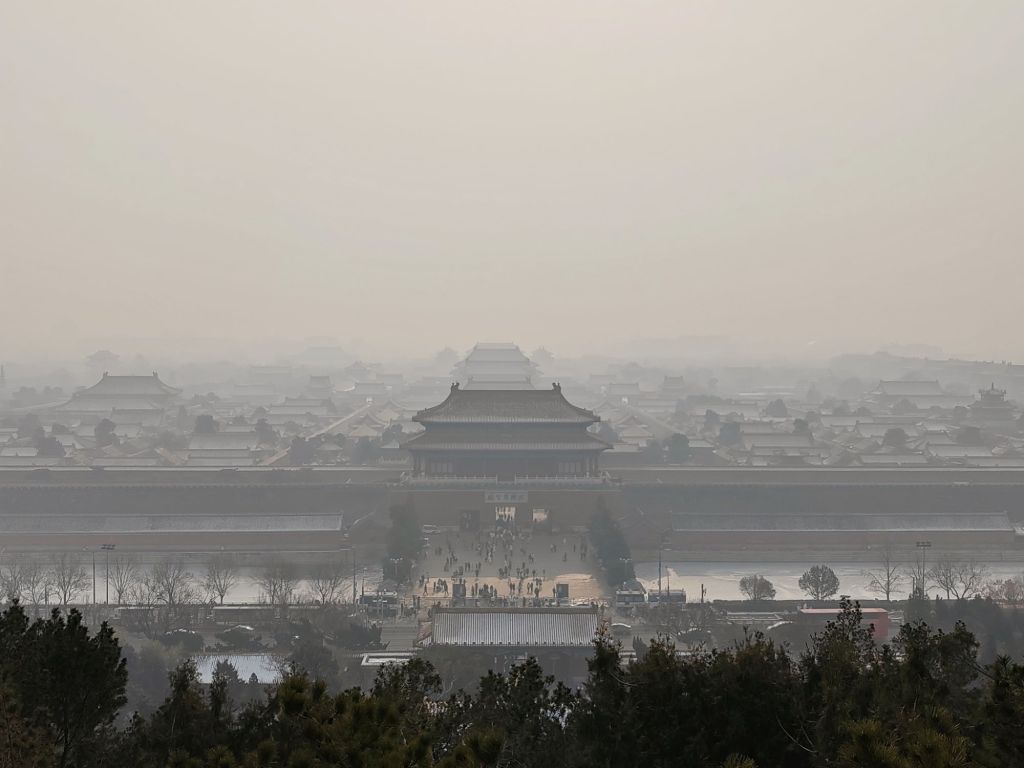
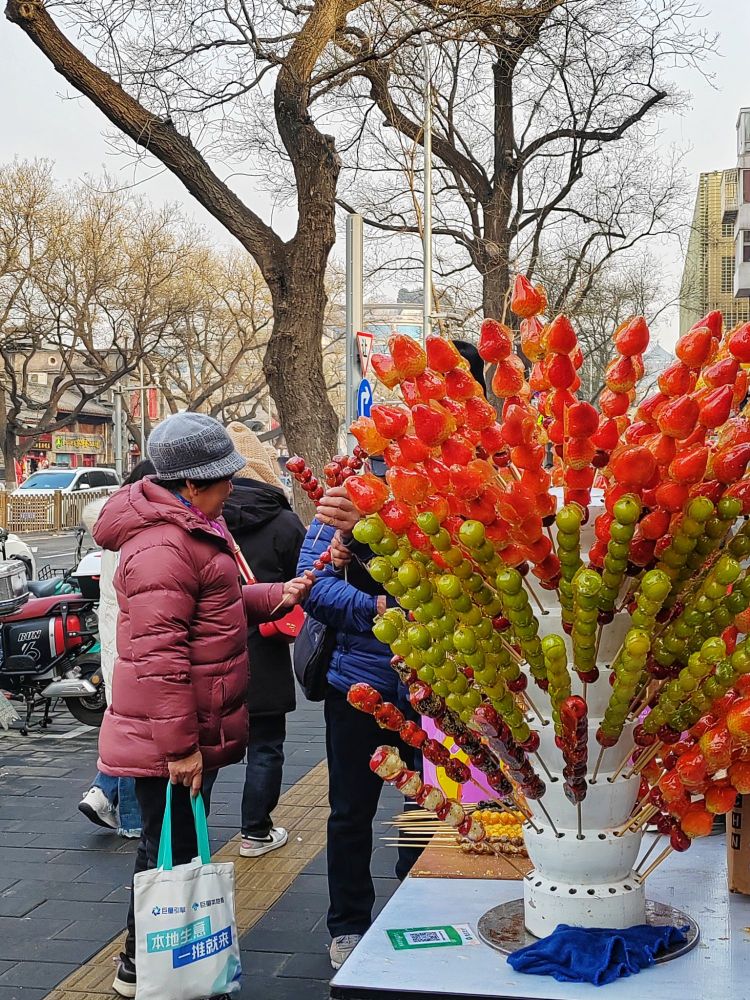
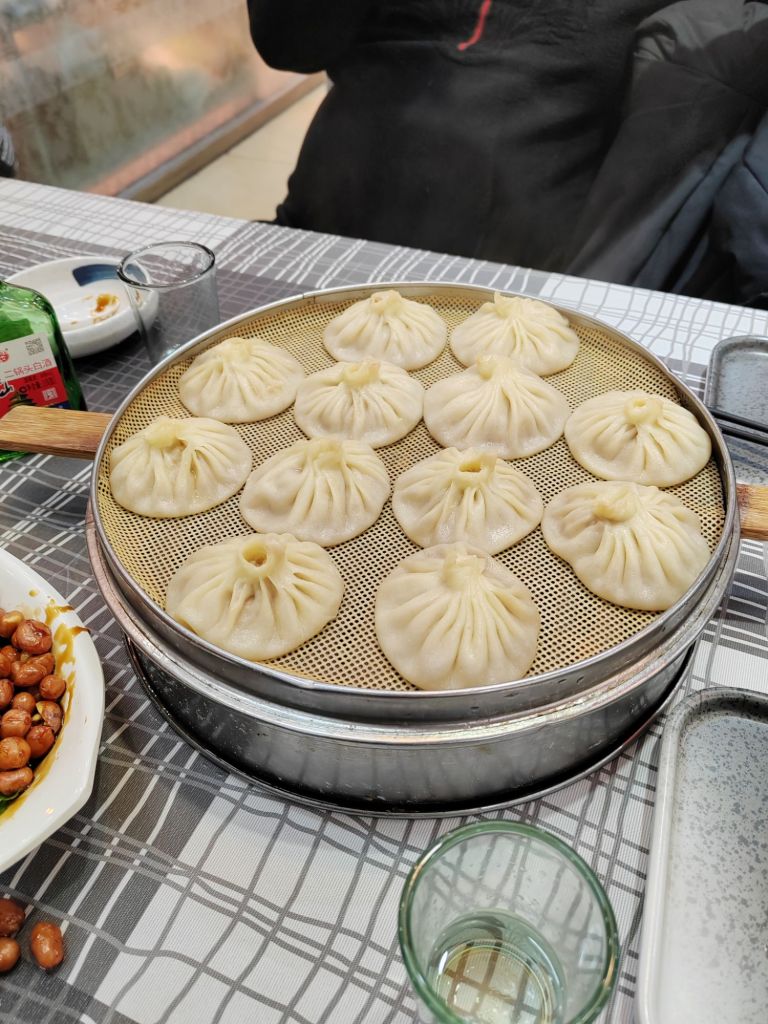
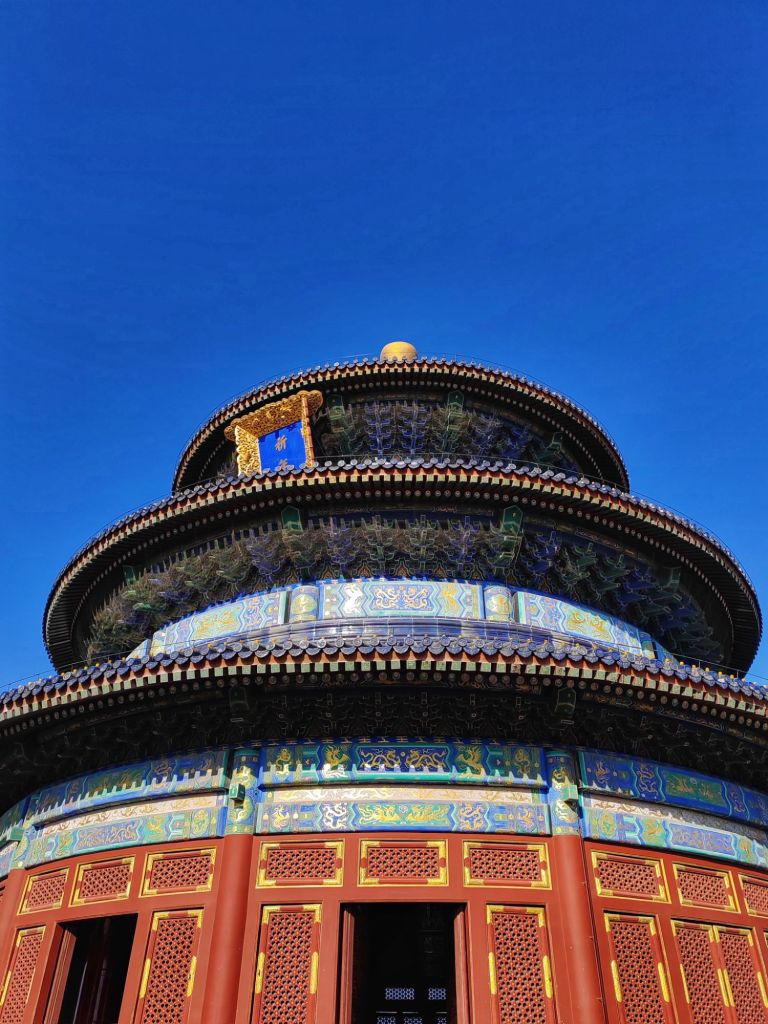
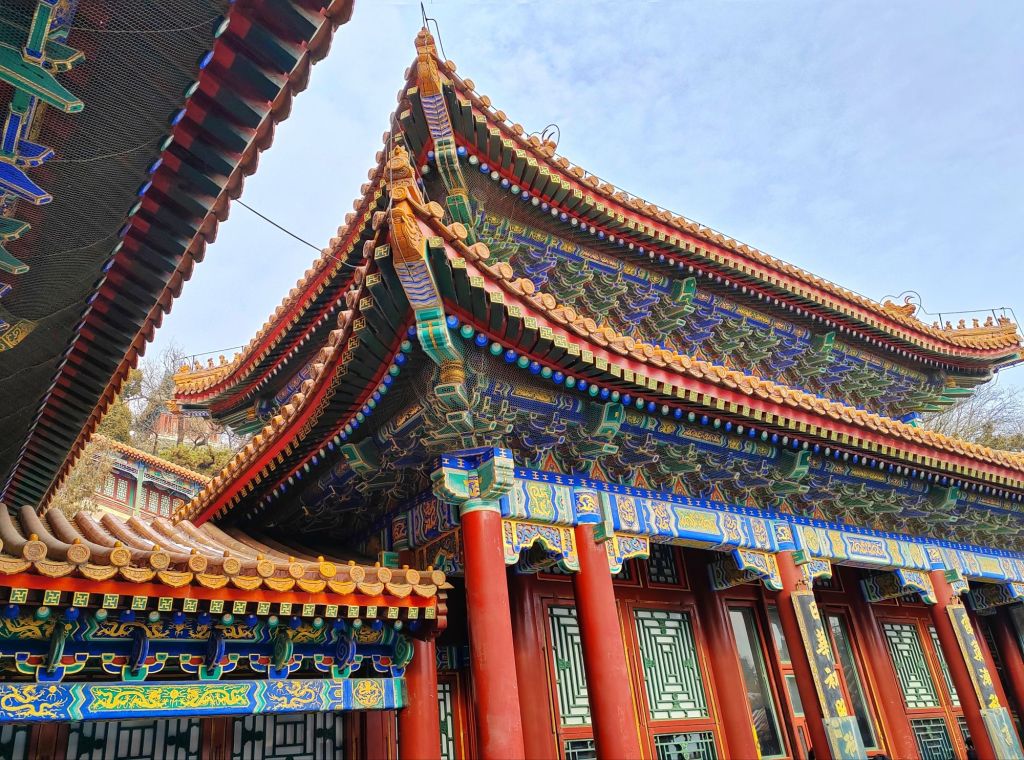
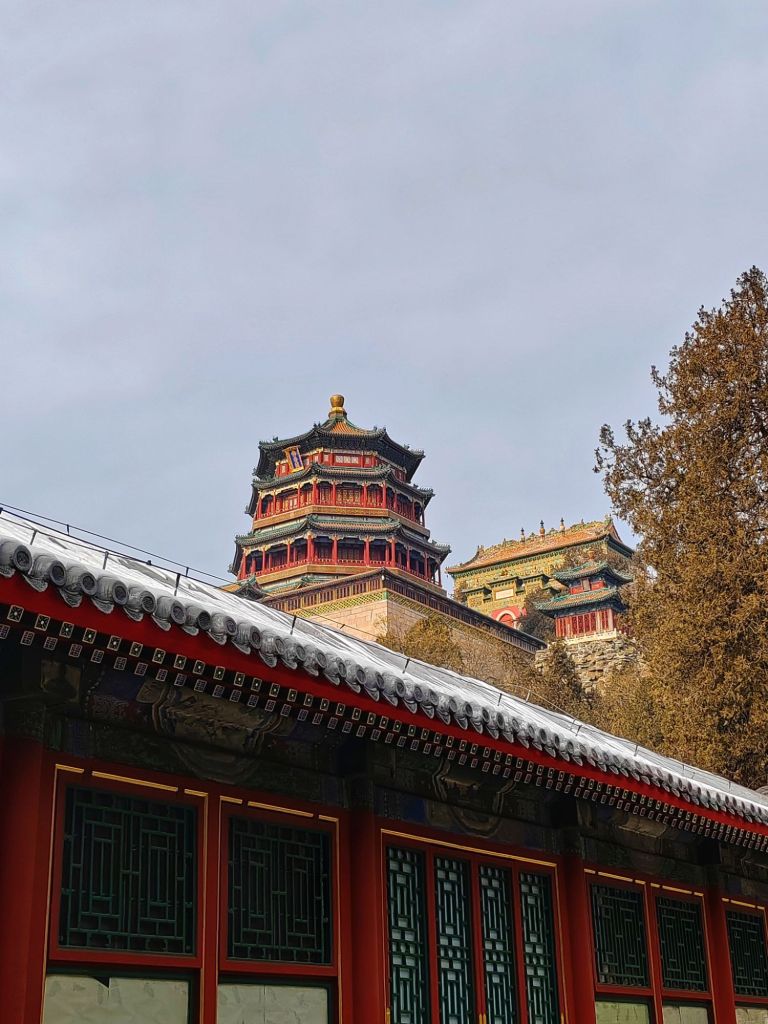
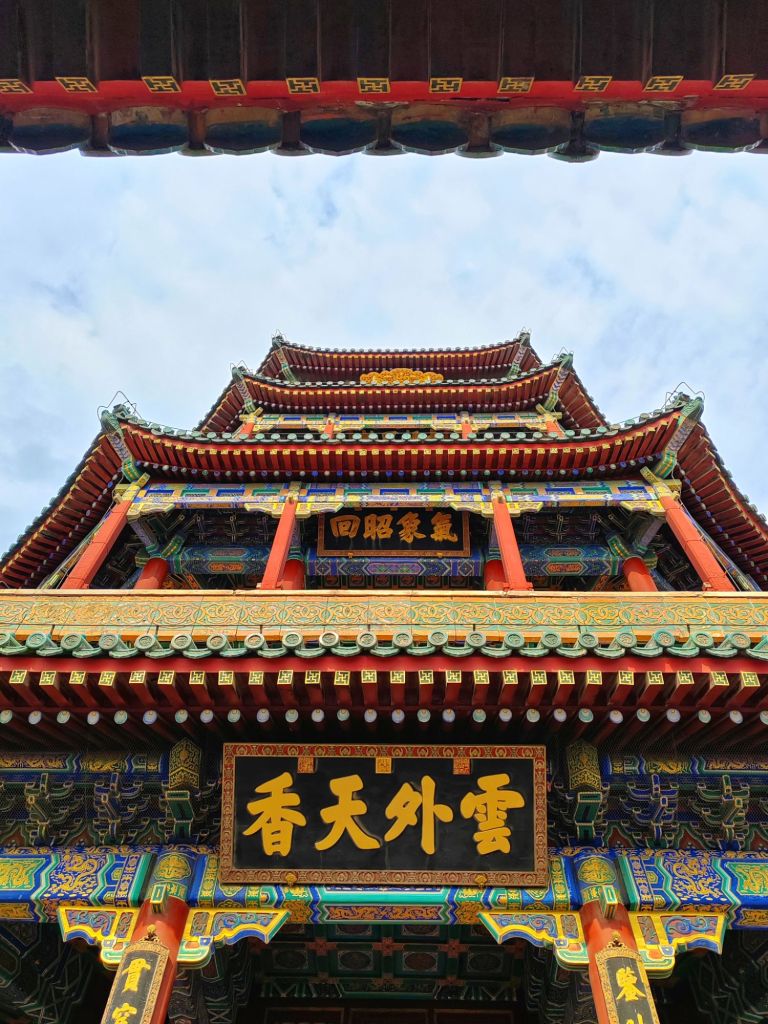
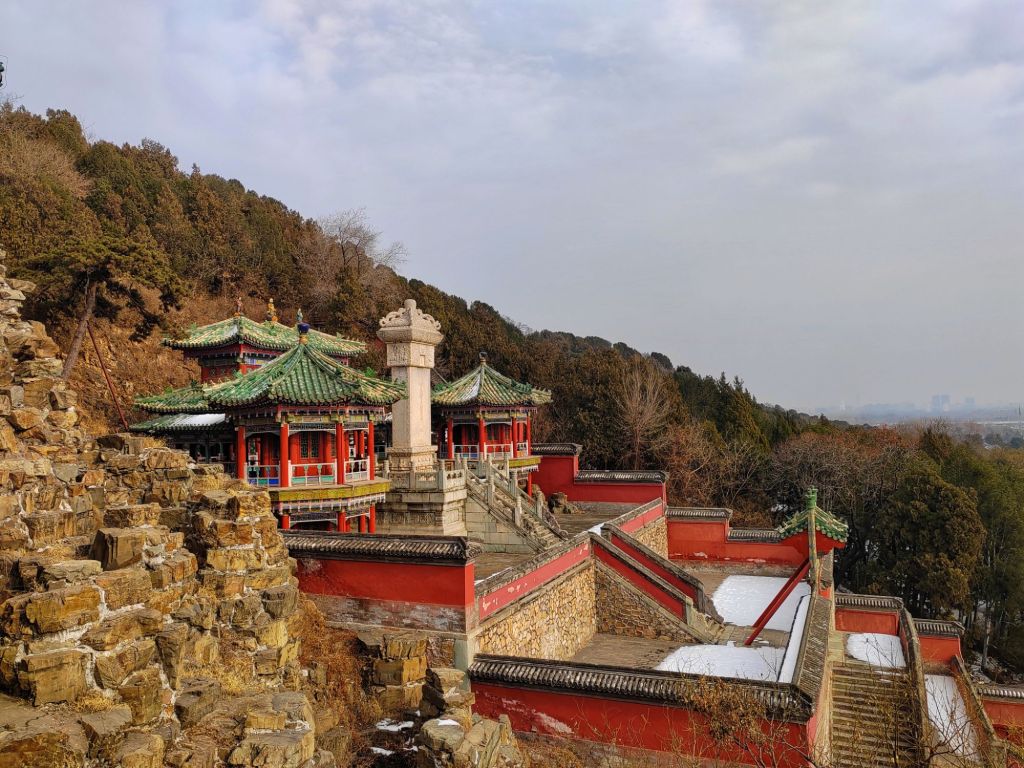
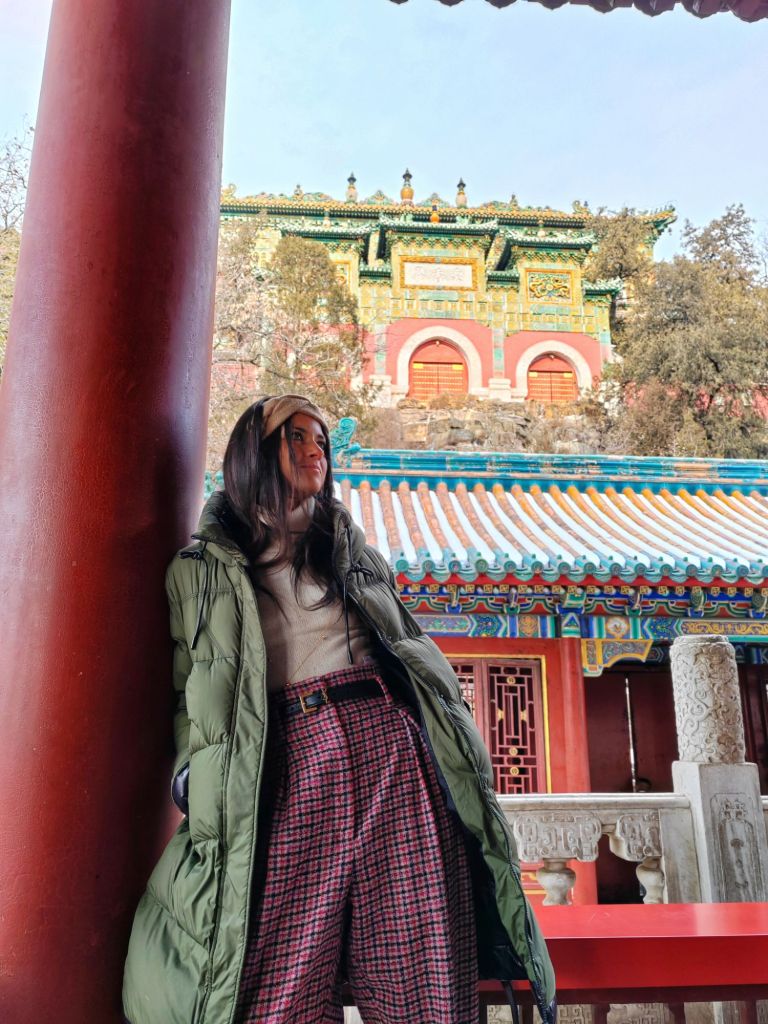
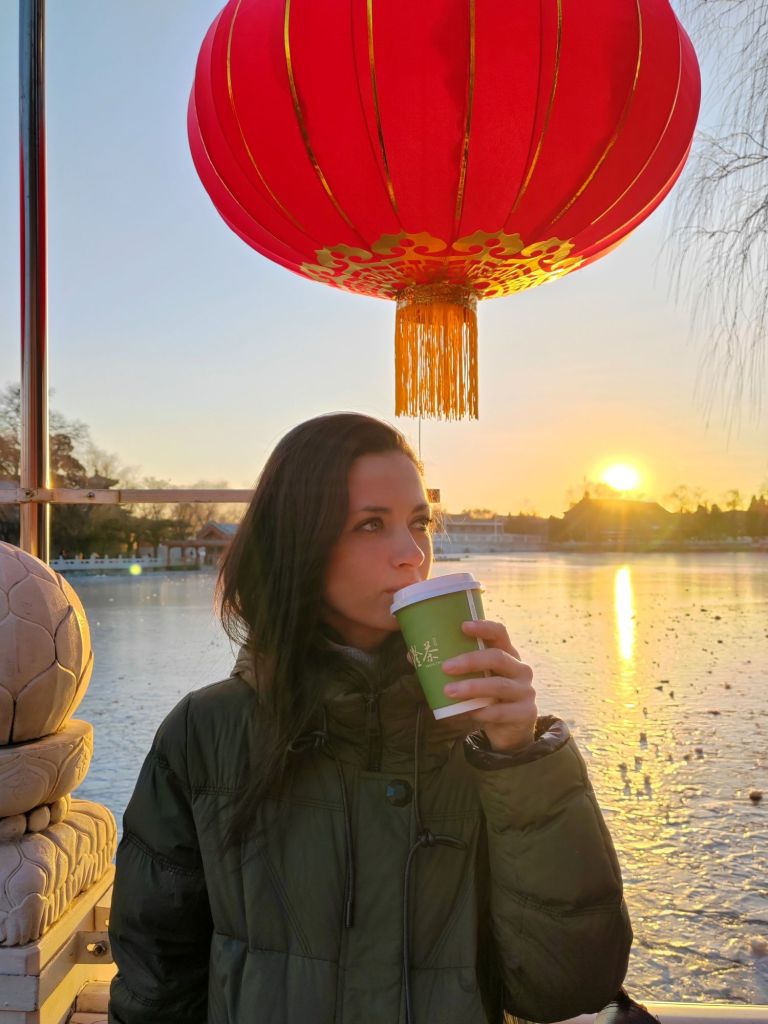

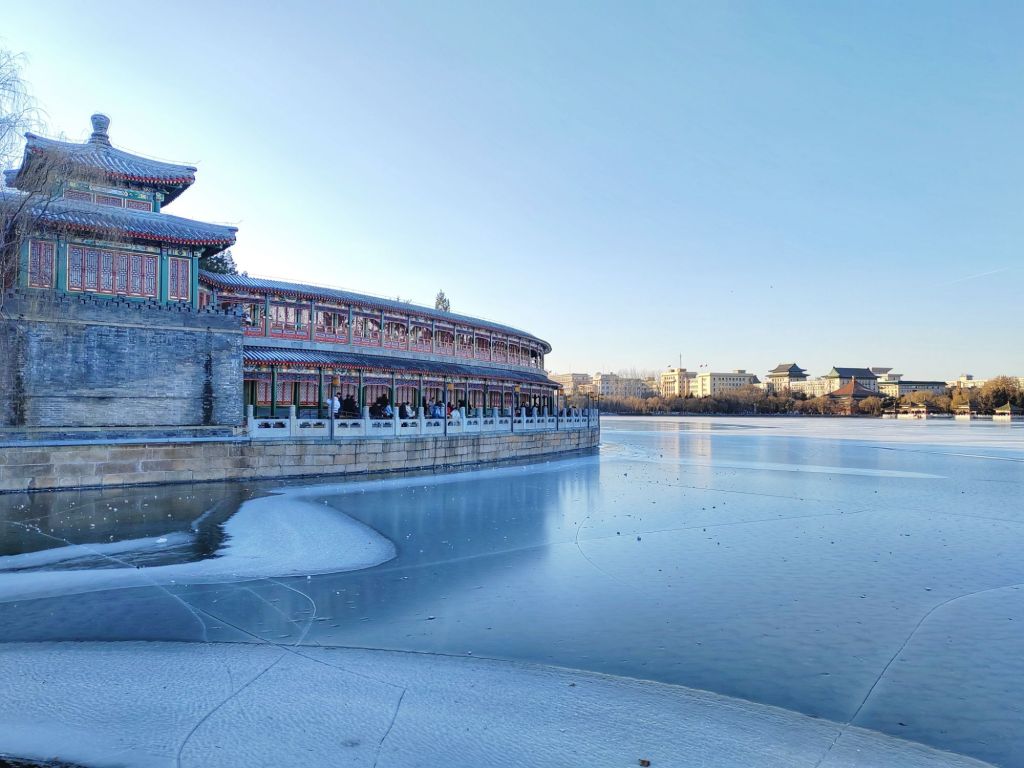
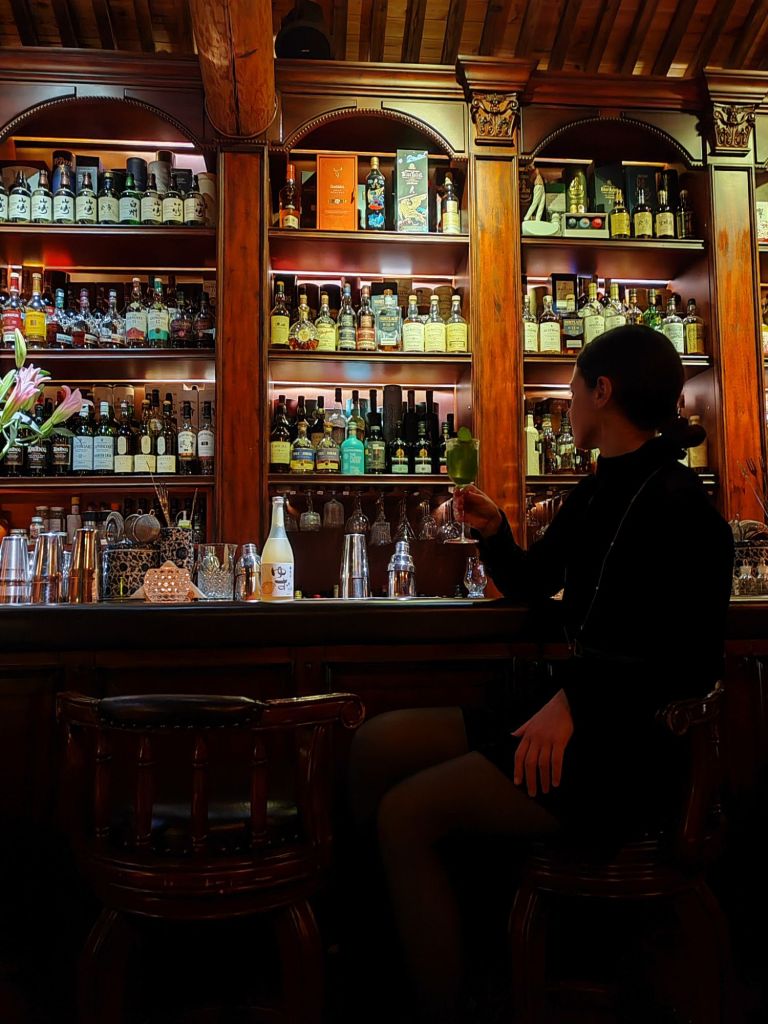
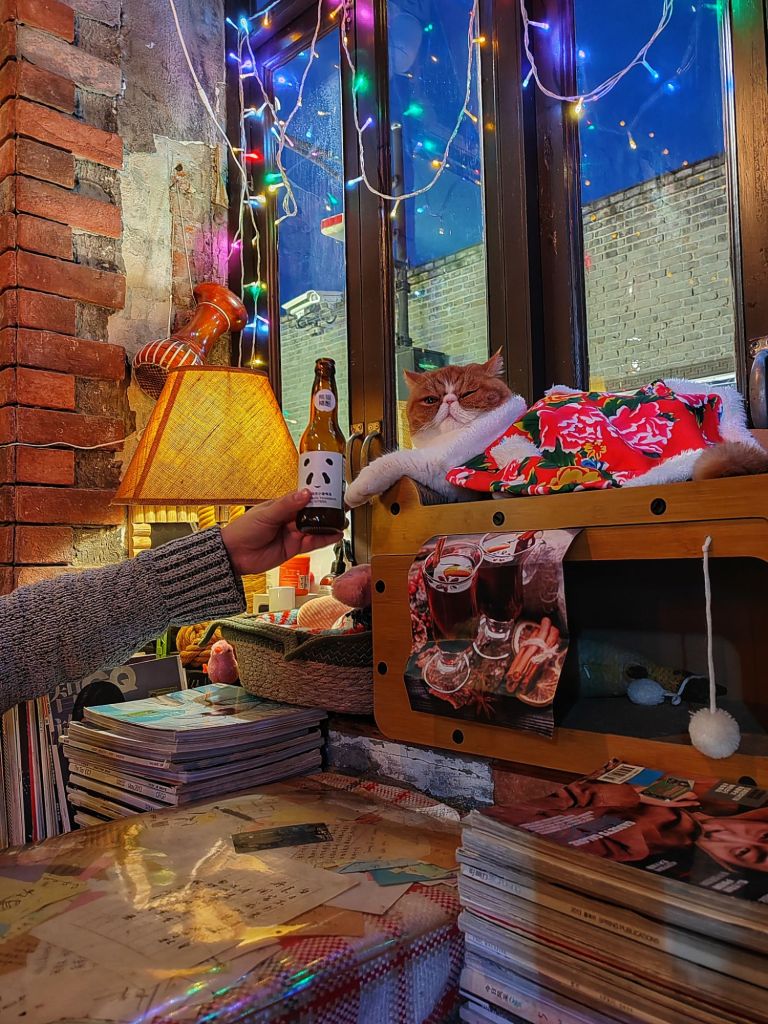
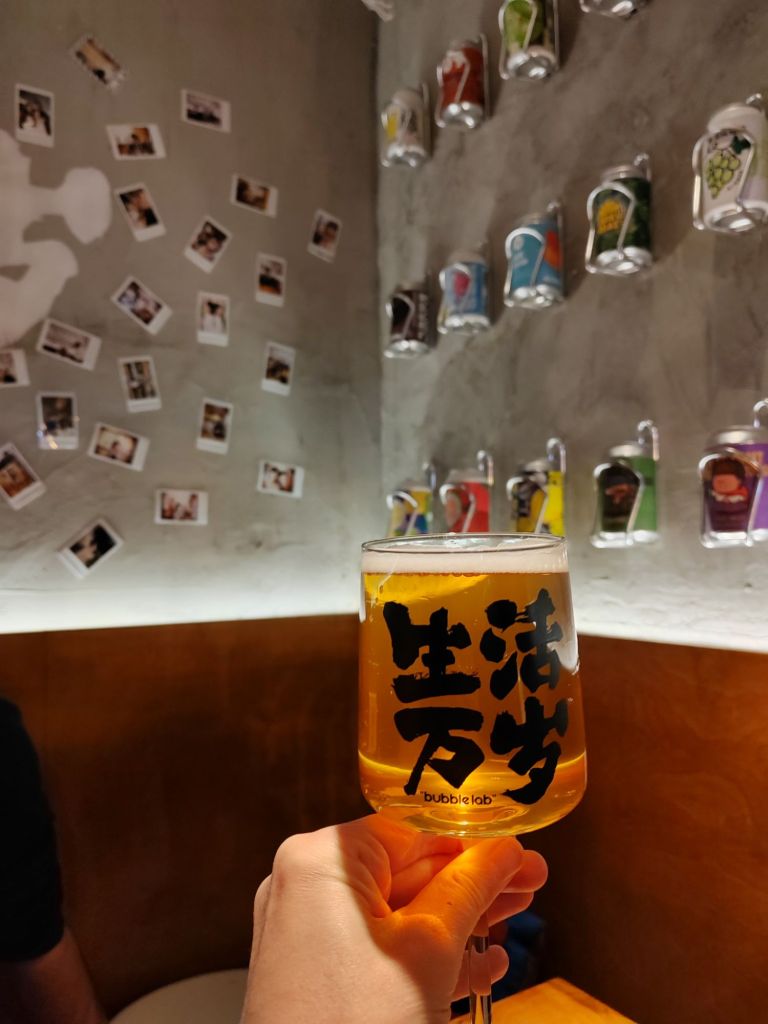
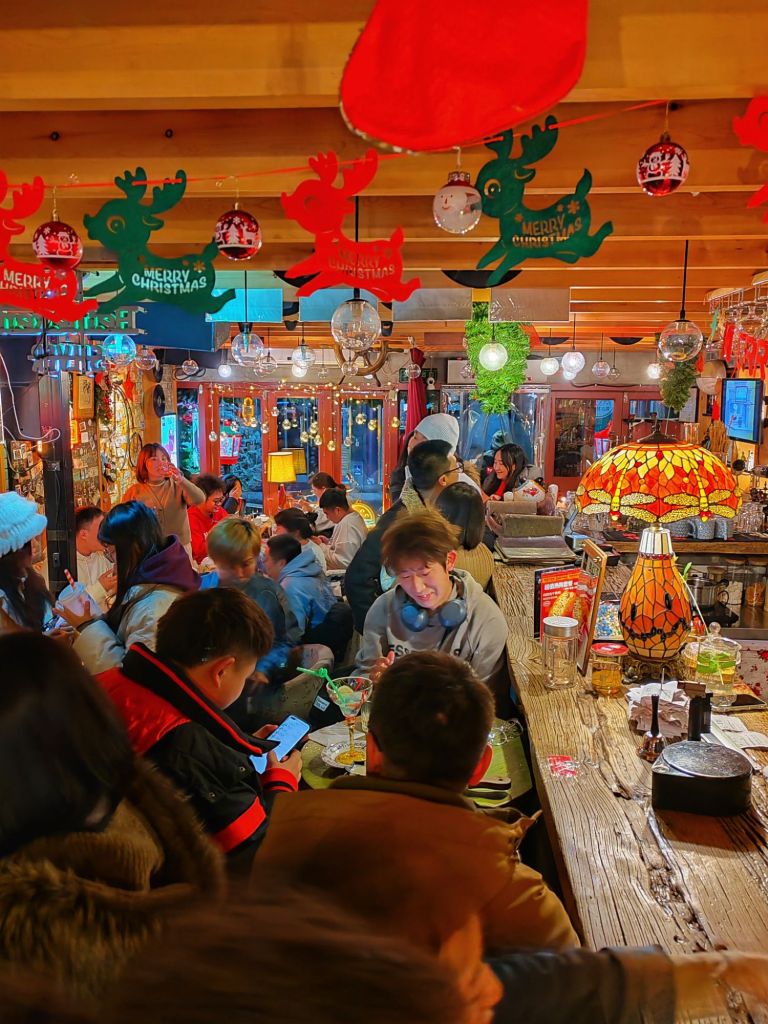
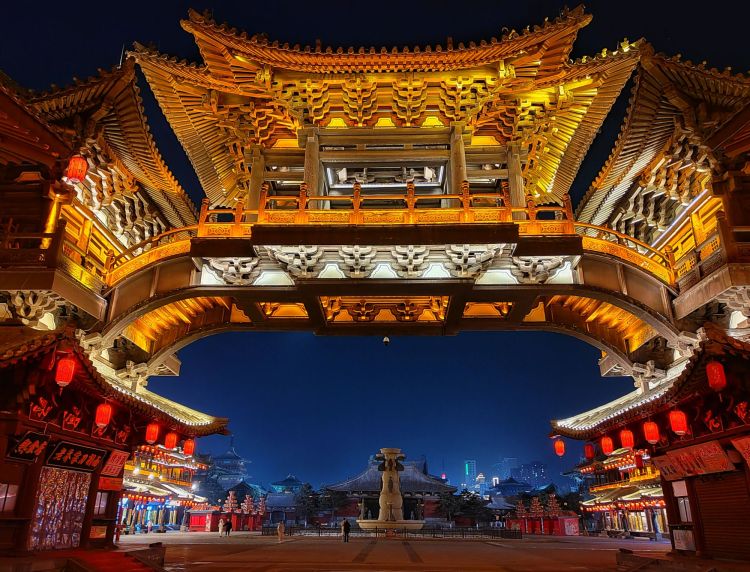
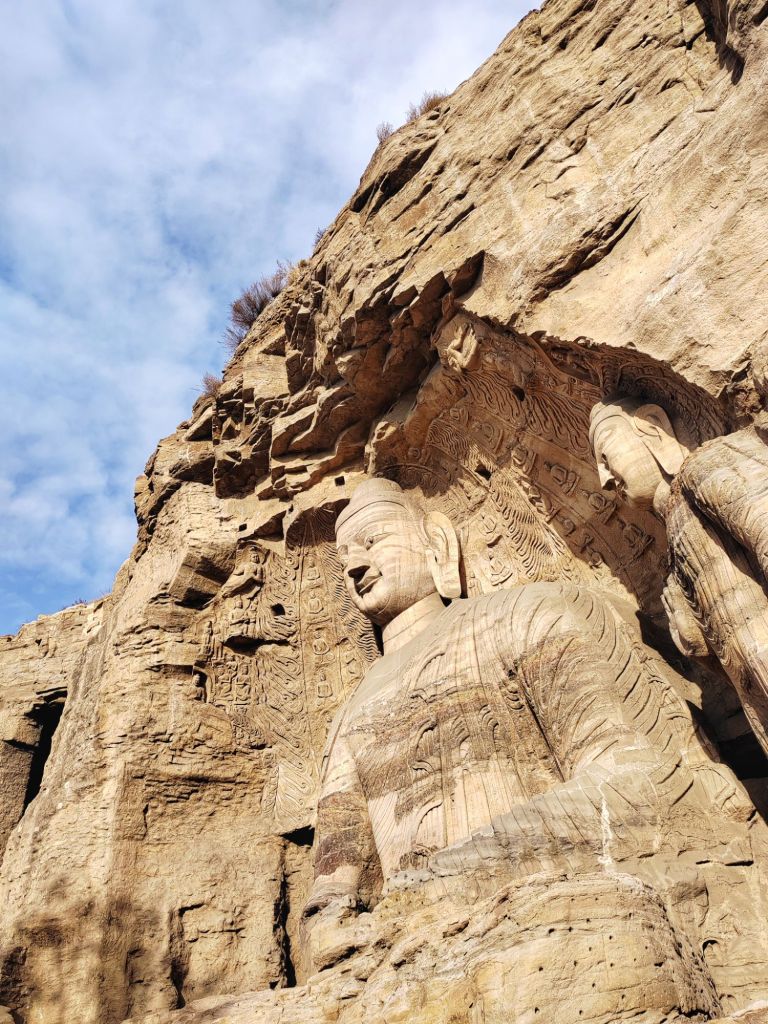
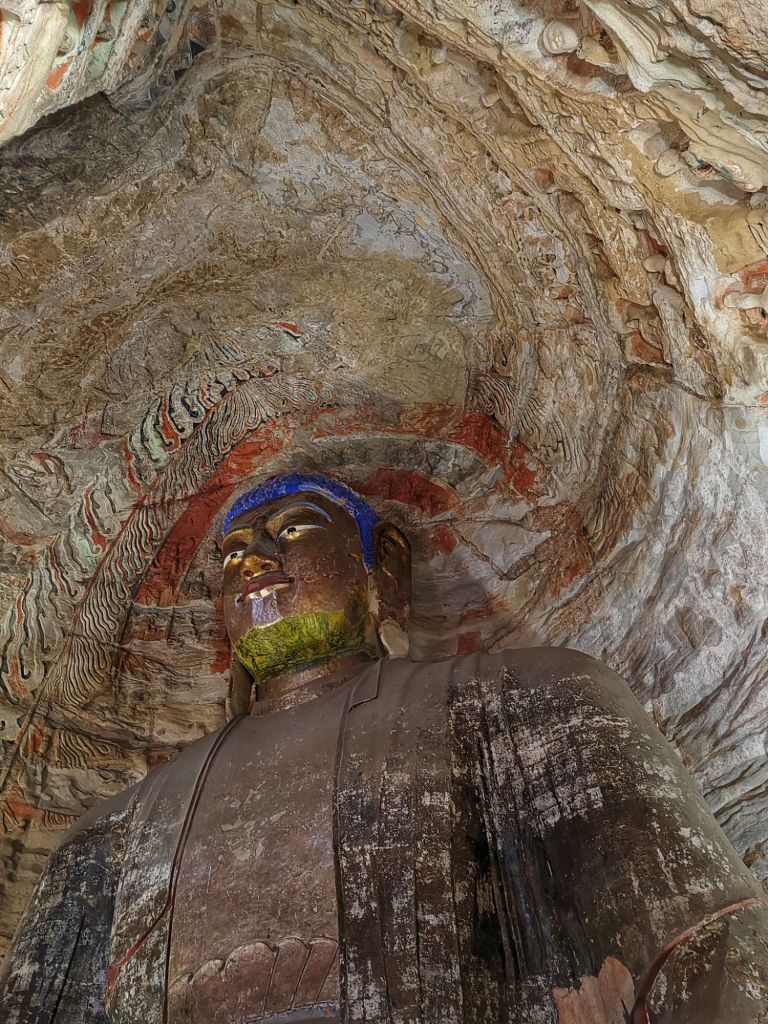
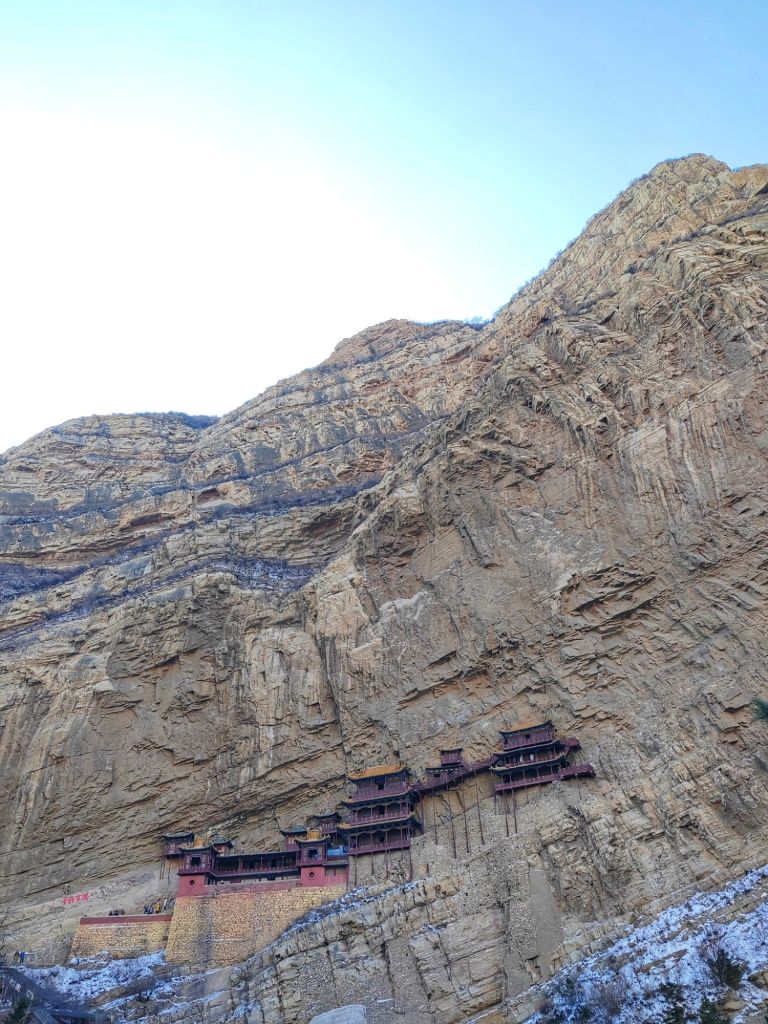
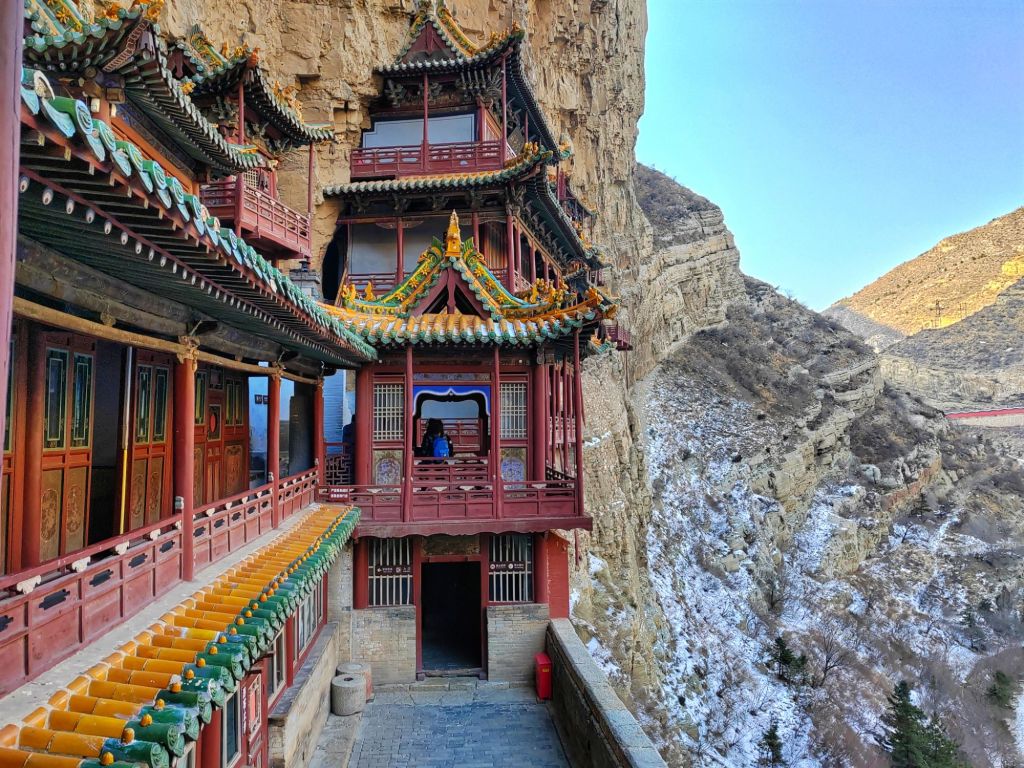
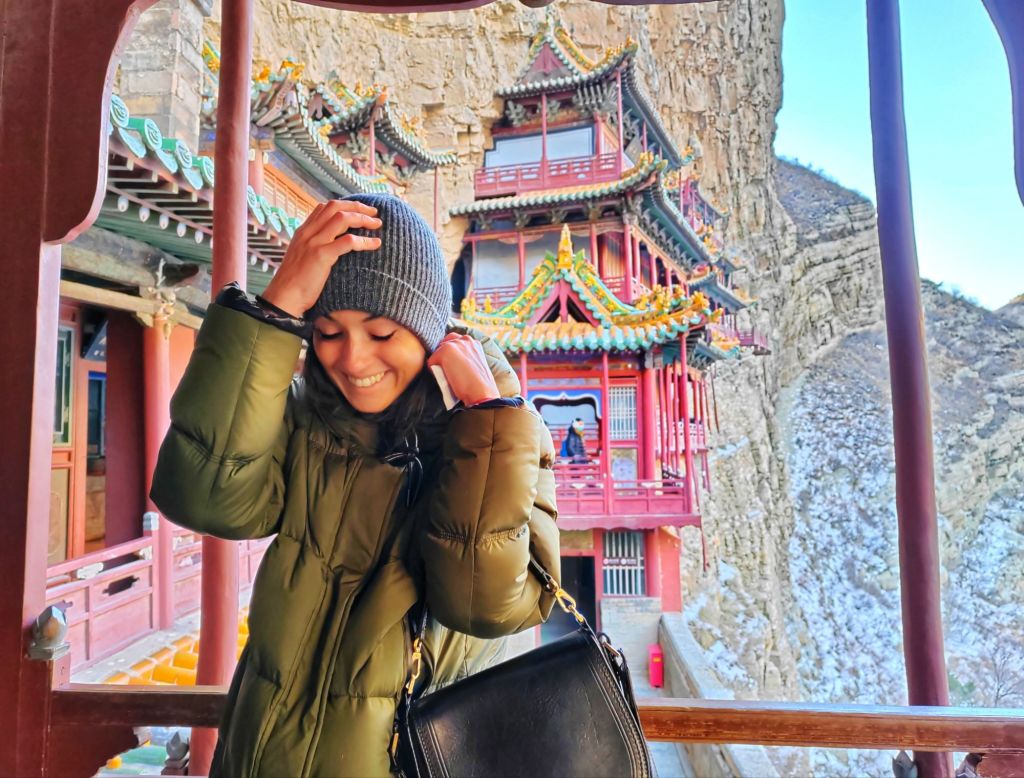
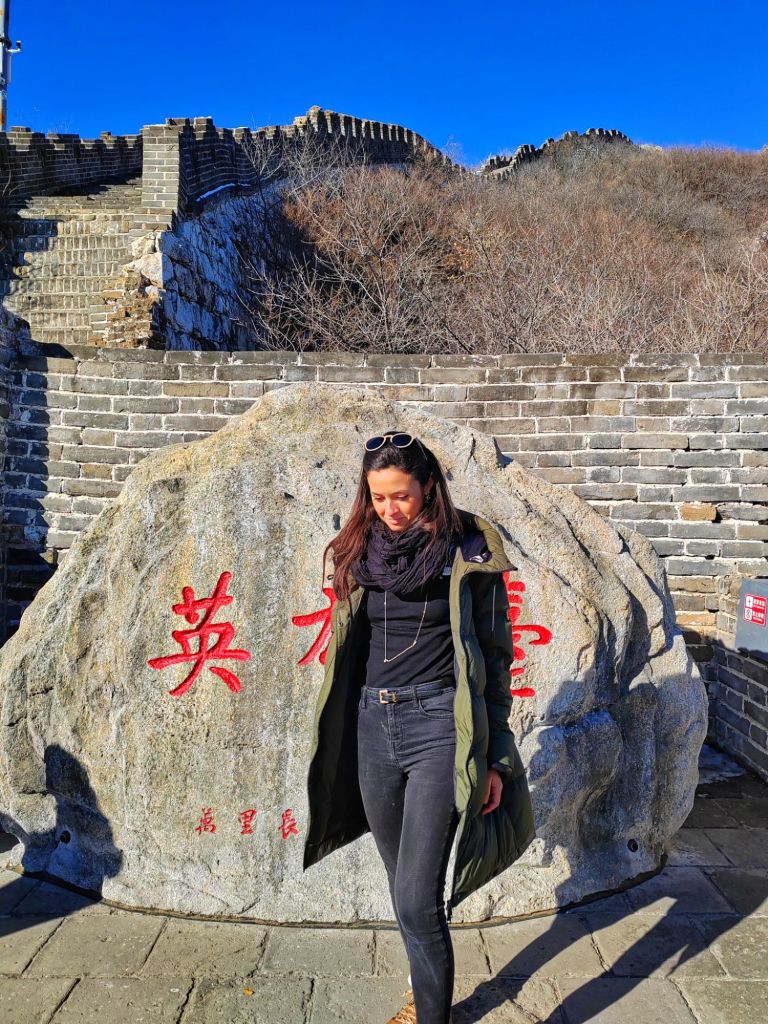
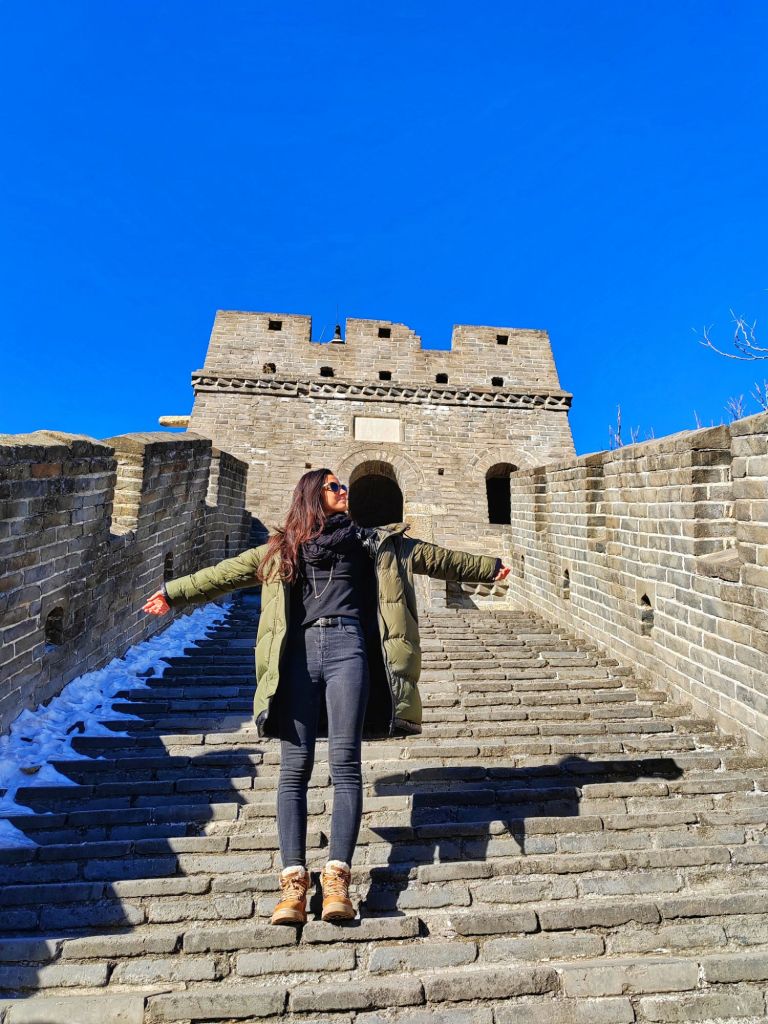
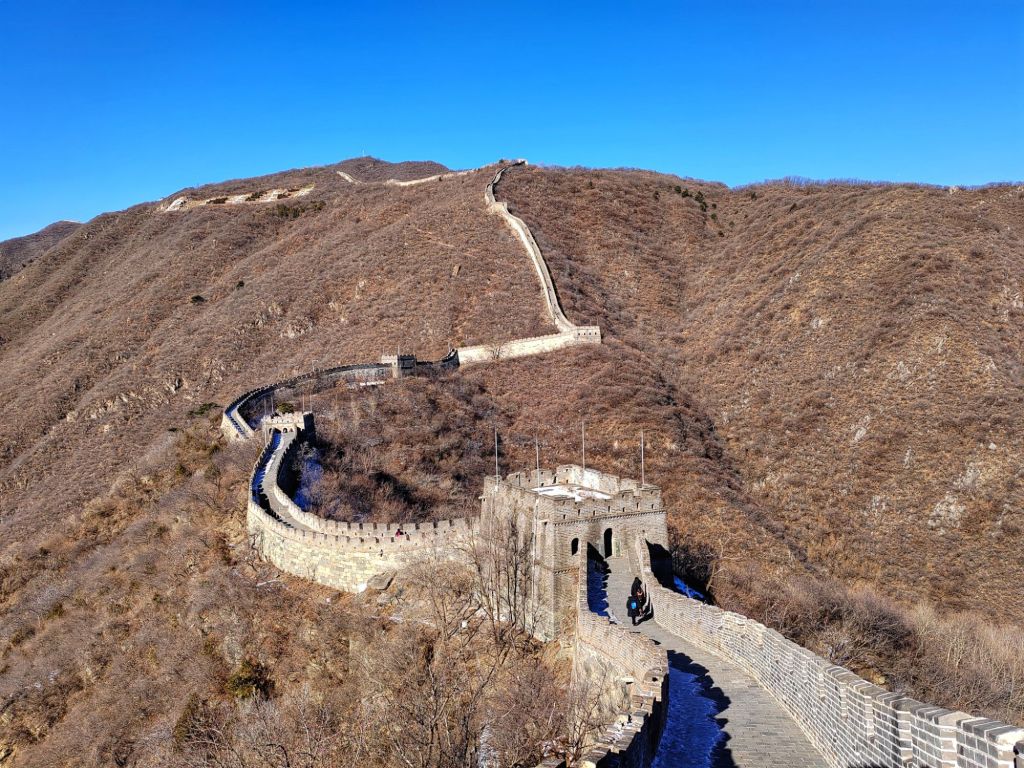
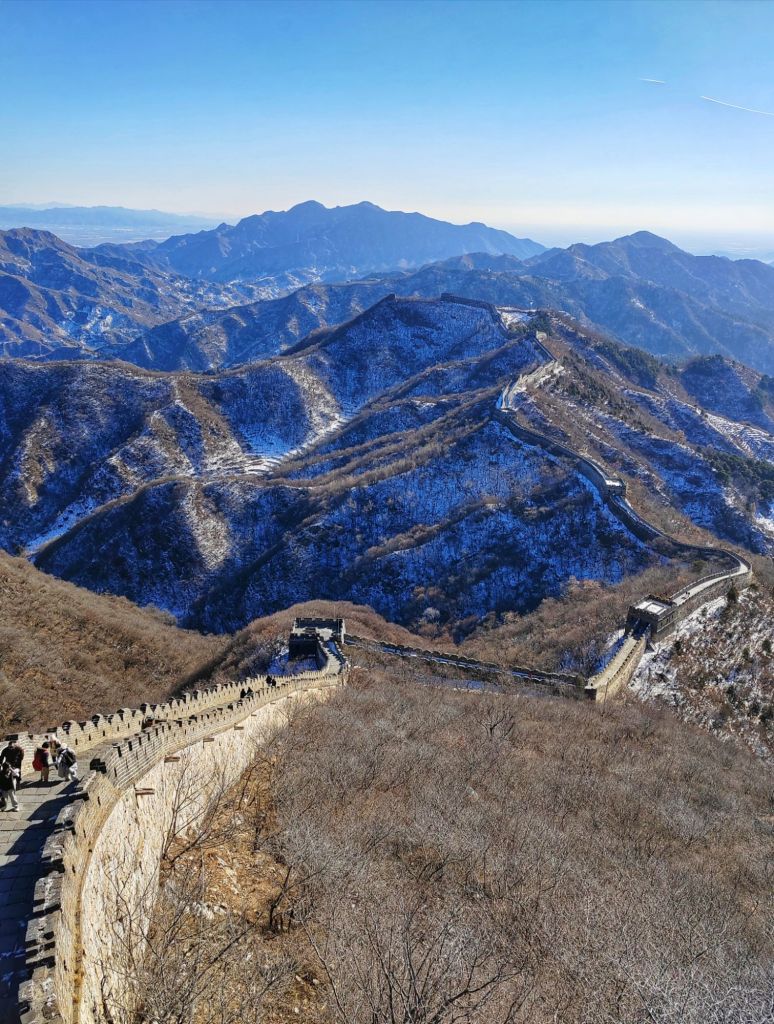

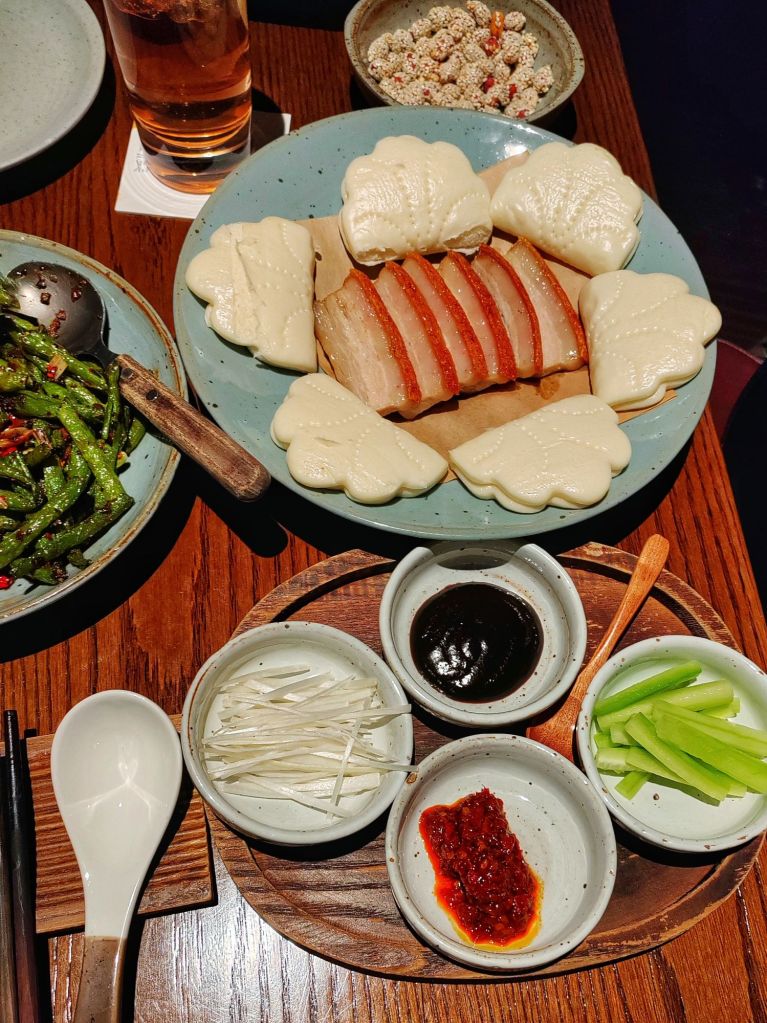
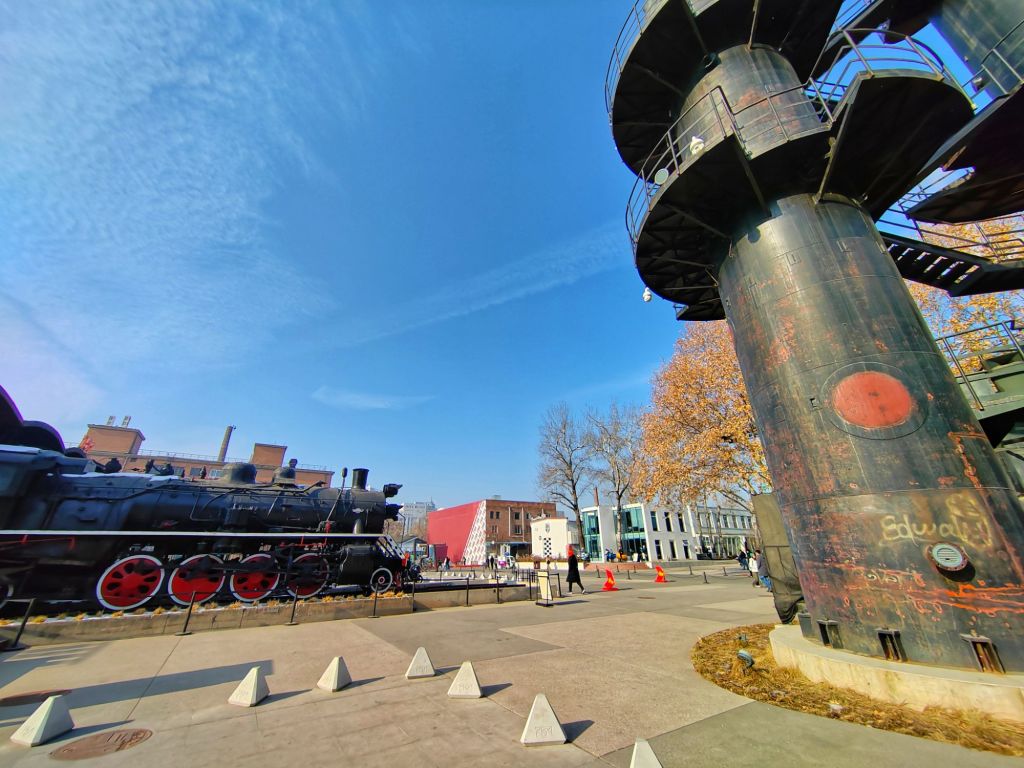
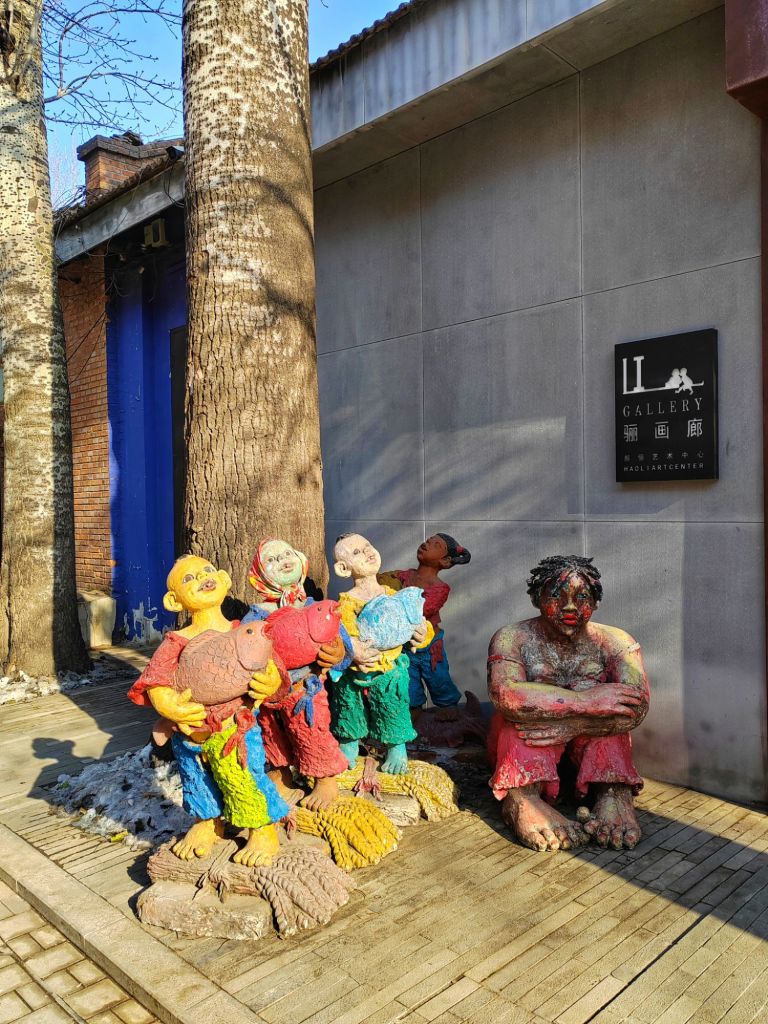
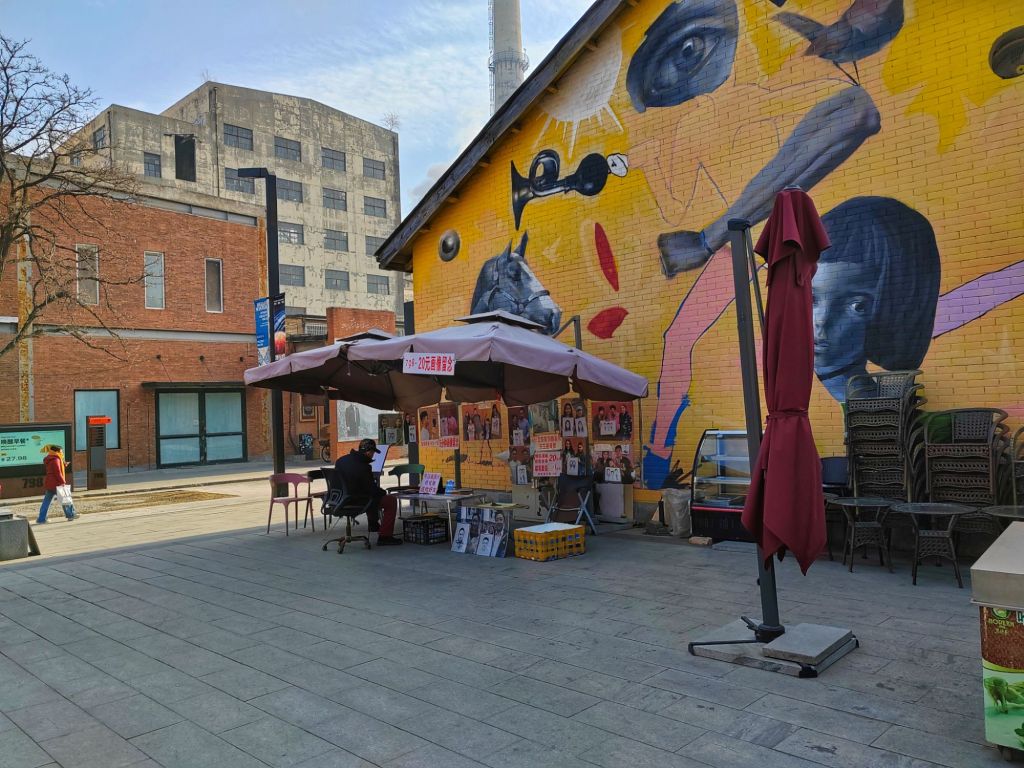
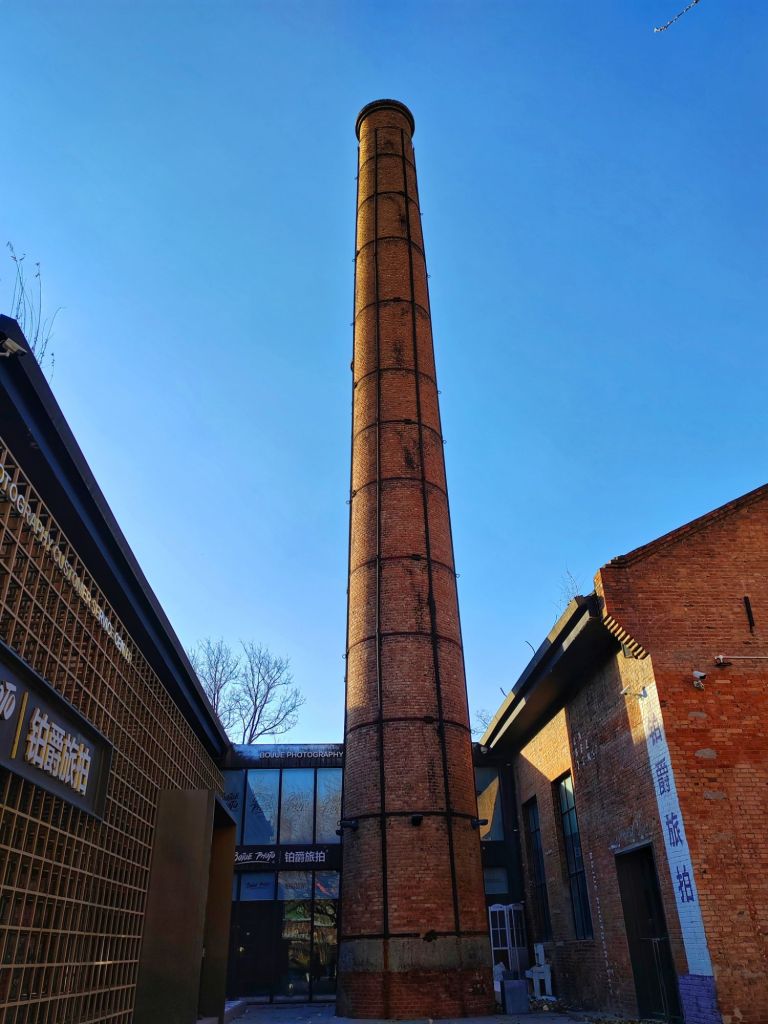
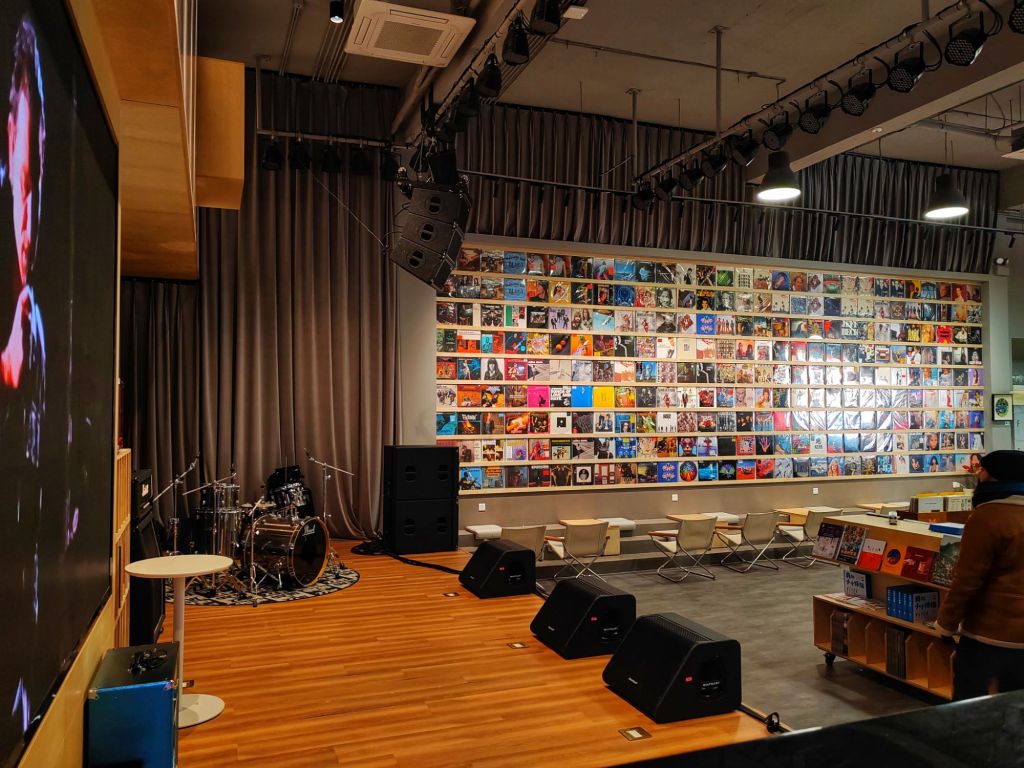
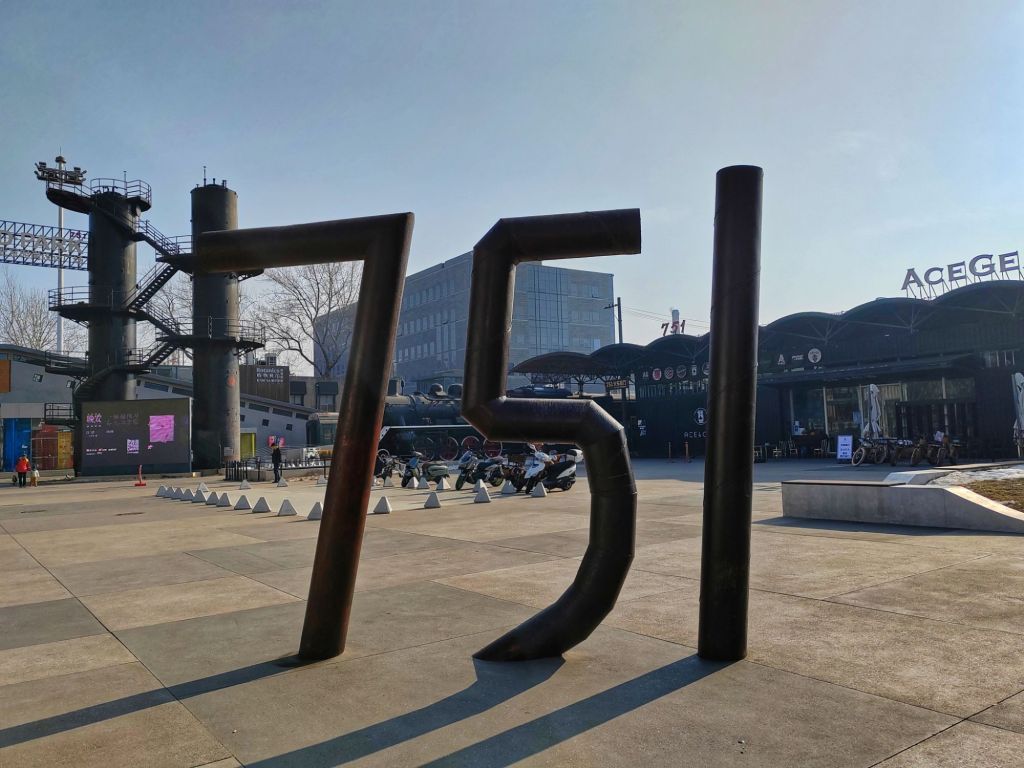

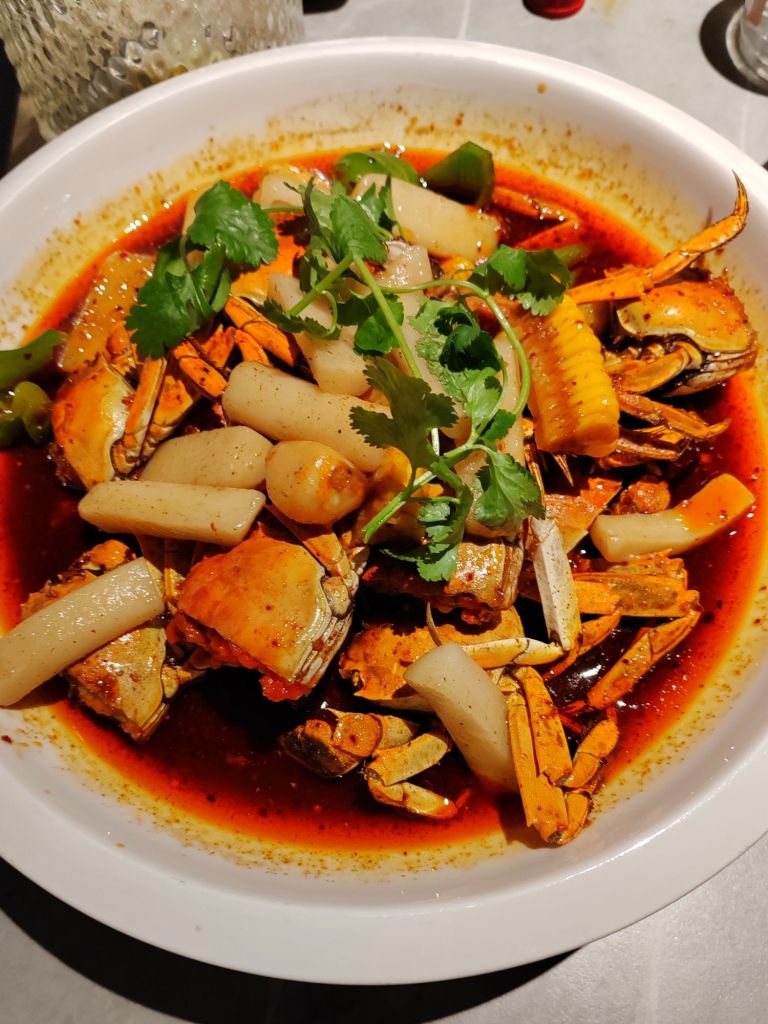
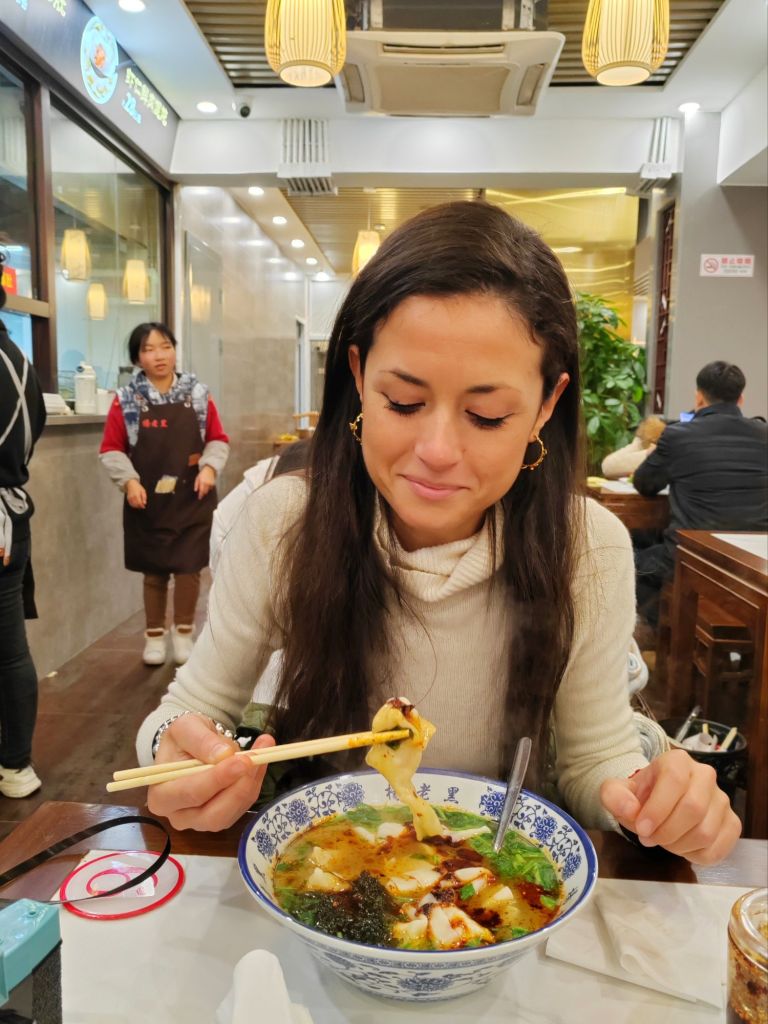
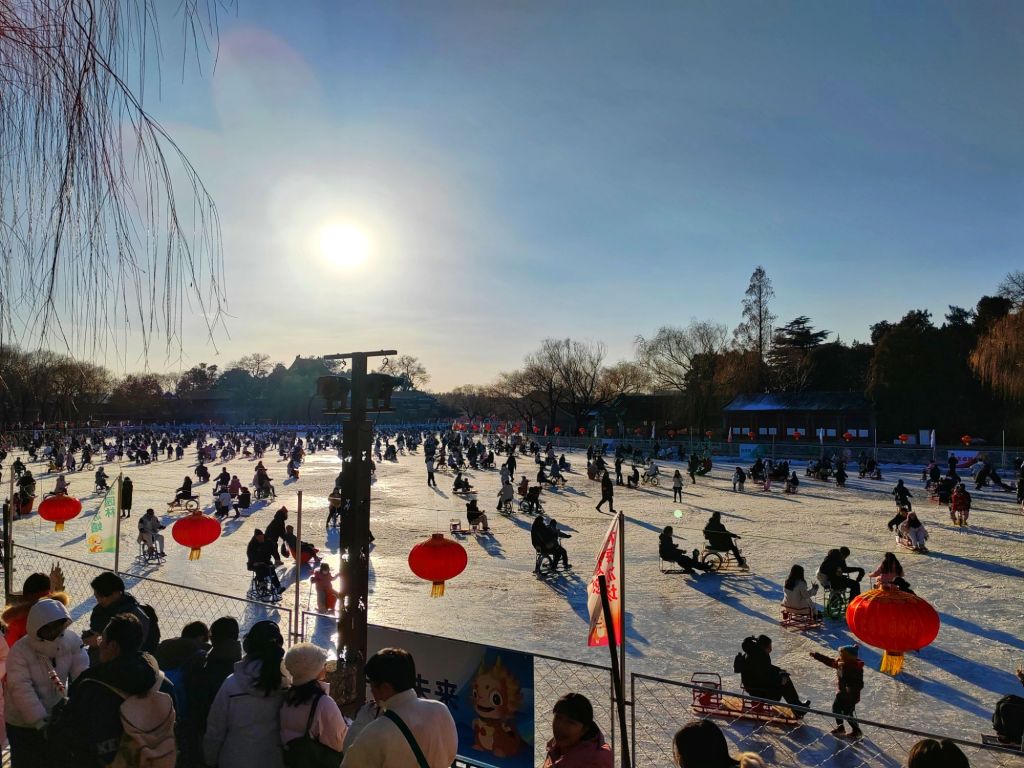

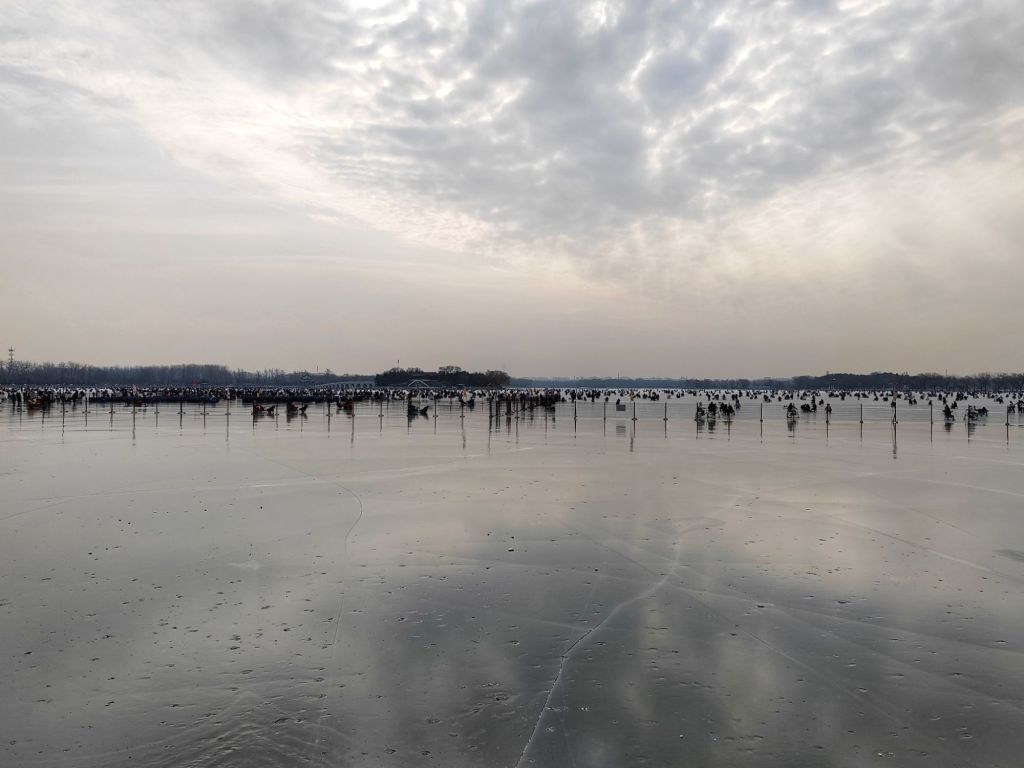
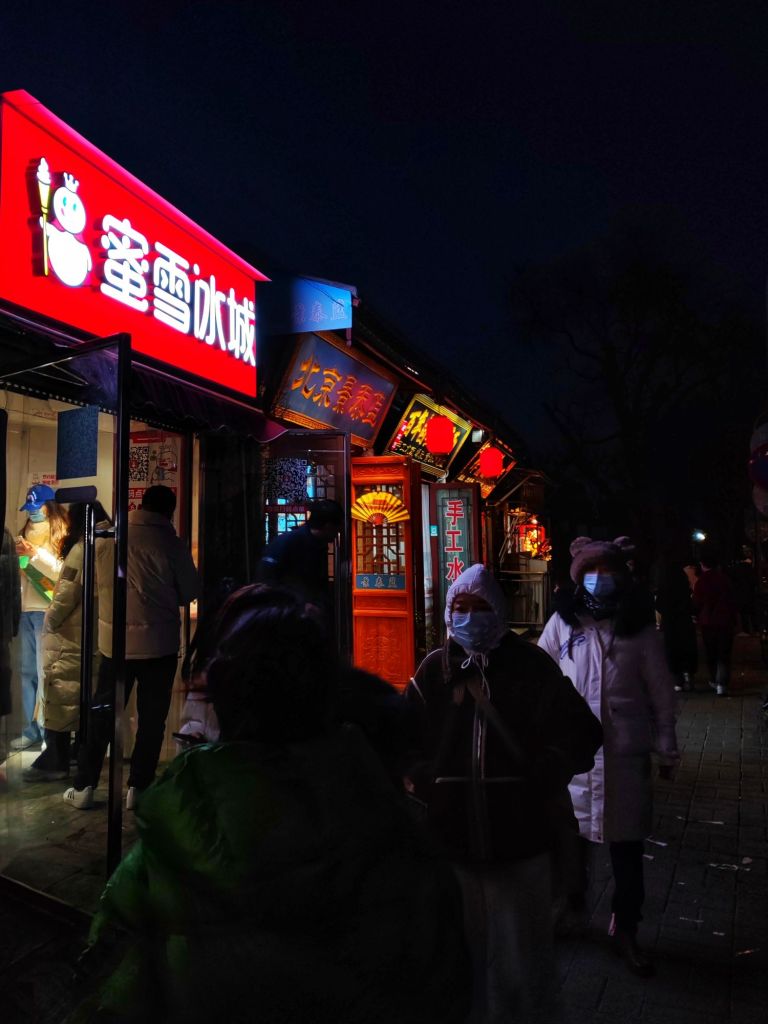
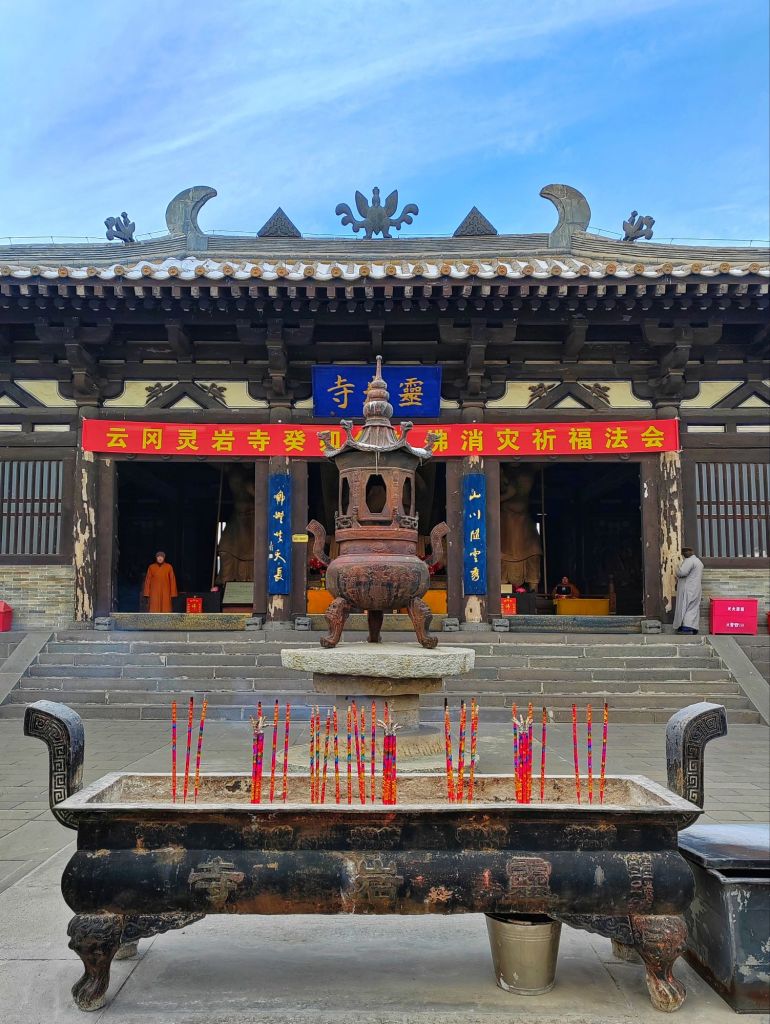
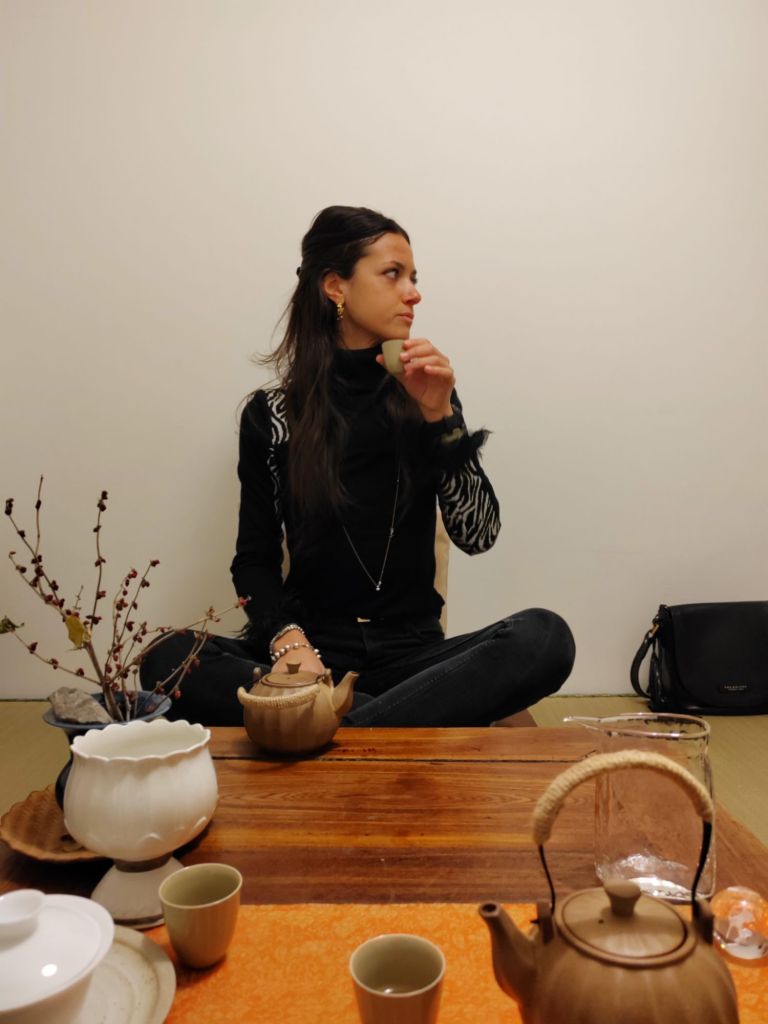
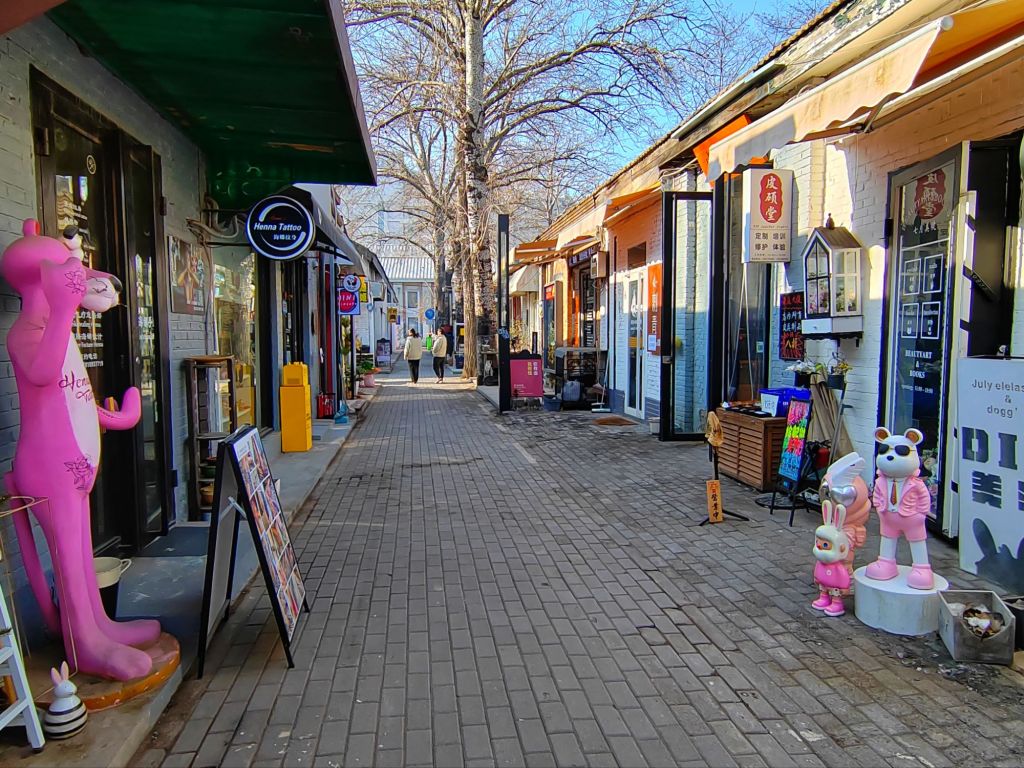
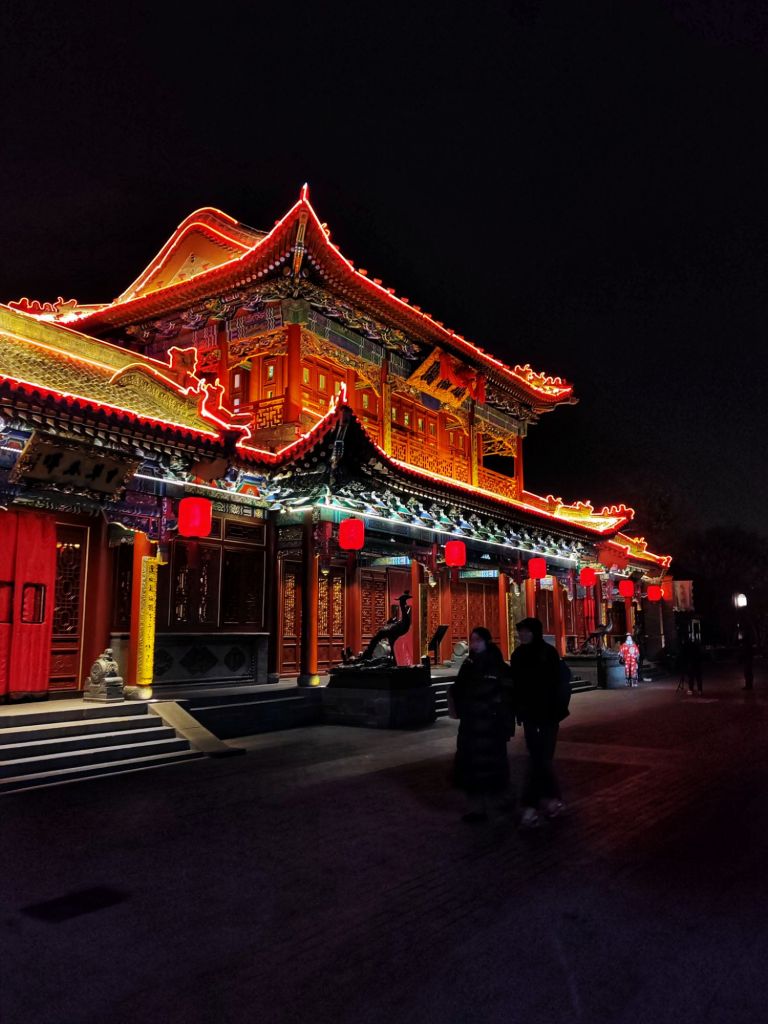
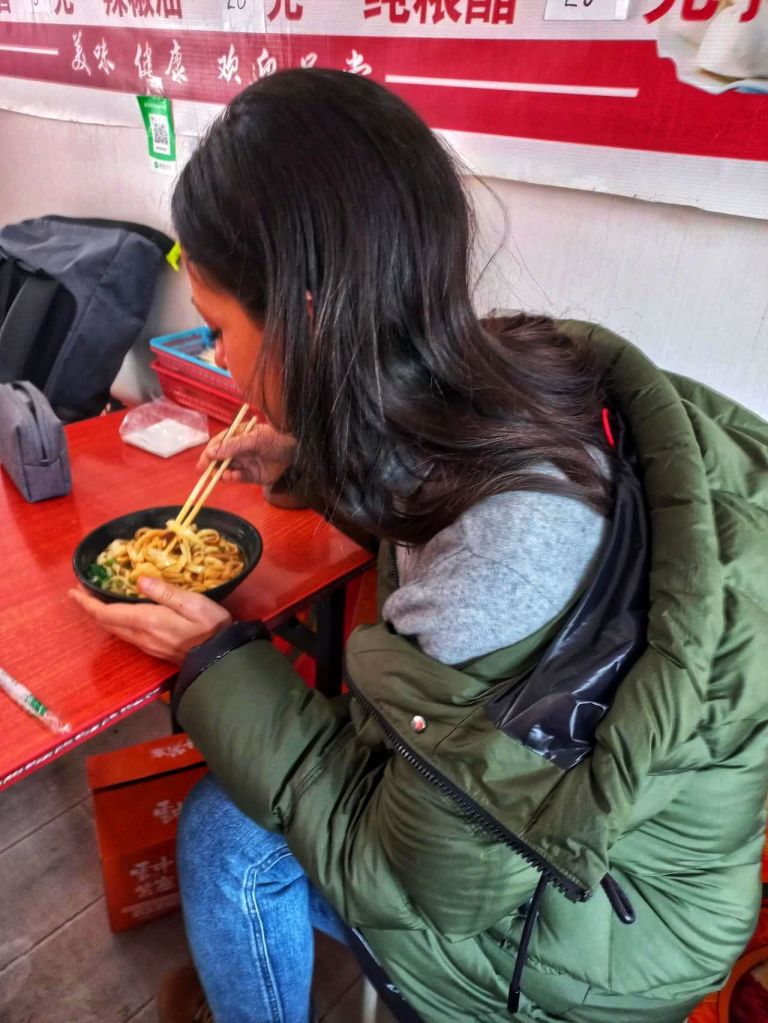
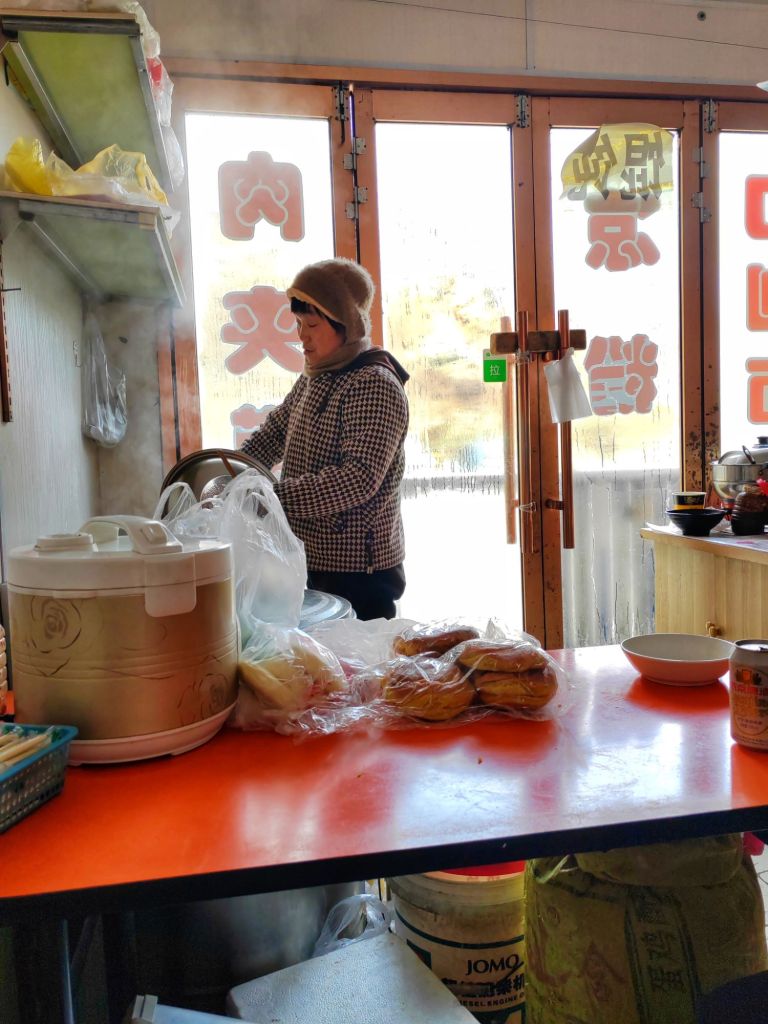
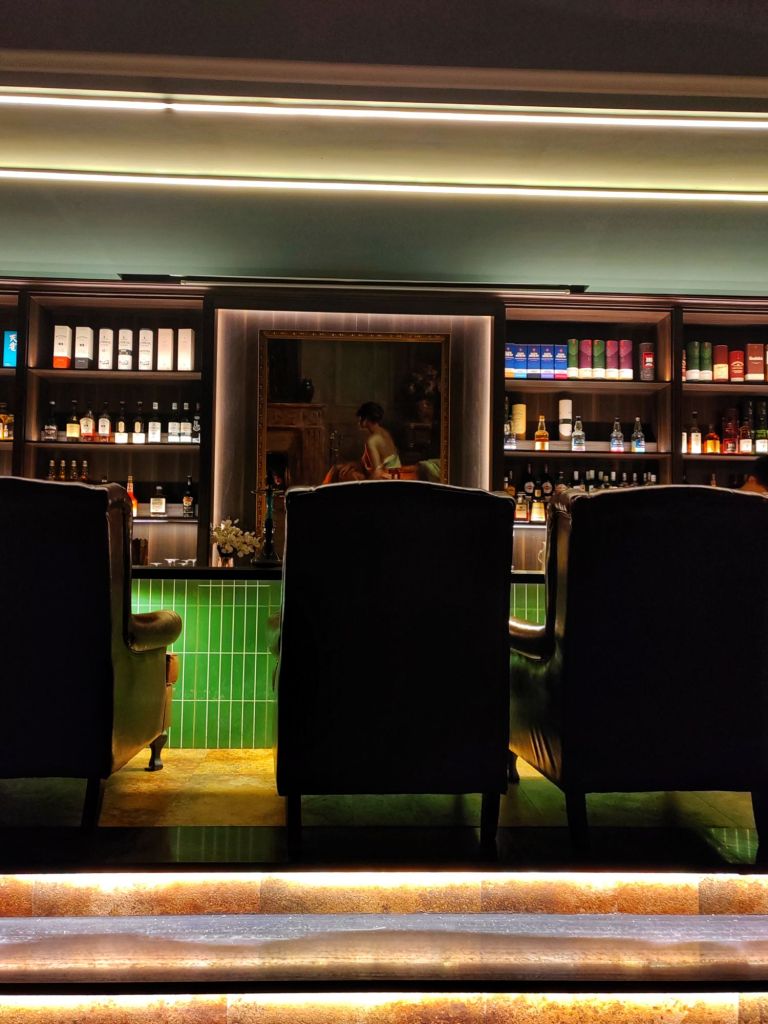
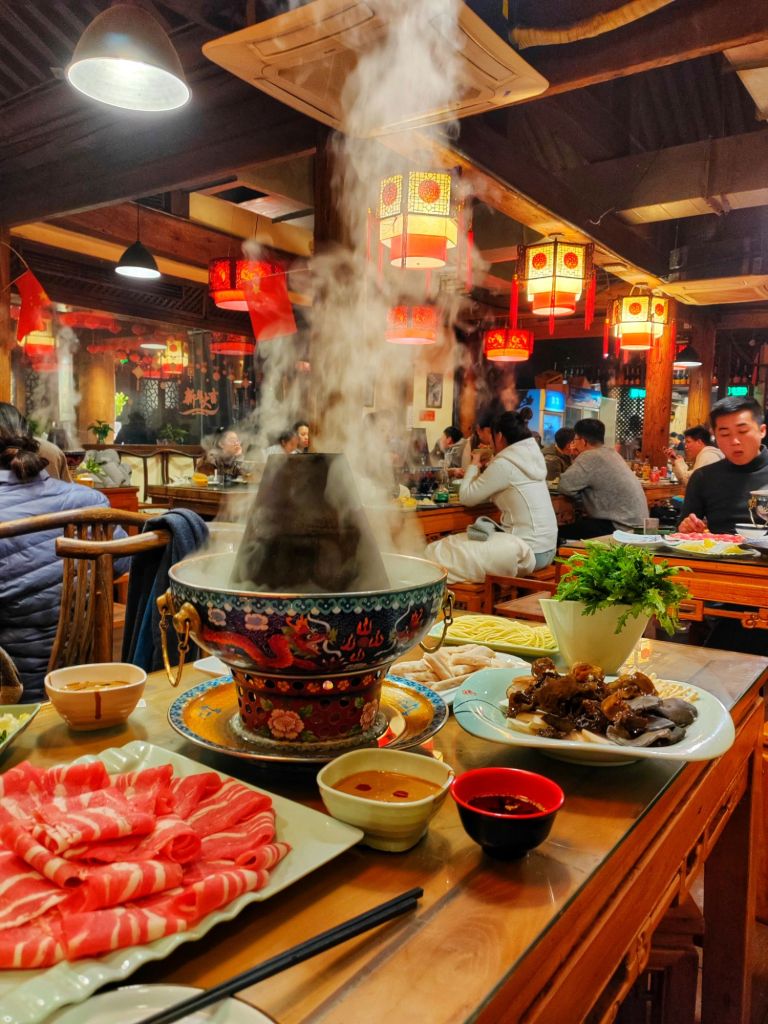
 Ginevra Rides & Travels