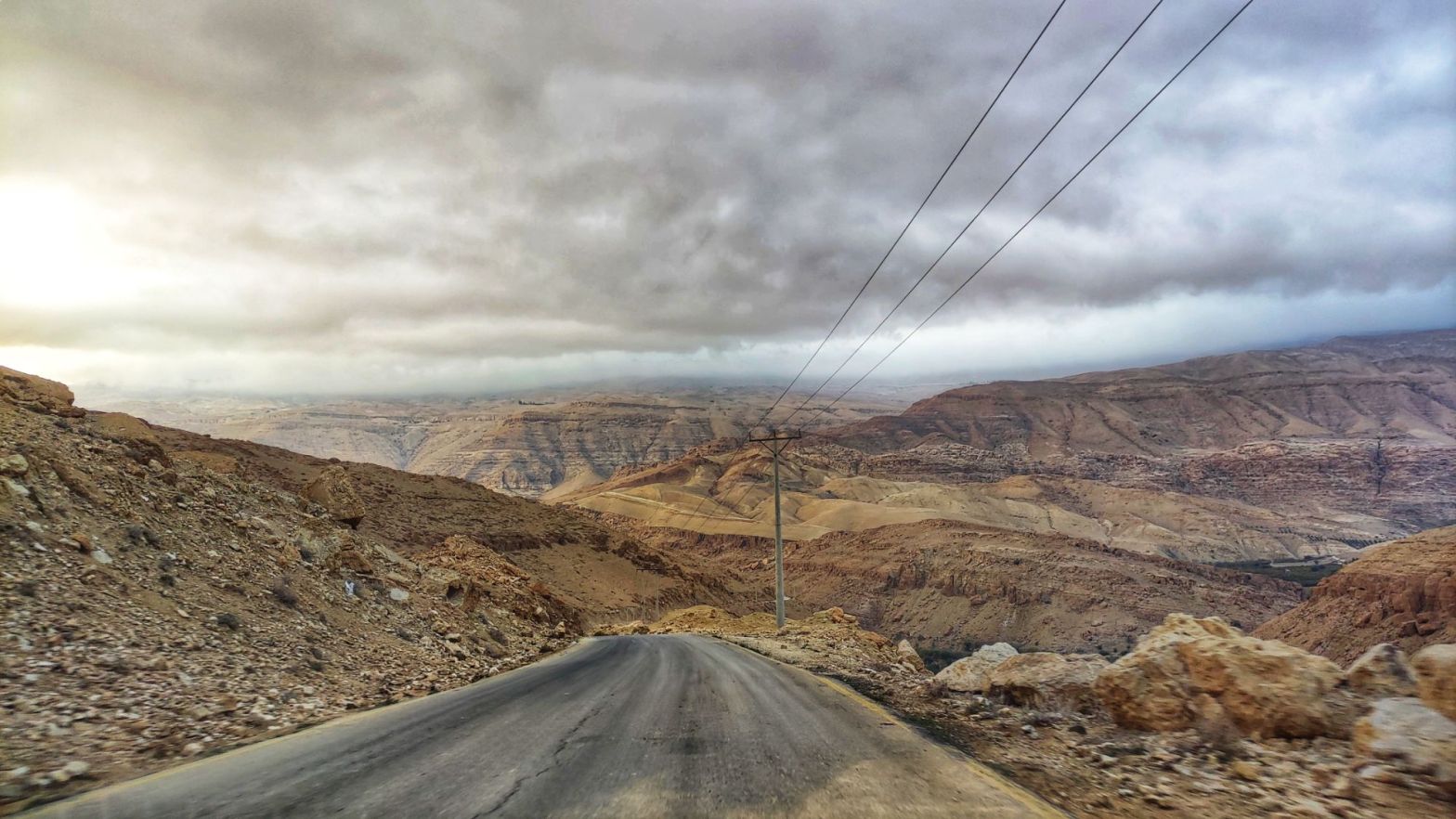
Bike holiday or holiday with a bike, for a few rides through breathtaking landscapes: three destinations that will surprise you.
1. Azores Islands: São Miguel
Isolated in the middle of the Atlantic Ocean, the Azores are islands of volcanoes and lush nature, a paradise for nature lovers.
São Miguel, accessible by plane from Lisbon, is the largest island of the archipelago. It is a vivid green island, largely untouched, wild and rugged.

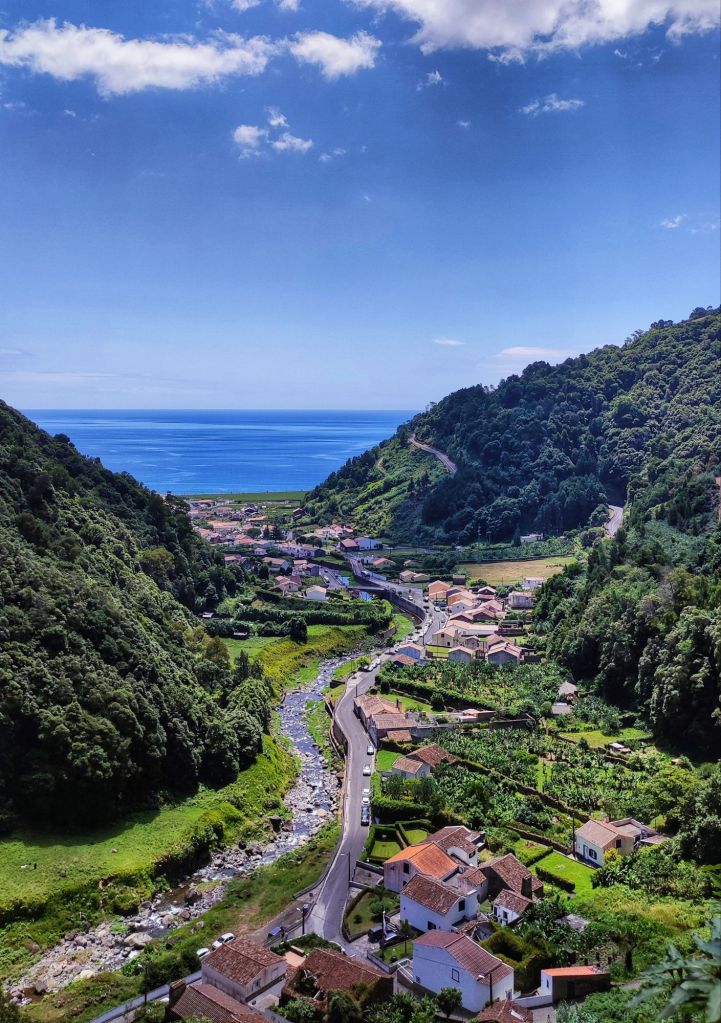

The weather here isn’t always kind: the winds can blow strong, and rain showers may appear out of nowhere, but it is a magical place. Not only for nature lovers, but also for cycling enthusiasts who are not easily deterred by sudden downpours and challenging climbs.
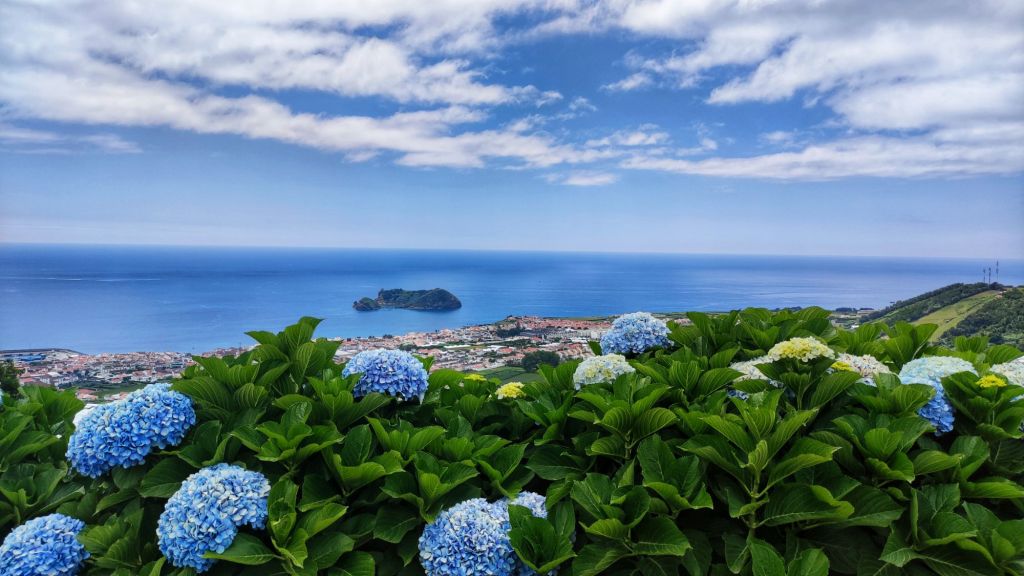
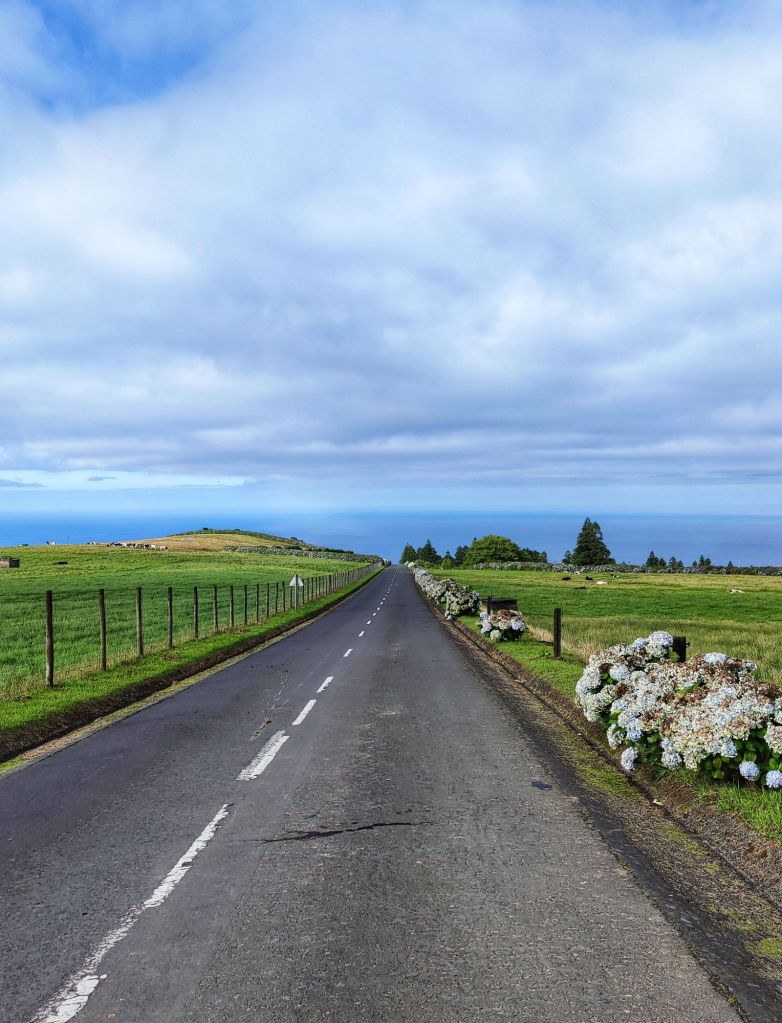
São Miguel offers breathtaking landscapes, such as Sete Cidades, a volcanic crater hosting two twin lakes, or Lagoa do Fogo, a lake at the top of a crater. The climb to the majestic Lagoa do Fogo is one of the unmissable cycling routes. It is a steep and demanding ascent, that after reaching the summit, fastly goes down towards the sea along a road lined with peony bushes (here the route).
It was on this road, in 2021, amidst the serene nature and in the middle of a ride, that I stopped to watch live the final of the team pursuit at the Tokyo Olympics. If you pass by, try asking those peonies if they too remember the cheers of the Italian commentators.
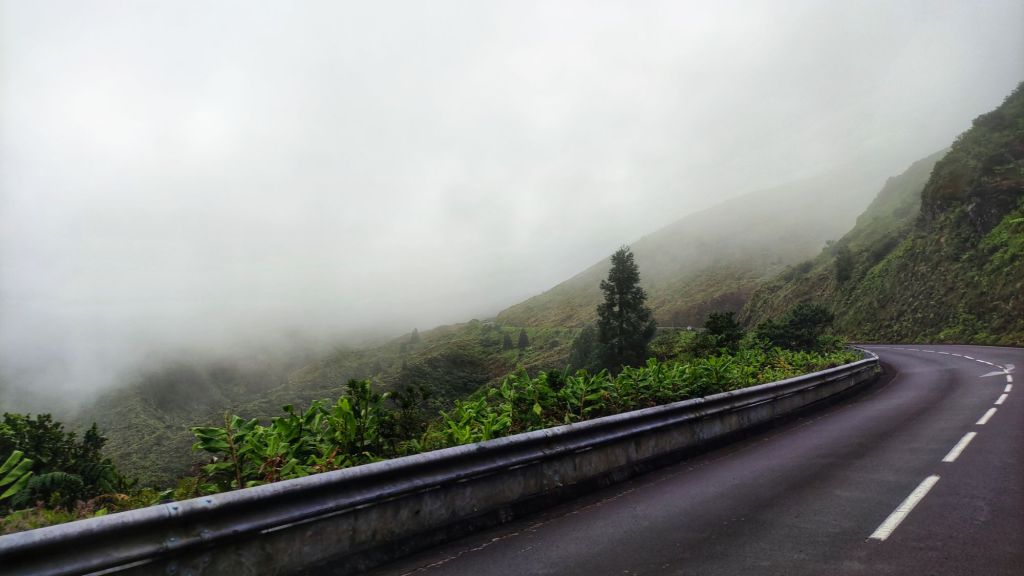
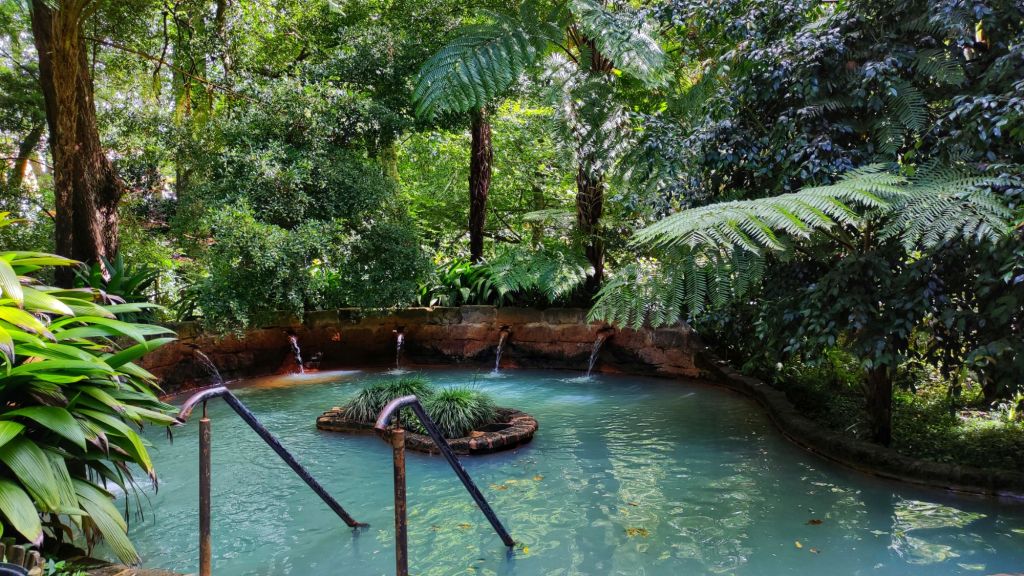
On the northern coast of the island, you will find many tea plantations, the only ones in Europe, that stretch as far as the eye can see and that sometimes host gracious fishing villages with white and blue houses. Inland, countless thermal springs offer relaxation after a hike or bike ride, such as the Furnas hot springs, which can be reached via a gentle up&down route from the coast, passing through the morning mist (here the route).
Traffic on São Miguel is almost nonexistent, the tourist flow is very limited, the roads are well-maintained, and the climate is mild almost year-round. A corner of peace, especially if compared to other Atlantic islands, and a place where you can easily combine hiking, relaxation and cycling.
Note: There are two bike rental shops on the island, but the selection is relatively limited. If you want high performance road bikes, consider bringing your own.
2. Exploring Crete between beaches, olive groves and winding roads
Crete, the largest and most diverse Greek island, is a treasure with diversified landscapes and home to some of the World’s most beautiful beaches. Ideal destination for beach lovers, but also for those seeking solitude in untouched nature, multi-day trekking enthusiasts, history buffs (considering Knossos once stood here), and, of course, cycling aficionados.

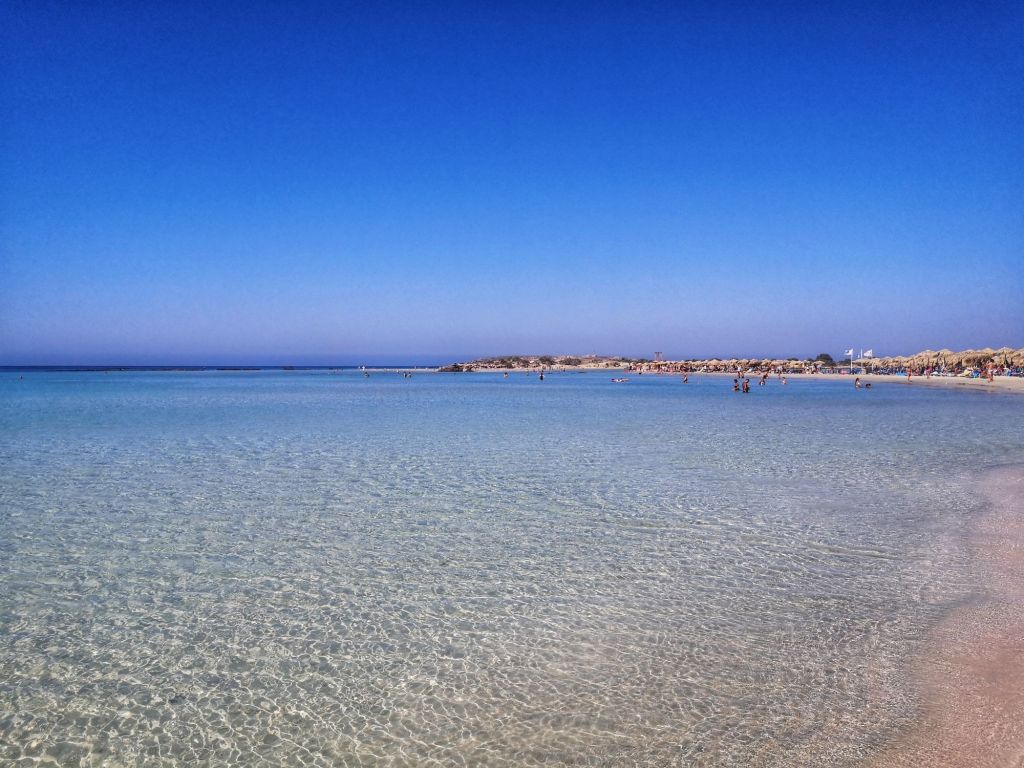
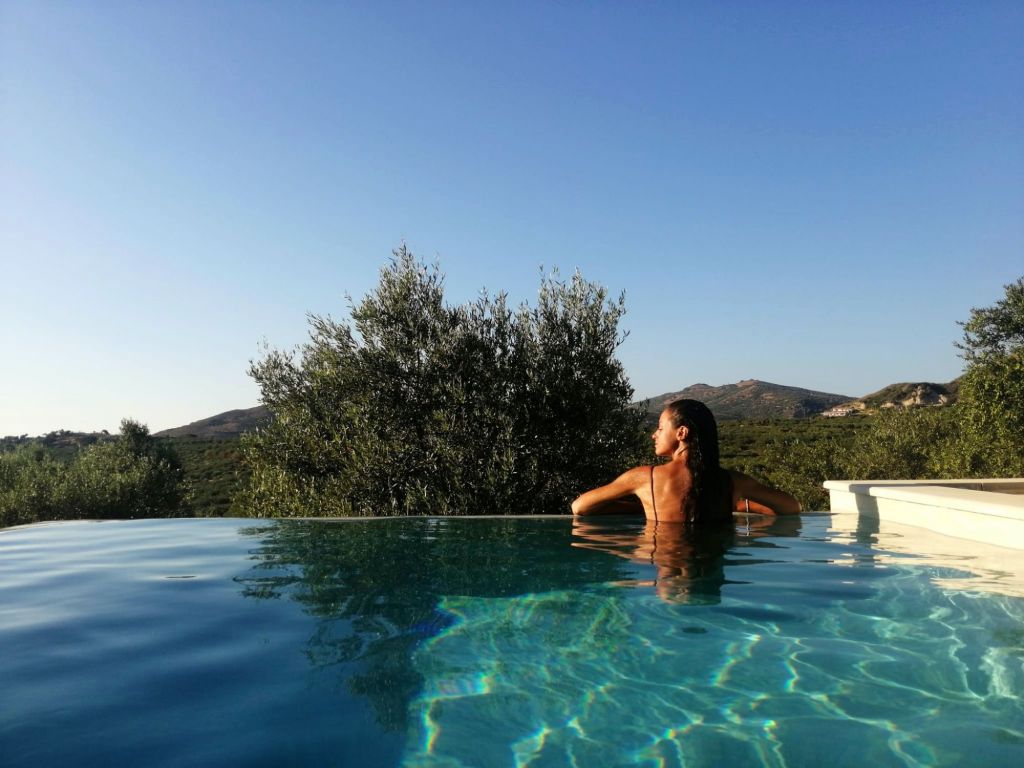
In Crete, nothing is truly missing, except for the Canary Islands’ winter climate, the only reason I haven’t moved to one of its olive-covered hills yet.
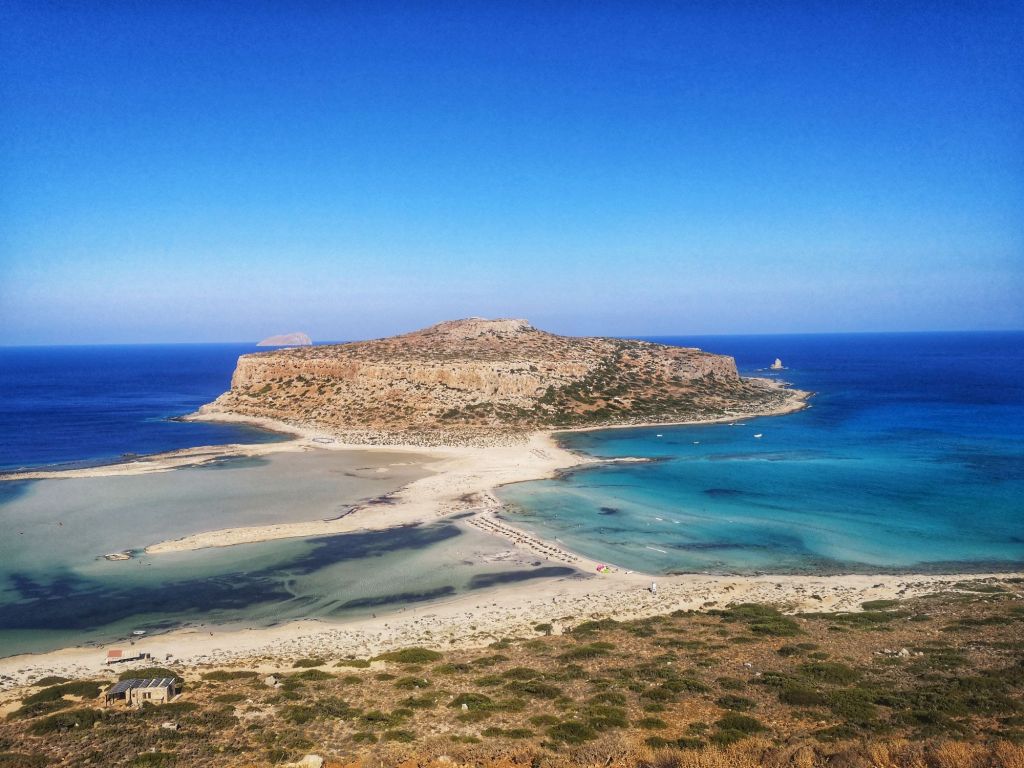
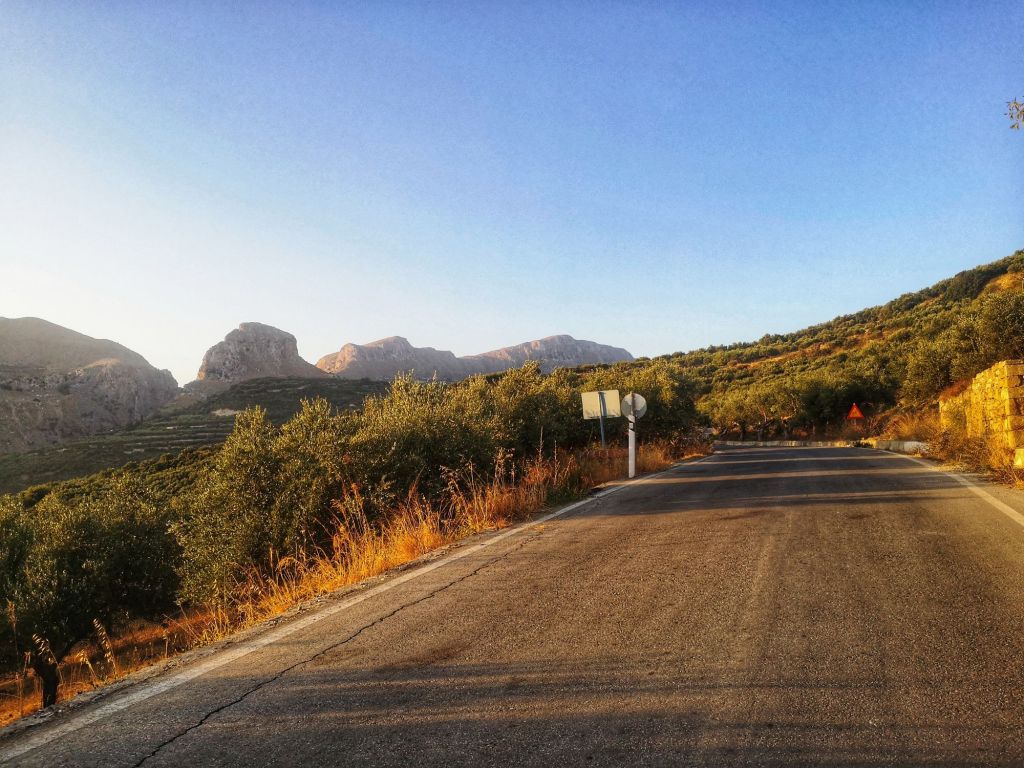
The western coast hosts the most stunning beaches, such as Falassarna, the famed Balos, and the beautiful Elafonissi. These beaches can be reached via the scenic coastal road or by venturing inland. From the charming fishing harbor of Kissamos, you leave the coastline behind and weave your way through olive groves, which soon give way to reddish mountains, leading you to the Topolia Gorge, an unmissable road for cyclists. Here, a gastronomic pause is a must, thanks to the traditional taverns offering the must-have Cretan dakos and the best grilled meats.
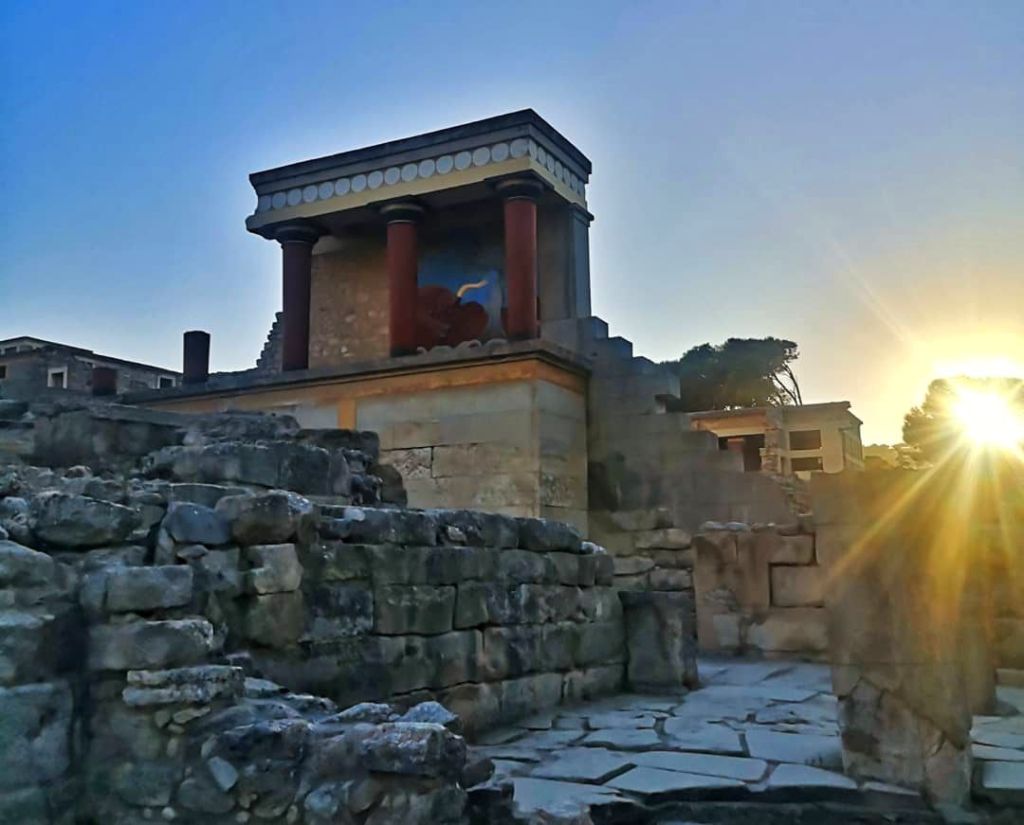
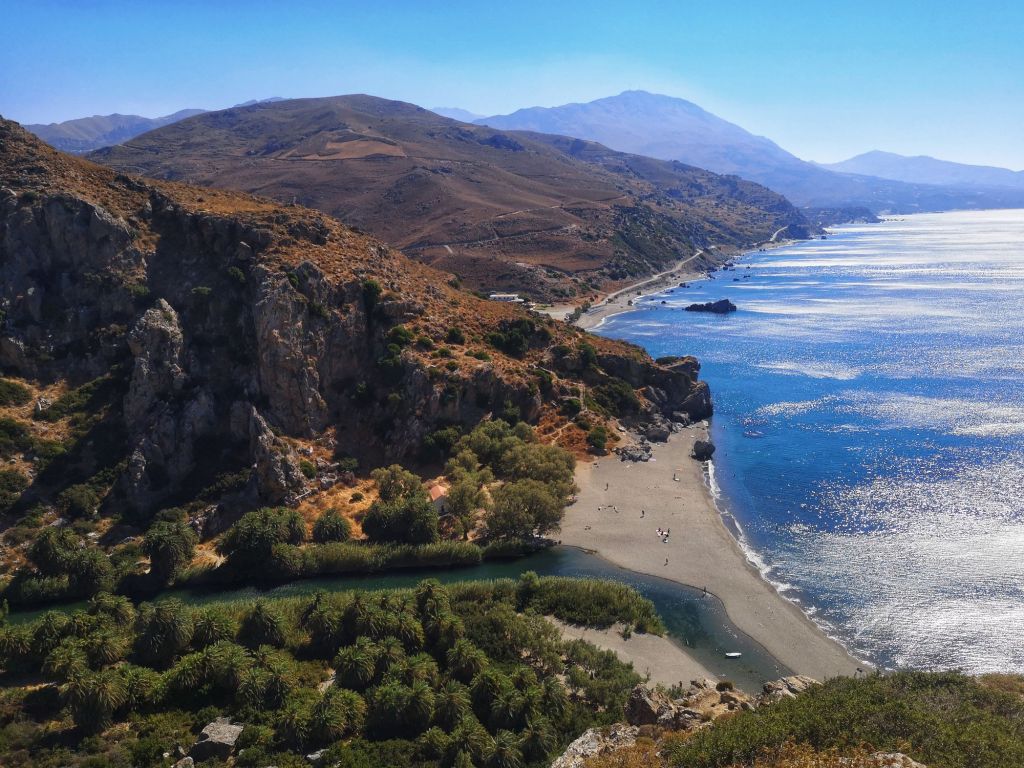
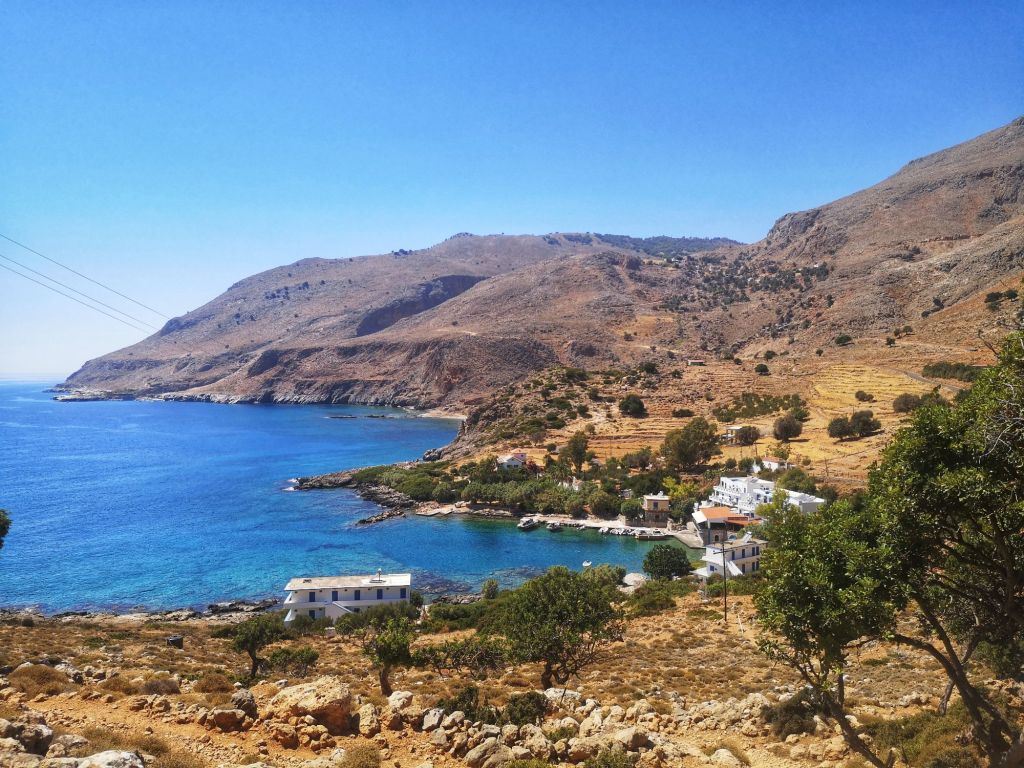
The Cretan inland landscape often changes, shifting from rolling and gentle roads to rougher, mountainous terrain, with routes descending towards beaches that are often steep and filled with hairpin turns, a true delight. One of the most scenic roads is the one that goes through the Imbros Gorge and brings to Chora Sfakion, which is nothing short of spectacular.
In Chora Sfakion, after savoring a traditional Sfakian pie, you leave your bike behind and take on the European E4 Trail, which leads to Loutro, Finikas, Agia Roumeli, and Paleochora. Here on the southern coast, you can embark on a ferry to the small island of Gavdos or explore the wildest beaches, like Preveli or the renowned Matala.
3. Discovering Jordan through the King’s Highway
A trip to Jordan almost always starts from the capital, Amman: chaotic, lively, noisy, inebriated by the scent of cardamom coffee and the sweetness of knafeh. Amman has a traditional soul that blends with a more contemporary one, winking at European indie trends. Maybe it is not an unforgettable city, but it deserves to be experienced. From Amman, a must-see excursion is to the beautiful archaeological site of Jerash, dating back more than 6,500 years.

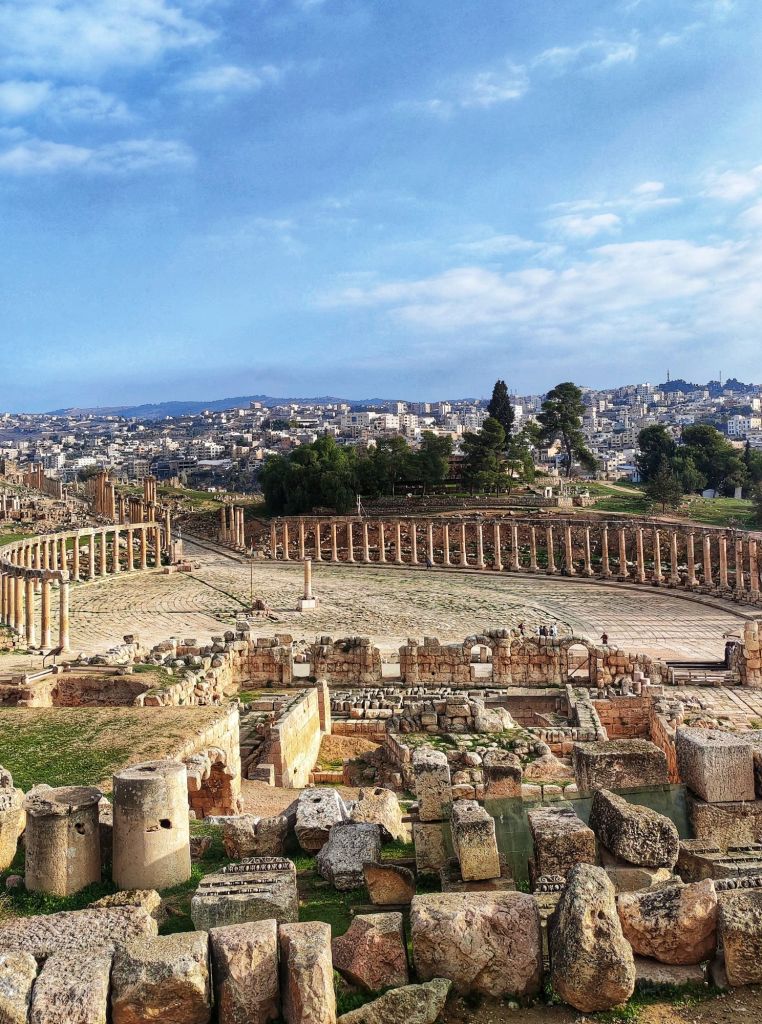
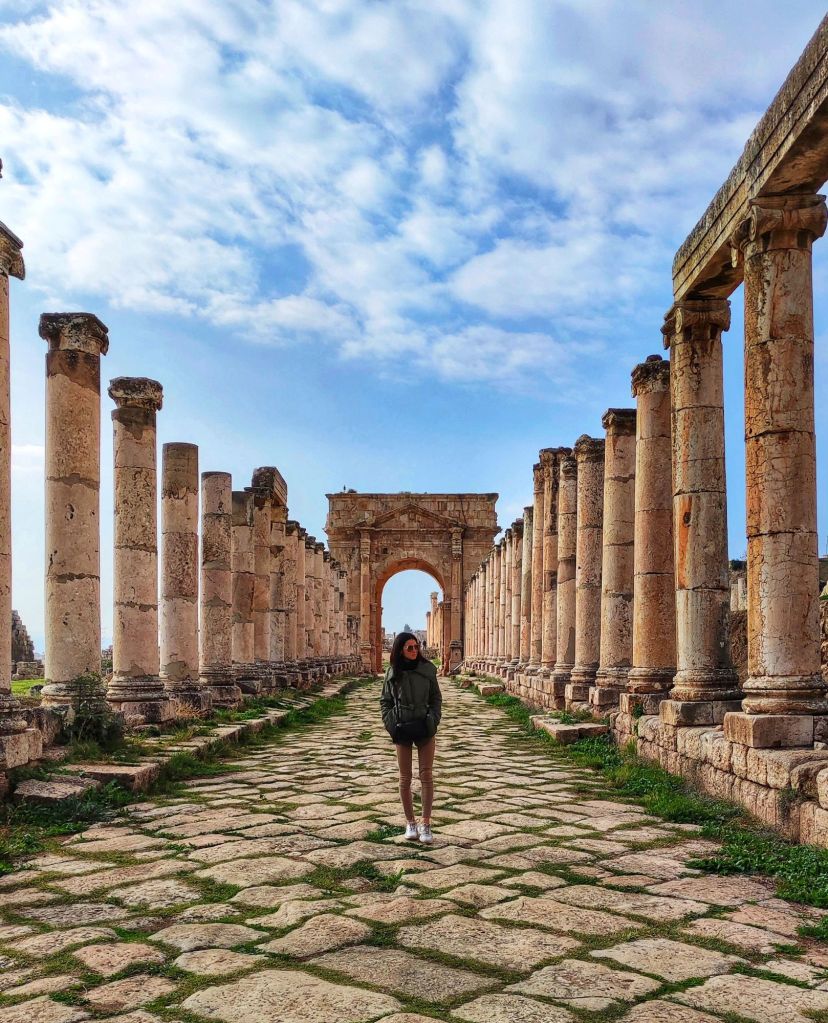
This is where the fun begin, by following the King’s Highway, that has connected the Country for 5,000 years. In Jordan, traveling along the ancient route can be, by choice, an entirely bike trip, an entirely car trip, or a journey that alternates between the two modes of transport. Following the King’s Highway, you’ll quickly reach Madaba, an ancient biblical site that today is a lively town full of art and culture, located at the foot of the sacred Mount Nebo. From the summit, you can enjoy a panoramic view of the vast Jordanian lands, all the way to the Dead Sea, which the King’s Highway leads to, cutting through barren mountains and landscapes that seem to belong to another World. The roads are sometimes narrow, with many hairpin bends, spectacular, among the most beautiful ever seen.
From the Dead Sea, you ascend climbing the slopes of the mountain and once again join the King’s Highway. The stretch from Madaba to Dana is the most spectacular one, and in this video i try to give a vague idea of the beauty of the place.

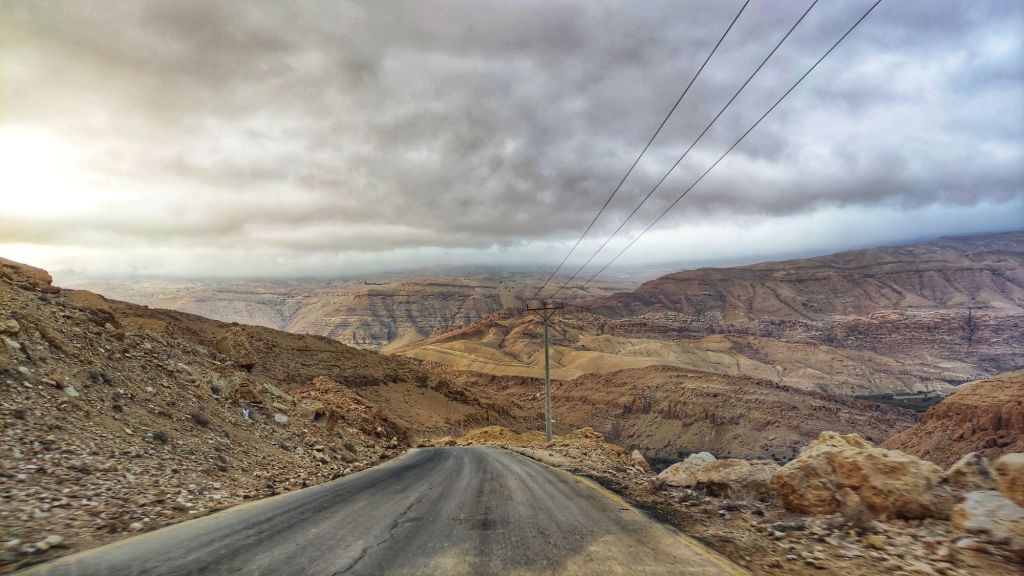
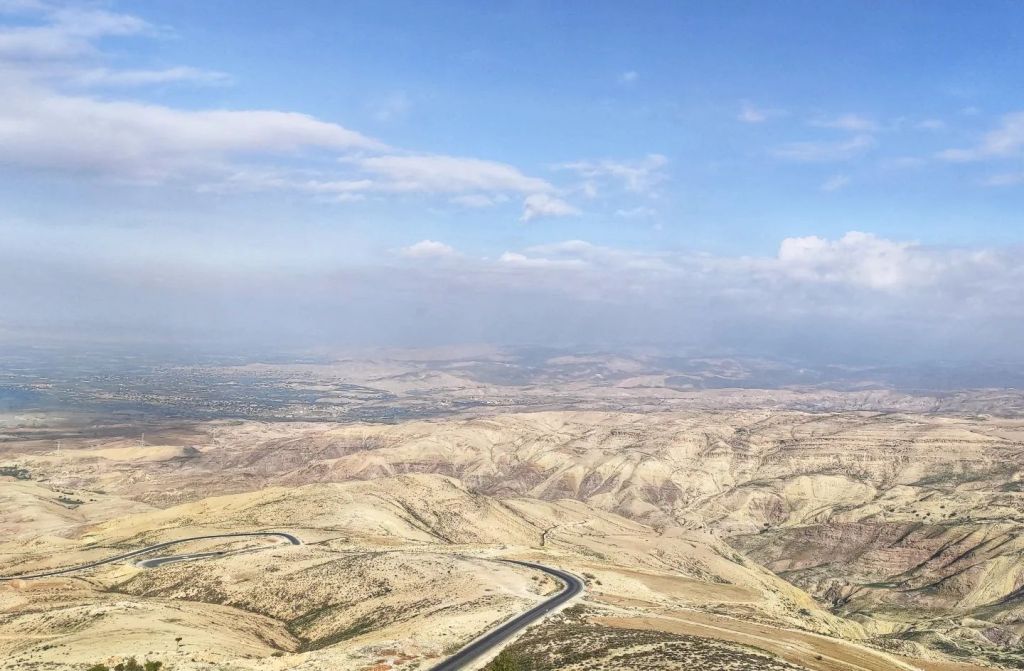
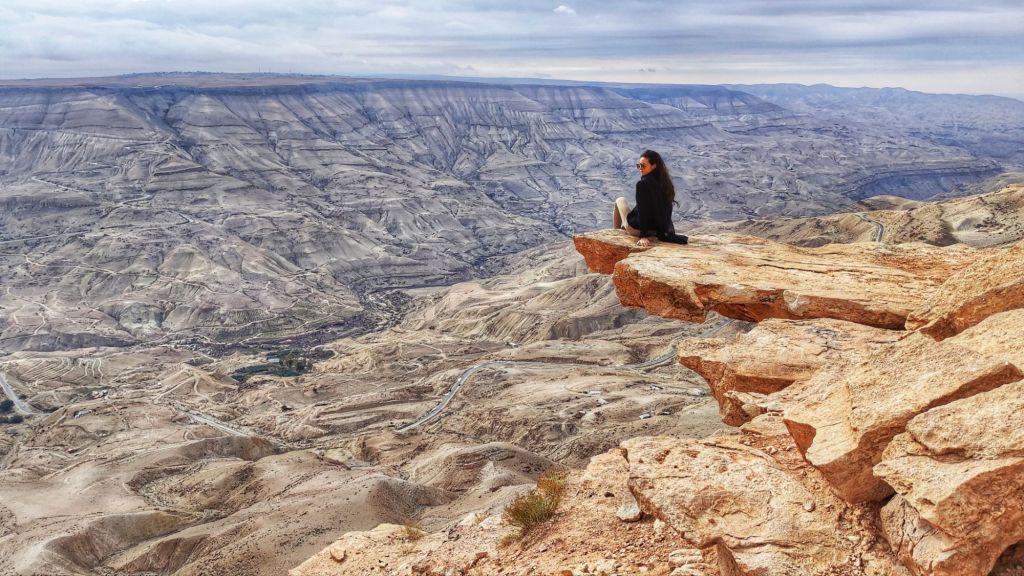
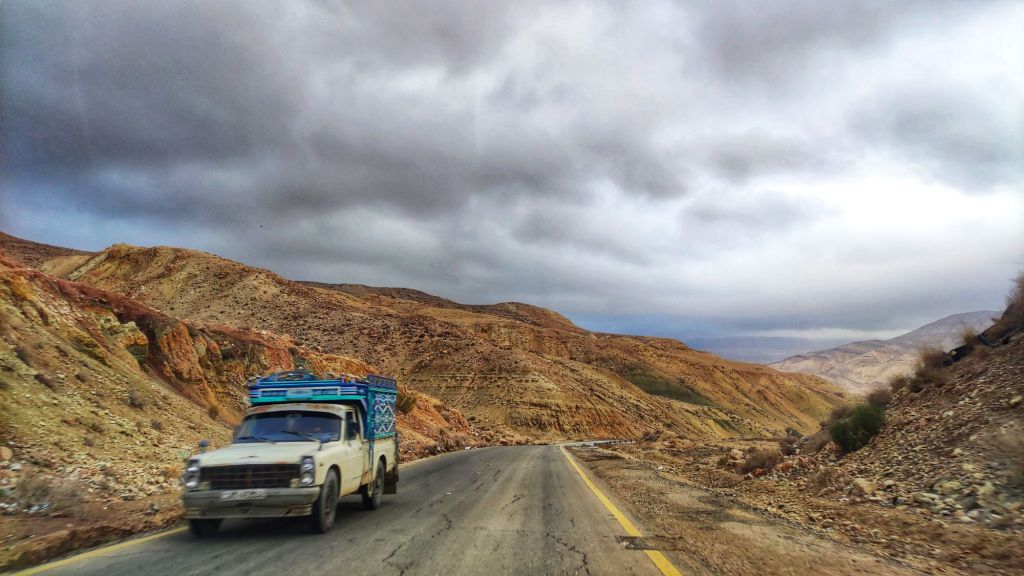
The road crosses the Mujib Canyon, and you can take a small detour to spend a night along the river, which is characterized by hot springs. Here there are far fewer tourists, and the places are straightforward and authentic, just the way I like them.
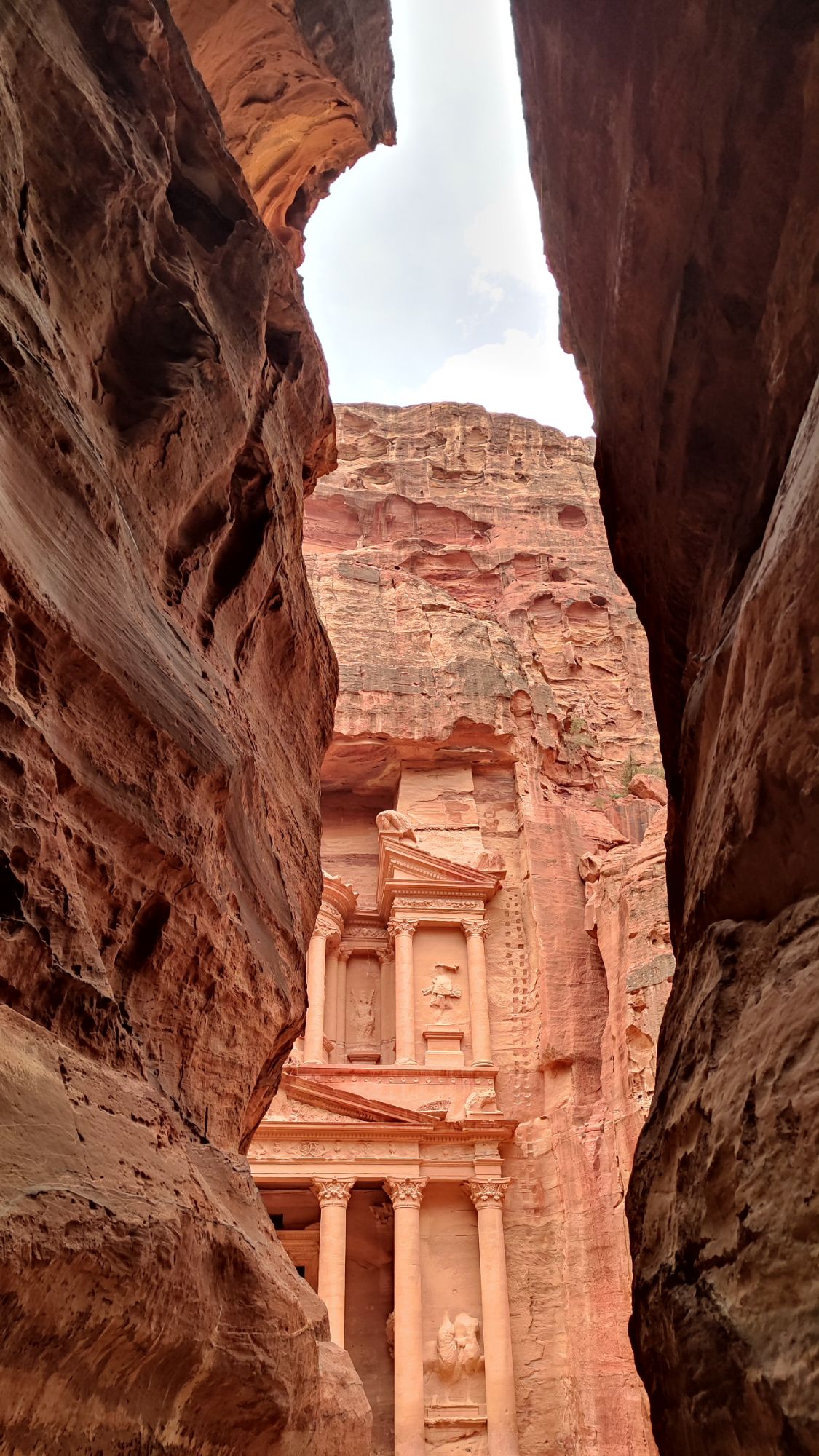
After getting back on the road, a stop is made for a visit and a pomegranate juice at the beautiful Kerak Castle and the Khirbet Al-Dharieh site, then you continue to the magical Dana Biosphere Reserve for a hike with breathtaking views. From Dana, a final stop at the Shobak Castle, and then head straight to Wadi Musa, the gateway to the magical Petra. Petra, one of the seven wonders of the modern world, and for good reason. Visiting the entire site following the Petra Trail (I strongly recommend doing the whole trail, about 20 km) and the nearby site of Little Petra are essential to fully admire the grandeur of the place. A spectacular spot, one of the most beautiful in the World, but I’m definitely not the first to say it.
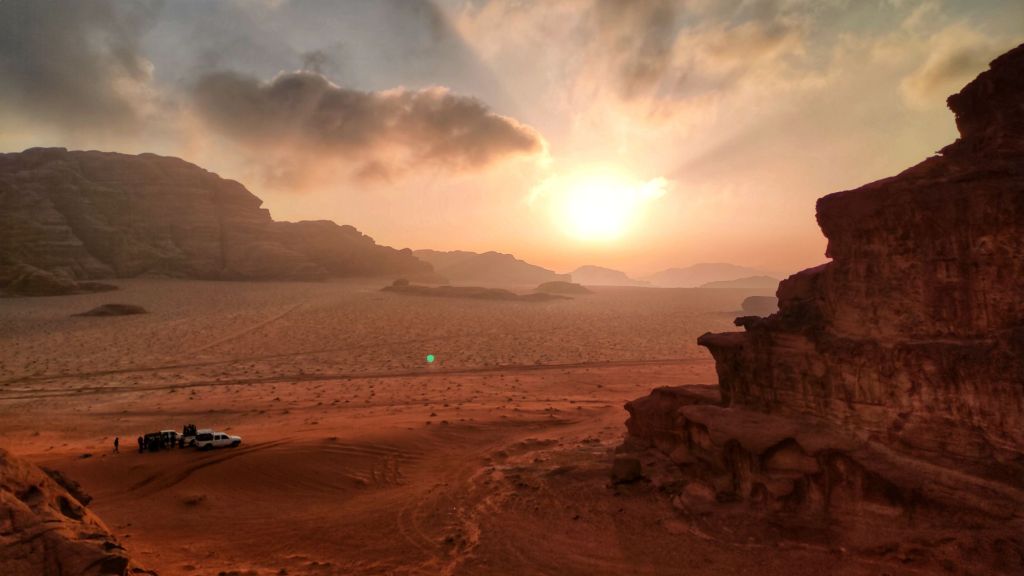
From Petra, you then head to Wadi Rum, the Jordanian desert, which can be explored through organized jeep tours, and where you can also spend the night in one of the many tourist Bedouin camps. In Wadi Rum, also known as the Valley of the Moon, rock formations blend with sand dunes, which take on a characteristic reddish hue at sunset, creating rich and vibrant shades.
Will you cycle in one of these places or have you already done it? Let me know in the comments!
 Ginevra Rides & Travels