Puoi leggere l’articolo in italiano qui.
When a trip comes to an end and I am ready to fly back home, I always say goodbye and promise to be back soon, but I rarely keep the promise. For once, I did it.
Last year I enjoyed a beautiful trip in the Shanxi region and in Beijing, that soon became one of my favourite cities. If you never travelled to China, I highly recommend reading my article about that trip, as there are some essential information and useful tips, such as must-have apps to navigate the Country.
So last year I left China knowing I would have been back soon, but why?
Well, China is as big as Europe and I spent more than 30 years travelling Europe and I am not done yet. Thanks to its dimensions, China has a variety of landscapes and natural beauties, from the highest mountains to deserts, modern cities, ancient towns, a rich culture and a vibrant vibe. Add to this delicious food, shopping oasis, direct flights and a high security level and the perfect holiday is already there, but let’s dig into the China Vol. II Itinerary.
First stop: Chengdu
The trip starts in Chengdu. Many people never heard of this city that with its 21 million inhabitants is China’s fourth biggest city and was founded more than 3,100 years ago. Not only, Chengdu is home to four giant panda bases, such as the Research Base of Giant Panda Breeding.
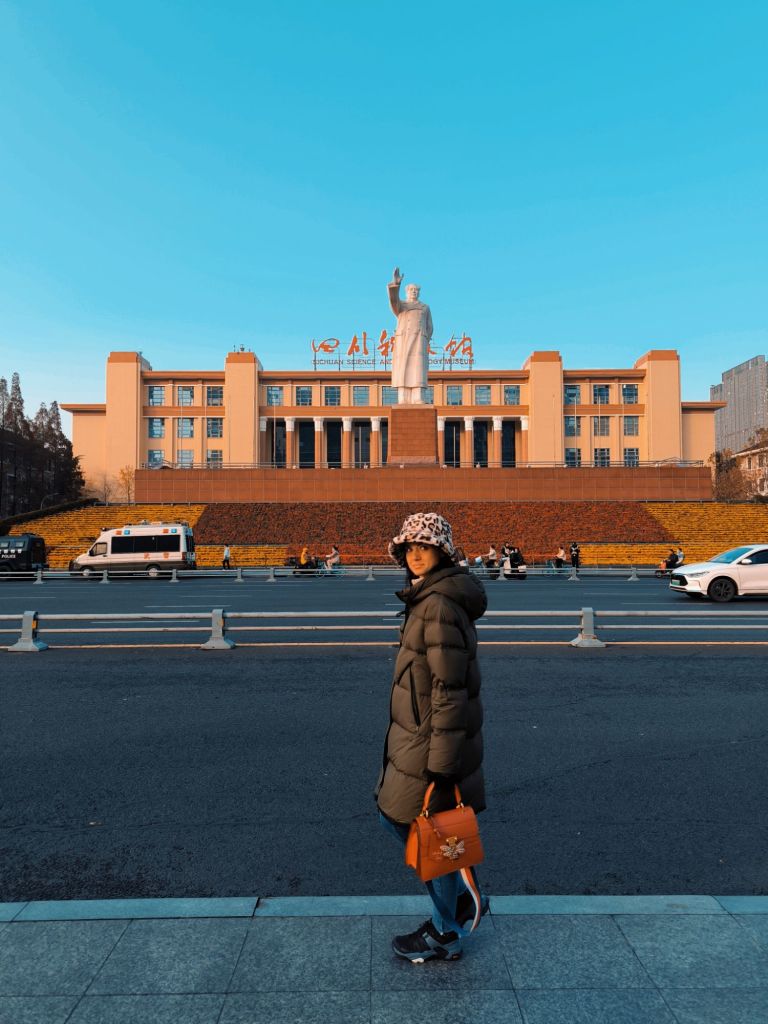
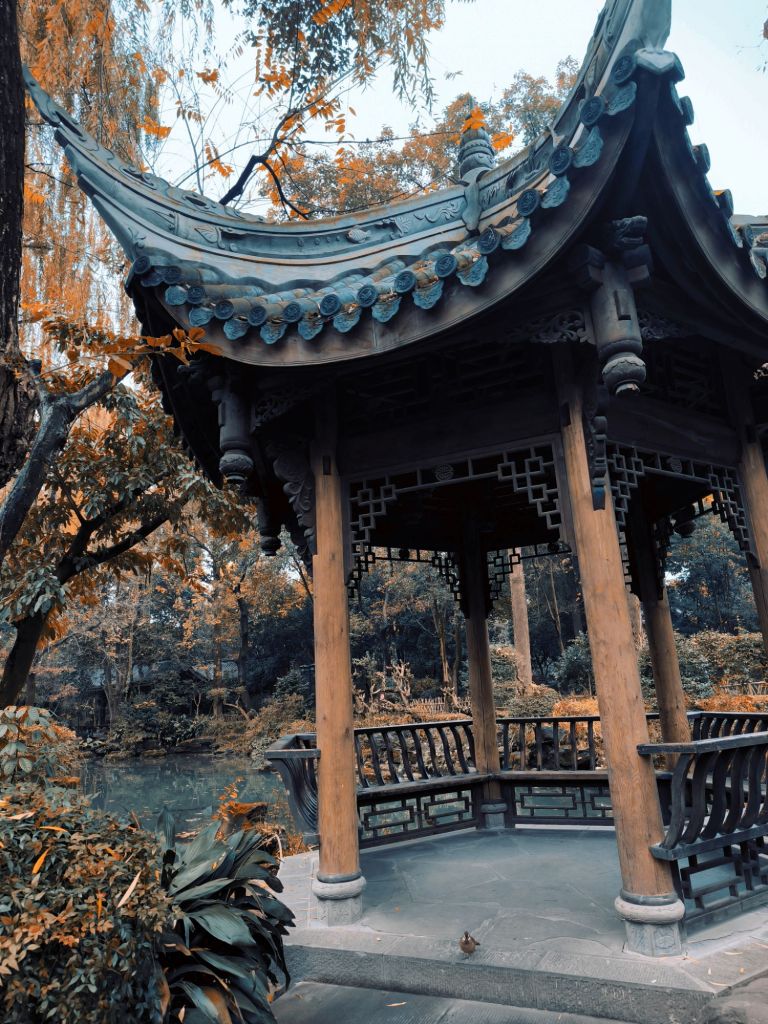
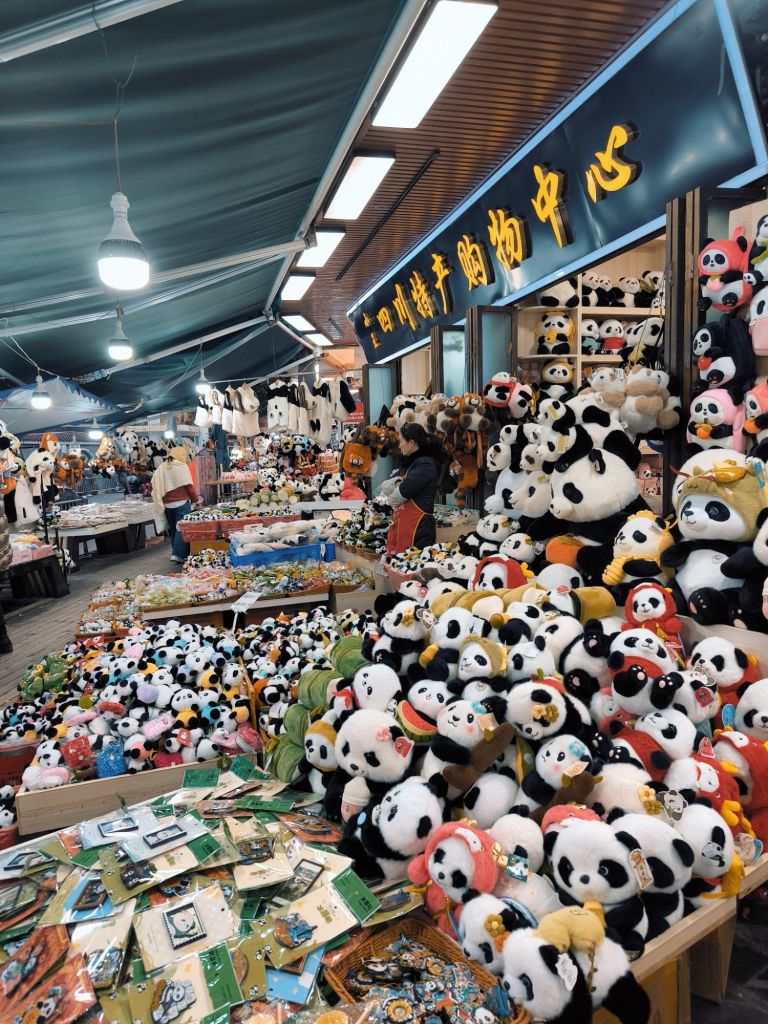
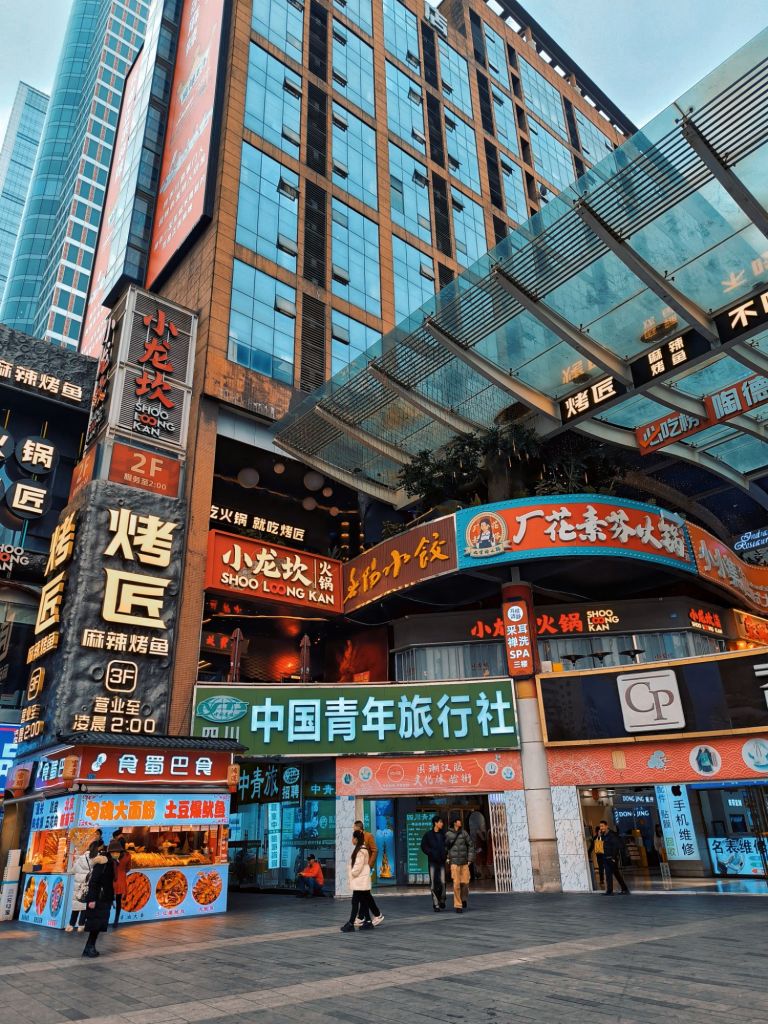
I must be honest: I came to Chengdu mainly for the pandas, but I left completely in love with the city. Among the Chinese cities visited it is probably the more liveable and vivid. The city never sleeps but it often rests, it runs but without toxic frenzy, it is commercialized, but also authentic and it has the best and spiciest food, that is always a plus!
The modern underground system efficiently brings you in every city corner, for efficient commuting and to also have some walking-distance options, the hotel selected was in the Kuanzhai Alley – People’s Park Area, an area I can recommend as it is filled with restaurants and bars.
Remember that Booking and other Western booking platforms aren’t the best choice when it comes to finding options in China. I suggest using Trip, has it has a way greater selection and better prices. Here the link with some offers upon subscription.
There are many historical sites of interest to visit in Chengdu: the Du Fu Cottage with its neat and huge park was the former residence of Du Fu, one of China’s greatest poets, who lived during the Tang Dinasty era. The Wuhou Memorial Temple is beautiful and surrounded by eclectic commercial streets with different street food options and filled with ear cleaners (yes, you read it right), as well as Tea Houses. The Wenshu Buddhist Temple and Qingyang Temple are incredibly well preserved and absolutely worth a visit.
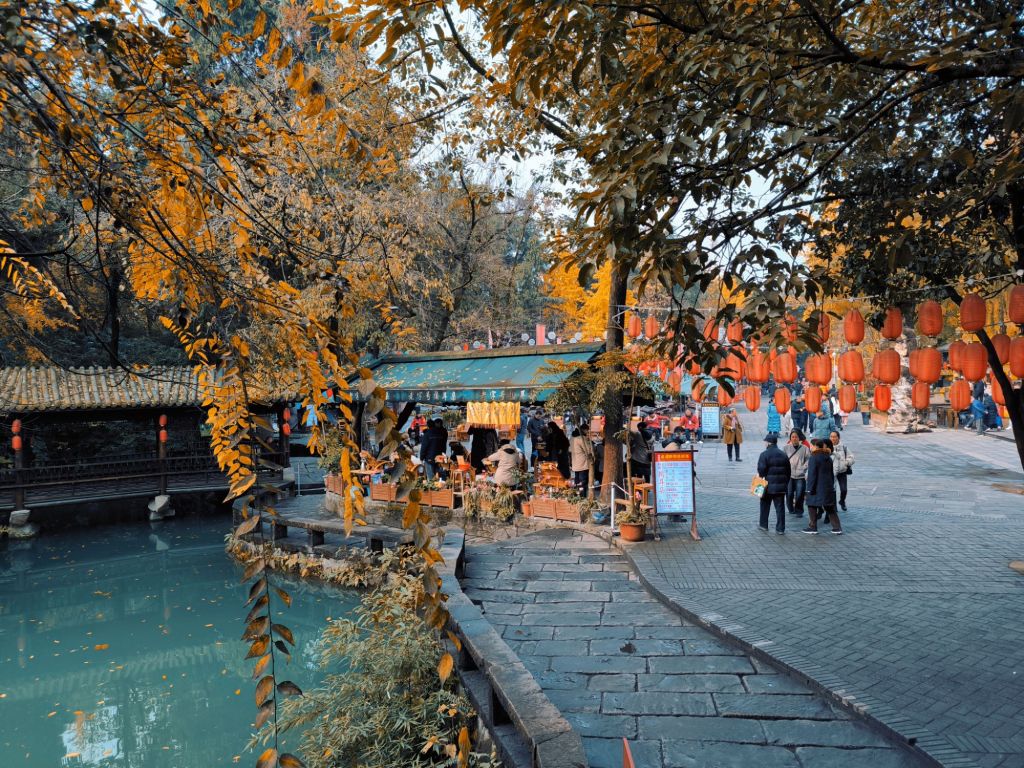
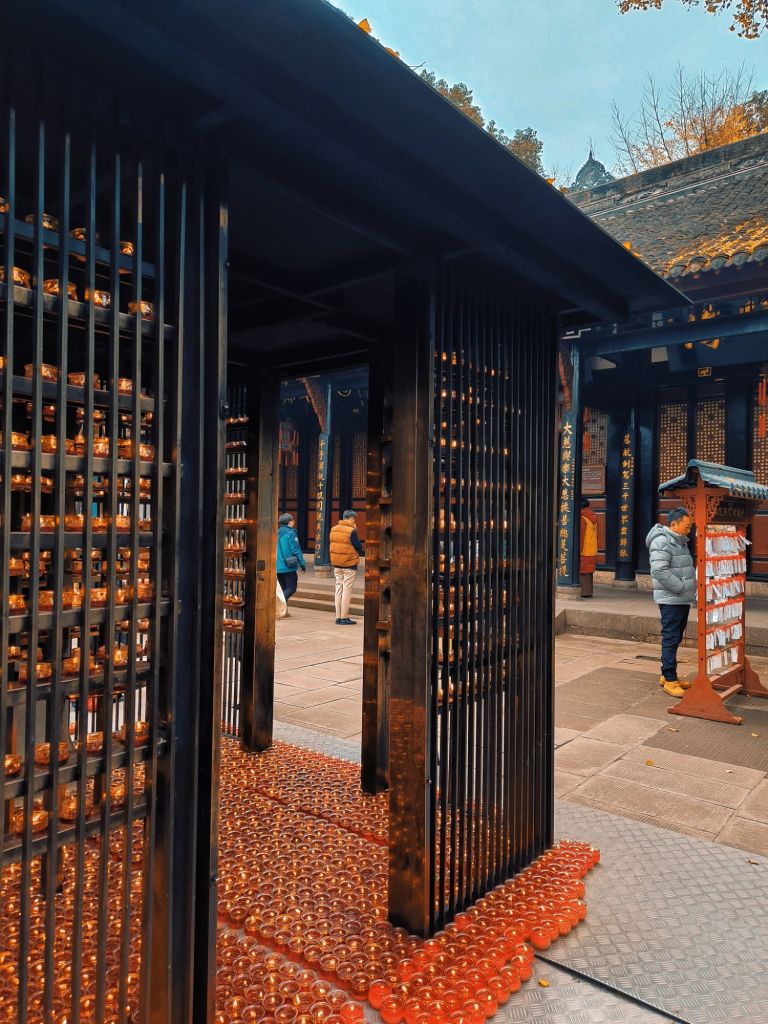

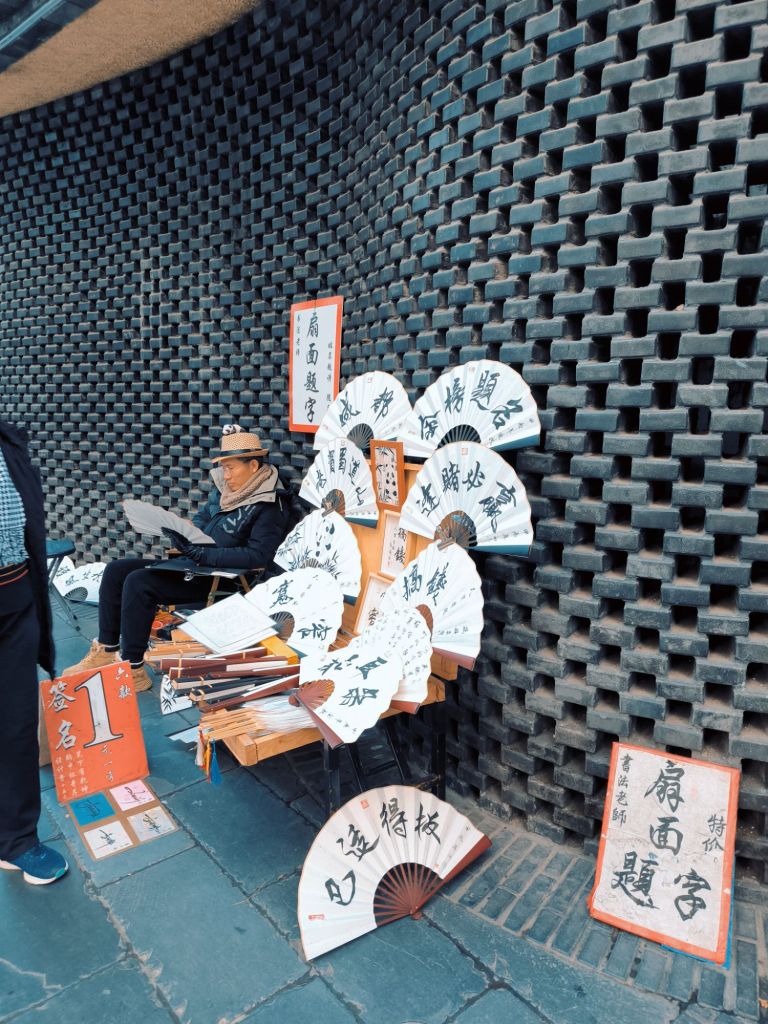
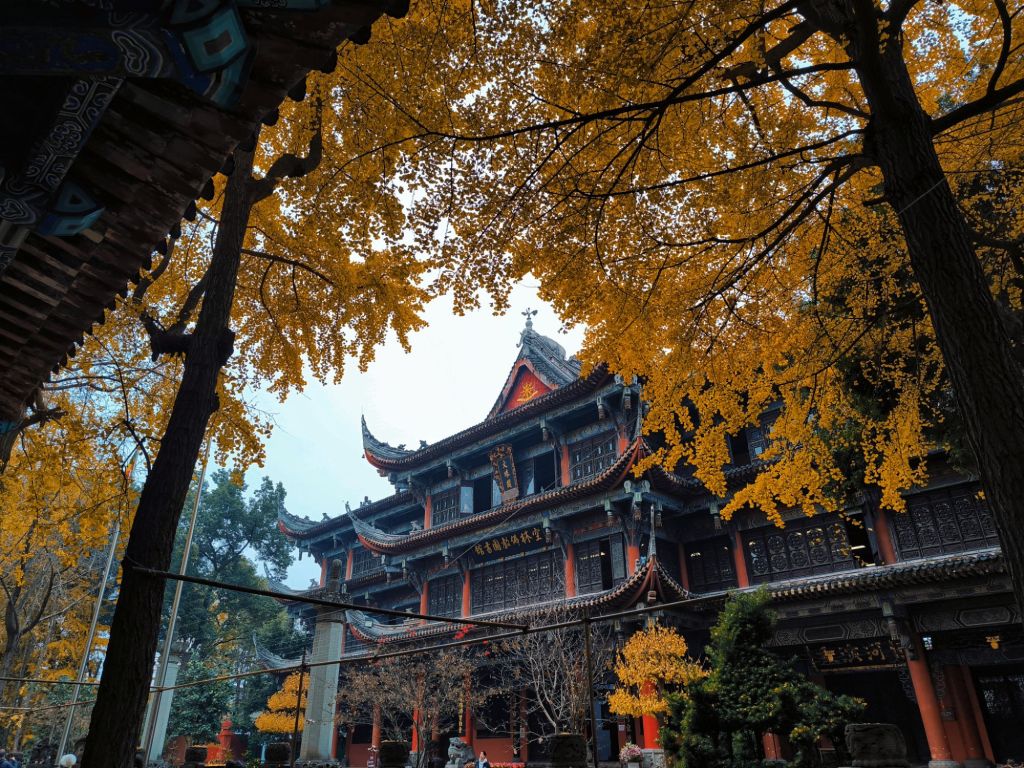
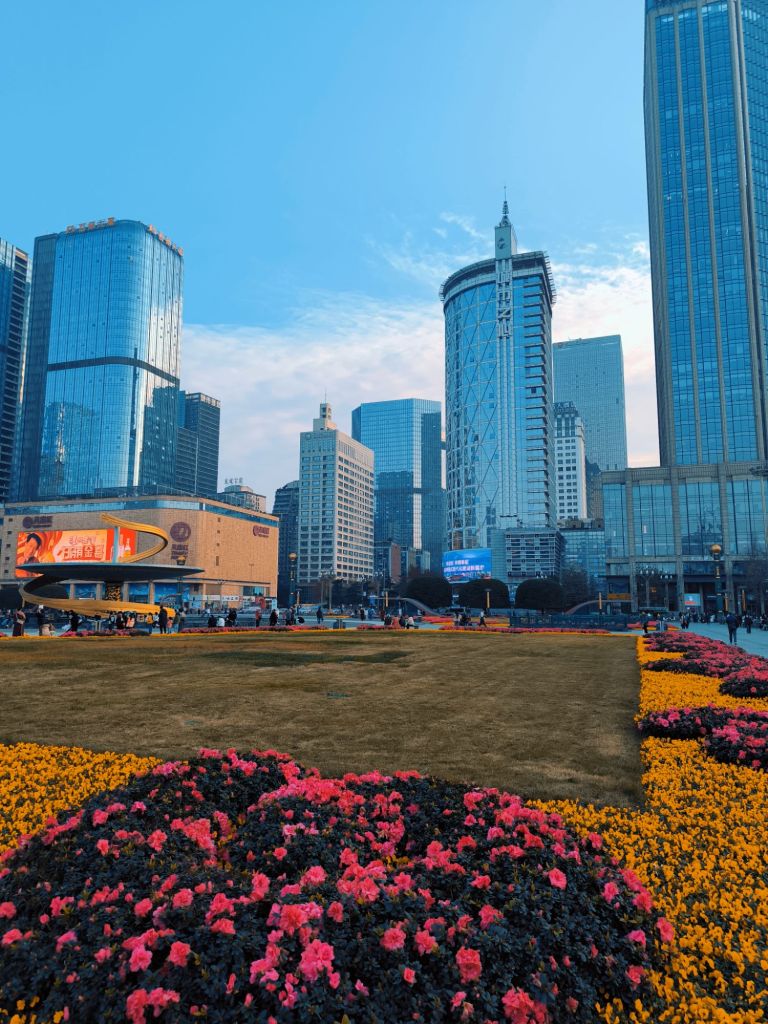
Not only historical sites, but also parks and modern shopping streets. Among the manny green parks, you can’t miss People’s Park, where elderly meet every day to dance, play chess or savour a tea in one of the many traditional Tea Houses. On the modern side, pay a visit to Chunxi road, a shopping paradise, to Tianfu Square, that with its 30 meters Mao statue is the nevralgic centre of the city, and if you have time to the New Century Global Center, a shopping centre so huge that it hosts a water park, and ice-skating rink and a cinema.
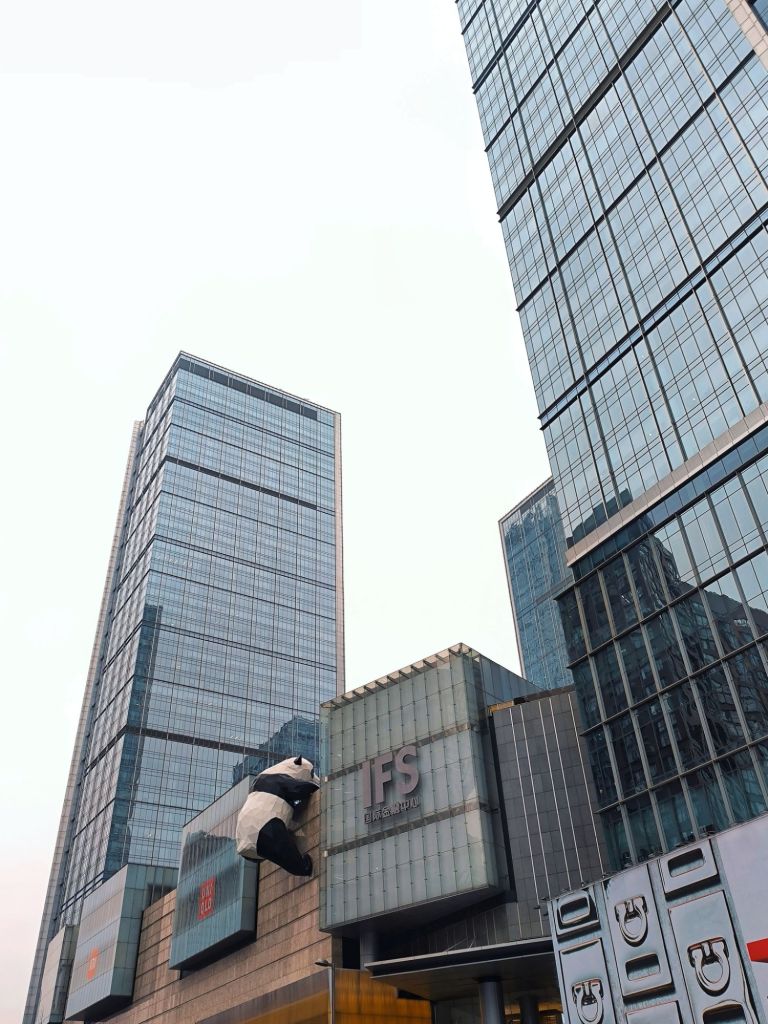
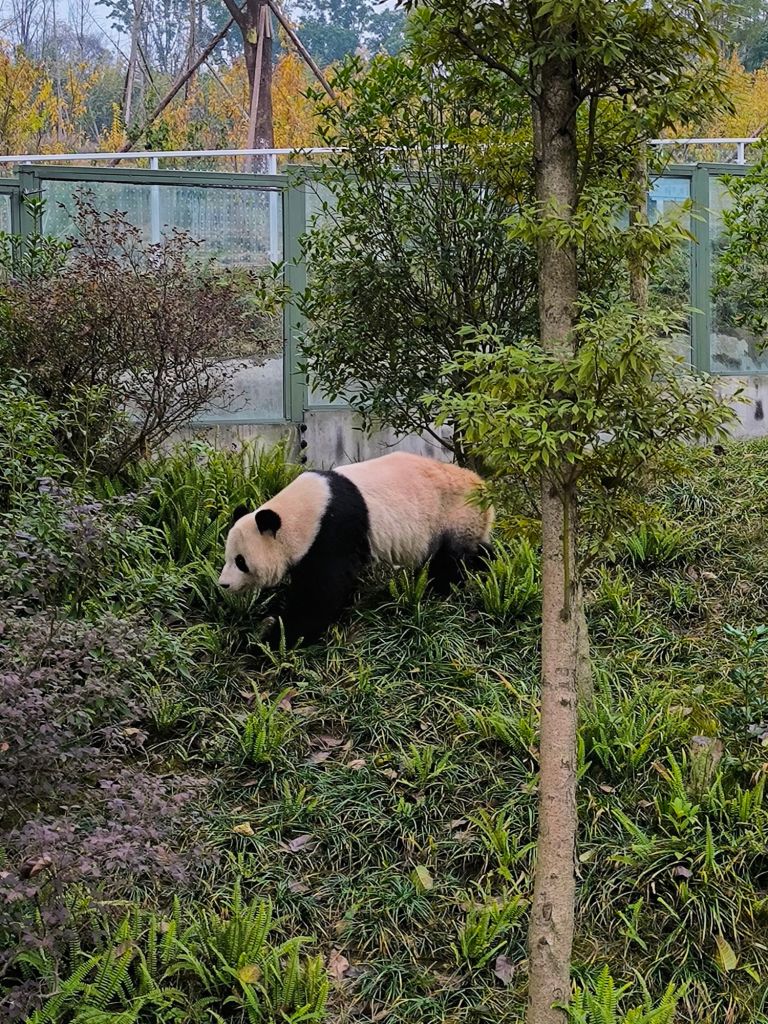
Among the four panda bases, I visited the closer one, the Research Base of Giant Panda Breeding, that can be reached by metro + shuttle bus (or Didi). I recommend visiting in the morning: panda tend to be very lazy, therefore to better see them in action, you must be there when breakfast is served (9 am in Winter, earlier in Spring/Summer). I was stunned by how many Giant Pandas they have and by how well you can see them eating and doing stupid things. The base has also a Nursery with cute baby pandas and a couple of Red Pandas. I am usually not an animal person (except for donkeys), but I spent hours looking at them and I had never enough.

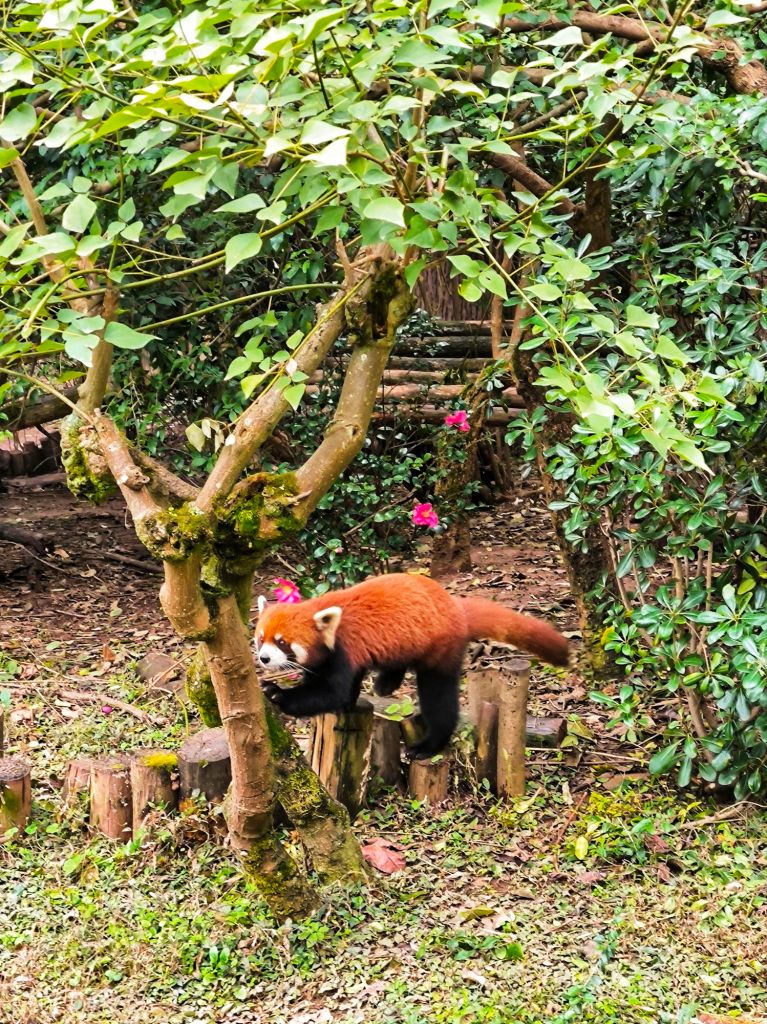
Historical sites, modern commercial areas, parks, cute baby pandas, what’s missing? Food!
The food in Sichuan is delicious and if you love spicy food, you can be sure your taste buds will live in an endless extasy status: Sichuan chillies and Sichuan Peppercorns are at the base of most of the dishes, but if you don’t like spicy food (I feel sorry for you!), don’t worry as there will be plenty of options. In Sichuan don’t miss the traditional extra spicy Chongquing Hot Pot, a dish of real Mapo Tofu, the best Dan Dan Mian noodles of your life and breakfasts with fresh dumplings in one of the many flying restaurants you will bump into. Nothing beats an homemade and freshly steamed batch of dumplings eaten on a short and tiny tables along the road, you have my word.
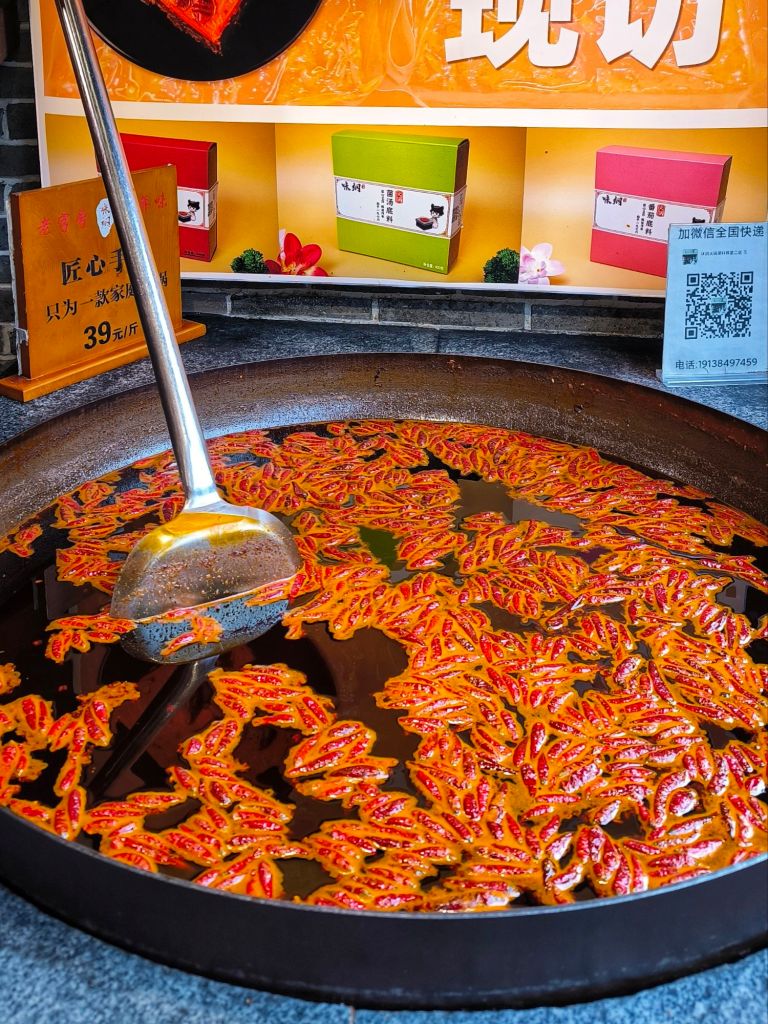
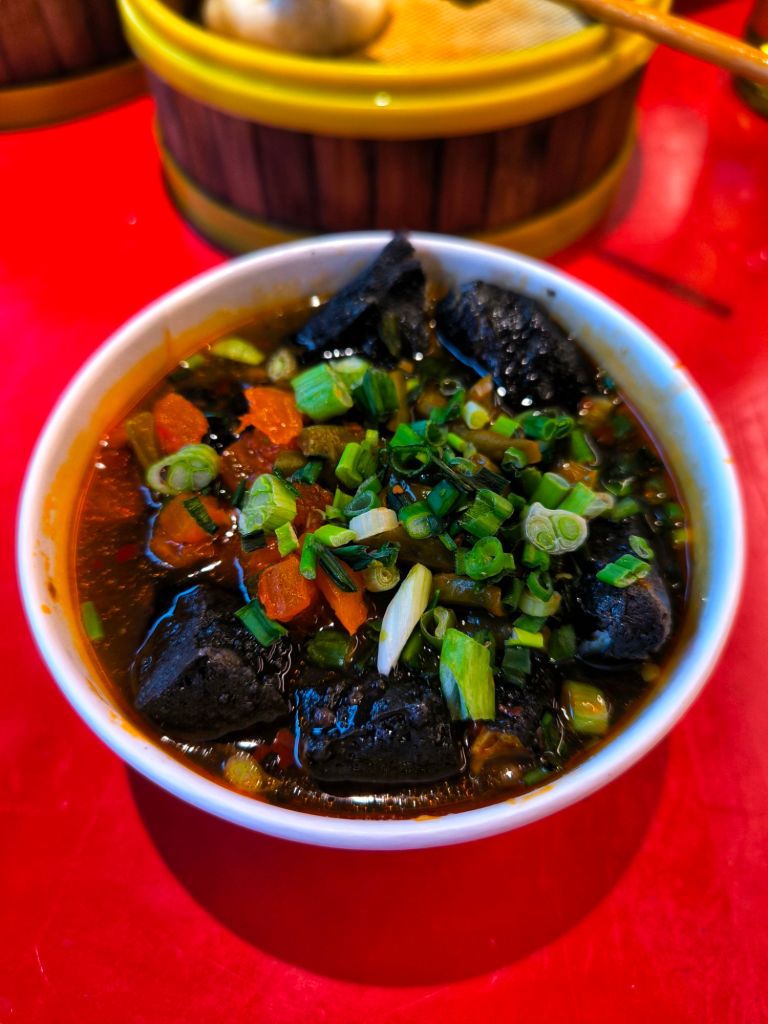
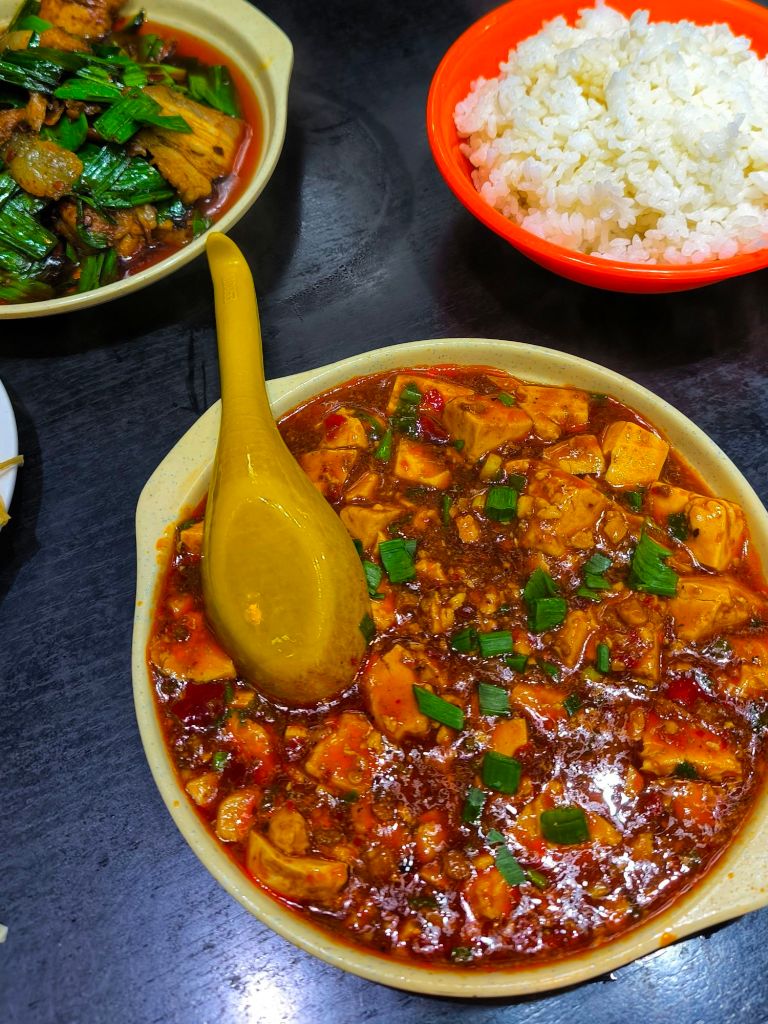
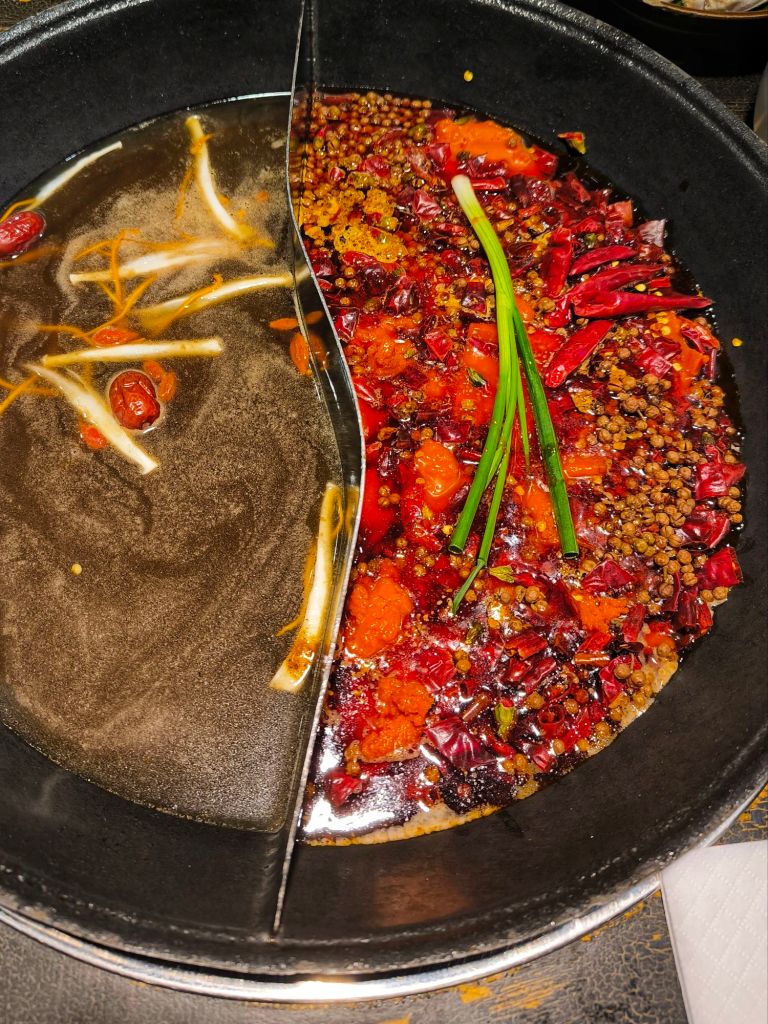
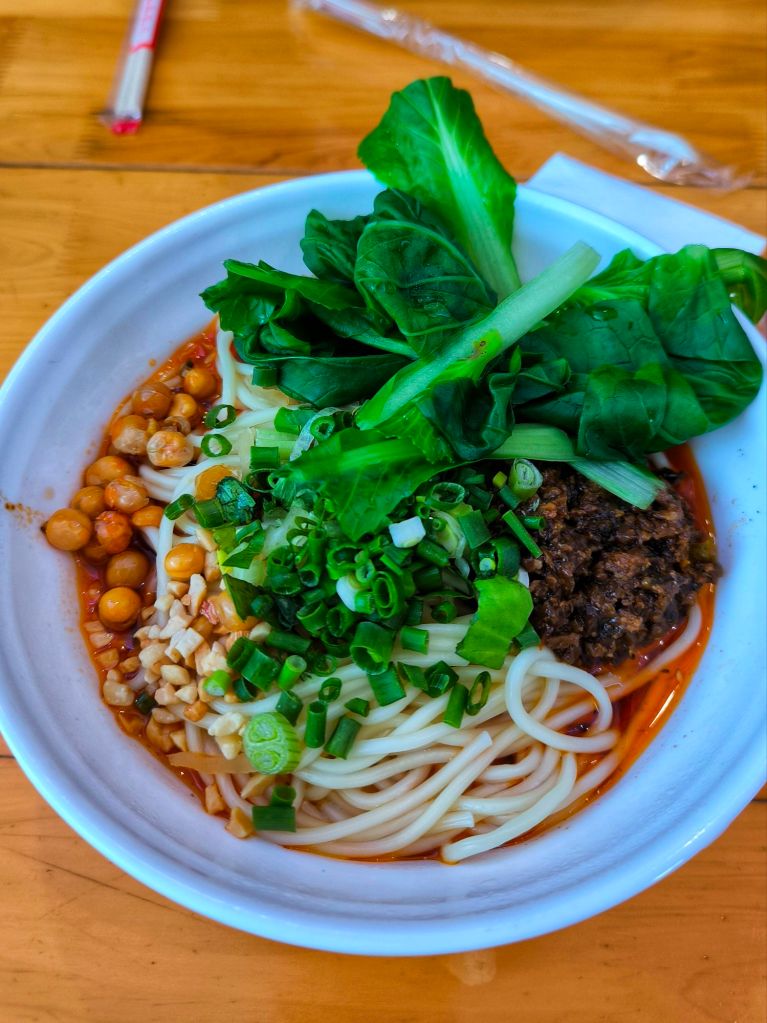
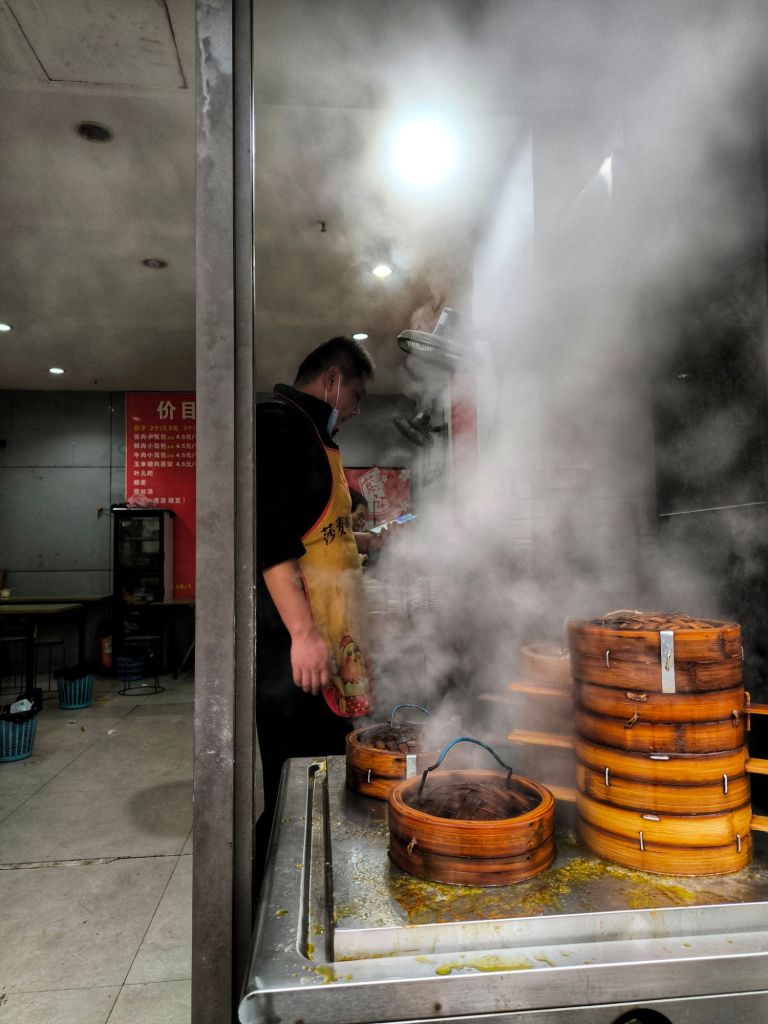
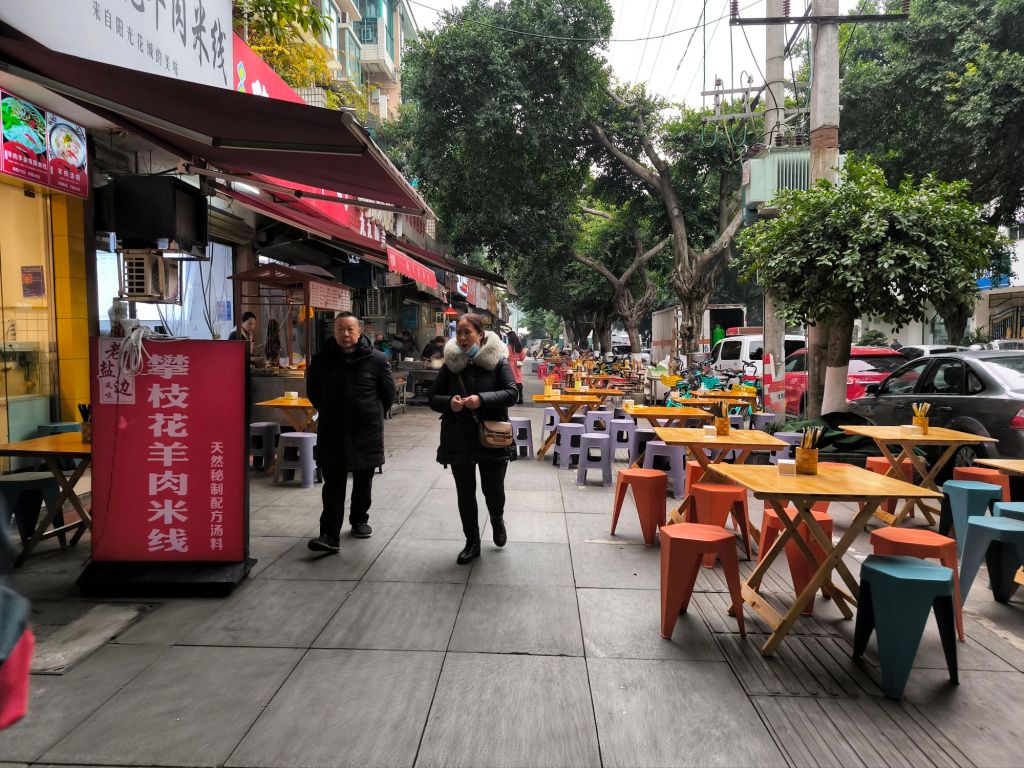
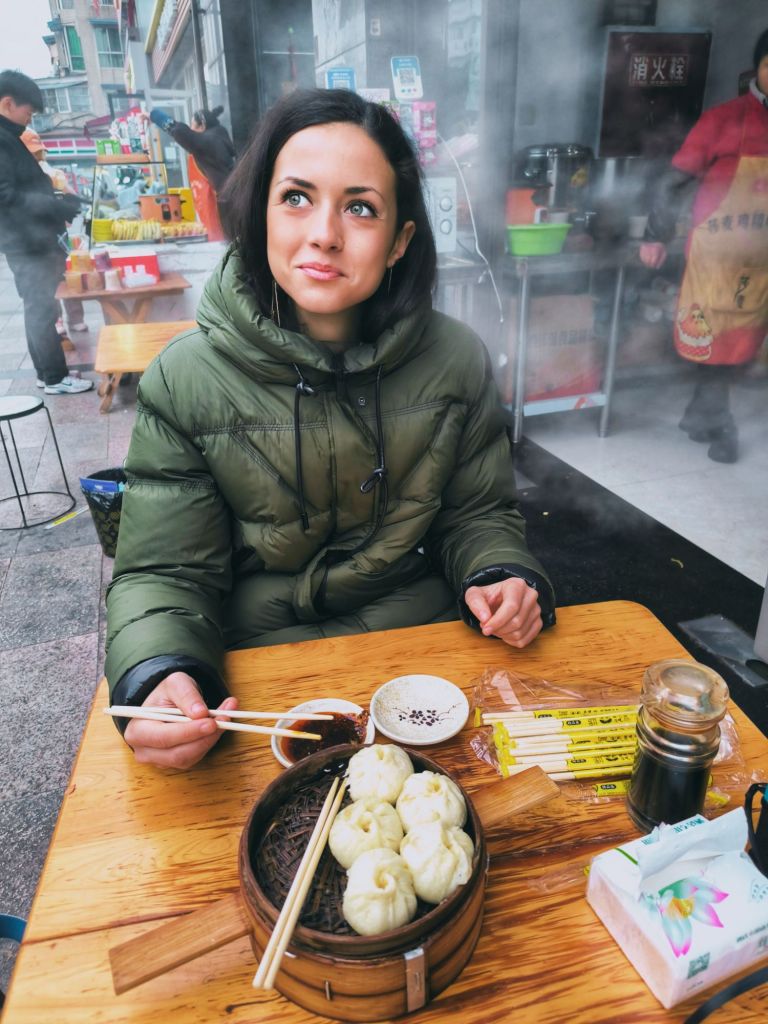
In Chengdu there are also a plenty of high-level cocktail bars and breweries, especially in Kuanzhai Alley area, because it is always time for a good Chinese IPA!
Stop n° 2: Mount Emei
Impressed by the pictures I saw online, from Chengdu I decide to embark on a one-day trip to the majestic and sacred Mount Emei, that with it 3,100 meters is the highest of the Four Sacred Buddhist Mountains of China.
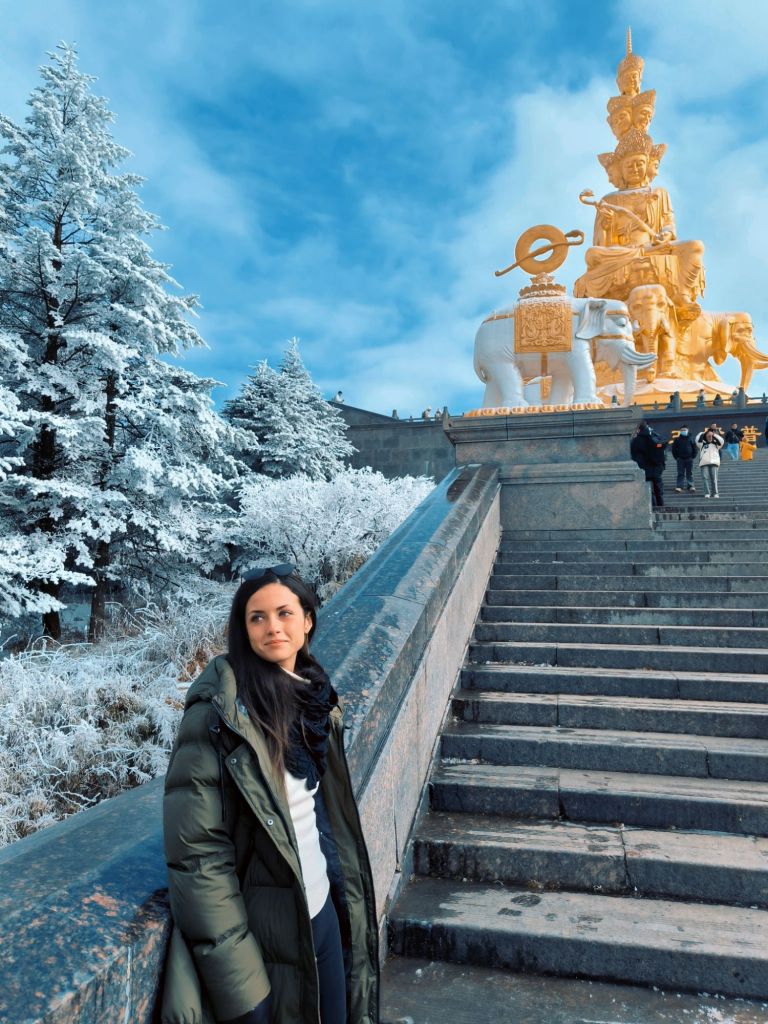
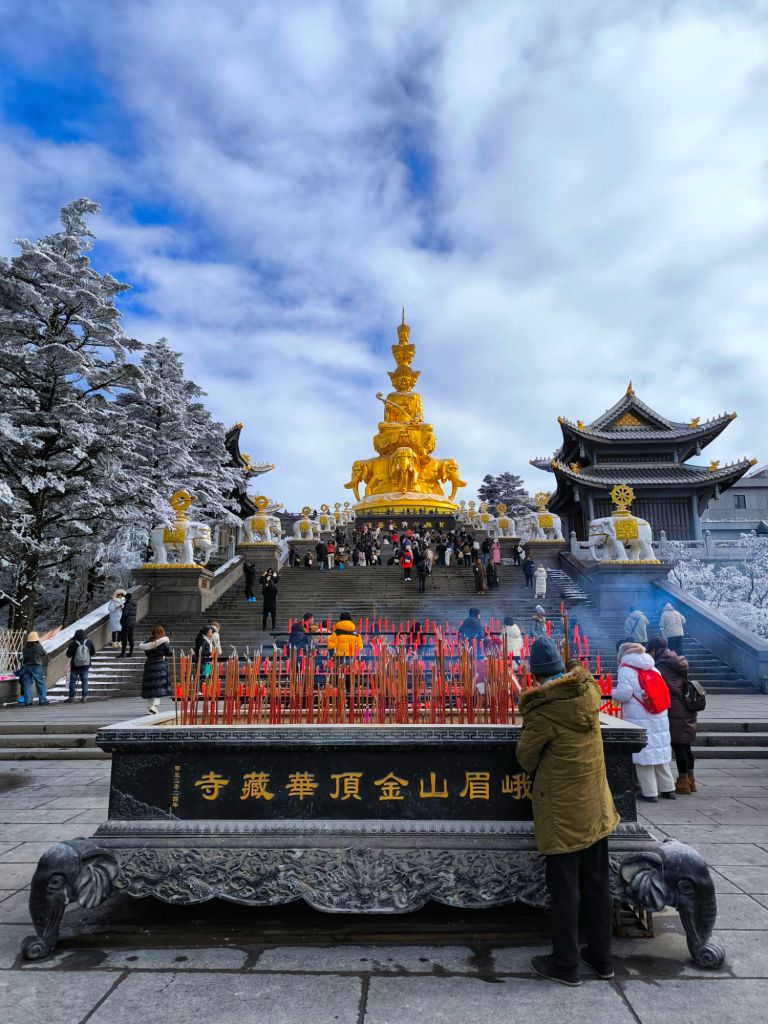
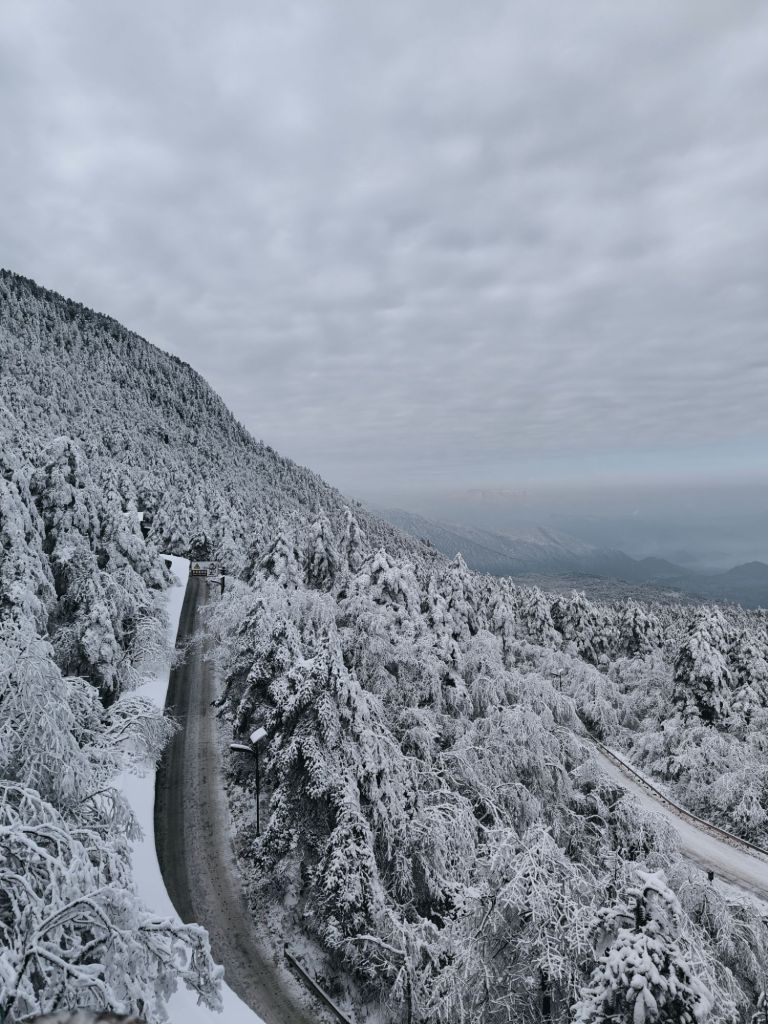
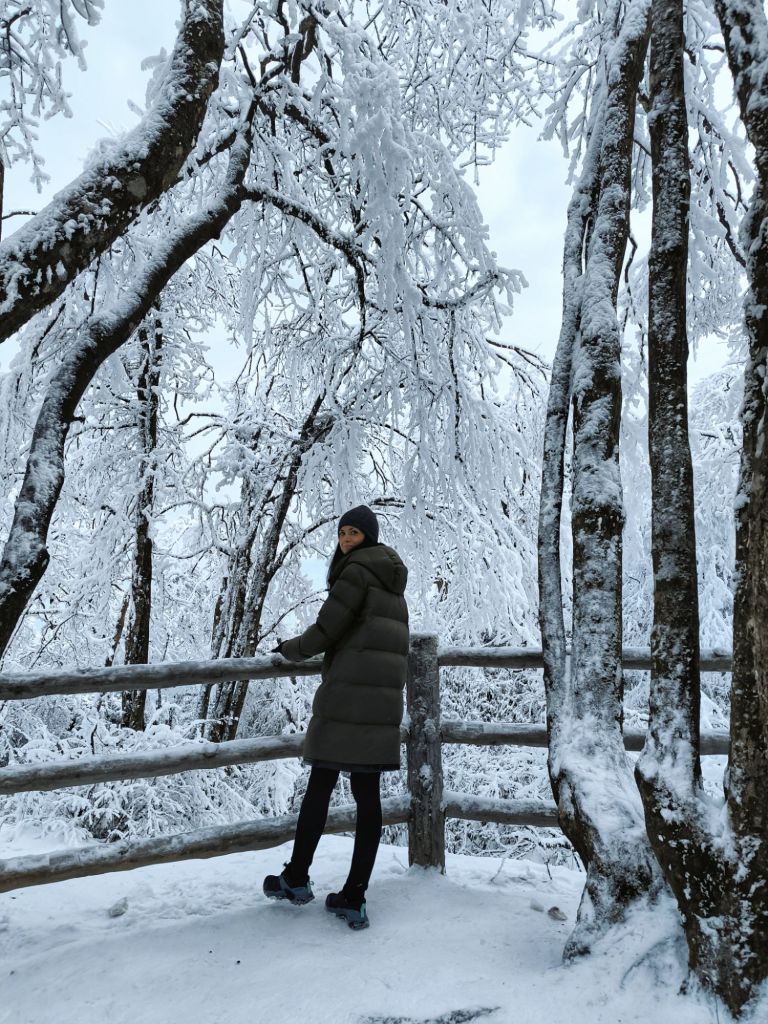
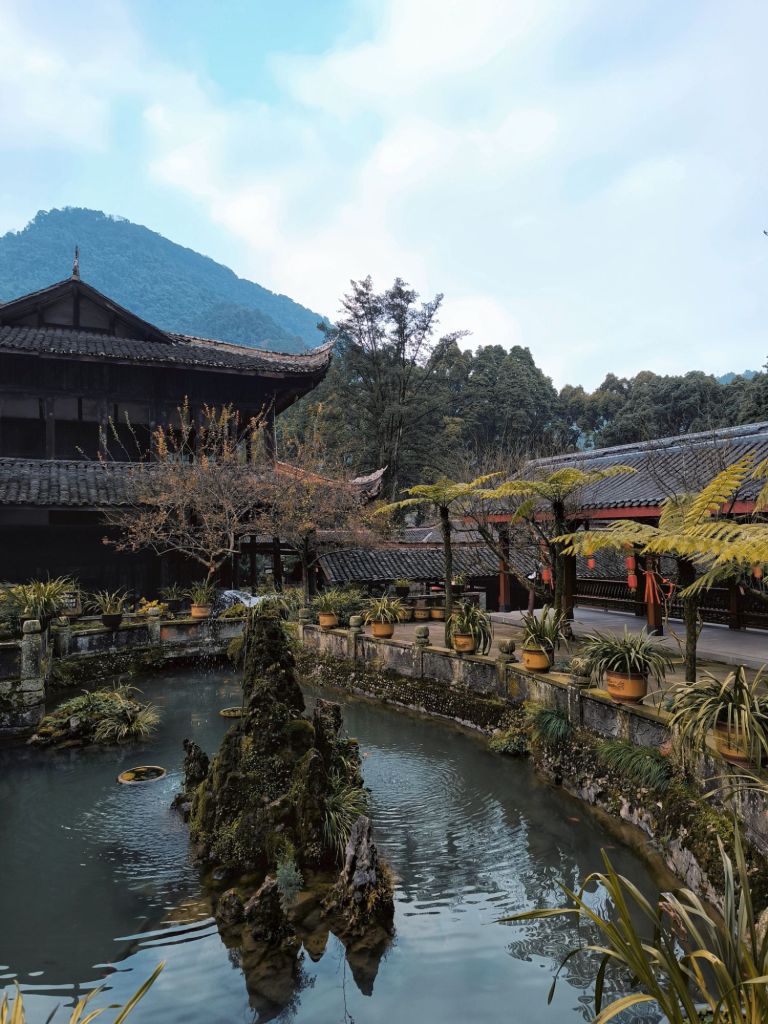
Mount Emei is a complex of Monasteries and reaching the famous Golden Summit takes some time: after arriving by train to Emeishan station, you must take a shuttle bus (approximately 1 hour) that drives up the mountain and brings you to the cable car station. After the short ride, you can now walk up all the stairs towards the Golden Summit. A couple of days prior to my visit there was a thick snow, and I was lucky enough to appreciate the Mount covered in an immaculate white cover, that made the giant gold statue shine even more. The road up to the summit and the view from the peak itself are stunning. Descending from the top, you can stop and visit the other temples or enjoy a walk in the forest to see the many tibetan macaques. Monkeys are not pandas, so I prefer the temples, my favourite being the Fu Hu Temple, a mystic monastery that can be reached after a walk in the bamboo forest.
Emei met and exceeded all my expectations, as Sichuan region, that is as memorable as its peppercorns and chillies, but it is time to embark towards the next stops.


Stop n° 3: Fenghuang Ancient Town
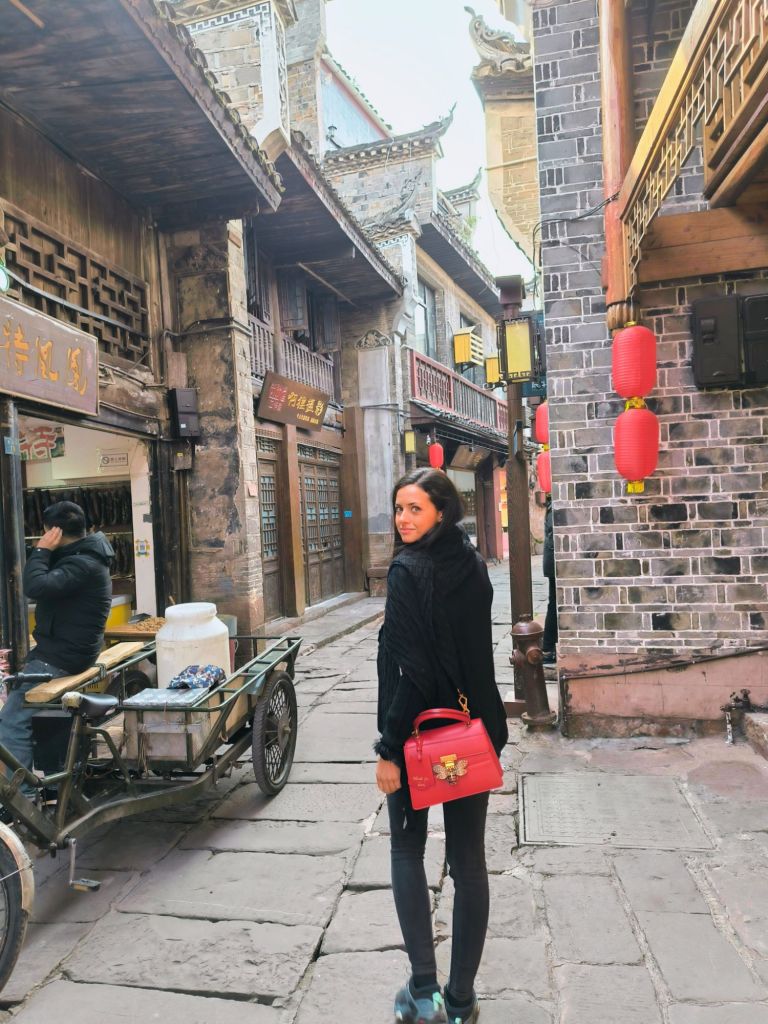
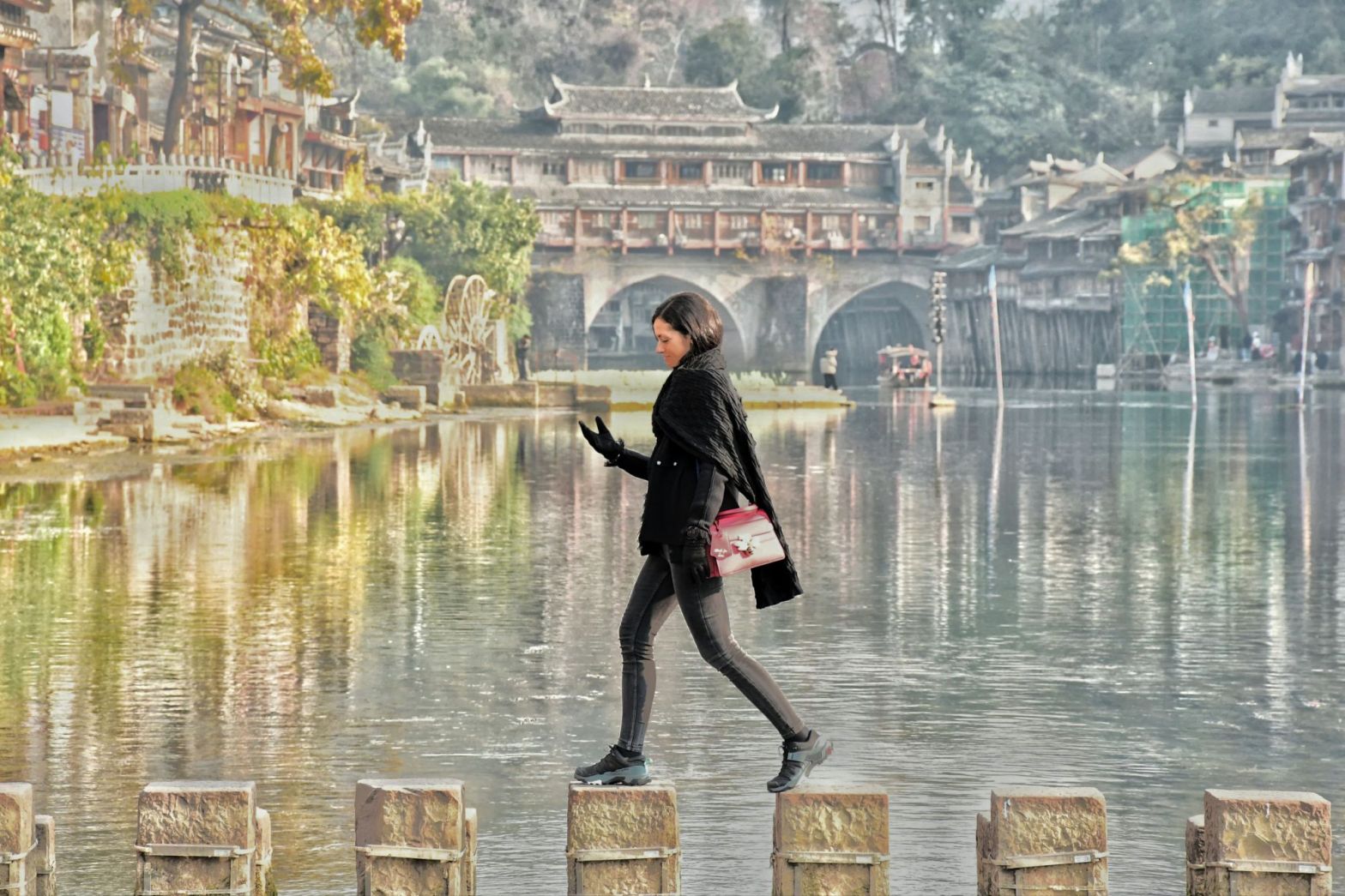
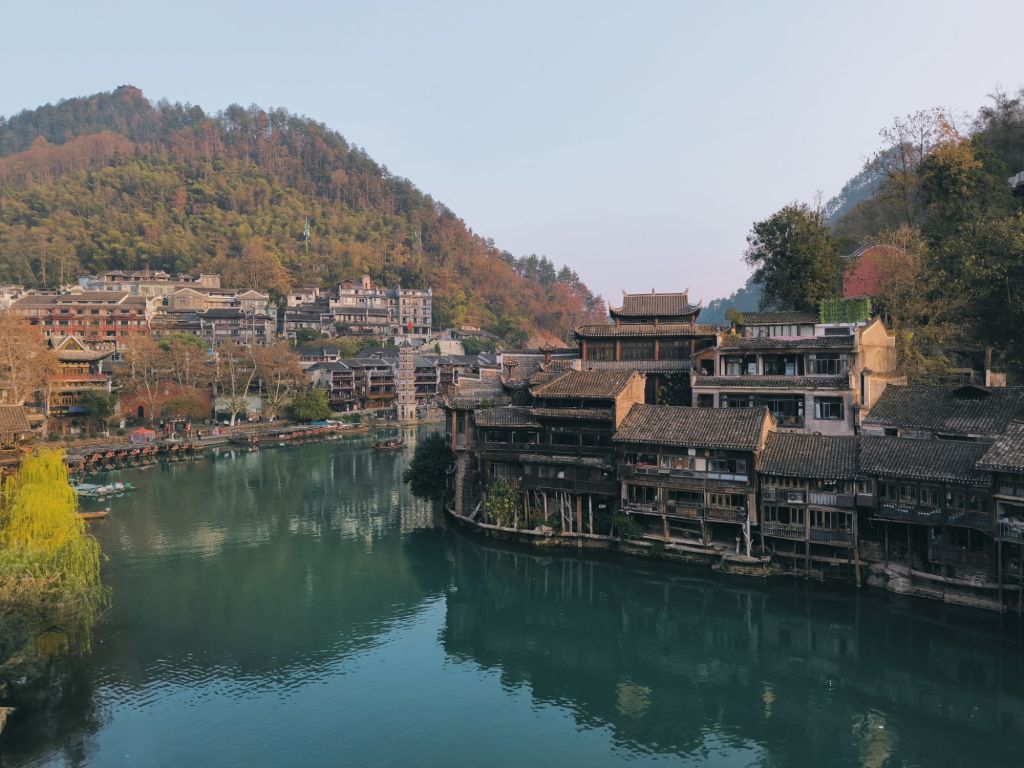
After Sichuan, it is time to explore the Hunan region. After a flight to Changsha and two trains, I arrive in the fairytale ancient town of Fenghuang. Fenghuang is one of China’s most ancient towns as many repute it as the most beautiful town in China, to the extent that is marked National AAAAA Tourist Attraction, the highest attraction rate.
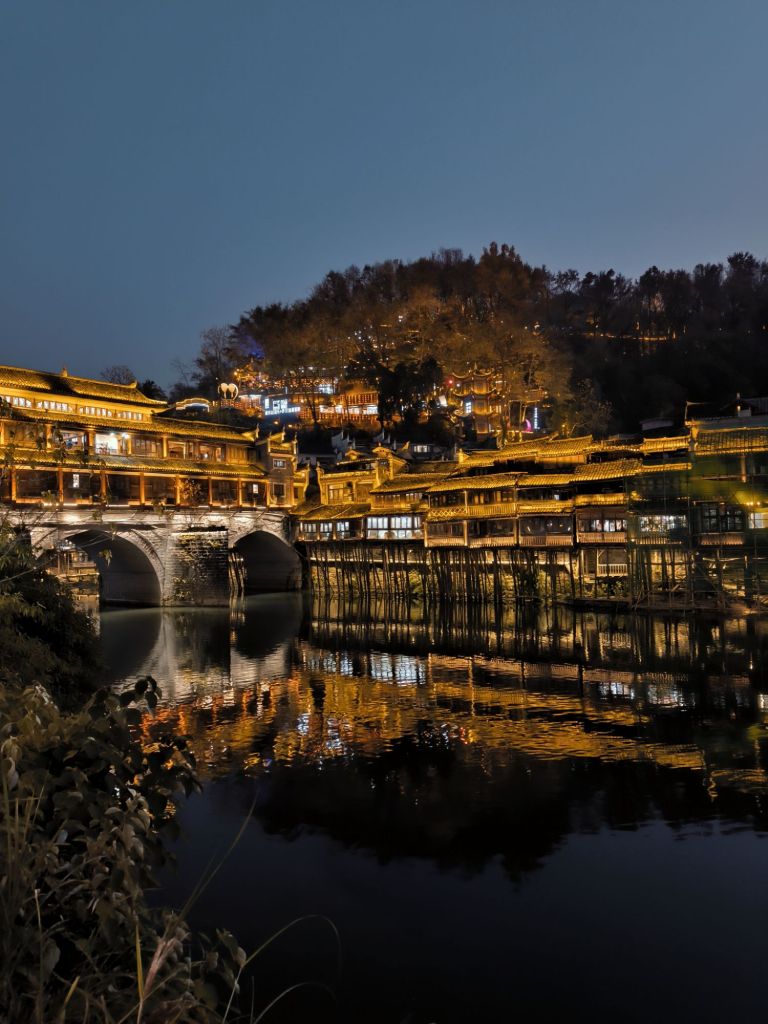
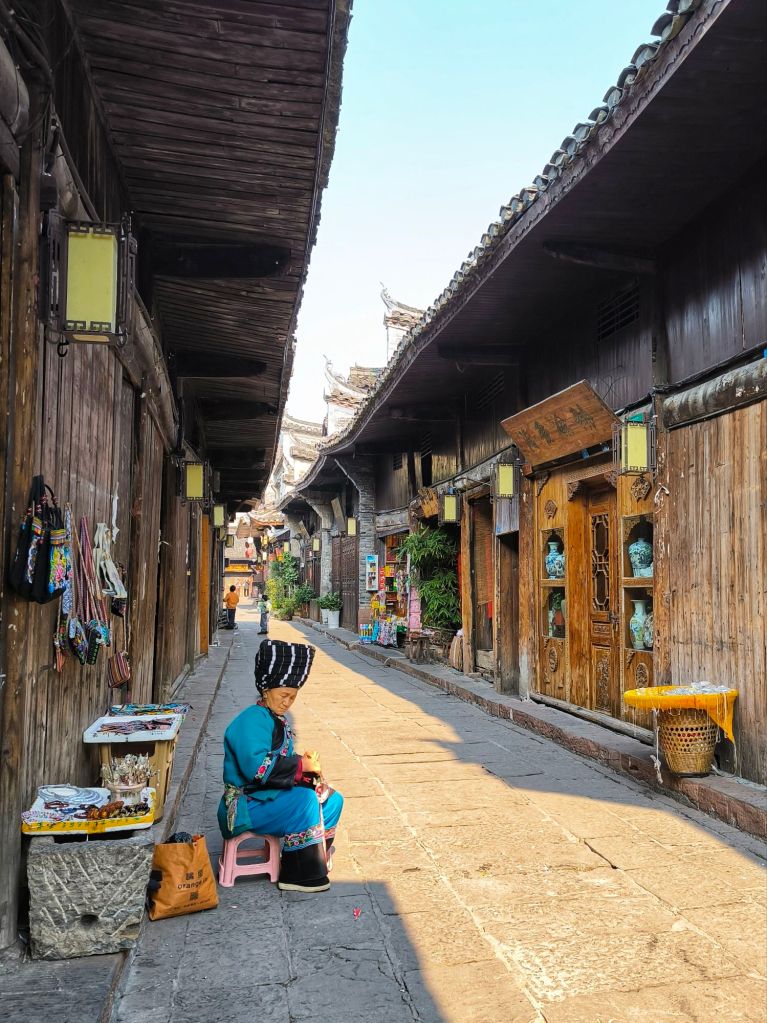
The wood houses and bridges along Tuojiang river create a unique and magic setting. The small roads of the town are touristic and partly commercialized, but still very authentic, with plenty of artisan workshops that bring on the ancient traditions of the Miao and Tujia minority ethnic groups. The town offers a nice escape from the modern cities hustle and bustle and transports you in a movie. During the night, the lights light up (to my personal taste, a bit too much) and you can enjoy a relaxing cruise along the river.
Fenghuang Ancient Town is propably one of the best preserved and most authentic old towns I visited and I was completely fascinated by it. Moreover, many of its old buildings can be visited from the inside, to have a better idea of its architectural structure.
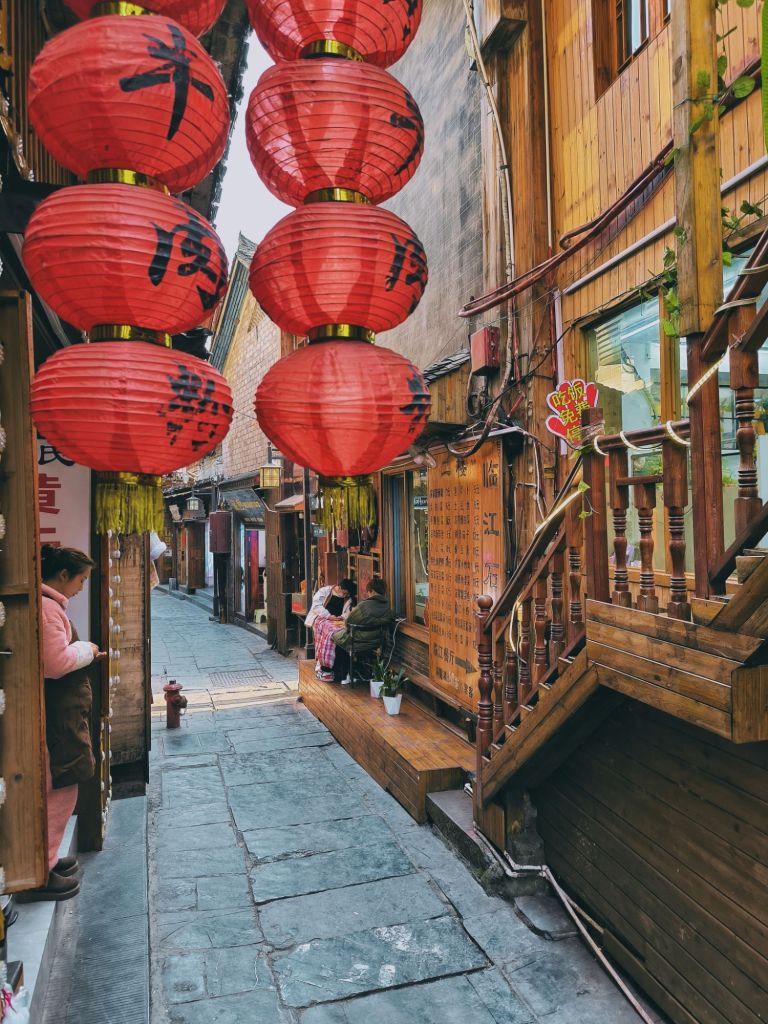
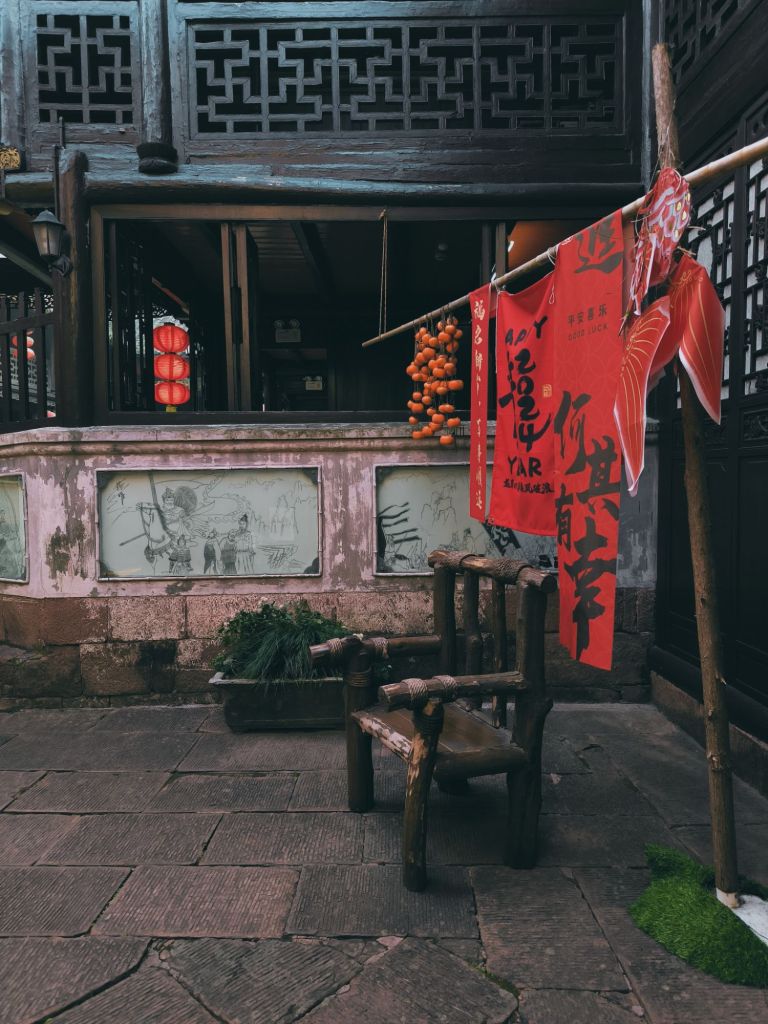
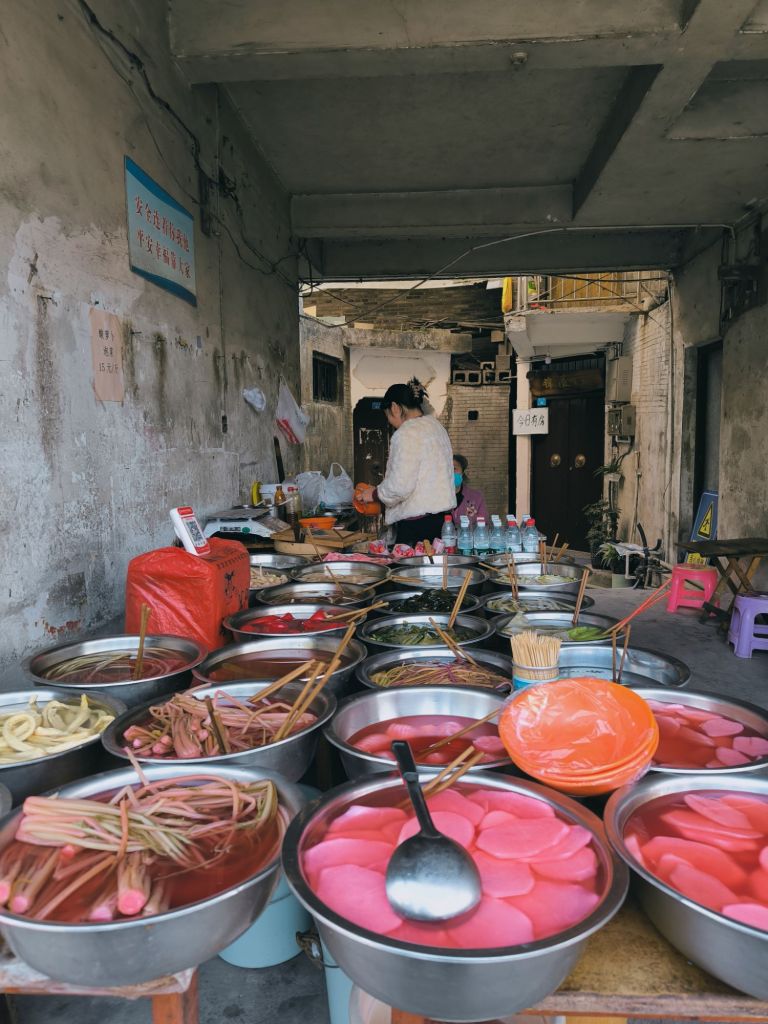
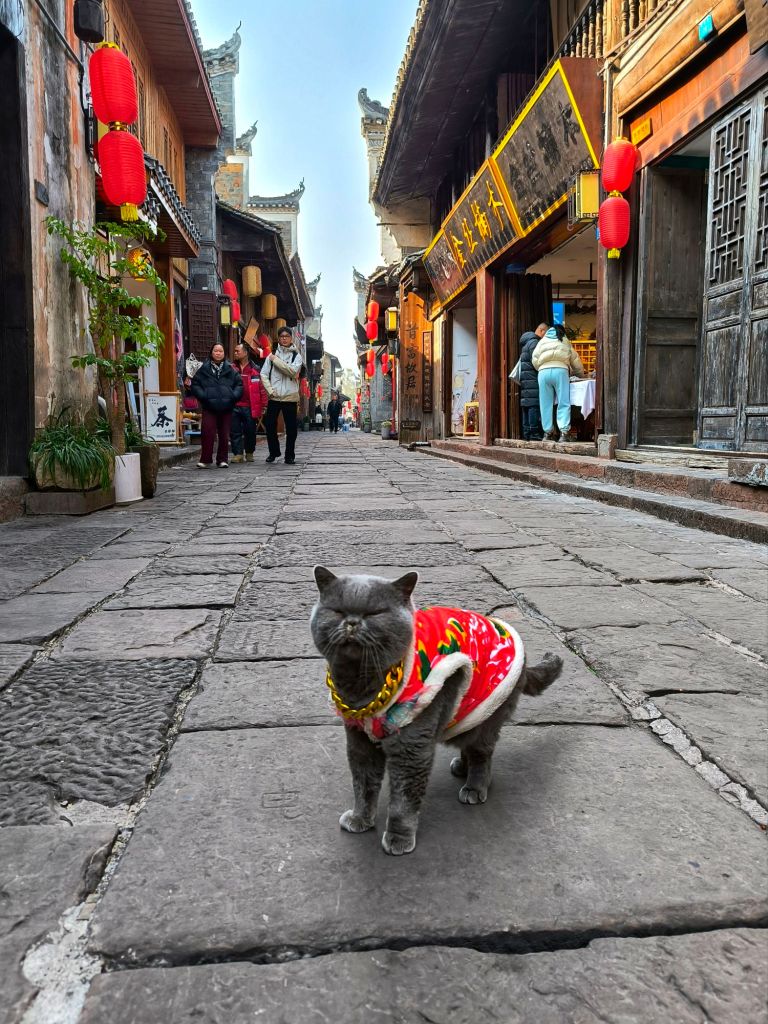
In Fenghuang I also approach for the first time the Hunan cusine, that offers milder flavours respect to the near Sichuan. Here you can taste Mao Pork Belly, Mao’s favourite dish, the Hot and Sour fish soups as well as a variety of claypot dishes and the unmissable ginger tea, as well as a variety of street food snacks such as small fish patties, meat pancakes and many types of pickles.
Shop n° 4: Zhangjiajie National Forest Park
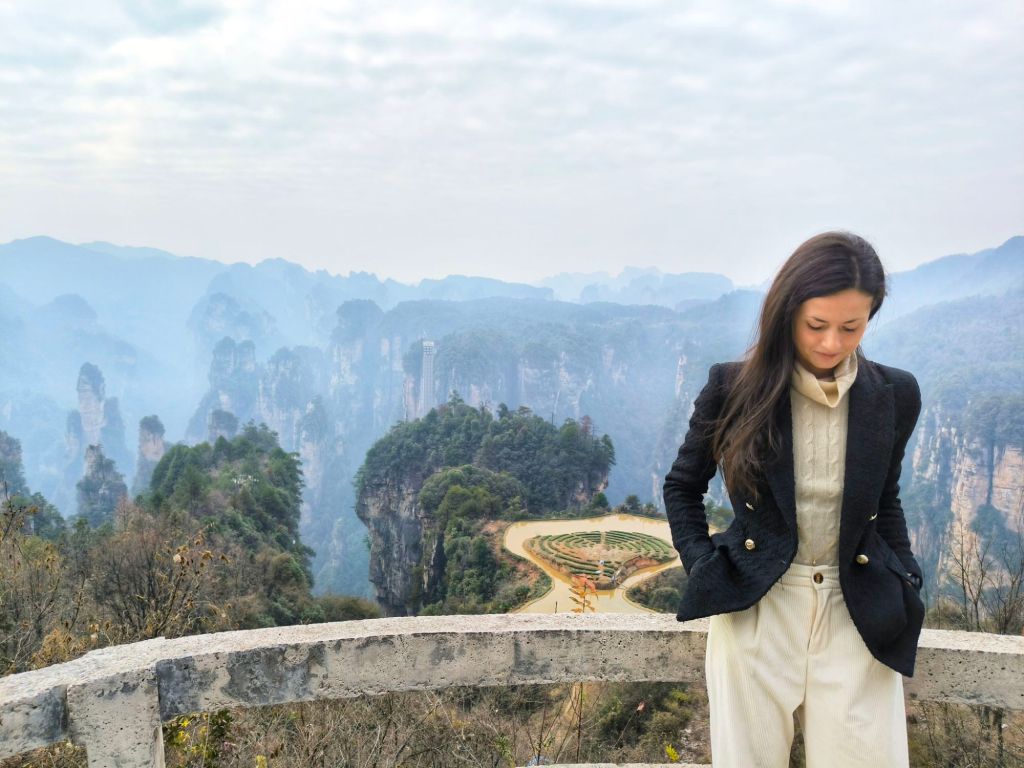
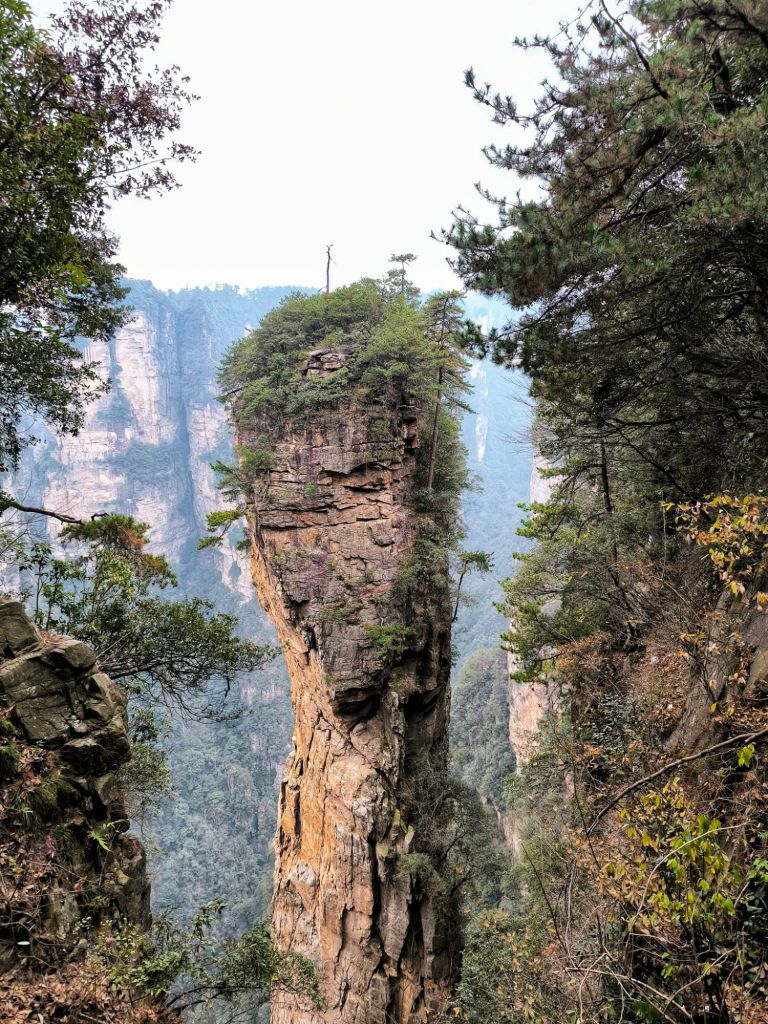
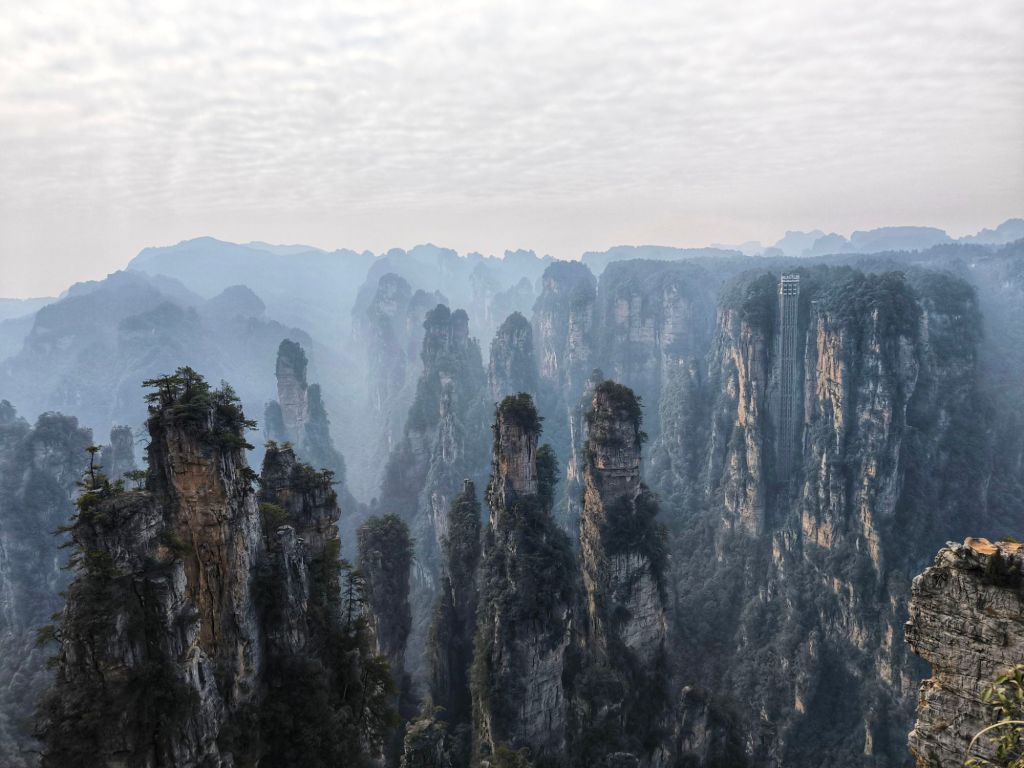
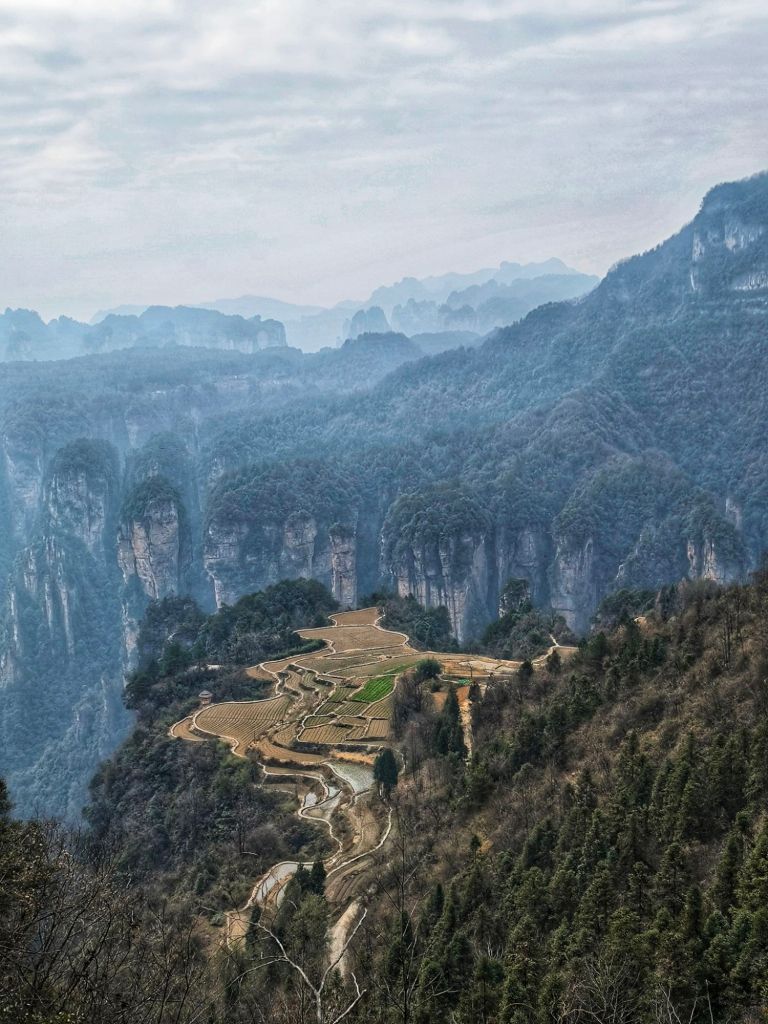
After Fenghuang, it is time to tackle the epic Zhangjiajie National Forest Park, that is a difficult name, still not sure about its pronunciation. Part of the Wulingyuan Scenic Area and UNESCO World Heritage Site, the geopark became famous for inspiring the Avatar movie mountains and just like in a movie, it looks like another World.
The forest park is huge and navigating it isn’t that easy, I suggest studying the scenic area and planning your route in advance, so you won’t miss its highlights.
If it can help, this is how I planned the route, upon advice from my hotel host: West entrance (less crowded) – Shuttle bus – Bailong Lift, that in just one minute and very silently brings you up the 326 meters of Tianzi Mountain – One stop of shuttle bus – walk the whole area with all its landmarks, taking in the view of the Golden Whip Stream. Then I suggest taking another shuttle bus and the electric bus from Diangxiangrong, that will bring you to an empty and stunning viewing platform. That’s it, more or less!
In the National Park area there are plenty of beautiful hotels and resorts, where you can enjoy some relax after your hikes. Don’t be scared by booking more isolated stays, Didi arrives everywhere.
I spent only two days in the area, but there are plenty of attractions and hiking routes, so if you have more time, add more days and enjoy the Glass bridge or the 99-bends Road.


Stop n° 5: Shanghai
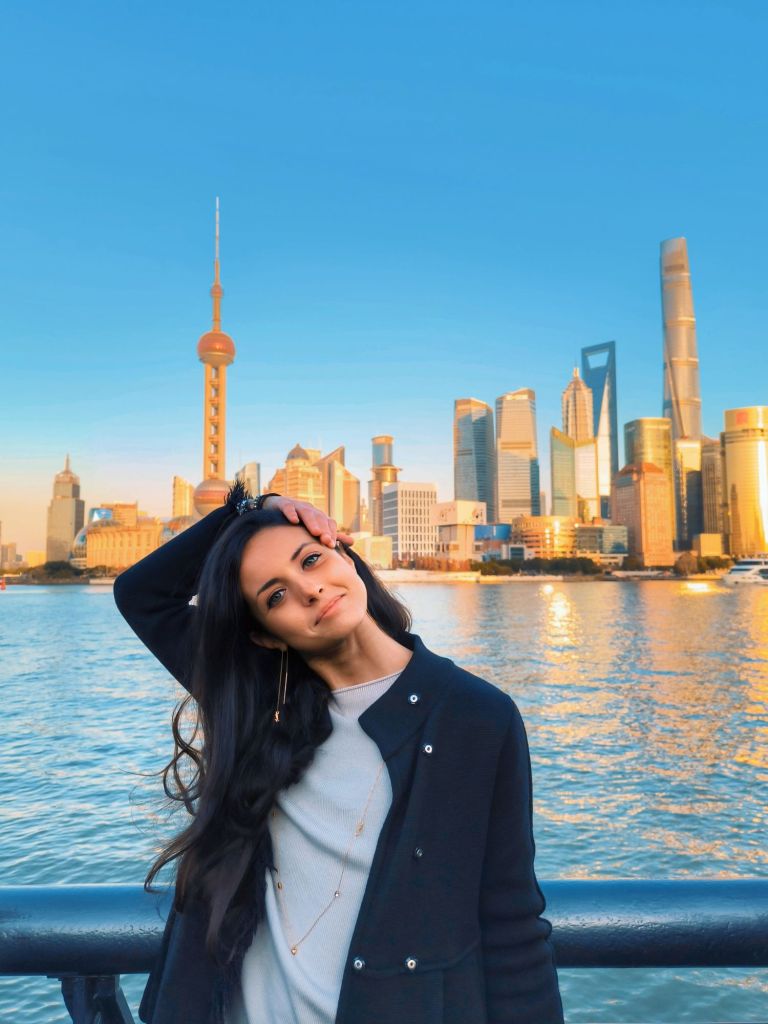
After the mystic mountain views and their peace, with one last flight I land in China’s most international and buzzy city, Shanghai. Shanghai is a huge, modern and cosmopolitan city, a bit far from my ideal city imaginary, and that’s why I visited Beijing and other cities before landing here. Yet, Shanghai is one of the most relevant cities in the world, so it was worth a visit, and it didn’t disappoint.
If you like skyscrapers views, busy commercial areas, posh avenues, upscale shopping and fine dining, all seasoned with a pinch of tradition, then Shanghai is the place for you.
The historical heritage of Shanghai is present, but not predominant: the Yu Garden is worth a visit, but it feels a bit like a Disneyland, on the contrary the Jade Buddha Temple preserves its authenticity and offers a beautiful contrast among ancient and modern architecture. What is distinctive and truly worth it of Shanghai aren’t its temples, but its diversified cosmopolitan vibe.
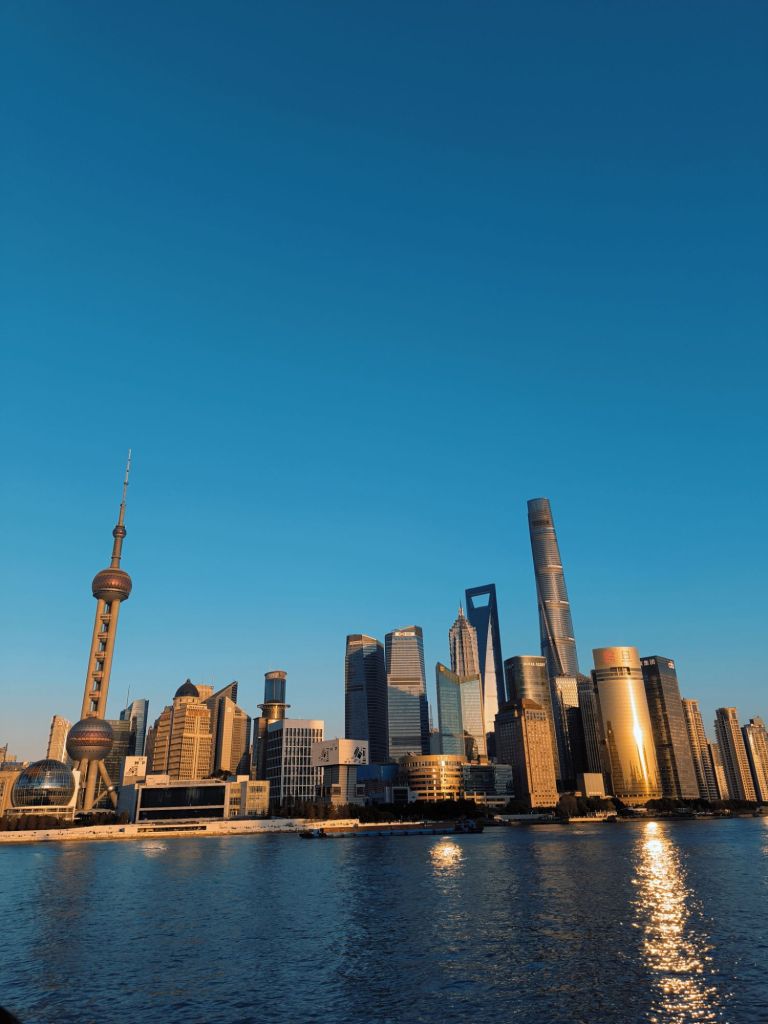
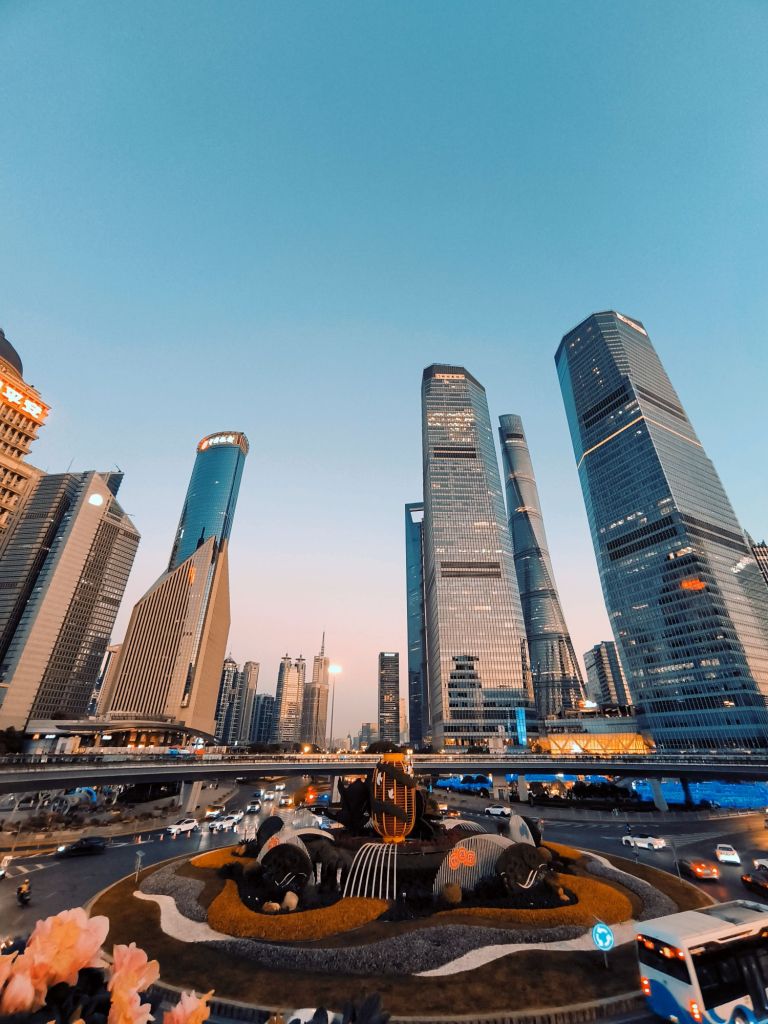
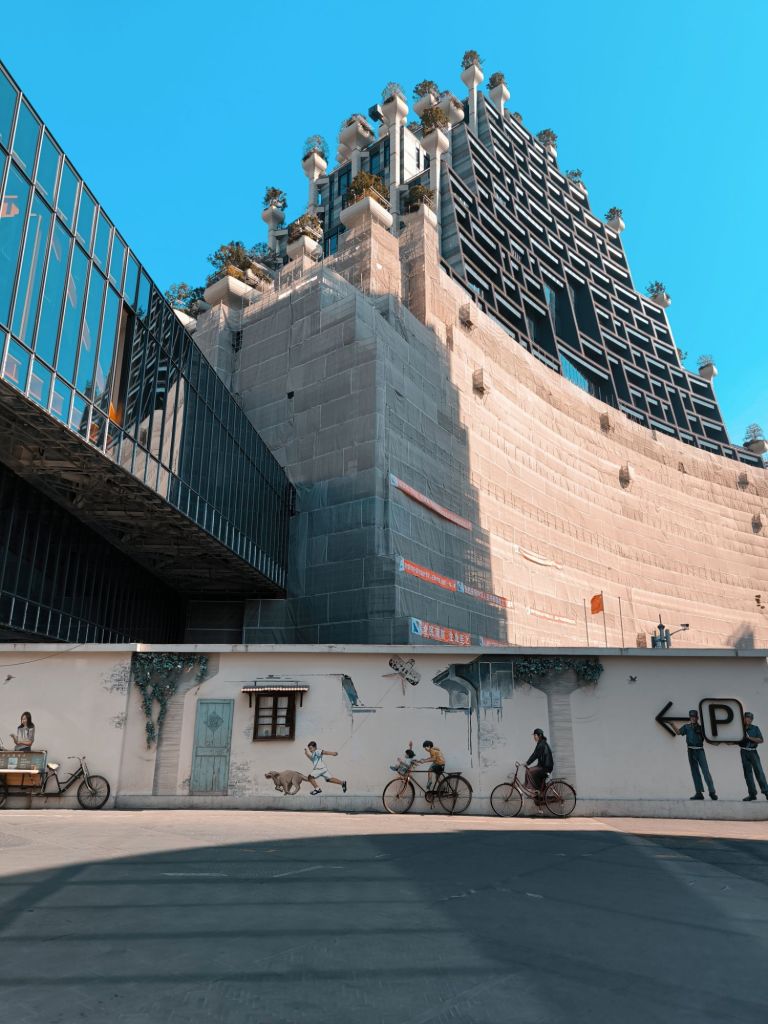
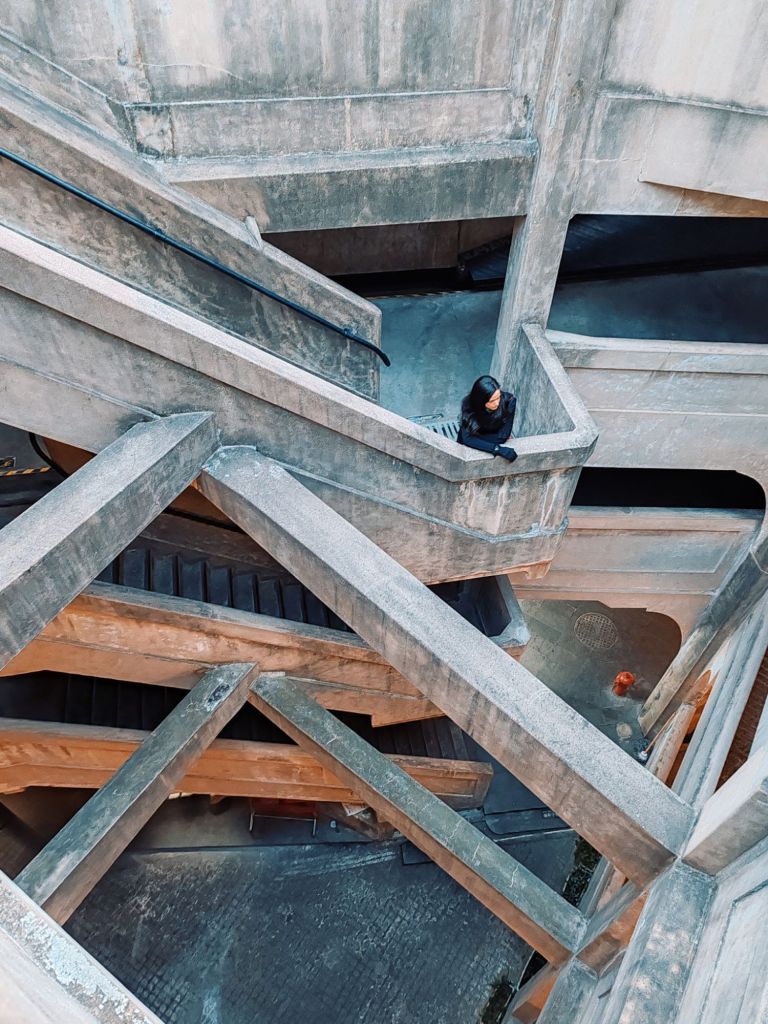
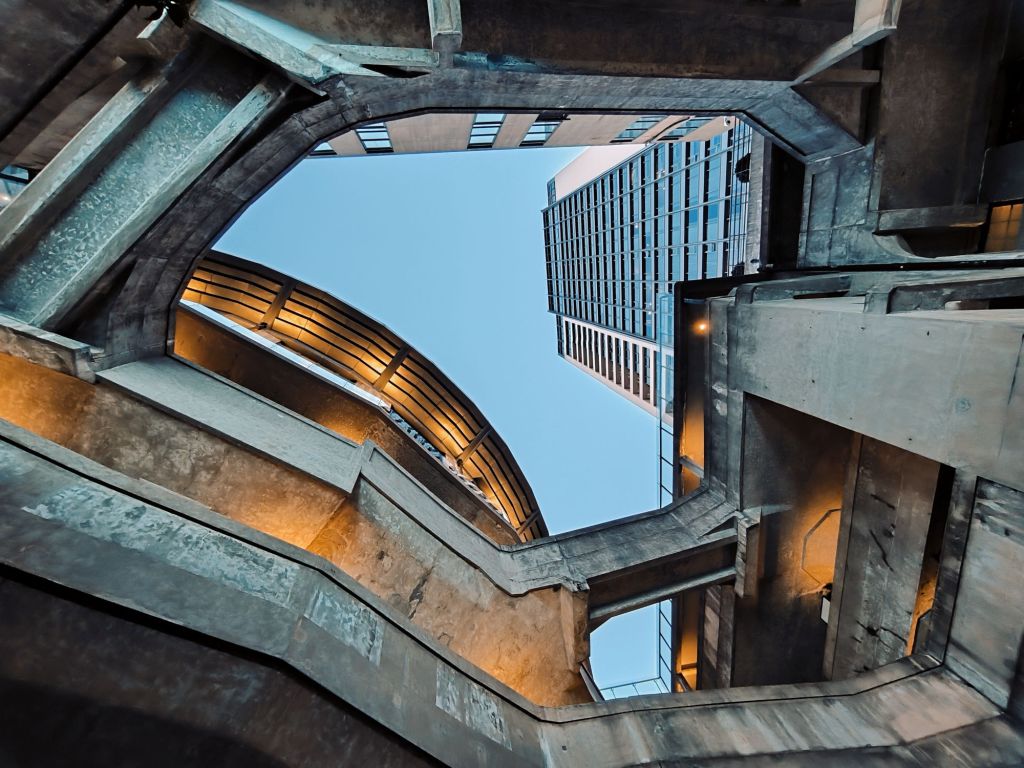
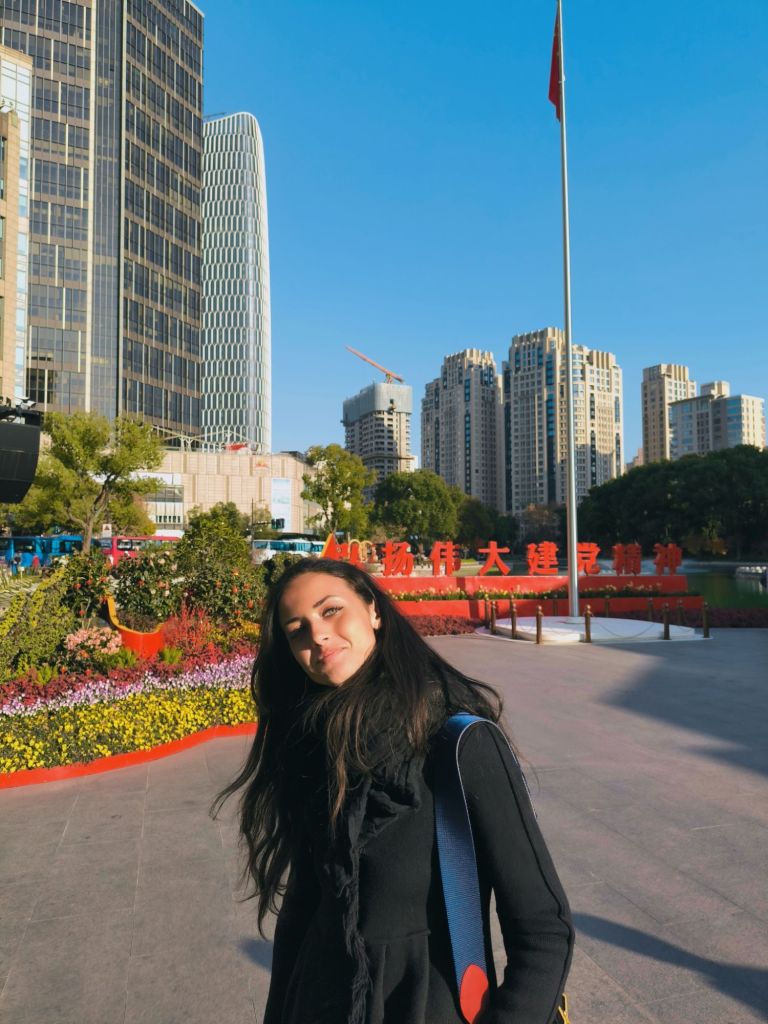
The essence of the city lays indeed in the skyline of Pudong, in the over-stimulating Naijing Road and in the quiet European-style area of Tianzifang and the French Concession: the financial area, the never-sleeping commercial area and the posh area. The essence of Shanghai is in this mix. The Tianzifang and French Concession areas are probably the most representative districts of the city, not for their architecture, but for their vibe. Here you can breathe a contemporary, alternative air, with the most interesting shops, all with a distinctive character, and many coffee shops and artisanal breweries.
To get to know Chinese modern history better, I suggest a visit to the site of the First National Congress of the Chinese Communist Party and its Museum, that are located in the beautiful Xintiandi district, also worth a shopping-visit.
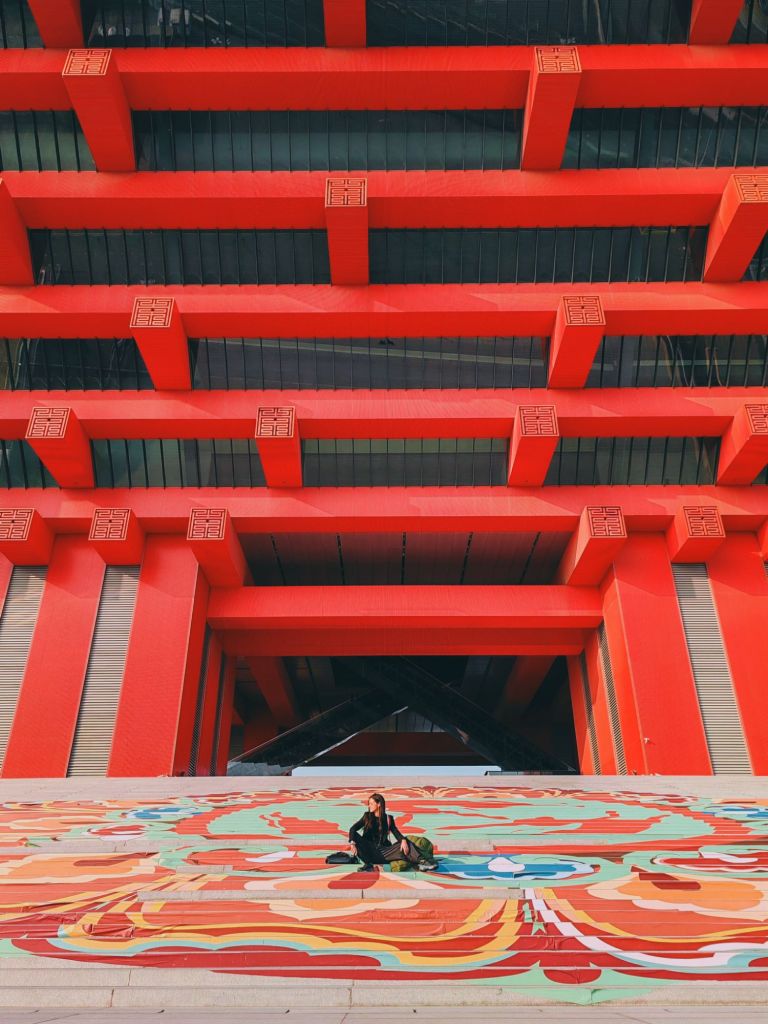
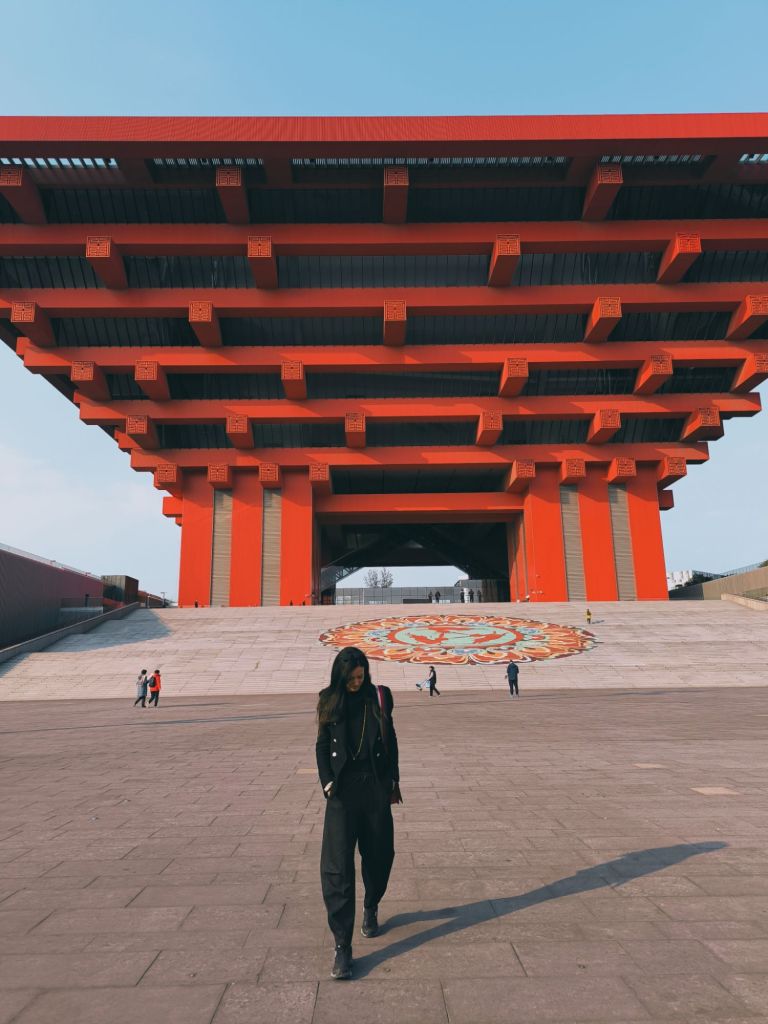
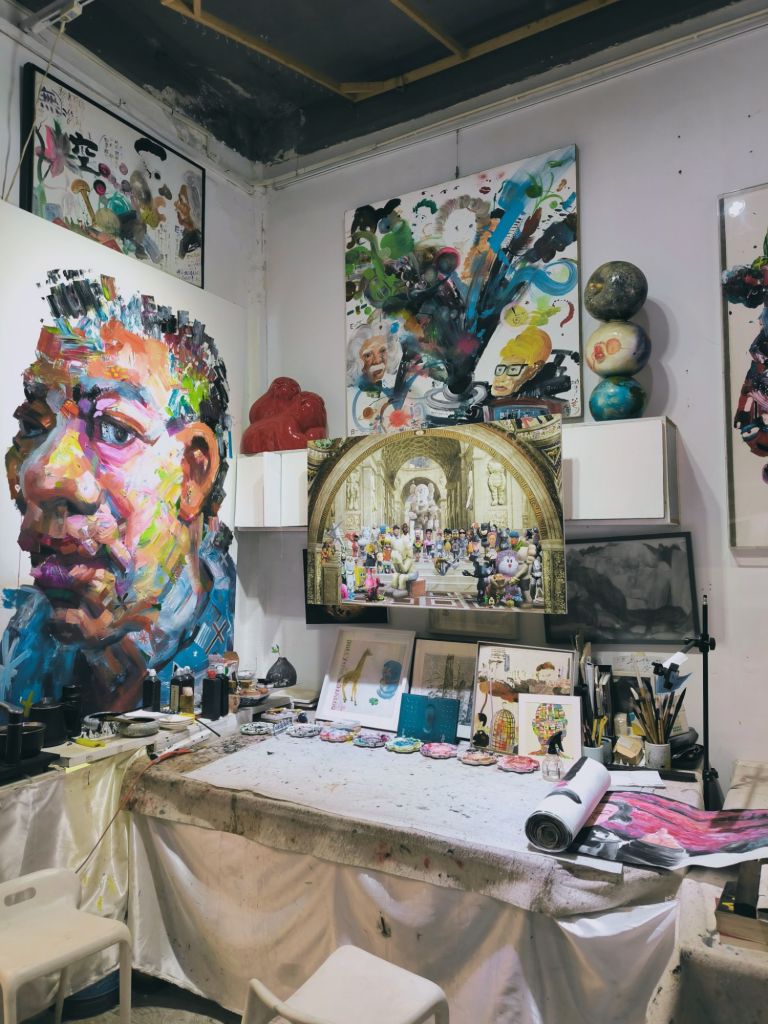
Shanghai has also a strong artistic soul, that can be found in the 50 Moganshan Road Art District (way smaller than the 798 Art Zone, Beijing Art District, but still interesting), as well as in China Art Museum, that lays in the majestic pavilion of China Expo and the Power Station of Art, that hosts a variety of contemporary artists. On the same line, the 1933 Old Millfun, is worth a visit and a photography session.
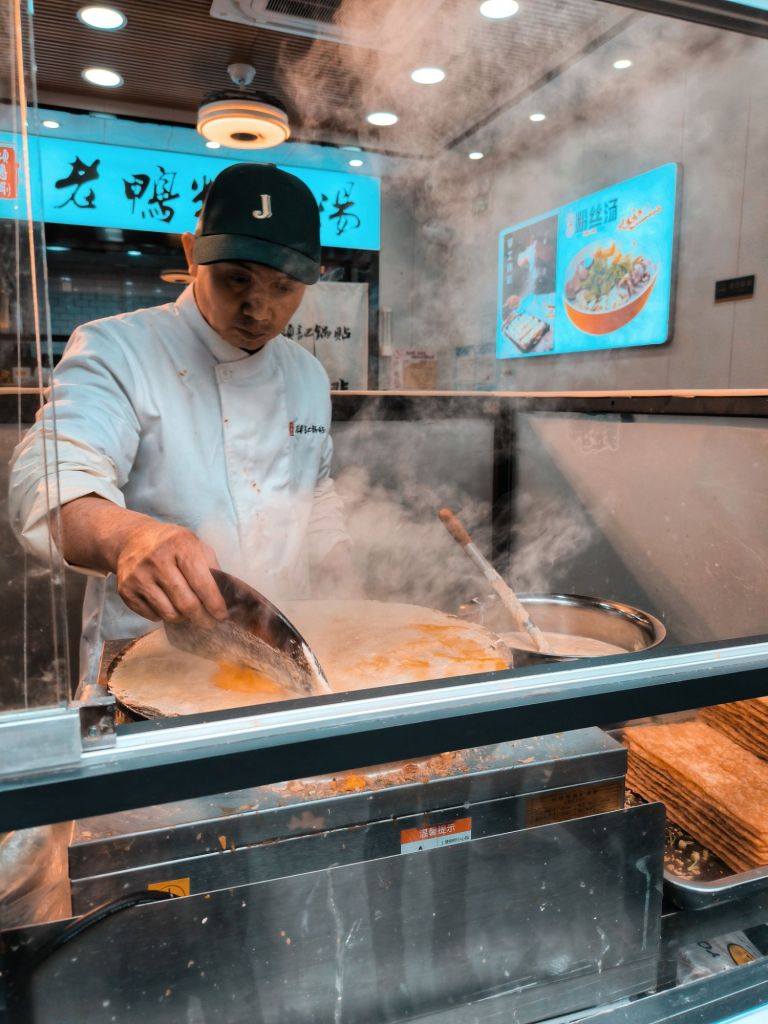
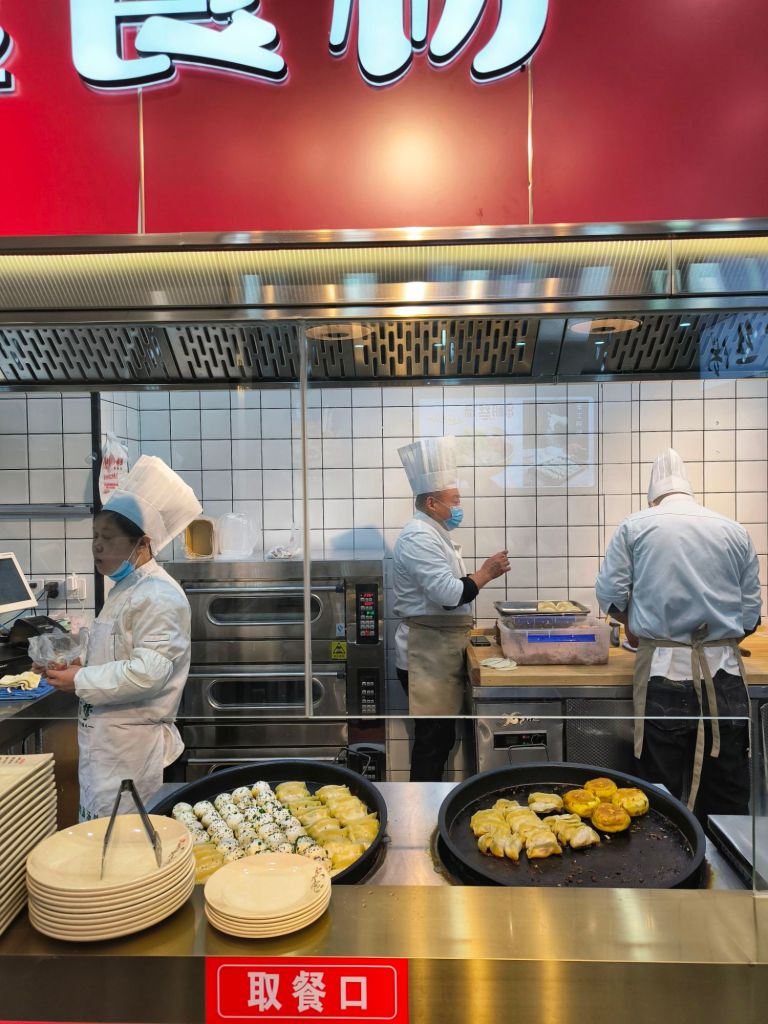
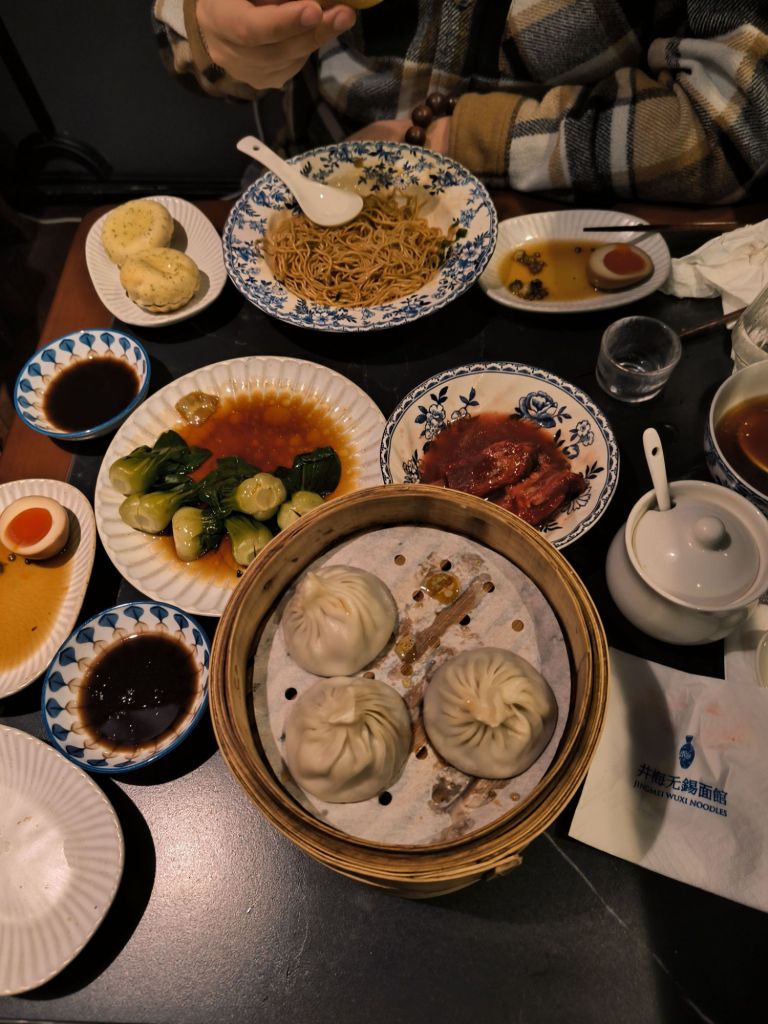
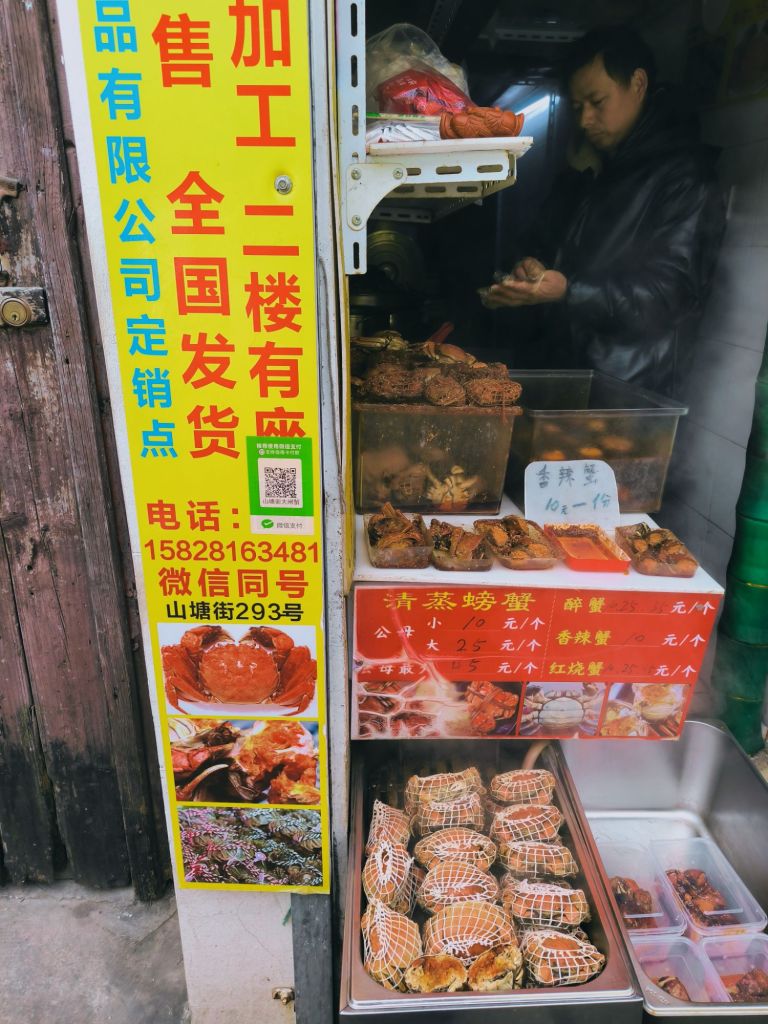
Coming to the food, nowadays apparently everyone visits Shanghai for one thing: hairy crabs, so of course you must taste one of the many crab dishes you will find in food halls and restaurants in the city, but Shanghai food scene is so much more than that! Indeed, in the city you can have the best Xiao Long Baos (soup filled dumplings) and the best pan-fried dumplings, as well as scallion pancakes and the tasty Jianbing, a sort of Chinese crepe ideal as breakfast.
Last but not least: the Water towns, Suzhou and Tongli
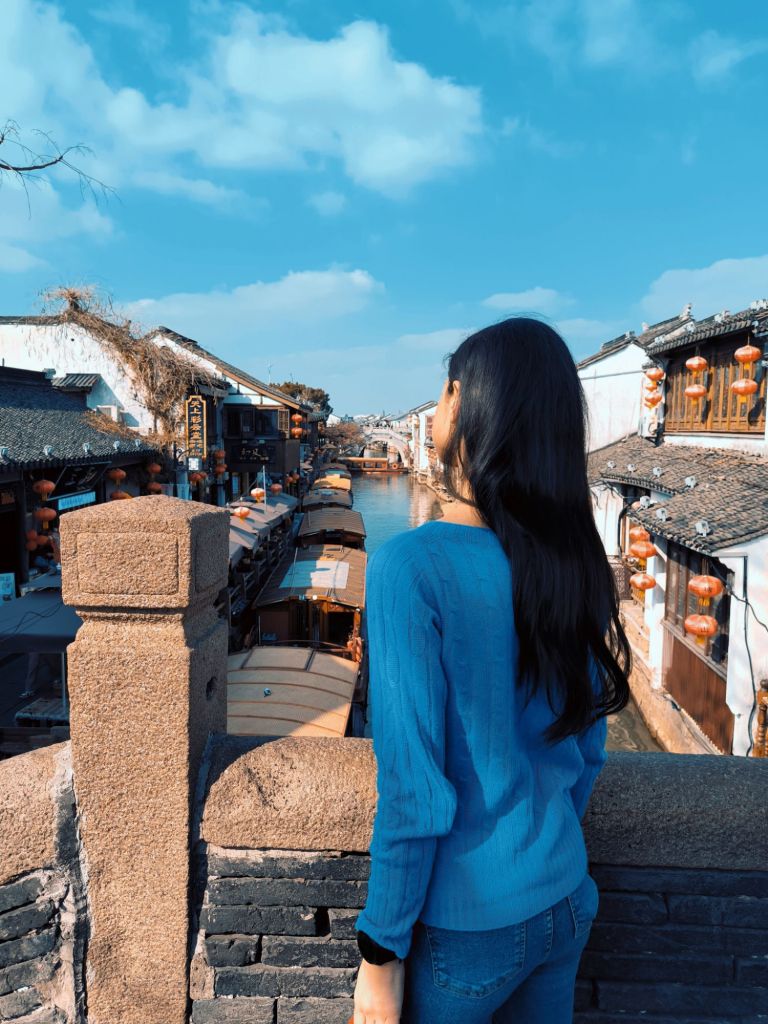
From Shanghai and thanks to the high-speed trains, you can conveniently reach many Water Towns and I highly recommend visiting at least one of them. The nearest one is Suzhou.
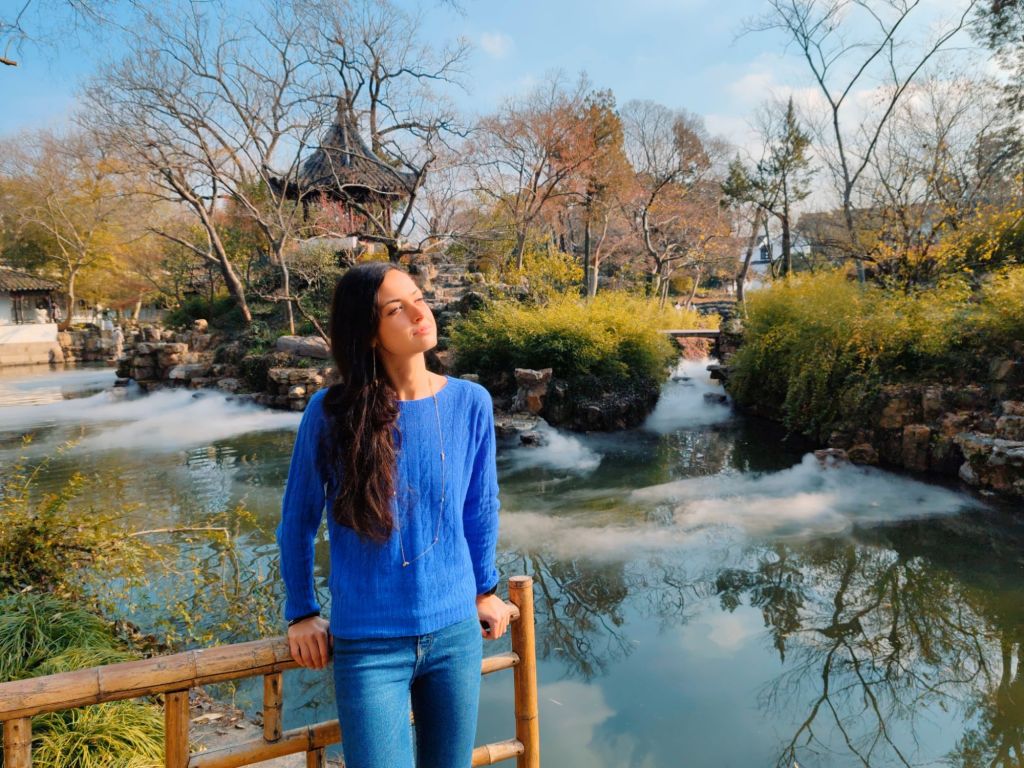
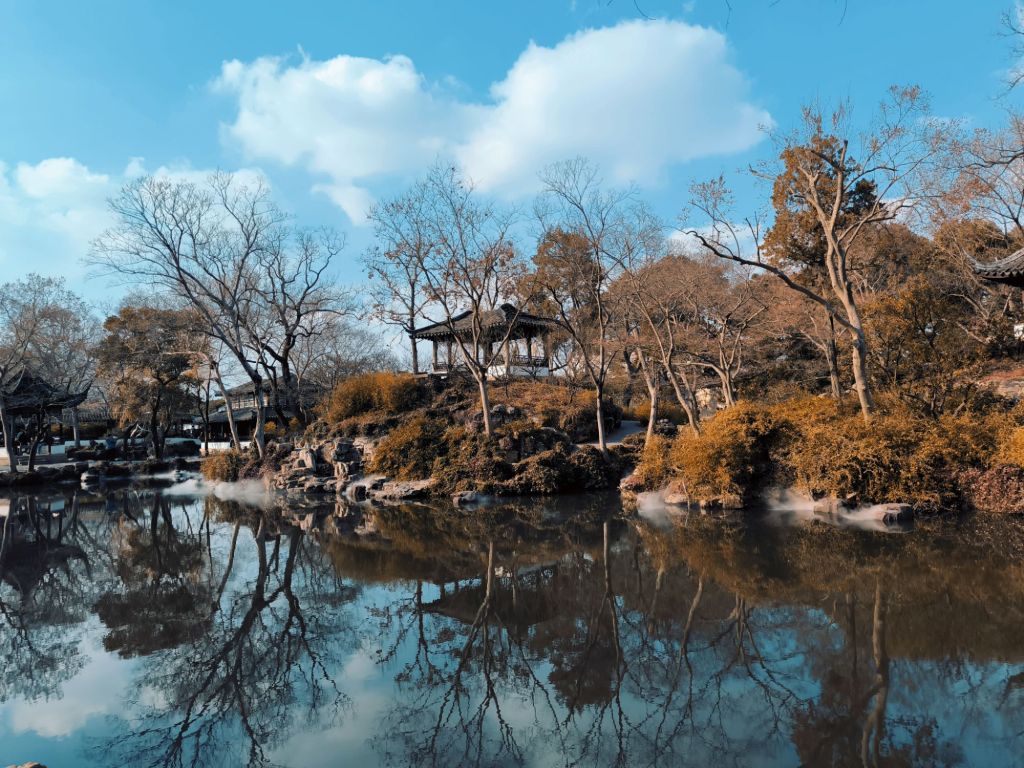
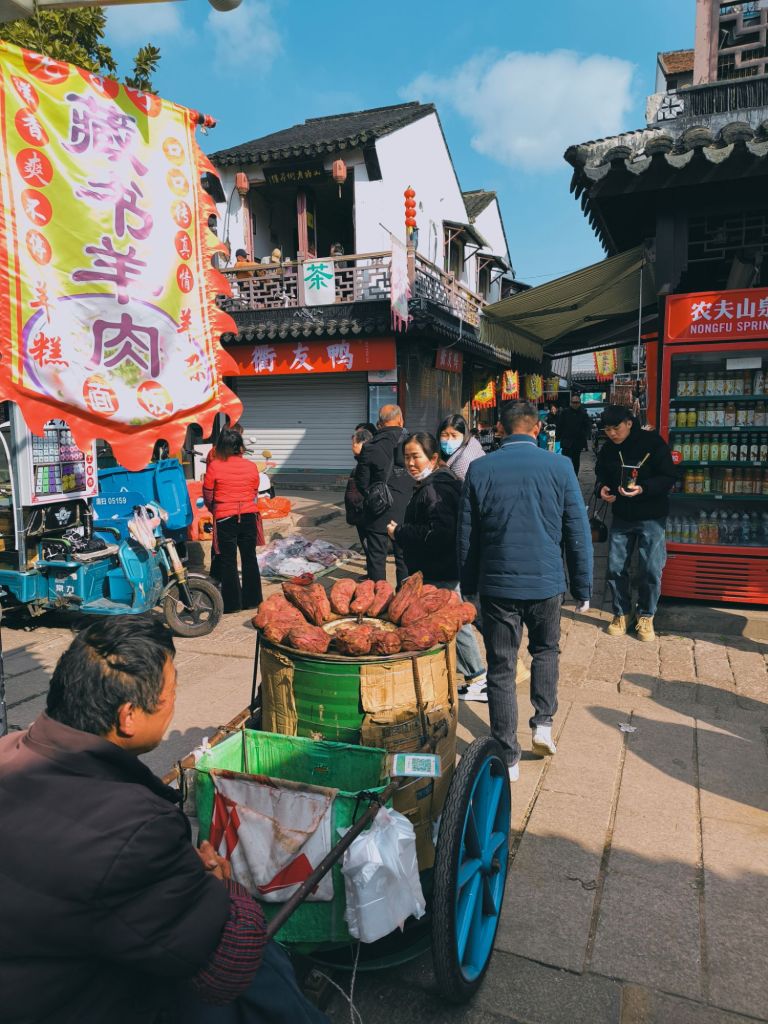
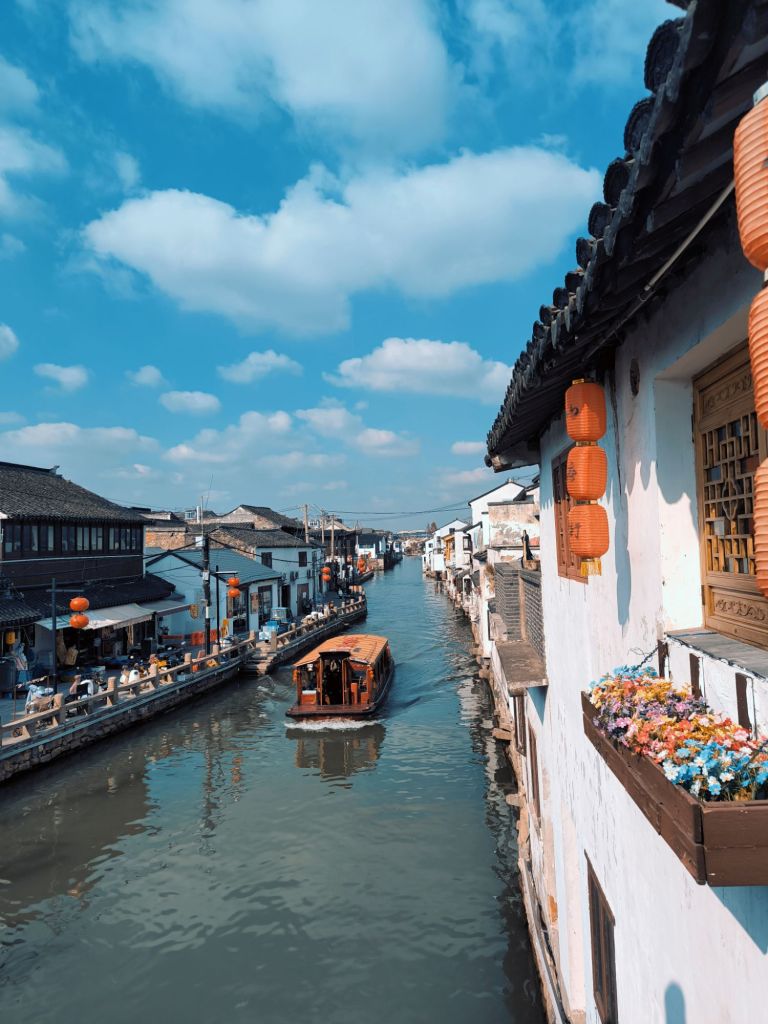
The Ancient Town of Suzhou is beautifully preserved, with its canals and waterside restaurants that sometime remind me of Dutch cities, if it wasn’t for the red lanterns (and the good food, sorry Dutch friends, just kidding, perhaps!). In Suzhou you can find a peaceful atmosphere, beautiful Gardens, loads of beautiful silk shops, pearl laboratories and delicious street food, especially in the less touristic roads. Here you can also easily find crabs in chilly sauce, much more pungent and delicious than the IG-friendly crab dishes of Shanghai. I tasted a variety of street food here, unfortunately I don’t remember all the names, but in general trust your instinct and taste everything that looks appetizing to you, you won’t be disappointed.
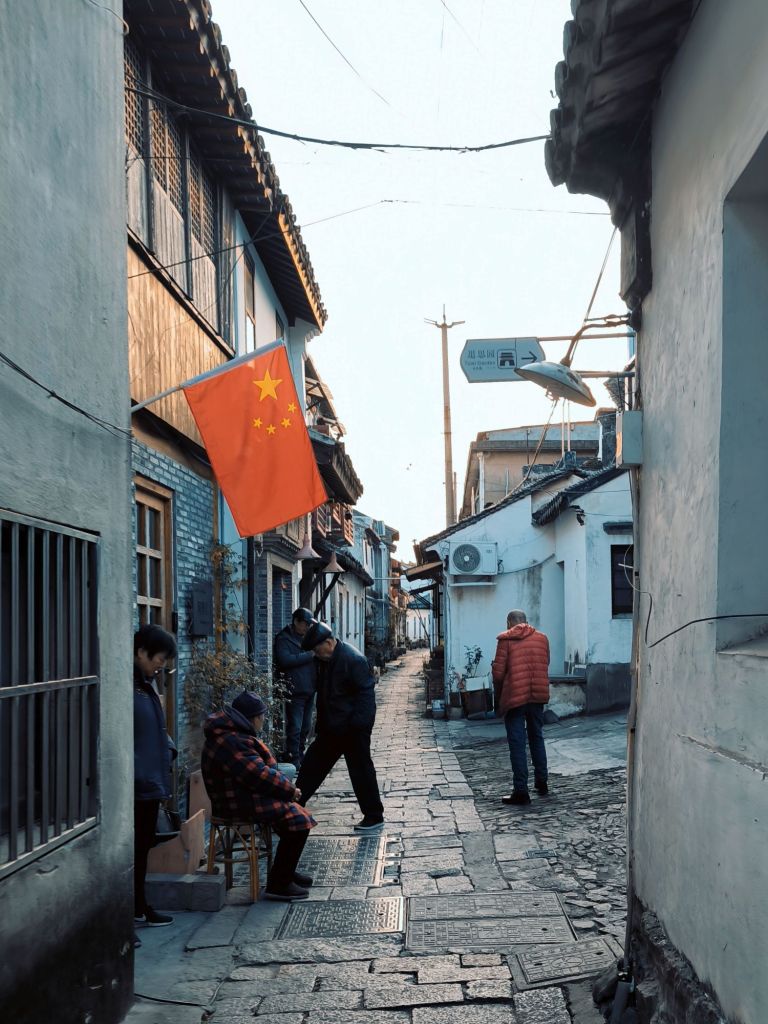
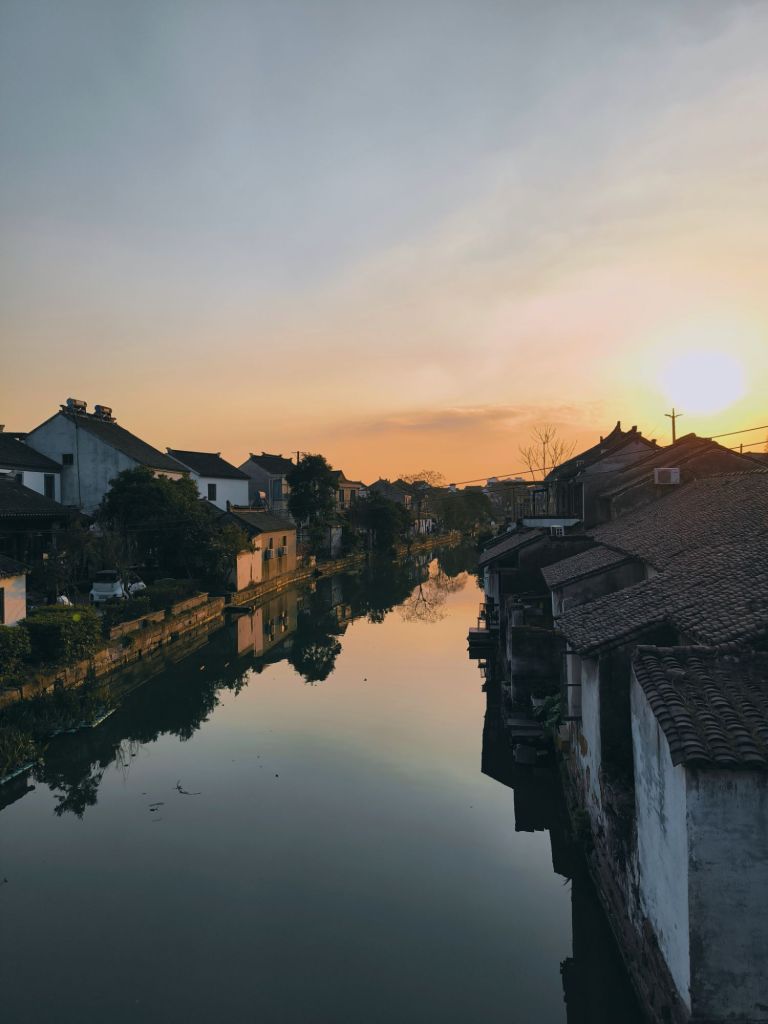
From Suzhou you can also reach the ancient town of Tongli, a beautiful example of traditional architecture and an oasis of peace, visit it in the late afternoon for an even better experience.

My trip to China comes to an end, time to plan the next trips and a China Volume III trip, to dig into China culture and lifestyle even more and to explore all the remaining cities and natural beauties of the Country. I don’t know when and how, but promise I will be back!
Quick and random tips for your Chinese trip:
- If you want to avoid crowds, visit China in low-season, such as Winter period. Avoid visiting during Chinese festivities.
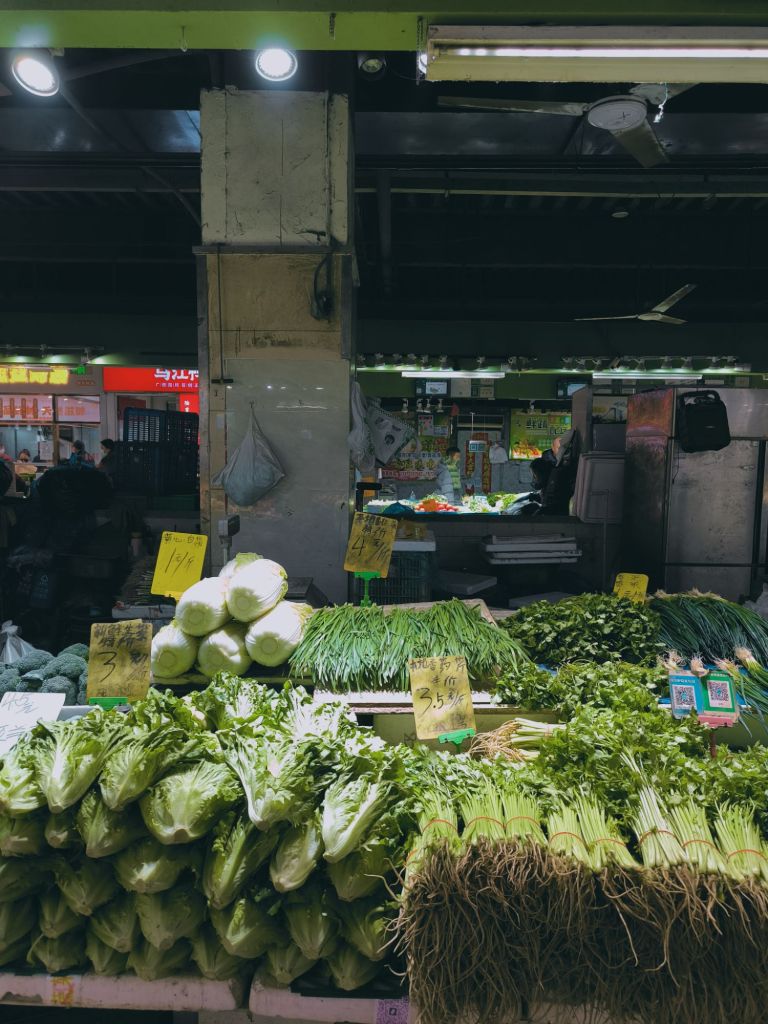
- Don’t be afraid of tasting everything you see, Chinese food is the most diverse and tasteful. Markets are also very interesting: neat and full of fresh tasty fruit. (Random, but quite surprisingly, Winter is strawberry season and they are so sweet!)
- Cash is useless: download and set Alipay, put your credit card in the wallet and you won’t need anything more
- Metro ticket can be purchased directly by Alipay, simply scanning the QR code. Normally a metro trip costs around 0,40 – 0,50€, taxis are also very cheap.
- Download Didi (China Uber) to book taxis and Dianping to research restaurants, bars or even hair salons. Make sure to have a good translator app: English is not commonly spoken and menus or signs are often only in Chinese
- Purchase an e-sim or a local sim, having internet connection is essential for everything. I used Holafly (VPN included) and it worked greatly, here my referral link to have a discount.
- Don’t stick to touristic areas and feel free to explore every corner, the security levels are extremely high, I rarely feel as safe as I do in China
- Never get out without your passport: to access attractions or take trains, you will always need it (often you won’t have tickets and will be able to board or access places just through it)
- Train tickets as well as attraction tickets can be purchased directly on Trip. Please remind that taking a train in China is just as taking a flight, so go to the train station a little bit in advance
- ENJOY! 🙂
 Ginevra Rides & Travels